
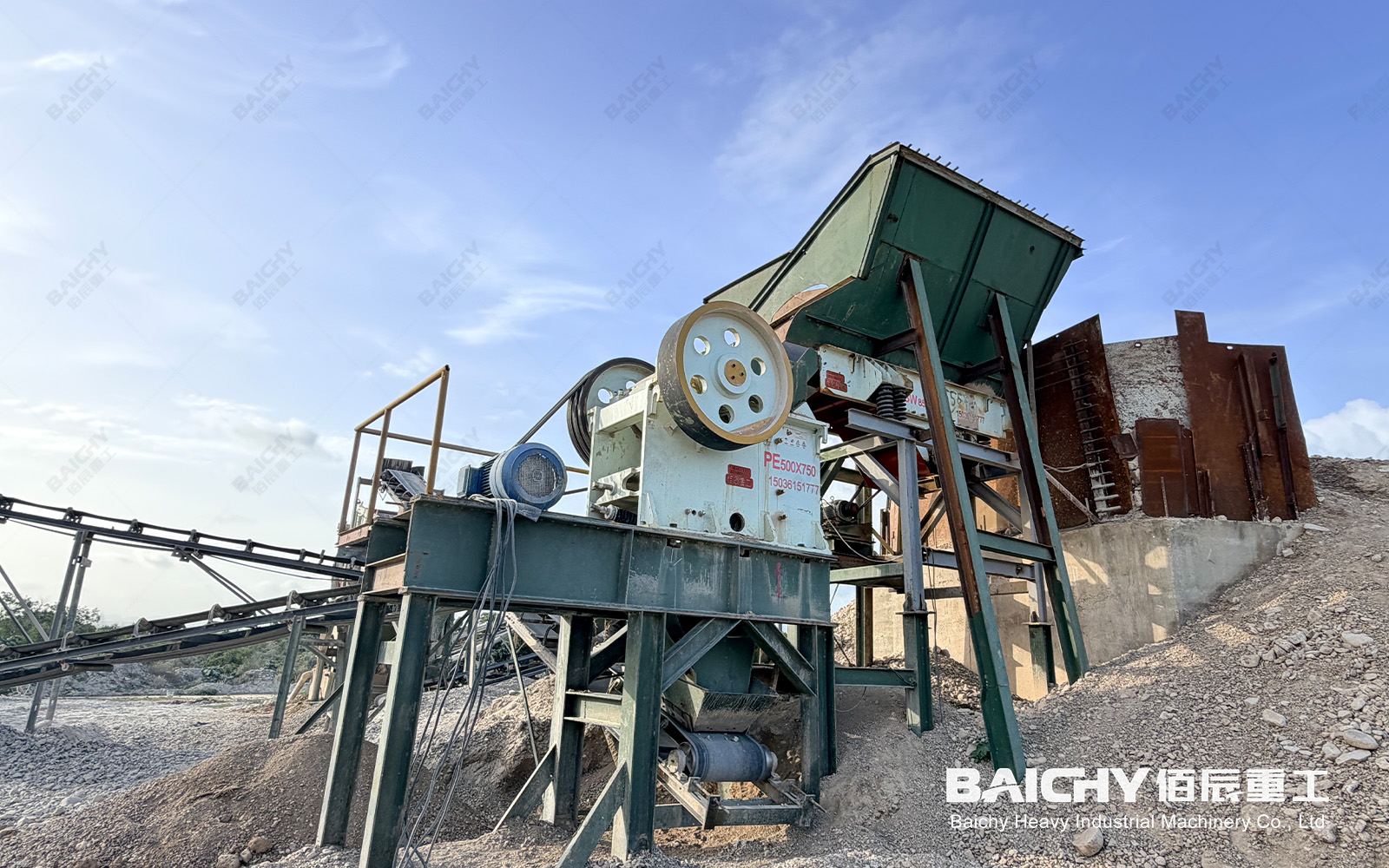
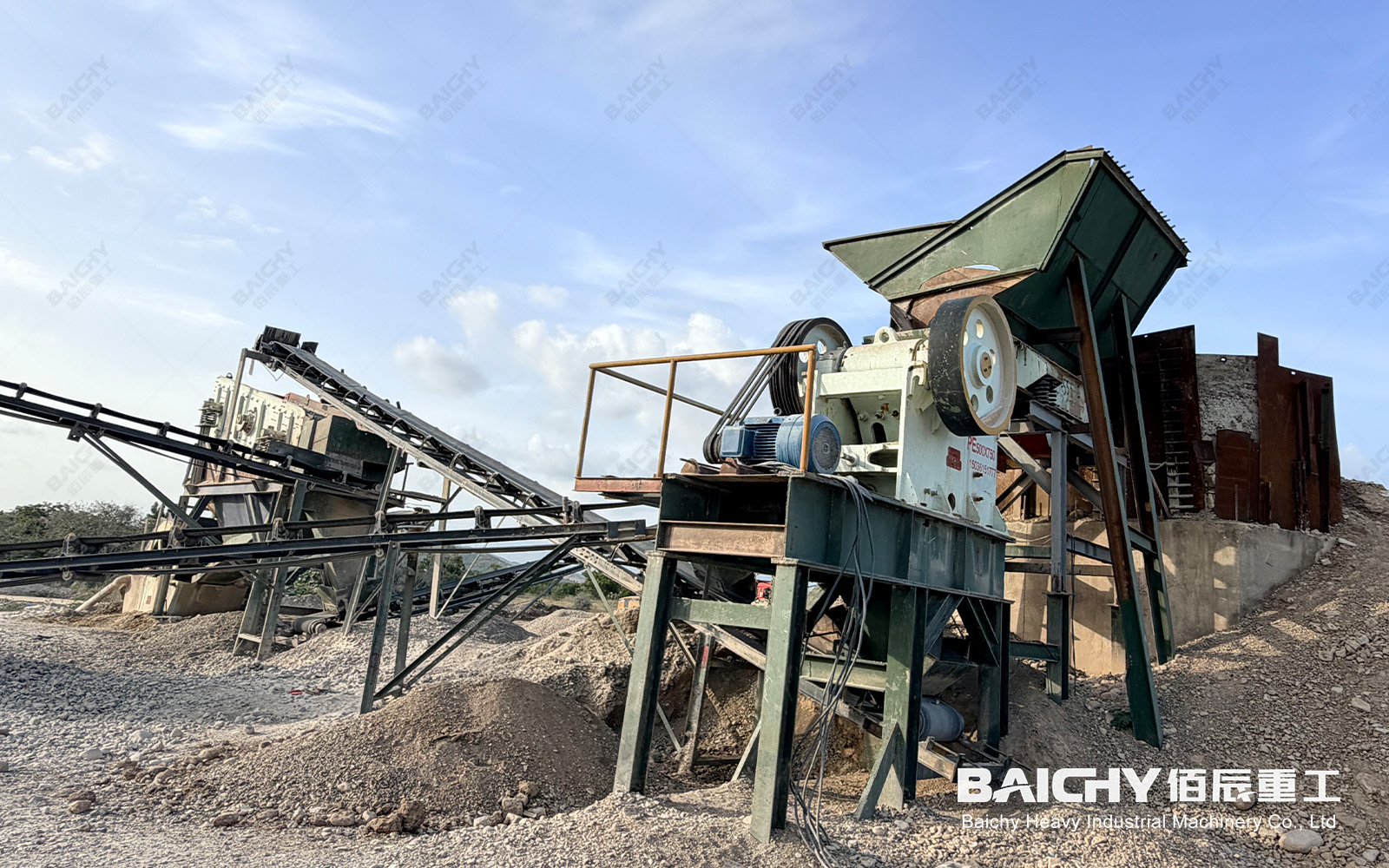
Crushing and Sand Washing Production Line in the Dominican Republic
In a stone crushing production line, the intermediate crushing stage establishes the product gradation, while the fine crushing stage produces the final product; thus, the selection of intermediate and fine crushing equipment directly determines the cost per ton and the selling price of the finished product. The selection rule can be summarized in three points: use cone crushers for hard rock, impact crushers for medium-to-soft rock, and VSI crushers for manufactured sand. A single equipment mismatch can lead to wear-part and downtime costs that wipe out an entire year's profit within just three months. This article presents a selection framework, parameter comparisons, and real-world case studies for intermediate and fine crushing equipment, categorized by "material hardness × target product."
I. Defining the Role: Intermediate and Fine Crushing as the "Cost-per-Ton Hub"
The standard workflow for a stone crushing line is: primary crushing → intermediate crushing → fine crushing → screening (+ sand making/shaping). Primary crushing determines feasibility ("can it be crushed?"), while intermediate and fine crushing equipment determines profitability ("what is the selling price?"):
Raw material ≤500–1000mm → Primary crushing (Jaw crusher) → 100–300mm
→ Intermediate crushing (Cone/Impact crusher) → 30–80mm ← Intermediate crushing equipment
→ Fine crushing (VSI/Roll/Fine-crushing cone crusher) → 0–25mm ← Fine crushing equipment
→ Vibrating screen classification → 0–5 / 5–10 / 10–20 / 20–30mm finished products
Why focus on intermediate and fine crushing equipment? First, these stages involve the highest crushing ratios and the most concentrated wear-part consumption—wear parts typically account for 30–40% of total crushing costs, with the fine crushing stage representing the largest share. Second, the final product's shape, gradation, and fines content are all determined here, directly dictating the selling price. A wrong choice in primary crushing is an efficiency issue; a wrong choice in intermediate and fine crushing is a profitability issue.
II. Selection Based on Application Scenarios: Four Typical Stone Production Lines
2.1 Hard Rock Aggregate Line (Granite, Basalt, Diabase)
Compressive strength: 150–350 MPa; high abrasiveness. For secondary crushing, cone crushers (CS/HP/PYB series) are mandatory; the wear parts—utilizing inter-particle (lamination) crushing—offer a service life 6–10 times longer than the blow bars of impact crushers. Using impact crushers for hard rock results in monthly blow bar replacements (1–2 times) and uncontrollable per-ton costs. For fine crushing, a closed-circuit cone crusher setup is used to produce aggregate, while a VSI crusher is integrated to simultaneously produce sand.
2.2 Manufactured Sand Production Line (Supplying Ready-Mix Concrete & Asphalt Plants)
Equipment selection centers on finished sand specifications: flaky/elongated particle content <5% and an adjustable fineness modulus of 2.3–3.0. The preferred fine-crushing equipment is a VSI sand-making machine (utilizing "rock-on-rock" and "rock-on-iron" modes), with upstream pre-crushing to ≤45mm before feeding; the VSI also performs particle shaping, serving as a value-add feature that allows for higher pricing of hard-rock aggregates.
2.3 Medium-Soft Rock Aggregate Line (Limestone, Dolomite, Gypsum)
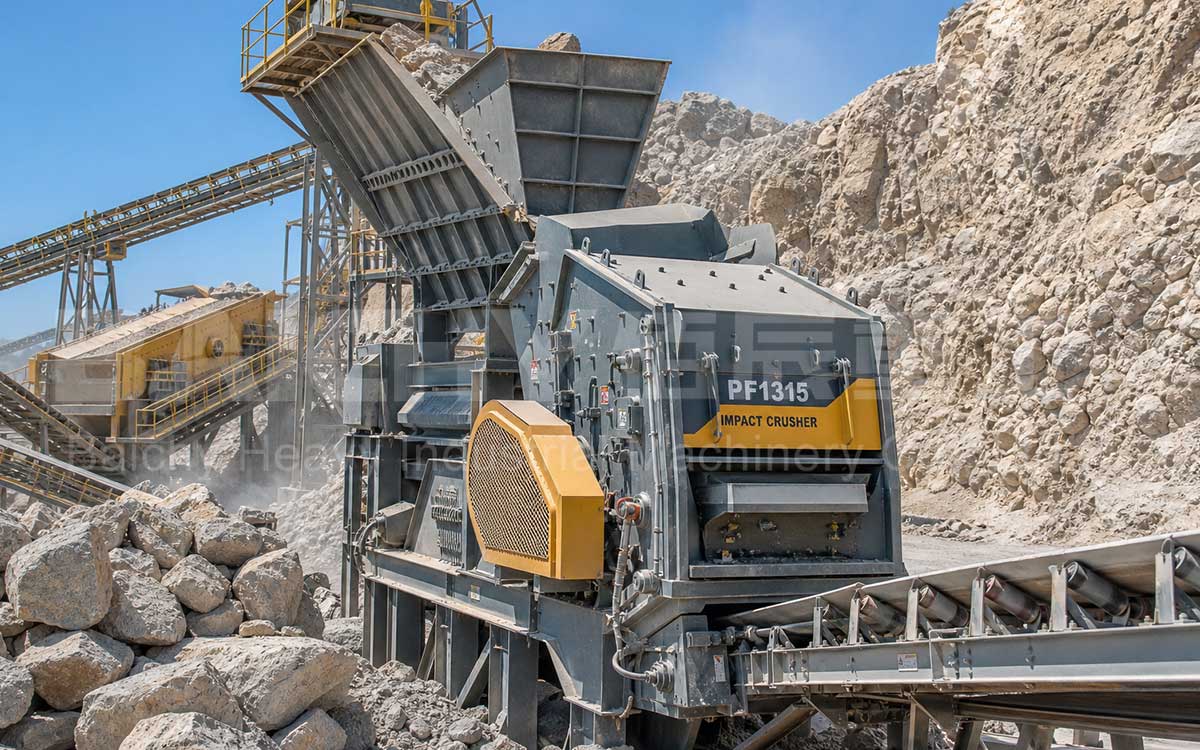
Compressive strength ≤250MPa. Impact crushers (PF series) are the preferred choice for secondary crushing; they produce cubical particles in a single pass (flaky/elongated content 8–12%), ensuring aggregates meet standards immediately and eliminating the need for a separate shaping stage. Fine crushing is handled by a VSI or double-roll crusher. Limestone is ideal for impact crushers, offering investment savings of 15–25% compared to cone-based solutions.
2.4 Mobile Crushing Stations (For Construction Sites & Frequent Relocation)
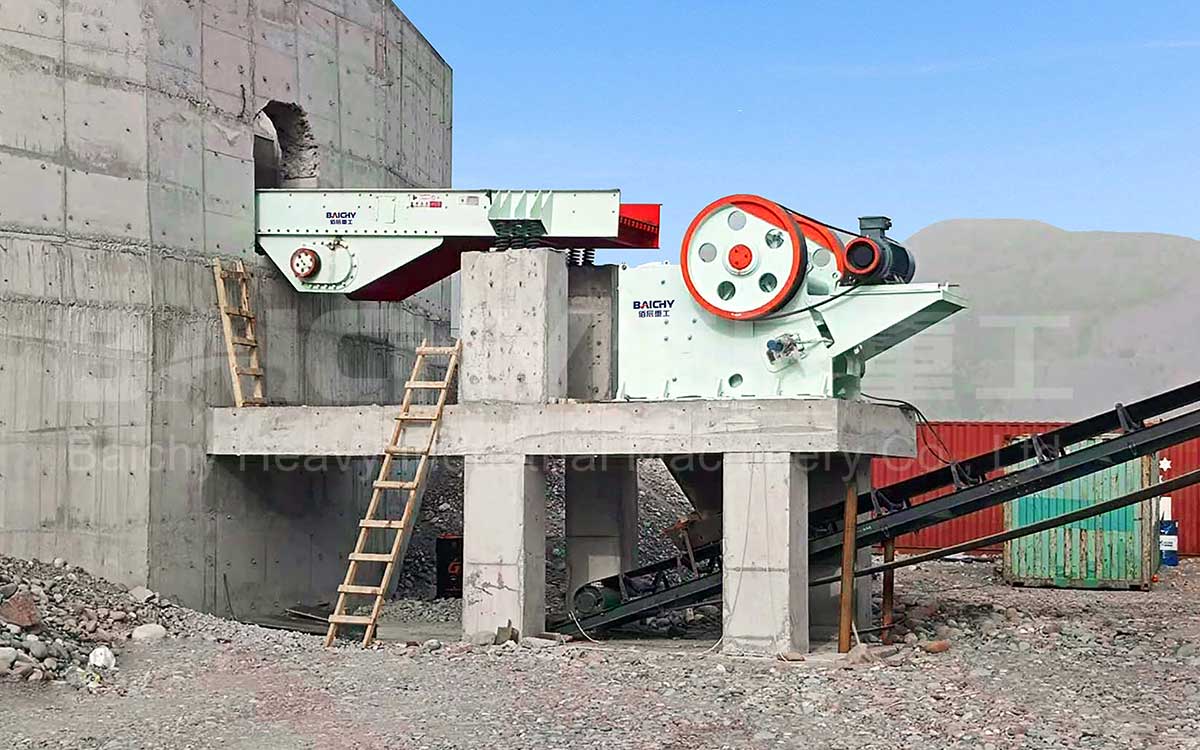
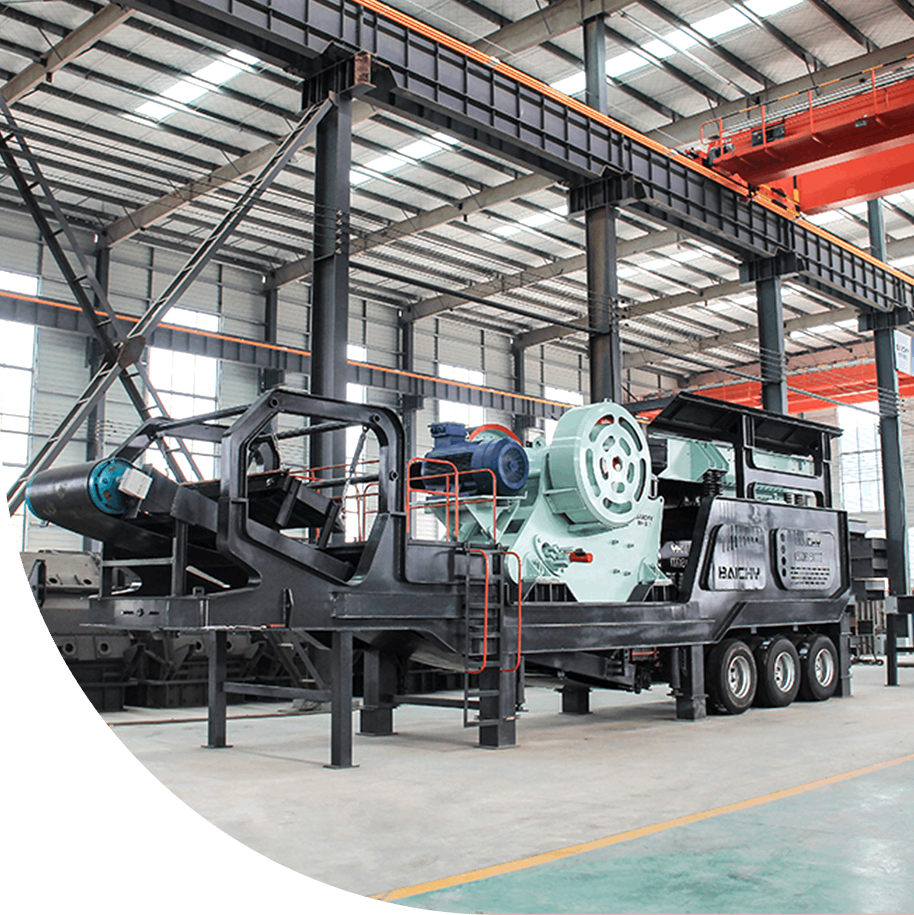
YDPZ series mobile stations integrate feeding, primary crushing, secondary/fine crushing, and screening onto a single chassis. They enable immediate processing of river pebbles or construction waste without the need for foundations or complex permitting, and allow for relocation within 1–2 days. The logic for selecting secondary/fine crushing equipment mirrors that of stationary lines, with additional considerations for power specifications (60Hz/380V/440V) and the vehicle's center of gravity.
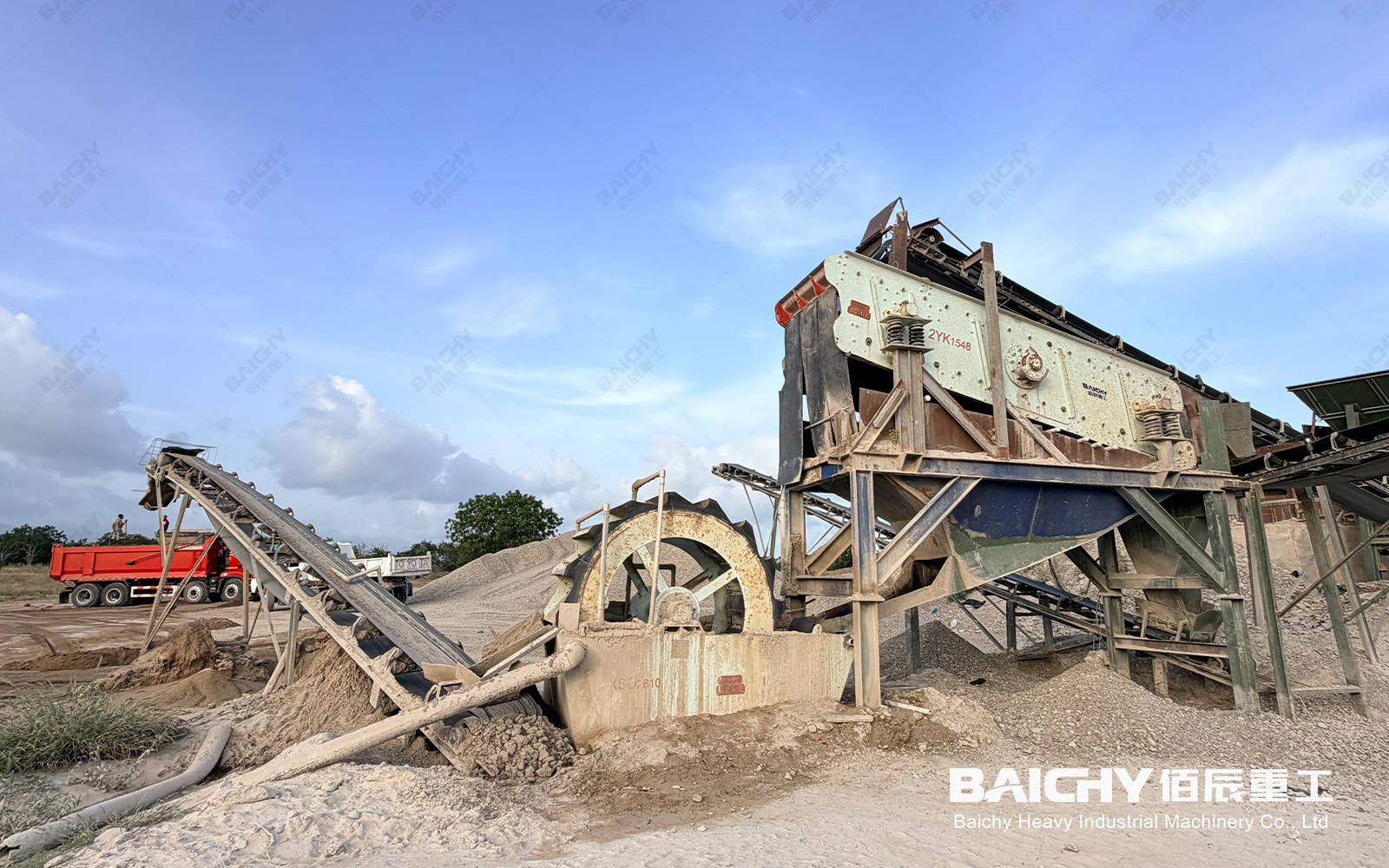
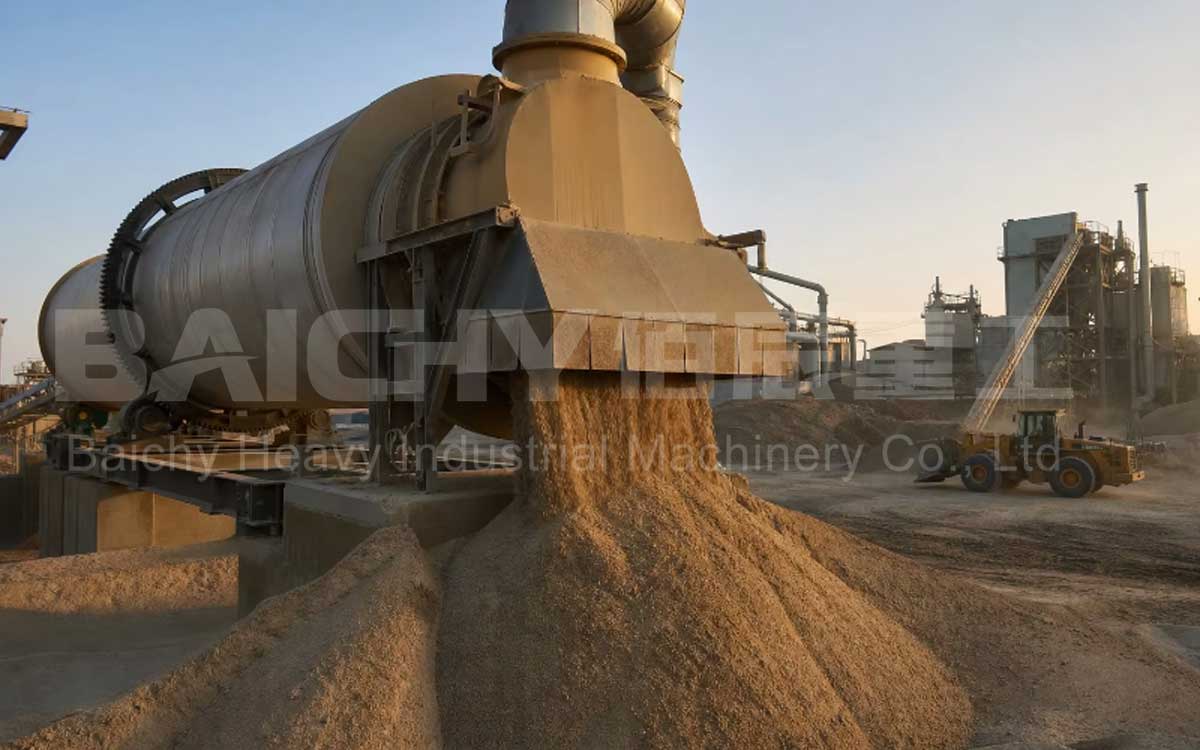
Crushing and Sand Washing Production Line in the Dominican Republic
III. Comparison of Advantages and Specifications for Mainstream Secondary and Tertiary Crushing Equipment
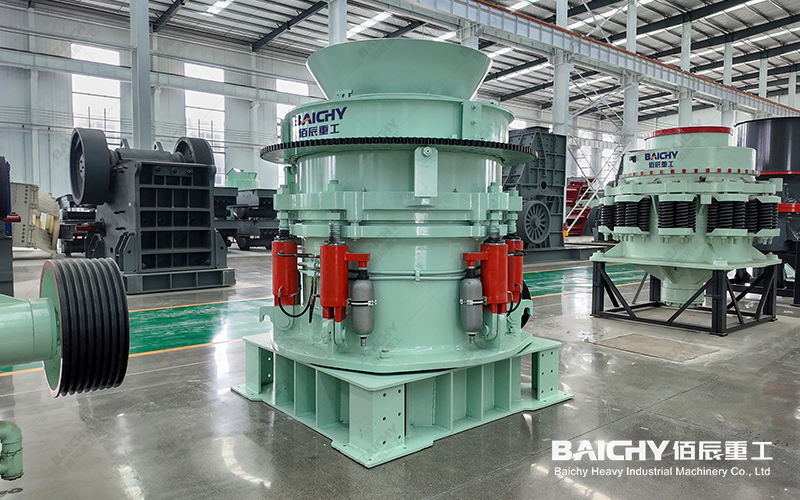
Hydraulic Cone Crusher
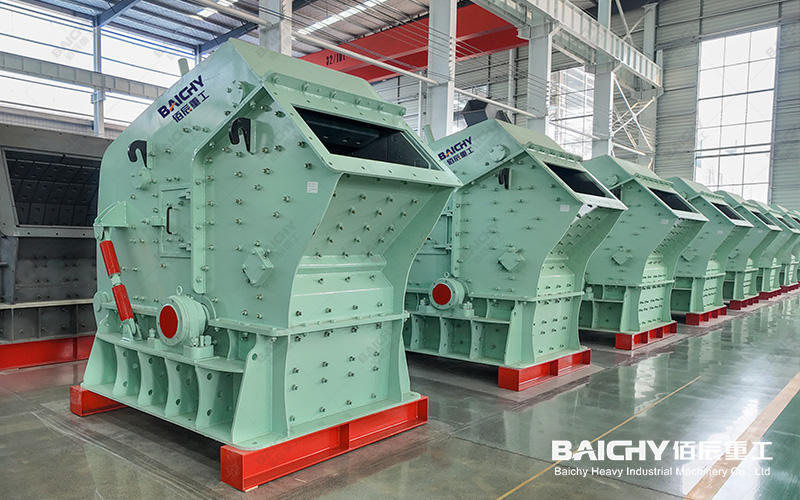
PF Impact Crusher
| Comparison Criteria | Cone Crusher (CS/HP/PYB) | Impact Crusher (PF) | VSI Sand-Making Machine | Double-Roll Crusher (2PGY) |
| Crushing Principle | Inter-particle (lamination) crushing | Impact crushing | Rock-on-Rock / Rock-on-Metal | Compression + Shearing |
| Max. Feed Size | ≤230 mm | ≤350 mm | ≤45 mm | ≤60 mm |
| Output Size | 5–40 mm (adjustable) | 0–60 mm | 0–10 mm (adjustable gradation) | 0–25 mm (roll gap control) |
| Capacity | 15–380 t/h | 30–250 t/h | 80–380 t/h | 15–150 t/h |
| Suitable Materials | Hard rock, highly abrasive materials | Medium-soft rock (≤250 MPa) | Sand making & shaping (various materials) | Medium-soft materials, wet/sticky materials |
| Wear Part Lifespan | Long (6–10 times that of impact crushers) | Short (replaced 1–2 times/month for hard rock) | Medium (high-chrome material extends life by >30%) | Roll shells repairable via hardfacing |
| Typical Models | PYB900/CS110/HP300 | PF1214/PF1315 | VSI-8518/VSI-9526 | 2PGY900×700 |
| Core Positioning | Primary choice for hard rock secondary/tertiary crushing | Dual-purpose for medium-soft rock | Final stage for manufactured sand | Low power consumption, low fines generation |
Note: Capacity calibrated based on limestone (1.6 t/m³); actual capacity for granite is calculated by multiplying by 0.8–0.9, and for iron ore by 0.7–0.8.
Selection Insight: There is no "universal" secondary/tertiary crushing machine. Exclude impact crushers for hardness >150 MPa; for limestone, choose impact crushers for superior particle shape, or double-roll crushers for low fines generation; VSI is mandatory for commercial concrete sand. Once material hardness and desired product specifications are fixed, the appropriate machine model becomes clear.
IV. Real-World Cases: Three Production Lines, Three Approaches
Case 1: Mobile river stone sand-making line in the Philippines.
River stones are characterized by high hardness and abrasiveness; the setup utilizes a mobile combination of a jaw crusher, cone crusher, and VSI crusher. The intermediate and fine crushing stages rely entirely on compression/impact crushing to produce 0–5mm manufactured sand with a flake-and-elongation content of less than 5%, supplying ready-mix concrete plants directly. The system requires no concrete foundation, achieved commissioning and two site relocations within three months, and offers a significantly shorter payback period compared to stationary lines.
Case 2: Stationary andesite processing line in Indonesia.
Andesite is a medium-hard, abrasive material; the intermediate crushing stage employs an impact crusher (PF series) in a closed-circuit configuration with automatic recirculation of oversized material. The process yields cubical product shapes, with 5–25mm aggregates meeting local highway standards; the use of customized high-chrome wear parts reduced the wear cost per ton by approximately 20%.
Case 3: Four-unit mobile station in Mexico (featuring the VSI-9526).
This system integrates four units—feeding, jaw crushing, impact crushing, and VSI sand-making/screening—and is compatible with 60Hz power grids. The VSI-9526 features a symmetrical dual-motor layout that tolerates voltage fluctuations and delivers an adjustable, stable fineness modulus of 2.6–2.9; the integrated mobile assembly combines intermediate and fine crushing equipment, replacing a traditional four-stage stationary line.
V. Recommended Equipment Configurations (Reference: 100–150 t/h)
| Production Line Type | Primary Crushing | Recommended Secondary/Tertiary Crushing Equipment | Finished Products |
| Hard Rock Aggregate + Sand Line | PE Jaw Crusher | CS110 Cone Crusher + VSI-8518 | 0–5mm Sand + 5–25mm Aggregate |
| Manufactured Sand Line | PE Jaw Crusher | PF1214 Impact Crusher + VSI-7611 | 0–5mm Sand for Commercial Concrete |
| Limestone Aggregate Line | PE Jaw Crusher | PF1315 Impact Crusher (Closed-circuit) | 5–31.5mm Graded Aggregate |
| River Pebble Line | PE Jaw Crusher | Cone Crusher + 2PGY Double-roll Crusher | 0–5mm Sand + Aggregate |
| Mobile Station | Mobile Jaw Crusher | Mobile Cone/Impact Crusher + Mobile Screen | Multi-stage aggregate; ready for immediate use |
Essential Ancillary Equipment: ZSW Vibrating Feeder (uniform feeding + pre-screening); Iron Remover (tramp metal is the leading cause of breakdowns in secondary/tertiary crushers); YK Vibrating Screen (grading + closed-circuit material return); Dust Removal System (required for EIA compliance and production permits).
Secondary and fine crushing equipment
VI. FAQ
Q1: How do I choose between a cone crusher and an impact crusher for secondary/tertiary crushing?
A: Choose based on material hardness. For hard rocks like granite and basalt (>150 MPa), a cone crusher is mandatory—the lifespan of wear parts utilizing inter-particle (lamination) crushing is 6–10 times that of impact crusher blow bars; the initial 15–25% higher investment is recouped within three years through savings on wear parts and downtime costs. For medium-soft rocks like limestone, choose an impact crusher—it offers lower investment, higher output, and produces cubical particles in a single pass. Using an impact crusher to process hard rock is the costliest equipment selection error one can make.
Q2: Is a closed-circuit circulation system required for secondary/tertiary crushing equipment?
A: Yes, it is required. Operating in a closed-circuit configuration with a vibrating screen—where undersized or oversized material is returned to the secondary or tertiary crusher for further processing—is the standard practice for ensuring consistent product gradation. Relying solely on an open-circuit setup leads to rapid deterioration in product quality (specifically regarding the flakiness/elongation index and the percentage of oversized particles) as crusher liners wear down; consequently, commercial concrete plants and asphalt mixing stations will inevitably reject the material. Closed-circuit operation allows equipment to run at full load, resulting in higher capacity utilization.
Q3: Why does the nominal capacity differ from the actual capacity?
A: The vast majority of secondary and tertiary crushing equipment is rated based on limestone with a bulk density of 1.6 t/m³. When processing denser or harder materials, the capacity must be adjusted using specific coefficients: hard basalt (×0.85–0.9), granite (×0.8–0.9), and iron ore (×0.7–0.8). Before purchasing, request that the manufacturer recalculate the capacity based on your material's lithology, moisture content, and target output size. Also, verify that the power supply specifications match the motor requirements to avoid falling short of production targets immediately upon commissioning.
Baichy Heavy Industry
Baichy Heavy Industry is a high-tech mining equipment company integrating R&D, manufacturing, sales, and after-sales service. Focusing on crushing, grinding, and mineral processing equipment, we provide professional solutions to our customers. We are ISO9001:2015 、certified, and our products include mobile crushing palnts, crawler crushing plant, construction waste crushing plants, jaw crushers, sand making machines, cone crushers, fine crushers, grinding mills, ball mills, etc., all with reliable performance to meet diverse project needs.
Baichy Heavy Industry – Your Trusted Partner
To ensure optimal performance of your equipment, Baichy Heavy Industry offers:
- Professional on-site installation guidance
- Comprehensive operator training
- 24/7 technical support & maintenance services
Our complete after-sales service system guarantees long-term, stable operation of your machinery with minimal downtime.
Protect Your Rights – Only Use Official Channels
To avoid scams and ensure authentic support, contact us exclusively through:
• Official Website: www.baichychina.com
• WhatsApp: +8615093222637
• Email: [email protected]
Your satisfaction is our priority – expect prompt, professional service every time.
(Note: Beware of unauthorized third parties claiming to represent Baichy. Always verify through official contacts.)