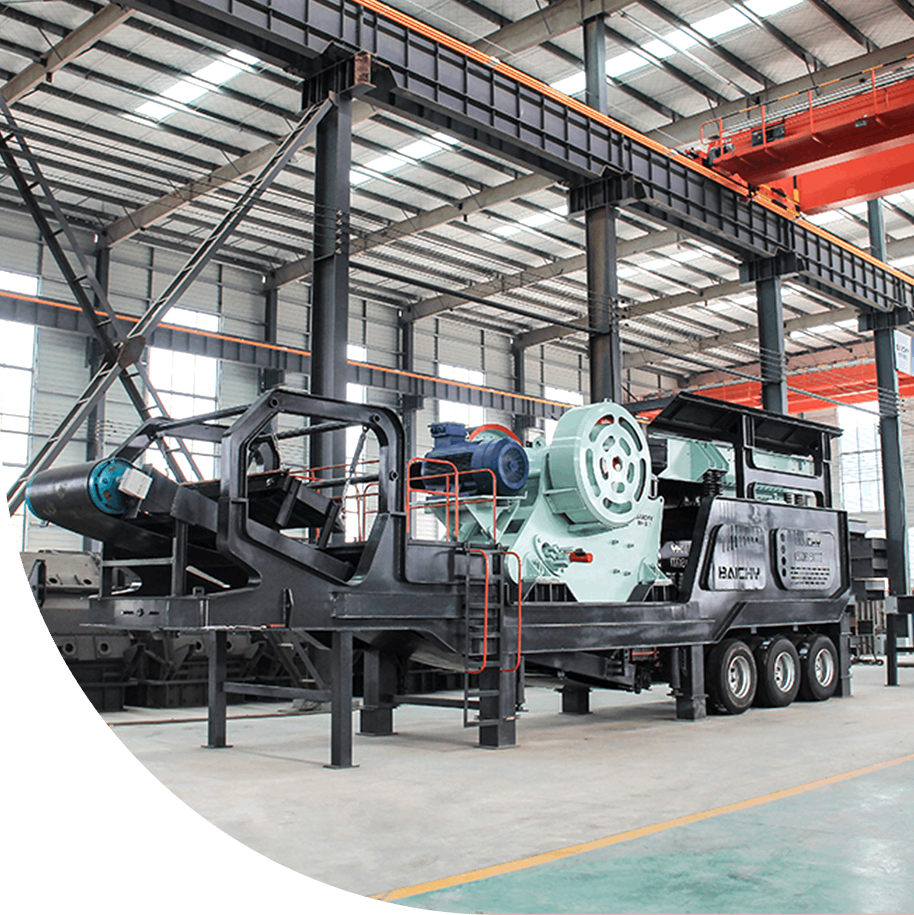

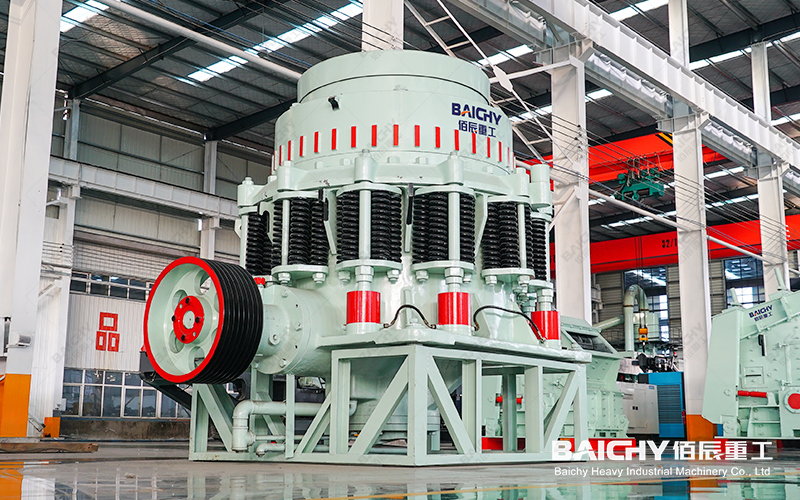
Tertiary cone crusher
Proper routine maintenance is the key to extending the service life of a tertiary cone crusher and minimizing sudden breakdowns. Diligent attention to lubrication, routine inspections, gap adjustments, and cleaning can significantly enhance equipment stability and operational uptime. This article outlines the essential points for the daily maintenance of tertiary cone crushers and, drawing upon the expertise of a professional equipment manufacturer—presents a scientific and systematic maintenance plan for your equipment.
I. Equipment Overview: The Core Value of the Tertiary Cone Crusher
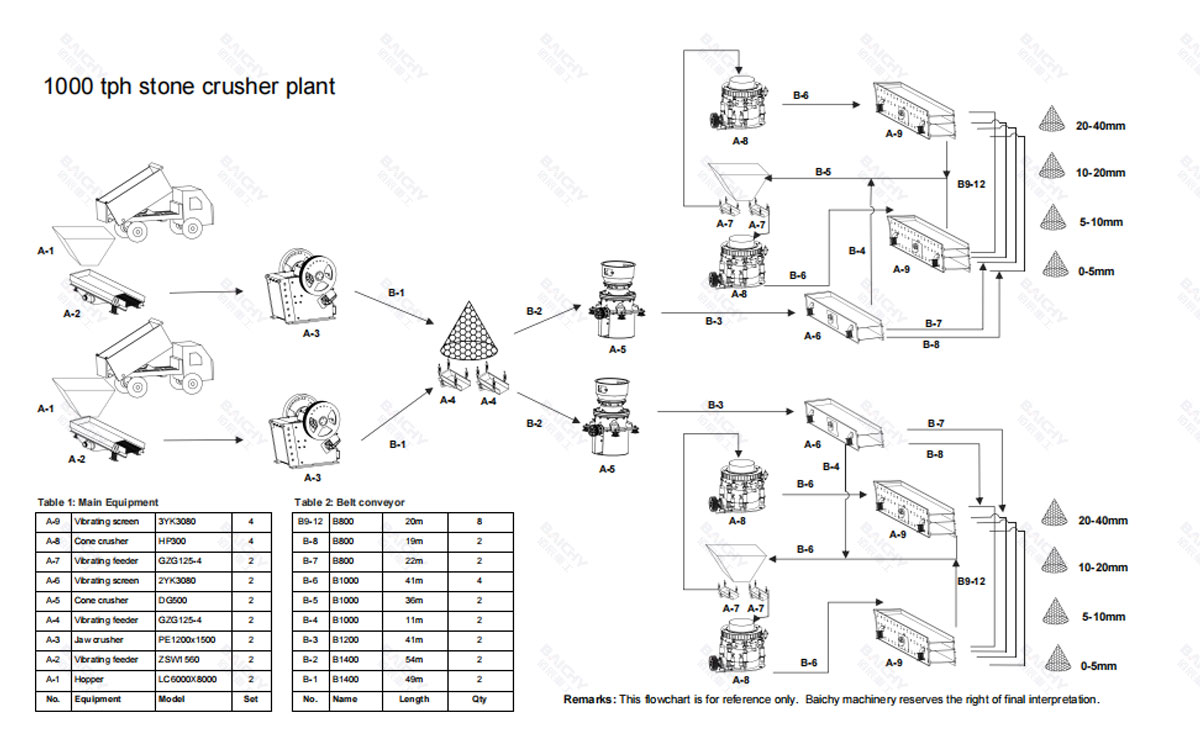
The tertiary cone crusher, frequently serving as the central component in the medium-to-fine crushing stage, is an indispensable link in any ore crushing production line. Positioned downstream from secondary crushing equipment (such as jaw crushers), it is responsible for further reducing medium-sized aggregates into smaller finished products, thereby providing qualified raw materials for subsequent sand-making or grinding processes. The stability of its performance directly impacts the overall efficiency of the production line and the quality of the final product.
The tertiary cone crushers manufactured by [Brand Name] leverage key advantages—including the principle of inter-particle lamination crushing, hydraulic adjustment and tramp iron protection systems, and intelligent control systems—to ensure high crushing efficiency while significantly reducing the complexity of operation and maintenance, thereby generating long-term, stable production returns for users.
II. Core Essentials of Daily Maintenance and Upkeep
Scientific maintenance of a tertiary cone crusher should not be merely reactive emergency repair work, but rather a proactive, standardized daily operational routine. The following four key points constitute the cornerstone of effective maintenance practices.
1. Lubrication System Maintenance: The Equipment's "Lifeline"
Lubrication is the absolute priority in cone crusher maintenance; approximately 60% of all bearing failures stem from inadequate lubrication.
• Oil Selection and Replacement: It is imperative to use only the specific grade of lubricating oil prescribed in the equipment's operation manual; mixing different grades is strictly prohibited. The entire volume of lubricating oil should be replaced after the initial 300–400 hours of operation; subsequently, replacements should occur every 2,000 hours of operation or at least once every six months. Daily checks of the oil level are required to ensure it remains aligned with the midpoint mark on the oil gauge.
• Oil Temperature and Quality Monitoring: The temperature of the return oil should be maintained within the range of 45–55°C, and must not exceed a maximum of 60°C. Periodically observe the color and clarity of the oil; if signs of emulsification, darkening, or the presence of significant metal debris are detected, the underlying cause must be immediately investigated, and the oil replaced.
• Filter Cleaning: Inspect and clean or replace the oil filter element weekly to ensure that the lubrication oil circuit remains unobstructed.
Tip: If you encounter lubrication-related issues, please refer to our in-depth analysis article: Why Your Tertiary Crusher Is Overheating & How to Fix It?
2. Routine Inspections and Cleaning: Prevention is Key
Systematic inspections should be conducted daily—before startup, during operation, and after shutdown.
• Fastener Inspection: Check the anchor bolts, liner bolts, and other fasteners on the main unit, motor, and hydraulic station to ensure they are not loose.
• Abnormal Noise and Vibration Monitoring: During operation, listen for any abnormal knocking or friction sounds from the equipment; observe the machine body to ensure that vibration levels remain within a reasonable range.
• Cleaning: Keep the exterior of the equipment clean; promptly remove accumulated dust and spilled oil from the machine body—paying particular attention to the radiator and motor fan cover—to ensure effective heat dissipation. Inspect the crushing chamber to prevent the retention of any uncrushable foreign objects.
3. Discharge Opening Adjustment and Wear Inspection
Adjusting the discharge opening gap is a critical operation for controlling product granularity and production capacity; it must be performed regularly.
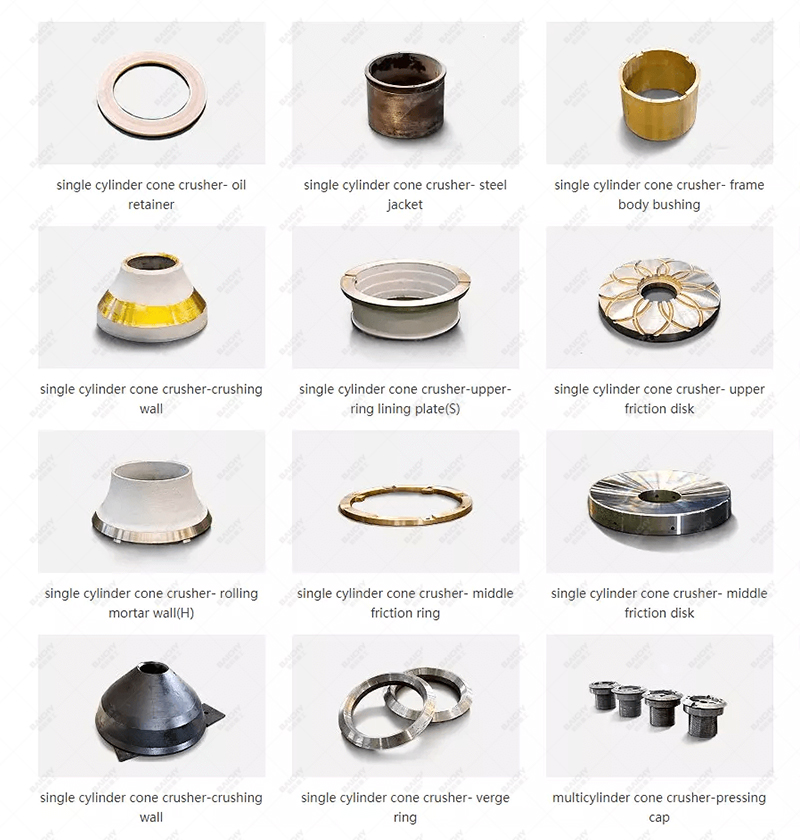
Tertiary Crusher Consumables
• Inspection Frequency: It is recommended to check the discharge opening size once per shift, or at least once daily, by indirectly assessing the finished product's granularity through sampling.
• Adjustment Method: Modern cone crushers typically utilize hydraulic adjustment mechanisms. When making adjustments, ensure that the equipment is operating under no-load conditions and that the lubrication system is functioning normally. Adjust the setting slowly to the target size, then lock the adjustment ring securely.
• Liner Wear Inspection: Periodically open the inspection ports to check the wear status of both the moving cone liner and the fixed cone liner. If production output drops significantly, product granularity becomes coarser, or uneven wear is observed, consider replacing the liners. Proper maintenance can significantly reduce wear part costs.
4. Key Operating Parameter Monitoring Chart
To facilitate daily inspections, operators are advised to record the following key parameters:
| Monitoring Item | Normal Range/Standard | Inspection Frequency | | Recommended Action for Anomalies |
| Lubricating Oil Temperature (Return Oil) | 45–55°C | Every 2 hours | If exceeding 60°C, shut down the machine to inspect the cooler and oil circuit. |
| Lubricating Oil Pressure | 0.08–0.15 MPa | Every 2 hours | If pressure is too low (triggering an alarm), inspect the oil pump, filter element, and safety valve. |
| Main Motor Current | ≤ Rated Current | Real-time Monitoring | If current rises abnormally, potential causes include overload or mechanical jamming. |
| Vibration Value | ≤ 4.0 mm/s | Daily | If values show a continuous upward trend, inspect the foundation, liner wear, and dynamic balance. |
| Discharge Opening Size | Per Process Requirements | Per Shift | Indirectly determined by sampling and analyzing product particle size; requires hydraulic adjustment. |
3. Application Scenarios and Success Stories
Application Scenarios:
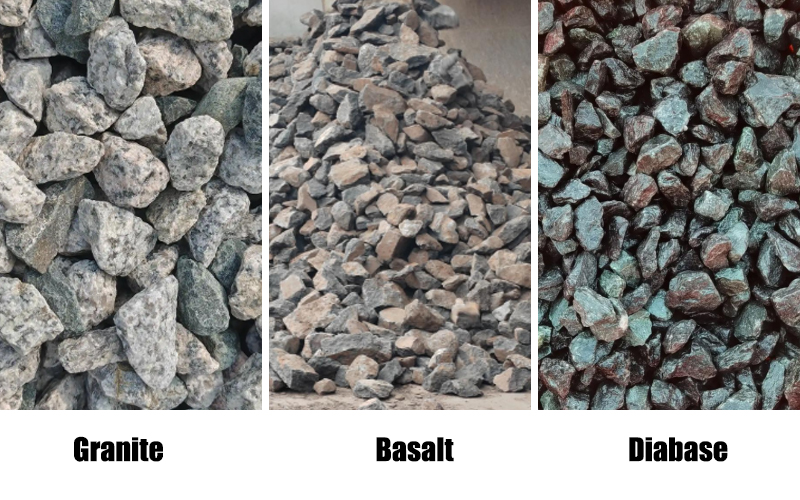
Granite, Basalt, Diabase
Tertiary cone crushers are widely utilized in the crushing of medium-to-high hardness materials such as granite, basalt, river pebbles, iron ore, and copper ore. They are commonly found in large-scale sand and aggregate production lines, mining operations, the building materials industry, and road construction projects. These crushers serve as ideal equipment for producing high-quality aggregates in specific size ranges, such as 12–25 mm and 5–12 mm.
Success Story: A Large-Scale Granite Aggregate Project
This project boasts an annual output of 5 million tons of high-quality aggregates. The core fine-crushing stage of the production line employs two of our company's HPT300 multi-cylinder hydraulic cone crushers (serving as the tertiary crushing units). By strictly adhering to the maintenance and inspection protocols outlined above, the equipment has delivered the following benefits:
• Stable Operation: The units have operated continuously for three years, with an average annual downtime due to faults of less than 24 hours.
• Low Maintenance Costs: Thanks to scientific lubrication management and regular inspections for wear, the service life of wear parts has been extended by approximately 20%.
• Superior Particle Size Control: The discharge opening allows for precise and convenient adjustment, resulting in finished aggregates with excellent particle shape and low needle-and-flaky content—attributes that ensure strong market competitiveness.
IV. Recommended Equipment
An efficient and stable tertiary crushing stage requires not only a reliable cone crusher but also the proper integration of upstream equipment. We recommend the following combination:
1. HP Series Multi-Cylinder Hydraulic Cone Crusher
◦ Reason for Recommendation: This is the core model to which the maintenance guidelines discussed in this article primarily apply. Utilizing the principle of laminated crushing, it features hydraulic adjustment and cavity clearing capabilities, a high degree of automation, and a comprehensive, independent lubrication system—making it the premier choice for modern tertiary crushing operations.
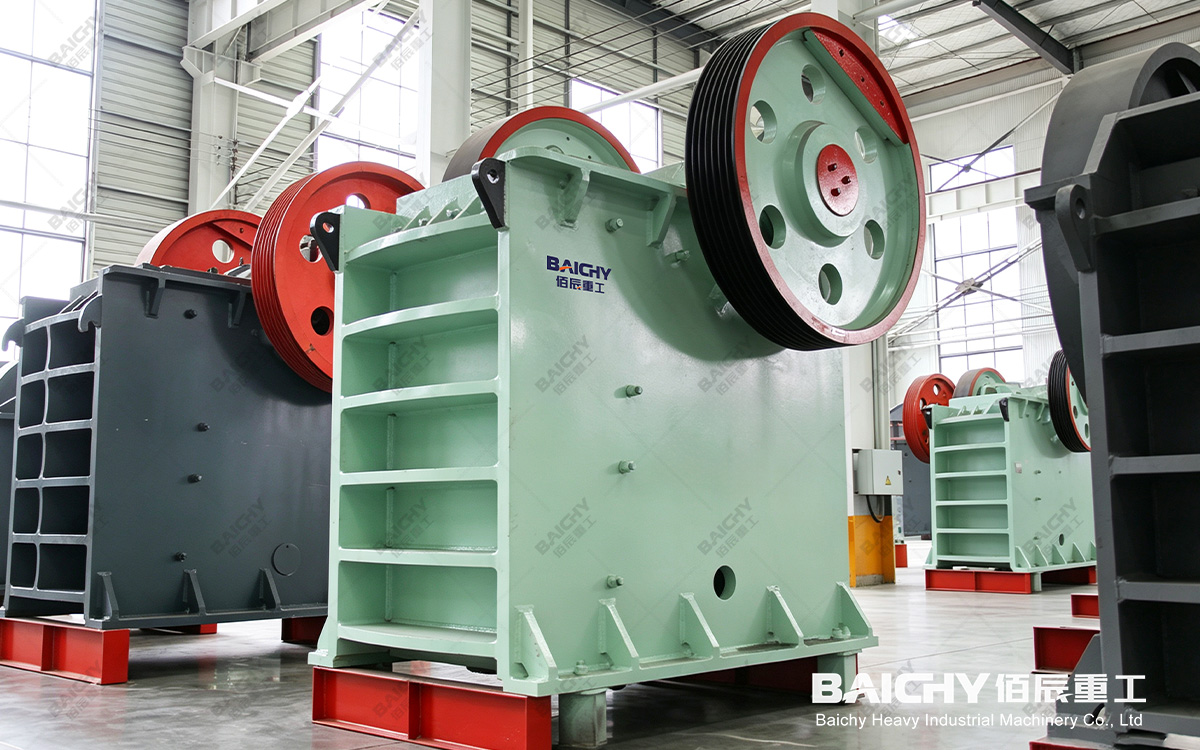
2. PE Series Jaw Crusher (for Primary Crushing)
◦ Reason for Recommendation: A robust and reliable "pioneer of coarse crushing," it supplies the cone crusher with a stable feed of intermediate material with appropriate particle size distribution. This alleviates the load on the secondary crushing stage and ensures the smooth operation of the entire processing line right from the source.
3. VSI/VSI6X Series Vertical Shaft Impact Crusher (for Shaping and Sand Making)
◦ Reason for Recommendation: This unit forms a perfect complement to the cone crusher. While the cone crusher produces high-quality coarse aggregates, its finer output and smaller-sized raw materials can be fed into the vertical shaft impact crusher for shaping and sand production, thereby maximizing resource utilization and enhancing the added value of the final product.
V. Frequently Asked Questions (FAQ)
Q1: What daily inspections are mandatory for a tertiary cone crusher?
A1: A mandatory three-stage inspection—covering the periods "before startup," "during operation," and "after shutdown"—must be performed daily. Key focus areas include: checking oil levels and temperatures, as well as inspecting fasteners for looseness, before startup; listening for abnormal noises and monitoring current, oil pressure, and oil temperature during operation; and checking for oil leaks while briefly cleaning surface dust after shutdown.
Q2: How can one determine if the liners (wearing parts) of a cone crusher need replacement?
A2: The decision is primarily based on three criteria: First, a noticeable decline in output, where the machine fails to reach its rated capacity under identical operating conditions; second, the product particle size becomes coarser and more inconsistent, with no significant improvement observed even after adjusting the discharge opening; and third, an inspection through the observation ports reveals severe liner wear, where the thickness at the thinnest point has approached or fallen below the minimum limit specified in the user manual.
Q3: What steps should be taken if the equipment suddenly experiences a "stalling" or "jamming" event?
A3: First, immediately cut off the power supply and shut down the machine. Then, attempt to clear the material from the crushing cavity using the hydraulic cavity-clearing system. If these measures prove ineffective, the issue may stem from tramp iron ingress or a severe blockage of material, necessitating manual clearance. It is strictly prohibited to repeatedly attempt to restart the motor while the crusher is stalled under load. Following such an incident, a thorough inspection of the lubrication system, transmission components, and the inner walls of the crushing chamber must be conducted to identify the root cause. For additional troubleshooting methods, please refer to: Common Tertiary Crusher Problems & Troubleshooting Guide.
Summary
A standardized routine maintenance protocol for "tertiary cone crushers" serves as the lifeline ensuring their efficient, long-lasting, and cost-effective operation. From the meticulous management of lubrication to the precise adjustment of clearances, and from rigorous daily inspections to periodic wear assessments, every single step is of critical importance. As a professional manufacturer of mining equipment, [Brand Name] not only supplies machinery of exceptional performance but is also dedicated to providing customers with comprehensive maintenance knowledge and support throughout the entire equipment lifecycle, thereby empowering your production line to generate maximum value.
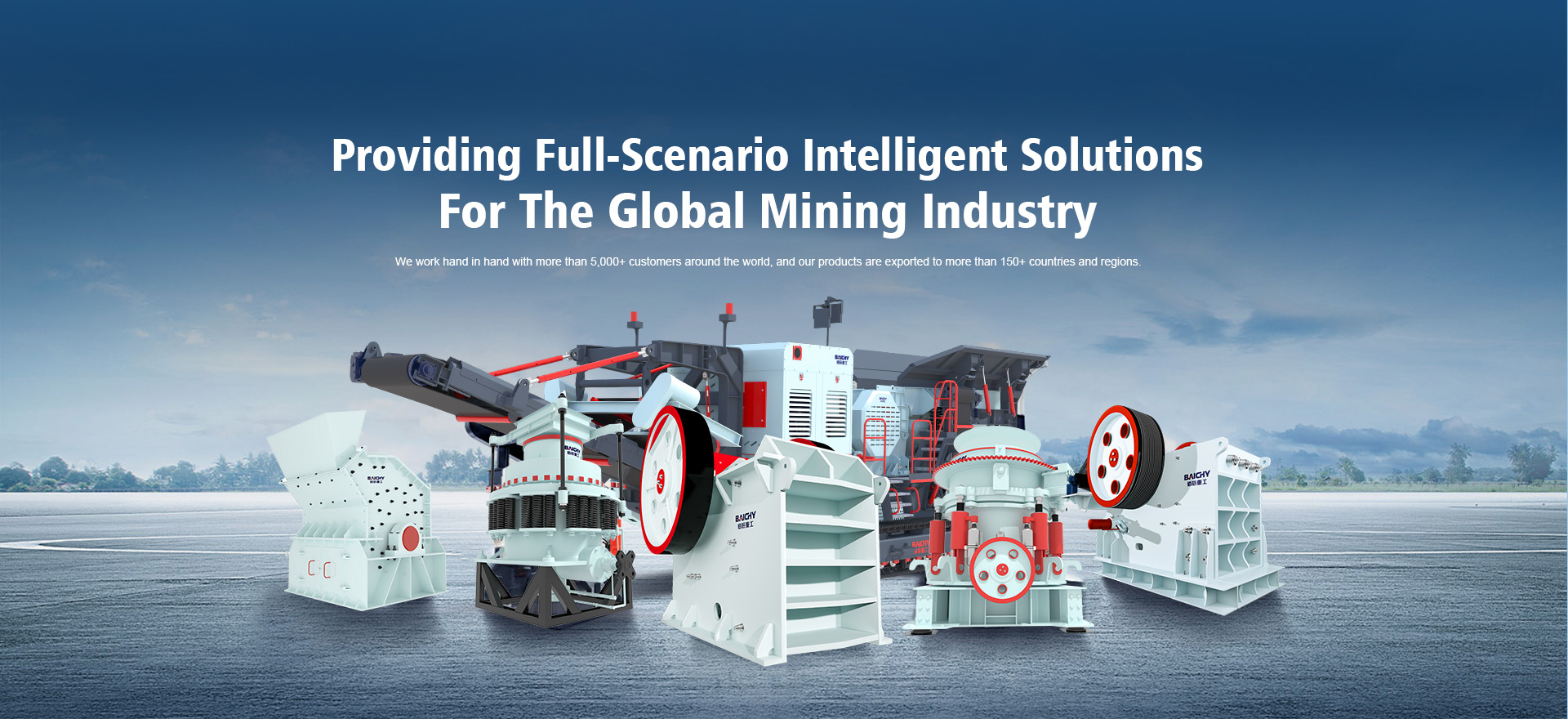
About of Baichy Heavy Industry
Baichy Heavy Industry is a high-tech mining equipment company integrating R&D, manufacturing, sales, and after-sales service. Focusing on crushing, grinding, and mineral processing equipment, we provide professional solutions to our customers. We are ISO9001:2015 、certified, and our products include mobile crushing palnts, crawler crushing plant, construction waste crushing plants, jaw crushers, sand making machines, cone crushers, fine crushers, grinding mills, ball mills, etc., all with reliable performance to meet diverse project needs.
Our advantages:
• Professional pre-sales support: Free project design and comprehensive solutions to help you accurately select the right equipment;
• Comprehensive on-site service: Providing installation guidance and worker training to ensure smooth equipment commissioning;
• Reliable after-sales guarantee: A complete after-sales system, timely response to technical inquiries and equipment maintenance, ensuring long-term stable operation.
To protect your rights, please contact us through the following official channels for professional service:
Official Website Customer Service
https://wa.me/+8615093222637
Email: [email protected]
We are committed to providing high-quality equipment and full-cycle services to deliver comprehensive intelligent solutions for the global mining industry!