
Spring Cone Crusher
In the fields of mining, sand and aggregate production, and building material processing, the choice of equipment for the medium and fine crushing stages directly determines the efficiency and operational costs of the entire production line. Among the vast array of crushing equipment available, the spring cone crusher—thanks to its mature structural design, stable performance, and affordable price point—remains a perennial favorite among many project owners and investors.
If you are currently in the market for a reliable and cost-effective manufacturer of spring cone crushers, take a few minutes to explore the core advantages of this "evergreen" piece of equipment, as well as several key factors to prioritize when making your purchase decision.
I. Why Does the Spring Cone Crusher Still Pack a Punch?
The spring cone crusher is one of the earliest types of cone crushers developed; however, after decades of iterative optimization, it continues to deliver outstanding performance in medium and fine crushing operations:
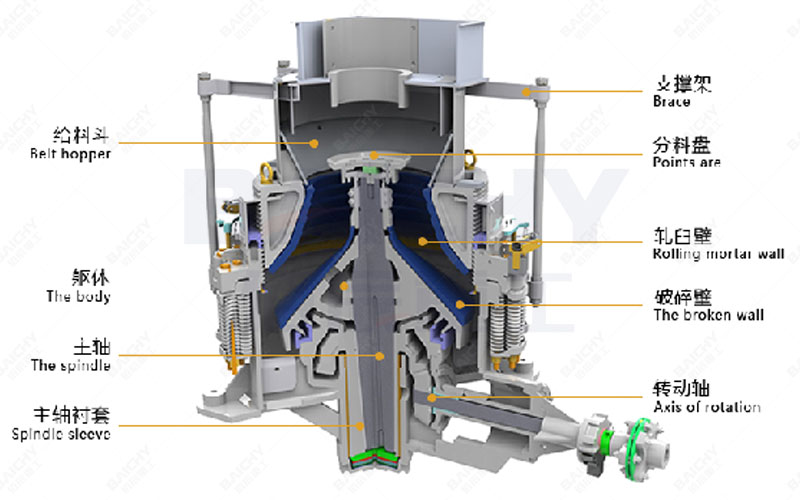
Spring Cone Crusher Structure Diagram
• Mature Structure, Low Failure Rate: The machine features a simple, streamlined structure where the main shaft remains stationary while the eccentric sleeve transmits the crushing force. This design allows it to withstand significant crushing forces, making it ideally suited for fine and ultra-fine crushing applications.
• Spring Overload Protection: Safe and Worry-Free: When uncrushable objects—such as tramp iron—enter the crushing chamber, the springs compress to widen the discharge opening. Once the foreign object is expelled, the mechanism automatically resets, thereby preventing severe damage to the main shaft or liner plates.
• Laminated Crushing: Superior Particle Shape: Within the crushing chamber, materials are subjected to a combination of extrusion, bending, and shearing forces. This process yields finished products with uniform particle sizes, a low content of needle-like and flaky particles, and a high proportion of cubical particles—qualities that are highly beneficial for subsequent sand-making processes or concrete batching.
• Low Maintenance Costs, High Parts Interchangeability: Compared to hydraulic cone crushers, spring-type models typically come with a lower upfront cost. Furthermore, they feature extended service intervals for wear parts (such as liner plates) and offer high interchangeability of spare parts, making long-term operation and maintenance more manageable and cost-effective.
It is precisely because of these characteristics that the spring cone crusher is widely utilized in the processing of medium-to-high hardness materials, including iron ore, copper ore, granite, basalt, and limestone.
II. "Affordable Price" ≠ Just Looking at the "List Price"; Value for Money Is the Core Priority
Many customers begin their inquiry with the question: "How much does a spring cone crusher cost?"
The answer is: Anywhere from tens of thousands to over a million—it varies significantly. Price variations primarily stem from the following factors:
• Model and Capacity: (e.g., PYB900, PYB1750, PYB2200, etc., with processing capacities ranging from a few dozen to nearly a thousand tons per hour).
• Configuration and Materials: (e.g., high-manganese steel liners, sealing mechanisms, inclusion of hydraulic adjustment/cavity clearing systems, etc.).
• Brand and Service: (e.g., inclusion of installation guidance, after-sales responsiveness, warranty duration, spare parts availability, etc.).
Therefore, a truly "cost-effective" manufacturer is often not the one offering the lowest initial quote, but rather the one capable of delivering: stable equipment operation with minimal downtime + durable wear parts + rapid after-sales support + a lower Total Cost of Ownership (TCO).
III. Key Considerations When Selecting a Model (To Avoid Pitfalls)
1. Clarify Material Characteristics: Factors such as hardness, feed size, moisture content, and finished product requirements determine whether you should select a Standard, Medium, or Short-Head cavity type.
2. Do Not Blindly Chase High Output: Motor power and processing capacity must be matched to the material's hardness to avoid prolonged operation under overload conditions.
3. Review the Manufacturer's Case Studies: Check if they have commissioned production lines involving similar material types and comparable capacities; their reputation for after-sales service is absolutely critical.
4. Pay Attention to Configuration Details: Focus on aspects such as the sealing method (dry oil/water), discharge opening adjustment mechanism (manual/hydraulic), and the reliability of lubrication and overload protection systems.
5. Confirm Delivery and Installation Requirements: Large-scale cone crushers impose specific requirements regarding foundations, hoisting operations, and transport access; it is highly advisable to involve the manufacturer in the planning and coordination process before making a selection.
IV. Conclusion: Choosing the Right Manufacturer Ensures Equipment Resilience
The spring cone crusher may not represent the "newest" technology available, but it is very likely one of the most reliable and economical choices for many projects. For numerous small-to-medium-scale sand and aggregate production lines, tertiary crushing stages in metal mines, and projects with tight budgets—yet demanding high operational continuity—it remains a highly competitive solution.
If you are looking for a spring cone crusher manufacturer that strikes the right balance between reliability and cost-effectiveness, we recommend the following: examine multiple real-world case studies, compare configuration details thoroughly, and explicitly incorporate after-sales service commitments into your contract. You are purchasing equipment to generate revenue, not to create additional headaches. Would you like me to help you identify the most suitable model and key selection criteria based on your specific material type, required hourly output, and discharge particle size? Simply provide me with your parameters, and I will assist you in refining your options.
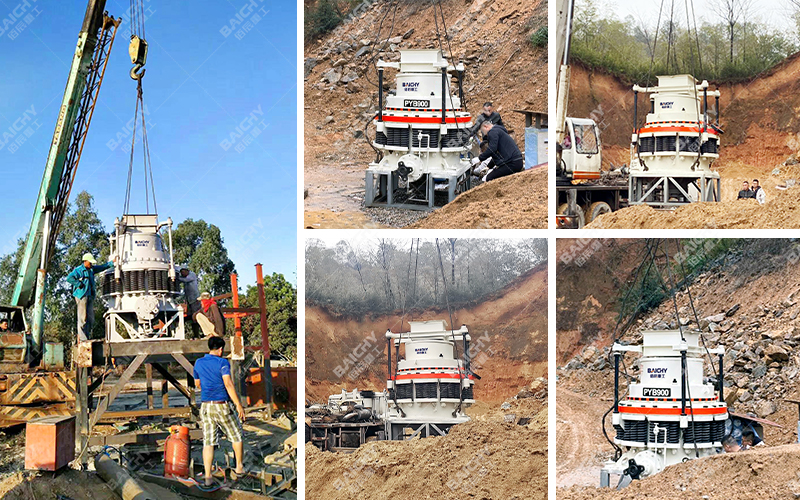
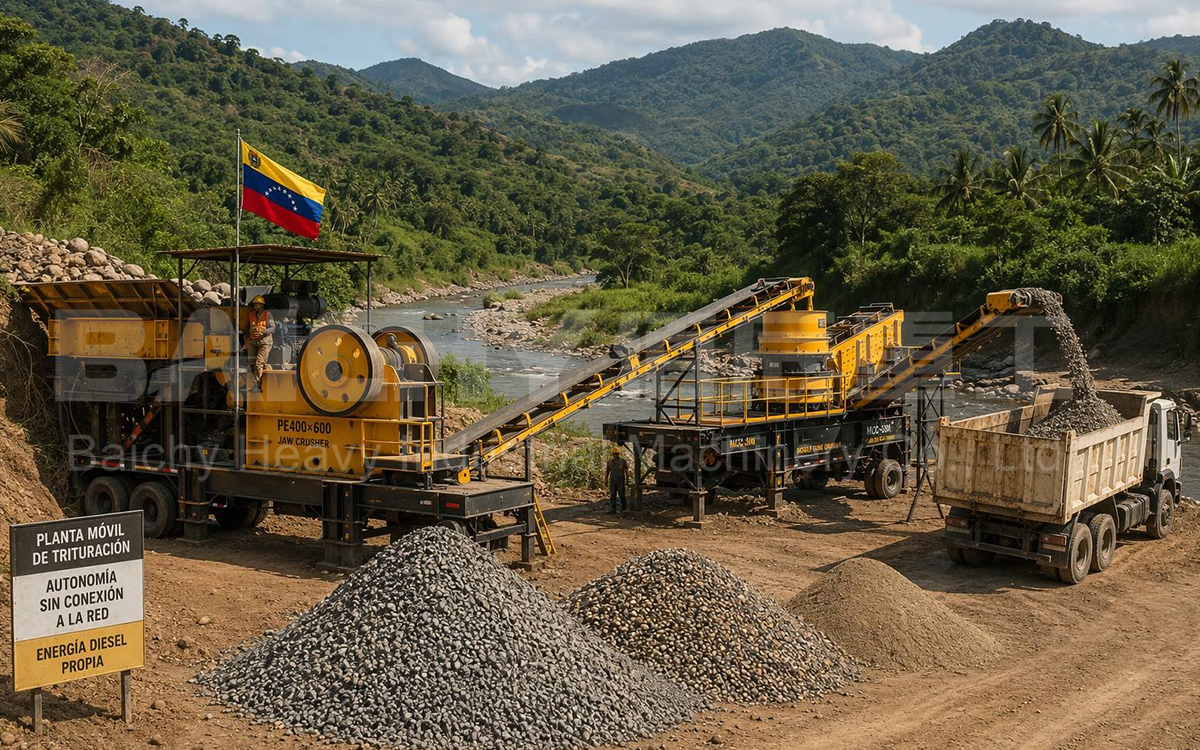
Spring Cone Crusher: Granite Crushing Site
About of Baichy Heavy Industry
Baichy Heavy Industry is a high-tech mining equipment company integrating R&D, manufacturing, sales, and after-sales service. Focusing on crushing, grinding, and mineral processing equipment, we provide professional solutions to our customers. We are ISO9001:2015 、certified, and our products include mobile crushing palnts, crawler crushing plant, construction waste crushing plants, jaw crushers, sand making machines, cone crushers, fine crushers, grinding mills, ball mills, etc., all with reliable performance to meet diverse project needs.
Our advantages:
• Professional pre-sales support: Free project design and comprehensive solutions to help you accurately select the right equipment;
• Comprehensive on-site service: Providing installation guidance and worker training to ensure smooth equipment commissioning;
• Reliable after-sales guarantee: A complete after-sales system, timely response to technical inquiries and equipment maintenance, ensuring long-term stable operation.
To protect your rights, please contact us through the following official channels for professional service:
Official Website Customer Service
https://wa.me/+8615093222637
Email: [email protected]
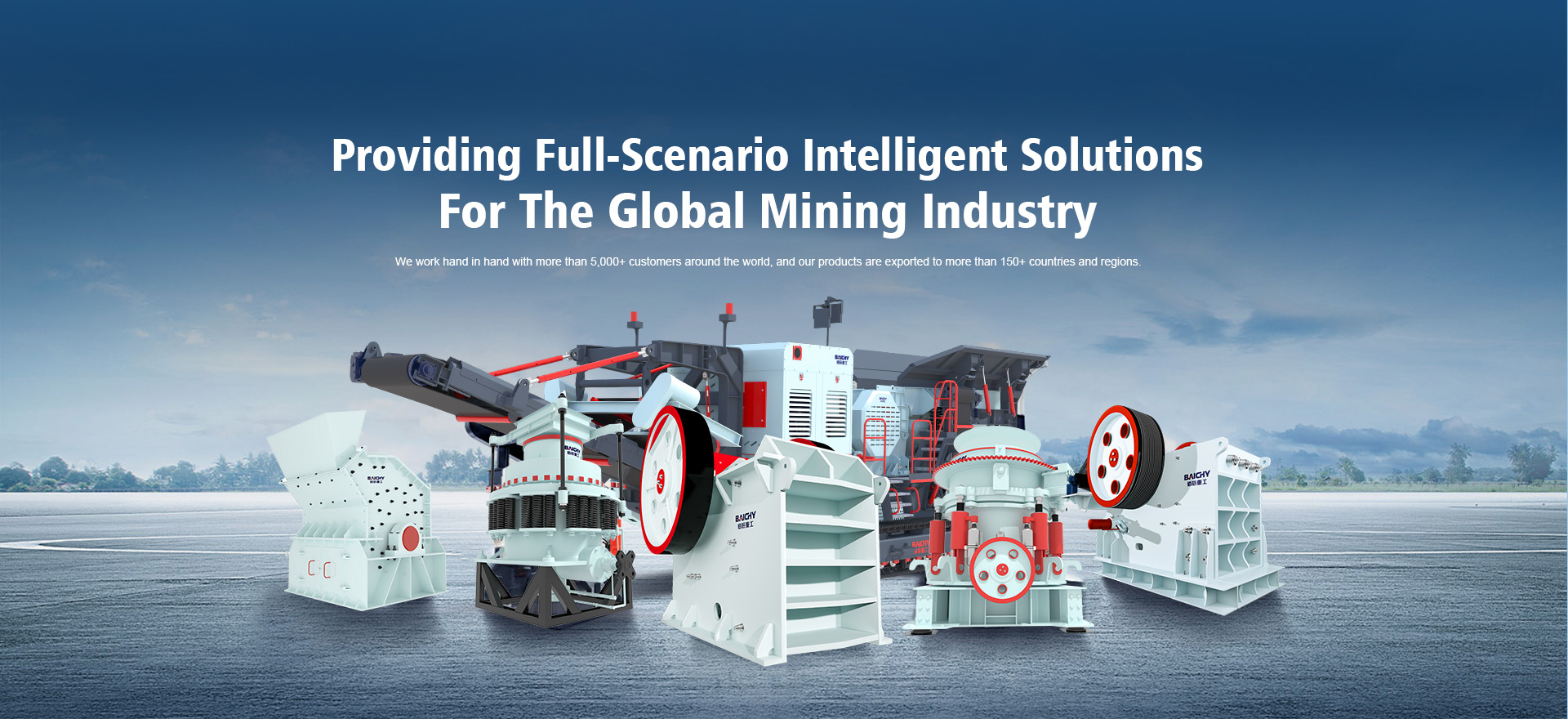
We are committed to providing high-quality equipment and full-cycle services to deliver comprehensive intelligent solutions for the global mining industry!
Frequently Asked Questions
1. How long does a spring cone crusher typically last? How often do wear parts need to be replaced?
A: Under normal operating conditions and with regular maintenance, the designed service life of a spring cone crusher unit is typically over 10 years.
Among its components, the crushing wall (moving cone liner) and the bowl liner (fixed cone liner) are the core wear parts. Their replacement cycle depends on the following factors:
• Material hardness (e.g., granite and iron ore cause faster wear)
• Daily operating hours and load rate
• Whether high-quality materials—such as high-chromium or high-manganese alloys—are utilized
Generally, for small to medium-sized production lines, the liner replacement cycle is approximately 6 to 12 months; for large, high-output lines, inspection or replacement may be required every 3 to 6 months.
2. How should I choose between a spring cone crusher and a hydraulic cone crusher?
A: You can make this decision based on three key dimensions:
| Comparison Item | Spring Cone Crusher | Hydraulic Cone Crusher |
| Price | Relatively inexpensive; low investment threshold | Higher cost; requires a significant upfront investment |
| Operation & Maintenance | Simple structure; easy to maintain | High degree of automation; more convenient to operate |
| Applicable Scenarios | Intermediate and fine crushing; suitable for limited budgets or medium-scale production lines | Large-scale, continuous, high-intensity operations; ideal for projects with high demands for efficiency and intelligent control |
If your project involves a small to medium-sized sand and aggregate line, intermediate or fine crushing of metal ores, or if you are sensitive to initial investment costs, the spring cone crusher is typically the more cost-effective choice.
3. What hidden costs are often overlooked when purchasing a spring cone crusher?
A: In addition to the purchase price of the equipment itself, we recommend paying close attention to the following factors:
• Infrastructure and Installation Costs: Large cone crushers impose stringent requirements regarding foundations, hoisting operations, and transport access;
• Consumables and Spare Parts Inventory: Stocking a spare set of liners and other components in advance can significantly reduce downtime caused by waiting periods;
• Energy Consumption Costs: Variations in motor efficiency and transmission design among different manufacturers will directly impact electricity expenses;
• After-Sales Service Costs: In remote locations, if the manufacturer is unable to dispatch personnel to the site in a timely manner, this may result in substantial travel expenses or financial losses due to operational delays.