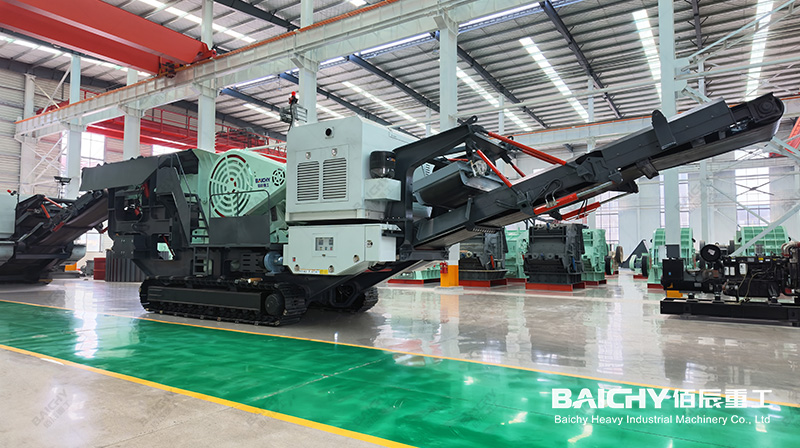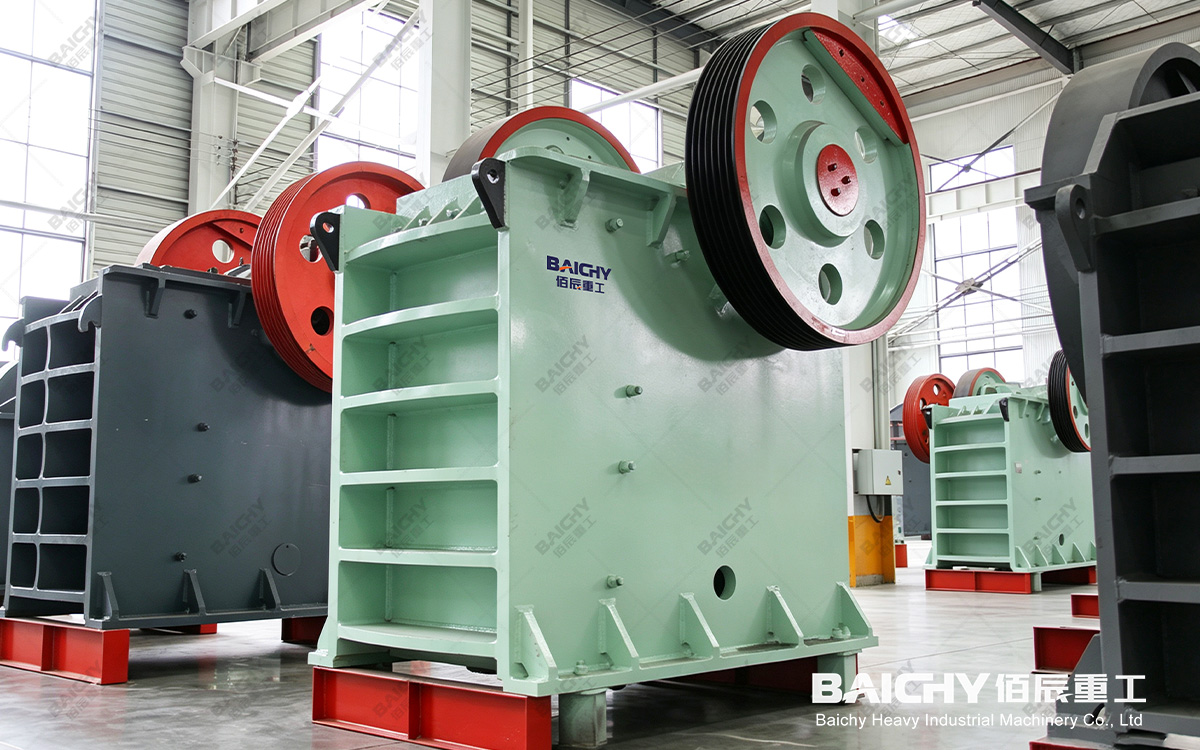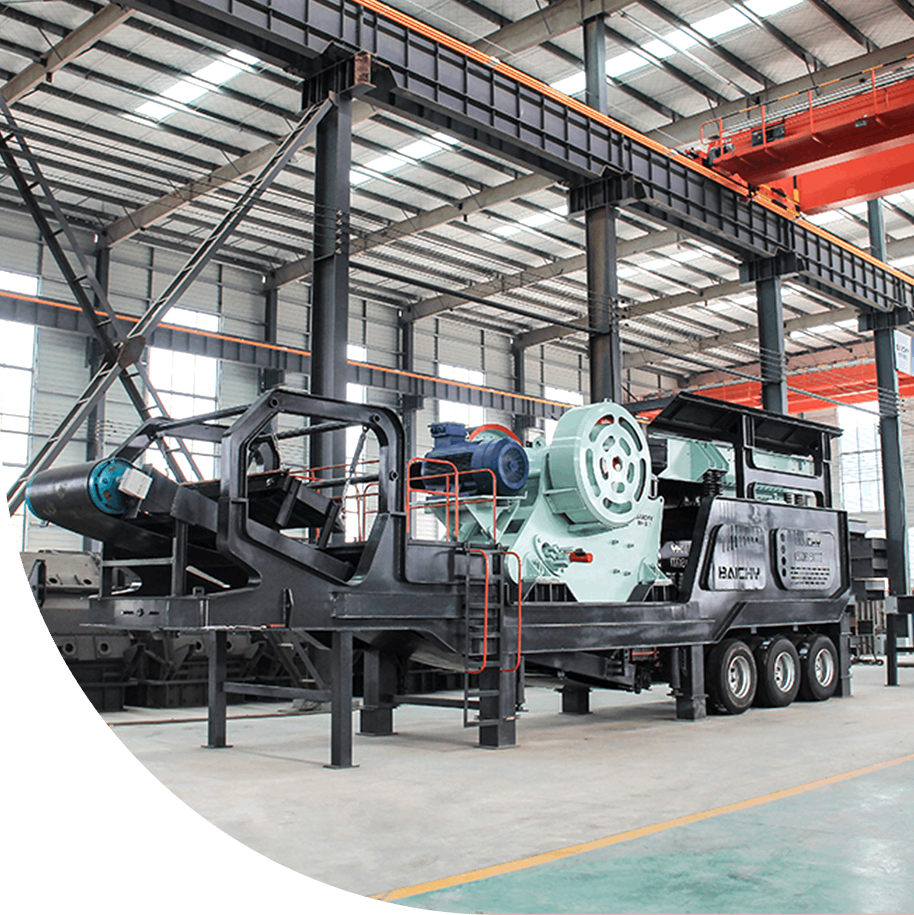

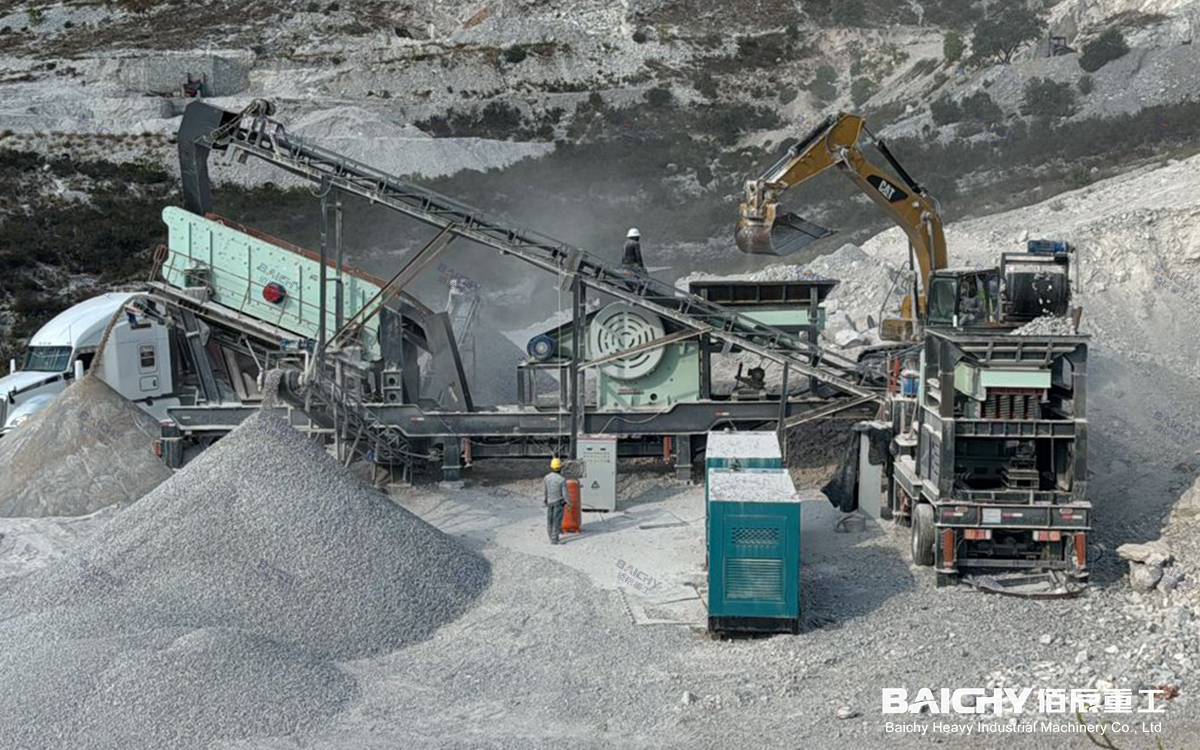
On-site view of a four-unit mobile crushing station.
Choosing the right mining crusher is the single most important decision in any crushing plant. The wrong stone crusher wastes capital, burns energy, and produces off-spec aggregate. The right one, however, runs for decades with low maintenance. This guide explains the differences between mining crushers, stone crushers and mobile crushers, compares their parameters, and shows how to match equipment to your rock type and capacity.
What Is a Mining Crusher and Why Does It Matter?
A mining crusher reduces large rocks and ore into smaller, usable fractions through compression, impact, or shear force. It is the first mechanical step in the mineral processing chain, feeding grinders, screens and concentrators. Every ton of finished aggregate or concentrate starts at the crusher mouth, so efficiency here compounds across the whole plant.
Modern stone crusher technology has moved far beyond simple jaw plates. Today's mining crusher integrates intelligent control, wear-resistant high-manganese liners, and automated closed-side-setting adjustment. The result is higher uptime, more consistent product, and lower cost per ton — the metrics that determine whether a quarry or mine stays profitable.
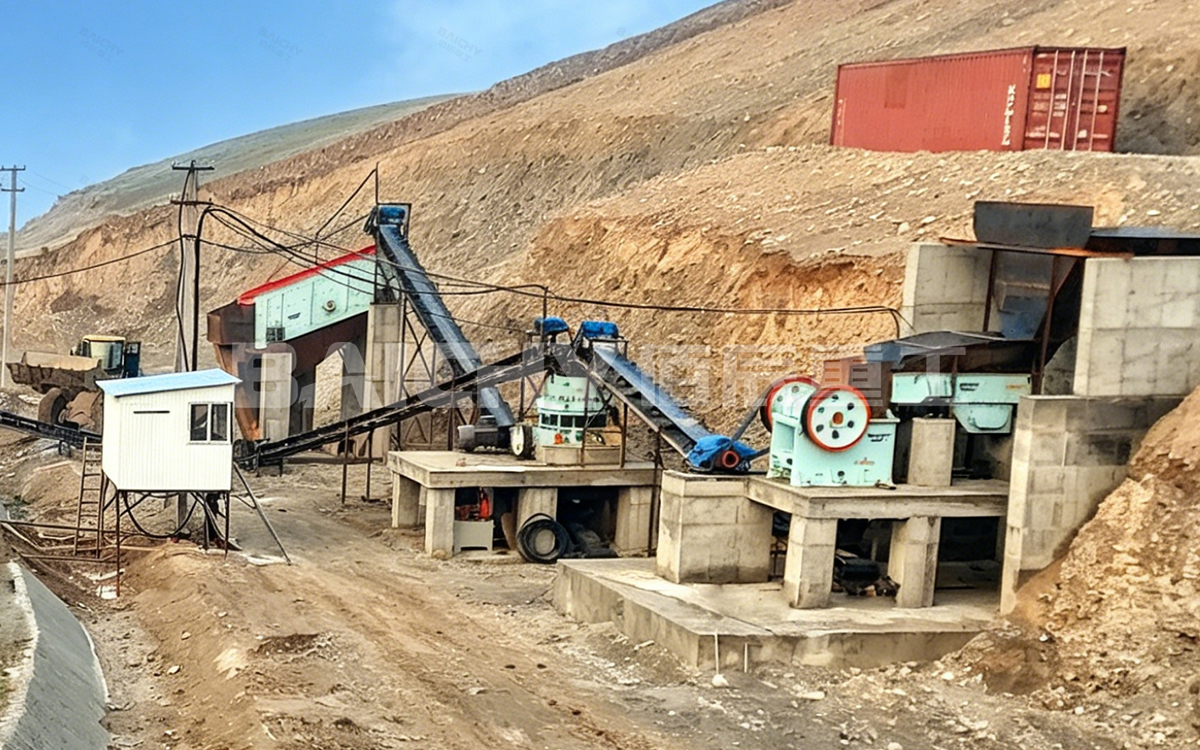
Stationary Crushing Production Line in Tajikistan
Types of Mining and Stone Crushers
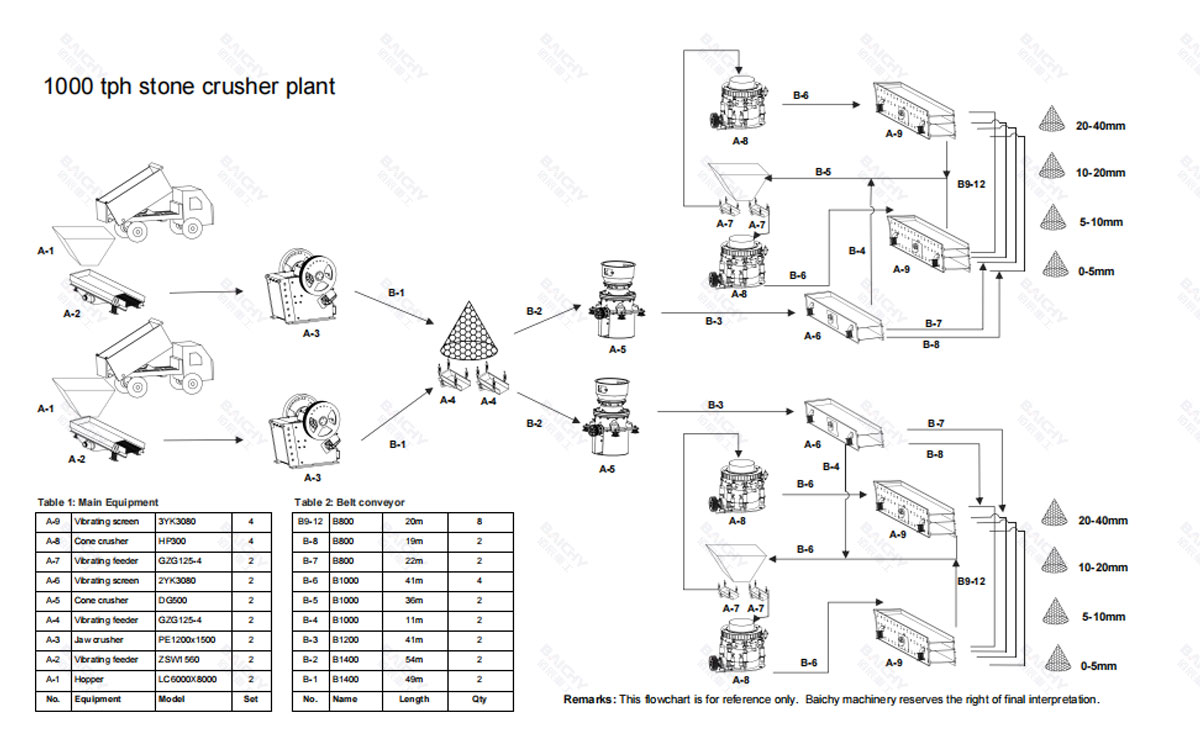
Different stages of the size-reduction process demand different machines. Most stationary crushing plants combine three stages, each served by a specific stone crusher type.
Primary Crushing: Jaw Crusher
The jaw crusher is the workhorse of primary crushing. Rocks are squeezed between a fixed jaw and a moving jaw in a "V"-shaped chamber. It handles the hardest and most abrasive feed, from granite and basalt to iron ore, with feed sizes up to 1,200 mm and capacities from 1 to over 1,000 t/h. Baichy's primary jaw crushers feature a deep "V" crushing chamber that delivers up to 15% higher capacity than standard models.
Secondary Crushing: Cone Crusher
The cone crusher performs secondary and tertiary fine crushing of medium-to-hard rock. Material is compressed between a rotating mantle and a concave bowl, producing cubical, well-graded aggregate. Cone crushers offer reduction ratios of 3:1 to 5:1 and are ideal for producing high-quality concrete and asphalt aggregate.
Impact Crushing: Impact Crusher and Hammer Crusher
Impact crushers use high-speed blow bars or hammers to shatter softer-to-medium rock. They deliver high reduction ratios (7:1 to 10:1) and are the best choice for limestone, gypsum, and recycled concrete. Baichy equips impact crushers with high-chrome blow bars and adjustable curtain liners for precision size control.
Shaping and Sand Making: VSI Crusher
The vertical shaft impact (VSI) crusher shapes crushed material and produces manufactured sand. It is essential for producing the cubical, low-flake particles demanded by concrete and asphalt specifications.
Mobile Crusher vs. Stationary Crusher
The rise of the mobile crusher has transformed the aggregate and mining industries. A mobile stone crusher mounts the feeder, crusher, screen and conveyor on a single tracked or wheeled chassis, eliminating the need for permanent foundations and infrastructure.
Advantages of a Mobile Crusher
• No site construction: Drive the mobile crusher directly to the workface and start processing immediately.
• On-site flexibility: Move between multiple quarries or follow the mining face as it advances.
• Fast setup: A track-mounted plant can be operational within hours, not weeks.
• Lower civil cost: No concrete foundations, platforms, or long conveyor runs.
• Combined function: A 4-in-1 mobile crusher integrates jaw or impact crushing with screening in a single machine.
When to Choose Each Type
Choose a stationary crushing plant for long-life, high-tonnage operations where the site is fixed. Choose a mobile crusher for temporary projects, multiple pits, demolition recycling, or rugged terrain where a crawler chassis outperforms fixed infrastructure.
Crusher Parameter Comparison Table
The table below compares the key parameters of common mining crusher types to support your selection.
| Crusher Type | Max Feed Size (mm) | Capacity (t/h) | Reduction Ratio | Discharge Range (mm) | Best Rock Hardness | Typical Role |
|---|---|---|---|---|---|---|
| Jaw Crusher | ≤1,200 | 1 – 1,000+ | 2:1 – 3:1 | 15 – 300 | Hard & abrasive | Primary |
| Cone Crusher | ≤400 | 30 – 1,200 | 3:1 – 5:1 | 5 – 40 | Hard & medium | Secondary / Tertiary |
| Impact Crusher | ≤500 | 50 – 350 | 7:1 – 10:1 | 10 – 80 | Soft to medium | Secondary |
| Hammer Crusher | ≤600 | 10 – 600 | 10:1 – 15:1 | 0 – 30 | Soft to medium | Secondary / Fine |
| VSI Crusher | ≤80 | 30 – 650 | 4:1 – 6:1 | 0 – 15 | Soft to medium | Shaping / Sand |
| Mobile Crusher (Jaw/Cone/Impact) | ≤900 | 80 – 520 | 3:1 – 10:1 | 10 – 200 | Depends on unit | Any stage, on-site |
Note: figures are typical reference ranges; confirm exact parameters with the equipment manufacturer for your specific material.
How to Choose the Right Crusher for Your Plant
Follow this decision path to avoid costly mistakes:
Test your raw material — hardness (Mohs), abrasiveness, moisture and feed size define the crusher family.
Define your product — required discharge size, cubicity and capacity (t/h) set the machine size.
Choose the stage — primary, secondary, tertiary, or shaping — and match each stage's crusher.
Decide on mobility — fixed site or portable operation determines mobile vs. stationary.
Evaluate total cost of ownership — include wear parts, power, installation and downtime, not just purchase price.
A competent partner walks this path with you. Baichy Heavy Industry combines raw-material analysis, 3D layout design, equipment manufacturing, installation guidance and after-sales support into one EPC turnkey service, so you get a profitable crushing plant — not just a machine.
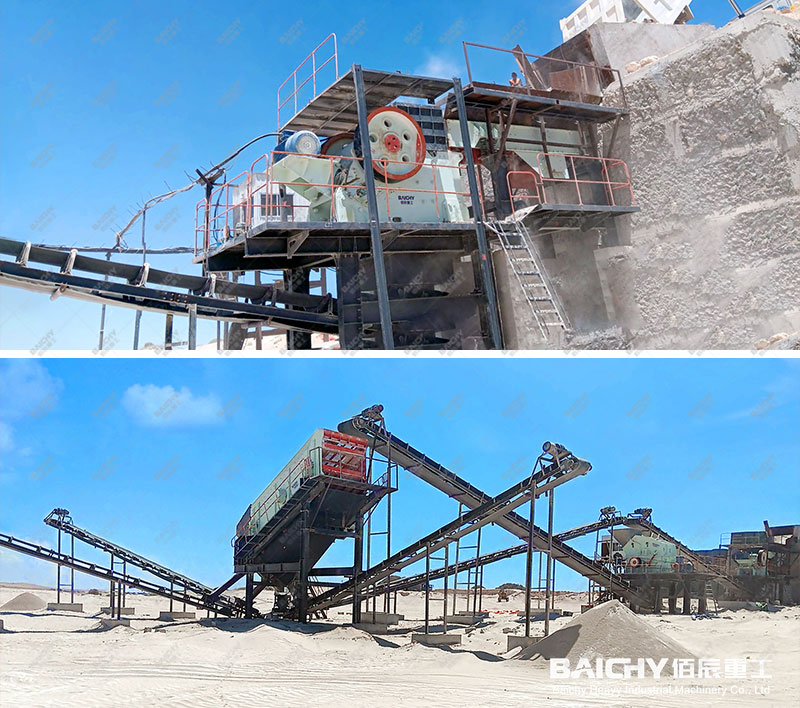
Stationary Crushing Station Site in Somalia
Why Choose Baichy Heavy Industry?
Founded in 2003 in Zhengzhou, China, Baichy Heavy Industry is a high-tech manufacturer integrating R&D, manufacturing, sales and after-sales service. We focus on crushing, grinding and mineral processing equipment and serve mining, quarrying and recycling customers in more than 150 countries. From single stone crushers to complete mobile crushing plants and grinding systems, every machine is built factory-direct with German-inspired technology and intelligent control.
FAQ
1. What is the difference between a mining crusher and a stone crusher?
"Mining crusher" and "stone crusher" are largely interchangeable terms describing equipment that reduces rock or ore. In practice, a mining crusher often implies heavy-duty machines for ore and hard-rock operations, while a stone crusher commonly refers to equipment used in quarries to produce construction aggregate. Both use the same core technologies — jaw, cone and impact crushing.
2. Which crusher is best for hard rocks like granite and basalt?
Jaw crushers for primary crushing and cone crushers for secondary and tertiary stages are the best combination for hard, abrasive rocks such as granite and basalt. These compression-type machines withstand high wear and deliver cubical product.
3. What capacity (t/h) should my mobile crusher have?
Capacity depends on your production target, feed size and product spec. Baichy mobile crushers typically range from 80 to 520 t/h. Calculate your daily aggregate requirement, factor in operating hours and downtime, then choose a machine with 10–20% headroom.
4. Is a mobile crusher more expensive than a stationary one?
The purchase price of a mobile crusher is often higher per unit, but it eliminates civil construction, foundations and long conveyors. For temporary sites, multiple pits, or rugged terrain, total cost of ownership can be lower. For fixed, long-life, high-tonnage sites, a stationary plant is usually more economical.
5. How do I maintain a crushing plant to maximize uptime?
Follow a preventive maintenance schedule: inspect and replace wear liners and blow bars on time, monitor lubrication and temperature, check closed-side settings regularly, and use metal detectors to prevent uncrushable damage. Partnering with the manufacturer for installation guidance and spare parts reduces downtime significantly.
Baichy Heavy Industry
Baichy Heavy Industry is a high-tech mining equipment company integrating R&D, manufacturing, sales, and after-sales service. Focusing on crushing, grinding, and mineral processing equipment, we provide professional solutions to our customers. We are ISO9001:2015 、certified, and our products include mobile crushing palnts, crawler crushing plant, construction waste crushing plants, jaw crushers, sand making machines, cone crushers, fine crushers, grinding mills, ball mills, etc., all with reliable performance to meet diverse project needs.
Baichy Heavy Industry – Your Trusted Partner
To ensure optimal performance of your equipment, Baichy Heavy Industry offers:
- Professional on-site installation guidance
- Comprehensive operator training
- 24/7 technical support & maintenance services
Our complete after-sales service system guarantees long-term, stable operation of your machinery with minimal downtime.
Protect Your Rights – Only Use Official Channels
To avoid scams and ensure authentic support, contact us exclusively through:
• Official Website: www.baichychina.com
• WhatsApp: +8615093222637
• Email: [email protected]
Your satisfaction is our priority – expect prompt, professional service every time.
(Note: Beware of unauthorized third parties claiming to represent Baichy. Always verify through official contacts.)