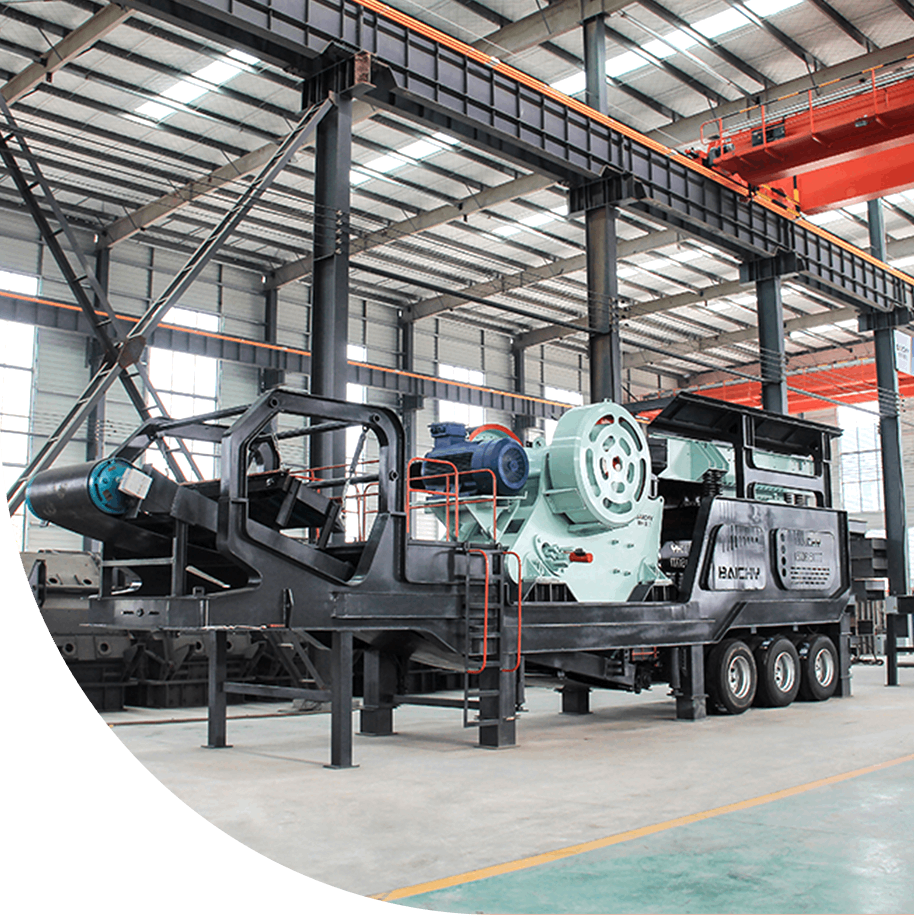

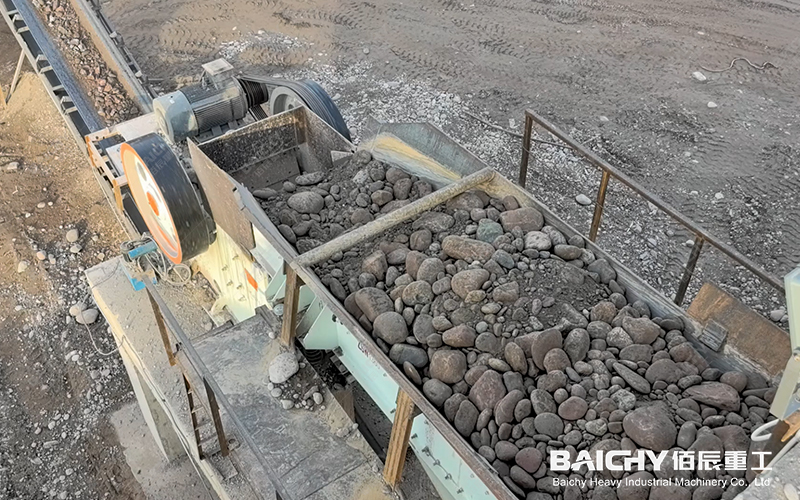
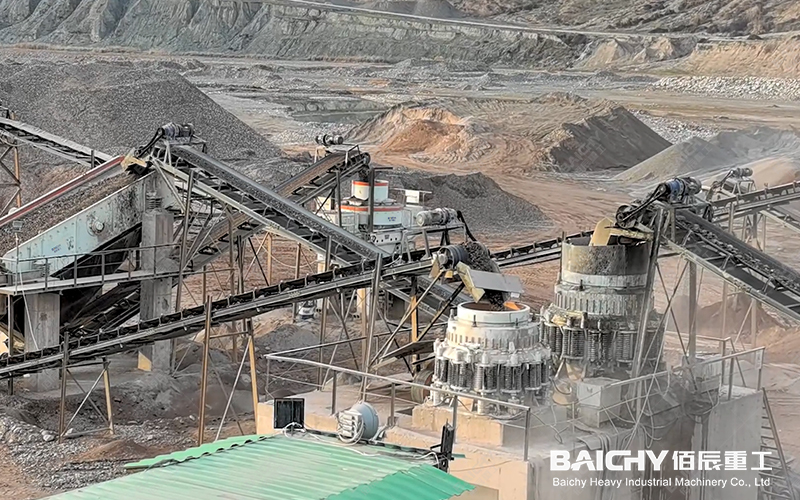
300 tph Pebble Crushing Production Line
A 300TPH crushing plant can support a quarry, road project, concrete supplier or regional aggregate business. However, the number “300TPH” is only a starting point. The right plant depends on the rock type, maximum feed size, moisture, clay content, final product sizes, power supply, site access and project scope.
This guide explains how to plan a 300TPH stone crusher setup in the Philippines and what information a supplier needs before preparing a reliable quotation.
1. Is a 300TPH plant suitable for your project?
A 300TPH plant is normally considered for continuous aggregate production rather than a small temporary worksite. Potential users include:
• Quarry owners with a stable source of limestone, basalt or other rock;
• Road, bridge, port and industrial contractors;
• Concrete, asphalt and ready-mix suppliers;
• Regional aggregate producers;
• Local distributors and project integrators.
If 300TPH means net final product capacity, the theoretical output can be substantial. At eight operating hours per day and 26 operating days per month, the theoretical production is about 62,400 tons per month. Actual saleable output will depend on maintenance, power interruptions, weather, material supply, screening efficiency and truck availability.
Before investing, confirm two fundamentals: a legal and reliable material source, and enough aggregate demand to keep the plant operating.
2. Define the meaning of “300TPH”
Capacity must be clearly defined in the technical proposal and contract:
1. Feed capacity: the amount of raw material entering the plant per hour.
2. Net final product capacity: saleable material after screening, excluding oversize returned to the crusher and internal recirculation.
3. Peak capacity: a short-term maximum that may not represent continuous production.
For preliminary design, the feed system may be sized at approximately 330–360TPH to provide margin for feed fluctuations and circulating load. The final performance target should be linked to agreed material, feed size, moisture, product grading and test conditions.
A suitable performance statement is:
The plant will be tested for net final product capacity under the agreed material and operating conditions.
This is more accurate than promising 300TPH under every possible material and weather condition.
3. Select the process according to the material
Basalt or abrasive hard rock
For basalt and other hard, abrasive rock, a common configuration is:
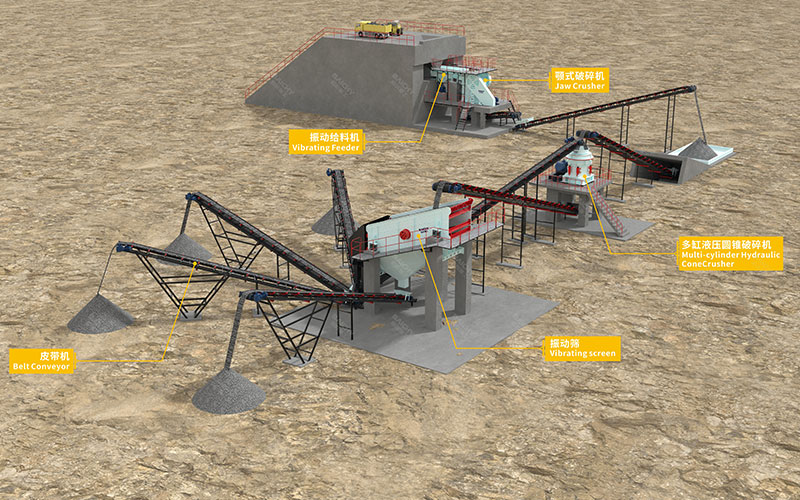
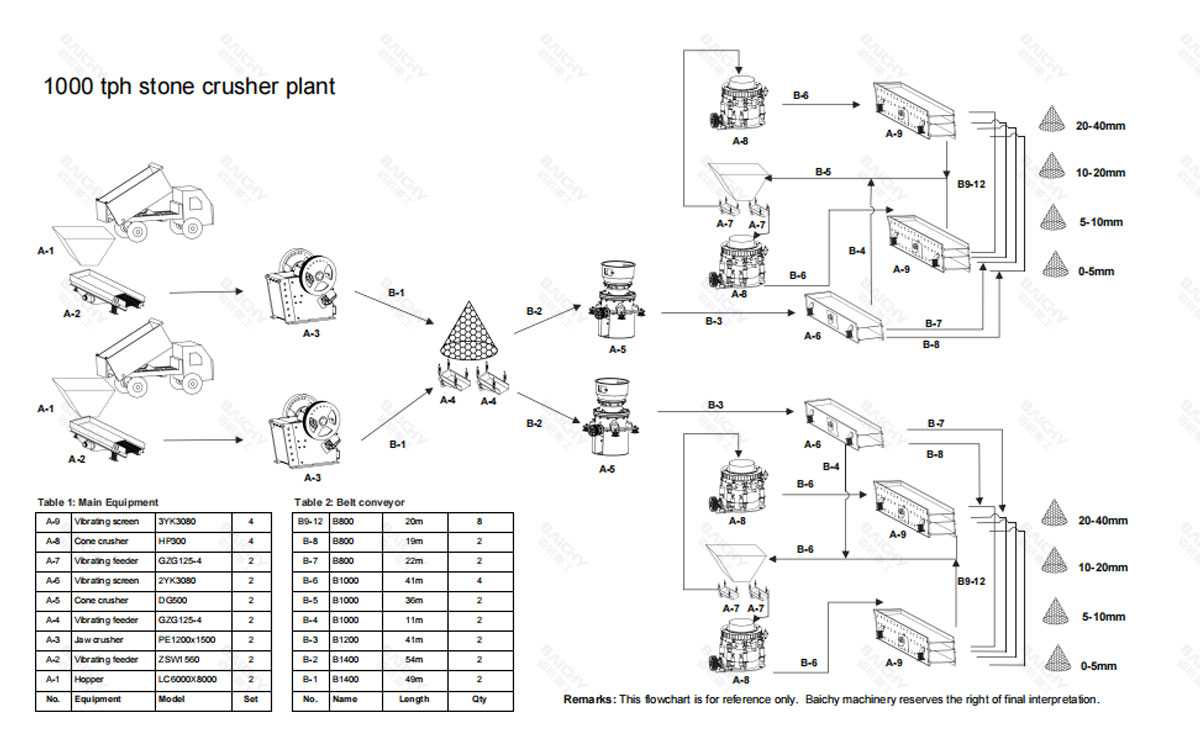
Heavy-duty feeder → jaw crusher → cone crusher → multi-deck screen → final products
A cone crusher is commonly evaluated for secondary crushing in hard-rock applications. The design should allow easy access to jaw plates, cone liners, bearings and screen media. If the customer requires better particle shape or more manufactured sand, a VSI shaping or sand-making stage can be considered.
Medium-hard limestone
For suitable limestone, the process may be:
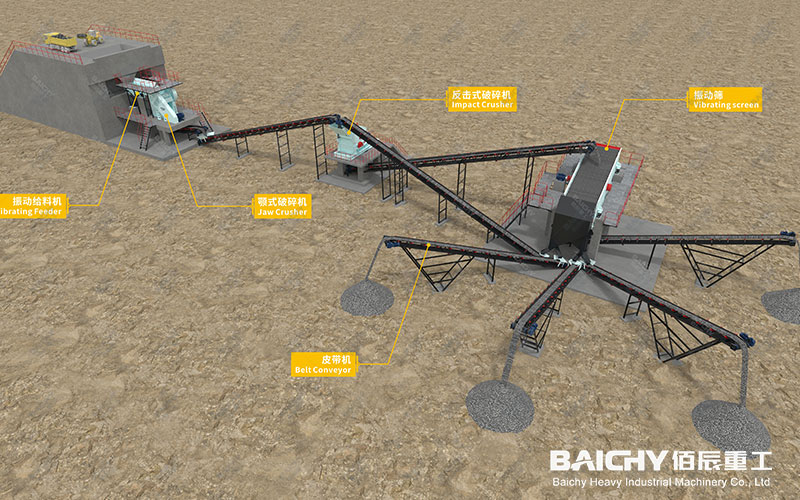
Heavy-duty feeder → jaw crusher → cone crusher → multi-deck screen → final products
An impact crusher can provide good shaping and may produce more fine material. However, limestone containing quartz, chert or other abrasive inclusions should be tested before an impact crusher is selected.
Wet or clay-rich material
High moisture and clay can reduce screening efficiency and cause blockage. A grizzly or scalping section can remove fines before primary crushing. If sticky clay is significant, the plant may need washing, scrubbing or another wet-processing solution instead of simply increasing water spray.
4. Typical 300TPH equipment configuration
The following ranges are for preliminary discussion only. They are not final model selections and must be checked against material tests and a complete material balance.
| Plant section | Preliminary range or option | Main selection factor |
|---|---|---|
| Raw material hopper | 50–80 m³ | Loader size and feed continuity |
| Feeder | About 350–450 t/h | Lump size, clay and scalping requirement |
| Primary jaw crusher | About 1,200 × 900 to 1,300 × 1,000 mm class | Maximum feed size and reduction ratio |
| Secondary cone crusher | About 250–350 kW class | Hardness, abrasiveness and grading |
| Secondary impact crusher | About 250–355 kW class | Limestone suitability and shaping |
| Main vibrating screen | 3–4 decks, about 2.4 × 6.0 to 2.4 × 7.3 m class | Product number and moisture |
| Product conveyors | About 650–1,000 mm belt width | Length, lift and throughput |
| Main-line installed power | About 750–1,100 kW | Crusher and auxiliary selection |
| Optional VSI stage | Adds about 250–400 kW | Manufactured-sand requirement |
A possible product arrangement is 0–5 mm, 5–10 mm, 10–20 mm and 20–31.5 mm. Actual product ratios depend on feed gradation, crusher settings, screen aperture, moisture and circulating load. Treat these ratios as design targets until testing confirms them.
5. Stationary, semi-mobile or mobile?
Stationary plant
A stationary plant is suitable when the quarry has a long operating life and the crushing location will remain stable. It allows permanent foundations, conveyors, dust control, stockpiles and a more automated layout. For long-term 300TPH production, this is often the most practical option.
Semi-mobile plant
A semi-mobile configuration may be better when the mining face moves in stages, civil works are limited or the primary crusher should stay close to the excavation area. A useful compromise is a semi-mobile primary crusher combined with stationary secondary crushing and screening.
Mobile plant
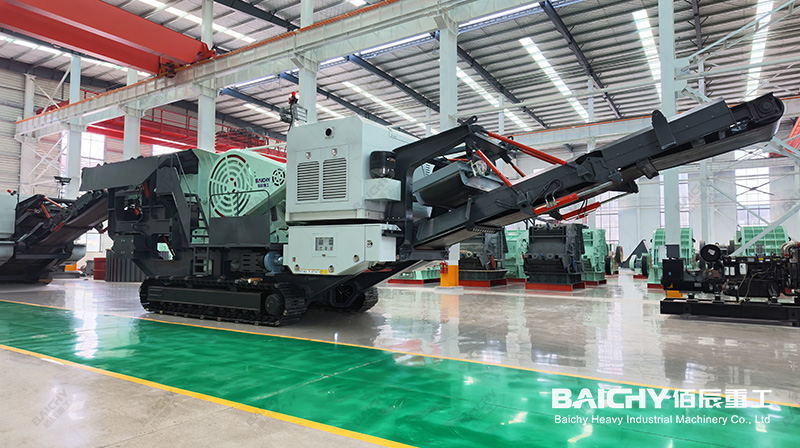
A mobile plant can suit short-term projects or frequent relocation. However, the customer must check road access, turning radius, power cables, dust control, water connections, stockpiling and relocation time. Mobile does not automatically mean simpler or cheaper.
6. Philippines site conditions to check early
Power supply
Confirm voltage, frequency, phase, transformer capacity and backup power. The project team should verify the local 60Hz requirement during technical confirmation. For remote or island sites, compare grid power, diesel generation and a hybrid solution. Generator capacity should consider motor starting, simultaneous load, power factor and future expansion—not only the total motor nameplate power.
Rain, typhoons and drainage
Rain can increase moisture, reduce screen efficiency and interrupt quarry-road traffic. The site should include drainage channels, sediment control, protected access roads and safe stockpile areas. Steel structures, shelters and conveyors may also need suitable wind and corrosion protection, especially at exposed or coastal sites.
Port and inland transport
Confirm the nearest port, unloading method, oversized cargo restrictions and the route to the quarry. Check bridge limits, road width, gradients, sharp bends and wet-season accessibility before finalizing equipment dimensions. Modular equipment, clear packing lists and start-up spare parts can reduce commissioning risk.
Frequently Asked Questions
1. Can a 300TPH plant always produce 300 tons of final products per hour?
No. The result depends on rock type, feed size, moisture, clay, crusher settings, screen efficiency, operating hours and feed continuity. Capacity should be tested under agreed conditions and measured as net final product.
2. Which crusher is suitable for basalt?
A jaw crusher followed by a cone crusher is commonly evaluated for basalt and other abrasive hard rock. The final choice should be based on material testing, product shape, feed size and expected wear.
3. Is an impact crusher suitable for limestone?
It may suit medium-hard, low-to-medium abrasive limestone and can provide good particle shaping. If the limestone contains abrasive inclusions, a cone-crusher option should also be evaluated.
4. Should I choose a stationary or mobile crushing plant?
Choose stationary equipment for stable, long-term production. Choose semi-mobile or mobile equipment when the mining face or project location will change. Roads, foundations, power, stockpiles and relocation time must all be considered.
5. What information is needed for a 300TPH quotation?
The supplier needs the raw material, maximum feed size, material test data, final product sizes, capacity definition, site location, power supply, plant type, commissioning schedule and required supply scope. Without these details, only a preliminary concept can be prepared.
Baichy Heavy Industry
Baichy Heavy Industry is a high-tech mining equipment company integrating R&D, manufacturing, sales, and after-sales service. Focusing on crushing, grinding, and mineral processing equipment, we provide professional solutions to our customers. We are ISO9001:2015 Certified, and our products include mobile crushing palnts, crawler crushing plant, construction waste crushing plants, jaw crushers, sand making machines, cone crushers, fine crushers, grinding mills, ball mills, etc., all with reliable performance to meet diverse project needs.
Baichy Heavy Industry – Your Trusted Partner
To ensure optimal performance of your equipment, Baichy Heavy Industry offers:
- Professional on-site installation guidance
- Comprehensive operator training
- 24/7 technical support & maintenance services
Our complete after-sales service system guarantees long-term, stable operation of your machinery with minimal downtime.
Protect Your Rights – Only Use Official Channels
To avoid scams and ensure authentic support, contact us exclusively through:
• Official Website: www.baichychina.com
• WhatsApp: +8615093222637
• Email: [email protected]
Your satisfaction is our priority – expect prompt, professional service every time.
(Note: Beware of unauthorized third parties claiming to represent Baichy. Always verify through official contacts.)