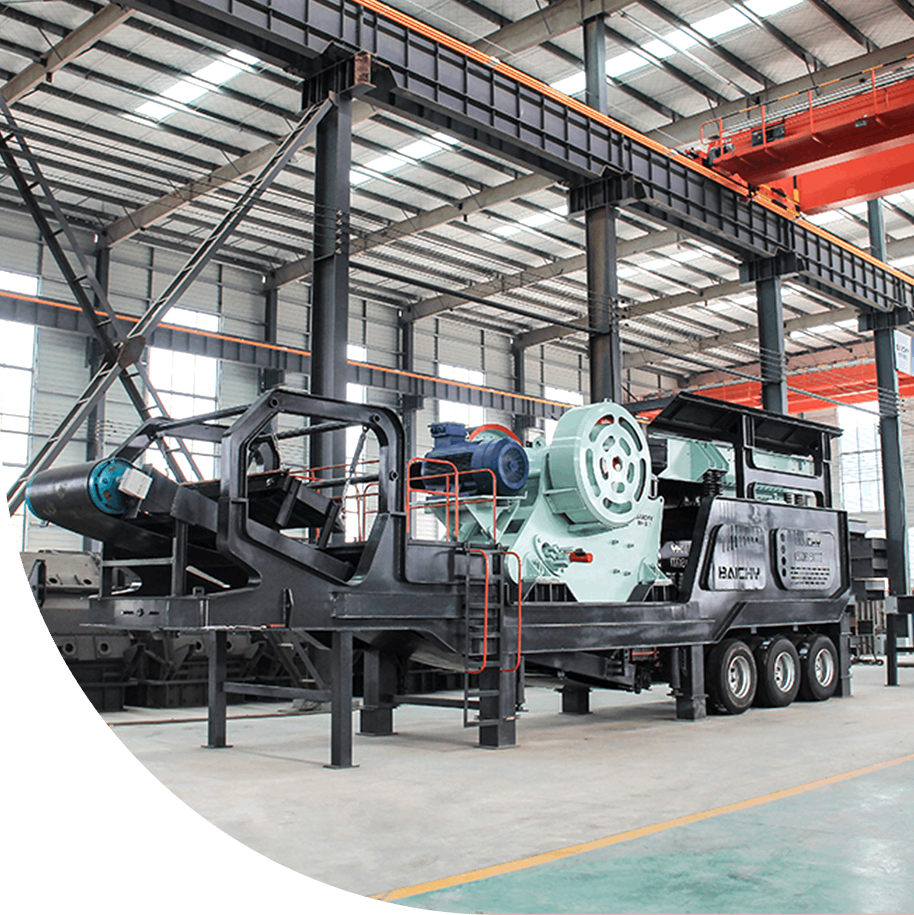

In the fields of mining, construction aggregate production, and industrial mineral processing, crushers serve as indispensable core equipment. They bear the critical responsibility of reducing the particle size of large raw stones, ores, and other materials through processes such as compression, impact, and splitting, thereby laying the foundation for subsequent grinding, beneficiation, or direct application. Selecting the right crusher is key to ensuring the efficient, energy-saving, and stable operation of a production line. This article will systematically review the various types of mainstream crushers—covering their working principles, applicable scenarios, and key selection criteria—to assist you in identifying the ideal crushing solution for your specific project.
I. Main Types and Working Principles of Crushers
Based on their crushing principles and output particle sizes, crushers can be broadly categorized into coarse crushing, medium crushing, and fine crushing equipment.
The table below provides a clear overview of the main types:
| Equipment Type | Crushing Principle | Max. Feed Size (mm) | Output Size (mm) | Primary Application Stage |
| Jaw Crusher | Compression | 1500 | 10–350 | Coarse Crushing (Primary Crushing) |
| Cone Crusher | Compression + Bending | 300 | 5–60 | Medium/Fine Crushing (Secondary Crushing) |
| Impact Crusher | Impact | 800 | 5-60 | Medium Crushing (Especially for medium-to-soft materials) |
| Hammer Crusher | Impact | 600 | < 25 | Medium/Fine Crushing (Single-stage forming) |
| Double-Roller Crusher | Compression + Grinding | 40 | 2-10 | Fine Crushing (Sand making/Powder preparation) |
1. The King of Coarse Crushing: The Jaw Crusher
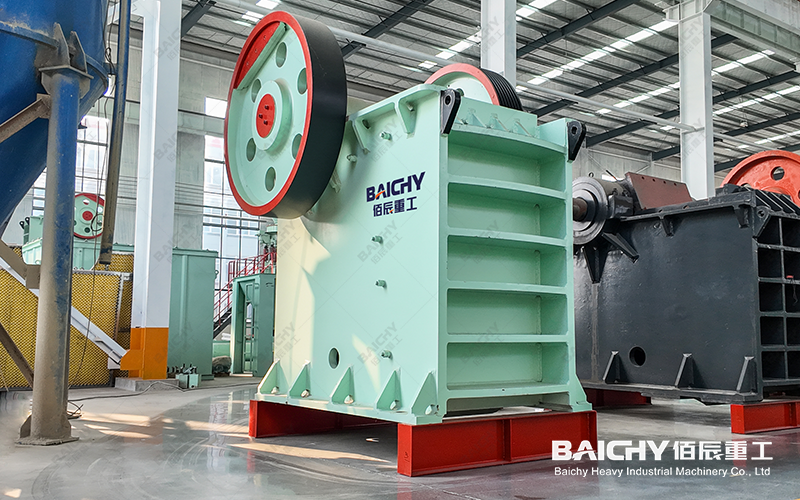
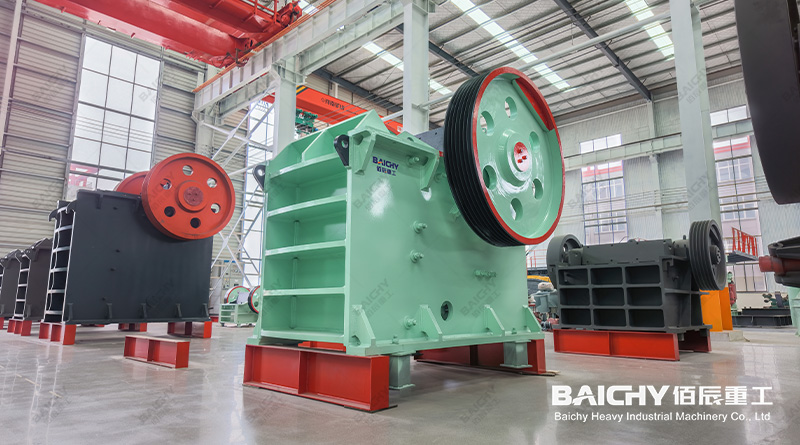
Jaw Crusher
As a classic representative of the crusher family, the jaw crusher is renowned for its robust structure, high processing capacity, and strong adaptability. Its working principle involves a movable jaw plate periodically moving toward and away from a stationary jaw plate to compress and crush the material. Capable of processing rocks of virtually any hardness, it serves as the absolute workhorse of the coarse crushing stage within any production line.
2. The Core Forces: Cone Crushers and Impact Crushers
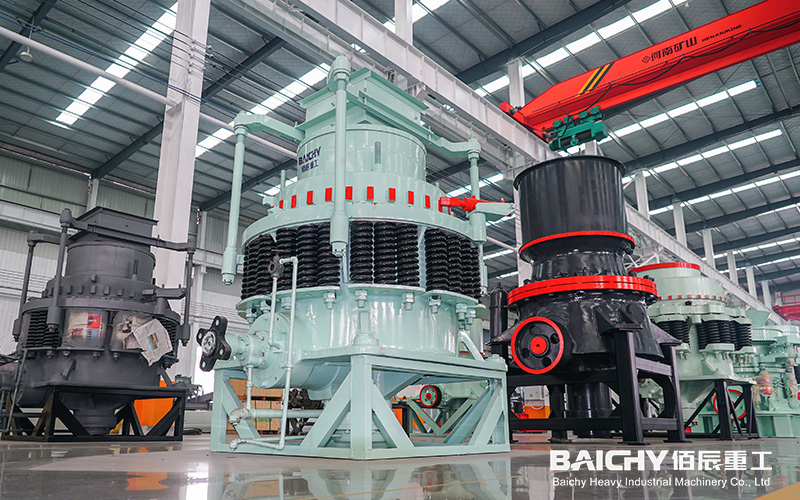
Cone Crusher
• Cone Crushers: Employing the principle of laminated crushing, these machines achieve continuous compression and bending of materials through the gyratory motion of a moving cone. Their advantages lie in high crushing efficiency, long service life for wear parts, and stable operation, making them highly suitable for the medium-to-fine crushing of high-hardness materials (such as granite and basalt).
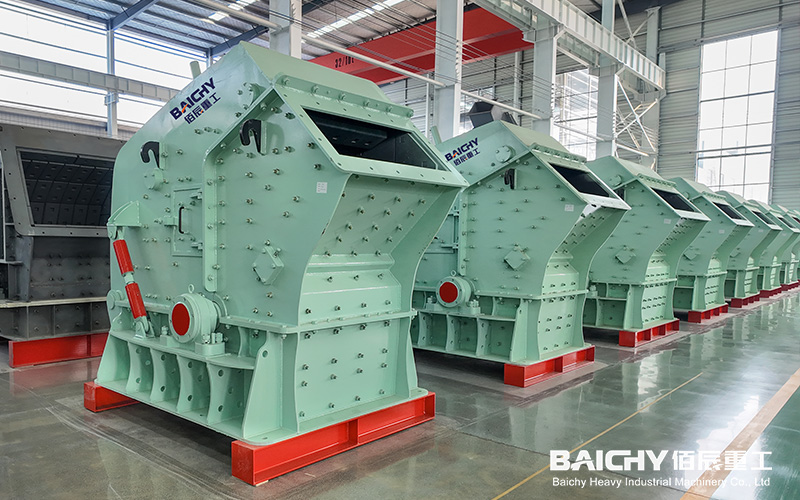
Impact Crusher
• Impact Crushers: These machines utilize high-speed rotating rotor blow bars to strike the material, hurling it against impact plates for a secondary collision and crushing. The resulting product features excellent particle shape—predominantly cubic—making it the preferred choice for producing high-quality construction aggregates. Additionally, their blow bars are easy to replace; however, they experience faster wear rates when processing high-hardness materials.
3. Fine Crushing and Shaping: Hammer Crushers and Double-Roller Crushers
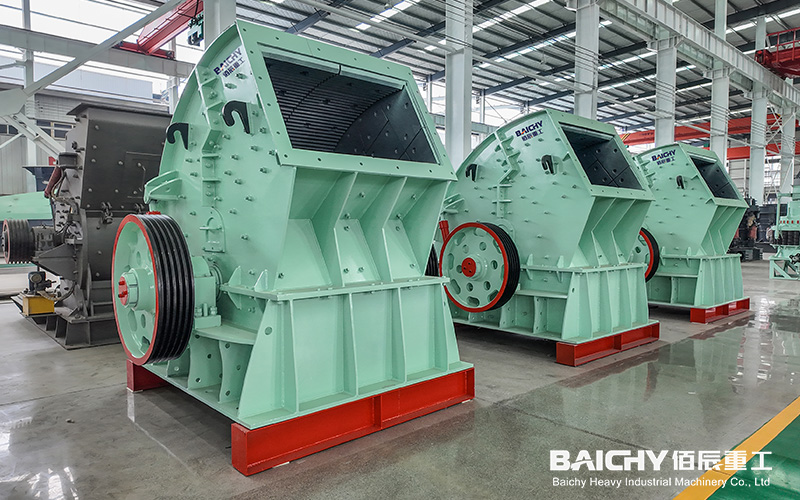
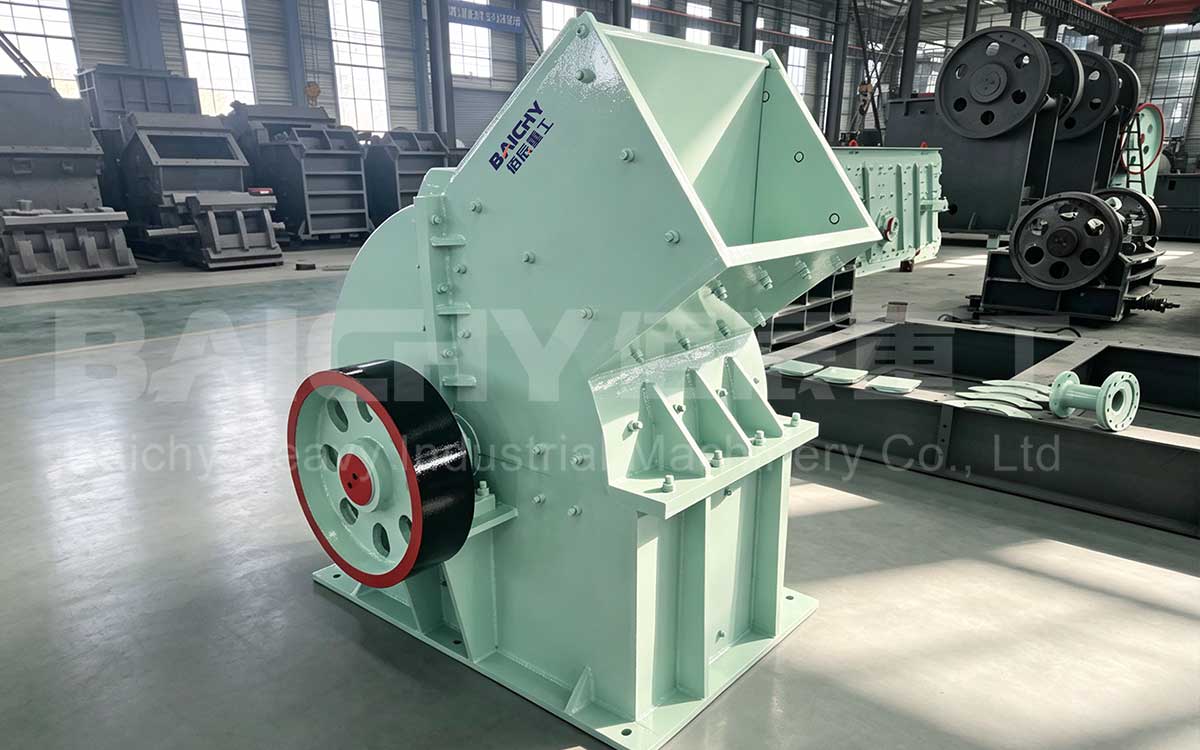
Hammer Crusher
• Hammer Crushers: Achieve crushing by subjecting materials to high-speed impacts from hinged hammerheads. They are capable of "one-step molding," which simplifies the process flow, and are frequently used for crushing medium-to-low hardness materials such as limestone and coal gangue.
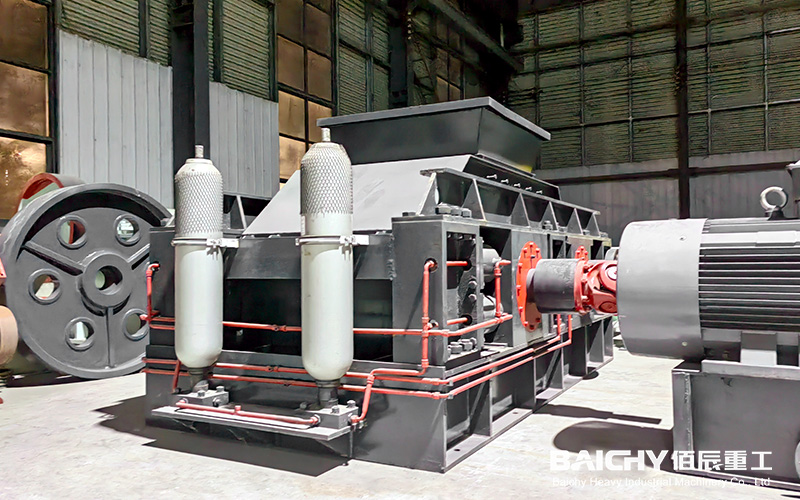
Roller crusher
• Double-Roller Crushers: Consist of two counter-rotating rollers that crush materials through a combination of compression and grinding. They produce a uniform discharge size with a low rate of over-crushing, making them commonly used for the fine crushing of materials like coal and coke, or as supplementary equipment for sand making.
II. Application Scenarios and Advantages of Different Crusher Types
In-Depth Analysis of Application Scenarios
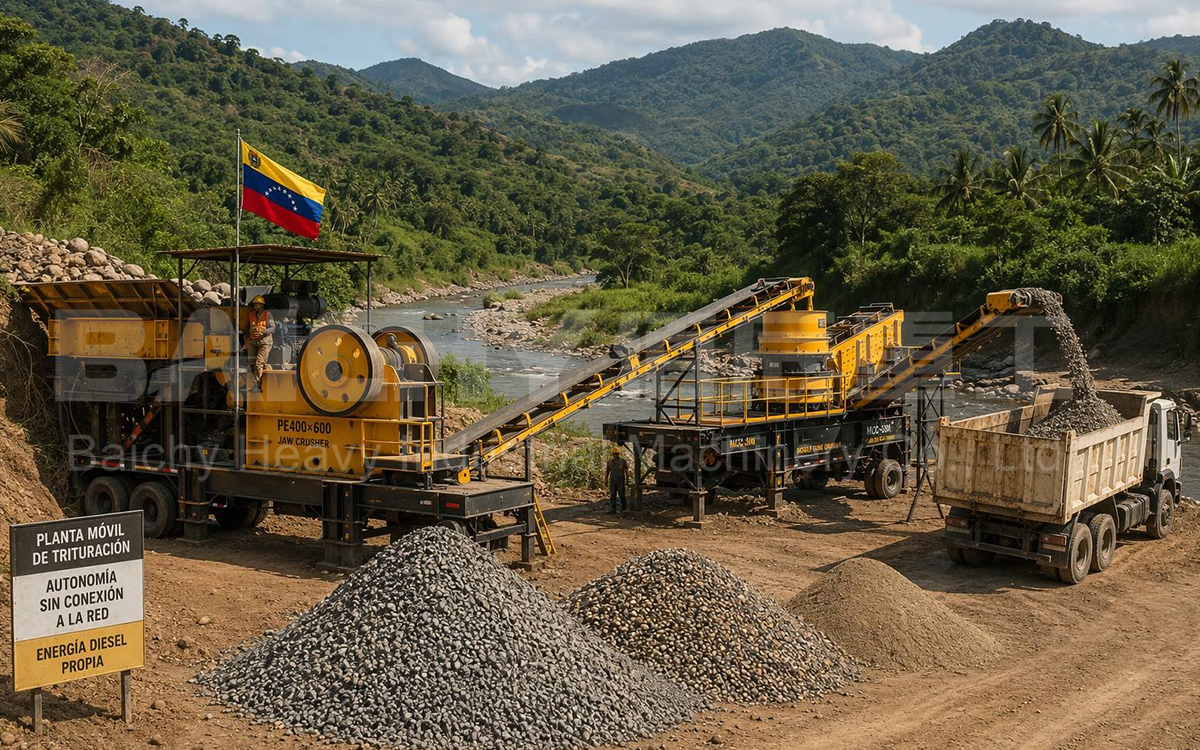
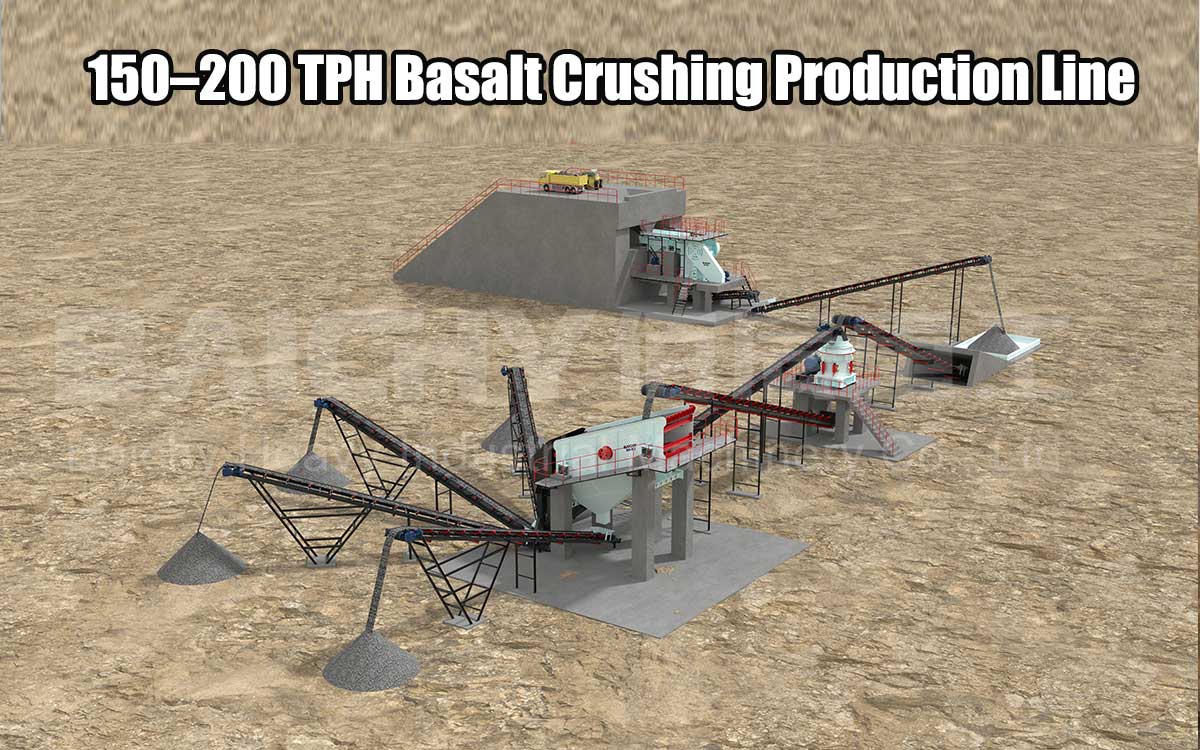
• Granite/Basalt Crushing Production Lines: Typically employ a combination of a "Jaw Crusher (coarse crushing) + Cone Crusher (medium-to-fine crushing)." The laminated crushing action of the cone crusher effectively minimizes the consumption of wear-resistant parts, thereby effectively addressing the challenges posed by highly abrasive materials.
• Limestone/Construction Waste Crushing Production Lines: Frequently utilize a combination of a "Jaw Crusher + Impact Crusher." The impact crusher produces aggregates with excellent particle shape, thereby enhancing the added value of the final product. In the case of construction waste, the impact-based crushing mechanism of the impact crusher also facilitates the effective separation of impurities, such as steel reinforcement bars.
• Sand Making and Powder Preparation: When strict requirements exist regarding the shape and size of the discharge material, fine processing can be achieved using a "Cone Crusher + Impact Sand Maker" combination or a "Double Roller Crusher."
Advantages of Selection: Why is Matching the Equipment Type Crucial?
Selecting the correct type of crusher translates to:
1. Higher Production Efficiency: Ensures seamless process integration and avoids operational bottlenecks.
2. Lower Comprehensive Costs: Appropriately selected equipment experiences slower wear rates, consumes less energy, and entails lower maintenance costs.
3. Superior Product Quality: Yields material with the specific particle shape and gradation required by the market.
4. Greater Operational Adaptability: Enables the selection of the most robust and resilient equipment—capable of withstanding demanding conditions—based on material characteristics such as hardness, moisture content, and clay content.
III. Successful Case Studies
Case Study: A Large-Scale Granite Aggregate Project in Southeast Asia
• Client Requirements: A production capacity of 800 tons per hour of high-quality construction aggregates, with the finished product intended for use in high-grade concrete.
• Solution: We designed a two-stage, closed-circuit crushing process featuring a "Heavy-Duty Jaw Crusher (PEV1200×1500) + Multi-Cylinder Hydraulic Cone Crusher (HPC400)."
• Project Results: The production line operates with exceptional stability, and the needle-and-flaky content of the finished aggregates remains below 8%—far exceeding local industry standards. The cone crusher's intelligent hydraulic chamber-clearing system significantly reduced unplanned downtime, delivering substantial economic benefits to the client.
IV. Core Equipment Recommendations
Based on the analysis above, we recommend our company's market-proven flagship product series:
1. PE Series Jaw Crushers: Featuring a deep V-shaped crushing chamber and highly durable liner plates, this series offers a larger crushing ratio and boosts output by up to 30%, making it an efficient and energy-saving choice for the primary crushing stage.
2. HPC/HPS Series Multi-Cylinder Cone Crushers: Equipped with a fully automated intelligent control system, these crushers support choke feeding (full-chamber operation) and provide real-time protection against tramp iron intrusion, thereby minimizing maintenance costs while ensuring superior product particle shape. 3. CI Series Impact Crushers: Featuring a heavy-duty rotor design and a hydraulically-opened housing, this equipment offers enhanced stability and facilitates easier maintenance, making it the ideal choice for the crushing and shaping of medium-hard materials.
V. Frequently Asked Questions (FAQ)
Q1: How do I decide whether to choose a cone crusher or an impact crusher?
A: The choice primarily depends on the hardness of the material and the priority placed on the shape of the finished product. For high-hardness, highly abrasive materials (such as granite or river pebbles), a cone crusher is the preferred choice to ensure optimal wear part longevity and manageable operating costs. For materials of medium-to-low hardness (such as limestone or weathered rock) where superior product shape is desired, an impact crusher offers distinct advantages.
Q2: I need to invest in a complete crushing production line; what is the basic configuration workflow?
A: A typical stationary crushing production line usually comprises the following stages: Feeding (Vibrating Feeder) → Primary Crushing (Jaw Crusher) → Secondary/Tertiary Crushing (Cone Crusher or Impact Crusher) → Screening (Vibrating Screen) → Conveying (Belt Conveyor). This constitutes a closed-circuit system, wherein oversized or unqualified materials retained on the screen are returned to the crusher for further processing.
Q3: What are the key features of your equipment regarding energy efficiency and intelligent operation?
A: Our new generation of crushers generally incorporates high-efficiency motors and optimized transmission designs. Our cone crushers—as well as select jaw crusher models—are equipped with PLC intelligent control systems. These systems allow for the real-time monitoring of critical parameters—such as main shaft position, pressure, and temperature—enabling automated control, fault diagnostics, and remote monitoring, thereby effectively reducing both energy consumption and labor costs.
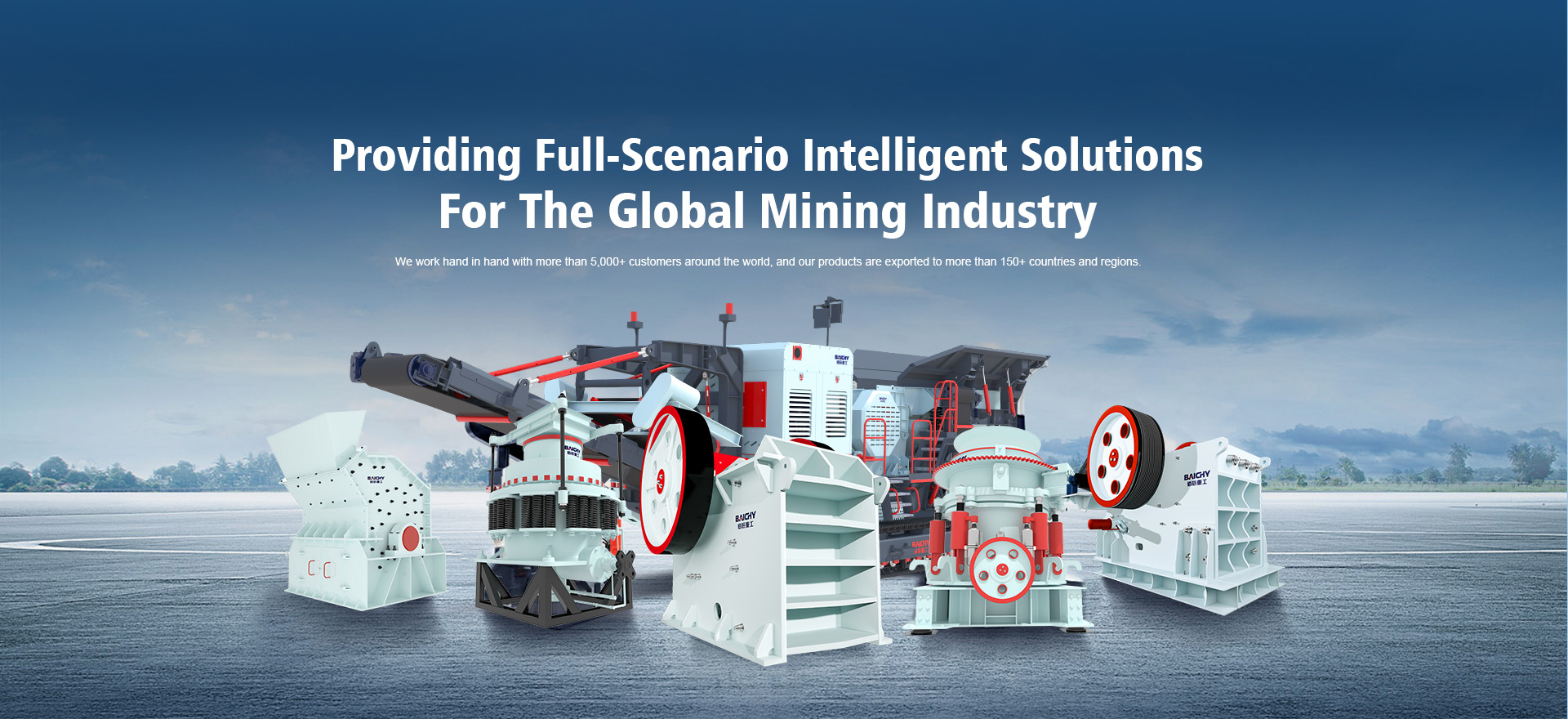
About of Baichy Heavy Industry
Baichy Heavy Industry is a high-tech mining equipment company integrating R&D, manufacturing, sales, and after-sales service. Focusing on crushing, grinding, and mineral processing equipment, we provide professional solutions to our customers. We are ISO9001:2015 、certified, and our products include mobile crushing palnts, crawler crushing plant, construction waste crushing plants, jaw crushers, sand making machines, cone crushers, fine crushers, grinding mills, ball mills, etc., all with reliable performance to meet diverse project needs.
Our advantages:
• Professional pre-sales support: Free project design and comprehensive solutions to help you accurately select the right equipment;
• Comprehensive on-site service: Providing installation guidance and worker training to ensure smooth equipment commissioning;
• Reliable after-sales guarantee: A complete after-sales system, timely response to technical inquiries and equipment maintenance, ensuring long-term stable operation.
To protect your rights, please contact us through the following official channels for professional service:
Official Website Customer Service
https://wa.me/+8615093222637
Email: [email protected]
We are committed to providing high-quality equipment and full-cycle services to deliver comprehensive intelligent solutions for the global mining industry!