Baichy Heavy Industrial Machinery Co., Ltd

Phone/Wechat/Whatsapp:+008615093222637

Email:[email protected]
24 hours online
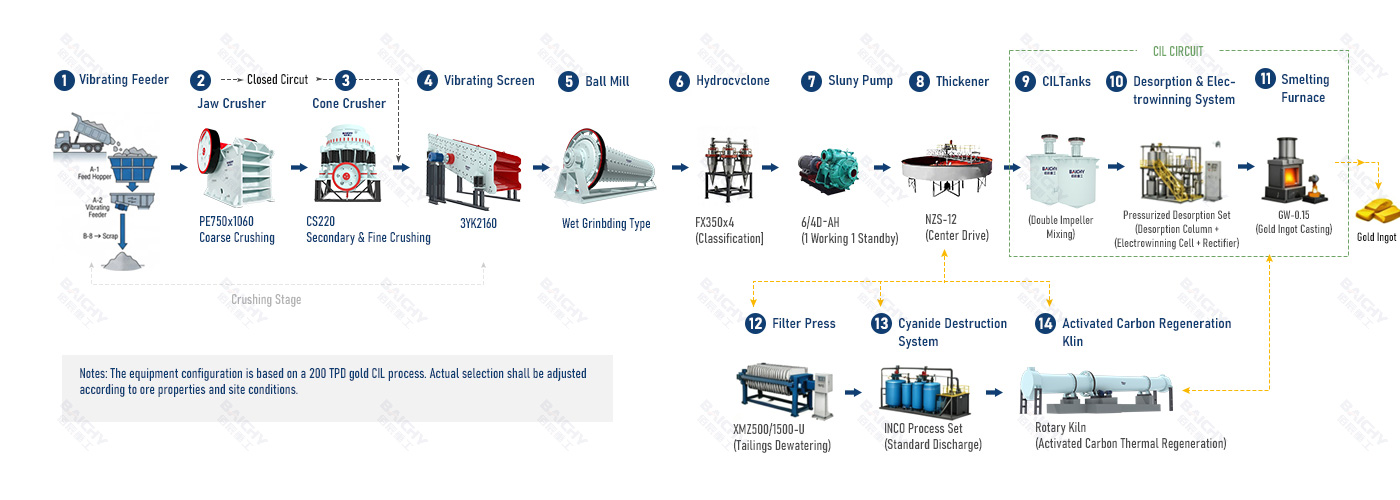
| Process | Equipment | Model | Core Function |
|---|---|---|---|
| ① Crushing & Screening — ROM ore → ≤50 mm | |||
| Feeding | Vibrating Grizzly Feeder | ZSW490×110 | Feeds ore into jaw crusher at 150–300 t/h; built-in grizzly bypasses fines |
| Primary Crush | Jaw Crusher | PE750×1060 | Reduces ROM ore from ≤630 mm to 80–150 mm |
| Secondary Crush | Cone Crusher | CS220 | Further reduces to ≤50 mm;hydraulic CSS adjustment 19–51 mm |
| Screening | Circular Vibrating Screen | 3YK2160 | 3-deck classification;oversize returns to crusher, fines to grinding |
| ② Grinding & Classification — ≤50 mm → P80=75 μm | |||
| Grinding | Ball Mill | Φ2700x4500 | Wet grate-discharge grinding to 75 μm for gold liberation |
| Classification | Hydrocyclone Cluster | FX350×4 | Cuts at 75 μm;oversize returns, qualified slurry to thickener |
| ③ Thickening, Leaching & Gold Recovery — Slurry → Bullion | |||
| Slurry Transfer | Slurry Pump | 6/4D-AH | 1 operating + 1 standby;zero downtime design |
| Thickening | Thickener | NZS-12 | Concentrates slurry to 40–45% solids before leaching |
| CIL Leaching | CIL Leaching Tank ×7 | Φ5000×5600 | 7-stage countercurrent leaching + carbon adsorption;92–99% recovery |
| Desorption | Desorption-Electrolysis System | Pressurized unit | Strips gold from loaded carbon;electrowins onto steel wool cathodes |
| Smelting | Medium-Frequency Melting Furnace | GW-0.15 | Smelts to doré bullion;purity ≥99.9% |
| ④ Tailings & Environmental — CN⁻ → Compliant Discharge | |||
| Dewatering | Filter Press | XMZ500/1500-U | Dry stacking;cake moisture ≤15%,no tailings dam required |
| Cyanide Destruction | Cyanide Destruction System | INCO process | SO₂/Air method;discharge CN⁻ ≤0.5 mg/L (IFC compliant) |
| Carbon Regen | Carbon Regeneration Kiln | Φ800×8000 | Reactivates carbon at 650–750°C;50+ cycles |
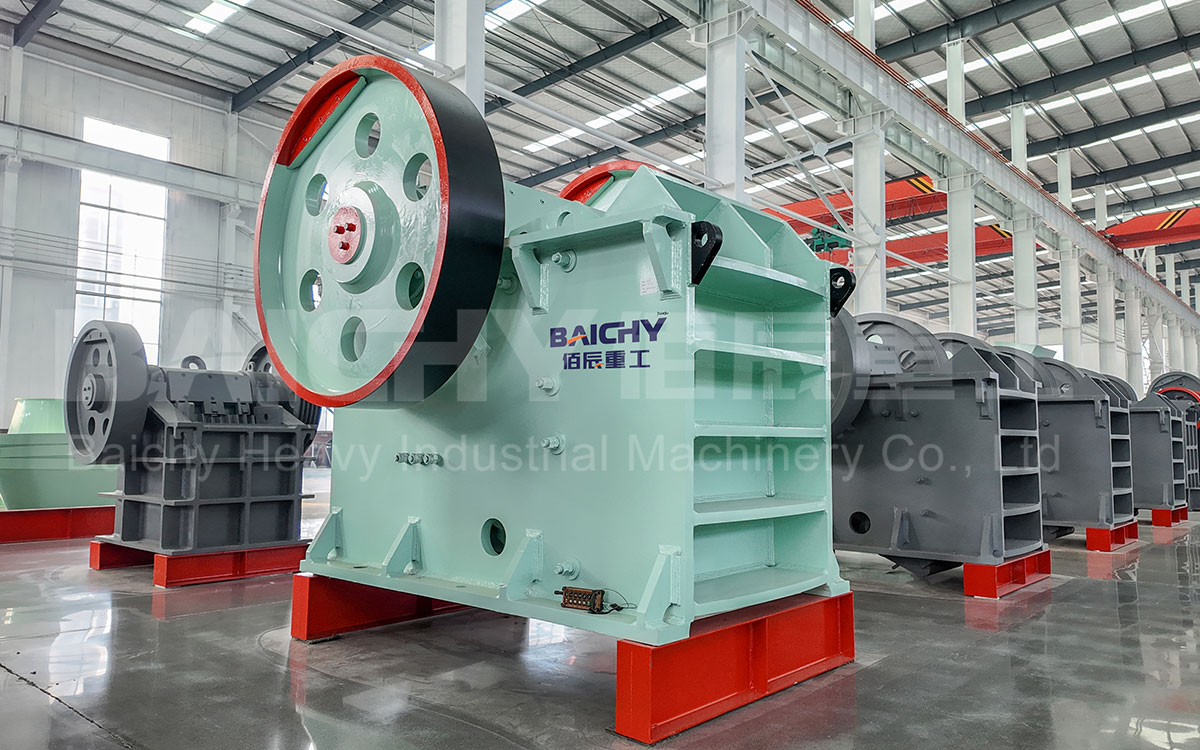
Feed opening size: 750x1060 mm
Max. Feed: 630 mm
Processing capacity: 110-380 t/h
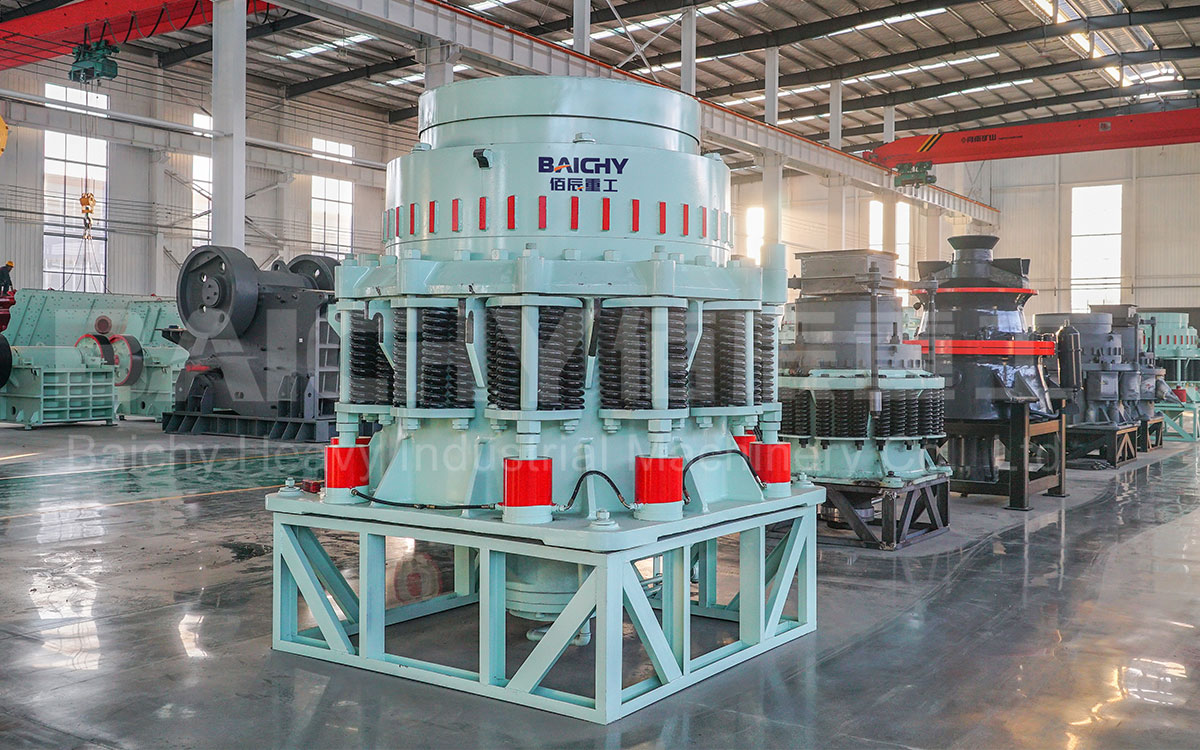
Feed Size: ≤235 mm
Discharge Size: 19-60 mm
Capacity: 130-530 t/h
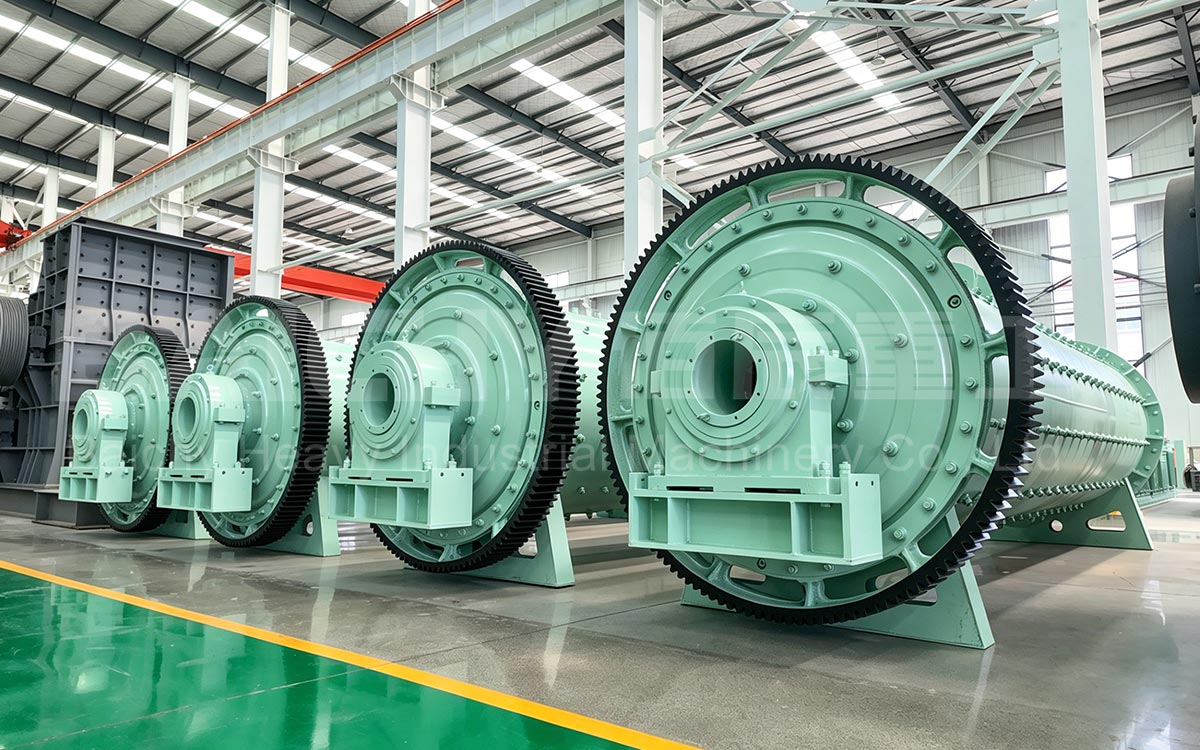
Max. Feed: <25 mm
Power: 480 kw
Processing Capacity: 15-40 t/h
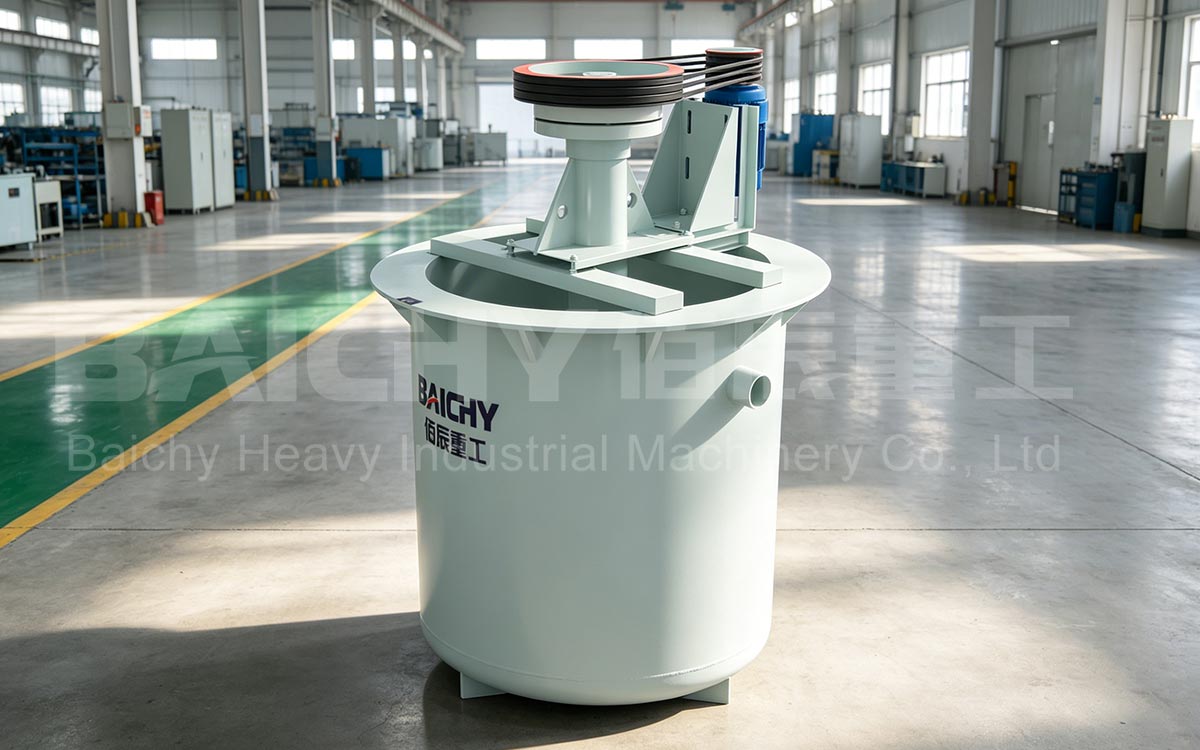
Internal Diameter: 500-3500 mm
Volume: 0.098-30 m³
Power: 1.1-22 kw
The CIL (Carbon-in-Leach) process is currently the mainstream hydrometallurgical method in the gold beneficiation industry.
It combines cyanidation leaching and activated carbon adsorption into a single circuit, eliminating the solid-liquid separation step required in the traditional CIP process;
this results in equipment cost savings of 15–20% and gold recovery rates of 92–99%.
CIL is the preferred process route for both low-grade oxidized ores and carbonaceous "preg-robbing" ores.
In the CIP (Carbon-in-Pulp) process, leaching and adsorption take place in two separate circuits: gold is first dissolved in leaching tanks
and subsequently adsorbed onto activated carbon in adsorption tanks. In contrast, CIL (Carbon-in-Leach) performs leaching and adsorption simultaneously,
requiring fewer tanks (6–8 vs. 10–14) and reducing investment costs by 15–20%.
For carbonaceous "preg-robbing" ores containing organic carbon, CIL prevents dissolved gold from being re-adsorbed by the ore's own carbonaceous material,
yielding significantly better recovery results than CIP.
CIL is best suited for three types of ore:
(1) oxidized gold ores—near-surface weathered ores where gold exists in a free state;
(2) low-grade sulfide ores (1–5 g/t);
(3) carbonaceous "preg-robbing" ores,
where simultaneous leaching and adsorption prevent gold from being re-adsorbed by carbonaceous matter.
Situations unsuitable for CIL include: high-sulfur refractory ores (which require pre-oxidation—such as roasting, pressure oxidation, or bio-oxidation),
and gold ores with high copper content (where excessive sodium cyanide consumption makes the process economically unviable).
No two quarries are the same. That's why every Baichy configuration starts with your raw material and target capacity — never a catalog template. The installations below are just a sample. Your project could be the next one on this list.
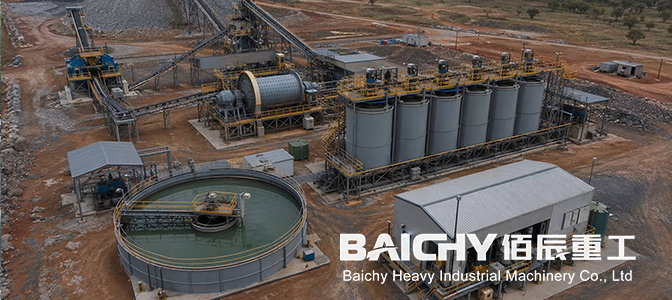
100TPD Gold Processing Plant South Africa: Complete CIL/CIP Line
Baichy Heavy Industry has launched a one-stop, full-process 100 TPD CIL/CIP equipment line for the South African market; covering the entire workflow—from crushing and grinding to leaching, adsorption, desorption/electrowinning, and smelting—it supports EPC turnkey delivery.
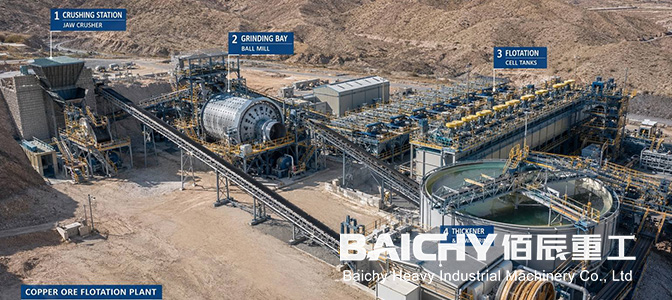
Mexico 200TPD Copper Ore Beneficiation Line — Flotation + EPC Turnkey Solution
Ore type: Sulfide ore (chalcopyrite, bornite)
Ore grade: The grade of copper ore (e.g. 0.5%~2% Cu) directly affects the beneficiation process and economic benefits.
Ore hardness: Affects the equipment selection and energy consumption in the crushing and grinding stages.
Impurity composition: The presence of impurities such as sulfur, arsenic, lead, and zinc may require additional processing steps.
Tell us your raw material and target capacity. Our engineers will design a custom line and send you a quote within 24 hours.
Get Your Custom Layout & Quote NowWe don't just sell machines. We deliver production lines that work — on time, on spec, on budget.
Certified manufacturing. 35,000 m² facility. 200+ skilled workers. All key components made in-house.
Senior engineers analyze your rock type, feed gradation, moisture content, and site elevation before proposing a single machine.
Foundation drawings, steel structure, electrical controls, dust suppression, installation supervision, and operator training — all included.
No dealer, no trader, no markup. You pay the ex-factory price. Competitive freight to your seaport.
Full warranty on main equipment. Wearing parts always in stock. Shipped within 48 hours via DHL/FedEx.
Lines operating in Indonesia, Philippines, Saudi Arabia, Nigeria, Kenya, Peru, Kazakhstan, Russia, and more.