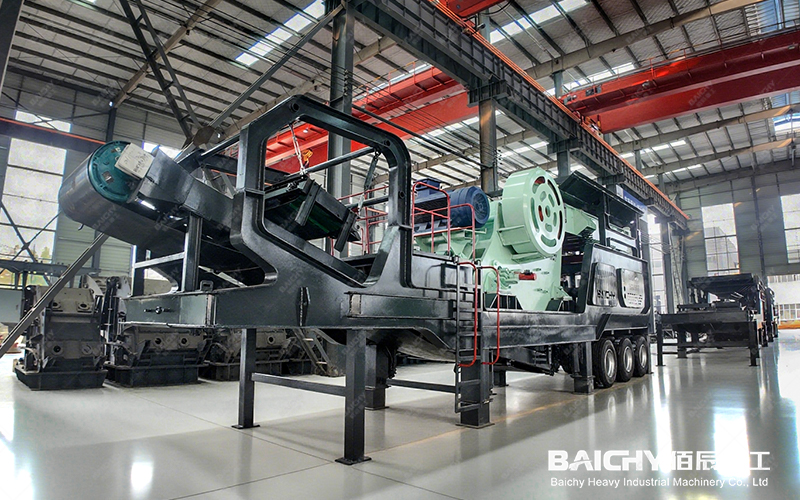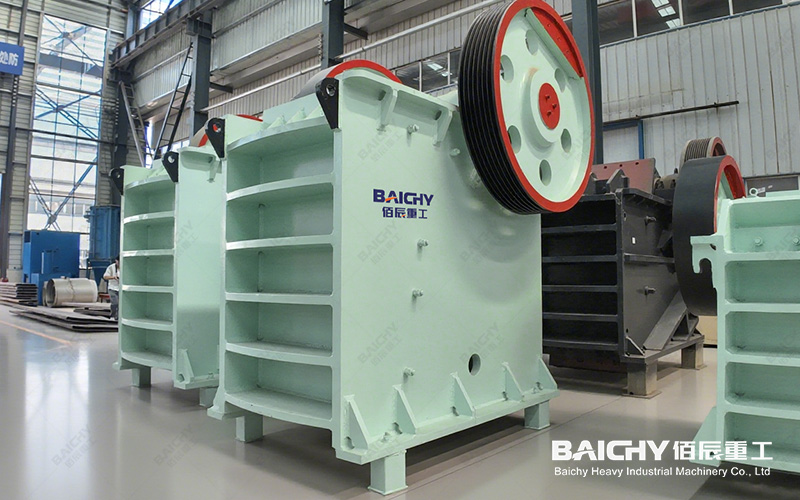
PE750x1060 Jaw Crusher
The PE 750×1060 jaw crusher is a classic and highly compatible choice for the primary crushing stage of a 150-200 t/h aggregate production line. With a general capacity range of 110-320 t/h, it aligns perfectly with target output when set to a medium discharge opening. This eliminates the risk of over-specifying the equipment (wasting power) or under-specifying it (causing blockages), ensuring optimal efficiency.
1. Key Parameters for the Core Primary Crushing Equipment
The core specifications and parameters for the PE 750×1060 Jaw Crusher are listed below.
These figures are based on general industry technical standards for crushing equipment, such as JB/T 3264-2013:
| Parameter | Value/Range | Remarks |
| Max. Feed Size | ≤630mm | Capable of directly accepting large raw stones following blasting operations. |
| Discharge Opening Adjustment Range | 80–140mm (or 80–180mm) | Adjustable to accommodate the specific feed requirements of subsequent secondary and tertiary crushing stages. |
| Motor Power | 110kW | Energy-efficient operation with ample power reserves. |
| Processing Capacity | 110–320 tons/hour | The "sweet spot" capacity range for the primary crushing stage in medium-scale sand and aggregate production lines. |
2. Typical Configuration of Ancillary Equipment for the Complete Line
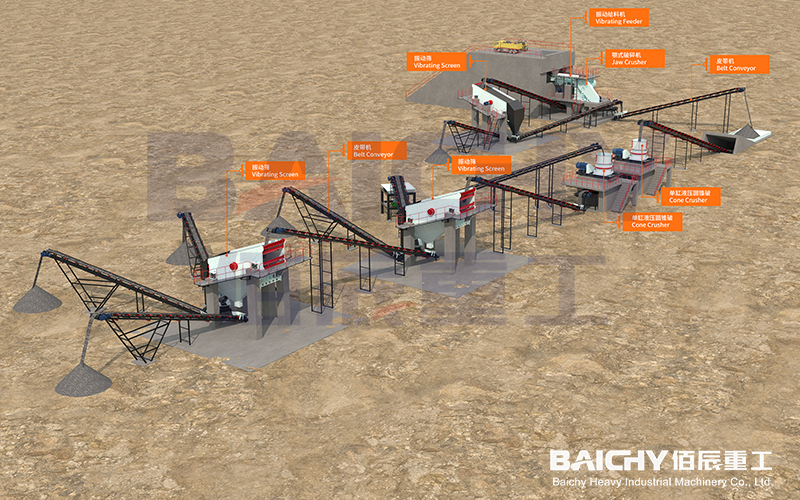
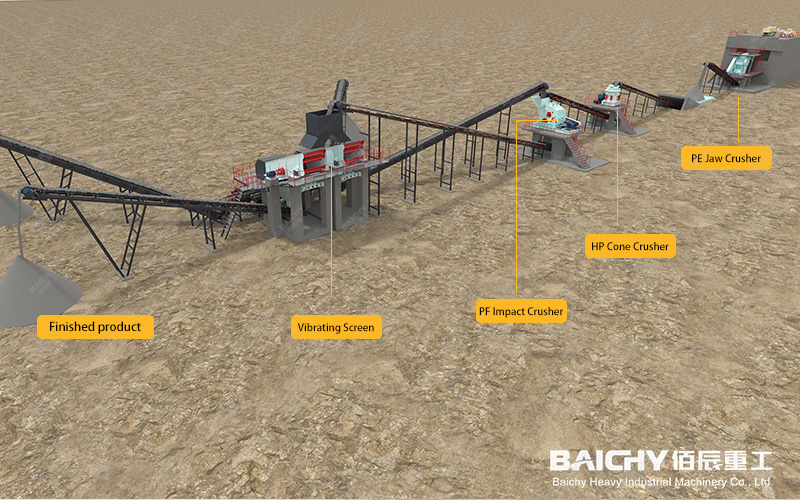
A complete 150–200 tons/hour production line requires integration with feeding, secondary/tertiary crushing, screening, conveying, and electrical control systems. The specific equipment selection is as follows:
• Vibrating Feeder: Recommended models include the ZSW-380×96 or GZD-1100×4200. Their function is to ensure a uniform and continuous feed flow while utilizing grizzly bars to pre-screen and remove soil and fine waste materials, thereby reducing the load on the primary crusher.
- Secondary Crushing (Intermediate/Fine Crushing):
• Medium-Hard Materials (e.g., Limestone, Bluestone; compressive strength typically ≤200MPa): Pair with a PF-1315 or PFW1315 Impact Crusher. This combination produces finished aggregates with excellent particle shape and a low content of needle-like or flaky particles.
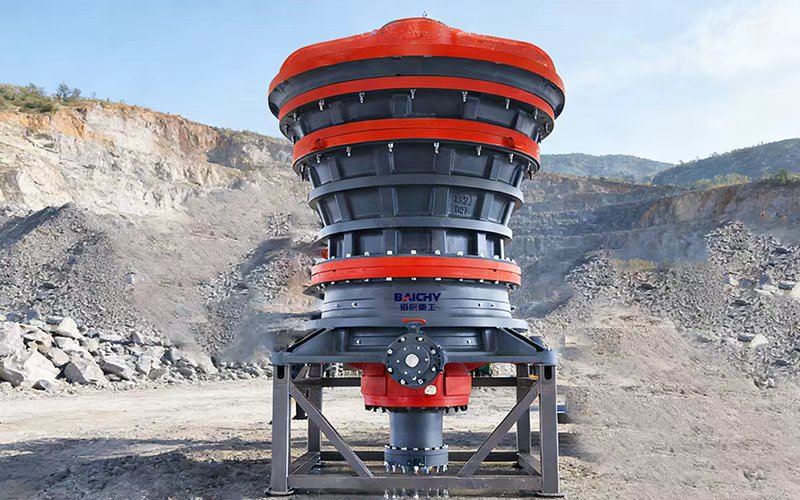
• High-Hardness Materials (e.g., granite, basalt; compressive strength typically ≥ 250 MPa): Pair with a CS160 or HPT300 cone crusher. These units feature excellent wear resistance, robust iron-passing protection, and low long-term maintenance costs.
• Screening Equipment: We recommend the 3YK2160 or 4YK2160 triple-deck/quadruple-deck circular vibrating screen, capable of simultaneously producing multiple aggregate specifications such as 0–5 mm, 5–10 mm, 10–20 mm, and 20–40 mm.
• Conveying and Electrical Control: Requires accompanying B800/B1000 belt conveyors (length determined by site layout) and a centralized control system to enable full-line interlocking start-stop functionality and overload protection.
3. Comparison of Two Raw Material Processing Routes
The selection criteria and characteristics of the primary medium-to-fine crushing equipment—tailored to raw materials of varying hardness—are compared below:
| Comparison Dimension | Solution for Medium-to-Soft Materials (e.g., Limestone) | Solution for High-Hardness Materials (e.g., Granite) |
| Coarse Crushing Equipment | PE 750×1060 Jaw Crusher | PE 750×1060 Jaw Crusher |
| Medium-to-Fine Crushing Equipment | PF-1315 Impact Crusher | CS160 / HPT300 Cone Crusher |
| Finished Product Shape | Excellent (High cubicity/cubic particle ratio) | Good (Laminated crushing; particle shape is controllable) |
| Wear Parts Cost | Relatively High (Blow bars, impact liners) | Relatively Low (Long service life for bowl liners and mantles) |
4. Project Application Reference
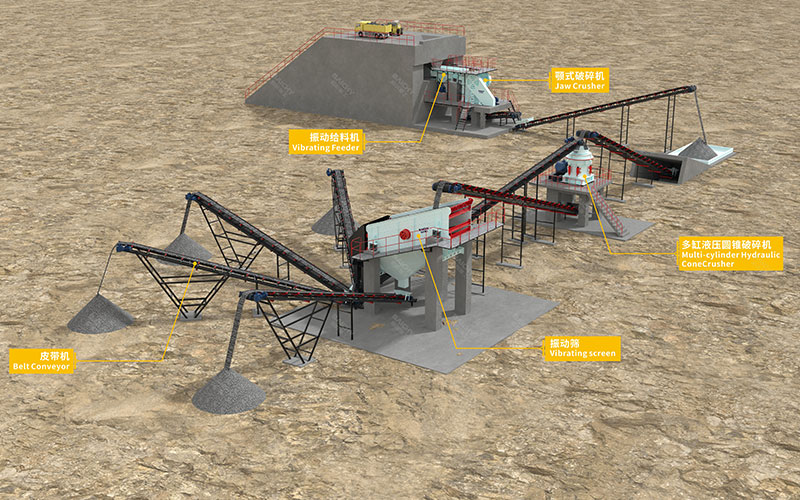
Configuration for a 150–250 t/h Granite Processing Production Line
Numerous domestic production lines with a capacity of 150–250 tons per hour have successfully adopted the "PE750×1060 Jaw Crusher + Cone Crusher/Impact Crusher" configuration. For instance, a 150–250 TPH granite processing line at a large-scale construction aggregate base (a 2026 project) utilizes a PE750×1060 deep-cavity jaw crusher for primary crushing, an HP300 cone crusher for secondary and tertiary crushing, and a 4YK2470 vibrating screen for sizing. This setup operates stably, producing finished aggregates ranging in size from 0–5 mm to 20–31.5 mm. Additionally, a 200 TPH limestone line in Anhui (a 2026 project) employs a combination of a PE-750×1060 jaw crusher and a PF-1315 impact crusher; this configuration features a well-balanced design and a low failure rate.
Frequently Asked Questions (FAQ)
1. Why is the PE 750×1060 jaw crusher commonly used for primary crushing in 150–200 TPH stone crushing production lines?
Because its processing capacity—ranging from 110 to 320 TPH—perfectly covers the 150–200 TPH requirement when set to a medium discharge opening. This ensures a high degree of capacity matching, prevents material clogging, and avoids energy waste, making it a "gold standard" choice verified by the industry.
2. What is the maximum size of stone that the PE 750×1060 jaw crusher can accept?
The maximum feed size is ≤630 mm, allowing it to directly process most raw stone materials resulting from blasting operations.
3. Which feeder model is typically selected for a 150–200 TPH crushing line?
The ZSW-380×96 or GZD-1100×4200 models are commonly used; their primary function is to ensure uniform feeding of material and to pre-screen out soil and fines.
4. When crushing limestone (a medium-to-soft material), should an impact crusher or a cone crusher be chosen for secondary crushing?
Selecting an impact crusher—such as the PF-1315 model—is more appropriate. It produces finished aggregates with superior particle shape and fewer flaky or needle-like particles, making it ideal for applications with strict aggregate quality requirements.
5. Why is a cone crusher typically preferred for secondary crushing when processing granite (a high-hardness material)?
Cone crushers offer excellent wear resistance, robust iron-passing protection, and a long service life for wear parts. This results in lower long-term operating and maintenance costs, making them the ideal choice for processing high-hardness and highly abrasive materials.
6. How many decks does a vibrating screen typically have in a 150–200 tons/hour production line?
Typically, a 3YK2160 (three-deck) or 4YK2160 (four-deck) circular vibrating screen is used, capable of simultaneously separating material into size fractions such as 0–5mm, 5–10mm, 10–20mm, and 20–40mm.
7. What is the typical motor power for a PE 750×1060 jaw crusher?
It is usually equipped with a 110kW motor; this configuration represents a relatively energy-efficient choice among medium-sized crushers.
8. What additional auxiliary equipment is required for a complete 150–200 tons/hour crushing line?
It also requires a certain length of B800/B1000 belt conveyors (the exact length depends on the site layout), as well as a centralized electrical control system to facilitate interlocking and safety protection functions.
9. What does a discharge opening adjustment range of 80–140mm signify?
It indicates that the minimum discharge opening of the jaw crusher can be set to 80mm, while the maximum can reach 140mm (some models are rated up to 180mm). By adjusting the discharge opening, the output particle size of the primary crushing stage can be controlled, thereby influencing the load on downstream equipment and the overall production line throughput.
10. Are there any real-world project references available?
Yes. For instance, a 150–250 TPH granite processing line in China (2026) utilized a PE750×1060 + HP300 + 4YK2470 configuration; similarly, a 200 t/h limestone line in Anhui Province employed a PE-750×1060 + PF-1315 configuration. Both lines have demonstrated stable and reliable operation.
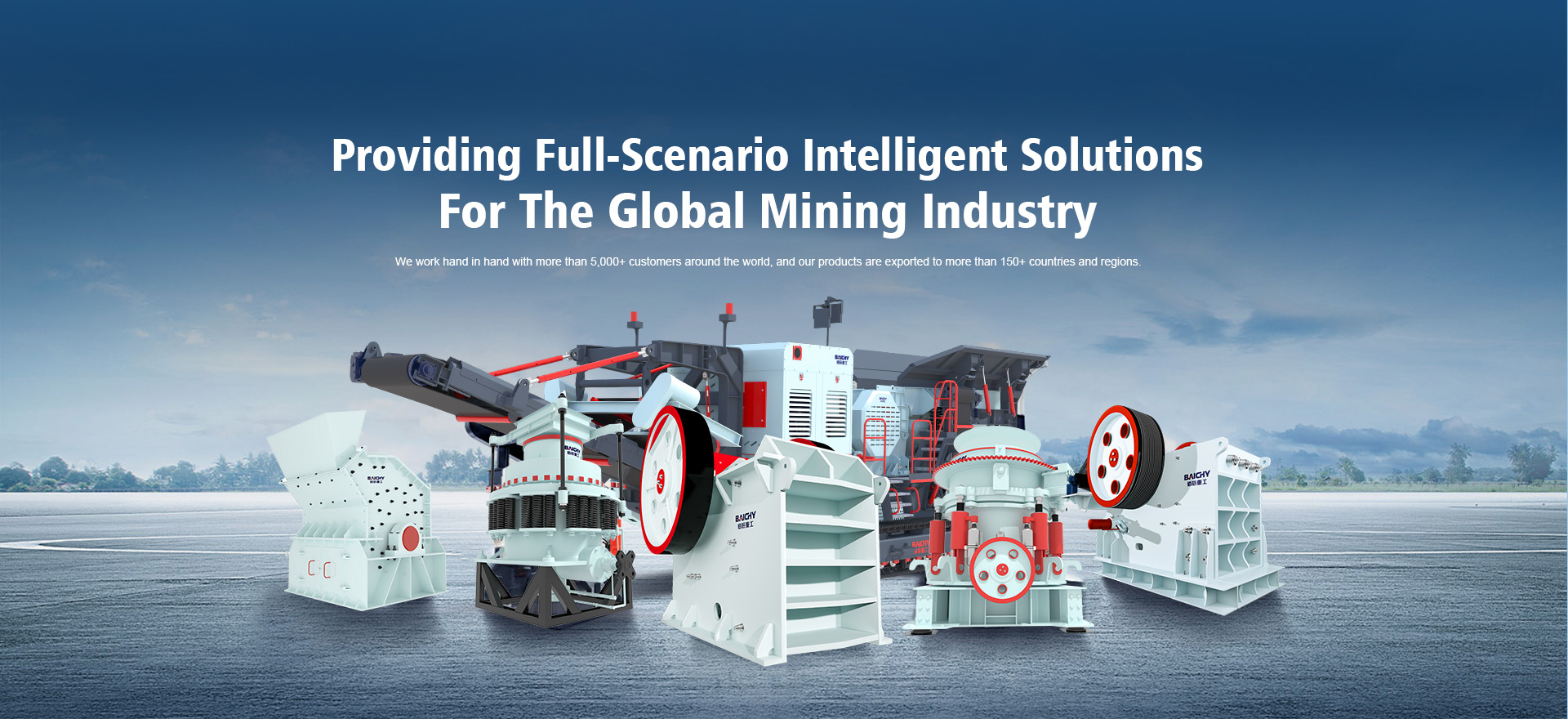
About of Baichy Heavy Industry
Baichy Heavy Industry is a high-tech mining equipment company integrating R&D, manufacturing, sales, and after-sales service. Focusing on crushing, grinding, and mineral processing equipment, we provide professional solutions to our customers. We are ISO9001:2015 、certified, and our products include mobile crushing palnts, crawler crushing plant, construction waste crushing plants, jaw crushers, sand making machines, cone crushers, fine crushers, grinding mills, ball mills, etc., all with reliable performance to meet diverse project needs.
Our advantages:
• Professional pre-sales support: Free project design and comprehensive solutions to help you accurately select the right equipment;
• Comprehensive on-site service: Providing installation guidance and worker training to ensure smooth equipment commissioning;
• Reliable after-sales guarantee: A complete after-sales system, timely response to technical inquiries and equipment maintenance, ensuring long-term stable operation.
To protect your rights, please contact us through the following official channels for professional service:
Official Website Customer Service
https://wa.me/+8615093222637
Email: [email protected]
We are committed to providing high-quality equipment and full-cycle services to deliver comprehensive intelligent solutions for the global mining industry!