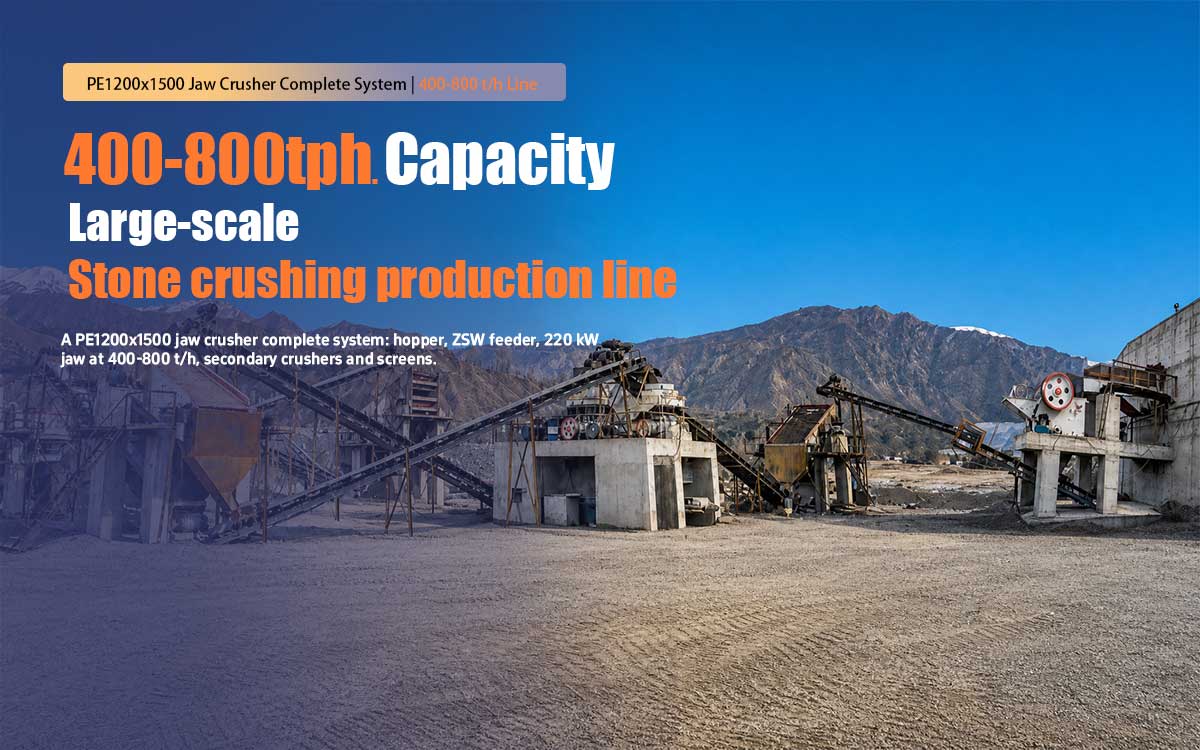
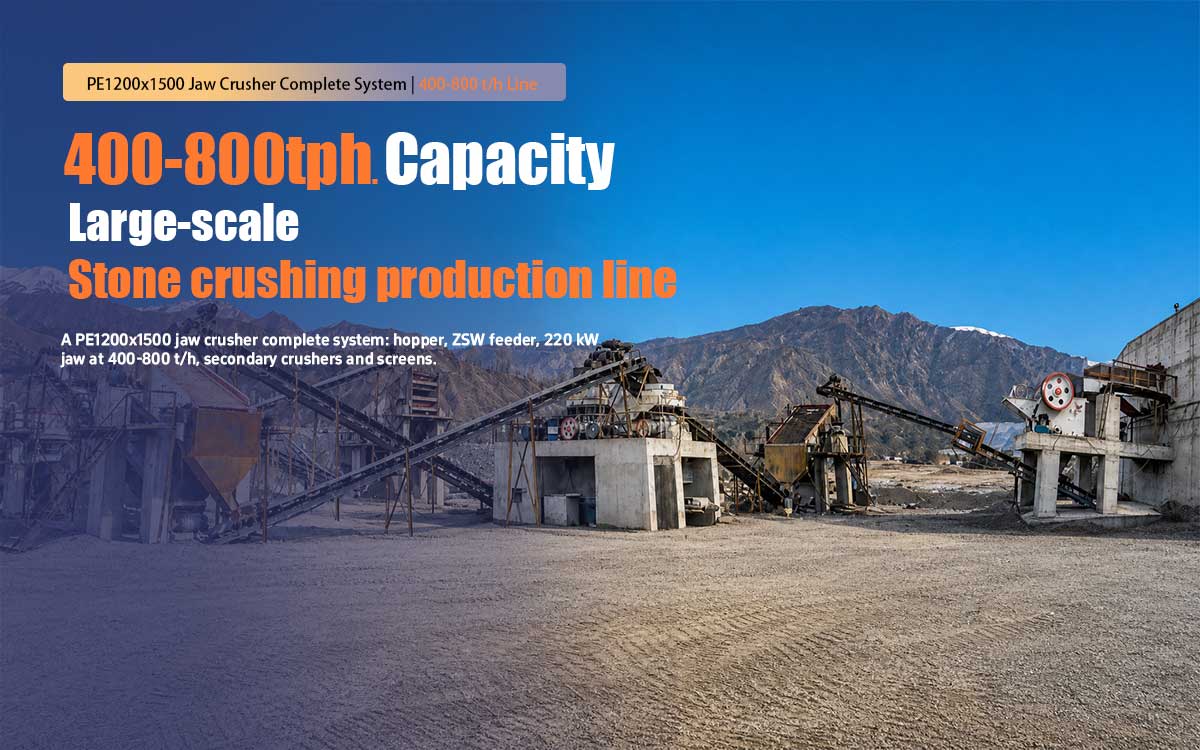
A secondary crusher, as the name implies, is a critical piece of equipment responsible for the second stage of the ore crushing process. Within a complete crushing and screening production line—following the primary crushing stage (typically performed by a jaw crusher), which reduces large blocks of raw ore to a size of 250–300 mm or less—the secondary crusher takes over this vital role. It further reduces the material to a medium particle size of approximately 40–100 mm (or to even finer sizes depending on specific configuration requirements), thereby preparing the material for subsequent fine crushing, grinding, or direct use in aggregate production.
Its core function is to act as a "bridge" between stages: it not only alleviates the workload on the primary crusher but also prepares raw materials of uniform specifications and appropriate particle size for subsequent processes. Consequently, it serves as an indispensable link in enhancing the overall efficiency of the production line and improving the quality of the final product. Common types of secondary crushers include cone crushers, impact crushers, and high-efficiency fine crushers, each designed to address specific material properties and product requirements.
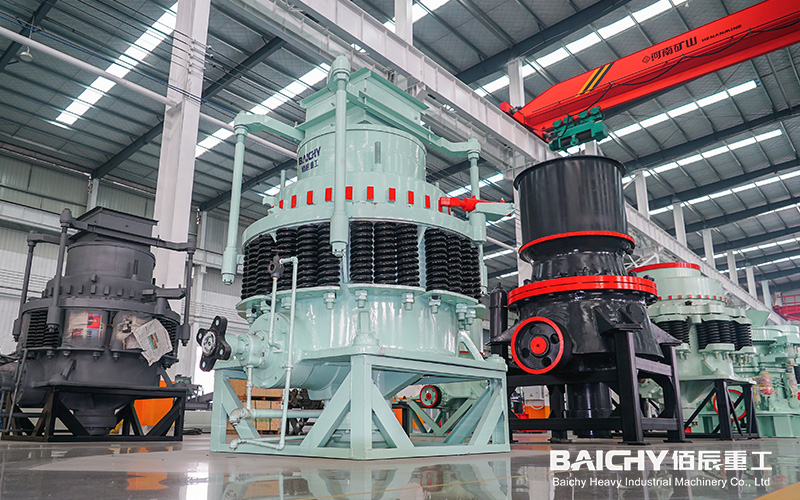
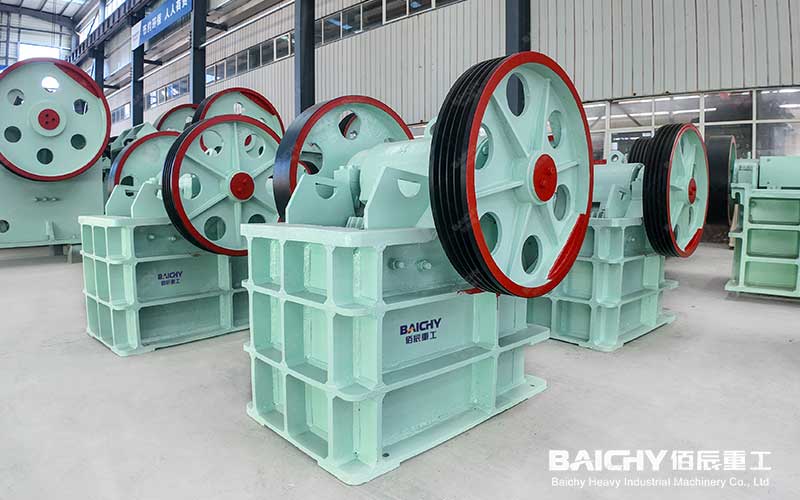
Secondary Crusher - spring cone crusher
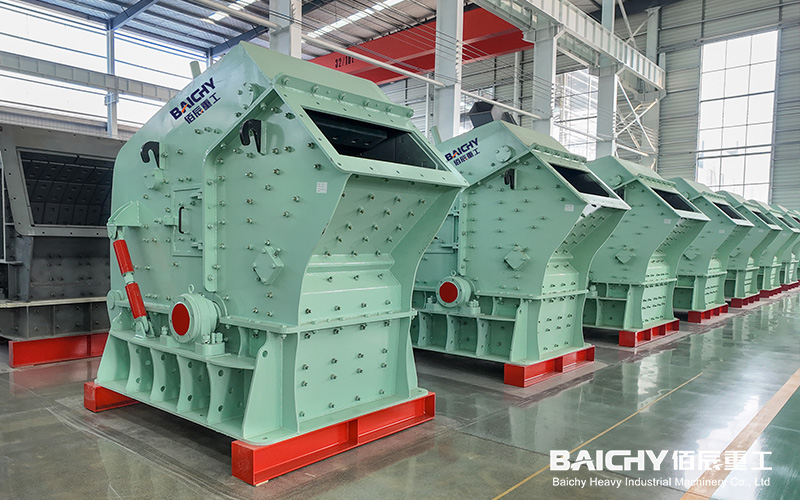
Secondary Crusher - impact crusher
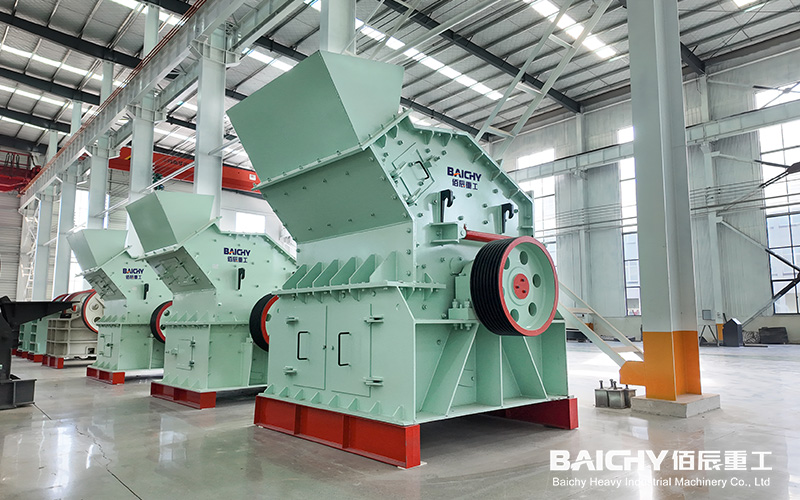
Secondary Crusher - fine crusher
Key Application Scenarios for Secondary Crushers
Secondary crushers are utilized across an extremely wide range of applications, covering virtually every field where medium-sized ores require further reduction:
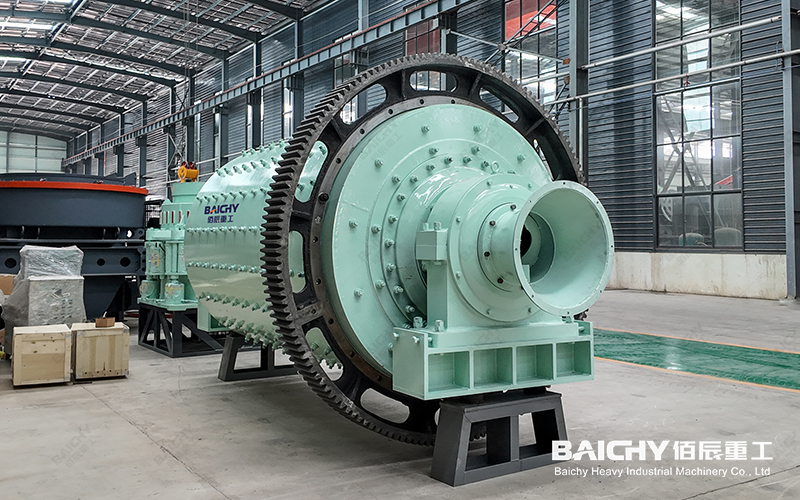
• Mining Operations: In the extraction of both metallic ores (such as iron, copper, and gold) and non-metallic ores (such as limestone, granite, and basalt), these crushers are used to reduce primary-crushed ore to a particle size suitable for feeding into ball mills.
• Sand and Aggregate Production: In large-scale aggregate plants, secondary crushers serve as core equipment for producing high-quality manufactured sand and crushed stone of various specifications (e.g., 13 mm and 12 mm aggregates); the crushed material features excellent particle shape and a low content of needle-like or flaky particles.
• Building Materials and Chemicals: Used for crushing cement raw meal and clinker, as well as raw materials for fertilizers, glass, and other products, thereby meeting the specific particle size requirements of these industries.
• Engineering Construction: Provides high-quality base-course and surface-course aggregates for infrastructure projects such as highways, railways, and water conservancy works.
Why Choose Our Secondary Crushers? Core Advantages Analysis
Our series of secondary crushers integrates advanced design concepts and manufacturing processes to deliver significant value to our customers:
1. High Efficiency, Energy Savings, and Low Operating Costs: Utilizing either the principle of laminated crushing (e.g., cone crushers) or impact crushing (e.g., impact crushers), these machines achieve a high crushing ratio while consuming significantly less energy than traditional equipment. Optimized crushing chamber profiles and higher rotational speeds further enhance throughput capacity.
2. Superior Product Shape and High Market Value: The crushed material particles exhibit a cubic shape with extremely low levels of needle-like or flaky particles. This is crucial for the high-quality aggregate market, as it significantly boosts product selling prices and market competitiveness.
3. Stability, Reliability, and Easy Maintenance: Key components are constructed from high-strength materials and feature a heavy-duty design, ensuring the equipment is robust and durable. The integration of hydraulic chamber-clearing systems and automated control systems makes adjustments, maintenance, and troubleshooting more convenient, thereby minimizing downtime.
4. Intelligence and Environmental Friendliness: Equipped with advanced automated control systems, the machines monitor critical parameters—such as main shaft position, chamber pressure, and temperature—in real-time to enable intelligent adjustments. A fully enclosed structure, combined with dedicated dust extraction ports, effectively controls dust emissions and ensures compliance with environmental regulations.
Comparison of Technical Parameters for Mainstream Secondary Crushers
Below are the key technical parameters for two of our most popular secondary crusher models, designed to help you quickly understand their performance capabilities and positioning:
| Model | Type | Max. Feed Size (mm) | Discharge Opening Adjustment Range (mm) | Throughput Capacity (t/h) | Key Application Features |
| HP300 | Hydraulic Cone Crusher | 240 | 10-45 | 120-340 | Ores of medium hardness and above; produces excellent particle shape; highly efficient and energy-saving; features a high degree of automation. |
| PF1315 | Powerful Impact Crusher | 500 | Adjustable via Blow Bar Gap | 180–320 | Materials of medium hardness and below; offers a high crushing ratio; produces superior particle shape; suitable for materials such as limestone. |
Note: The parameters listed above are reference values based on standard operating conditions; actual performance data may vary depending on factors such as material properties, moisture content, and specific operating environments.
Success Stories: Secondary Crushers Empower Clients to Create Value
Case Study 1: A Large-Scale Granite Aggregate Project in Henan
Client Requirement: To produce 5 million tons of high-quality aggregate annually, with the finished product's particle shape required to meet the National Standard Class I criteria.
Solution: We configured a three-stage, closed-circuit crushing process for the client, comprising a "Jaw Crusher + HP 400 Cone Crusher (Secondary Crushing) + Shaping Machine" setup.
Project Results: Our secondary crusher operated with exceptional stability and produced a uniform discharge. The resulting 12mm and 13mm aggregate particles featured a near-cubic shape, with a needle-and-flaky content of less than 8%. These results fully met the stringent aggregate standards for high-speed railway construction, helping the client secure long-term supply contracts.
Case Study 2: A Limestone Cement Mine Upgrade Project in Anhui
Client Pain Point: The existing, outdated crushing equipment suffered from low capacity, high energy consumption, and excessive fines generation, which negatively impacted the efficiency of the raw material grinding mills.
Solution: We replaced the original equipment with one of our PFW1320 High-Performance Impact Crushers, deploying it specifically as the secondary crusher.
Project Results: Following the upgrade, the system's overall capacity increased by 35%, while electricity consumption dropped by approximately 20%. Furthermore, the crushed material exhibited a more uniform particle size distribution, effectively boosting the hourly output of the downstream grinding mills. The project achieved a return on investment (ROI) in just 13 months.
Recommended Secondary Crushers and Related Equipment
Based on your specific crushing requirements and budget, we recommend the following core equipment:
1. HP Series Multi-Cylinder Hydraulic Cone Crusher: The high-efficiency choice for secondary crushing. It is particularly well-suited for crushing medium-hard to highly abrasive ores (such as granite, basalt, and iron ore), and is renowned for its exceptional stability, low wear costs, and superior product particle shape.
2. PFW Series High-Performance Impact Crusher: The economical choice for secondary crushing. It is suitable for crushing medium-hard to softer materials (such as limestone, calcite, and coal gangue), characterized by a large crushing ratio, excellent product particle shape, and low initial investment costs.
3. Complementary Recommendations: Feeders and Vibrating Screens. An efficient secondary crushing system relies on precise material feeding and highly effective screening. We also offer heavy-duty apron feeders, the ZG series of vibrating feeders, as well as various specifications of circular vibrating screens and linear screens, allowing you to assemble a perfect production line in conjunction with your secondary crusher.
Frequently Asked Questions (FAQ) Regarding Secondary Crushers
Q1: When selecting a secondary crusher, should I choose a cone crusher or an impact crusher?
A1: The choice primarily depends on the hardness of the material and the specific requirements for the final product's particle shape. Cone crushers are better suited for high-hardness, highly abrasive materials (with a compressive strength > 250 MPa)—such as granite and river pebbles—offering greater operational stability and a longer service life for wear parts. Impact crushers are suitable for materials of medium to low hardness (such as limestone and coal); they produce a superior particle shape, and both the initial equipment investment and subsequent maintenance costs are relatively lower.
Q2: Can the discharge size of a secondary crusher be adjusted? How is this done?
A2: Absolutely. The adjustment methods vary depending on the specific machine model: Hydraulic cone crushers primarily utilize a hydraulic system to drive an adjustment ring, thereby altering the size of the closed-side setting (CSS) within the crushing chamber; this process is both simple and precise. Impact crushers typically achieve this by adjusting the gap between the grate bars located beneath the machine, or by replacing the grate bars with those of a different specification; additionally, the particle size can be indirectly influenced by adjusting the rotor speed.
Q3: How can I ensure the long-term stable operation and low failure rate of a secondary crusher?
A3: The key lies in "correct operation, regular maintenance, and the use of high-quality spare parts." It is essential to feed the machine in strict accordance with the guidelines outlined in the operation manual, avoiding the introduction of tramp iron or oversized materials. You should regularly inspect the oil levels and quality within the lubrication system, and ensure that bolts across all components are securely tightened. Wear parts (such as the mantle and blow bars) must be replaced promptly before they reach their wear limits; furthermore, we recommend using original manufacturer parts or certified spare parts to ensure proper fit and compatibility.
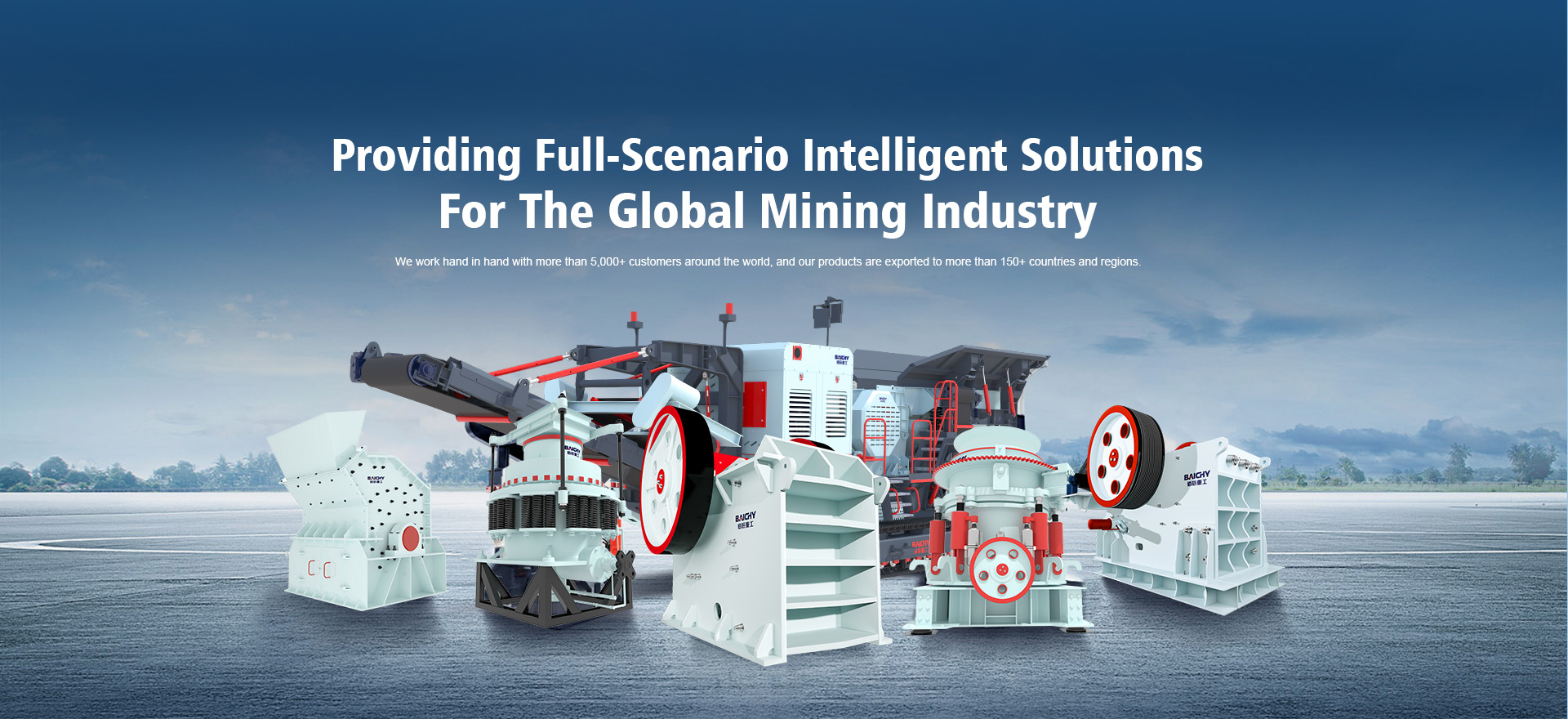
About of Baichy Heavy Industry
Baichy Heavy Industry is a high-tech mining equipment company integrating R&D, manufacturing, sales, and after-sales service. Focusing on crushing, grinding, and mineral processing equipment, we provide professional solutions to our customers. We are ISO9001:2015 、certified, and our products include mobile crushing palnts, crawler crushing plant, construction waste crushing plants, jaw crushers, sand making machines, cone crushers, fine crushers, grinding mills, ball mills, etc., all with reliable performance to meet diverse project needs.
Our advantages:
• Professional pre-sales support: Free project design and comprehensive solutions to help you accurately select the right equipment;
• Comprehensive on-site service: Providing installation guidance and worker training to ensure smooth equipment commissioning;
• Reliable after-sales guarantee: A complete after-sales system, timely response to technical inquiries and equipment maintenance, ensuring long-term stable operation.
To protect your rights, please contact us through the following official channels for professional service:
Official Website Customer Service
https://wa.me/+8615093222637
Email: [email protected]
We are committed to providing high-quality equipment and full-cycle services to deliver comprehensive intelligent solutions for the global mining industry!