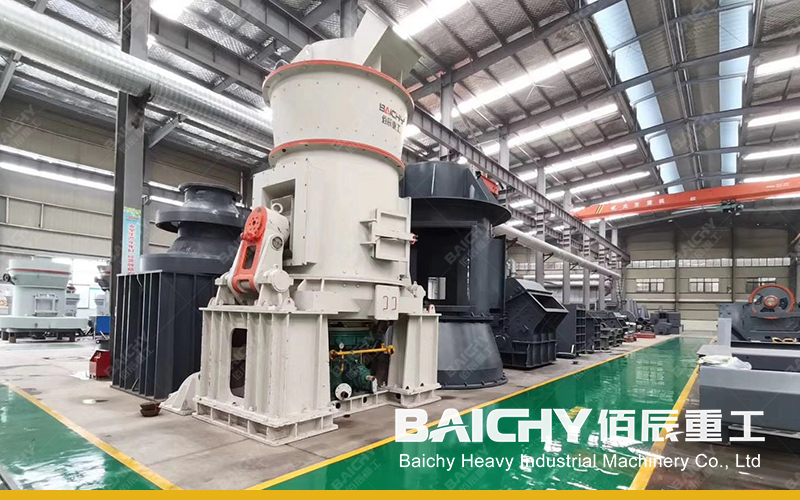
Vertical Roller Mill (VRM)
Ⅰ.Introduction to Vertical Mills
Vertical Roller Mills (VRMs) operate on the principle of "material bed grinding"—material on a rotating grinding table is repeatedly crushed into powder by hydraulically pressurized rollers. Hot air within the grinding chamber simultaneously conveys and dries the material, while fine particles are carried by the airflow to a dynamic classifier at the top, effectively integrating grinding, drying, and classification into a single process. Its primary advantage lies in system energy consumption that is 30–50% lower than that of traditional ball mills, with single-unit capacities exceeding 500 t/h, making it the de facto standard for large-scale dry grinding lines. However, it is not a universal solution; for highly abrasive materials, ultra-fine powder requirements, or small-capacity projects (under 10 t/h), ball mills or Raymond mills remain superior choices.
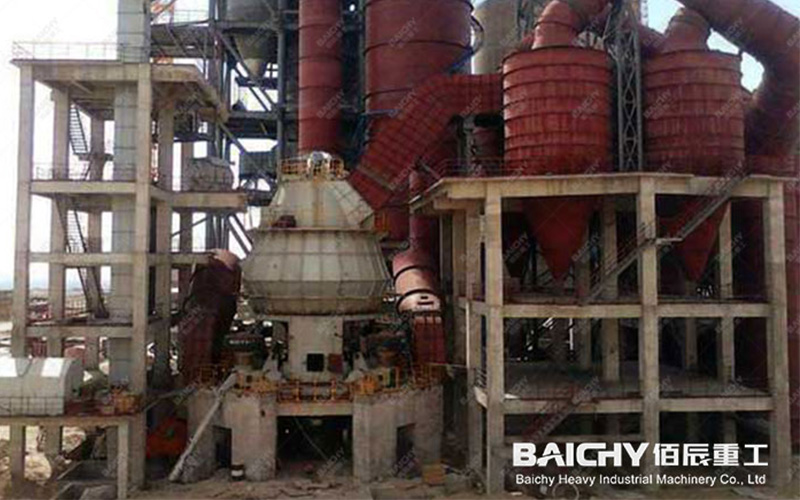
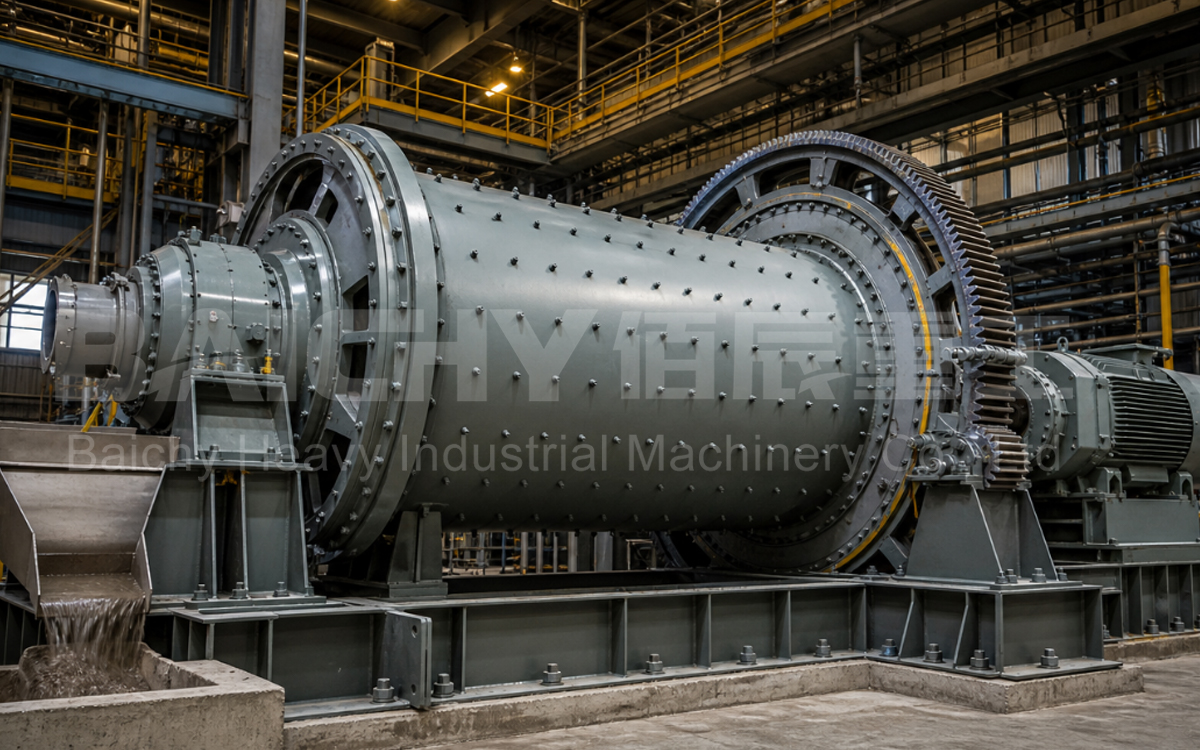
Vertical Roller Mill Grinding Site
II. Application Scenarios: Where VRMs Offer the Best Value
The "sweet spot" for VRMs is a material profile characterized by high throughput, medium-to-fine particle size requirements, and a need for drying. The following four scenarios best demonstrate their value:
1. Cement Raw Meal Grinding—The Quintessential Application
Raw meal grinding represents the single largest source of electricity consumption in a cement plant and is the area where the VRM's advantages are most pronounced:
• Material Characteristics: A mixture of limestone, clay, and sandstone with a typical moisture content of 3–15% and a fineness requirement of 10–14% residue on an 80 μm sieve;
• Free Heat Source: Waste heat (200–350°C) from the kiln tail is fed directly into the mill, bringing drying costs close to zero;
• Energy Consumption Comparison: VRM systems consume 14–18 kWh/t, whereas ball mill systems consume 20–24 kWh/t—a difference that accumulates to hundreds of thousands of dollars in annual savings.
2. Slag Micro-powder Plants—A High-Value-Added Scenario
Blast furnace slag typically contains 10–20% moisture and requires high fineness (4000–5000 cm²/g). The VRM's ability to grind and dry simultaneously while performing in-line classification perfectly addresses both needs, eliminating the need for a pre-drying stage. Furthermore, S95-grade slag powder commands a significantly higher market price than standard slag powder, making this a classic scenario where equipment investment drives higher profits.
3. Pulverized Coal Preparation for Power and Cement Plants
Pulverized coal requires fine particle size, controllable moisture content, and explosion-proof capabilities. Vertical mills designed with explosion-proof features can process raw coal with 8–12% moisture, performing simultaneous grinding and drying. They achieve a fineness where the residue on an 80 μm sieve is only 1–3%, serving as an energy-efficient alternative to traditional ball mills and medium-speed mills.
4. Dry Grinding of Other Medium-Hard Materials
The system is versatile, capable of processing materials such as gypsum, phosphate rock, fly ash, limestone powder, and non-metallic minerals with a Mohs hardness of ≤5–6. Switching between products requires only adjustments to the classifier speed and hot air parameters; the main mill unit does not need to be changed.
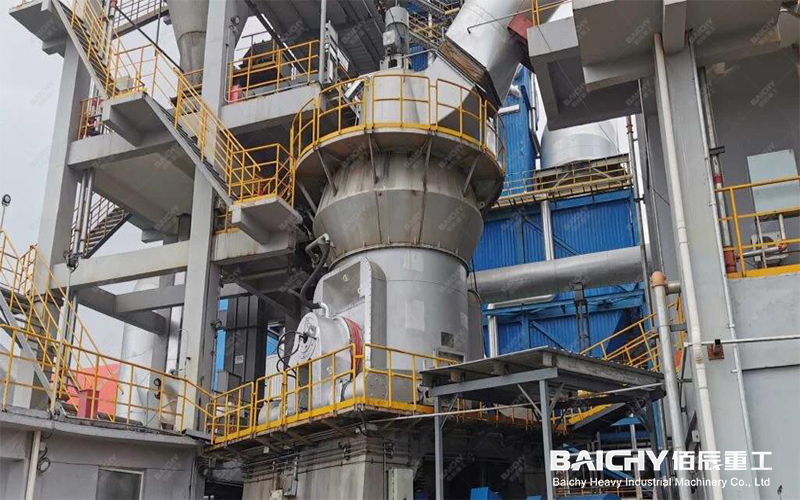
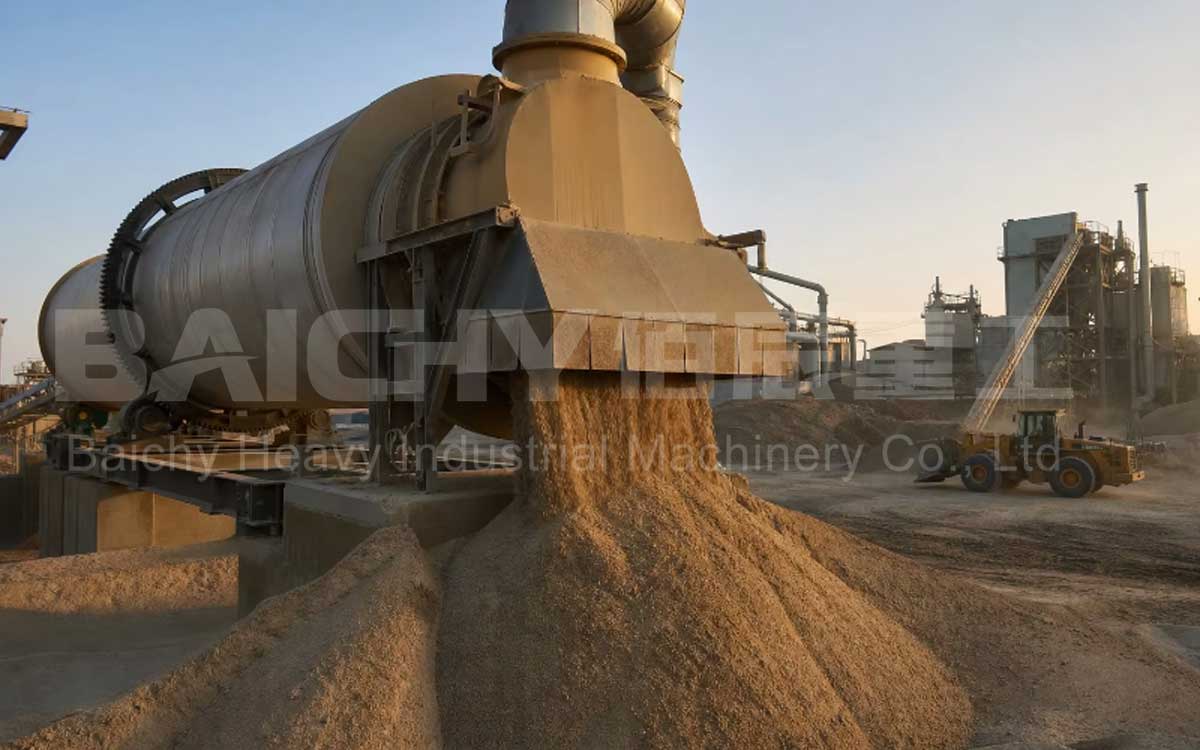
Vertical Roller Mill Grinding Site
III. Six Major Advantages: From Parameters to Profit
1. 30–50% Energy Savings → The primary reason to choose a vertical mill
The grinding mechanism—based on material bed compression—inherently consumes less power than the impact/cascading action of ball mills. For a 50 t/h cement finish grinding operation running 8,000 hours annually: power consumption is reduced by 8–12 kWh per ton, resulting in annual savings of approximately 3.2–4.8 million kWh. At an electricity rate of $0.07–0.10/kWh, this translates to annual savings of $220,000–$480,000—savings that often cover the price difference of the main mill unit itself.
2. Integrated Drying and Grinding → Eliminates the need for an external dryer
Materials with an inlet moisture content of ≤15–20% can be fed directly into the mill, where hot air performs the drying process within the grinding chamber. Cement plants can utilize waste heat from the kiln tail, while slag and pulverized coal projects eliminate pre-drying steps; this results in a shorter process flow, higher thermal efficiency, and lower fuel costs.
3. Compact System, Half the Footprint → Reduced civil engineering costs
Grinding, drying, classifying, and collecting are all performed within a single vertical process flow, eliminating the need for external separators and multi-stage bucket elevators. The entire line occupies only about 1/2 to 2/3 of the space required by a ball mill system; for sites with limited space or expansion projects, this directly translates into significant savings on steel structures and civil engineering work.
4. Online Fineness Adjustment → One Unit Covers Multiple Product Grades
The variable-frequency dynamic classifier allows for continuous adjustment of finished product fineness during operation (cement: 3200–4200 cm²/g; slag: up to 4000–5000 cm²/g), enabling product grade switching without stopping the machine or changing parts. A single production line can supply products of different grades simultaneously, significantly boosting equipment utilization.
5. Material Bed Grinding (No Steel Balls) → Predictable Wear Costs
Grinding occurs via a material bed between the rollers and the table; there is no direct metal-to-metal contact, eliminating the high-frequency consumption associated with steel balls and liners. In raw meal applications, the service life of rollers and tables ranges from 6,000 to 10,000 hours (replacement every 1–1.5 years), allowing maintenance budgets to be locked in advance and eliminating downtime for ball replenishment.
6. High Single-Unit Capacity → Higher Output with Fewer Lines
A single unit can achieve a raw meal capacity exceeding 500 t/h, allowing one vertical mill line to replace two or more ball mill lines. This results in fewer equipment units, reduced electrical and civil engineering requirements, and a smaller workforce; economies of scale significantly lower the fixed cost per ton.
IV. Four Limitations and Mitigation Strategies
Limitation 1: Vulnerability to Hard and Abrasive Materials
Rollers and tables experience rapid wear when processing materials with a Mohs hardness >5–6 or high SiO₂ content; feeding highly abrasive materials—such as quartz sand or high-silica iron ore—directly into the vertical mill is not recommended. Mitigation Strategies: Strictly control feed particle size and use strong magnetic separators to remove iron before milling; process high-silica materials in a ball mill or pre-treat them with a roller press; always conduct material grinding tests before signing contracts, and select the model based on test data rather than promotional brochures.
Limitation 2: Sensitivity to Material Bed Stability and Vibration Risks
Uneven feeding, excessively dry material, or the inclusion of foreign metal objects can destabilize the material bed, causing vibration and triggering a protective shutdown. Mitigation strategies: Stable, uniform feeding combined with high-intensity magnetic iron removal prior to mill entry; optional water injection for bed stabilization during finish grinding; hydraulic accumulator cushioning; and specialized operator training—these are standard, proven features, not insurmountable technical hurdles.
Drawback 3: High initial investment for the main unit
The unit price of the vertical mill itself (including the hydraulic system, planetary gearbox, and high-precision components) is higher than that of a ball mill, resulting in a longer payback period for small-scale retrofit projects. Mitigation strategies: Compare the entire production line rather than just the cost of inpidual machines—savings on dryers, classifiers, grinding media, and civil works help offset the higher cost of the vertical mill; vertical mills are generally recommended only for capacities exceeding 10–20 t/h.
Drawback 4: High requirements for specialized maintenance
Maintenance of the hydraulic system and planetary gearbox requires a professional team; gearbox overhauls involve long lead times and high costs. Mitigation strategies: Select suppliers with a global service network and localized spare parts inventory (Baichen offers on-site installation guidance, remote diagnostics, and spare parts support); use "maintenance cost per ton" rather than "unit price of parts" as the benchmark for comparison.
V. Core Parameters: Typical Selection Range Comparison Table
| Parameter | Typical Range | Notes |
| Single-unit capacity | 10 – 500+ t/h | Raw meal >500 t/h; slag and coal powder capacities adjusted based on operating conditions |
| Feed particle size | ≤ 50 – 100 mm | Raw meal up to ≤80 mm; requires upstream crushing system |
| Feed moisture content | ≤ 15 – 20% | Simultaneous drying via hot air; utilizes waste heat from kiln tail/boiler (200–350°C) |
| Finished product fineness | 200 – 500 m²/kg (80–325 mesh) | Cement: 3200–4200 cm²/g; slag: up to 5000 cm²/g |
| System power consumption | 14 – 18 kWh/t (raw meal) | Includes fans and classification; ball mill systems are 20–24 kWh/t |
| Roller/table service life | Raw meal: 6000 – 10000 h; clinker: 4000 – 6000 h | Varies based on material abrasiveness |
| System footprint | Approx. 1/2 – 2/3 of ball mill systems | Vertical layout; eliminates external classifiers and multi-stage elevators |
Note: The above figures represent typical industry ranges, not guarantees for a specific model. Actual models, capacities, and fineness levels are determined by material grinding tests and the signed technical agreement—a critical step in the vertical mill procurement process.
VI. Application Cases: Calculations for Three Typical Projects
Note: The following are calculation examples based on typical industry operating conditions (client information anonymized), demonstrating the quantitative return logic of vertical mills across different scenarios.
Case 1: Raw Material Grinding for a 2,000 TPD Cement Line
• Configuration: Single vertical raw mill with a capacity of 180–220 t/h, meeting the raw meal requirements for a daily clinker output of 2,000 tons (raw meal-to-clinker ratio of approx. 1.5–1.7:1);
• Comparison with ball mill system: Specific power consumption of 14–18 kWh/t vs. 20–24 kWh/t. Based on 8,000 annual operating hours and an electricity price of $0.08/kWh, annual electricity cost savings are approximately $400,000–$600,000, while also eliminating the need for a separate pre-drying line;
• Conclusion: Factoring in civil engineering savings and increased operational availability, the typical payback period is 2–4 years.
Case 2: Slag Powder Station (Grade S95)
• Operating Conditions: Blast furnace slag with 12–15% moisture content fed directly into the mill; no pre-drying required;
• Output: Grade S95 slag powder with a fineness of 4,500 cm²/g; continuous supply of multiple product grades via online classification;
• Conclusion: Drying costs approach zero; combined with the selling price of high-value-added products, the unit profit is significantly higher than that of standard slag powder production lines.
Case 3: Coal Pulverization for Power Plants
• Operating Conditions: Raw coal with 8–12% moisture content; vertical mill with explosion-proof design performs simultaneous grinding and drying;
• Comparison with ball mills: Energy savings of over 30%; significantly improved capacity for handling wet coal, reducing the frequency of downtime for cleaning;
• Conclusion: Represents an upgrade path that balances safety and energy efficiency for coal-fired power plants and coal pulverization systems at cement kiln inlets/outlets.
VII. Recommended Ancillary Equipment
Equipment paired with the vertical roller mill (Recommended Configuration):
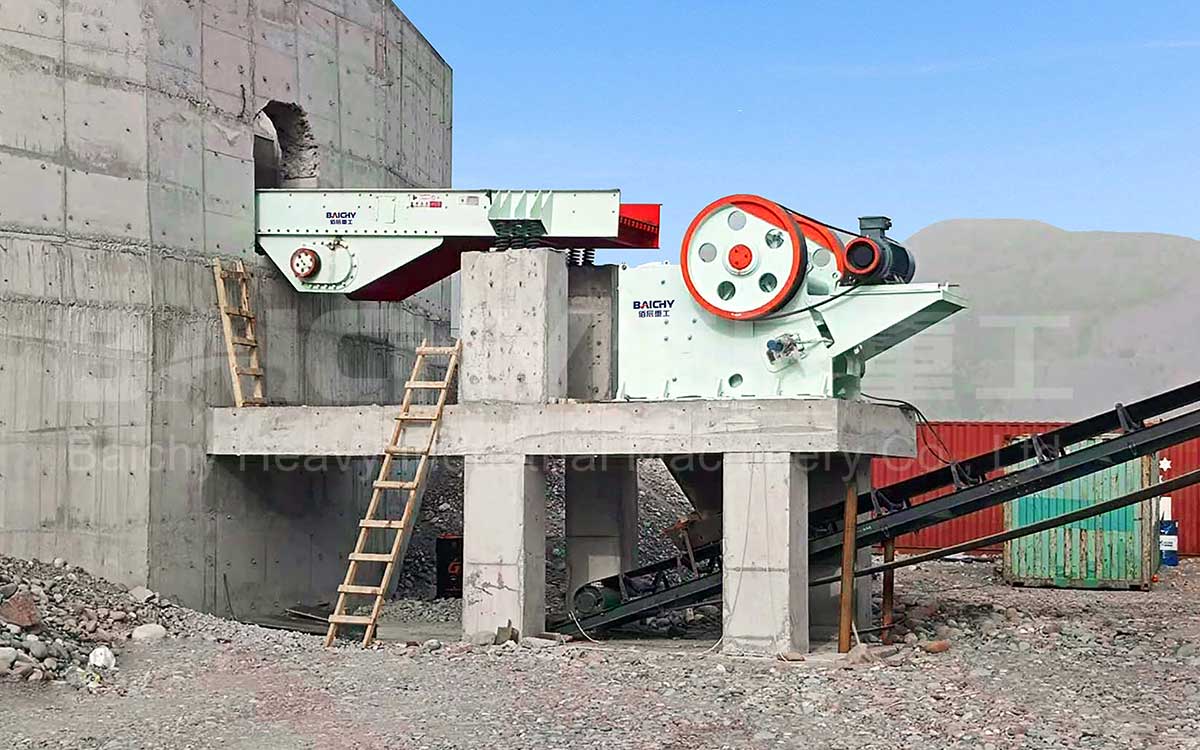
1. Jaw Crusher (PE Series): For primary crushing of raw materials; controls feed size to ≤50–100 mm to protect the grinding rollers and table;
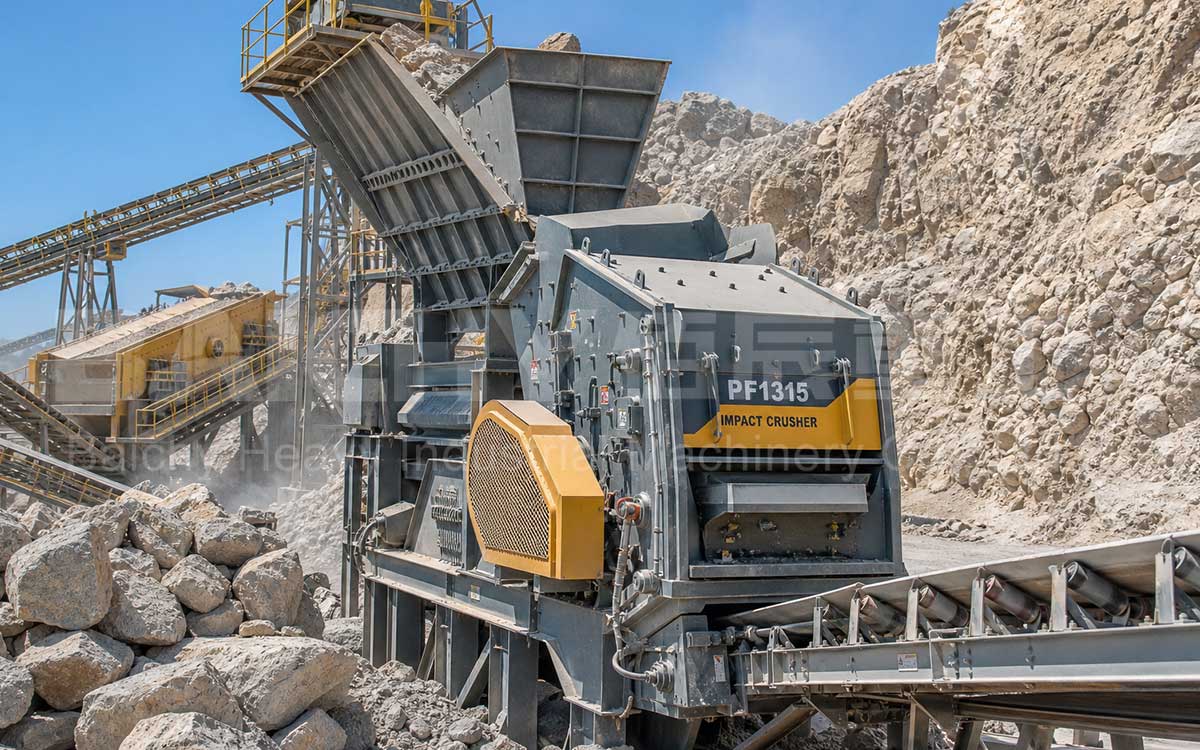
2. Impact Crusher (PF Series): For secondary crushing of medium-soft materials; forms a standard crushing stage when paired with the jaw crusher;
3. ZSW Vibrating Feeder + Belt Conveyor: Ensures stable, uniform feeding—a prerequisite for preventing material bed instability and vibration;
4. Bag-type Dust Collector + Bucket Elevator: For dust collection and finished product transport within the grinding system, ensuring compliance with environmental emission standards.
Alternative solutions based on operating conditions:
• Small-scale powder plants with capacity <10 t/h → Recommended: Raymond Mill (5R/YGM Series); offers a shorter payback period;
• Materials with high hardness/abrasiveness or requirements for ultrafine powder (d97 <10 μm) → Recommended: Ball Mill + Classifier combination;
• Retrofitting existing ball mill systems → Recommended: Have engineers prepare a CAPEX/OPEX analysis for replacing the system with a vertical roller mill before making a decision.
VIII. FAQ
Q1: Exactly how much electricity does a vertical roller mill save compared to a ball mill?
A1: Industry consensus indicates 30–50% lower system power consumption for the same capacity and fineness. Based on a calculation for a 50 t/h cement finish grinding operation running 8,000 hours/year: annual electricity savings range from 3.2 to 4.8 million kWh; at a rate of $0.07–0.10/kWh, this translates to annual cost savings of $220,000–$480,000. Note that this compares "system power consumption" (including fans and classifiers), not just the main unit's nameplate power rating.
Q2: What is the maximum material moisture content for direct feeding into the mill?
A2: Generally, ≤15–20% moisture allows for simultaneous grinding and drying by utilizing hot air or waste heat from kiln tails/boilers; pre-drying is recommended if moisture exceeds this range. In contrast, ball mill systems require the feed moisture content to be below 1–2%; this is one of the most underrated advantages of vertical mills.
Q3: Is it worth buying a vertical mill if my production capacity is only 5–10 t/h?
A3: Generally, it is not recommended. At this capacity range, the investment cost for the vertical mill unit itself is disproportionately high, leading to a longer payback period; a Raymond mill or a small ball mill would be more economical. Vertical mills offer a clearly superior overall return only for projects with capacities exceeding 20 t/h, or where the material has high moisture content or requires frequent adjustments to product fineness. If you are unsure, send a sample for a free grinding test and let the data speak for itself.