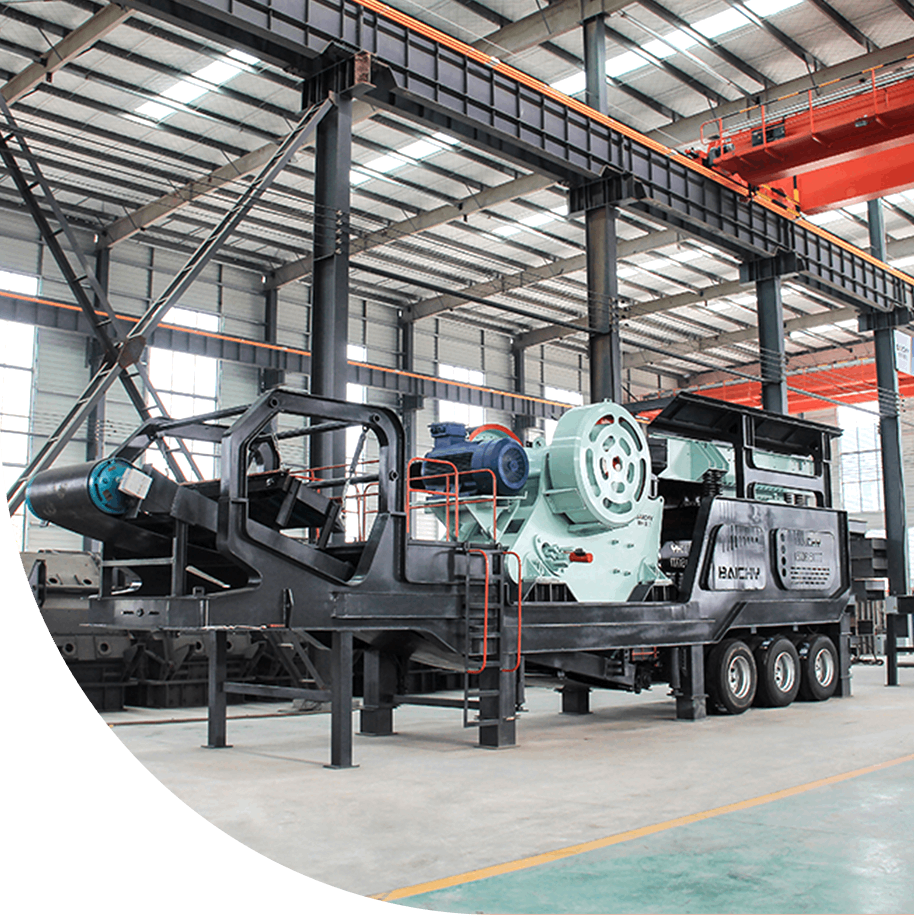

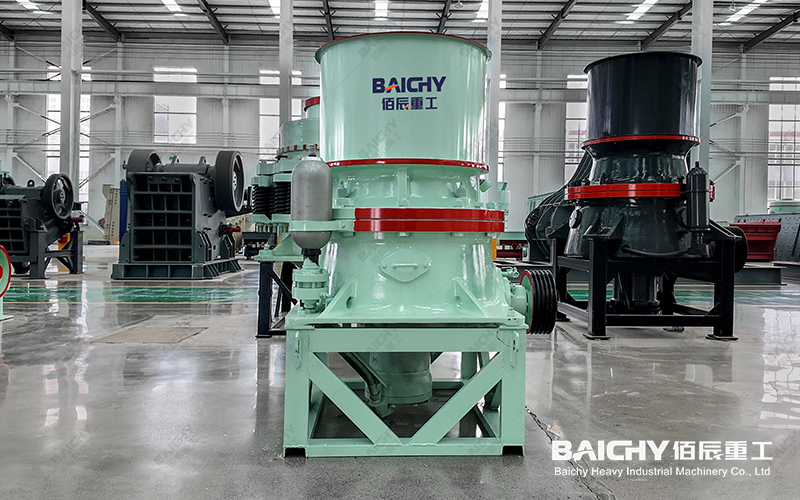
Single-cylinder hydraulic Cone Crusher
A single-cylinder hydraulic cone crusher is designed for secondary and tertiary crushing in plants that need stable capacity, controlled product size, and hydraulic overload protection. It is commonly installed after a jaw crusher and before a vibrating screen, sand-making machine, or grinding mill.
Inside the chamber, an eccentric movement drives the mantle against the concave. The feed is compressed and broken before it leaves through the discharge opening. Hydraulic adjustment controls the crushing setting, while the protection system can release the chamber if uncrushable material enters the machine.
The correct application depends on rock strength, abrasiveness, feed size, moisture, required capacity, and final product specifications. The following guide explains the main uses and selection factors.
What Is a Single-Cylinder Hydraulic Cone Crusher?
A single-cylinder hydraulic cone crusher uses a hydraulic cylinder to support and adjust the main shaft and crushing chamber. Its typical features include:
• Hydraulic discharge-setting adjustment
• Overload and uncrushable-material protection
• Continuous compression crushing for medium-hard and hard rock
• Compatibility with fixed, modular, and mobile plants
• Different chamber profiles for feed and product requirements
• Integration with automated feeders, screens, and conveyors
The crusher should be selected as part of a complete process. Sticky feed, excessive clay, high moisture, poor feed distribution, or an undersized screen can reduce performance even when the crusher itself is correctly specified.
1. Quarry and Hard Rock Crushing
Quarries are one of the main application areas. A typical circuit uses a feeder and jaw crusher for primary crushing, followed by the single-cylinder hydraulic cone crusher for secondary or tertiary crushing. A vibrating screen separates the products, while oversized material can return to the crusher in a closed circuit.
The machine can process granite, basalt, diabase, hard limestone, and other competent rocks for concrete, asphalt, road base, and general construction aggregates. Because hard rock is abrasive, liner material, chamber profile, feed distribution, and operating setting directly affect wear life and product consistency.
2. Construction Aggregate Production
Aggregate plants often need several finished sizes for concrete, asphalt, drainage, and building projects. The cone crusher reduces material after primary crushing and prepares it for screening or final shaping.
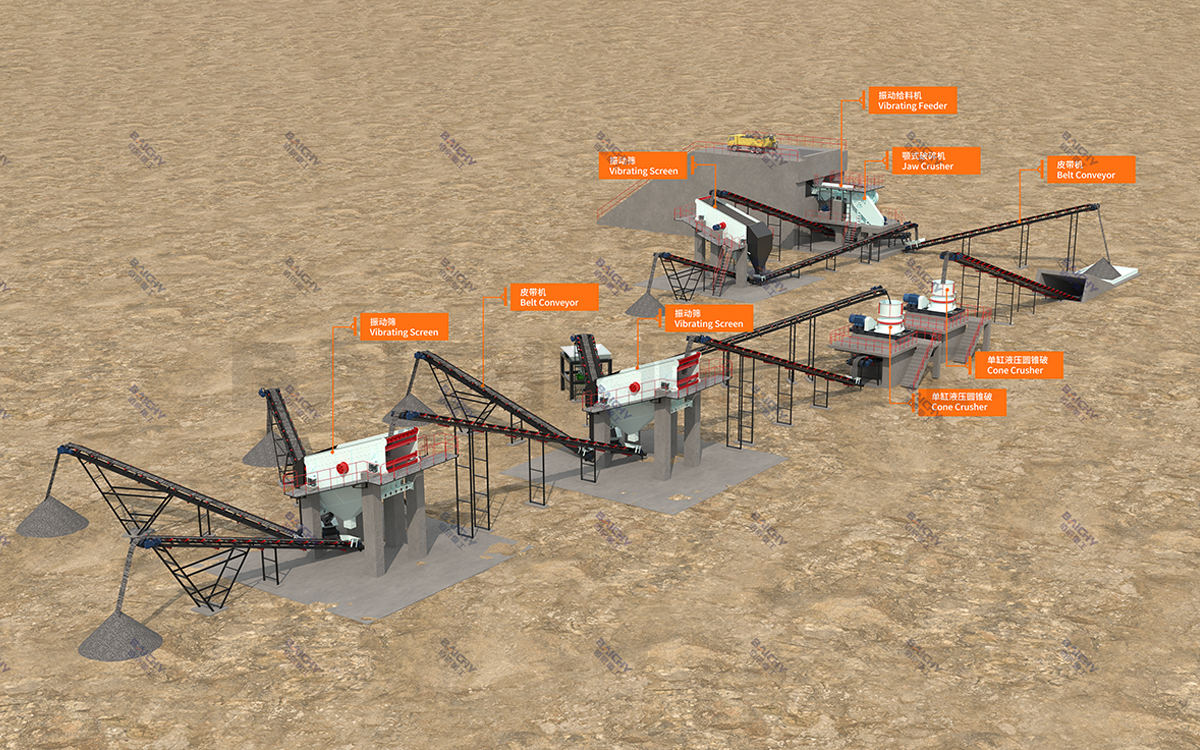
Schematic diagram of the single-cylinder cone crusher process
A common process is:
Feeder → Jaw crusher → Hydraulic cone crusher → Vibrating screen → Conveyors
The main requirements are consistent feed, reliable capacity, and controlled gradation. The screen separates different products, and oversize material returns to the crusher. This closed-loop arrangement makes it easier to maintain product consistency and produce several aggregate specifications.
3. Highway, Railway, and Infrastructure Materials
Highway and railway projects require durable aggregates with controlled size distribution. Granite, basalt, diabase, and similar rocks may be processed into road base, railway ballast, asphalt aggregate, or concrete aggregate.
Selection should consider both capacity and product quality. The plant designer should define the target size range, allowable fines, and particle-shape requirements before choosing the chamber and setting. A cone crusher provides consistent compression crushing, but a separate shaping stage may be needed when the project has strict particle-shape requirements.
For temporary projects, the crusher may be installed in a modular or mobile plant. Permanent quarries may focus more on wear-part life, maintenance access, automation, and long-term operating cost.
4. Metal Ore Processing
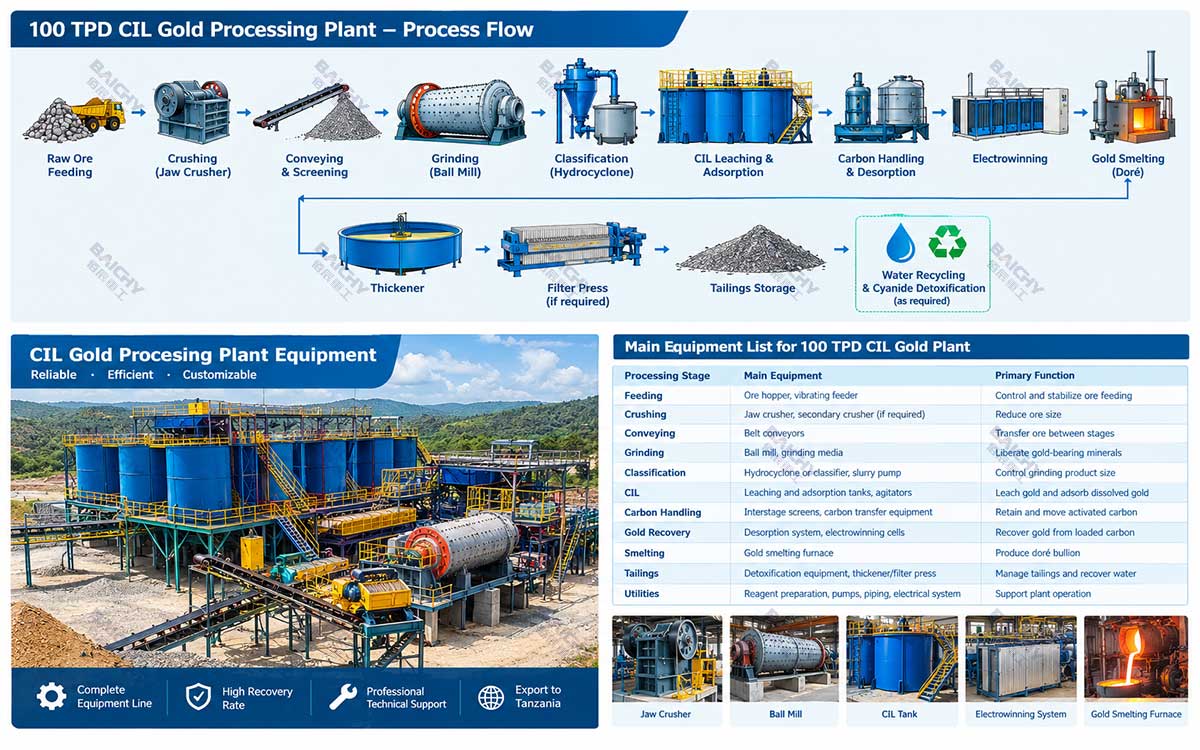
Single-cylinder hydraulic cone crushers are used in the crushing sections of iron ore, copper ore, gold ore, and other mineral-processing plants. They are commonly installed after primary crushing and screening, or before a ball mill and other grinding equipment.
The purpose is to reduce ore to a suitable size for the next process, limit oversize entering the grinding circuit, and support stable downstream operation. Before selection, confirm:
• Maximum and average feed size
• Ore hardness and abrasiveness
• Moisture and clay content
• Required hourly throughput
• Target discharge size
• Feed-size limit of the grinding circuit
• Expected liner wear and replacement interval
Ore properties can change across a deposit, so sampling and testing are useful for sizing the crusher and estimating wear-part consumption.
5. Manufactured Sand Production
A single-cylinder hydraulic cone crusher can prepare feed for a vertical shaft impact crusher or another shaping machine. Its role is to reduce larger rock and provide a controlled feed for the final sand-making stage.
A typical arrangement is:
Feeder → Jaw crusher → Hydraulic cone crusher → Sand-making machine → Screen → Washing or classification
The cone crusher is not necessarily the final sand-producing machine. It helps reduce oversized feed and stabilize the load on the shaping equipment. Final sand quality depends on rock type, chamber selection, operating conditions, screening efficiency, and washing or classification. When a project requires a specific fineness modulus or particle shape, the complete circuit should be evaluated.
6. Hydropower, Tunnel, and Large Construction Projects
Hydropower stations, tunnels, dams, and other civil-engineering projects may generate large volumes of excavated rock. When the material is suitable for reuse, a crushing plant can process it into concrete aggregate, backfill, road material, or other products required on site.
The cone crusher may be used for secondary crushing when the project needs adjustable product size, continuous operation, and a compact layout. The plant can be permanent, semi-mobile, or temporary. Available space, power supply, dust control, water supply, maintenance access, and the distance between excavation and crushing areas should all be considered.
Application and Configuration Reference
| Application | Typical material | Main role | Key selection focus |
|---|---|---|---|
| Quarry crushing | Granite, basalt, hard limestone | Secondary or tertiary crushing | Wear resistance, chamber, closed-circuit capacity |
| Aggregate production | Quarry rock | Size reduction before screening | Gradation, stable feed, screen matching |
| Highway and railway | Basalt, granite, diabase | Road and ballast aggregate production | Durability, size distribution, particle shape |
| Metal ore processing | Iron ore, copper ore, gold ore | Crushing before grinding | Hardness, feed size, wear, downstream limits |
| Manufactured sand | Granite, river rock, suitable stone | Preparing feed for shaping | Feed control, fines, circuit balance |
| Infrastructure projects | Excavated rock | Secondary crushing at the site | Layout, mobility, power, maintenance access |
How to Select the Right Model?
Evaluate the Material and Feed
Identify material type, compressive strength, abrasiveness, moisture, and clay content. Hard abrasive rock may require a different liner and chamber from softer limestone. Sticky feed may need scalping, washing, or improved screening before entering the cone crusher.
The maximum feed size must remain within the crusher's permitted range. The upstream jaw crusher and feeder should deliver a well-distributed feed. Oversized rock can cause blockages, while unstable feed can reduce capacity and increase wear.
Match Capacity and Product Requirements
The feeder, cone crusher, screen, conveyors, and downstream equipment should be sized as a system. A high-capacity crusher cannot deliver expected output if the screen is undersized or the feeder cannot maintain a steady flow.
Define the target product sizes, number of products, allowable fines, and shape requirements. The closed-side setting, chamber profile, liner condition, feed distribution, and recirculation ratio all influence the final result.
Review Maintenance and Site Conditions
Confirm liner replacement procedures, hydraulic and lubrication access, spare-parts availability, service support, power requirements, and inspection space. For remote mines and temporary projects, maintenance access can be as important as the initial equipment price.
When Is It Not the First Choice?
A single-cylinder hydraulic cone crusher may need additional feed preparation when the material contains a high proportion of clay or wet, sticky fines. A grizzly, scalping screen, washing stage, or improved feed control may be required to prevent choking and unstable discharge.
It may also need support equipment when the final product demands very high shaping performance or a specialized sand specification. In that case, the process may combine the cone crusher with a vertical shaft impact crusher, additional classification, or another crushing configuration. The decision should be based on material testing and the complete process objective.
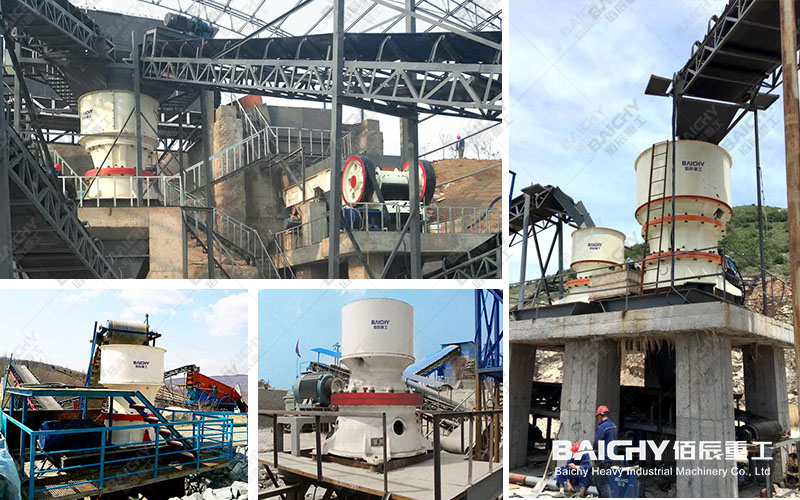
Single-cylinder cone crusher at a customer site
Frequently Asked Questions
1. What materials can a single-cylinder hydraulic cone crusher process?
It is commonly used for medium-hard to hard materials such as granite, basalt, limestone, river rock, and various metal ores. The final choice depends on hardness, abrasiveness, moisture, feed size, and the required product.
2. Can it be used for manufactured sand production?
Yes. It can reduce and prepare the feed before a sand-making machine. In many plants, the cone crusher performs the secondary or fine-crushing stage, while a shaping machine produces the final manufactured sand.
3. Is it suitable for metal ore processing?
Yes. It can be used before screening, grinding, or beneficiation. The model and chamber should match the ore's feed size, hardness, abrasiveness, moisture, and downstream feed requirements.
4. How does it differ from a multi-cylinder hydraulic cone crusher?
The designs differ in structure, hydraulic arrangement, chamber configuration, maintenance approach, and typical operating range. A fair comparison should consider the material, capacity, product size, operating hours, and service conditions of the specific project.
5. What information is needed for model selection?
Provide the material type, maximum feed size, expected capacity, target discharge size, moisture and clay content, operating hours, and whether the circuit is open or closed. Test samples or laboratory data may also be useful.
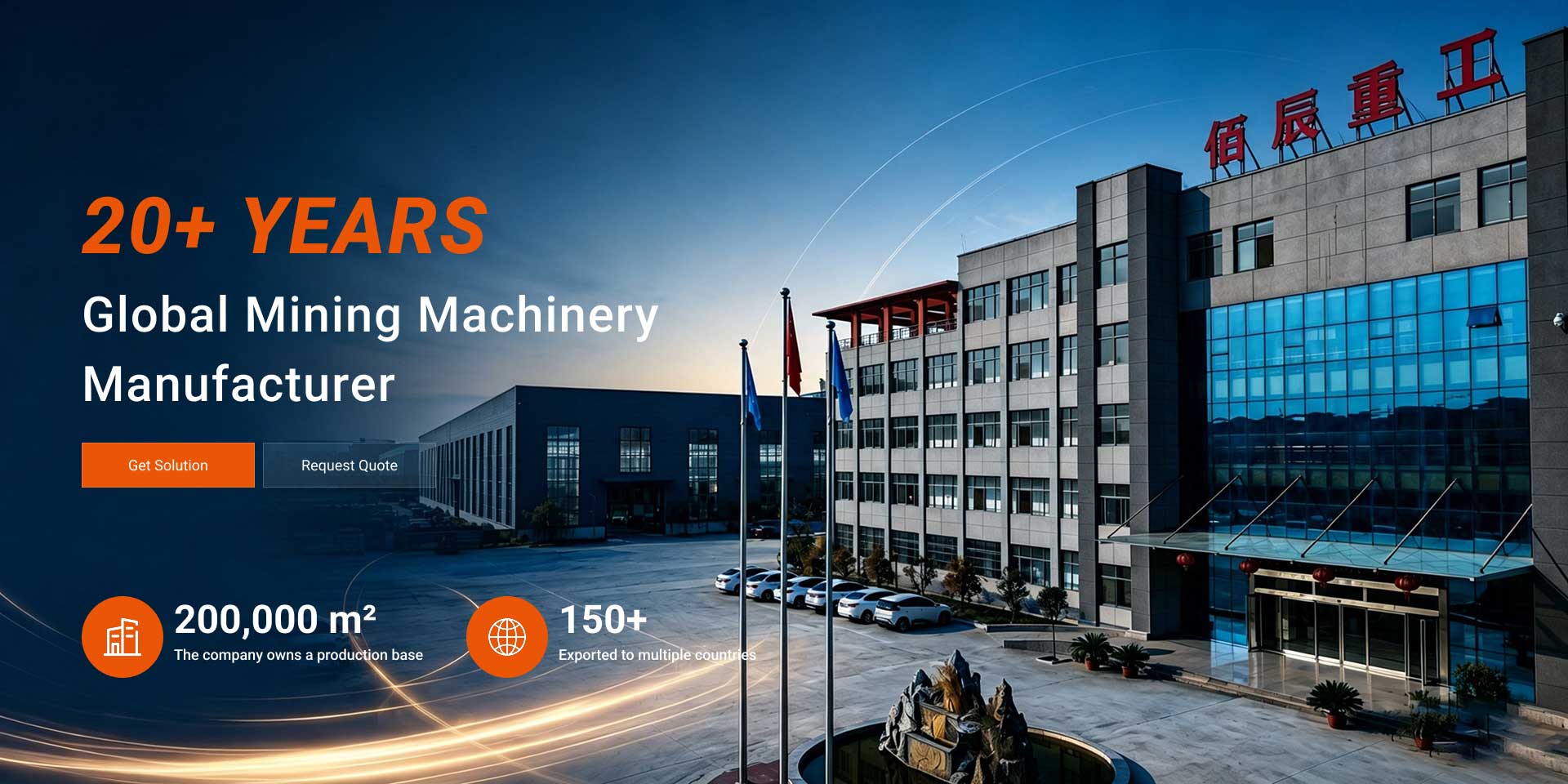
Baichy Heavy Industry
Baichy Heavy Industry is a high-tech mining equipment company integrating R&D, manufacturing, sales, and after-sales service. Focusing on crushing, grinding, and mineral processing equipment, we provide professional solutions to our customers. We are ISO9001:2015 Certified, and our products include mobile crushing palnts, crawler crushing plant, construction waste crushing plants, jaw crushers, sand making machines, cone crushers, fine crushers, grinding mills, ball mills, etc., all with reliable performance to meet diverse project needs.
Baichy Heavy Industry – Your Trusted Partner
To ensure optimal performance of your equipment, Baichy Heavy Industry offers:
- Professional on-site installation guidance
- Comprehensive operator training
- 24/7 technical support & maintenance services
Our complete after-sales service system guarantees long-term, stable operation of your machinery with minimal downtime.
Protect Your Rights – Only Use Official Channels
To avoid scams and ensure authentic support, contact us exclusively through:
• Official Website: www.baichychina.com
• WhatsApp: +8615093222637
• Email: [email protected]
Your satisfaction is our priority – expect prompt, professional service every time.
(Note: Beware of unauthorized third parties claiming to represent Baichy. Always verify through official contacts.)