
HGM Ultra-Fine Grinding Mill
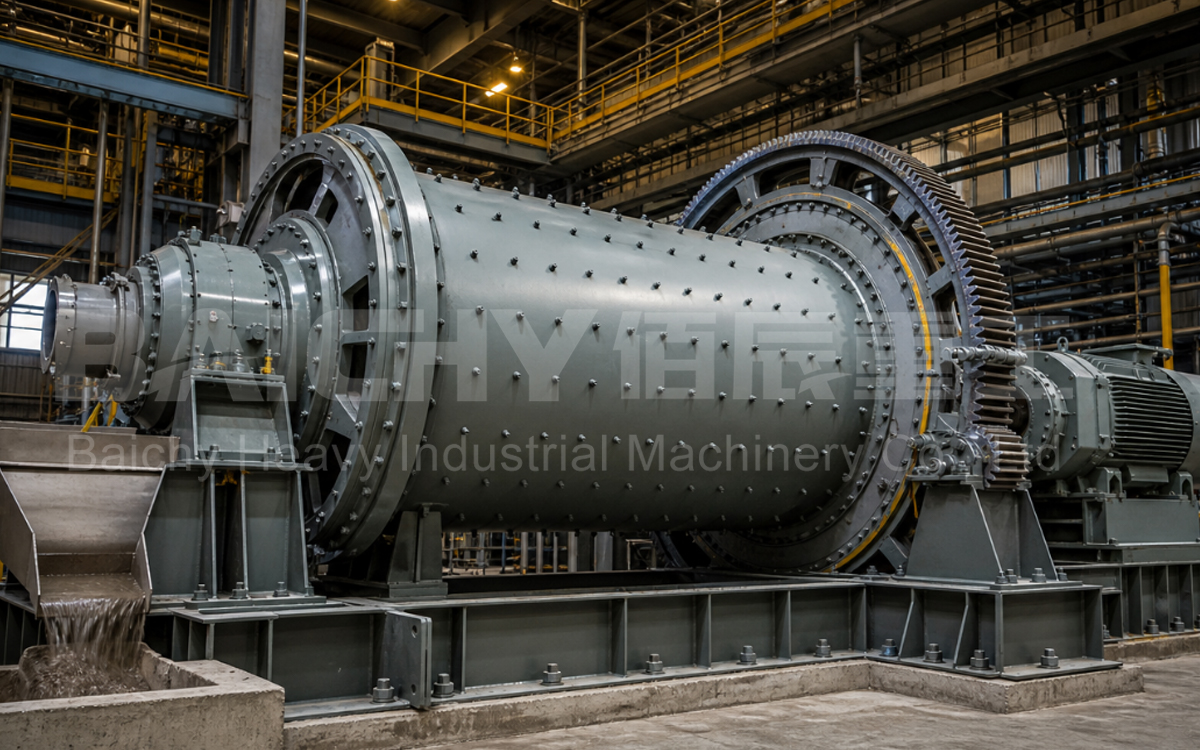
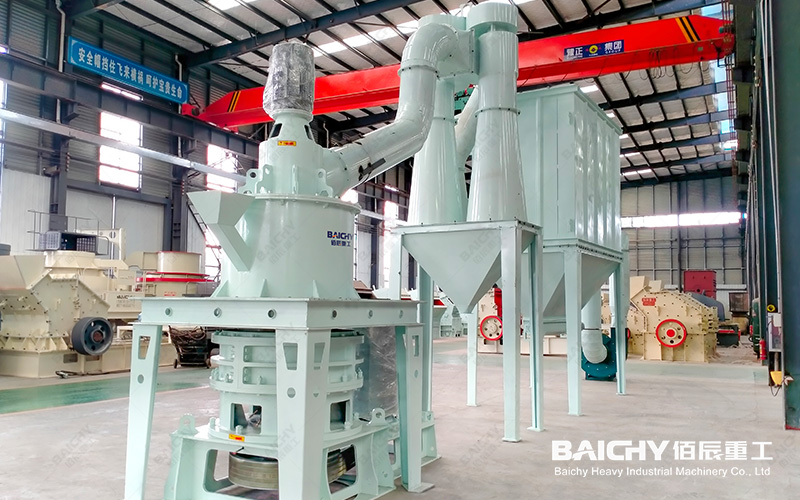
For the production of ultrafine powders (such as ground calcium carbonate, talc, kaolin, barite, and bentonite) with a fineness exceeding 800 mesh, the HGM three-ring ultrafine mill represents the most mature dry-processing solution with the best control over per-ton costs. A single HGM series unit from Baichen Heavy Industry can grind raw materials (≤25mm) down to a D97 of 5–47μm (adjustable between 150 and 3000 mesh) in one pass, ensuring stable powder output without the need for external secondary classification. Compared to the "Raymond mill grinding + multi-stage classification" method, it consumes 30–40% less energy for the same fineness; furthermore, when equipped with a variable-frequency classifier, a single unit can cover the entire market range from 325-mesh fillers to 2500-mesh ultrafine powders.
1. Critical Pain Points: Four Common Mistakes in Ultrafine Powder Production Line Decisions
• Mistake 1: Attempting to grind to a fineness exceeding 800 mesh using a Raymond mill. Due to the Raymond mill's grinding mechanism, production capacity drops precipitously above 800 mesh, and over-grinding becomes severe. Additionally, insufficient classification efficiency leads to a low "fineness compliance rate" and high circulating loads of returned material. For factories requiring a stable supply of 1250–2500 mesh products, this approach often results in per-ton electricity consumption more than 1.5 times higher than that of the HGM system, alongside frequent product returns from downstream customers due to wide particle size distribution.
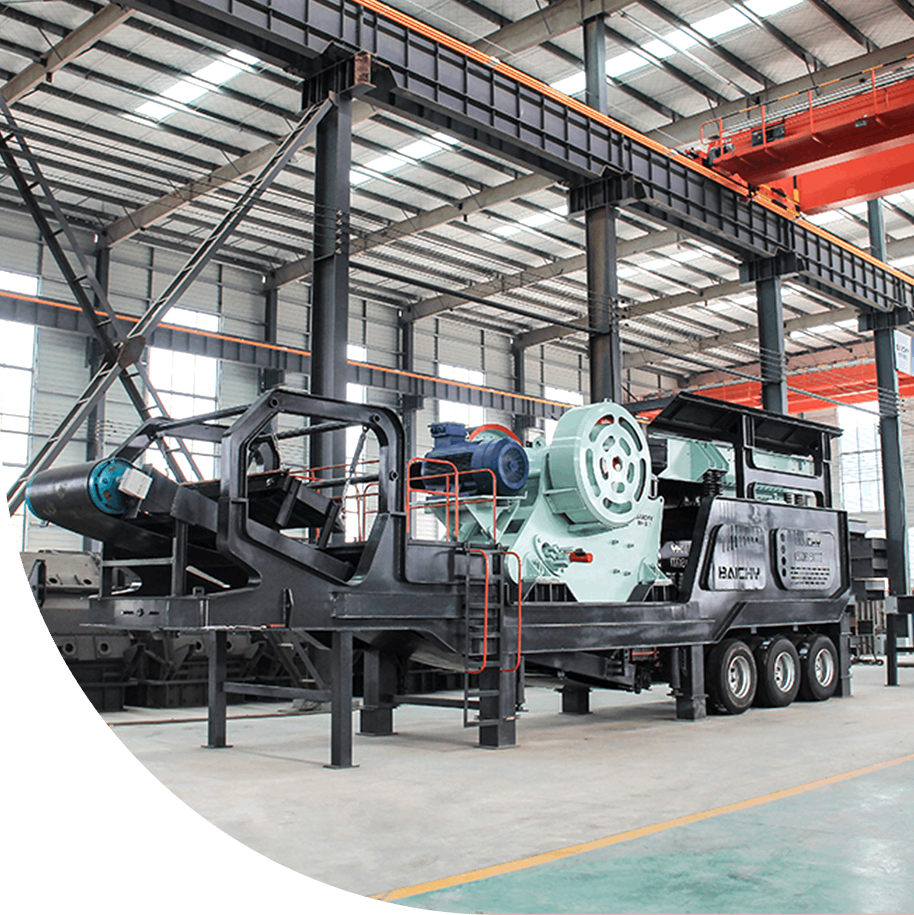
• Mistake 2: Focusing solely on the price of the main mill while ignoring the completeness of the system. A fully operational ultrafine grinding line involves far more than just the main mill; components such as the jaw crusher (for primary crushing), bucket elevator, feeder, variable-frequency classifier, cyclone collector, pulse bag dust collector, blower, and electrical control cabinet are all indispensable. Low-price quotations often "omit" the dust collector and variable-frequency classifier; issues such as failure to meet emission standards or inability to adjust fineness are only discovered during delivery and commissioning—a common pitfall in international procurement.
• Mistake 3: Blindly favoring imported ultrafine mills. Imported models do hold an advantage in the D97 ≤5μm range, but they come with high CAPEX, long lead times for spare parts (often 8–12 weeks via sea freight), and slow on-site service response. For medium-sized powder plants with annual capacities of 30,000–100,000 tons, domestic HGM systems usually offer superior overall value when balancing target fineness, production capacity, and spare part availability.
• Misconception 4: Using 325-mesh capacity figures to represent 2500-mesh performance. Ultrafine grinding capacity drops sharply as mesh size increases—for the same HGM90 unit, the capacity at 600 mesh is roughly 3–5 times that at 2500 mesh (estimates subject to material testing). If a quote lists capacity based on 325 mesh, actual output will shrink immediately upon commissioning. You must lock in the "guaranteed capacity for the target mesh size" before signing the contract.
Micro-Powder Grinding Mill
2. Equipment Advantages
1. Variable-frequency adjustment for fineness (150–3000 mesh)
One machine handles multiple grades and markets. Produce 600-mesh ground calcium carbonate for building material and coating plants in the morning, then switch to 2000-mesh for plastic masterbatch or rubber plants in the afternoon; the control panel allows switching in 10 seconds without stopping the machine or changing parts. A single production line covers two price tiers, doubling equipment utilization compared to single-fineness plants and balancing performance across peak and off-peak seasons.
2. 30–40% lower energy consumption for the same fineness
Direct conversion to electricity cost savings. Based on continuous production at 5 t/h and 6,000 operating hours per year, the system saves approximately 250,000–300,000 kWh annually compared to the Raymond mill process. At a rate of 0.6 RMB/kWh, this translates to annual electricity savings of 150,000–190,000 RMB—an amount that, over the equipment's full lifecycle, far exceeds the initial cost of the main unit.
3. Closed-loop negative pressure system + pulse dust collection
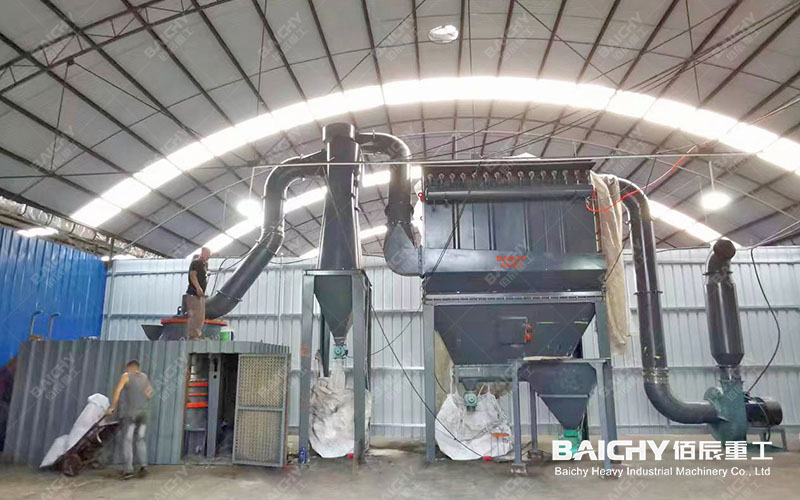
Compliance with emission standards and zero powder loss. The system operates under negative pressure with recirculating airflow; the finished product is collected via a cyclone separator, and exhaust gas is filtered through a pulse-jet bag filter, ensuring on-site dust concentrations meet environmental compliance standards. The collected fine powder is a marketable product in itself, achieving a yield of ≥99% with negligible material loss.
4. Zoned wear-resistant design (Mn13Cr2) allows for predictable maintenance budgeting.
When processing calcium carbonate with <1.5% SiO₂ content, the service life of grinding rollers and rings ranges from 8,000 to 12,000 hours—translating to a replacement cycle of approximately 1.5 to 2 years based on 20 hours of daily operation—while spare part costs are over 40% lower than those of imported machines with similar capacities. Maintenance expenses can be incorporated into the annual budget in advance, eliminating the reactive scenarios caused by unexpected shutdowns and emergency procurement.
5. Customized electrical configuration ensures no capacity loss in 60Hz markets.
For regions such as Latin America and the Middle East that utilize 60Hz/440V power, the main motor, blower, classifier, and feeder are fully customized to local voltage and frequency specifications. This avoids the compromises associated with "50Hz motor + VFD" setups, thereby preventing capacity reduction and motor overheating caused by airflow imbalances.
3. Key Specifications: HGM Series Ultrafine Grinding Mill Selection Chart
| Model | No. of Grinding Rollers | Main Unit Power | Typical Capacity (t/h) | Finished Product Fineness (D97) |
| HGM80 | 21 (3 grinding rings, Ø0.8m) | 75–90 kW | 1 – 5 | 150–3000 mesh (5–47μm) |
| HGM90 | 27 | 90–110 kW | 0.6 – 6.5 | Same as above |
| HGM100 / 100A | 30 | 110–132 kW | 0.8 – 8 | Same as above |
| HGM125 | 36 | 185–220 kW | 1.5 – 14 | Same as above |
| HGM1680 | 42 | 315–400 kW | 2 – 30 (Series max: 45) | Same as above |
Note: Feed size for the entire series is ≤25mm (≤20mm recommended); suitable for over 100 types of non-metallic minerals with Mohs hardness <6 (e.g., calcite, calcium carbonate, talc, kaolin, bentonite, barite, gypsum, dolomite, wollastonite, limestone). Typical capacity is based on calcium carbonate processing; actual capacity varies with raw material hardness, feed particle size, and target mesh size—at the same fineness level, capacity for 600 mesh is approximately 3–5 times that of 2500 mesh (estimated). For the 800–3000 mesh ultrafine range, it is recommended to use the HGM125/1680 model combined with a closed-circuit classification system for single-pass processing. Final specifications are subject to the signed technical agreement and material test report.
4. Selection Recommendations: Who Should (and Shouldn't) Buy
Recommended for:
• Mine owners possessing their own calcite, talc, or barite mines who wish to upgrade from selling raw ore or standard-grade powder to the higher-margin ultrafine powder segment (for capacities >10 t/h, the HGM125/1680 is the top choice; for medium-sized projects, the HGM90/100 is suitable);
• Powder processing plants requiring a simultaneous supply of standard-grade powder (325–800 mesh) and ultrafine powder (1250–2500 mesh)—a single HGM unit can replace the "Raymond mill + multi-stage classifier" setup to cover both product ranges;
• Legitimate processing plants that have passed environmental pre-assessment and require a negative-pressure, closed-loop system to meet emission standards.
Not recommended for:
• Plants primarily producing standard filler-grade powder with a target fineness below 800 mesh—Raymond mills (YGM high-pressure suspension roller mills) offer lower per-ton costs in this range, whereas HGM mills excel in the ultrafine segment;
• Hard minerals with a Mohs hardness ≥6 or SiO₂ content >3%—these require a ball mill plus classifier or an ultrafine vertical mill setup to prevent excessive wear on grinding components;
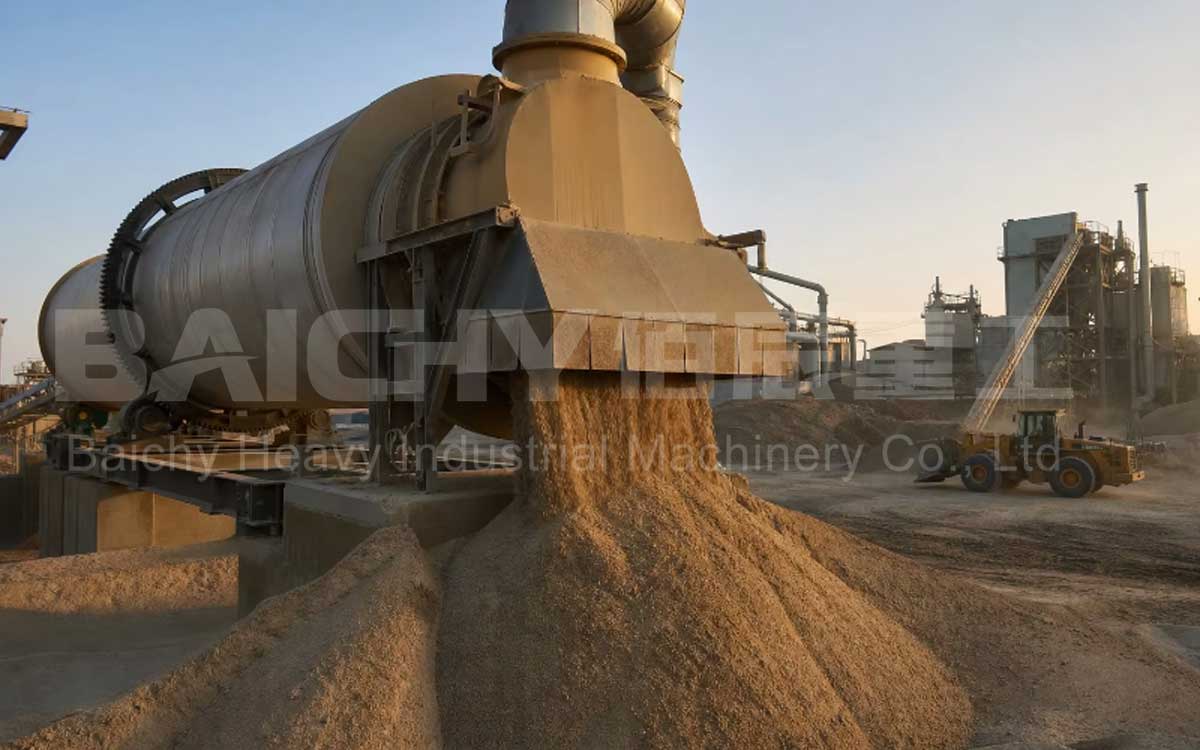
• Direct feeding of wet materials with >5% moisture content—pre-drying is essential (Baichen rotary or three-cylinder dryers can be used); otherwise, grinding rollers will clog, and yield rates will plummet.
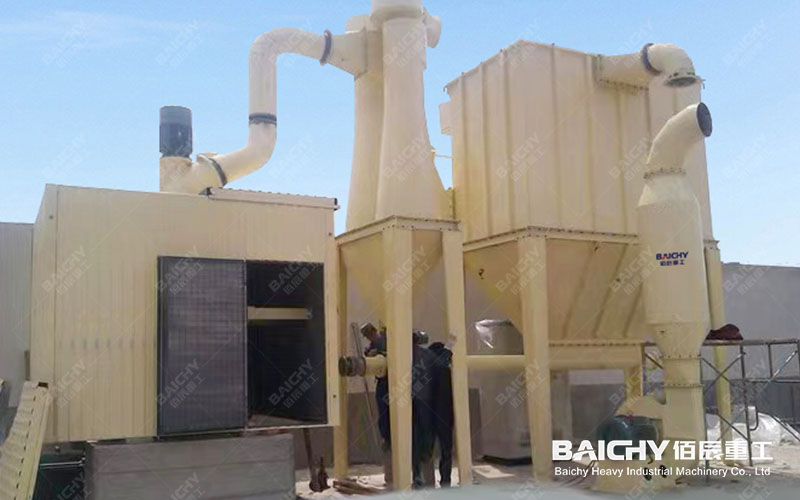
HGM Series Ultrafine Mill Customer Site
5. FAQ
Q1: How do I choose between the HGM ultrafine mill and the Raymond mill?
A1: Use 800 mesh as the piding line. For standard-grade powder (filler grade) below 800 mesh, the Raymond mill (YGM series) offers a lower cost per ton. For ultrafine powder above 800 mesh—especially in the 1250–3000 mesh range—the HGM three-ring micro-powder mill is the mature, mainstream solution; it produces finished powder in a single step and consumes 30–40% less energy than the forced grinding action of a Raymond mill. If a plant needs to cover both product ranges, a single HGM unit equipped with a variable-frequency classifier can handle the entire spectrum.
Q2: What is the approximate production capacity for 2500-mesh powder?
A2: Taking the HGM90 processing calcium carbonate as an example, the capacity is approximately 0.6–1.5 t/h for 2500-mesh (D97 ≈ 5μm) output, and about 3–6 t/h for 600-mesh output. Capacity drops sharply as the mesh size increases (by a factor of 3–5, estimated). Before signing a contract, we provide free material grinding tests and issue reports on D97 particle size and guaranteed capacity, ensuring there is no misleading labeling (such as using 325-mesh performance data to represent 2500-mesh capabilities).
Q3: Does the raw material need to be dried first? What pre-processing is required?
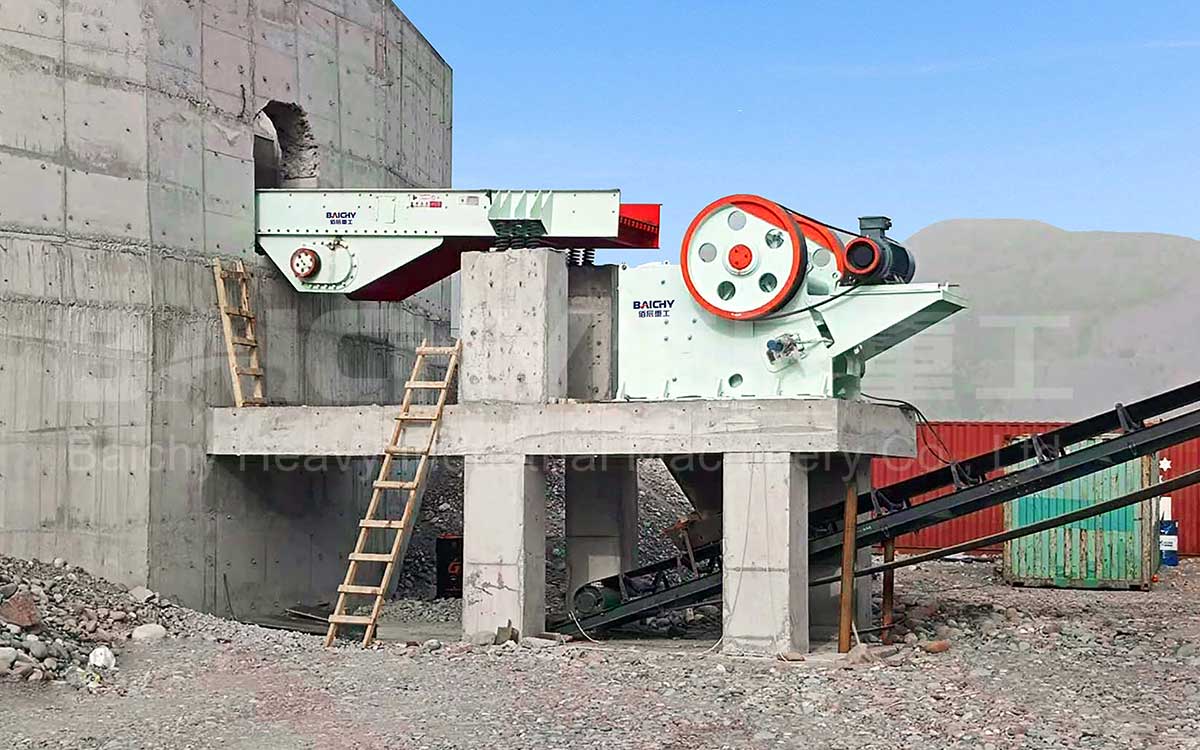
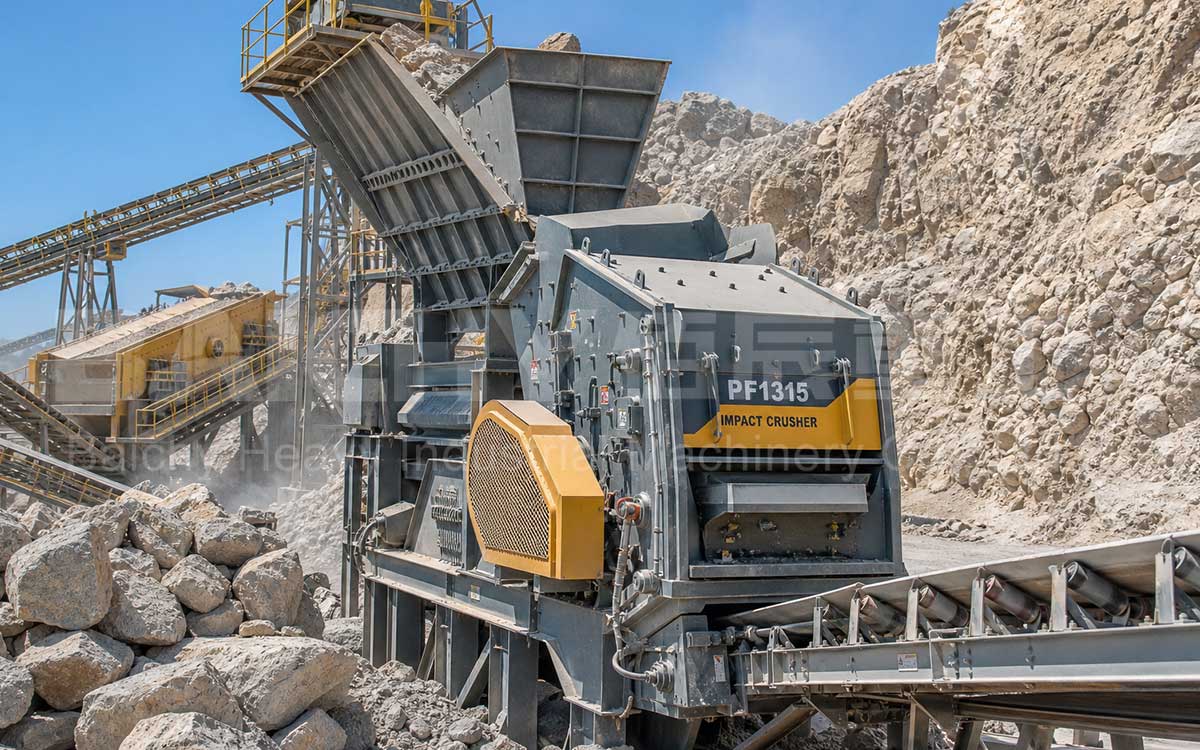
A3: Materials with surface moisture <5% can be fed directly into the mill (the hot air circulation within the grinding chamber provides inherent drying capabilities); materials with higher moisture content must undergo pre-processing in a dryer. The standard process flow is: Jaw crusher (coarse crushing to ≤20–25mm) → Bucket elevator → Electromagnetic feeder → Main grinding unit → Variable-frequency classifier → Cyclone collector → Pulse dust collector.
Q4: How often do the grinding rollers and rings need to be replaced? Are spare parts expensive?
A4: When processing calcium carbonate (Mohs hardness 3, SiO₂ < 1.5%), the service life of Mn13Cr2 wear-resistant parts is approximately 8,000–12,000 hours; based on 20 hours of daily operation, replacement is required roughly every 1.5–2 years. We recommend calculating costs based on "wear cost per ton of powder" (typically around 0.3–0.8 USD/ton, far lower than the cost of downtime). Additionally, spare parts cost over 40% less than those for imported machines of similar capacity and are available from domestic stock.
Q5: Can the system operate stably on a 60Hz / 440V power grid?
A5: Yes, it can. The entire system (main motor, blower, classifier, and feeder) is custom-engineered to match local voltage and frequency specifications; we avoid compromise solutions—such as using 50Hz motors paired with variable frequency drives—to prevent airflow imbalances and motor overheating. We have a proven track record of delivering this series of systems in Mexico, Chile, Colombia, Indonesia, and Vietnam, and can facilitate either remote factory inspections or on-site visits.