
PE400×600 Jaw Crusher Selection Guide
In the field of mining crushing, the jaw crusher serves as the absolute mainstay for primary crushing; consequently, the selection of a specific model directly determines the overall efficiency and cost-effectiveness of the entire production line. Among the available options, the PE400×600 stands out as a highly representative model that enjoys immense popularity in the market, frequently being compared by customers against other models such as the PE250×400 and PE500×750. This article will provide an in-depth analysis of the core differences between the PE400×600 jaw crusher and other models—specifically regarding key technical parameters, application scenarios, and return on investment—to assist you in making the most informed decision.
As a medium-sized jaw crusher, the PE400×600 strikes a perfect balance between processing capacity, physical dimensions, and acquisition cost. It is widely utilized in various sectors, including small-to-medium-scale sand and aggregate production lines, mining operations, and construction waste processing. Understanding the specific market positioning of this model constitutes the essential first step toward making an efficient and appropriate selection.
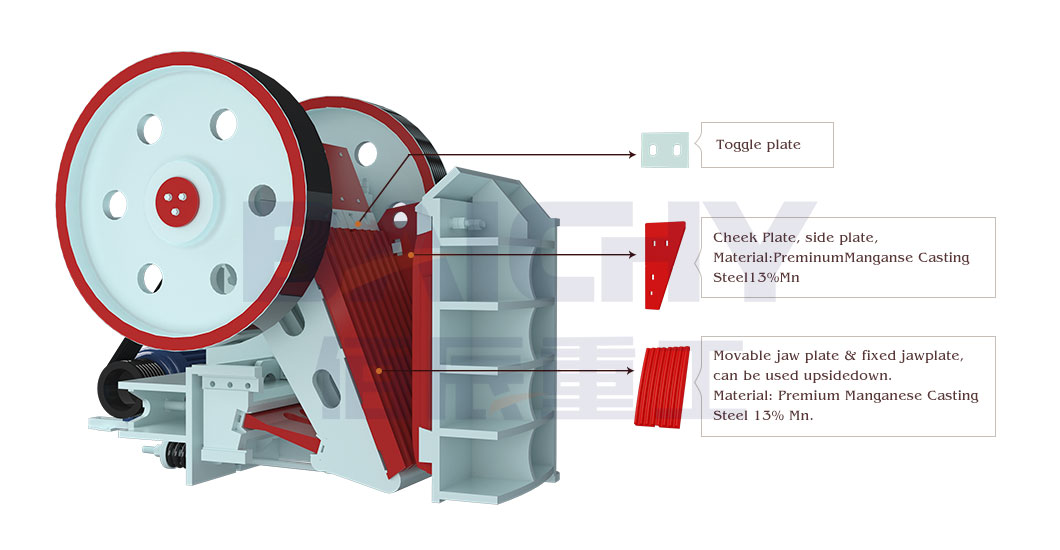
Structural-Diagram-of-the-PE400x600-Jaw-Crusher
Core Parameter Comparison: PE400×600 vs. Other Popular Models
When selecting a jaw crusher, technical data serves as the most intuitive and objective reference point. The table below clearly illustrates the key technical distinctions between the PE400×600 and two other commonly encountered models.
| Parameters / Model | PE250×400 | PE400×600 | PE500×750 |
| Feed Opening Size (mm) | 250×400 | 400×600 | 500×750 |
| Max. Feed Size (mm) | 210 | 340 | 425 |
| Processing Capacity (t/h) | 5–20 | 16–64 | 40–110 |
| Main Shaft Speed (r/min) | 300 | 250 | 275 |
| Motor Power (kW) | 15 | 30 | 55 |
| Overall Dimensions (L×W×H, mm) | 1300×1090×1270 | 1700×1732×1653 | 2035×1921×2000 |
| Equipment Weight (t) | ~2.8 | ~6.5 | ~12.0 |
Comparative Analysis:
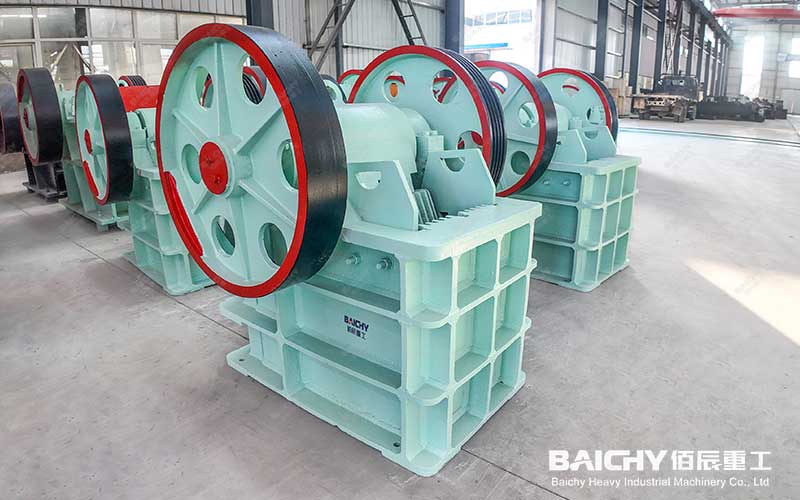
PE250x400 jaw crusher
• Compared to the PE250×400: The PE400×600 achieves a multi-fold increase in production capacity and can process larger-sized raw materials. It is suitable for larger-scale projects with specific output requirements (e.g., 30–50 tons per hour). Although the initial investment and footprint are slightly larger, the cost per unit of output is lower, offering superior economic efficiency.
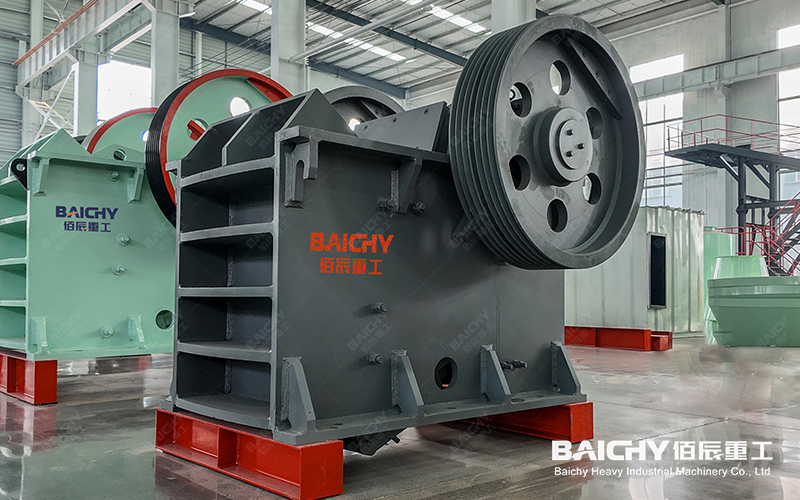
PE500x750 Jaw Crusher
• Compared to the PE500×750: While maintaining robust processing capabilities, the PE400×600 offers advantages in terms of motor power, equipment weight, and overall footprint. It imposes lower requirements on power supply configuration and installation foundations, presents a more accessible investment threshold, and stands as the "best value" choice for medium-sized projects.
Application Scenarios & Advantages: Why Choose the PE400×600?
Typical Application Scenarios
This jaw crusher is an ideal choice for the following scenarios:
1. Small to Medium-sized Sand and Aggregate Production Lines: Serving as the primary crusher, it processes materials such as limestone, granite, and river pebbles, providing suitable feed material for subsequent secondary and tertiary crushing equipment.
2. Primary Mining Crushing: In the extraction of metallic or non-metallic ores, this serves as the initial stage of crushing for raw ore.
3. Construction Waste Resource Utilization: Crushing construction debris—such as concrete blocks, bricks, and tiles—to facilitate recycling and reuse.
4. Infrastructure Construction (Roads, Railways, etc.): Providing a stable supply of crushed aggregate raw materials directly to project sites.
Core Advantages
• Balanced Performance & High Cost-Effectiveness: Achieves an optimal balance between throughput capacity, power consumption, and price, delivering a high return on investment.
• Robust Structure & Reliable Operation: Constructed using high-quality steel and heavy-duty eccentric shaft bearings to ensure continuous, stable operation—even under harsh working conditions—with a low failure rate.
• High Crushing Ratio & Flexible Discharge Adjustment: The discharge opening size can be easily adjusted by modifying the toggle plate, allowing for the production of aggregates with varying particle sizes to meet Perse production requirements.
• Simplified Maintenance: Features a rational structural design that facilitates the easy replacement of wear parts (such as jaw plates), thereby effectively reducing long-term operating and maintenance costs.
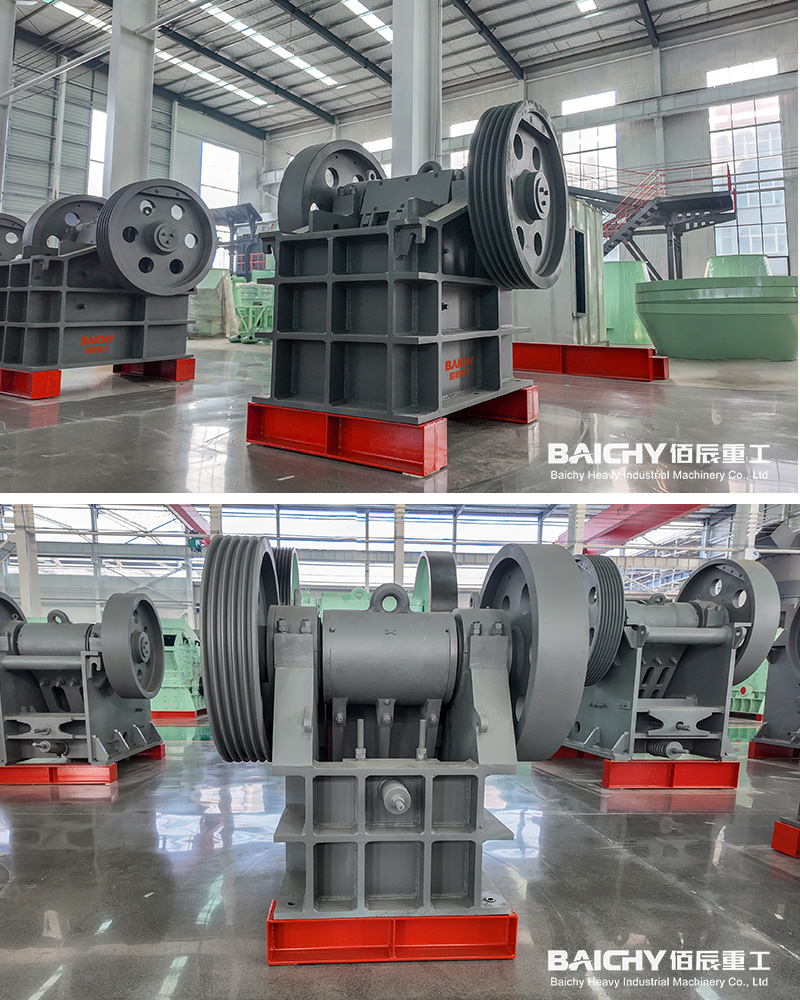
PE400×600 Jaw Crusher Selection Guide
Related Case Study
Case: A Medium-Sized Eco-Friendly Building Materials Company
This company specializes in the production of recycled aggregates from construction waste. Initially, they utilized a small jaw crusher; however, this unit suffered from insufficient capacity and struggled to efficiently process large concrete blocks. They subsequently upgraded to our PE400×600 Jaw Crusher to serve as their primary crushing unit. Following this upgrade, the production line achieved a stable hourly output of 40 tons. The new crusher effortlessly processed large pieces of construction debris and produced aggregates with uniform particle sizes, creating ideal conditions for subsequent screening and shaping processes. Overall production efficiency increased by over 60%, and the client highly praised the equipment for its stability and economic benefits.
Recommended Ancillary Equipment
To maximize the operational efficiency of the PE400×600 Jaw Crusher, we recommend pairing it with the following equipment to form a highly efficient production line:
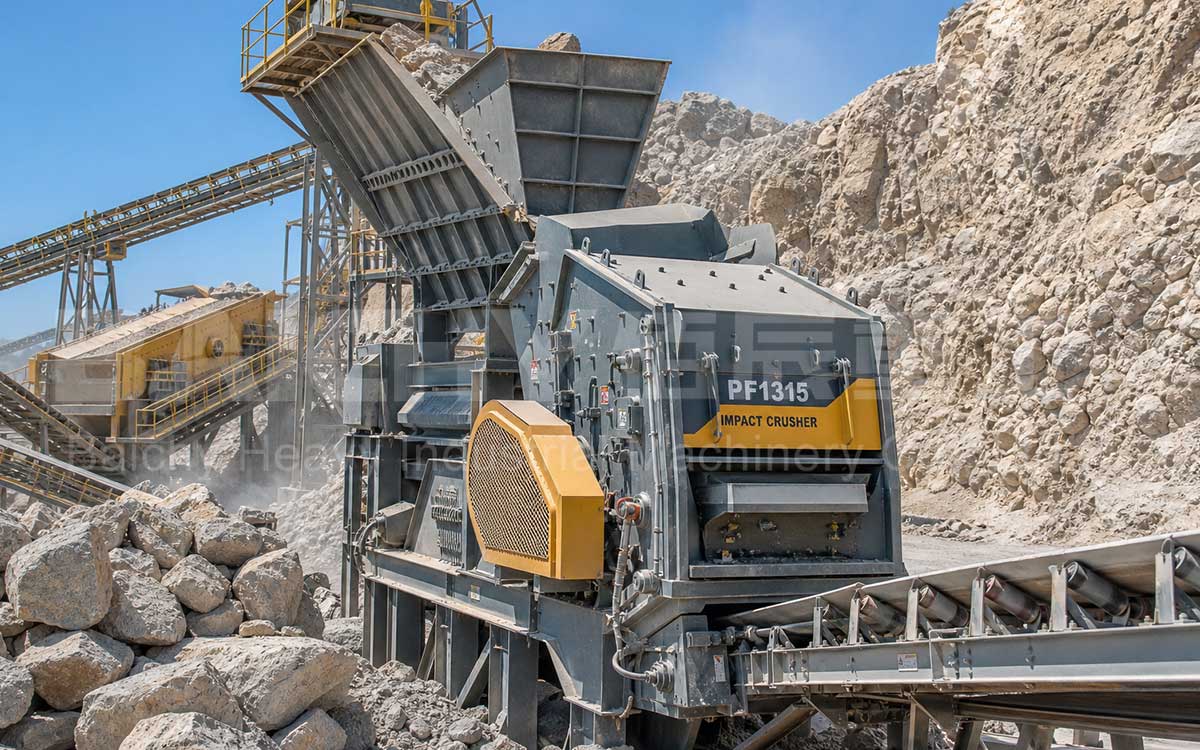
1. Secondary Crushing Equipment: We recommend the PF1214 or PF1315 Impact Crusher for the intermediate and fine crushing of materials processed by the jaw crusher, producing aggregates with superior particle shape.
2. Screening Equipment: We recommend the 3YK1860 or 3YK2160 Vibrating Screen to classify the crushed materials, separating the finished products that meet specifications from the oversized materials requiring recirculation (returns).
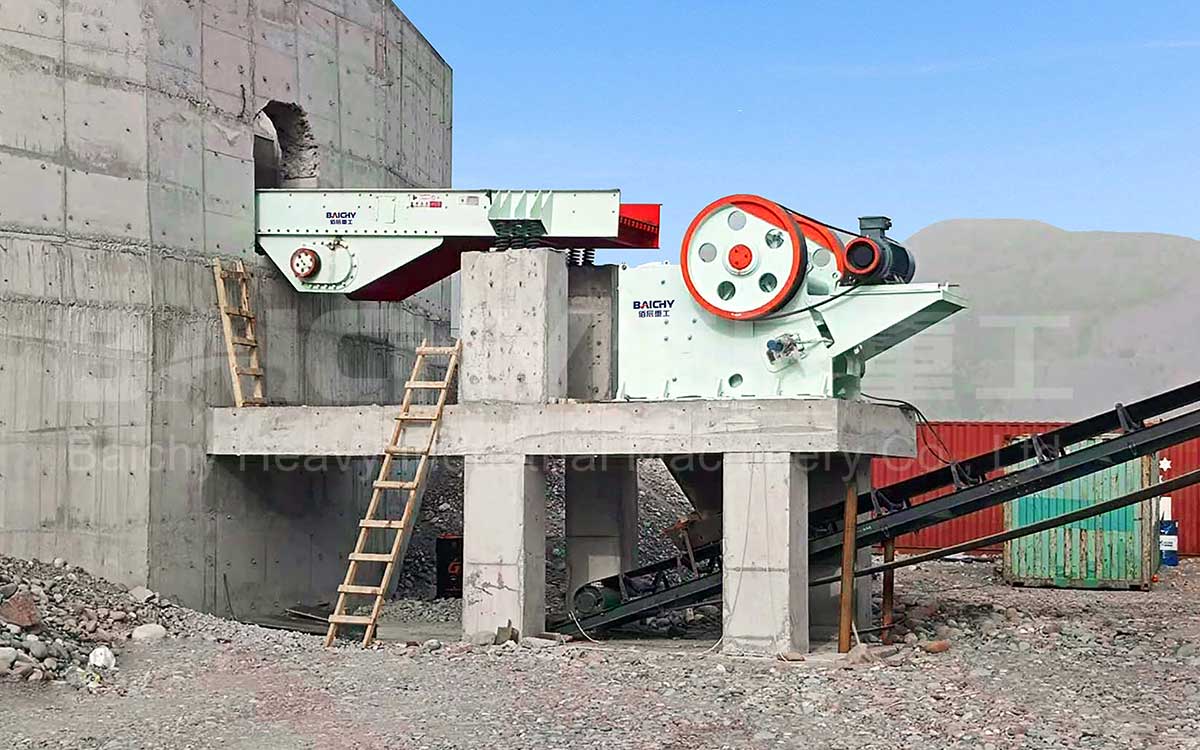
3. Feeding Equipment: We recommend the GZD-960×3800 vibrating feeder to ensure a uniform and continuous feed into the PE400×600 crusher, thereby protecting the equipment and optimizing throughput.
4. Conveying Equipment: The system is equipped with multiple B650–B800 belt conveyors to link the various stages of the processing workflow.
Frequently Asked Questions (FAQ)
Q1: What is the optimal feed size for the PE400×600 jaw crusher?
A1: According to its design specifications, the maximum permissible feed size for the PE400×600 is approximately 340 mm. To achieve optimal crushing efficiency and protect the equipment, it is recommended to keep the actual feed size under 300 mm and ensure that the material can drop smoothly into the feed opening.
Q2: What is the typical service life of the jaw plates (liner plates) on this equipment? What factors influence this?
A2: As a core wear part, the service life of the jaw plates varies depending on the hardness and abrasiveness of the material being crushed. When processing medium-hardness limestone, the plates may last for 6 to 12 months or longer; however, when processing high-hardness materials such as granite or basalt, the service life will be correspondingly shorter. Regularly reversing the plates (flipping them over) can help extend their overall service life.
Q3: Can we use the PE400×600 to crush clay-rich materials with high moisture content?
A3: It is not recommended. The standard PE400×600 is primarily designed for crushing rocks of medium-to-high hardness with low moisture content. Highly viscous, damp materials are prone to sticking and clogging within the crushing chamber, which can lead to a drastic drop in throughput or even equipment damage. For processing such materials, you should consider specialized heavy-duty vibrating feeders or equipment featuring specific design modifications.