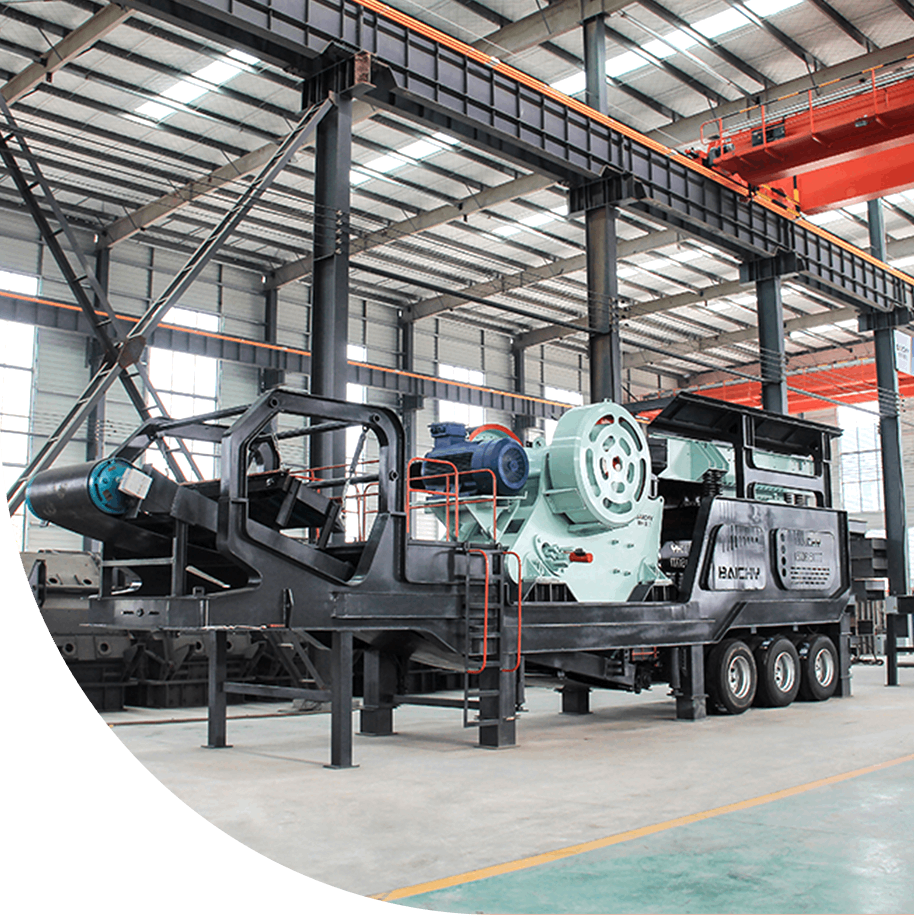

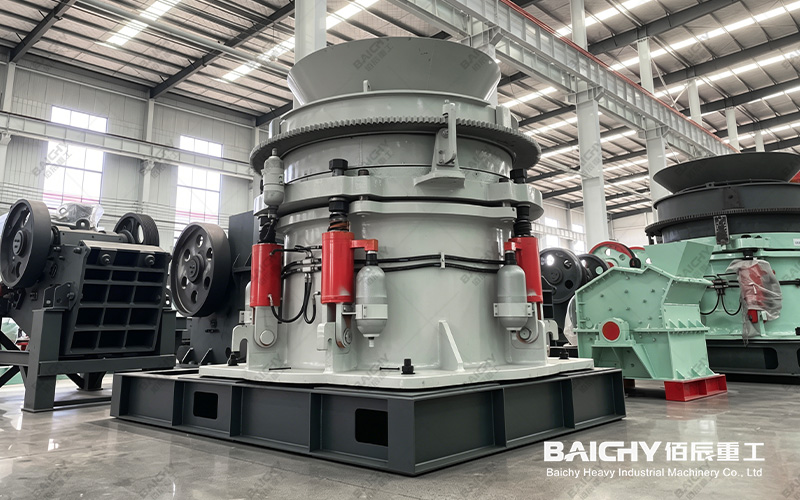
multi-cylinder hydraulic cone crusher
When a crushing plant needs to process hard and abrasive rock continuously, the choice of cone crusher affects capacity, product quality, maintenance, and operating cost. A multi-cylinder hydraulic cone crusher is commonly used for secondary, tertiary, and fine crushing. It combines compression crushing with hydraulic adjustment and protection functions, making it suitable for demanding mining, aggregate, and infrastructure projects.
However, it is not automatically the right machine for every material. Feed size, rock hardness, abrasiveness, moisture, required capacity, final product sizes, and the complete crushing circuit must be considered. This guide explains the most common application scenarios and the key factors for choosing a suitable configuration.
What Is a Multi-Cylinder Hydraulic Cone Crusher?
A multi-cylinder hydraulic cone crusher reduces material between a moving mantle and a fixed concave. The eccentric mechanism drives the mantle, compressing the feed until it is small enough to pass through the discharge opening.
The hydraulic system can support discharge-setting adjustment, chamber locking, and protection when uncrushable metal enters the chamber. A vibrating screen is normally installed after the crusher. In a closed circuit, qualified material leaves the process while oversize material returns to the crusher for further reduction.
This equipment is generally selected for medium-hard to very hard materials, including iron ore, copper ore, gold ore, granite, basalt, andesite, quartzite, river pebble, and hard rock from infrastructure projects. Wet, sticky, or highly clayey feed may require pre-screening or washing before crushing.
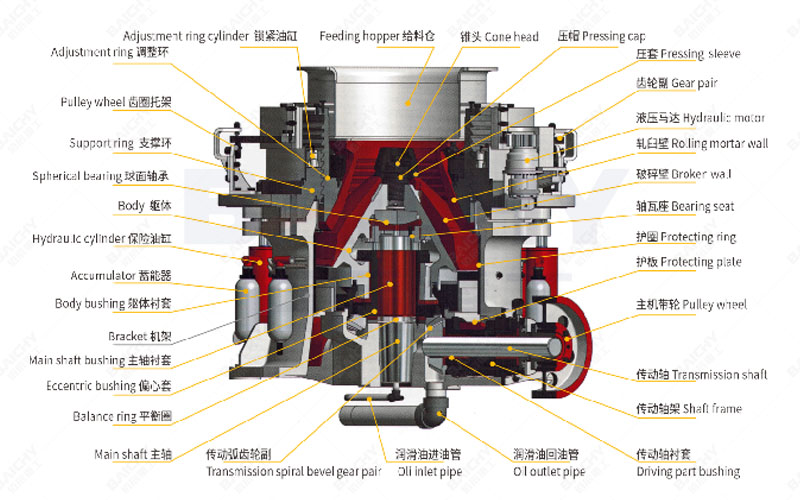
Structural diagram of a multi-cylinder hydraulic cone crusher
Five Typical Application Scenarios
1. Metal Ore Crushing and Mineral Processing
In a metal mine, the cone crusher is often installed after primary crushing and before screening, grinding, or beneficiation:
Primary crusher → multi-cylinder hydraulic cone crusher → screening → grinding or beneficiation
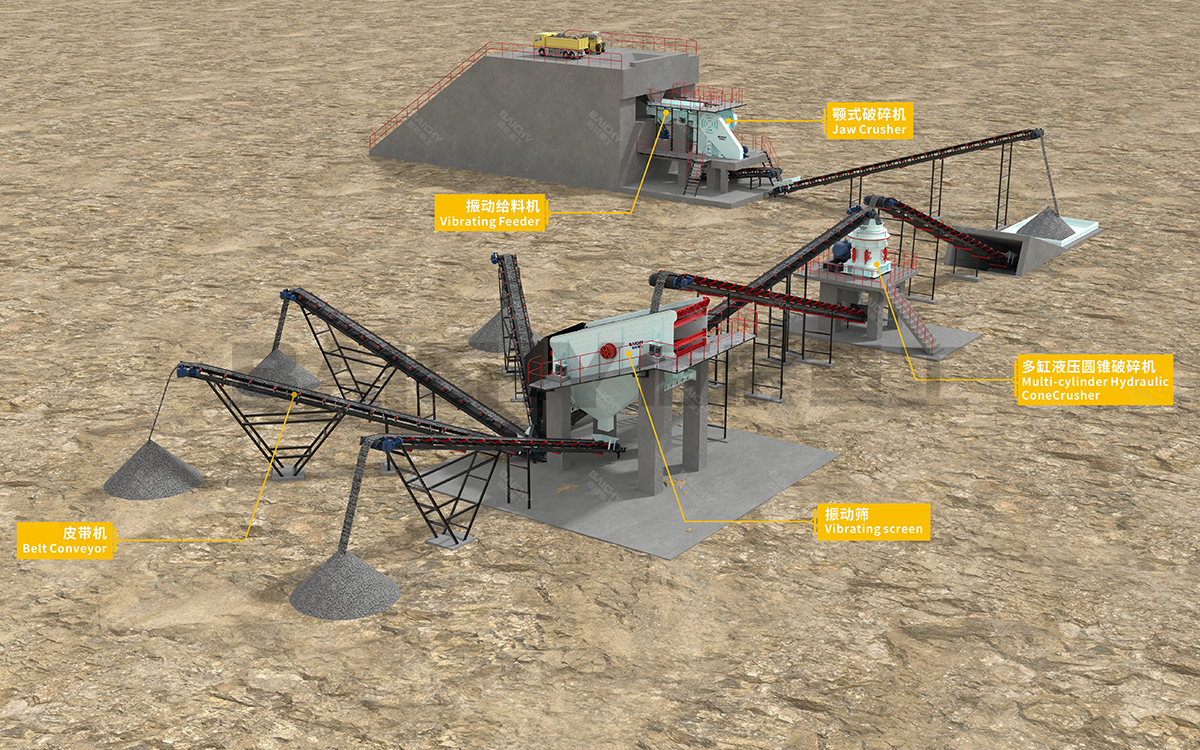
Schematic diagram of the process flow for a multi-cylinder hydraulic cone crusher
The crusher reduces hard ore to a more suitable size for the grinding circuit and provides a relatively stable feed to downstream processing. In a closed circuit, the screen separates finished material and returns oversize particles for additional crushing.
Before choosing a model, review the ore's hardness, abrasion index, maximum feed size, target mill-feed size, circulating load, and expected wear-part life. Chamber selection and uniform feeding are as important as rated capacity.
2. Granite and Basalt Aggregate Production
Granite and basalt are widely used for concrete aggregate, asphalt aggregate, and road base. Their high hardness and abrasiveness make wear resistance and stable operation important.
A typical line is:
Vibrating feeder → jaw crusher → cone crusher → vibrating screen → aggregate stockpiles
The screen can separate several finished sizes. If the project has strict particle-shape requirements, a vertical shaft impact crusher or another shaping stage may follow the cone crusher. Product gradation determines whether the cone crusher performs secondary crushing, tertiary crushing, or both.
3. Railway and Highway Aggregate Production
Railway ballast and high-grade highway aggregate require controlled size distribution and dependable quality. A multi-cylinder hydraulic cone crusher can process hard rock after primary reduction and feed the screening or shaping sections.
In a closed circuit, oversize material returns to the cone crusher instead of entering the final stockpile. Selection should focus on product specifications, particle shape, hourly capacity, rock strength, abrasiveness, and compatibility with screens, conveyors, and shaping equipment.
4. Hydropower and Large Infrastructure Projects
Tunnels, dams, hydropower stations, airports, and major roads often generate large volumes of excavated rock. The feed may change as the project advances, so the crushing plant must be robust and practical to operate at the site.
The cone crusher can be installed in a fixed, modular, or semi-mobile plant. It may supply aggregate for concrete, backfilling, drainage, and road construction. Planners should consider transport, installation time, power supply, dust control, maintenance access, and changes in feed characteristics. Modular equipment can be useful for temporary projects, while fixed layouts may suit long-term production.
5. River Pebble Crushing and Manufactured Sand
River pebble is hard and often abrasive. In a manufactured sand plant, a cone crusher can reduce the pebble to a suitable size before shaping and sand-making:
Primary crushing → cone crusher → screening → vertical shaft impact crusher → washing and dewatering
By controlling feed size, the cone crusher can reduce the load on the sand-making machine. The shaping stage improves particle form and produces the required sand fraction. Washing and dewatering may be added when the project has strict requirements for cleanliness, fines, or moisture.
Because river pebble may contain quartz and other hard minerals, wear-part consumption should be included in the operating-cost analysis.
Where Is It Installed in a Crushing Line?
Secondary Crushing
The cone crusher receives material from a jaw crusher or another primary machine and produces an intermediate-size product. This arrangement is suitable for hard-rock aggregate plants that need medium-sized products.
Tertiary and Fine Crushing
In tertiary crushing, the machine works after earlier reduction stages to produce finer feed for shaping, grinding, or fine aggregate production. Chamber type, discharge setting, feed distribution, and screening affect final gradation.
Closed-Circuit Crushing
A screen separates finished material from oversize material. The oversize returns to the cone crusher, while the qualified product leaves the circuit. This improves size control but requires correctly sized screens, conveyors, and control of the circulating load.
Application-Based Selection Guide
| Application | Typical Feed | Main Priorities | Process Position |
|---|---|---|---|
| Metal ore processing | Iron ore, copper ore, gold ore | Abrasion, feed size, mill-feed target | Secondary or fine crushing before grinding |
| Hard-rock aggregates | Granite, basalt, andesite | Wear resistance, capacity, product shape | Secondary and tertiary crushing |
| Highway and railway materials | Strong rock and ballast stone | Gradation, shape, continuous operation | Closed circuit before screening or shaping |
| Infrastructure projects | Excavated hard rock | Mobility, installation, changing feed | Modular or fixed secondary crushing |
| Manufactured sand | River pebble, hard rock | Wear cost, feed size, fines control | Pre-crushing before shaping and washing |
How to Choose a Suitable Model?
A material name alone is not enough for model selection. Collect these details first:
• Maximum feed size: Oversize feed may overload the chamber or reduce capacity.
• Hardness and abrasiveness: These affect power demand, chamber selection, and wear-part consumption.
• Required capacity: Match the crusher with the feeder, screen, conveyors, and downstream equipment.
• Final product sizes: Target gradation determines the crushing stage and discharge setting.
• Moisture and clay content: Sticky feed may require pre-screening, washing, or another process arrangement.
• Operating schedule and layout: Continuous plants need reliable lubrication, maintenance access, dust control, and a spare-parts plan.
Advantages, Limitations, and Maintenance
Advantages
Suitable for medium-hard, hard, and abrasive materials
Useful for secondary, tertiary, and fine crushing
Hydraulic adjustment can simplify setting changes
Hydraulic protection can help limit damage from uncrushable material
Compatible with closed-circuit screening
Limitations
Not automatically suitable for wet, sticky, or highly clayey feed
Requires controlled and relatively uniform feeding
Highly abrasive rock can increase wear-part costs
Usually needs suitable upstream primary crushing and scalping
Performance depends on the complete process design, not only the crusher model
Maintain steady feeding and avoid sudden surges, empty-chamber operation, or severe feed segregation. Check lubrication oil temperature, pressure, level, filtration, and contamination according to the manufacturer's instructions. Inspect the mantle and concave regularly because excessive wear can change the chamber profile, increase energy consumption, and affect product gradation. Planned replacement is safer than waiting for unexpected failure.
Conclusion
A multi-cylinder hydraulic cone crusher is most valuable when a project requires reliable secondary, tertiary, or fine crushing of hard and abrasive materials. Its common applications include metal ore processing, granite and basalt aggregate production, railway and highway construction, hydropower and infrastructure projects, and river-pebble manufactured sand production.
The correct choice depends on feed properties, capacity, target product sizes, moisture, circuit design, maintenance conditions, and expected wear cost. Providing these details before equipment selection makes it easier to match the chamber, crusher model, screen, and downstream machines to the actual application.
Frequently Asked Questions
1. What materials can a multi-cylinder hydraulic cone crusher process?
It is commonly used for granite, basalt, quartzite, river pebble, iron ore, copper ore, and other hard or abrasive materials. The final choice must consider hardness, abrasiveness, moisture, clay content, and feed size.
2. Is it used for primary crushing?
It is generally used for secondary, tertiary, or fine crushing. A jaw crusher, gyratory crusher, or another primary machine normally reduces run-of-mine material first.
3. Can it be used in a manufactured sand plant?
Yes. It can reduce hard rock or river pebble before a vertical shaft impact crusher or another shaping machine. Screening, washing, and dewatering can be added according to sand-quality requirements.
4. Is it suitable for limestone?
It can be suitable for medium-hard or abrasive limestone when the capacity and final size justify cone crushing. Softer, wetter, or clay-rich limestone may require another machine or pre-treatment.
5. How do I choose the right model?
Start with maximum feed size, hardness, abrasiveness, moisture, capacity, final product sizes, and crushing stages. Then check whether the feeder, screen, conveyors, power system, and maintenance plan support the selected crusher.
Baichy Heavy Industry
Baichy Heavy Industry is a high-tech mining equipment company integrating R&D, manufacturing, sales, and after-sales service. Focusing on crushing, grinding, and mineral processing equipment, we provide professional solutions to our customers. We are ISO9001:2015 Certified, and our products include mobile crushing palnts, crawler crushing plant, construction waste crushing plants, jaw crushers, sand making machines, cone crushers, fine crushers, grinding mills, ball mills, etc., all with reliable performance to meet diverse project needs.
Baichy Heavy Industry – Your Trusted Partner
To ensure optimal performance of your equipment, Baichy Heavy Industry offers:
- Professional on-site installation guidance
- Comprehensive operator training
- 24/7 technical support & maintenance services
Our complete after-sales service system guarantees long-term, stable operation of your machinery with minimal downtime.
Protect Your Rights – Only Use Official Channels
To avoid scams and ensure authentic support, contact us exclusively through:
• Official Website: www.baichychina.com
• WhatsApp: +8615093222637
• Email: [email protected]
Your satisfaction is our priority – expect prompt, professional service every time.
(Note: Beware of unauthorized third parties claiming to represent Baichy. Always verify through official contacts.)