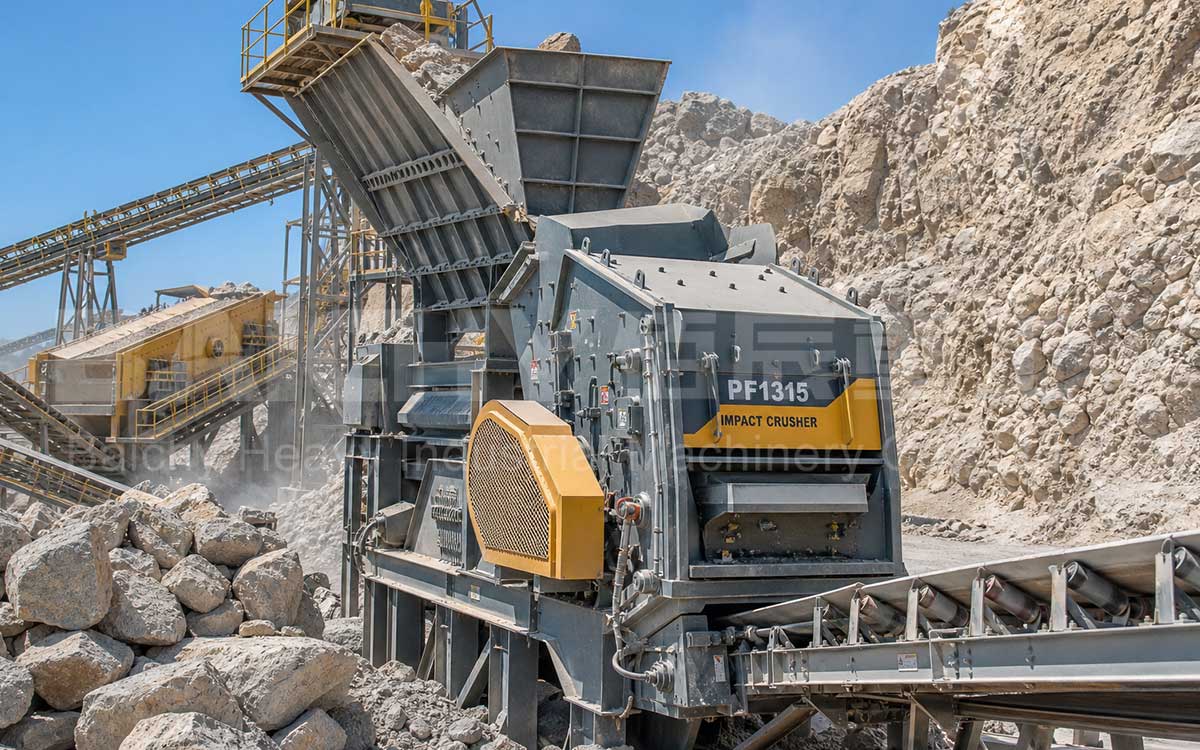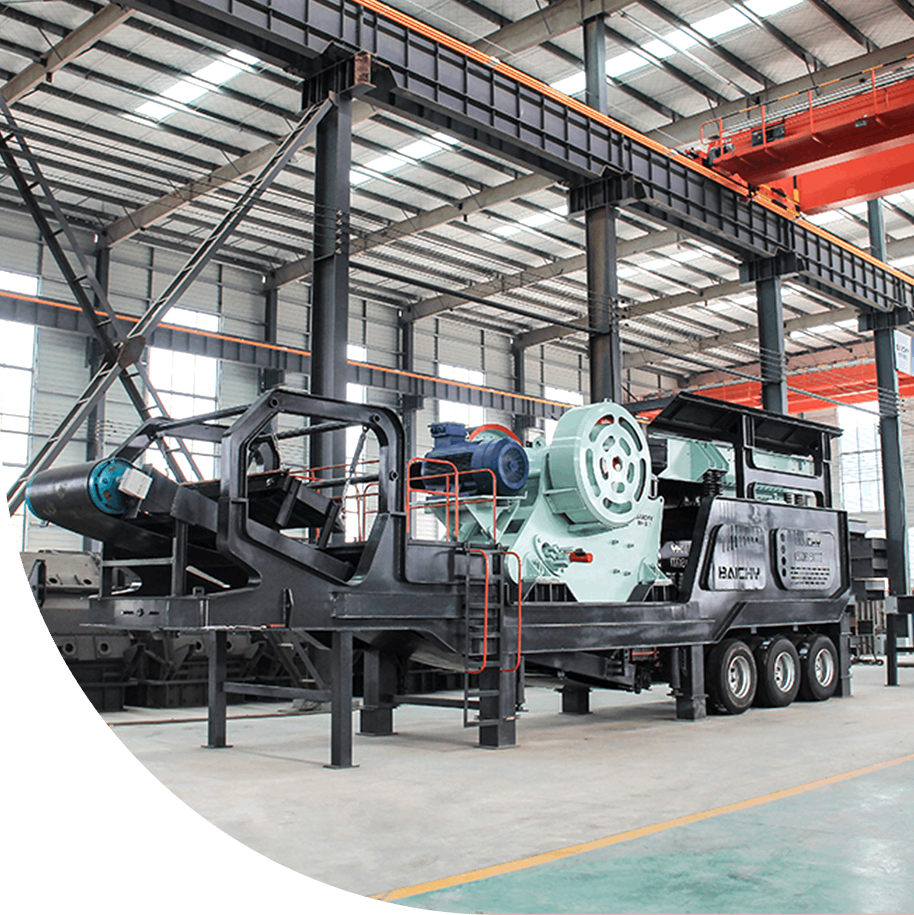

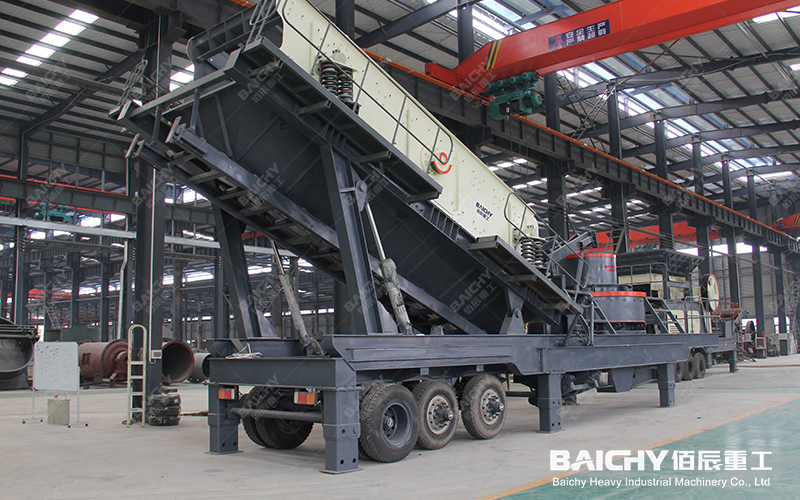
Mobile Sand Making Machine Manufacturer
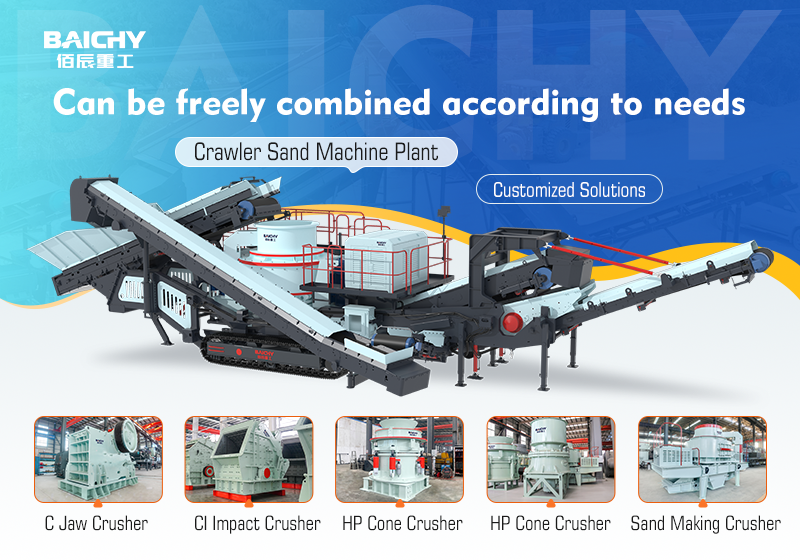
Crawler sand crusher
Faced with increasingly stringent environmental approvals and high material transportation costs, mobile sand making plants are no longer just an "alternative solution" for traditional fixed production lines, but rather the preferred mainstay for modern mining, construction waste recycling, and emergency engineering projects. They integrate five major systems—feeding, crushing, sand making, screening, and conveying—into one unit. No foundation or factory building is required; they can be deployed directly to the raw material site, achieving "on-site construction and immediate sales," completely revolutionizing the production model of sand and gravel aggregates.
I. What is a Mobile Sand Making Production Line?
1.1 Core Definition and Working Principle
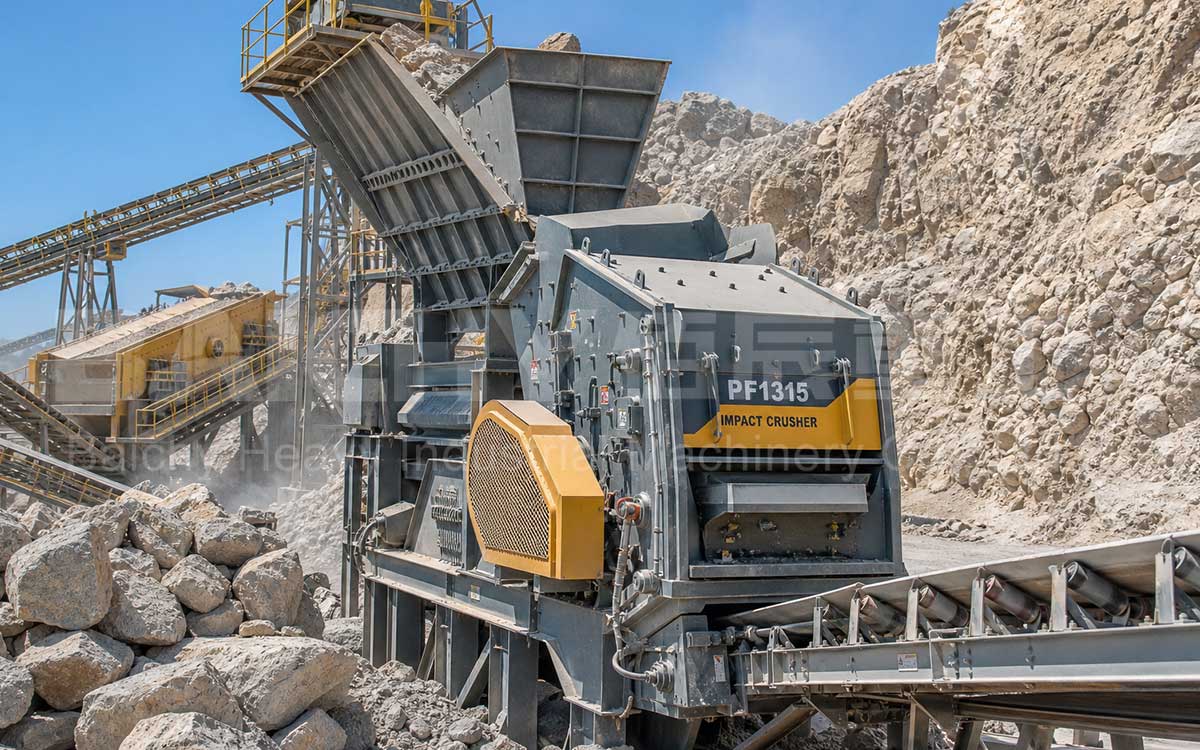
A mobile sand production line is a complete set of equipment that modularly designs and installs the core equipment (such as jaw crushers, impact crushers/cone crushers, sand making machines, and vibrating screens) from traditional fixed sand and gravel aggregate production lines on a dedicated tire-mounted or tracked mobile chassis, equipped with an independent power system (diesel generator set or external mains power).
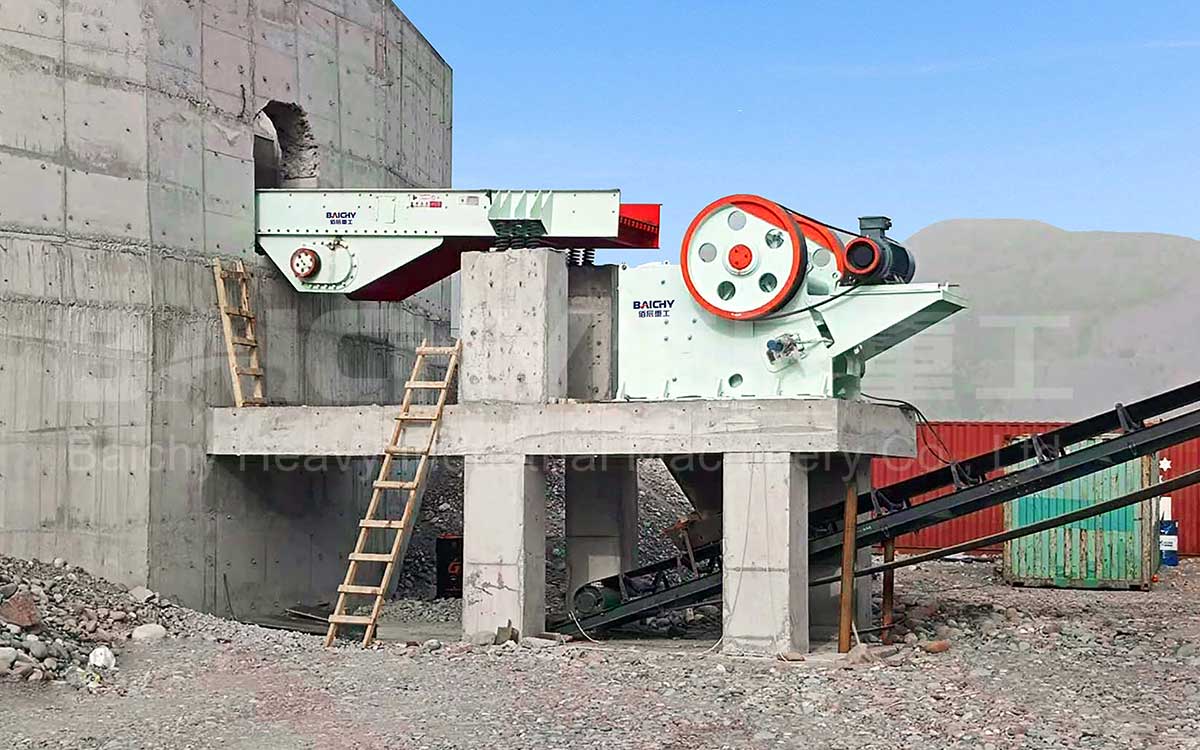
Workflow: Raw materials (large ore/construction waste) → Mobile feeder (pre-screening) → Mobile crusher (coarse/medium crushing) → Mobile sand making machine (fine crushing and shaping) → Mobile screening machine (grading) → Finished sand (0-5mm, 5-10mm, etc.).
1.2 Comparison of Two Mainstream Drive Types
| Features | Tyre-mounted Mobile Sand Making Machine | Track-mounted Mobile Sand Making Machine |
| Mobility | Requires semi-trailer towing, high speed on highways | Fully hydraulic drive, remote control operation, no towing required |
| Applicable Terrain | Flat roads, fixed plant areas, construction site perimeter | Mountains, wetlands, muddy mining areas, complex terrain |
| Transfer Speed | Fast (direct access to highways) | Slow (requires flatbed truck transportation, but flexible on-site movement) |
| Cost | Lower, low investment threshold | High level, high degree of technology integration |
| Typical Scenarios | Construction waste treatment plants, quarries around cities | Deep mountain mining areas, large-scale water conservancy projects, emergency rescue projects |
II. Why Choose Mobile Sand Making?
2.1 Ultimate Flexibility: Breaking Down Site and Approval Barriers
In today's increasingly stringent environmental protection standards, newly built fixed sand and gravel plants often face the dilemma of "difficult environmental impact assessment and difficult land acquisition." Mobile sand making production lines, as "non-permanent structures," have a significantly simplified approval process. Once raw material extraction at one location is complete, the equipment can be quickly moved to the next work site, eliminating the need for repeated construction and perfectly solving the industry pain points of "dispersed raw materials and unfixed sites."
2.2 Direct Cost Reduction: Saving Huge Transportation Costs
Traditional methods require transporting raw materials from the mine to a fixed processing plant, with transportation costs accounting for 30%-50% of operating costs. Mobile sand making machines can be driven directly to the foot of the mine or demolition site, eliminating the need for secondary material transfer. Taking a 200-ton-per-hour production line as an example, transportation costs are reduced by 15-20 yuan per ton, resulting in annual cost savings of several million yuan.
2.3 Rapid Commissioning and Low Labor Dependence
Traditional fixed lines require 3-6 months from civil construction to installation and commissioning, while mobile lines only require 1-3 days for connection and commissioning before sand production. Furthermore, the equipment integrates a PLC intelligent control system, supporting remote monitoring and one-button start/stop. Each line requires only 1-2 operators, significantly reducing labor costs and operational risks.
2.4 Environmental Protection and Comprehensive Resource Utilization
For solid waste resources such as construction waste and tailings, the mobile crushing plant can achieve complete utilization. The equipment is equipped with a sealed cover and a spray dust removal system, with noise levels controlled below 75 decibels, meeting urban construction environmental protection requirements and making it a powerful tool for building "zero-waste cities."
III. Case Studies: How Mobile Crushing Plants Create Efficiency On-Site
3.1 Case Study 1: Zhengzhou, Henan Construction Waste Recycling Project (Tire-Mounted)
• Background: Urban demolition generates a large amount of concrete blocks. Transporting them to suburban landfills is extremely costly and pollutes the environment.
• Solution: Configure two tire-mounted mobile impact crushers (150 tons per hour).
• Results: Direct crushing at the demolition site produces high-quality recycled aggregate (0-4.75mm), directly supplying surrounding commercial concrete plants. Annual processing capacity is 1 million tons of construction waste, saving over 15 million yuan in transportation costs, and achieving 100% resource recycling.
3.2 Case Study 2: Granite Sand Making in the Dali Mountainous Area, Yunnan Province (Tracked)
• Background: The mine is located in a mountainous area at an altitude of 1800 meters, with rugged mountain roads making it impossible to build a fixed plant.
• Solution: The system consists of one tracked jaw crusher (coarse crushing), one tracked cone crusher, and one tracked sand making machine (three-stage crushing).
• Results: The tracked chassis autonomously climbs the slope to the mining face and moves as the mining face advances. The finished sand is directly used in the construction of a nearby highway, reducing the transportation radius by 80 kilometers and shortening the project's investment payback period to 8 months.
IV. Equipment Selection and Recommended Configuration
Based on your raw material hardness and output requirements, we offer the following optimal configuration options:
| Raw Material Type | Recommended Core Unit | Recommended Mobile Unit Type | Typical Output (t/h) | Applicable Scenarios |
| Granite, Basalt (High Hardness) | Jaw Crusher + Multi-cylinder Cone Crusher + VSI Sand Making Machine | Tracked (Fully Hydraulic) | 100-350 | Large-scale Mines, Hard Rock Sand Making |
| Limestone, Bluestone (Medium Hardness) | Jaw Crusher + Impact Crusher + Impact Sand Making Machine | Tire-Mounted (Economy) | 80-250 | Small and Medium-sized Quarries, Aggregate Processing |
| Construction Waste, Concrete Blocks | Jaw Crusher + Impact Crusher (with Magnetic Remover) | Tire-Mounted (Dustproof) | 100-200 | Urban Demolition, Solid Waste Treatment |
| River Pebbles, Cobblestones | Single-cylinder Cone Crusher + VSI Sand Making Machine | Tracked/Tire-Mounted | 50-150 | River Management and Replacement of Manufactured Sand |
Technical Tip: For raw materials with high soil content (such as weathered rock), it is strongly recommended to install a mobile screening feeder before the mobile crushing station to remove soil first, which can significantly improve the lifespan of the sand making machine and the mud content of the finished sand.
V. Frequently Asked Questions (FAQ)
5.1 Why is the output of a mobile sand making machine lower than that of a fixed line?
A: This is a misunderstanding. The output of modern high-end mobile sand making production lines (such as tracked types) is already on par with that of fixed equipment of the same model (e.g., over 300 tons per hour). The perception of "lower" output is usually due to:
1. Simplified configuration: A single mobile station often only performs one stage of crushing; multiple units need to work together for high output.
2. Material characteristics: Mobile lines often handle construction waste or wet materials, which are prone to clogging, leading to instantaneous output fluctuations. It is recommended to choose a model with pre-screening and heating functions.
5.2 How should cables and belts be handled when moving equipment?
A: A mature design has addressed this issue:
• Cable Reel: The equipment features a built-in hydraulic or electric reel, automatically retrieving the main cable, which can be tens of meters long, during relocation without manual winding.
• Folding Belt Conveyor: The discharge belt conveyor uses a hydraulic folding design, with a transport length of only about 10 meters and an extension of 20-30 meters in working mode, achieving automated deployment and retraction.
5.3 Is the mobile sand making machine prone to breakdowns? Are maintenance costs high?
A: The mechanical reliability of the mobile station is completely consistent with that of the fixed equipment (the core crusher is the same). Its maintenance focuses on:
• Walking System: For tire-mounted machines, tire pressure and suspension need to be checked regularly; for tracked machines, track wear and tension need to be checked.
• Vibration Prevention Measures: Because the equipment moves under vibration, bolt loosening checks need to be strengthened (it is recommended to tighten bolts in key areas every shift).
• Cost Comparison: Although chassis maintenance increases some costs, the savings in civil engineering depreciation and equipment relocation and installation costs far outweigh these expenses, resulting in a lower overall lifecycle cost.
VI. Conclusion
Mobile sand making machines are not just equipment, but a mobile business model. They allow sand and gravel producers to shift from "waiting for materials at their plants" to "actively seeking out raw materials," directly controlling the source of raw materials. If you are facing challenges such as scattered mining areas, significant environmental pressures, or a desire to quickly enter the sand and gravel market, a customized mobile sand making production line will be your sharpest weapon for "gold mining."
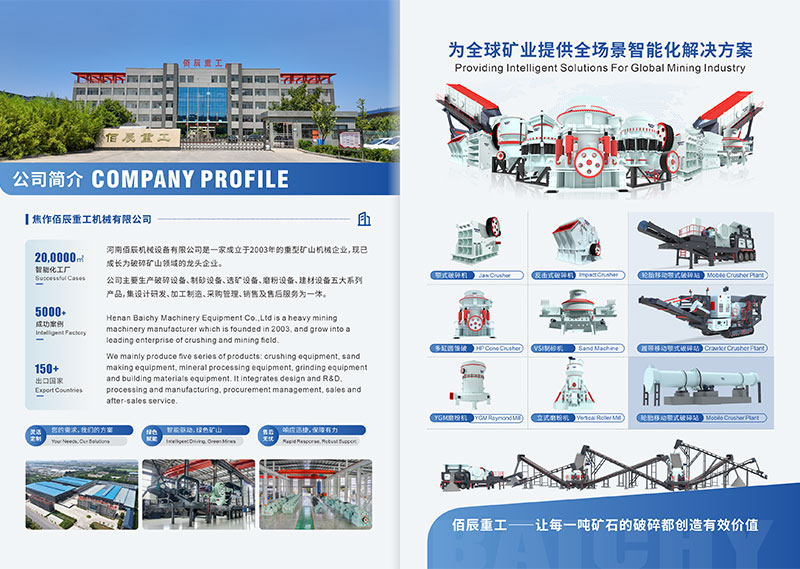
About of Baichy Heavy Industry
Baichy Heavy Industry is a high-tech mining equipment company integrating R&D, manufacturing, sales, and after-sales service. Focusing on crushing, grinding, and mineral processing equipment, we provide professional solutions to our customers. We are ISO9001:2015 、certified, and our products include mobile crushing palnts, crawler crushing plant, construction waste crushing plants, jaw crushers, sand making machines, cone crushers, fine crushers, grinding mills, ball mills, etc., all with reliable performance to meet diverse project needs.
Our advantages:
• Professional pre-sales support: Free project design and comprehensive solutions to help you accurately select the right equipment;
• Comprehensive on-site service: Providing installation guidance and worker training to ensure smooth equipment commissioning;
• Reliable after-sales guarantee: A complete after-sales system, timely response to technical inquiries and equipment maintenance, ensuring long-term stable operation.
To protect your rights, please contact us through the following official channels for professional service:
Official Website Customer Service
WhatsApp: 0086-15093222637
Email: [email protected]
We are committed to providing high-quality equipment and full-cycle services to deliver comprehensive intelligent solutions for the global mining industry!