
Mining Crushing Equipment
Mining crushing equipment represents the first critical stage in the mining value chain and is the area where energy consumption, wear and tear, and downtime costs are most concentrated. Errors in equipment selection are never merely isolated incidents; they trigger a chain reaction that collapses the productivity and cost-efficiency of the entire production line. This article presents a practical selection framework and equipment matrix based on three dimensions: actual production capacity, Total Cost of Ownership (TCO), and suitability for specific operating conditions.
I. Assessing Requirements: Three Downstream Sectors, Three Logics
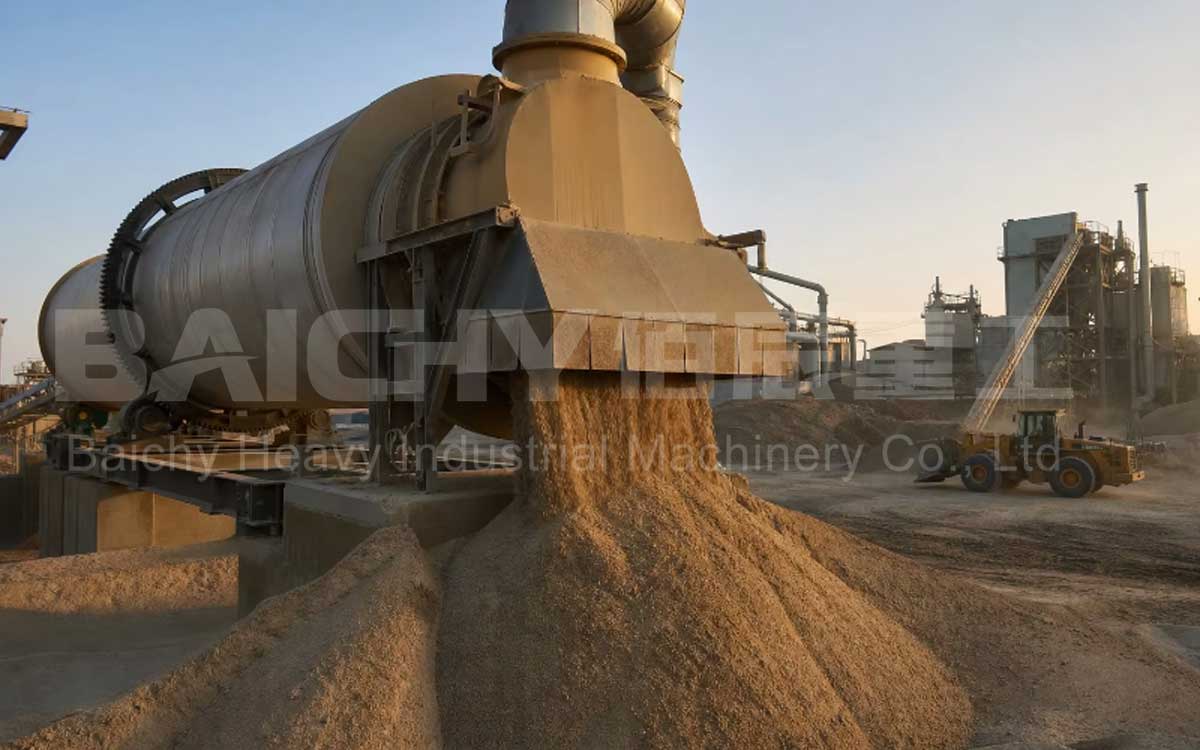
Procurement logic for mining crushing equipment varies by downstream application. Sand and aggregate production prioritizes particle shape and grading stability; metal mining focuses on reduction ratios and integration efficiency with downstream grinding processes; and cement raw material production demands continuous, stable, high-volume output. Assessing requirements begins with three key data points: material compressive strength and abrasiveness, target capacity (t/h), and finished product shape specifications. Neglecting any of these factors results in a "double penalty" after commissioning, manifesting as costly downtime and rework. Industry estimates place global annual sand and aggregate production at over 50 billion tons, making crushing equipment one of the largest and most rapidly evolving categories of mining machinery; equipment selection determines not only the upper limit of production capacity but also the lower limit of cost-per-ton.
II. Equipment Matrix: Defining Boundaries by Operating Conditions
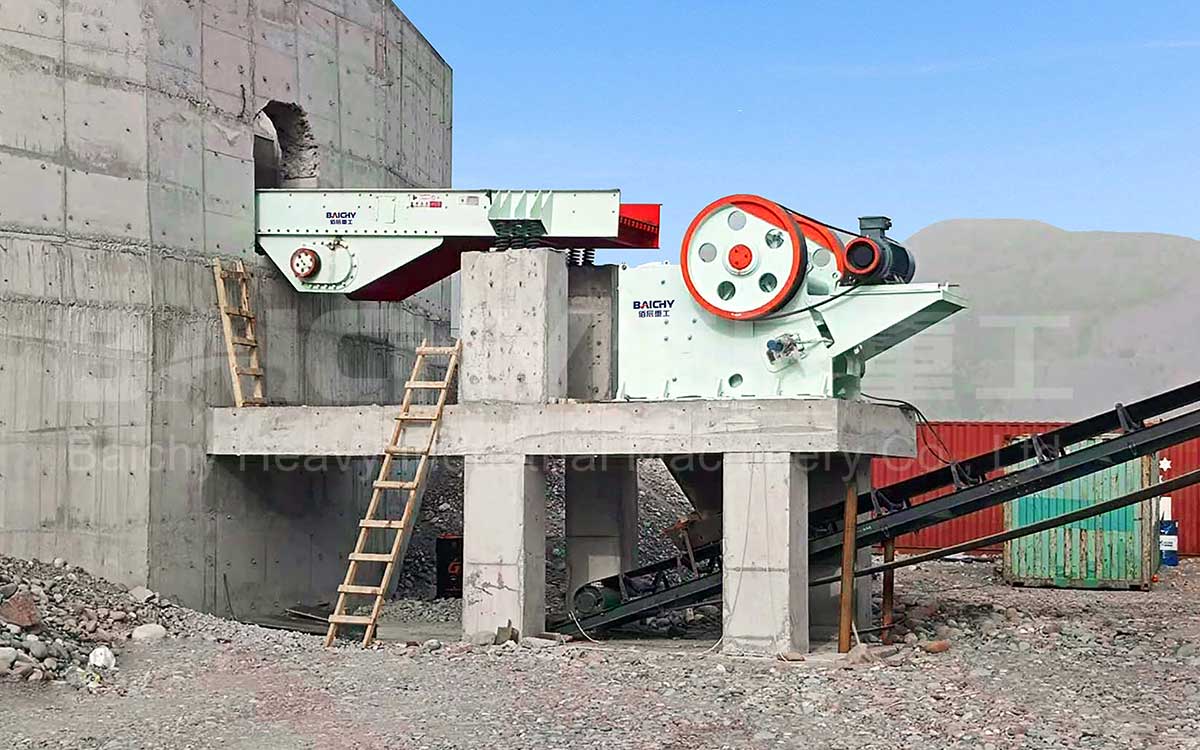
Jaw Crusher
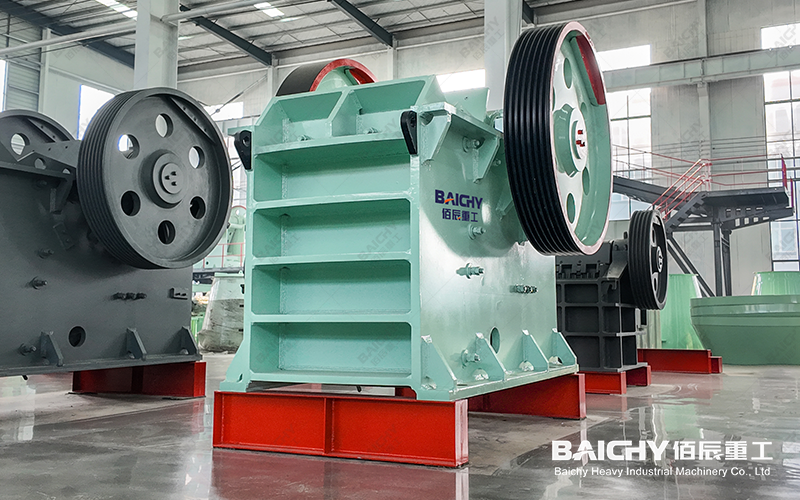
1. Jaw Crusher (PE/PEX Series): The primary choice for the initial crushing stage of rock and ore with compressive strengths below 300 MPa. Features include large feed size capacity, robust structural reliability, and ease of maintenance, making it ideal for the first stage of hard-rock mining operations and large-scale production lines.
CS Symons Cone Crfusher
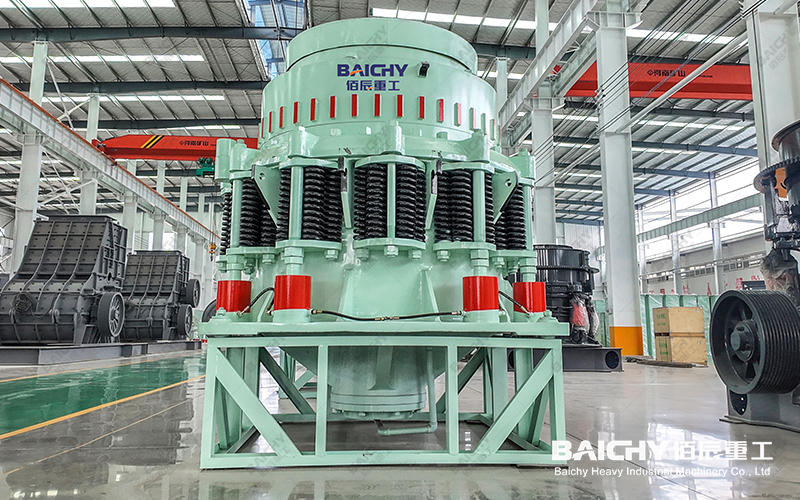
2. Cone Crusher (CS/HP/PYB Series): Utilizes the principle of inter-particle (lamination) crushing to produce uniform particles with low flake and elongation content. It is the preferred choice for secondary and tertiary crushing of high-hardness ores and pairs with jaw crushers to form a classic hard-rock processing circuit.
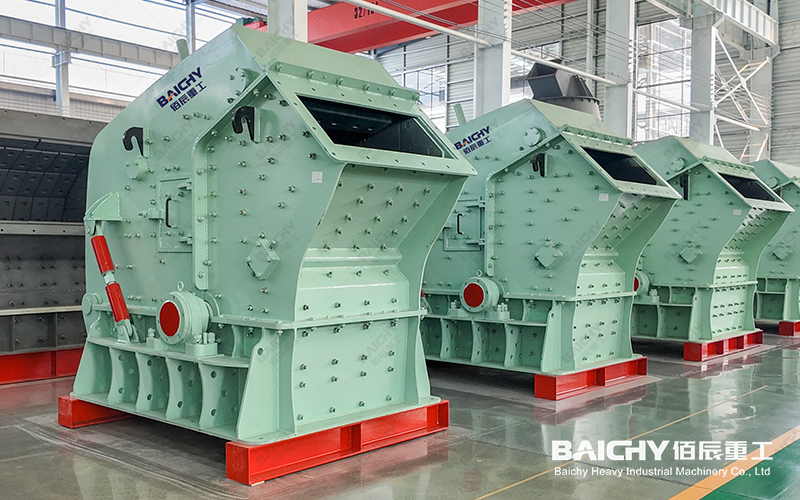
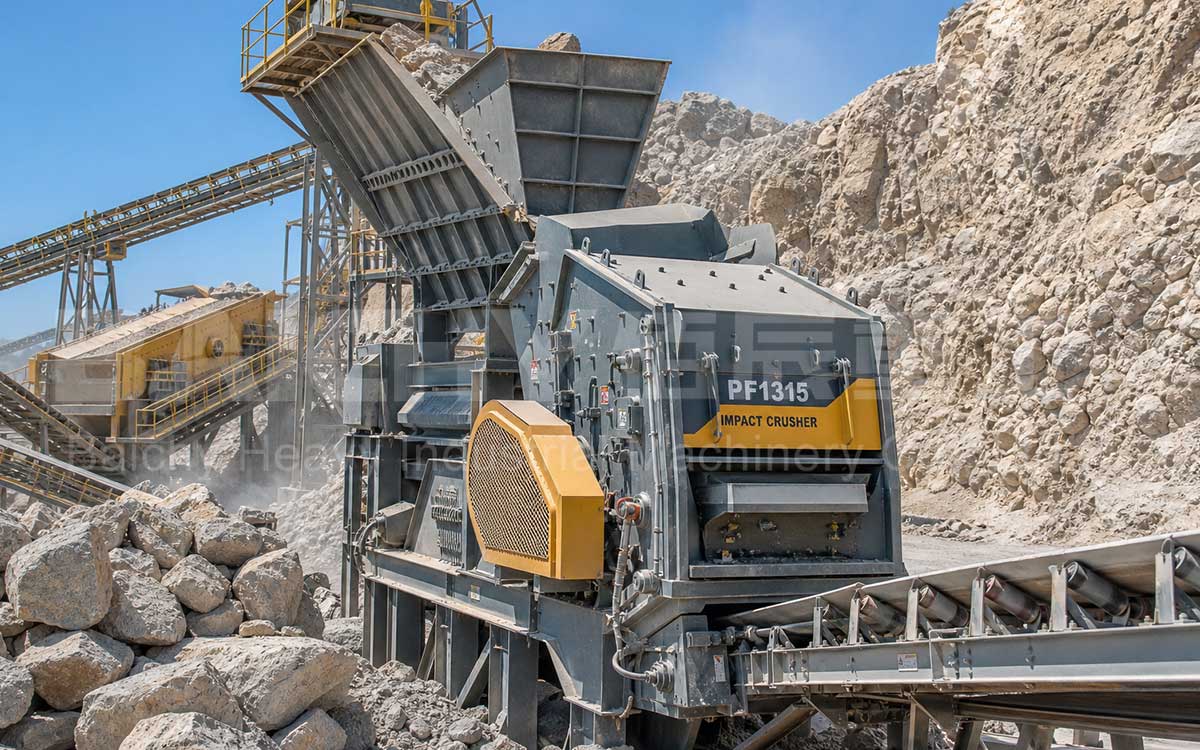
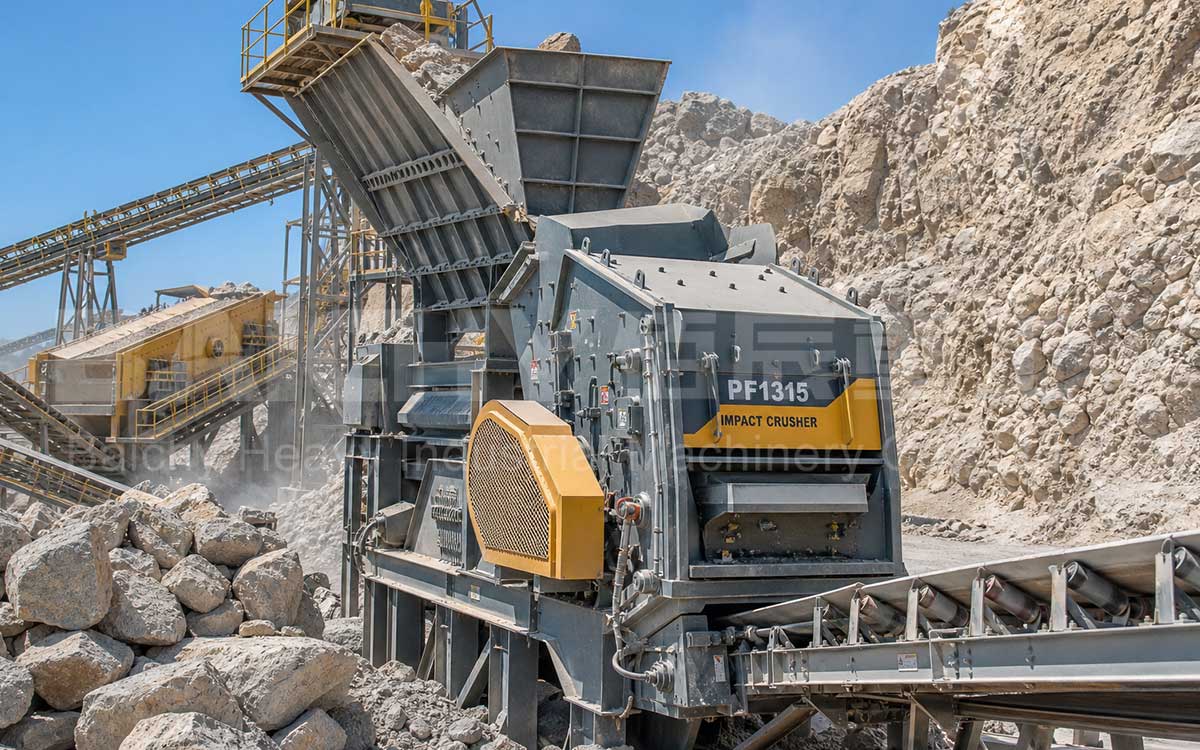
Impact Crusher
3. Impact Crusher (PF Series): Offers high reduction ratios and excellent product shape. Suitable for secondary crushing and shaping of medium-to-soft rock (such as limestone), this equipment combines crushing and shaping functions into a single unit.
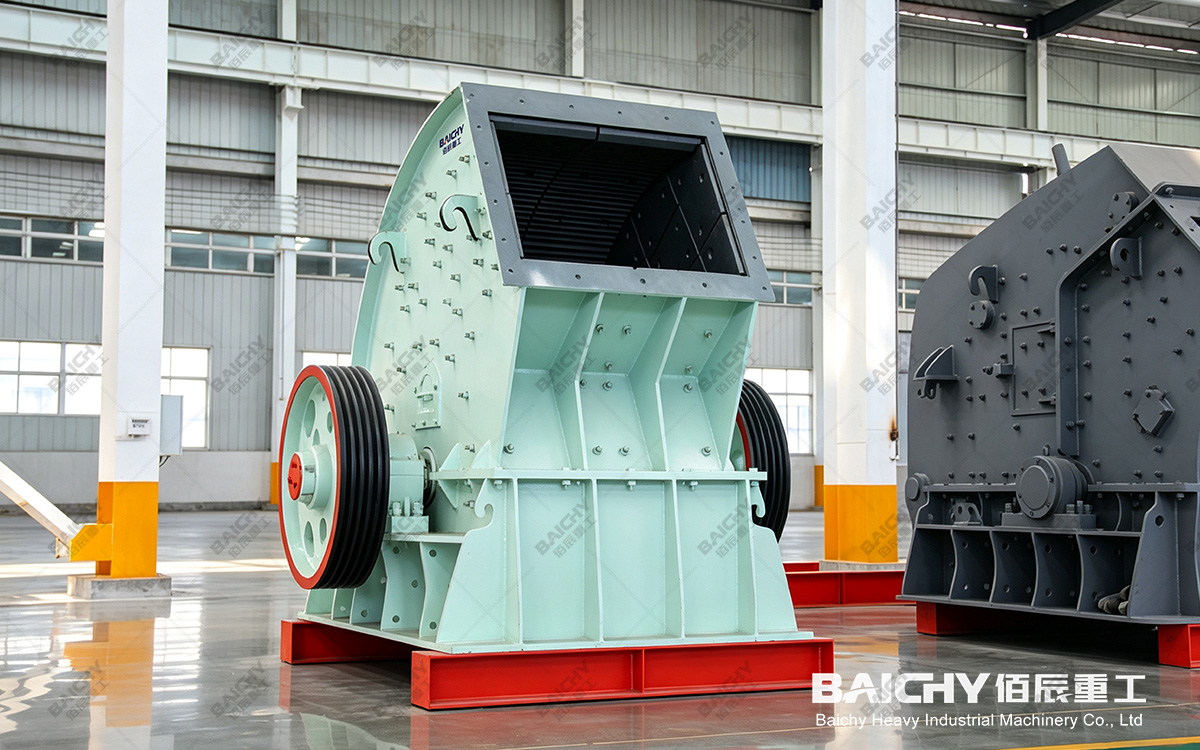
Heavy Hammer Crusher
4. Hammer Crusher (2PC/PCK Series): Enables single-stage shaping and process simplification. Ideal for small-to-medium production lines handling medium-to-soft materials, it offers the lowest barriers regarding equipment investment and footprint. 5. Sand-making equipment (VSI/Roll Crusher series): Essential for manufactured sand production; VSI models offer particle shaping capabilities and produce sand with ideal gradation, while roll crushers are suitable for fine and ultra-fine crushing applications.
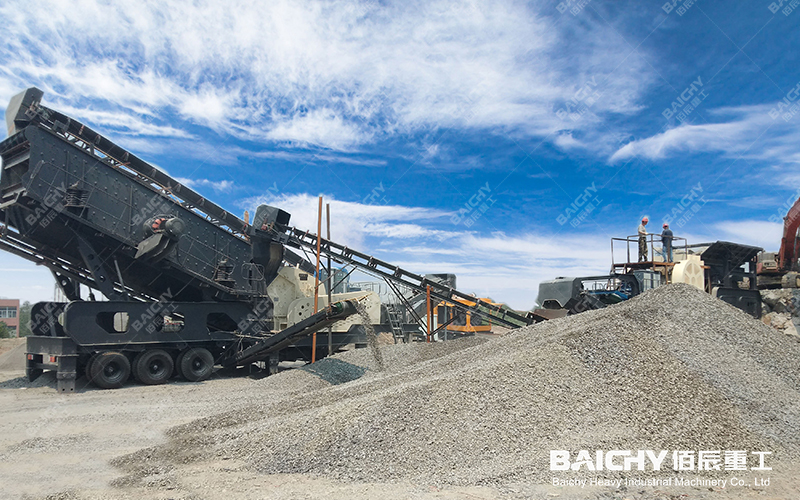
Mobile Crushing Plant
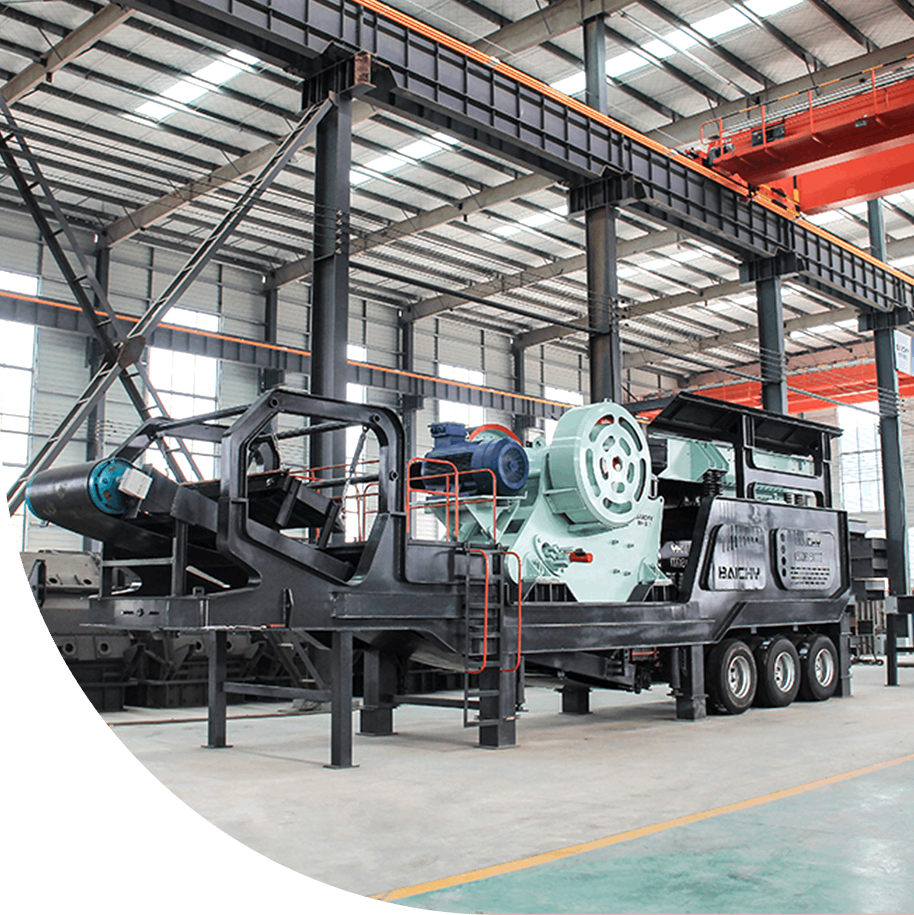
6. Mobile crushing stations (YDPZ series): Designed for mining and infrastructure projects requiring frequent relocation or operating under tight schedules. Available in wheeled or tracked configurations, these units feature flexible combinations of jaw or impact crushers as the primary unit; they require no concrete foundations or lengthy installation periods, allowing for immediate operation upon arrival at the site.
III. Core Parameter Comparison Table
The table below lists typical parameter ranges for the six major equipment models; specific model selection should be based on calculations tailored to actual operating conditions.
| Equipment Type | Suitable Materials | Feed Size | Capacity Range | Discharge Size | Typical Application |
| PE Jaw Crusher | Hard rock (granite, basalt, etc.) | ≤1000 mm | 45–800 t/h | 50–300 mm | Primary crushing |
| CS/HP Cone Crusher | Medium-to-high hardness ore | ≤350 mm | 45–800 t/h | 5–60 mm | Secondary/Tertiary crushing |
| PF Impact Crusher | Medium-soft rock (limestone, coal gangue, etc.) | ≤800 mm | 30–600 t/h | 10–80 mm | Secondary crushing/Shaping |
| 2PC/PCK Hammer Crusher | Medium-soft materials | ≤350 mm | 10–300 t/h | 0–40 mm | Single-stage shaping |
| VSI Sand-making Machine | Sand production from various ores | ≤50 mm | 30–650 t/h | 0–10 mm | Manufactured sand/Shaping |
| YDPZ Mobile Crushing Station | Multi-scenario combinations | Depends on main unit | Depends on main unit | Depends on main unit | Site transfer/Emergency use |
IV. Process Configuration: Maximizing the value of material at every crushing stage
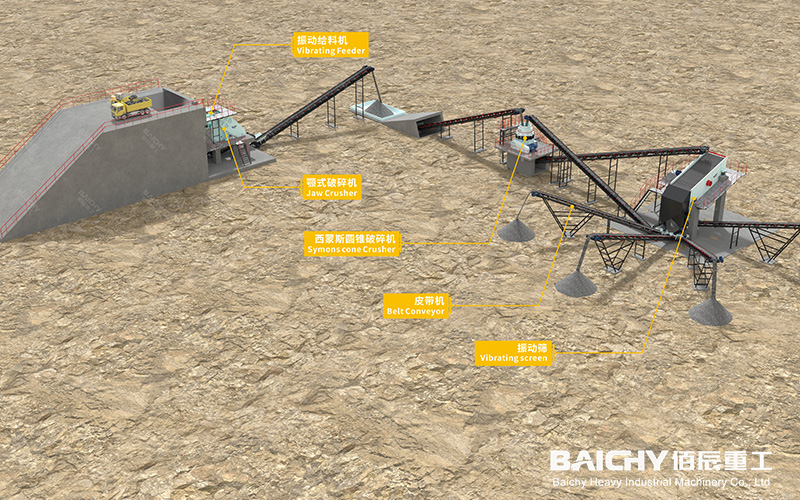
Schematic diagram of a secondary crushing production line
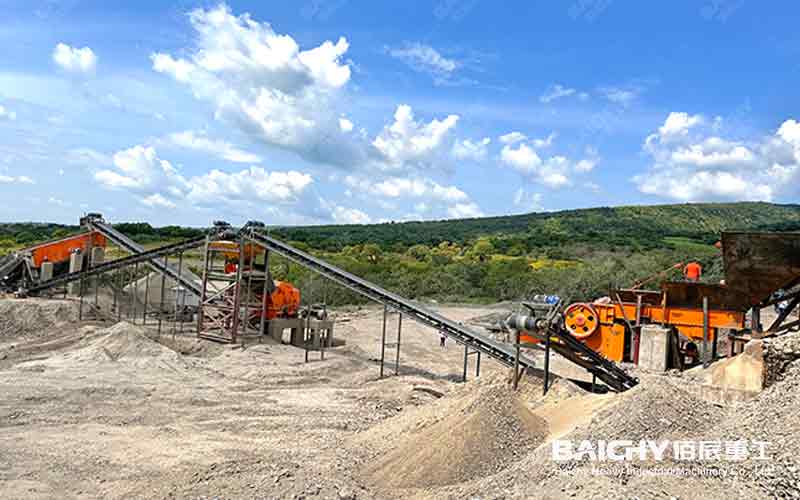
1. Hard rock production lines typically employ a two-stage or three-stage closed-circuit process using "Jaw Crusher + Cone Crusher": the jaw crusher handles primary (coarse) crushing, the cone crusher handles secondary and tertiary (medium-fine) crushing, and vibrating screens perform classification, with oversized material recirculated for re-crushing.
2. Production lines for medium-soft rock and manufactured sand utilize a "PF Impact Crusher/Hammer Crusher + VSI" combination to integrate crushing and shaping. Although a closed-circuit loop requires an additional screening stage, it stabilizes product gradation within the target range, ultimately resulting in a lower comprehensive cost per ton.
3. Scenarios involving ultra-hard rock or requirements for high product fineness can be upgraded to three-stage crushing; however, configurations exceeding four stages show significantly reduced economic efficiency, so inter-particle (lamination) crushing should be prioritized as an alternative. For high-output production lines, it is essential to integrate iron removal, dust extraction, and washing stages to prevent metal contaminants and dust from clogging or damaging the crushing chamber.
V. Five Key Value Propositions: Translating Specifications into Profit
1. Genuine capacity—no inflated figures. Nominal capacity is based on standard materials; adjustments are required when processing different materials. We generate empirically calibrated capacity curves based on the bulk density, moisture content, and feed size of your specific material, ensuring performance meets benchmarks from day one—without relying on "ideal operating conditions" to embellish data.
2. TCO (Total Cost of Ownership). The initial purchase price is only a fraction of the total cost; the lifespan of wear parts and electricity consumption per ton are the major factors. For example, upgrading the material of jaw crusher jaw plates can extend their service life by 30%–50%, directly reducing the cost per ton; the same applies to cone crusher liners and hammer heads—proper material selection can yield significant annual savings on spare parts.
3. Flexible power compatibility. Supports 380V/400V/440V voltages and 50/60Hz grid frequencies. For regions with power restrictions, optional soft-start systems and backup power solutions are available to ensure continuous, uninterrupted operation.
4. Maintenance-friendly design. Features such as hydraulic discharge opening adjustment, modular construction, and centralized lubrication systems minimize maintenance downtime and reduce losses associated with production stoppages.
5. Immediate production. Mobile crushing stations require no concrete foundations or lengthy commissioning periods; for overseas projects, the transition from site arrival to stable output can be completed in as little as one week, accelerating cash flow recovery.
VI. Common Pitfalls in Equipment Selection
Pitfall 1: Pursuing "bigger is better"—selecting a machine with a capacity far exceeding actual needs, resulting in wasted energy (no-load losses) and unnecessary depreciation costs.
Pitfall 2: Ignoring material abrasiveness—choosing a hard-rock crusher for soft-rock applications, which unnecessarily drives up purchase and spare-part costs.
Pitfall 3: Focusing solely on price rather than cost-per-ton—overlooking differences in wear-part lifespan and energy consumption. The correct selection sequence is always: define material and capacity first, determine the process flow next, and discuss price and delivery schedule last.
VII. Mining Crushing Equipment FAQ
1. How do I select the right mining crushing equipment? What are the key criteria?
First, determine three sets of data: material compressive strength and abrasiveness, target production capacity (t/h), and requirements for the shape of the finished product. For hard rock (granite, basalt), the "jaw crusher + cone crusher" route is standard; for medium-soft rock (limestone, coal gangue), impact crushers or hammer crushers are used; for sand-making applications, a VSI crusher or double-roll crusher is added. Ignoring any of these parameters will result in a "double penalty" after commissioning, manifesting as downtime and rework.
2. What is the difference between a jaw crusher and a cone crusher, and how should they be combined?
The jaw crusher handles primary crushing and accepts feed sizes exceeding 1000mm; its simple, impact-resistant structure makes it ideal for the initial stage. The cone crusher handles secondary and tertiary crushing; its inter-particle (lamination) crushing principle ensures uniform particle shape and low flake/elongation content. A classic configuration for hard rock lines is "jaw crusher (coarse) + cone crusher (medium/fine) + vibrating screen (closed-loop circulation)," where oversized material is recirculated for re-crushing.
3. Why do nominal capacity and actual capacity differ?
Nominal capacity is based on standard material (with ideal bulk density, moisture content, and feed size); switching materials requires recalculation. We provide capacity curves calibrated against actual measurements based on the material parameters you supply, ensuring alignment from the start of production and eliminating selection errors caused by "theoretical" capacity figures.
4. How do I choose between an impact crusher and a hammer crusher?
Impact crushers offer high reduction ratios and excellent product shape, combining medium crushing and shaping in one machine—ideal for lines with strict shape requirements. Hammer crushers achieve the desired product in a single pass with the shortest process flow, requiring the lowest investment and footprint—ideal for small-to-medium lines processing medium-soft materials. Neither is suitable for highly abrasive hard rock, as the cost of wear parts would significantly drive up the cost per ton.
5. Should I use a VSI crusher or a double-roll crusher for manufactured sand?
The VSI sand-making machine combines sand production with shaping capabilities, yielding sand with ideal gradation—making it suitable for large-scale manufactured sand production lines. In contrast, the double-roll crusher is designed for fine and ultra-fine crushing applications and offers a more compact investment profile. The choice depends on the target output and required product fineness; both types can be integrated with screening equipment to form a closed-circuit system.
6. What scenarios are mobile crushing stations suitable for? How long does it take to put them into operation?
They are ideal for projects involving frequent site transfers, tight schedules, or constrained mine site conditions. Options include wheeled or tracked chassis, flexibly configured with either jaw or impact crushers as the primary unit. They require no concrete foundations or lengthy installation periods; for overseas projects, the transition from site arrival to stable output can be completed in as little as one week.
7. Is the maintenance cost high? What is the service life of wear parts?
The initial purchase price represents only a fraction of the total cost; the service life of wear parts and electricity consumption per ton are the primary cost drivers. Taking jaw crusher jaw plates as an example, upgrading the material can extend service life by 30%–50%, directly reducing the cost per ton; the same principle applies to cone crusher liners and hammer heads. The entire series comes standard with hydraulic discharge opening adjustment, modular design, and centralized lubrication systems to minimize downtime during maintenance.