
Mining Jaw Crushers
The mining jaw crusher is the preferred equipment for the primary crushing stage in both metallic and hard non-metallic rock mining operations. A single unit can reduce run-of-mine ore (sized 500–630 mm) to under 100 mm, providing a stable feed for subsequent secondary/tertiary crushing and grinding stages. Equipment selection for the primary crushing stage directly determines the production line's maximum capacity and energy consumption per ton. This article examines five key aspects—working principles, application scenarios, PE series specifications, real-world case studies, and selection recommendations—to help mining enterprises make cost-effective, well-informed decisions.
I. Overview of Mining Jaw Crushers: Why They Are Essential for Primary Crushing
Blasted run-of-mine ore typically ranges from 500 to 750 mm in size, whereas the maximum feed size for secondary and tertiary crushers—such as cone crushers and impact crushers—is generally under 300 mm. Consequently, primary crushing equipment is required to bridge this gap. The mining jaw crusher serves as the "first line of defense" in this process.
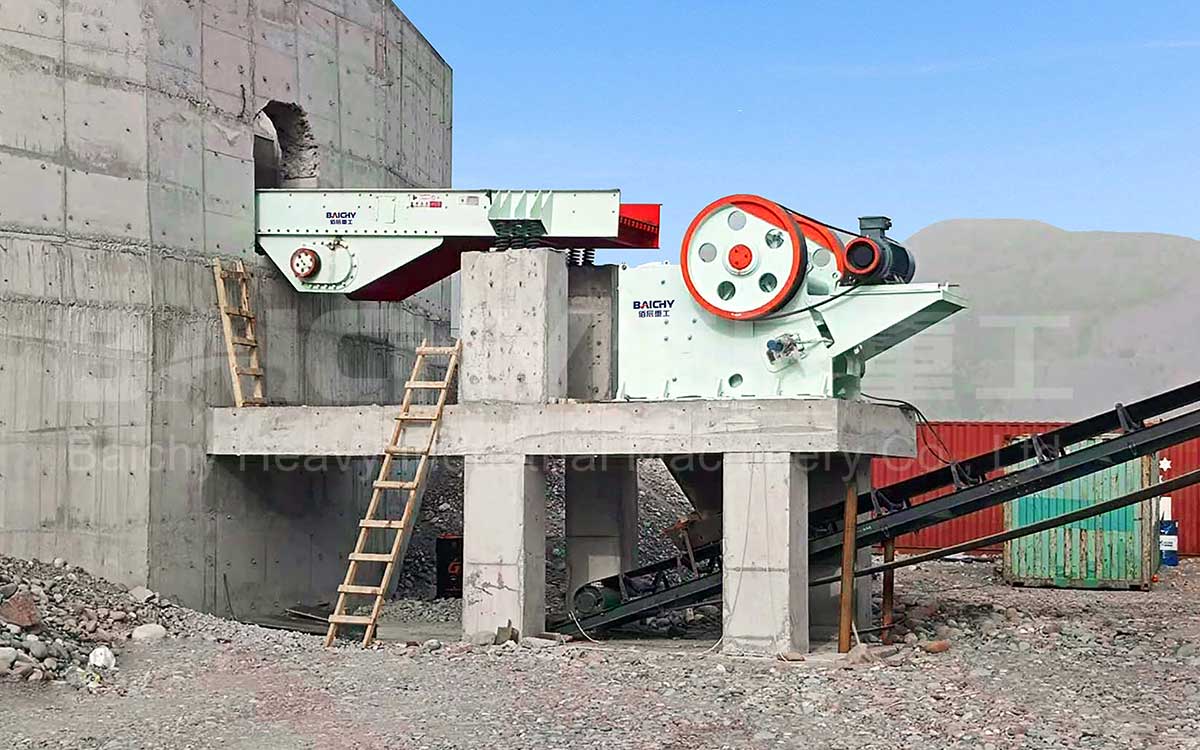
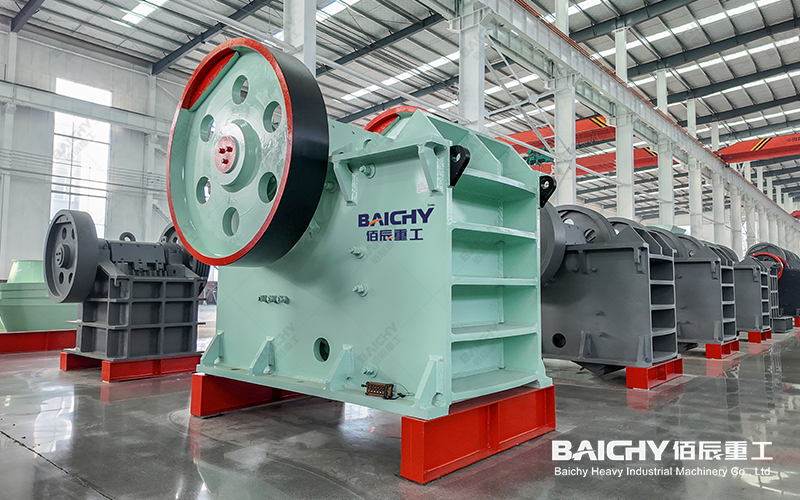
Its working principle is straightforward: a motor drives an eccentric shaft, causing the swing jaw to move back and forth relative to the fixed jaw. Material is progressively crushed through a combination of compression and splitting forces until it is reduced to a size that allows it to pass through the discharge opening. Compared to gyratory crushers, jaw crushers feature a simpler structure, lower investment costs, and easier maintenance. They offer exceptional cost-performance value for capacities below 1,000 t/h, making them the standard choice for primary crushing in the vast majority of small- and medium-sized mines worldwide.
Modern mining models typically utilize a deep-cavity, compound-pendulum structure. This design features a small nip angle and a deep crushing chamber, which prevents material from jamming at the inlet and achieves a single-stage reduction ratio of 4:1 to 6:1—sufficient to meet the feed requirements of downstream equipment in a single pass. For mining enterprises, the reliability of the primary crushing stage is critical to the continuous operation of the entire production line; this is why prioritizing "capacity redundancy and structural reliability" during equipment selection is far more important than simply minimizing the initial purchase price.
Hard Rock Crushing Equipment
II. Typical Application Scenarios
2.1 Primary Crushing of Metallic Ore
In mines producing metals such as gold, copper, iron ore, and manganese, jaw crushers are commonly employed for the initial stage of the mineral processing workflow. Taking the complete CIL/CIP gold processing workflow as an example—comprising primary crushing (jaw crusher) → secondary crushing (cone/impact crusher) → fine grinding (ball mill)—the discharge size from the jaw crusher directly determines the energy consumption and efficiency of the subsequent grinding stage. A more uniform discharge ensures a more stable feed size for the ball mill, thereby reducing specific electrical energy consumption during grinding.
2.2 Non-metallic Hard Rock and Aggregate Production
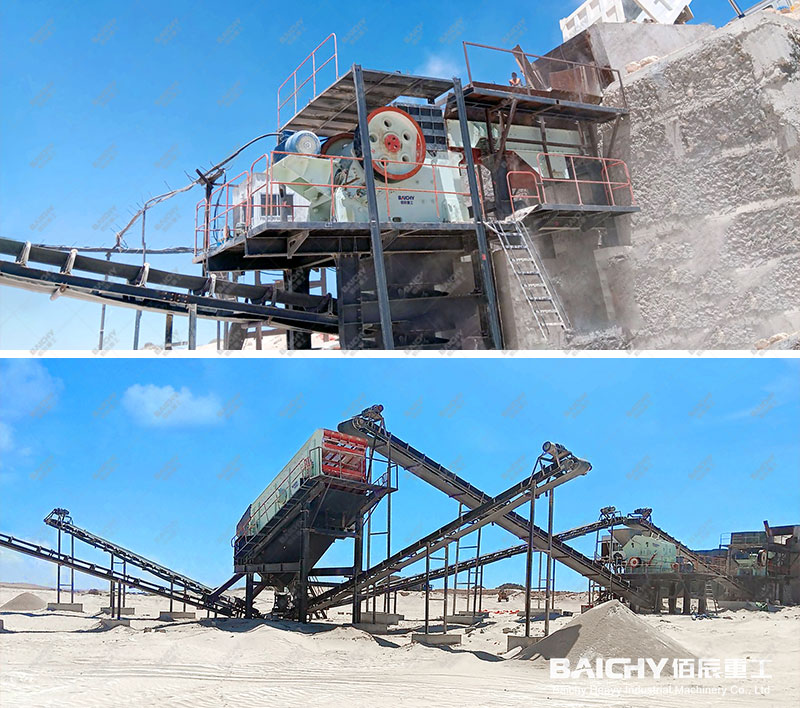
The production of aggregates for highway, railway, and airport projects—using hard rock materials such as granite, basalt, river pebbles, and limestone—also relies on jaw crushers for the initial crushing stage. Materials in these applications are often highly abrasive, placing greater demands on the wear life of the jaw plates and serving as a true test of the robustness of the jaw crusher's "deep crushing chamber + high reduction ratio" design.
2.3 Mobile Crushing and Construction Waste Processing
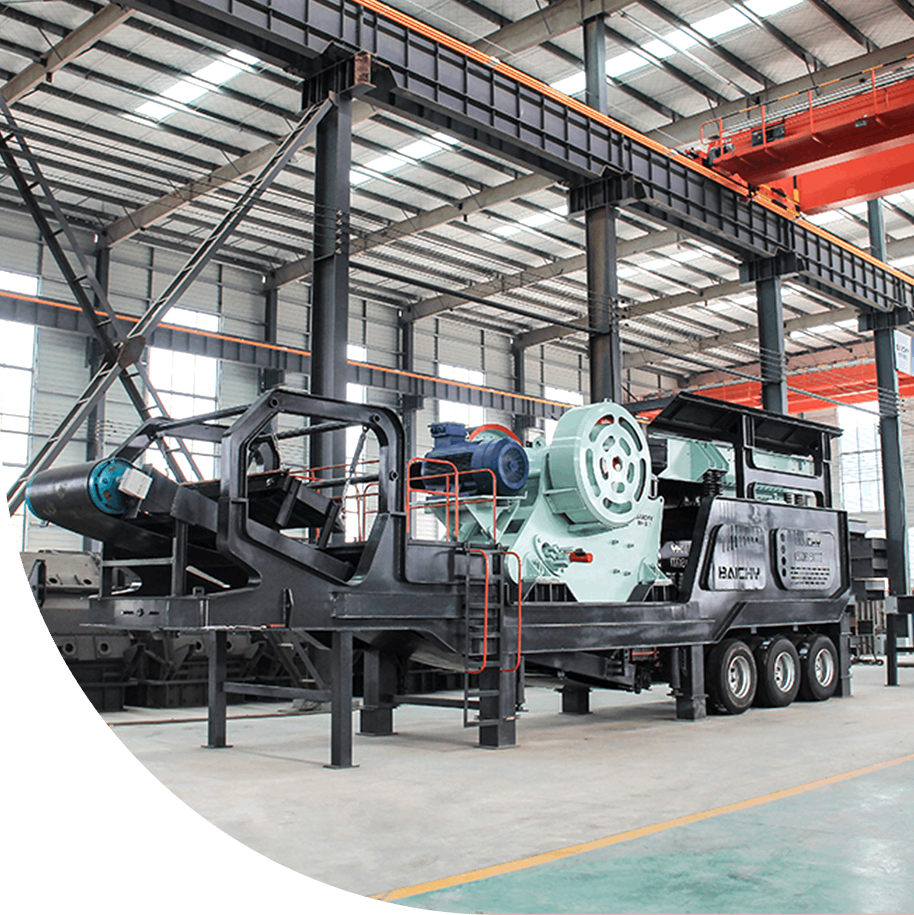
Integrating a jaw crusher into a tracked or wheeled mobile station (such as the Baichy YDPZ series) allows for flexible relocation between dispersed material sources—such as mine overburden sites and construction waste stockpiles—enabling "mobile primary crushing and on-site processing." For projects with variable material sources or limited transportation radii, mobile jaw crushing stations offer an effective solution for minimizing logistics costs.
III. Comparison of Key Specifications for PE Series Jaw Crushers
The table below lists specifications for typical models in the Baichy PE series, covering a capacity range of 50–450 t/h:
| Model | Feed Opening Size (mm) | Max. Feed Size (mm) | Discharge Adjustment Range (mm) | Processing Capacity (t/h) | Motor Power (kW) |
|---|---|---|---|---|---|
| PE-400×600 | 400×600 | 340 | 40–100 | 16–65 | 30 |
| PE-500×750 | 500×750 | 425 | 50–100 | 45–100 | 55 |
| PE-600×900 | 600×900 | 500 | 65–160 | 50–160 | 55–75 |
| PE-750×1060 | 750×1060 | 630 | 80–140 | 110–320 | 90–110 |
| PE-900×1200 | 900×1200 | 750 | 95–165 | 220–450 | 110–132 |
Selection Tip: The capacities listed are based on medium-hardness limestone (bulk density approx. 1.6 t/m³); for hard rock applications such as granite or basalt, actual capacity is approximately 70–85% of the listed values. Additionally, motors can be customized to 380V/400V/440V and 50Hz/60Hz configurations to match local power standards—a detail often overlooked in overseas mining projects that directly impacts commissioning and operation.
IV. Key Advantages: From Specifications to Profitability
4.1 High Crushing Ratio Simplifies the Production Line
A single-stage crushing ratio of 4:1–6:1 means that, in certain scenarios, an intermediate crushing stage can be eliminated; removing one piece of equipment reduces both potential points of failure and energy consumption. Taking a 50 t/h production line as an example, simplifying the primary crushing stage can save approximately 50,000–80,000 RMB annually in equipment depreciation and maintenance costs.
4.2 Wear-resistant design reduces per-ton consumption costs
The jaw plates are made of high-manganese steel (ZGMn13) and feature a deep-cavity curved design; when processing moderately abrasive materials, the service life of the jaw plates can reach 6–12 months. In hard-rock applications, the plates can be flipped periodically to effectively double their service life. As the primary wear part of the jaw crusher, the jaw plate's lifespan directly determines the per-ton cost of crushing spare parts.
4.3 Hydraulic adjustment and tramp iron protection
Hydraulic discharge opening adjustment allows for width changes within minutes, eliminating the need for machine shutdowns or disassembly. The tramp iron protection system automatically retracts when uncrushable objects (such as drill rods or anchor bolts) enter the crushing chamber, preventing equipment damage and reducing unplanned downtime.
4.4 Rapid commissioning and low maintenance requirements
The jaw crusher features a simple structure and a short installation period; operation and maintenance do not require highly specialized skills—a crucial advantage for overseas mining operations with high personnel turnover. Routine maintenance involves only lubrication and checks on fasteners and jaw plate wear, with annual maintenance man-hours far lower than those required for gyratory crushers of equivalent capacity.
4.5 Greater transparency in total lifecycle costs
A Total Cost of Ownership (TCO) analysis—factoring in purchase price, annual spare part consumption, power consumption, and downtime losses—reveals a clear per-ton cost advantage for the PE series jaw crusher over a 3–5 year cycle. Its simple structure ensures fewer repair parts and faster repairs, while stable production capacity allows for a predictable return on investment.
V. Real-world application case
5.1 Basalt mine in Ethiopia (PE-400×600)
A basalt mine in East Africa, supplying aggregates for an airport project, selected the PE-400×600 as its primary crusher, configured for the local 380V/50Hz power supply. Commissioning and production startup were completed within one week of installation. The output particle size consistently met the feed requirements for the secondary impact crusher, prompting the project team to include a second unit of the same model in their expansion plans.
5.2 Rwanda Granite Production Line (PE-600×900 + PF-1214)
A granite crushing line in Rwanda utilizes a two-stage process—PE-600×900 primary crushing followed by PF-1214 impact crushing—with a designed hourly capacity of 100–150 tons. On-site data indicates that the uniformity of the jaw crusher's output significantly reduces the load on the secondary crusher; furthermore, the line's specific energy consumption is highly competitive compared to similar production lines in the region.
5.3 Mexico Mobile Crushing Setup (PE-500×750)
A Mexican client integrated the PE-500×750 into a four-unit mobile crushing station, enabling flexible relocation between multiple dispersed material sources while complying with local 60Hz power standards. This mobile solution eliminated the need for fixed foundation construction, allowing the project to go from contract signing to material output in just a few weeks—validating the suitability of the "mobile primary crushing + on-site processing" model for the Latin American market.
VI. Recommended Related Equipment
Mining jaw crushers rarely operate in isolation; the following are recommendations for integrating a complete primary crushing system with downstream equipment
| Stage | Recommended Equipment | Application Notes |
|---|---|---|
| Feeding | ZSW Vibrating Feeder | Uniform feeding and preliminary screening; prevents overloading |
| Secondary Crushing | CS/HP Series Cone Crusher | Secondary crushing of hard rock; produces good particle shape |
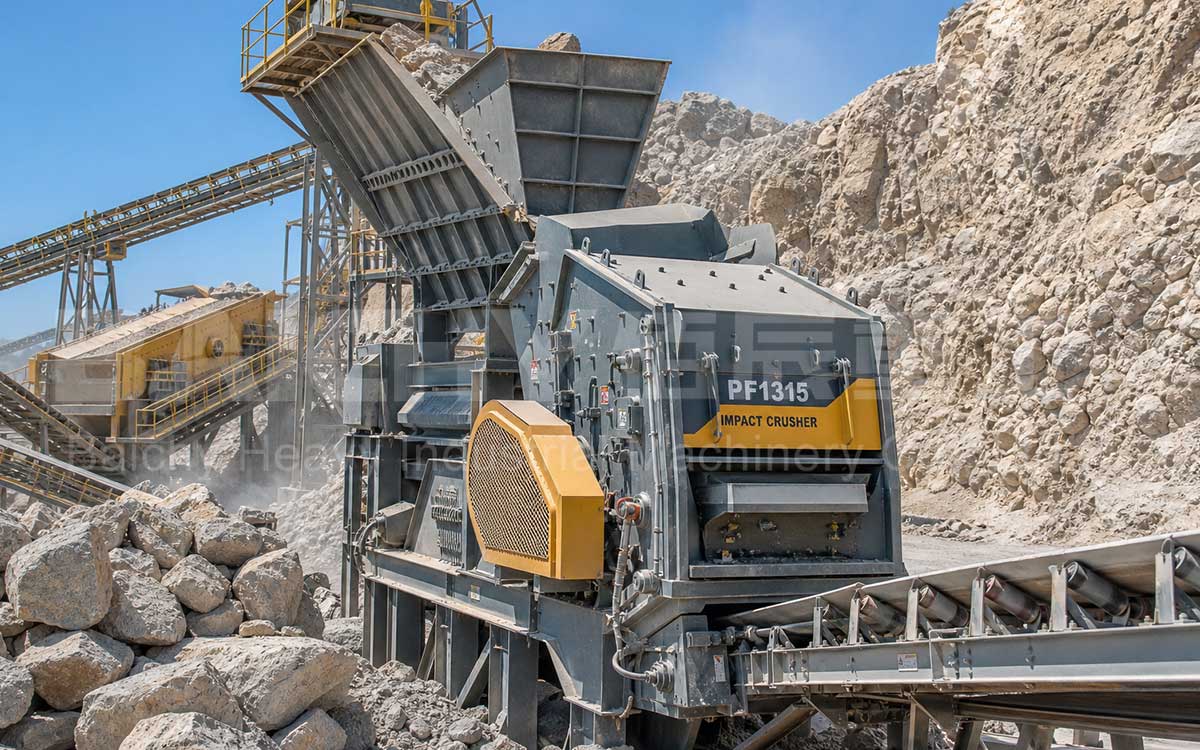
| Secondary Crushing | PF Series Impact Crusher | Medium-hardness materials; combines crushing with shaping |
| Sand Making | VSI Sand-Making Machine | Aggregate shaping and manufactured sand production |
| Screening | YK Circular Vibrating Screen | Closed-circuit circulation and finished product grading |
| Mobile Solution | YDPZ Mobile Crushing Station | Integrated jaw crusher unit; enables rapid relocation |
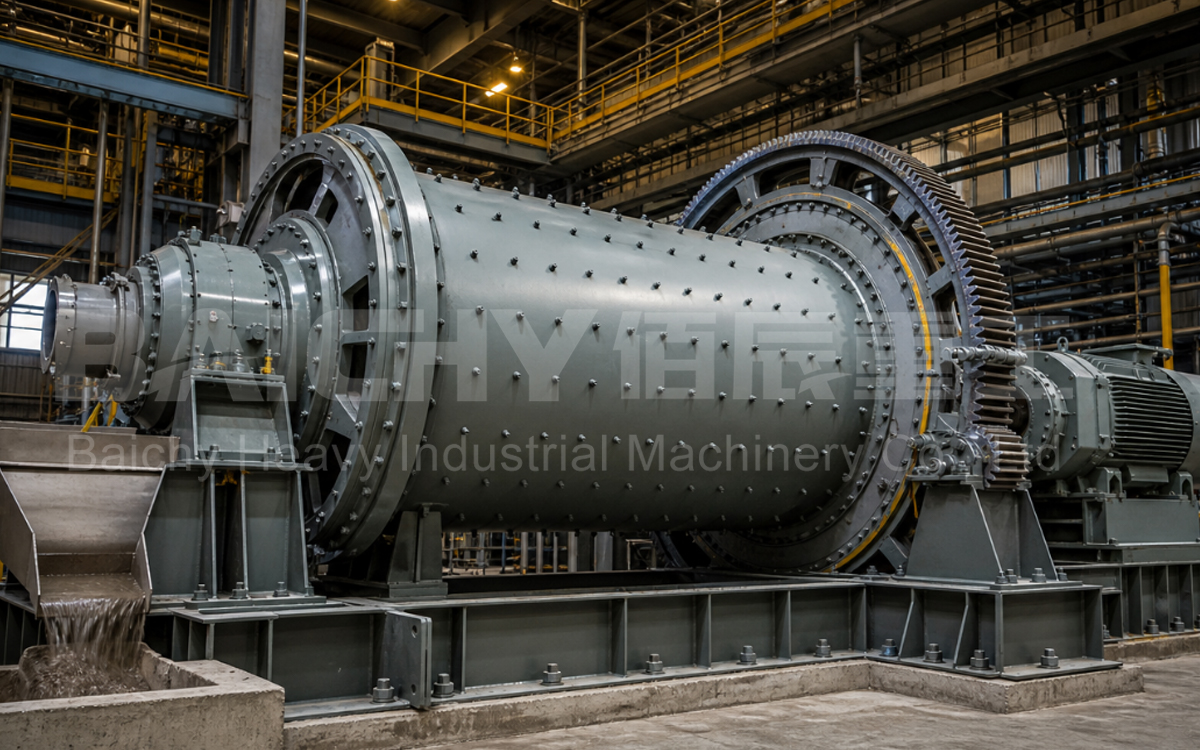
| Grinding Integration | Ball Mill / Wet Gold Grinding Mill | Supports the fine grinding stage in mineral processing |
VII. FAQ
FAQ 1: What is the difference between a mining jaw crusher and a standard jaw crusher?
Mining-grade models are engineered for long-term, continuous operation, featuring superior structural strength, optimized crushing chamber designs, wear-resistant materials, and robust motor configurations. They offer higher reduction ratios, deeper crushing chambers, sturdier frames, and higher-grade jaw plate materials to withstand the high hardness and abrasiveness of metal ores. Standard jaw crushers are typically suited for lighter-duty applications like construction materials; using them directly in mining operations often results in substandard throughput and drastically reduced spare part lifespans.
FAQ 2: How do I select the right jaw crusher model based on capacity and material?
Follow a three-step process: First, determine the target capacity (based on limestone; adjust by 70–85% for hard rock). Second, ensure the maximum feed size does not exceed 80% of the crusher's feed opening dimensions. Third, verify that the discharge size meets downstream feed requirements. For example, for a granite production line with an hourly output of 100 tons, the PE-600×900 model is a primary candidate, and a vibrating feeder should be installed to stabilize the load.
FAQ 3: What is the service life of jaw plates, and are maintenance costs high?
Jaw plate lifespan depends on material abrasiveness and feed size distribution: typically 6–12 months for moderately abrasive materials and about 3–6 months for highly abrasive hard rock; swapping the left and right jaw plates can extend their overall service life. While jaw plates are the primary wear parts, other components (eccentric shaft, bearings, frame) can last for several years with proper lubrication and regular inspection, making the overall maintenance cost low compared to other primary crushing equipment.
Baichy Heavy Industry
Baichy Heavy Industry is a high-tech mining equipment company integrating R&D, manufacturing, sales, and after-sales service. Focusing on crushing, grinding, and mineral processing equipment, we provide professional solutions to our customers. We are ISO9001:2015 、certified, and our products include mobile crushing palnts, crawler crushing plant, construction waste crushing plants, jaw crushers, sand making machines, cone crushers, fine crushers, grinding mills, ball mills, etc., all with reliable performance to meet diverse project needs.
Baichy Heavy Industry – Your Trusted Partner
To ensure optimal performance of your equipment, Baichy Heavy Industry offers:
- Professional on-site installation guidance
- Comprehensive operator training
- 24/7 technical support & maintenance services
Our complete after-sales service system guarantees long-term, stable operation of your machinery with minimal downtime.
Protect Your Rights – Only Use Official Channels
To avoid scams and ensure authentic support, contact us exclusively through:
• Official Website: www.baichychina.com
• WhatsApp: +8615093222637
• Email: [email protected]
Your satisfaction is our priority – expect prompt, professional service every time.
(Note: Beware of unauthorized third parties claiming to represent Baichy. Always verify through official contacts.)