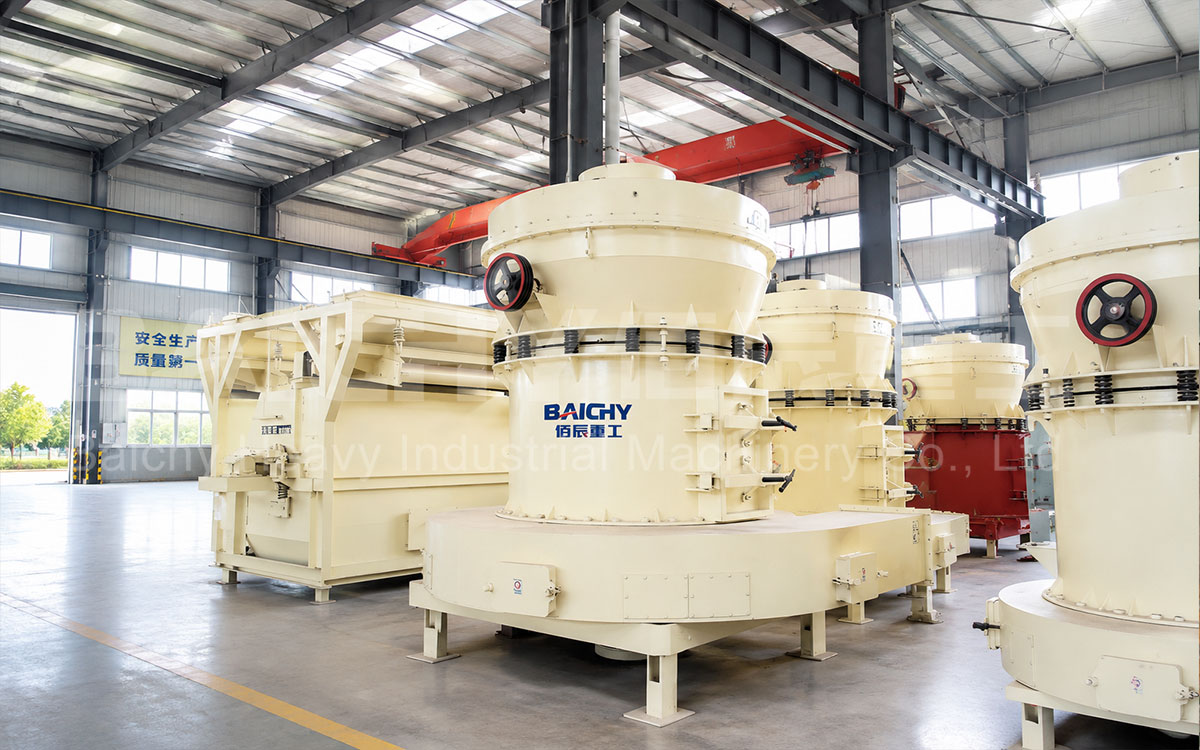

micro powder mill
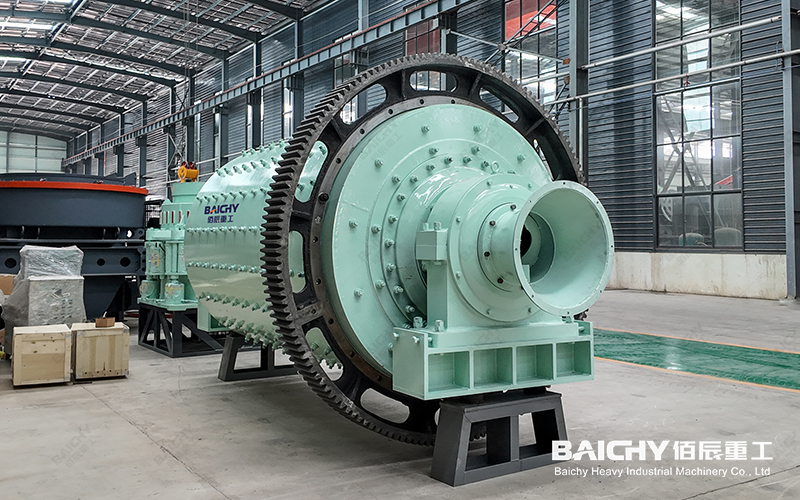
When selecting a grinding mill, the true piding line isn't the brand—it's the 800-mesh mark. For target fineness levels below 800 mesh, the YGM High-Pressure Suspension Roller Mill (an upgraded version of the Raymond mill) offers a lower cost per ton. However, to target the high-end powder market requiring 800–3000 mesh fineness, the Baichen HGM Three-Ring Medium-Speed Micro-Powder Mill is the ideal solution; it integrates the capabilities of both a "micro-powder mill" and an "ultrafine mill" into a single unit. It features a variable-frequency classifier for stepless speed adjustment, allowing the same main unit to produce both 325-mesh micro-powder and 2500-mesh ultrafine powder, with settings switchable via the control panel in just 10 seconds.
Key Specifications: HGM Three-Ring Medium-Speed Ultrafine Mill Series Comparison Table
| Model | No. of Grinding Rollers | Main Unit Power (kW) | Typical Capacity (t/h)* | Finished Product Fineness (D97) | Max. Feed Size |
| HGM80 | 21 (3 grinding rings, Ø0.8m) | 75–90 | 1 – 5 | 150–3000 mesh (5–47μm) | ≤25 mm |
| HGM90 | 27 | 90-100 | 0.6-6.5 | 150–3000 mesh (5–47μm) | ≤25 mm |
| HGM100 / 100A | 30 | 110-132 | 0.8-8 | 150–3000 mesh (5–47μm) | ≤25 mm |
| HGM125 | 36 | 185–220 | 1.5 – 14 | 150–3000 mesh (5–47μm) | ≤25 mm |
| HGM1680 | 42 | 315-400 | 2 – 30 (Series max: 45) | 150–3000 mesh (5–47μm) | ≤25 mm |
*Note: Typical capacity is based on calcium carbonate processing conditions; actual capacity varies depending on raw material hardness, feed size, and target mesh size—for the same model, capacity at 600 mesh is approximately 3–5 times that at 2500 mesh (estimated). For the 800–3000 mesh ultrafine range, the HGM125 or HGM1680 models are recommended, paired with a closed-circuit classification system for single-pass processing. Before contract signing, Baichen provides free material grinding tests, issues D97 particle size analysis reports, and guarantees capacity; the final terms are subject to the signed technical agreement.
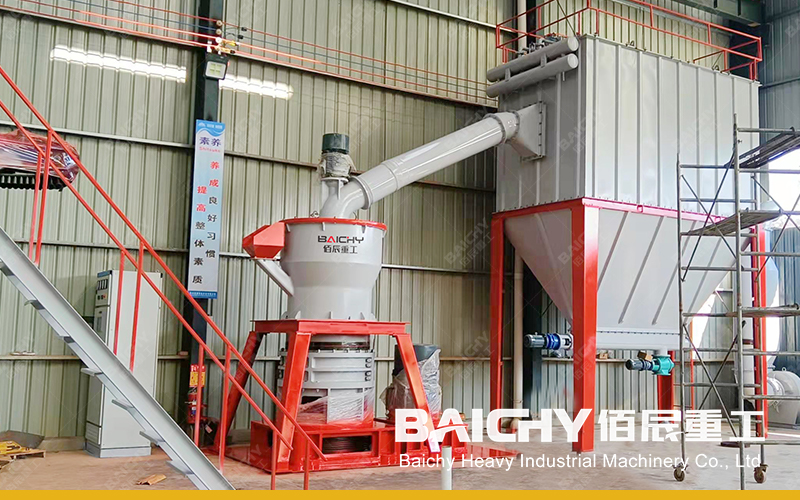
ultrafine grinding mill
How to Select a Model? Recommended for:
• Powder processing plants (producing fillers, masterbatches, rubber, or coatings) requiring target finenesses above 800 mesh and the flexibility to switch between multiple product grades—the HGM series covers the entire range in a single machine, saving the investment cost of a second main unit compared to a "Raymond mill + secondary ultrafine mill" setup;
• Mine owners possessing non-metallic mineral resources (Mohs hardness <6) such as calcite, talc, kaolin, barite, dolomite, or gypsum who wish to upgrade from selling raw ore to selling high-value-added powders (1250 mesh and finer);
• Legitimate processing plants that have passed environmental pre-assessment and require negative-pressure, closed-circuit systems to meet emission standards, as well as existing grinding operations seeking to cut annual electricity costs by 30–40%.
Not recommended for:
• Plants where the target fineness consistently remains below 800 mesh and production focuses on standard fillers and construction material powders—the YGM high-pressure suspension roller mill offers lower per-ton costs in this range, so there is no need to pay for ultrafine capabilities that won't be utilized;
• Raw materials with high silica content (SiO₂ > 3%) or moisture content >5%—high silica leads to uncontrollable wear on grinding parts (requiring pre-processing like silica removal or a ball mill + classifier setup), while high moisture causes roller clogging and a drastic drop in yield (requiring pre-drying, such as with Baichen rotary or triple-drum dryers);
• Buyers with very low annual demand making a one-off "test" purchase—ultrafine powder lines rely on integrated system configurations; it is advisable to first send samples for material testing and calculate per-ton costs based on guaranteed capacity reports before launching the project.
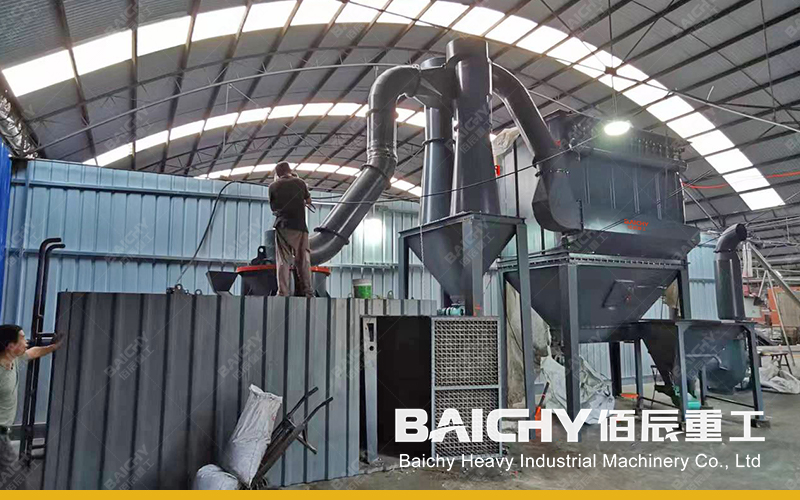
micro powder grinding mill
FAQ
Q1: What is the difference between a "micro-powder mill" and an "ultrafine mill"?
A1: Industry convention uses 800 mesh (approximately D97 15μm) as the piding line: micro-powder mills cover the 325–800 mesh range, while ultrafine mills cover the 800–3000 mesh range. The Baichen HGM Three-Ring Medium-Speed Micro-Powder Mill integrates these capabilities into a single platform featuring a variable-frequency classifier with stepless speed regulation; the same main unit can produce powders ranging from 325 mesh (micro-powder) to 3000 mesh (ultra-fine powder), eliminating the need to purchase two separate machines based on different technologies.
Q2: What is the approximate production capacity for ultra-fine powders exceeding 800 mesh?
A2: Capacity drops sharply as fineness increases. Taking the HGM125 model processing calcium carbonate as an example: 600 mesh yields approx. 6–10 t/h; 1250 mesh yields approx. 2–4 t/h; and 2500 mesh yields approx. 1–2 t/h (estimates; actual figures depend on material grinding tests). Before signing a contract, Baichen conducts free material grinding tests and issues a report detailing D97 particle size and guaranteed capacity—preventing misleading claims where 2500-mesh output is falsely represented by 325-mesh capacity figures.
Q3: How much electricity does the HGM ultra-fine mill save compared to a "Raymond mill + multi-stage classifier" setup?
A3: For the same fineness (above 800 mesh), the HGM mill typically consumes 30–40% less electricity per ton (based on same-series benchmarks and actual operating conditions). It combines three-ring grinding and air classification into a single step, avoiding the energy waste associated with repeated over-grinding and multi-stage classification. Based on an annual output of 50,000 tons of 800-mesh calcium carbonate powder and an electricity price of $0.08/kWh, estimated annual electricity savings range from $15,000 to $25,000.
Q4: What are the feed material requirements? What if the material has high moisture content?
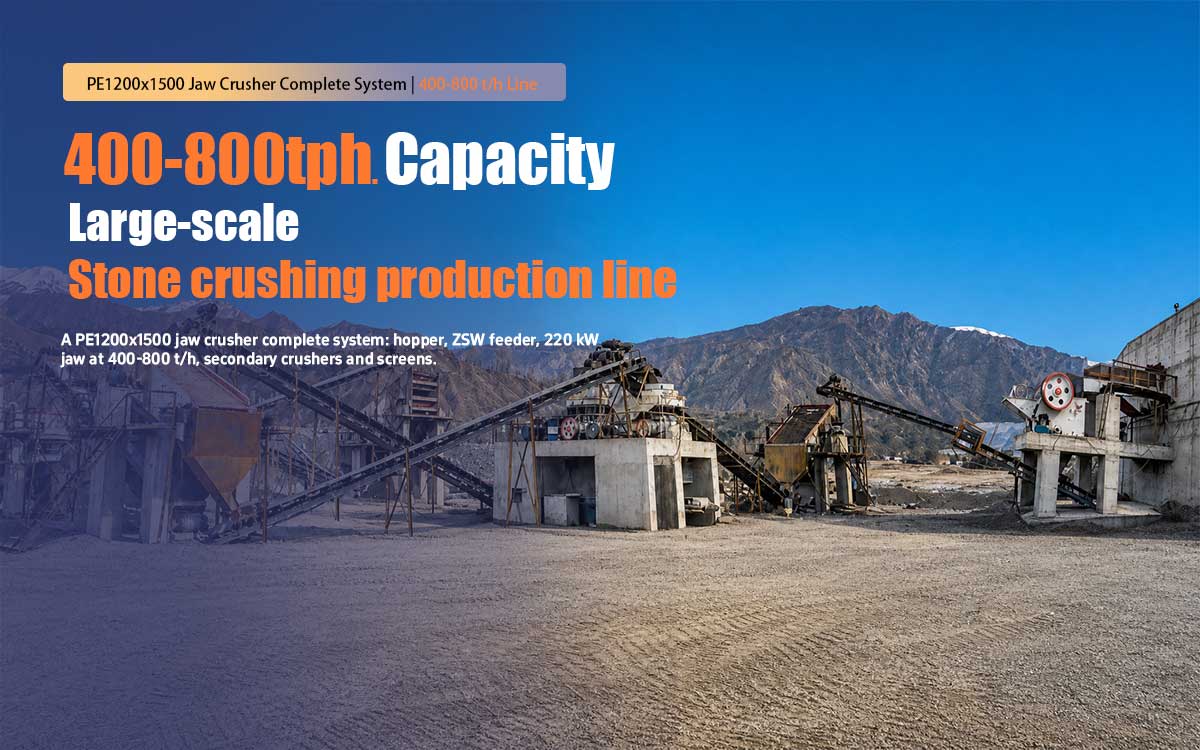
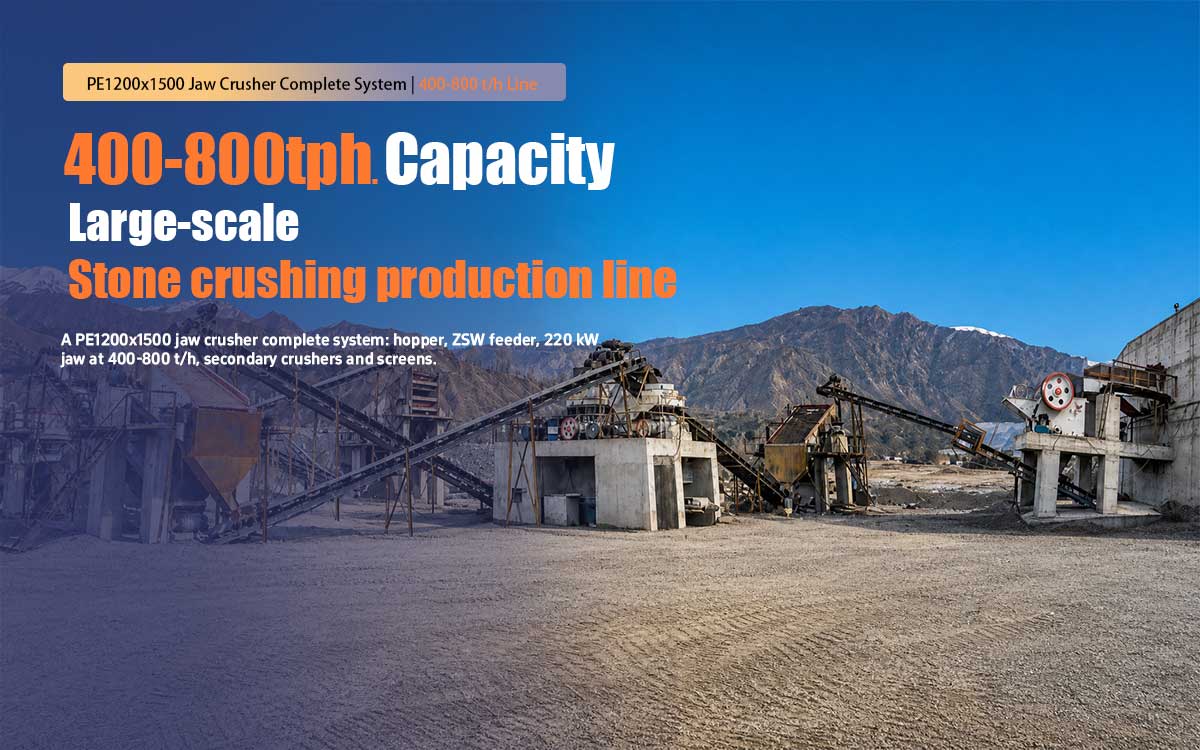
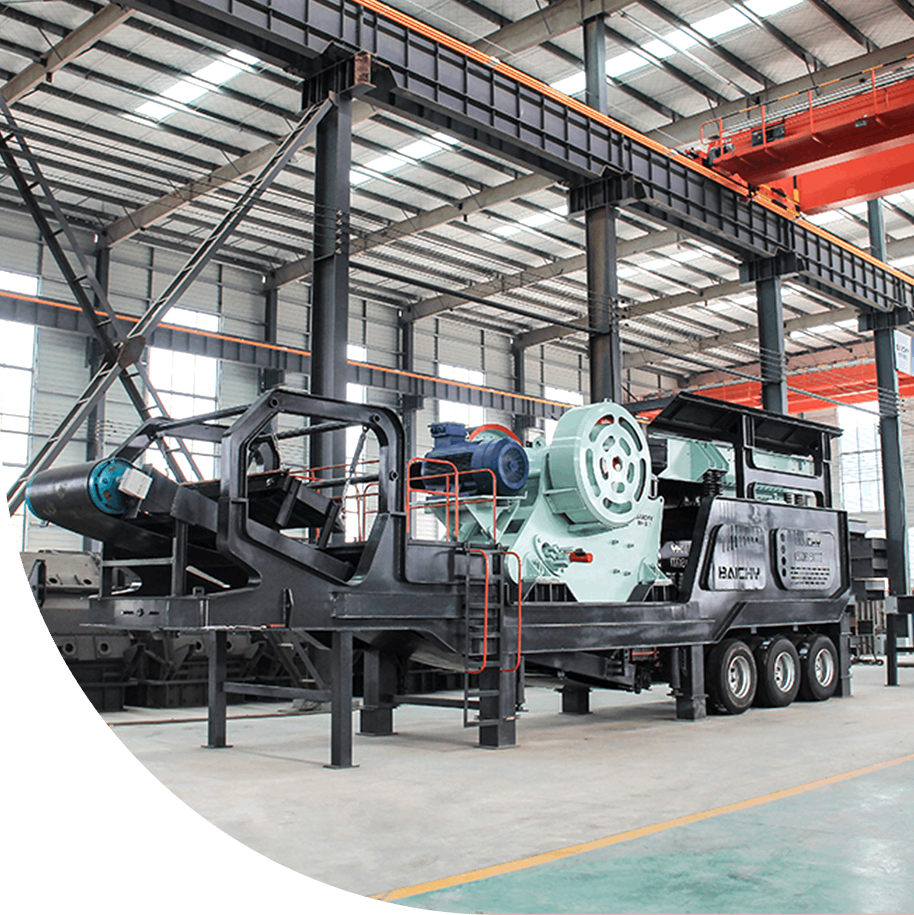
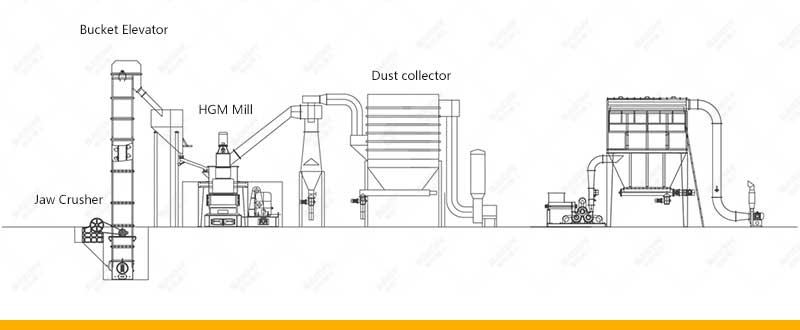
A4: For the entire series, the maximum feed size is ≤25mm (≤20mm is recommended), and coarse crushing via a jaw crusher is required beforehand. Materials with surface moisture below 5% can be fed directly into the mill (the hot air circulation within the grinding chamber provides inherent drying capabilities); materials with higher moisture content must be pre-dried, otherwise, the grinding rollers may become clogged, causing a drastic drop in yield. Baichen can supply complementary equipment—such as jaw crushers, bucket elevators, feeders, and dryers—to provide complete production line solutions.