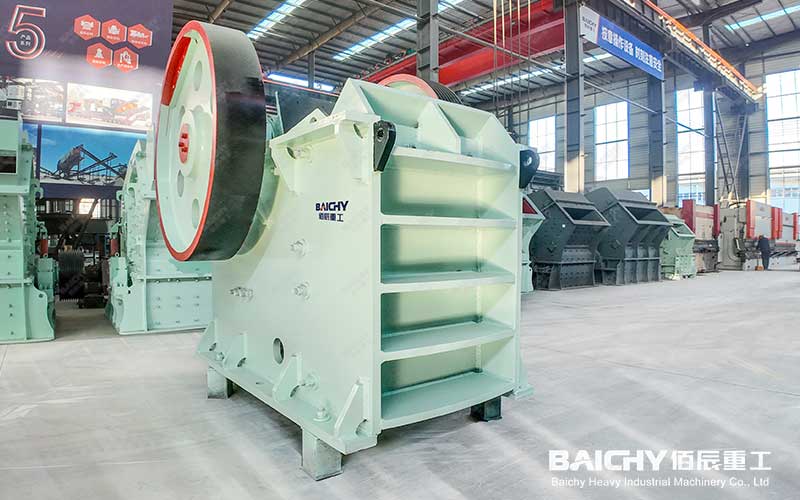
Jaw Crusher Manufacturers
The jaw crusher is widely recognized as the "first stage" in mining and aggregate production lines; choosing the wrong equipment negatively impacts the entire line's capacity, cost-per-ton, and spare parts supply. Selecting a manufacturer with capabilities in casting, machining, and complete-line integration is far more important than merely comparing prices: it determines whether you receive just "a machine" or a "process package ready for immediate production." This article helps you establish a comprehensive procurement framework for primary crushing equipment in under 10 minutes, covering five key dimensions: manufacturer vetting, application scenarios, core specifications, equipment advantages, and real-world case studies.
I. Overview: What Defines a Professional Jaw Crusher Manufacturer?
A professional jaw crusher manufacturer is not merely an assembly workshop; it is an equipment manufacturer that controls the entire value chain—including design, casting, heat treatment, machining, assembly, and factory testing. According to the U.S. Geological Survey (USGS), global annual aggregate production exceeds 10 billion tons, with the vast majority of production lines relying on jaw crushers for primary crushing. While this demand has spawned hundreds of companies claiming to be "manufacturers," fewer than 30% actually possess the capability to produce core components in-house.
The distinction between a professional manufacturer and a trader is evident in four verifiable indicators:
1. In-house production of core components: Whether the manufacturer owns casting and heat treatment lines for components like the frame, eccentric shaft, and jaw plates directly determines quality stability and supply lead times.
2. Real-world operational data: Ability to provide capacity curves adjusted for material hardness, rather than just nominal rated values.
3. Customization capabilities: Support for customized motor and control systems (e.g., 380V/50Hz, 400V/60Hz, 460V/60Hz) and adaptability to special operating conditions such as high altitudes or extreme cold.
4. Complete-line delivery: Ability to provide a comprehensive process package—covering feeding, crushing, screening, and sand making—along with container loading plans.
Dealing directly with the manufacturer eliminates 10%–20% in intermediary markups and ensures you receive accurate specifications, a list of wear parts, and warranty commitments before production begins—addressing the areas where hidden costs are highest in international procurement.
II. Key Application Scenarios
2.1 Primary Crushing of Run-of-Mine Ore in Mineral Processing Plants
In processing plants for iron, manganese, gold, and copper ores, the jaw crusher serves as the standard primary crushing unit. It handles feed sizes of 500–800 mm, reducing them to 150–250 mm for subsequent secondary crushing or ball milling stages. Capable of processing ores with compressive strengths up to 320 MPa, it is the essential first-stage machine in mineral processing workflows.
2.2 Sand, Gravel Aggregates, and Infrastructure Projects
Aggregate production lines for highways, railways, and hydroelectric power stations commonly employ a three-stage process: jaw crushing followed by cone or impact crushing and sand making. The jaw crusher handles over 70% of the primary crushing load, and its feed opening size directly determines the production capacity limit of the entire line.
2.3 Core Unit for Mobile Crushing Stations
Mounted on wheeled or tracked mobile platforms, jaw crushers enable immediate on-site production at the mining face. They are ideal for decentralized operations—such as infrastructure projects requiring frequent relocation, remote mining sites, and construction waste recycling—while eliminating the costs associated with pouring fixed foundations.
2.4 Construction Waste and Recycled Aggregates
Materials such as concrete blocks and old road surfaces often contain foreign objects like rebar. Jaw crushers offer superior tolerance for such impurities compared to impact crushers, making them the preferred primary crusher for recycled aggregate lines and a solution that aligns with circular economy policy incentives.
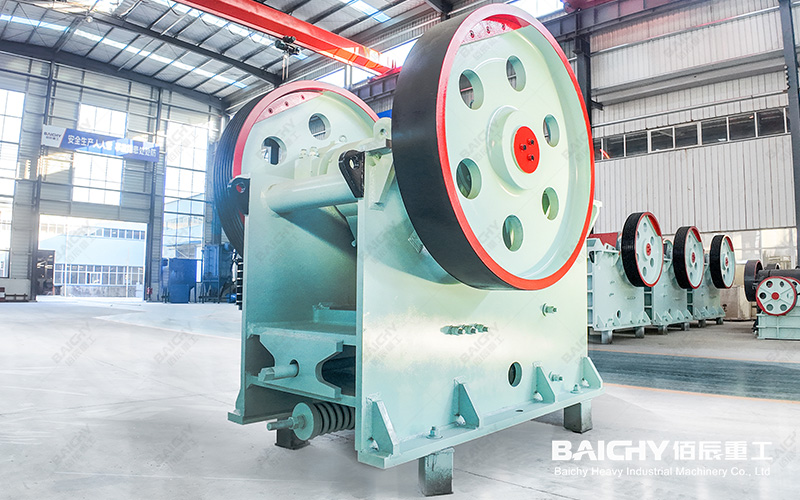
Jaw Crusher Manufacturers
III. Core Equipment and Specifications
The table below lists technical specifications for key models (capacities are rated based on medium-hard material with a density of approx. 1.6 t/m³; actual capacity for hard rock is approximately 75%–85% of the rated value):
| Model | Feed Opening (mm) | Max. Feed Size (mm) | Discharge Setting (mm) | Capacity (t/h) | Motor Power (kW) | Typical Production Line |
|---|---|---|---|---|---|---|
| PE-250×400 | 250×400 | 210 | 20–80 | 5–20 | 15 | Small-scale line (<30 t/h) |
| PE-400×600 | 400×600 | 340 | 40–100 | 16–65 | 30 | Small-to-medium line (40–80 t/h) |
| PE-600×900 | 600×900 | 500 | 65–160 | 60–180 | 75 | Core model (100–150 t/h) |
| C90 (European Style) | 900×750 | 650 | 60–175 | 90–260 | 90 | Large-scale project (200 t/h class) |
| PEX-250×1000 | 250×1000 | 210 | 25–60 | 10–40 | 30 | Secondary/fine crushing unit |
* Capacity rated for medium-hard materials (approx. 1.6 t/m³); actual output for hard rock is typically 75%–85% of rated value.
Parameter Interpretation (Key Insights): The 600×900 and 900×750 feed openings represent the two most popular "sweet spot" sizes for international projects, covering 100–150 t/h and 200 t/h production lines, respectively. Discharge settings utilize a hydraulic wedge adjustment system (optional), allowing for specification changes in just minutes and directly reducing downtime losses. When selecting equipment, ensure a 20% capacity margin to avoid under-utilization during peak seasons.
IV. Core Advantages of the Manufacturer and Equipment
As a professional jaw crusher manufacturer, our competitiveness stems from five quantifiable dimensions:
4.1 Deep-Cavity Design with 4–6:1 Crushing Ratio
The deep V-shaped crushing chamber, combined with an increased eccentric throw, enables large rocks to be crushed in a single pass. This eliminates the need for secondary blasting in most mining operations, reducing extraction and loading costs by 10%–15%.
4.2 Mn13Cr2 High-Manganese Steel Jaw Plates & Spare Parts Support
Jaw plates offer a service life of 6–12 months in hard-rock applications; the symmetrical design allows for end-to-end reversal after wear, effectively doubling the lifespan. Critical wear parts—such as jaw plates and toggle plates—are kept in stock, with DHL express shipping available to limit overseas downtime to just 3–5 days.
4.3 Customized Delivery for perse Operating Conditions
Customization is available for 60Hz/400V/440V (Latin America) and 380V/50Hz (Africa) power grids. Designs feature automatic derating for altitudes above 2,000m and reinforced lubrication and sealing for extreme cold (-30°C) environments, with delivery times extended by only 5–10 days.
4.4 Quantifiable Total Cost of Ownership (TCO)
Taking the PE-600×900 model as an example: electricity consumption is approximately 0.42 kWh per ton (based on $0.10/kWh). Primary crushing costs are 15%–20% lower than alternative solutions of similar capacity, allowing most projects to recoup their equipment investment within 12–18 months.
4.5 Low Maintenance Requirements
Routine maintenance is limited to lubrication and checking the toggle plate clearance. With minimal operator skill requirements, the equipment is ideally suited for projects in regions with limited technical support resources, such as Africa, Southeast Asia, and Latin America.
V. Real-World Project Cases
The following are actual projects featuring equipment supplied directly by the manufacturer and customized for local operating conditions:
Case 1: Mobile River Stone Crushing Line (Venezuela) – To accommodate operations requiring frequent relocation across the riverbed, the client selected a wheeled mobile jaw crushing station (featuring an integrated PE series crusher). Customized for a 60Hz power grid, the unit allows for immediate operation without the need for permanent foundations, reducing the delivery timeline by 40% and achieving a daily output of 800–1,000 tons of river stone aggregate per site.
Case 2: Dual-Line Aggregate and Construction Waste Processing (Vietnam Airport) – The airport aggregate line utilized a configuration comprising a C90 jaw crusher and a cone crusher, achieving a measured capacity in the 200 t/h range. Concurrently, the construction waste line employed the same model of primary crusher to process concrete blocks, demonstrating the economic viability of "dual-purpose" equipment for recycled aggregate production.
Case 3: Stationary Andesite Crushing Line (Indonesia) – Designed for andesite with a hardness of 200–260 MPa, this line utilized a combination of a PE-600×900 jaw crusher, a CS cone crusher, and a VSI sand-making machine. It achieved a capacity utilization rate exceeding 95%, with the final product's particle shape meeting high-standard concrete specifications, leading the client to place a follow-up order for a comprehensive spare parts package.
VI. Recommended Equipment
As the primary crusher in the production line, the jaw crusher must be combined with the following equipment to form a complete process chain:
| Recommended Equipment | Role | Reasoning |
|---|---|---|
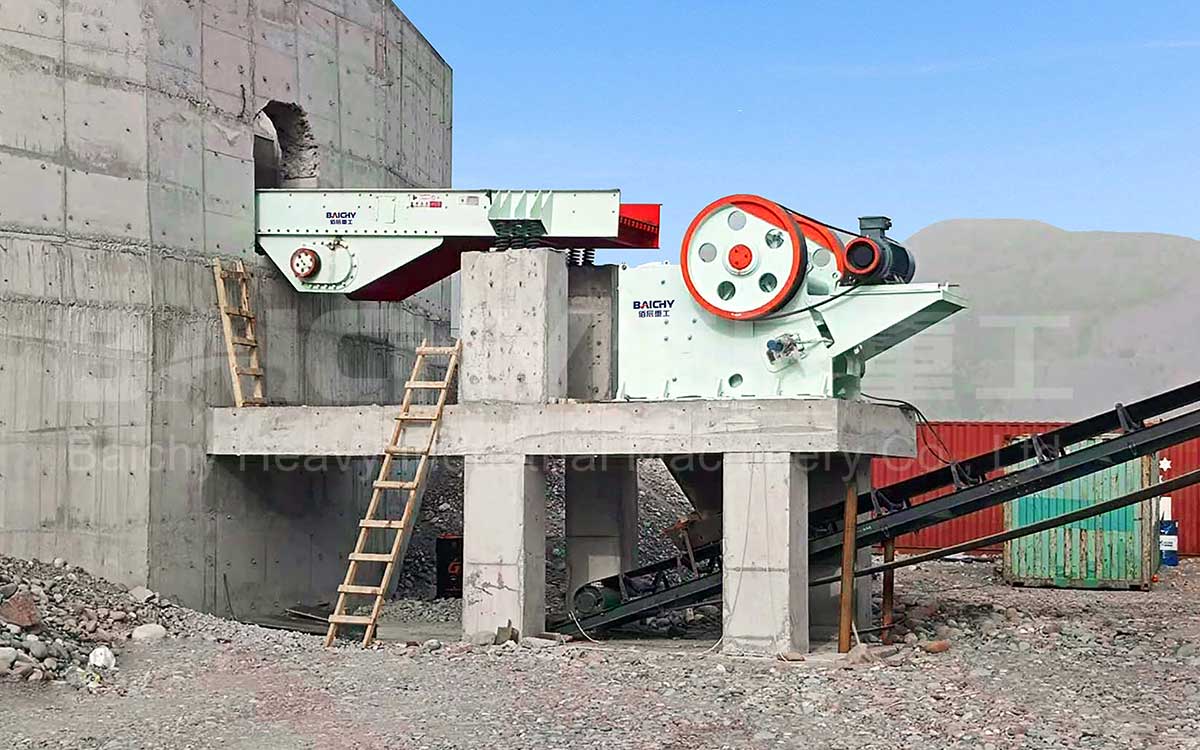
| ZSW Series Vibrating Feeder | Feeding | Uniform feeding + pre-screening to remove soil; protects the main crusher from impact |
| CS/HP Series Cone Crusher | Secondary crushing (hard rock) | Superior wear resistance and stable output for granite/andesite applications |
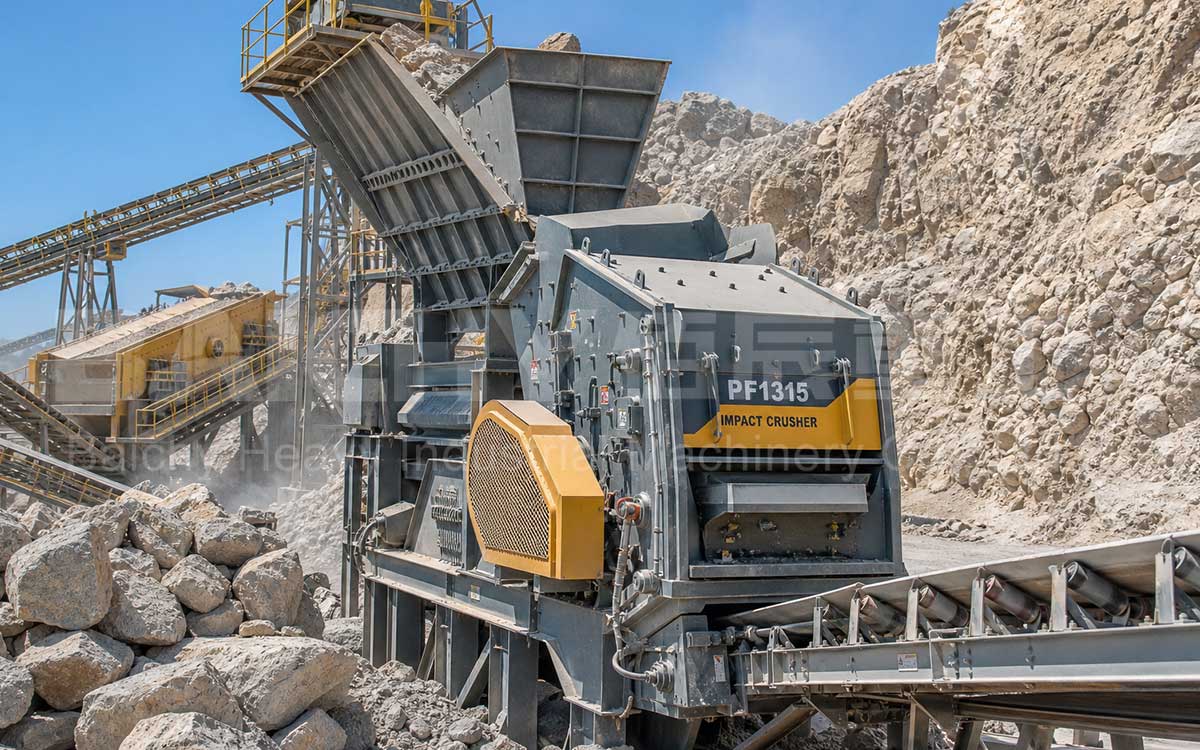
| PF Series Impact Crusher | Secondary crushing (medium-soft rock) | Lower costs and excellent particle shape for limestone/river pebble applications |
| VSI Series Sand-Making Machine | Sand making & shaping | Closed-circuit sand making; produces 0–5mm manufactured sand |
| YK Series Circular Vibrating Screen | Screening | Multi-specification grading; allows simultaneous sale of finished products |
| YDPZ Mobile Jaw Crushing Station | Mobile solution | Built-in PE main crusher; ready for immediate production; flexible relocation |
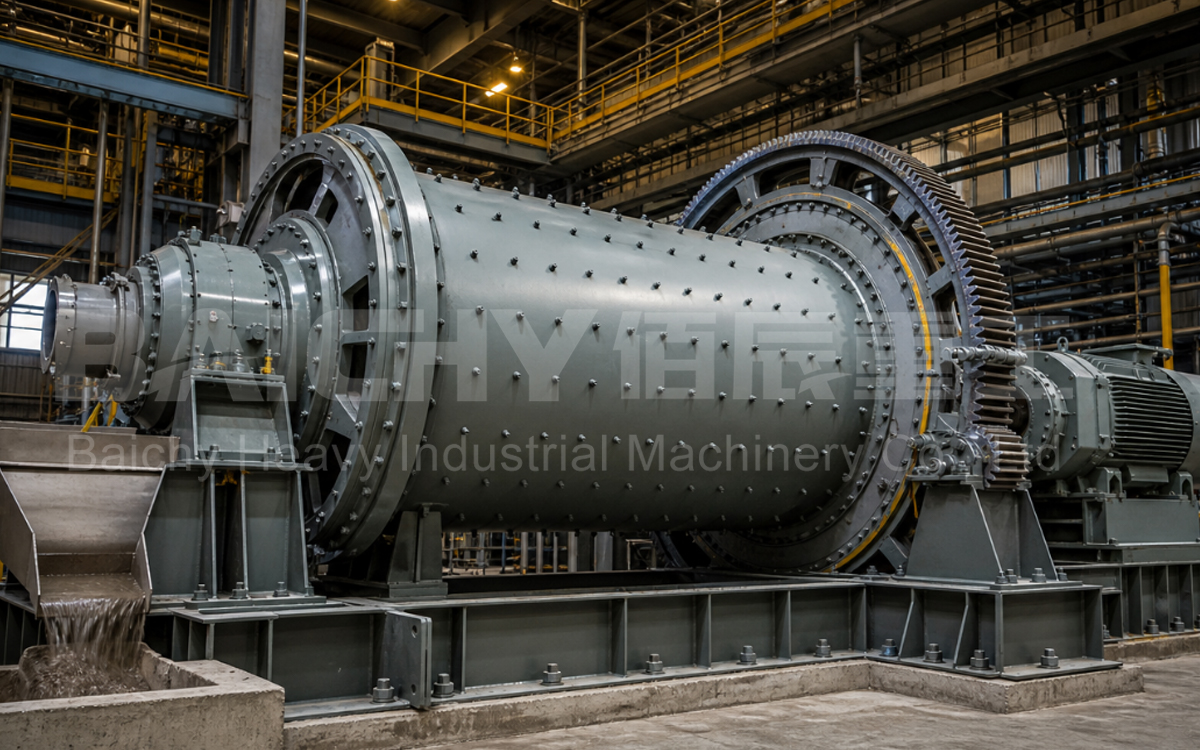
Selection Advice: For hard rock, use the "Jaw Crusher + Cone Crusher + VSI" combination; for medium-soft rock (limestone, river pebbles, dolomite), use "Jaw Crusher + Impact Crusher" to reduce per-ton costs by another 8%–12%; for mineral processing projects, integrate a ball mill and wet magnetic separator for a combined grinding and separation solution.
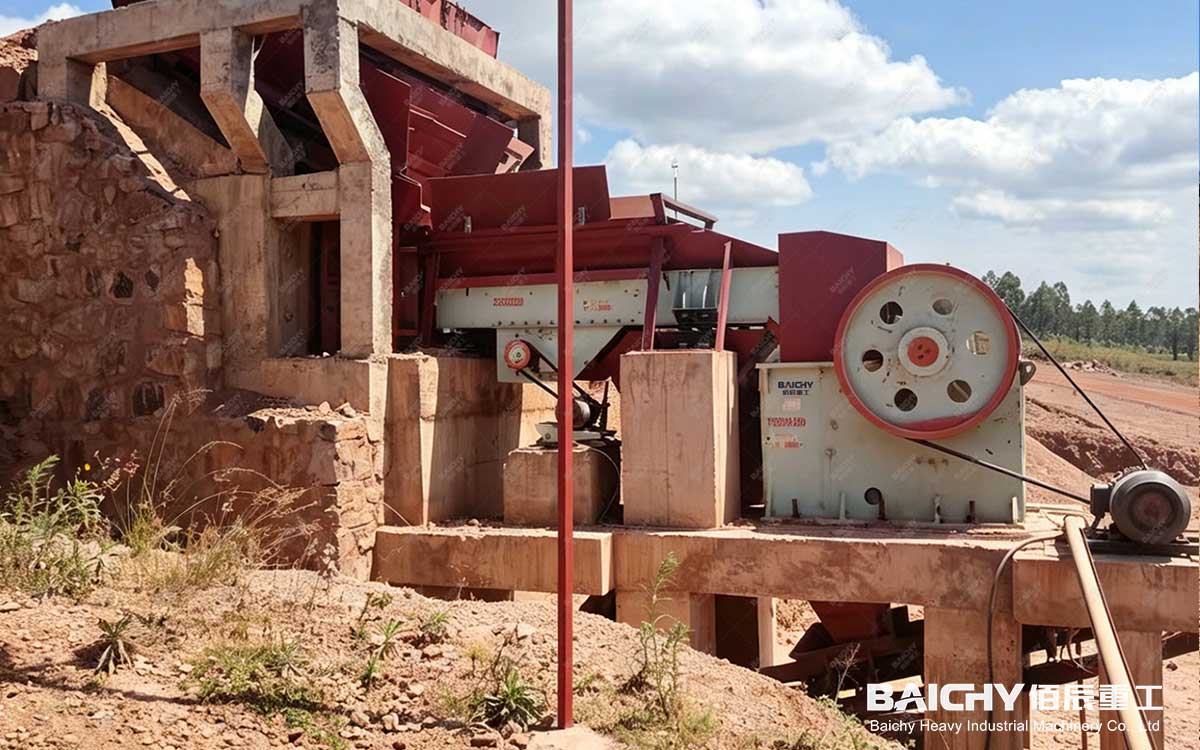
Jaw Crushing Plant
VII. FAQ
Q1: How can I verify the true capabilities of a jaw crusher manufacturer?
Check four verifiable indicators: whether core components (frame, jaw plates) are manufactured in-house; whether they can provide capacity curves adjusted for material hardness; whether they support local voltage customization and provide container loading plans; and whether they offer a wear-parts list and a 12–18 month warranty. You can request a video factory inspection and spot-checks of shipment records; do not rely solely on verbal promises.
Q2: What is the difference between purchasing directly from the manufacturer and purchasing from a distributor?
Direct purchasing saves 10%–20% in intermediary markups and provides original factory warranties, direct spare parts supply, and on-site commissioning by engineers. Distributors offer faster local response times, but spare parts inventory and technical support may be limited by the agency hierarchy. Direct purchasing is recommended for large-scale projects (single lines exceeding $500,000), while local agents are suitable for small-batch spare part replenishment.
Q3: What are the three key parameters to consider when selecting a jaw crusher?
First, consider the maximum feed particle size (which determines the feed opening dimensions; the opening should be 10%–20% larger than the largest ore block). Second, consider the target production capacity (adjusted based on material hardness: hard rock ×0.8; medium-soft rock ×0.9–1.0). Third, consider the motor voltage and power (to ensure compatibility with the local power grid and supply capacity). Once these three factors are determined, compare the crushing ratio, discharge opening adjustment method, and spare parts prices.
Baichy Heavy Industry
Baichy Heavy Industry is a high-tech mining equipment company integrating R&D, manufacturing, sales, and after-sales service. Focusing on crushing, grinding, and mineral processing equipment, we provide professional solutions to our customers. We are ISO9001:2015 、certified, and our products include mobile crushing palnts, crawler crushing plant, construction waste crushing plants, jaw crushers, sand making machines, cone crushers, fine crushers, grinding mills, ball mills, etc., all with reliable performance to meet diverse project needs.
Baichy Heavy Industry – Your Trusted Partner
To ensure optimal performance of your equipment, Baichy Heavy Industry offers:
- Professional on-site installation guidance
- Comprehensive operator training
- 24/7 technical support & maintenance services
Our complete after-sales service system guarantees long-term, stable operation of your machinery with minimal downtime.
Protect Your Rights – Only Use Official Channels
To avoid scams and ensure authentic support, contact us exclusively through:
• Official Website: www.baichychina.com
• WhatsApp: +8615093222637
• Email: [email protected]
Your satisfaction is our priority – expect prompt, professional service every time.
(Note: Beware of unauthorized third parties claiming to represent Baichy. Always verify through official contacts.)