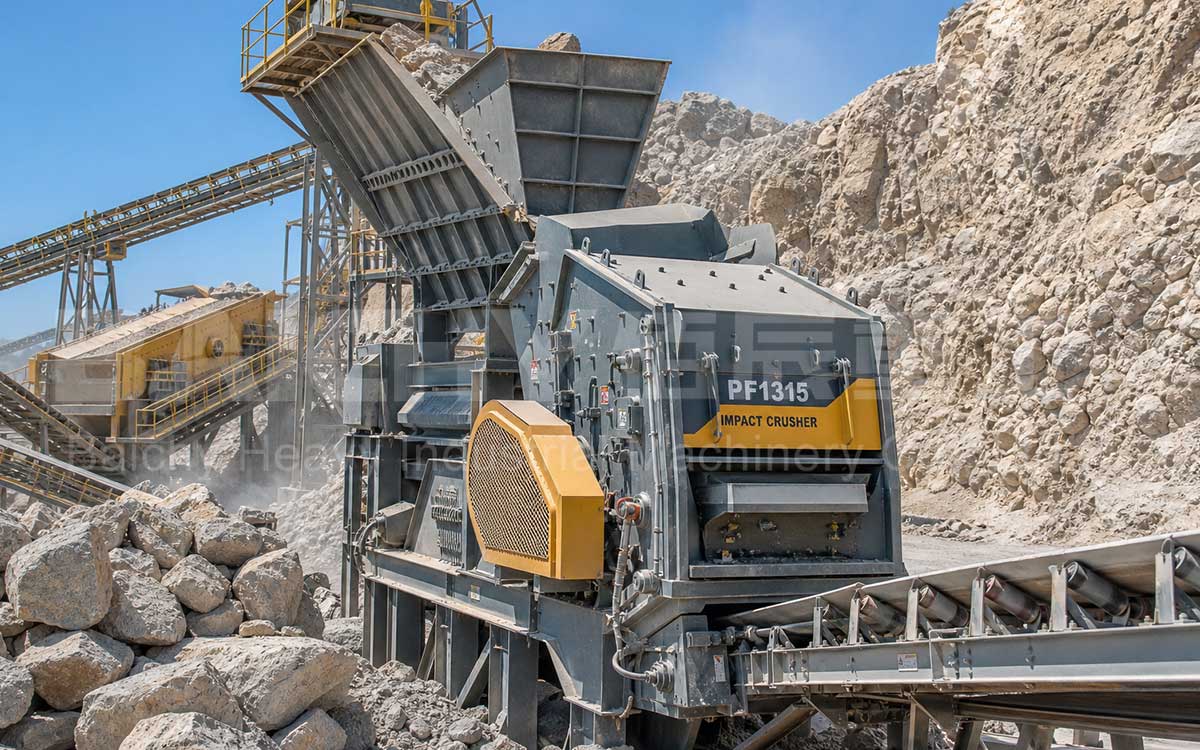

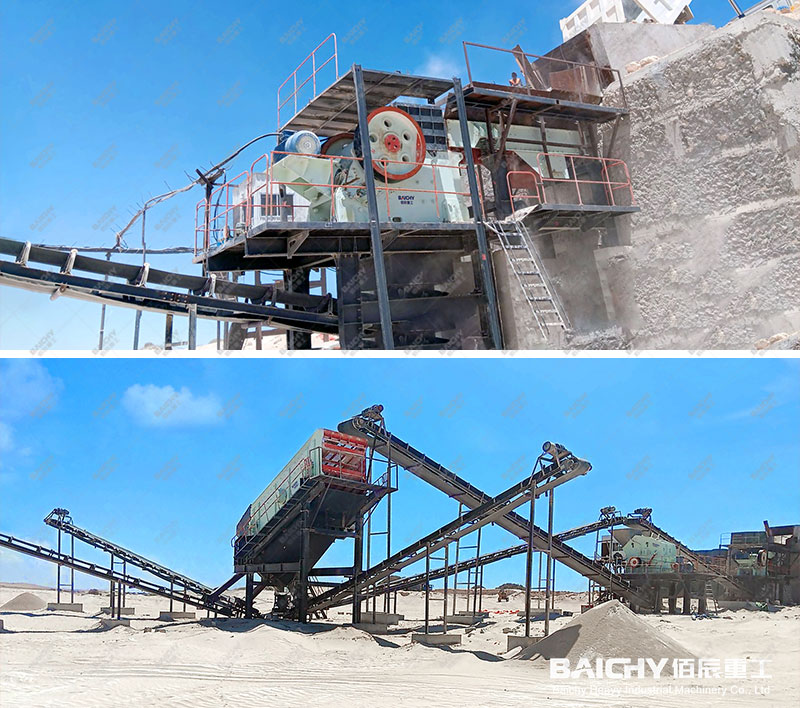
Jaw Crushing Plant
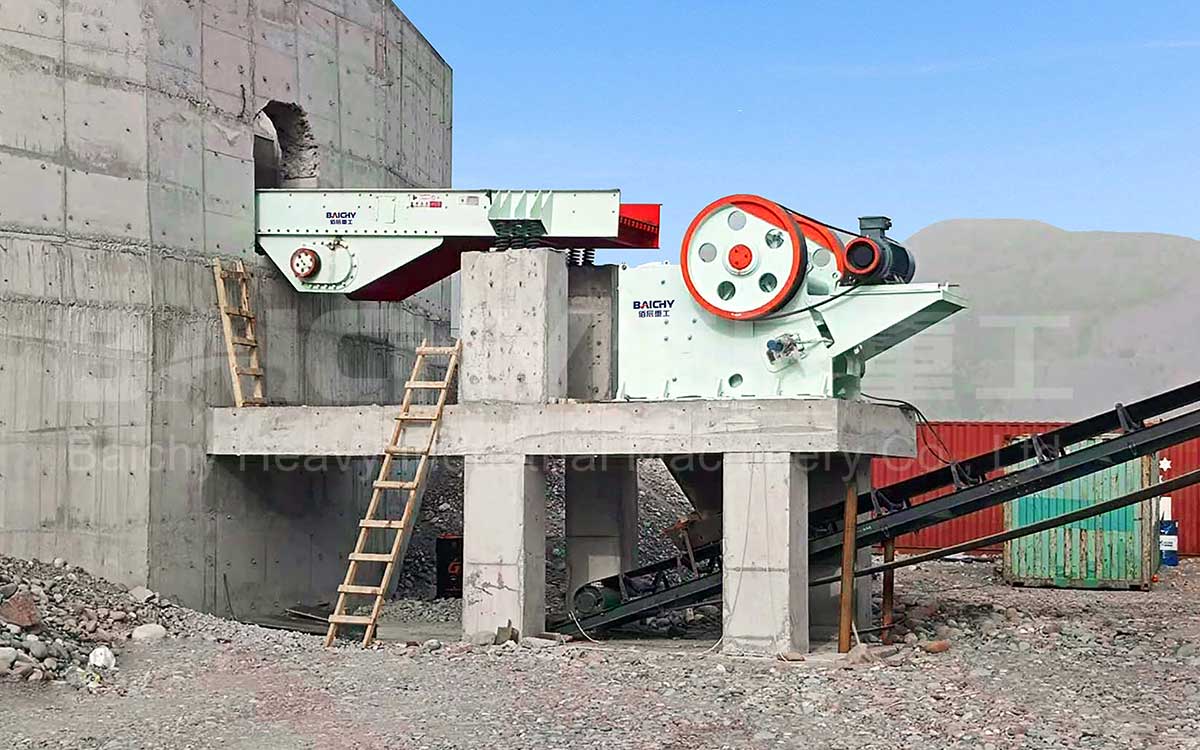
The jaw crusher machine serves as the initial stage in sand, gravel, and mining production lines, handling the primary task of reducing large rocks into smaller fragments. Selecting the right model directly determines the production line's maximum capacity and cost per ton. Baili Heavy Industry’s PE series jaw crusher machines offer capacities ranging from 10 to 450 tons per hour (tph) and accommodate feed sizes between 120 mm and 750 mm. Featuring a deep crushing chamber design and high-manganese steel jaw plates, they are the premier choice for primary crushing of hard materials such as granite, basalt, and river pebbles. The key to selection is not finding the cheapest option, but calculating the crushing cost per ton of stone—this article uses data to help you make that calculation.
I. Why is the primary crushing stage critical to the production line's success?
Primary crushing is the "bottleneck" of the crushing process: it involves large feed sizes, intense impact loads, and the harshest operating conditions. If the selected jaw crusher machine is undersized, the entire line suffers from a bottleneck, failing to meet output targets. Conversely, if the rated capacity is overstated, actual output falls far short of expectations, directly driving up the cost per ton. There are three common pain points:
Rated capacity ≠ actual operational capacity: Most manufacturers rate capacity based on limestone (1.6 t/m³); when crushing hard materials like granite, actual capacity drops by 30%–40%.
Uncontrolled jaw plate wear costs: Processing highly abrasive materials shortens jaw plate lifespan, and the production time lost during shutdowns for plate replacement far exceeds the cost of the plates themselves.
Focusing solely on equipment price while ignoring total lifecycle costs: Motor power, the cost of wear parts, and maintenance labor hours collectively determine the total cost over a 3–5 year period.
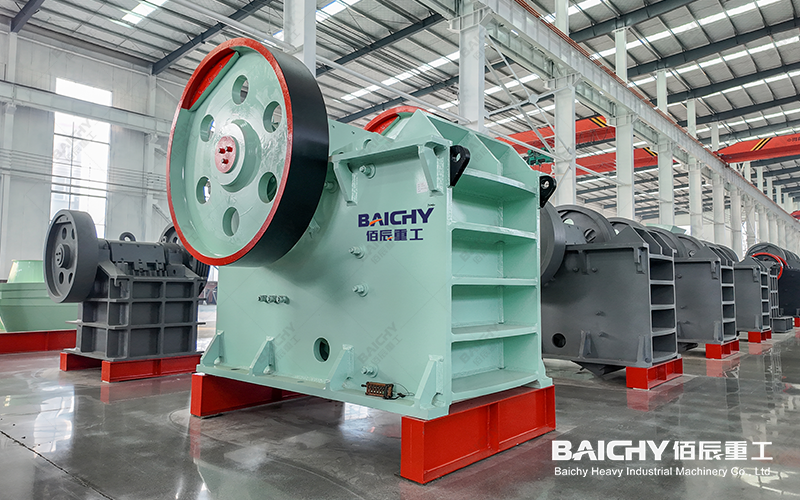
Jaw Crusher Machine
II. Key Specifications (Typical PE Series Configurations)
| Model | Max. Feed Size (mm) | Capacity (tph)* | Motor Power (kW) | Application Scenario |
| PE250×400 | 210 | 5–20 | 15–18.5 | Small-scale aggregate plants, laboratories, construction waste |
| PE400×600 | 340 | 16–65 | 30–37 | Small-to-medium mines, primary crushing for sand-making lines |
| PE500×750 | 425 | 45–100 | 45–55 | 100 tph aggregate production lines |
| PE600×900 | 500 | 65–180 | 55–75 | 100–150 tph hard rock production lines |
| PE750×1060 | 630 | 110–320 | 90–110 | 200 tph+ large-scale mines |
| PE900×1200 | 750 | 220–450 | 110–132 | 300 tph+ mega-scale aggregate bases |
*Note: Capacity is rated based on medium-hard material (limestone); when crushing granite or basalt, actual capacity should be estimated at 60%–70% of the nominal value.
III. How Specifications Translate into Profit — Value Translation
1. Deep crushing chamber → High reduction ratio and uniform discharge size; reduces the volume of material returned to the secondary crusher, lowering the entire line's power consumption by approximately 10%.
2. Thickened high-manganese steel jaw plates → Service life increased by 30%–50% in hard rock applications; saves thousands to tens of thousands in annual wear-part procurement costs.
3. Wedge-style discharge opening adjustment → No need to stop the machine to change shims; adjustments completed within 10 minutes, minimizing downtime.
4. Large flywheel design → Ensures smooth energy storage and reduces peak motor load. Based on a 75kW motor running 10 hours a day, annual electricity costs can be reduced by 5%–12% compared to models of the same power rating.
Let’s do the math: Take the PE600×900 model as an example. With an actual granite processing capacity of 100 tph and 3,000 operating hours per year, the annual crushing volume is approximately 300,000 tons. If improper model selection leads to an inflated capacity estimate—resulting in a 30% drop in actual output—that means a loss of 90,000 tons per year. At an ex-factory aggregate price of $8/ton, the annual loss reaches $720,000. Choosing the right model safeguards your profits.
IV. Checklist for Avoiding Model Selection Pitfalls
1. Test material before selecting: Provide material hardness (Mohs scale), moisture content, and maximum feed size; we calculate actual capacity based on this data—no inflated figures.
2. Allow a 20% capacity margin: This provides flexibility during peak seasons or when material properties fluctuate, preventing the equipment from running at full load for extended periods.
3. Confirm voltage and frequency: Ensure compatibility with local power standards (e.g., 380V/50Hz, 400V/50Hz, 460V/60Hz); this is especially critical for overseas projects.
4. Include feeding and iron removal systems: A vibrating feeder combined with an iron remover can extend jaw plate life by over 20%; do not skimp on this investment.
V. Frequently Asked Questions (FAQ)
Q1: How do I choose between a jaw crusher machine and an impact crusher?
A: jaw crusher machines are used for primary (coarse) crushing of large, hard rocks (feed size up to 750mm). Impact crushers are used for secondary and tertiary (medium-to-fine) crushing; they produce excellent particle shapes but are unsuitable for highly abrasive materials. The standard configuration for hard rock lines is "jaw crusher machine for primary crushing + cone or impact crusher for secondary/tertiary crushing."
Q2: How often should jaw plates be replaced?
A: It depends on the abrasiveness of the material: approximately 3–6 months for granite and 8–12 months for limestone. High-manganese steel jaw plates are reversible, effectively doubling their service life.
Q3: Can it crush materials with high moisture content?
A: jaw crusher machines are not sensitive to moisture content; however, if the material has a high clay content, a vibrating feeder with a pre-screening function should be used to prevent the crushing chamber from clogging.
Q4: Is a mobile configuration supported?
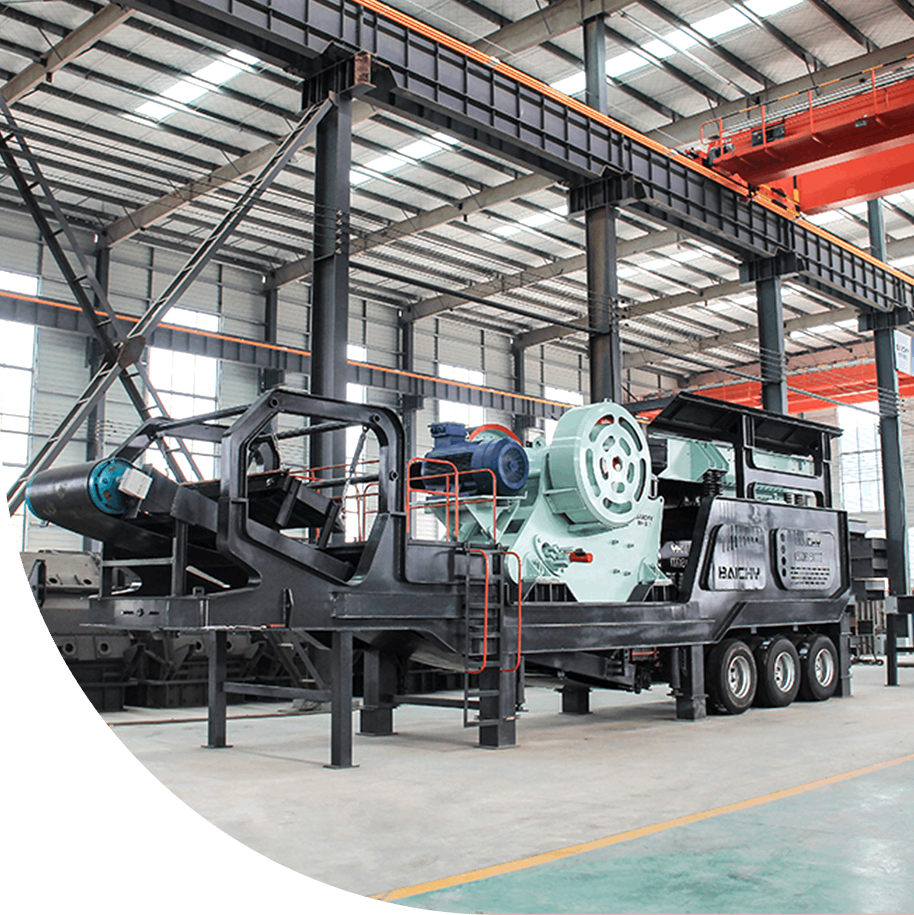
A: Yes. The PE series can be integrated with a feeder and conveyor belt onto a wheeled chassis to form the YDPZ mobile jaw crushing station, eliminating the need for permanent foundations and allowing for rapid relocation.