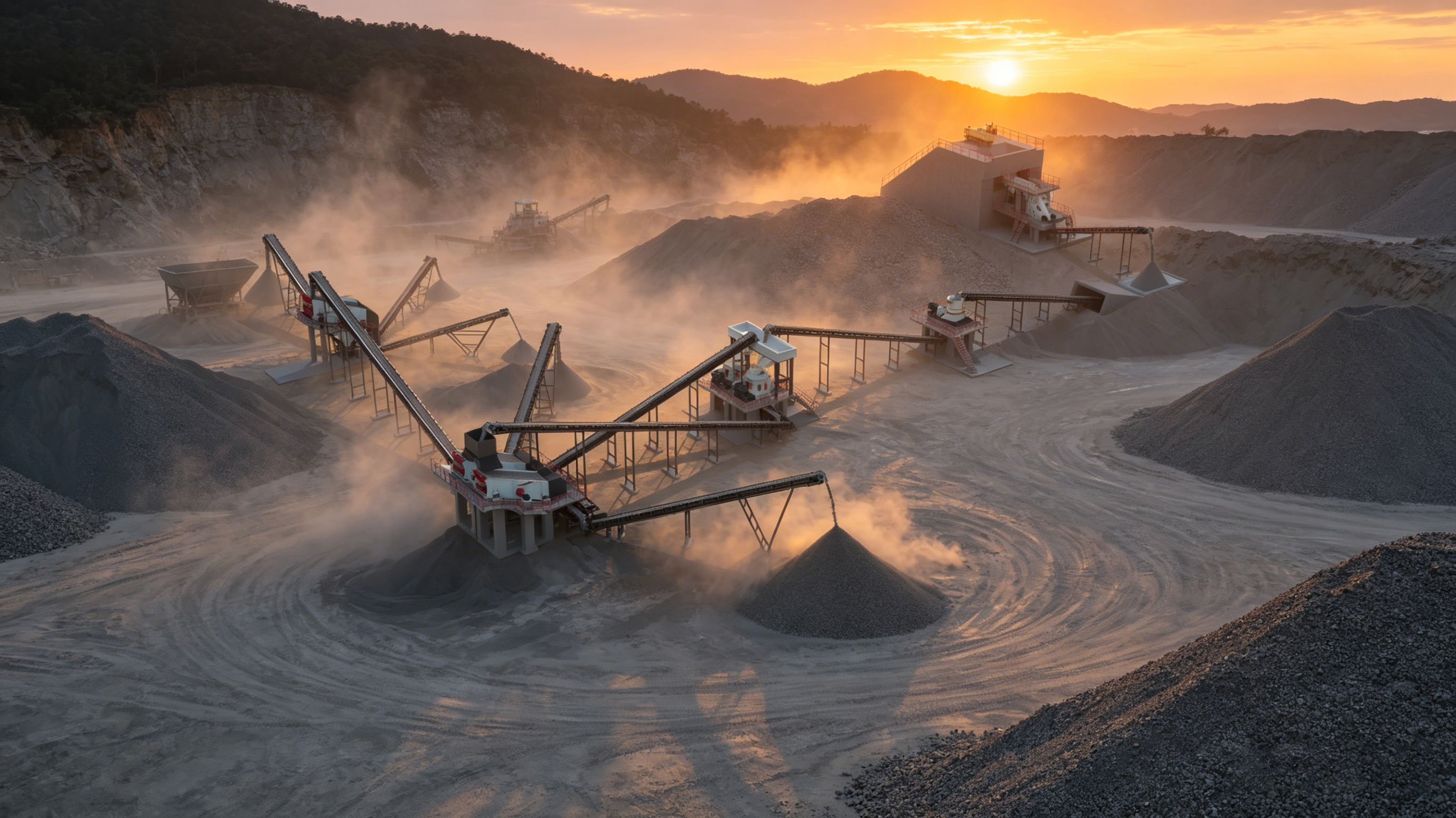
Guide to Selecting Primary Crushing Equipment for Hard Rock Crushing Lines
For crushing production lines involving hard rock (such as granite, basalt, river pebbles, quartzite, etc.), the core logic for equipment selection is: "Wear resistance comes first; efficiency comes second." Due to the high hardness and strong abrasiveness of hard rock, improper equipment selection can lead to extremely rapid wear of components (such as liners and blow bars), causing production costs to skyrocket.
The following is a detailed guide for selecting primary crushing equipment:
1. Primary Crushing (Coarse Crushing): Jaw Crusher vs. Gyratory Crusher
The primary task of coarse crushing is to process large blocks of raw rock, reducing them to a size suitable for secondary crushing.
Jaw Crusher:
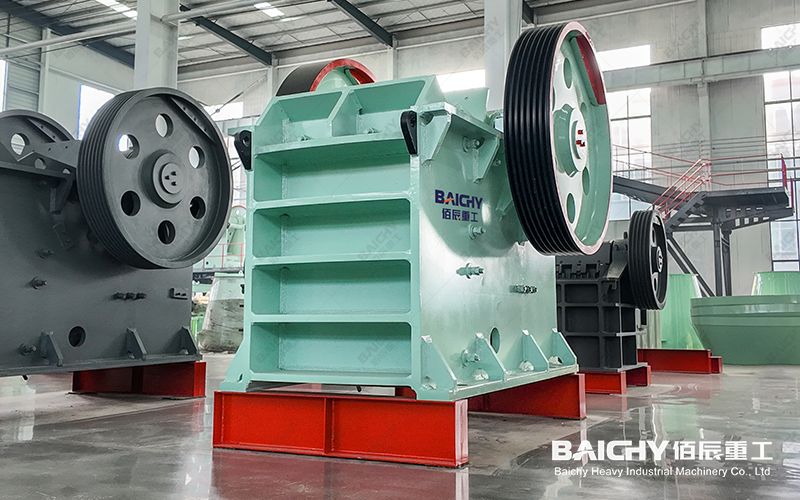
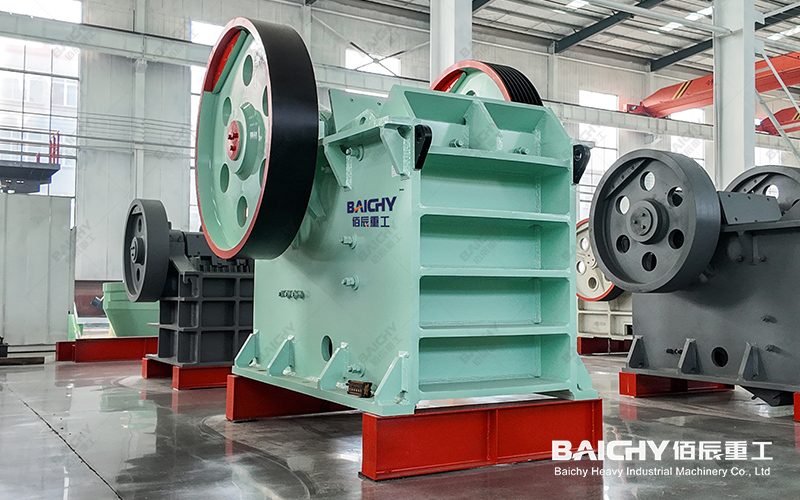
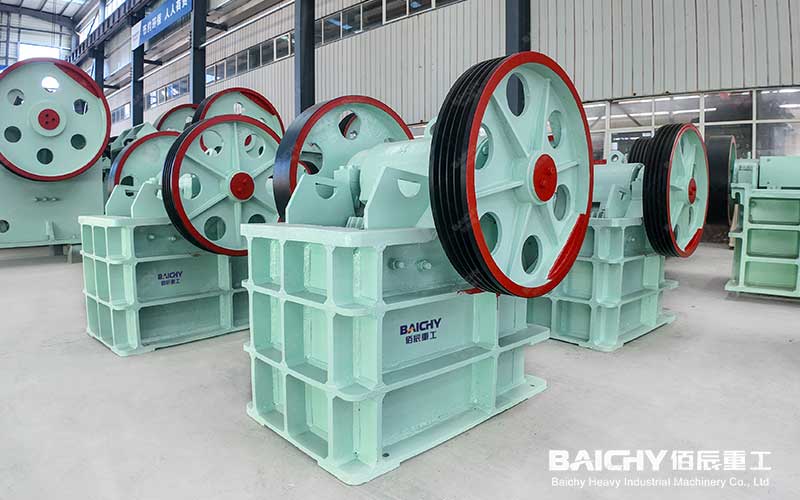
PE Jaw Crusher
Applicable Scenarios: Most small-to-medium-scale, and even large-scale, sand and gravel quarries.
Advantages: Simple structure, easy maintenance, and strong capability for processing large blocks of material (featuring a large feed opening). For hard rock, the jaw crusher offers the highest cost-performance ratio among primary crushing options.
Gyratory Crusher:
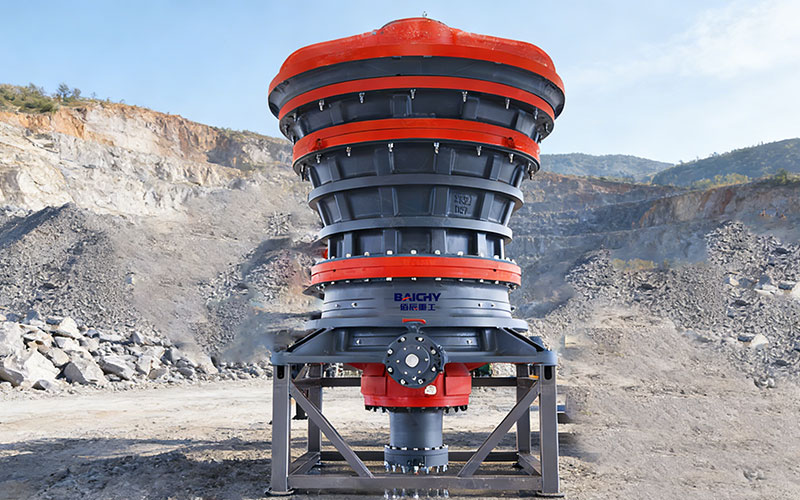
Gyratory Crusher
Applicable Scenarios: Extra-large open-pit mines or large-scale processing plants.
Advantages: Extremely high production capacity; capable of directly receiving material unloaded from large trucks; offers excellent operational continuity. However, it requires a significant capital investment and involves complex foundation construction.
2. Secondary/Tertiary Crushing (Medium & Fine Crushing): Cone Crusher (Sole Recommendation)
For hard rock, the use of impact crushers as the primary secondary crushing equipment is strictly prohibited; otherwise, the service life of the blow bars may be limited to a mere few dozen hours.
Single-Cylinder Hydraulic Cone Crusher:
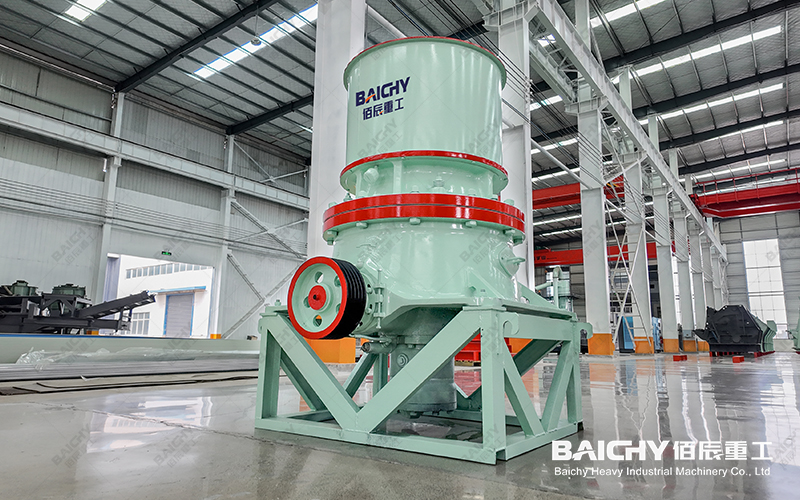
Single-Cylinder Hydraulic Cone Crusher
Characteristics: Simple structure; convenient adjustment of the discharge opening; suitable for medium crushing applications.
Advantages: Easy to maintain; facilitates the implementation of automated control systems.
Multi-Cylinder Hydraulic Cone Crusher (Recommended):
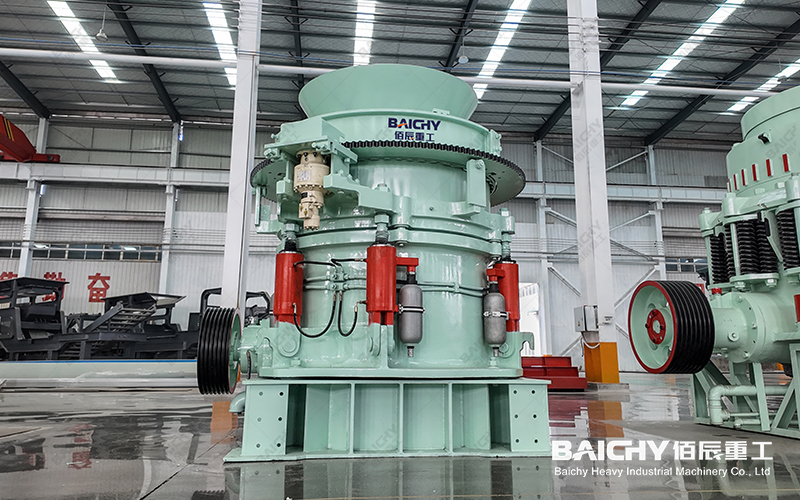
Multi-Cylinder Hydraulic Cone Crusher
Characteristics: Generates immense crushing force; operates at a high frequency; offers a high crushing ratio.
Advantages: Delivers excellent laminated crushing effects, resulting in a high cubic content in the finished product and a minimal proportion of needle-like or flaky particles. When processing extremely hard rock, the multi-cylinder cone crusher demonstrates clear advantages in both efficiency and finished product quality.
3. Stage 4 Crushing / Shaping (Sand Making): VSI Vertical Shaft Impact Crusher
If the production of high-quality aggregates or manufactured sand is required, a dedicated shaping and sand-making stage must be incorporated into the process.
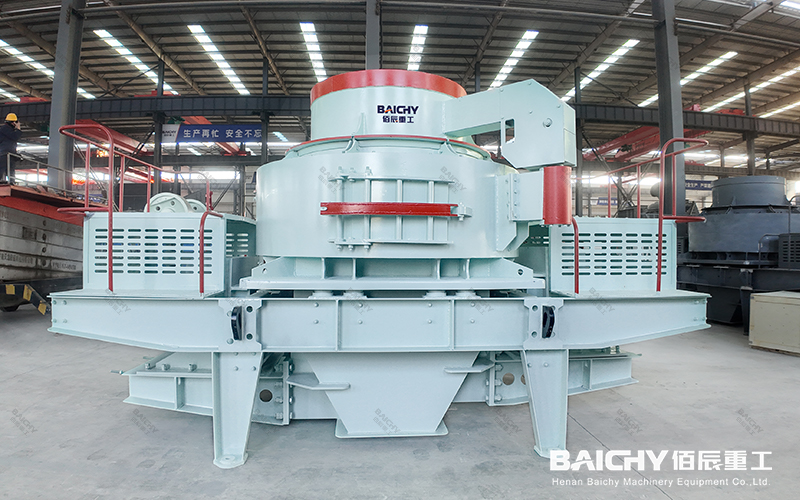
VSI Vertical Shaft Impact Crusher
"Stone-on-Stone" (VSI): The material forms a protective liner within the crushing chamber and is crushed through mutual collision between the particles themselves.
Applicability: Shaping of extremely hard rocks; minimizes wear on consumable parts; produces finished products with a rounded, cubical shape.
"Stone-on-Iron": The material directly impacts the peripheral liner plates.
Applicability: Materials with slightly lower hardness; offers higher crushing efficiency, but results in greater wear on consumable parts compared to the "Stone-on-Stone" mode.
4 Core Parameters to Verify When Selecting Equipment:
1. Material Physical Properties:
Crushing Value / Compressive Strength: If exceeding 150–200 MPa, a cone crusher must be selected.
1. Silt/Clay Content & Moisture Content: If the silt/clay content is high, a vibrating feeder + pre-screening unit must be installed upstream of the jaw crusher to prevent clogging of the crushing chamber.
2. Maximum Feed Size: The dimensions of the feed opening should be 1.1 to 1.2 times larger than the maximum size of the incoming material.
3. Throughput Requirements: Select the appropriate equipment model based on the required hourly output, while allowing for a 15%–20% capacity margin.
4. Crushing Ratio: Rationally distribute the crushing ratios across each stage of the process to prevent any single stage from becoming overloaded.
Typical Configuration Schemes for Hard Rock Crushing Production Lines:
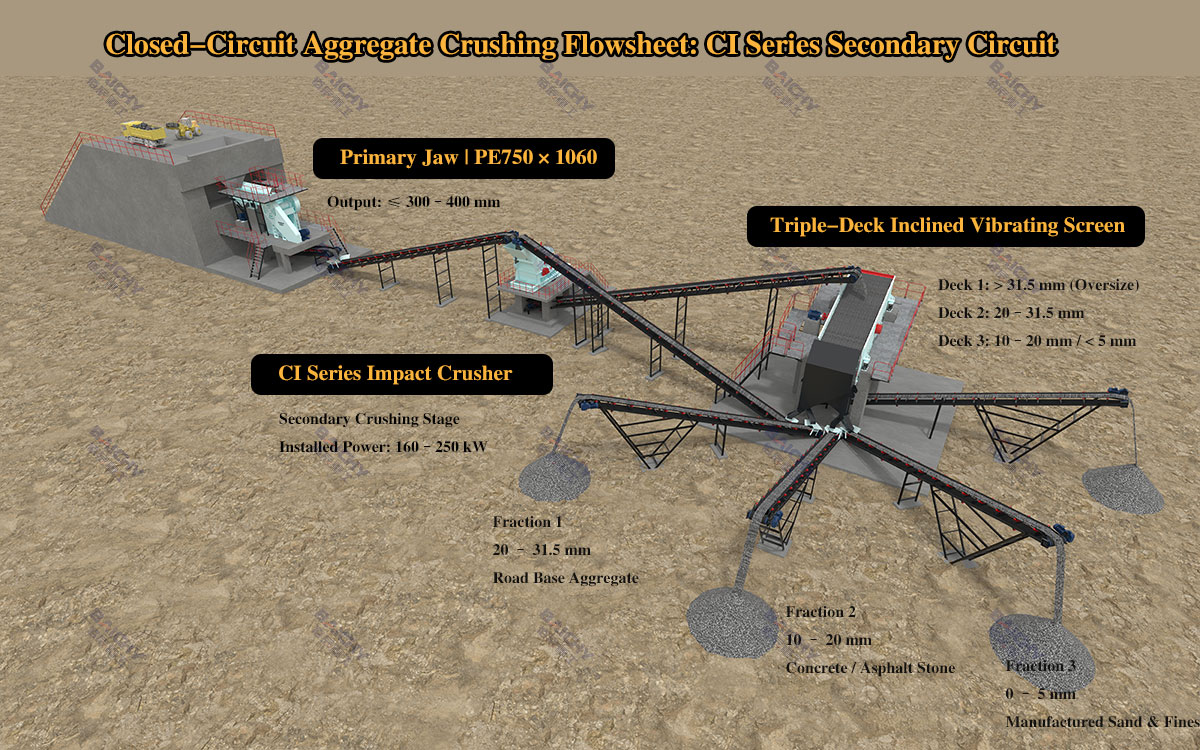
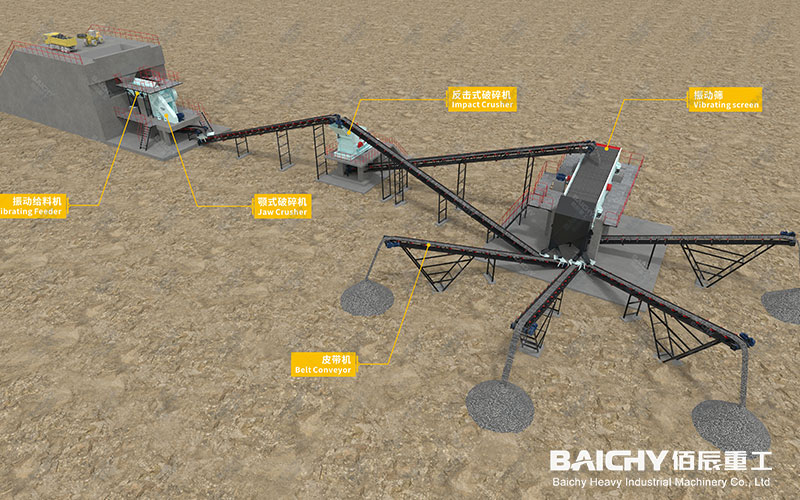
Standard Configuration: Vibrating Feeder + Jaw Crusher (Coarse Crushing) + Cone Crusher (Medium/Fine Crushing) + Vibrating Screen + Belt Conveyors.
High-Standard Configuration (Premium Aggregates/Sand): Vibrating Feeder + Jaw Crusher + Multi-Cylinder Cone Crusher + Vertical Shaft Impact Crusher (Shaping) + Vibrating Screen (Multi-Deck) + Sand Washer (Optional). Recommendation: Before making a final decision, it is recommended to contact the manufacturer to conduct tests on the rock's compressive strength and abrasiveness, and to perform closed-circuit simulation calculations based on your specific requirements for finished product proportions (e.g., 0–5 mm, 5–10 mm, 10–20 mm, etc.).
Frequently Asked Questions
Q1: Why is a cone crusher—rather than a cheaper impact crusher—the mandatory choice for a hard rock crushing production line?
A: This decision is driven by "wear-part costs." Hard rocks (such as granite, basalt, and river pebbles) possess high compressive strength and are extremely abrasive. Impact crushers rely on high-speed impact bars (blow bars) to crush material; when processing hard rock, these bars wear out very rapidly—potentially requiring replacement every few days—resulting in extended downtime and high maintenance costs. In contrast, cone crushers utilize a compressive, inter-particle crushing (laminating) mechanism. The service life of their wear parts is typically 5 to 10 times longer than that of impact crushers, making the overall cost of ownership lower for cone crushers in the long run.
Q2: How can wear-part consumption be minimized in a hard rock production line?
A: This can be addressed through three primary approaches:
1. Pre-treatment: Install a vibrating feeder at the feed end to perform pre-screening, thereby removing fines and soil in advance and reducing unnecessary wear on the crusher.
2. Optimized Crushing Ratio: Avoid attempting to accomplish too much in a single crushing stage; instead, distribute the compression ratio appropriately between the jaw crusher and the cone crusher to alleviate the load on any single piece of equipment.
3. Material Filling: Maintain a choke-fed condition (full crushing chamber) to utilize the "rock-on-rock" inter-particle crushing effect. This protects the liners by reducing the likelihood of them sustaining direct impact from the incoming material.
Q3: What should be done if the finished product from a hard rock production line has poor particle shape (i.e., contains an excessive amount of flaky or needle-like particles)?
A: An excess of flaky or needle-like particles is typically caused by insufficient crushing force or a lack of proper shaping. The recommended solutions are:
1. Upgrade Intermediate and Fine Crushing Equipment: Switch to a multi-cylinder hydraulic cone crusher; its high crushing frequency and inter-particle crushing mechanism can significantly improve the particle shape.
2. Incorporate a Shaping Process: Install a VSI (Vertical Shaft Impact) crusher—specifically a sand-making and shaping machine—at the end of the production line. By utilizing the "stone-on-stone" crushing principle, this unit rounds off the sharp edges of the aggregates, thereby producing high-quality stone materials that meet the rigorous standards of high-specification engineering projects.
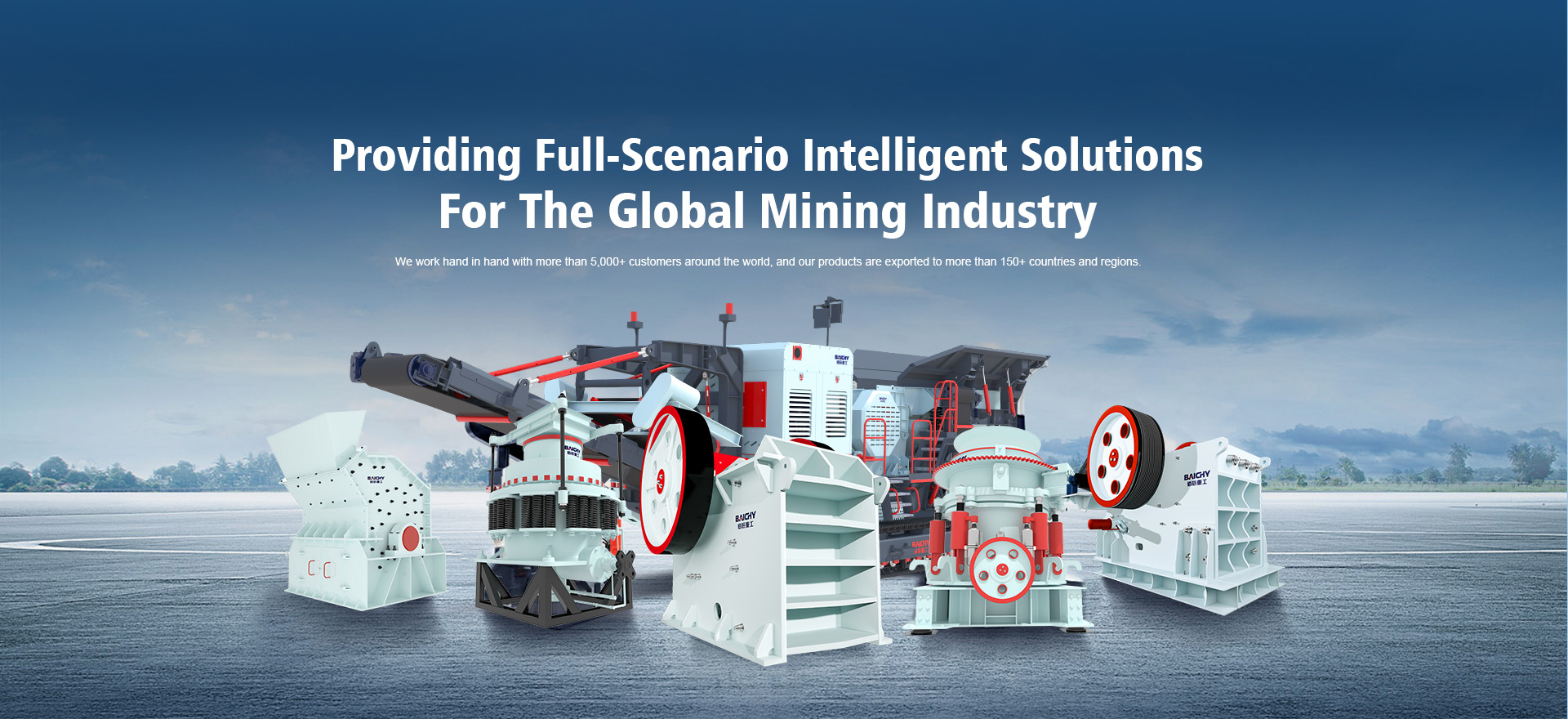
About of Baichy Heavy Industry
Baichy Heavy Industry is a high-tech mining equipment company integrating R&D, manufacturing, sales, and after-sales service. Focusing on crushing, grinding, and mineral processing equipment, we provide professional solutions to our customers. We are ISO9001:2015 、certified, and our products include mobile crushing palnts, crawler crushing plant, construction waste crushing plants, jaw crushers, sand making machines, cone crushers, fine crushers, grinding mills, ball mills, etc., all with reliable performance to meet diverse project needs.
Our advantages:
• Professional pre-sales support: Free project design and comprehensive solutions to help you accurately select the right equipment;
• Comprehensive on-site service: Providing installation guidance and worker training to ensure smooth equipment commissioning;
• Reliable after-sales guarantee: A complete after-sales system, timely response to technical inquiries and equipment maintenance, ensuring long-term stable operation.
To protect your rights, please contact us through the following official channels for professional service:
Official Website Customer Service
https://wa.me/+8615093222637
Email: [email protected]
We are committed to providing high-quality equipment and full-cycle services to deliver comprehensive intelligent solutions for the global mining industry!