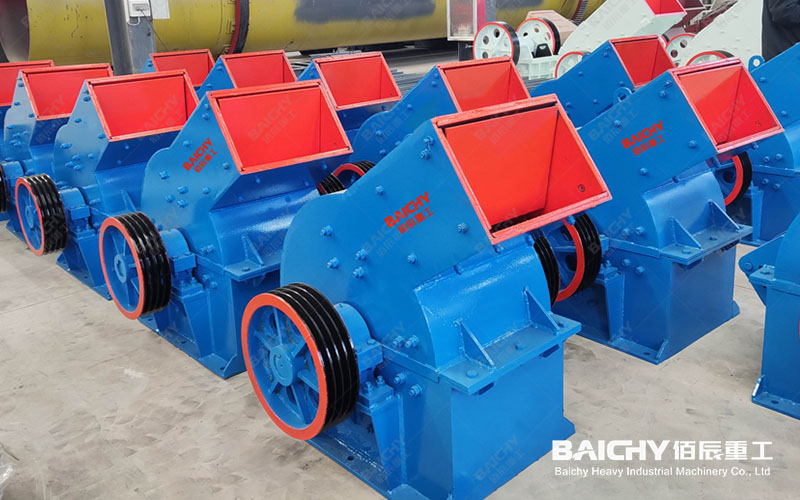
Hammer Crushers for Gold Mining
The hammer crusher used in gold mining represents the most cost-effective and fastest-to-commission option for the crushing stage of small- and medium-sized gold mines. A single PC-series hammer crusher can reduce ore sized ≤400mm to ≤15mm in a single pass, directly meeting the feed requirements for ball mills and wet gold grinding mills; this eliminates the need for secondary crushers and intermediate screening, with a primary equipment investment cost approximately one-third that of a "jaw crusher + cone crusher" two-stage configuration. Baichy Heavy Industry is a specialized manufacturer of mining crushing, grinding, and mineral processing equipment. The PC series offers capacities ranging from 5 to 80 t/h and is already operating reliably in gold mining lines across markets such as Sudan, Zimbabwe, and Mongolia. Selection depends on a single prerequisite: assessing ore hardness. Oxidized ore and moderately hard altered rock are suitable for direct processing in a hammer crusher, whereas high-silica quartz vein gold ore requires a "jaw crusher + cone crusher" setup.
I. Working Principle and Process Positioning
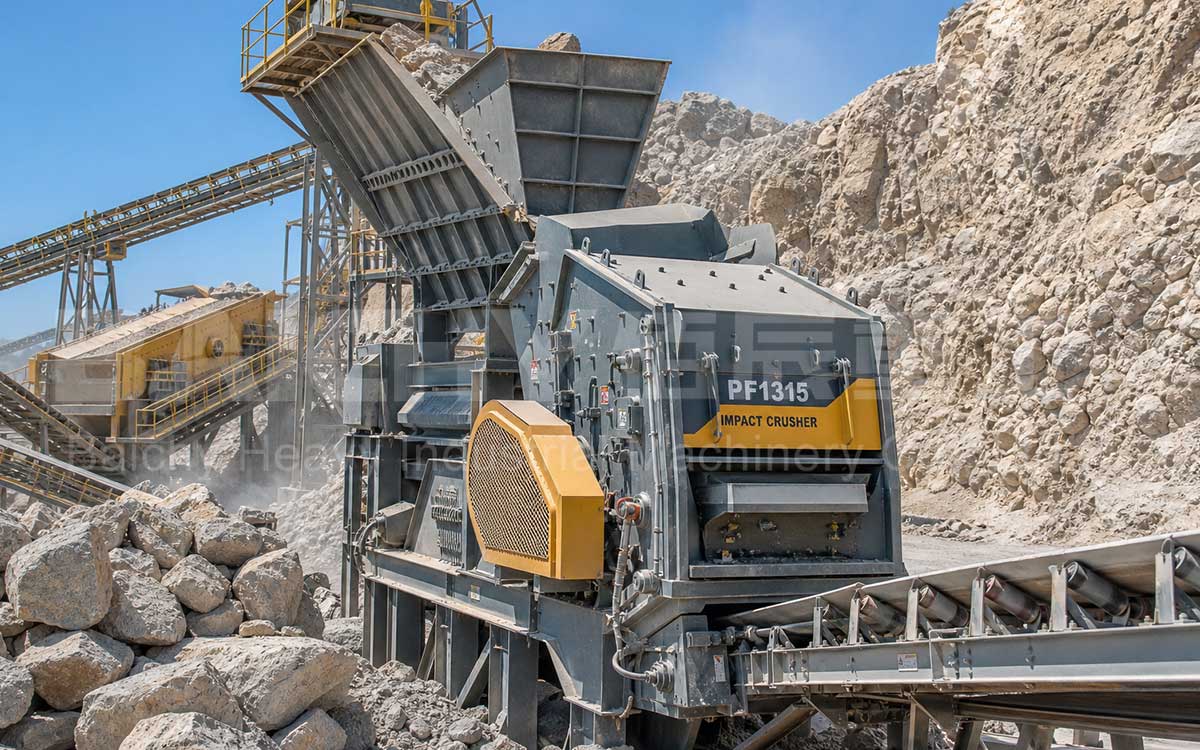
The gold processing chain follows the sequence: Crushing → Grinding → Gold Extraction. The hammer crusher utilizes high-speed rotating hammers to impact and shear the ore; material is repeatedly struck until it is small enough to pass through the bottom grate bars. The output particle size can be controlled within the 5–15mm range by adjusting the grate bar spacing. It handles the medium-to-fine crushing stage: ore sized 100–400mm (following primary jaw crushing) enters the machine and is reduced in a single pass to ≤15mm feed material.
High crushing ratio (10–25): A single unit replaces the "medium crushing + fine crushing" stages, reducing the production line footprint by approximately 40%;
Adjustable output size: Can be flexibly set between 5–15mm to meet the feed requirements of ball mills or gold grinding mills;
Dry and wet processing capability: Handles material with moisture content ≤10% and operates reliably even with oxidized ore during rainy seasons.
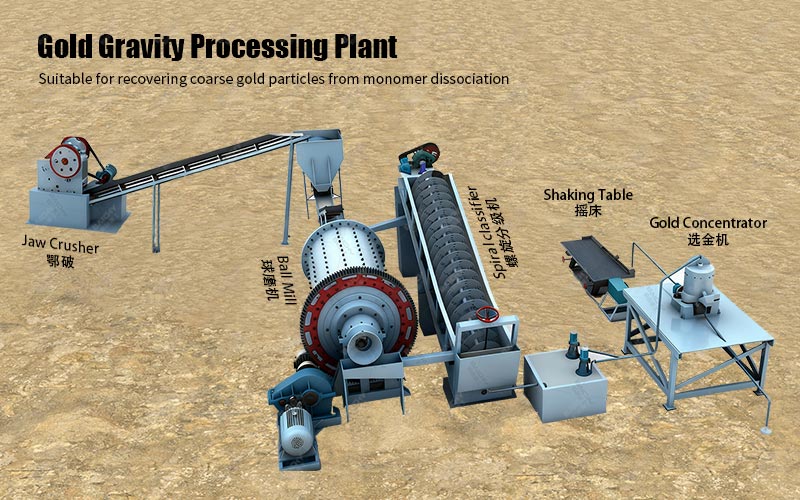
Gold Gravity Processing Plant
II. Application Scenarios: Four Typical Gold Mining Operating Conditions
2.1 Artisanal and Small-Scale Gold Mining (ASGM)
In markets such as Sudan, Ghana, and Tanzania, the standard configuration is a "jaw crusher + hammer crusher + wet gold grinding mill." The PC600×400 model requires only 22 kW of power—driven by a single diesel generator—and is shipped in a wooden crate, allowing for commissioning within three days. Sudan’s gold production exceeded 70 tonnes in 2025, with ASGM accounting for approximately 91.5%, making it one of the world's most concentrated markets for hammer crusher applications.
2.2 Oxidized Ore and Weathered Crust Gold Deposits
Oxidized gold ores, characterized by a Mohs hardness of 3–5 and high clay content, represent the ideal operating condition for hammer crushers; they result in low hammer wear and a high fines generation rate. A single set of hammers lasts 800–1,200 hours, with wear-part costs of only $0.02–0.05 per tonne. During the rainy season, when moisture content is high, pre-screening at the feed end or widening the grate bar gap by 2–3 mm can prevent machine clogging.
2.3 Feed Size Optimization for Small Ball Mill Processing Plants
When jaw crusher output (50–80 mm) is fed directly into the mill, the ball mill achieves only 60–70% of its design capacity. By installing an intermediate hammer crusher to reduce the feed size to ≤20 mm, capacity recovers to over 95%, and steel ball consumption drops by approximately 0.5–0.8 kg/t. This scenario offers the most significant potential for capacity enhancement.
2.4 Tailings Retreatment and Pre-Grinding for CIL/CIP
For fine-grained gold recovery projects involving old tailings ponds, small hammer crushers are used to break up agglomerated material before direct milling; electricity consumption is merely 0.5–0.8 kWh per tonne, and the equipment payback period is under three months. In CIL/CIP production lines, hammer crushers control the feed size to -15 mm, creating optimal particle size conditions for subsequent cyanide leaching.
III. Core Specifications: PC Series Hammer Crusher (Gold Mining Application)
| Model | Feed Size | Discharge Size (Adjustable) | Processing Capacity (Limestone Basis) | Gold Ore Adjusted Capacity | Motor Power |
|---|---|---|---|---|---|
| PC400×300 | ≤100 mm | ≤15 mm | 5–10 t/h | 3–6 t/h | 11 kW |
| PC600×400 | ≤220 mm | ≤15 mm | 10–25 t/h | 6–14 t/h | 22 kW |
| PC800×600 | ≤350 mm | ≤15 mm | 20–40 t/h | 12–28 t/h | 55 kW |
| PC1000×800 | ≤400 mm | ≤15 mm | 25–80 t/h | 15–50 t/h | 110 kW |
Capacity Adjustment Note: Standard capacities are based on limestone (density approx. 1.6 t/m³). For gold ore (density 2.6–2.7 t/m³), actual capacity is calculated using a 0.5–0.7 multiplier; use the upper limit for oxidized ore and the lower limit for quartz vein ore. Quick selection based on throughput: 8–10 tons/day → PC600×400; 20–40 tons/day → PC800×600; >50 tons/day → PC1000×800. Please provide the ore's Mohs hardness and maximum feed size when inquiring to receive accurate estimates for capacity and hammer lifespan.
Large-Scale Option – PCZ Heavy-Duty Hammer Crusher: For gold mining lines requiring high single-unit capacity (100–700 t/h) or handling materials with high moisture or clay content, the PCZ series heavy-duty hammer crusher is recommended. It features a feed size of up to ≤1200 mm and an adjustable discharge size of 3–150 mm. Its grate-free design prevents clogging, making it suitable for the pre-processing of large-scale oxidized ore and clay-rich gold ore.
IV. Core Advantages: Translating Specifications into Profit
| Advantage | Technical Specification | Benefit to Mine Owner |
|---|---|---|
| Single-stage processing | Reduction ratio 10–25; output size ≤15mm | Eliminates secondary crushing and screening; saves ~1/3 on crushing section investment |
| Low investment threshold | PC600×400 ex-factory price: ~$6,000–9,000 | Saves ~2/3 compared to the ~$25,000 main equipment cost of a two-stage system |
| Adjustable output | Grate bar gap adjustable (5–15mm) | Precisely matches mill feed size requirements; boosts grinding capacity by 25–35% |
| Wear-resistant hammers | High-chrome manganese steel; reversible design | Doubles the lifespan of a single set of hammers; reduces annual wear-part costs by ~40% |
| Minimal maintenance | Three main components (rotor, hammers, grate bars); no hydraulics | Maintainable by on-site general mechanics; no need for external engineers |
| Power flexibility | 380V/50Hz, 440V/60Hz, or diesel drive options | Compatible with grids in target markets (e.g., Sudan, Zimbabwe) and off-grid sites |
Benefit Example: For a weathered gold ore processing line with a 30-ton daily capacity, replacing the "jaw crusher + impact crusher" two-stage setup with a single PC800×600 unit saves ~$25,000 in main equipment investment. Based on 220 production days, annual costs for wear parts and electricity are ~30% lower than the two-stage system. The savings cover the down payment for a small ball mill—demonstrating the real financial value of this hammer crusher in the oxidized ore market.
V. Real-World Case Studies
Case Study 1: ASGM Site in Sudan — PC600×400 + 1100 Wet Gold Grinding Mill
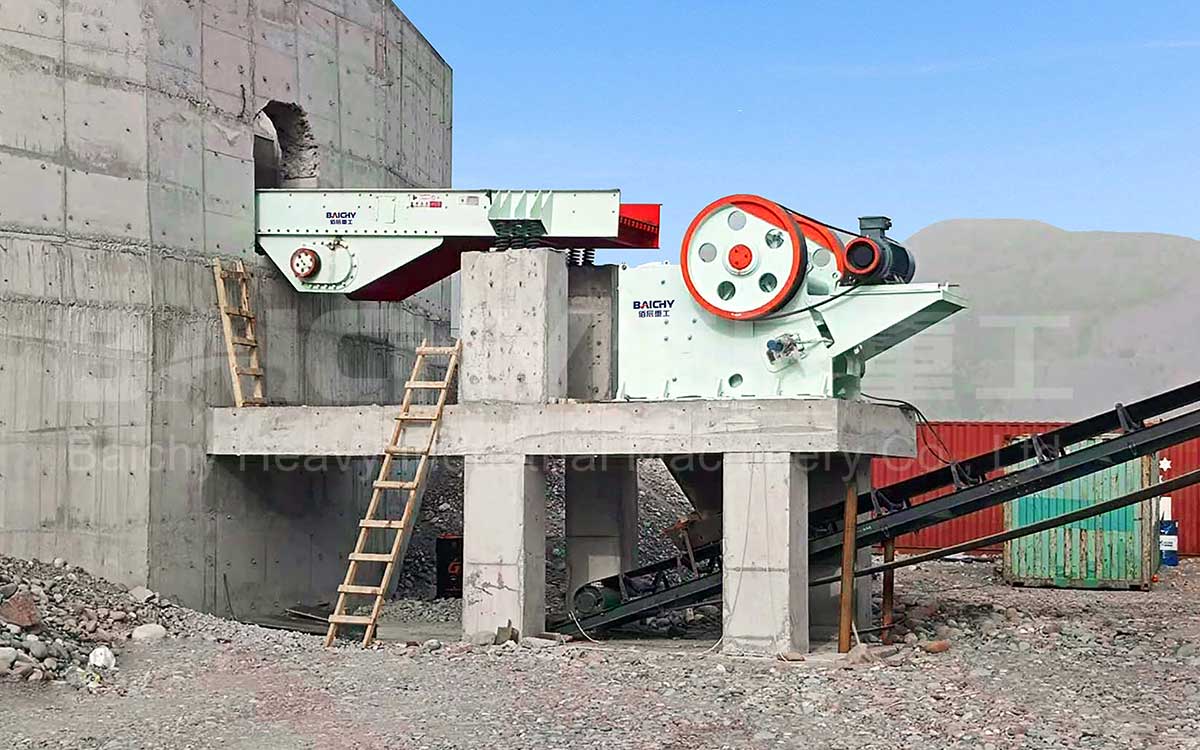
An oxidized gold ore site in River Nile State; ore grade 2–4 g/t; daily processing capacity 8–10 tons. Configuration: ZSW vibrating feeder → PE250×400 jaw crusher (primary crushing to ≤50mm) → PC600×400 hammer crusher (output ≤15mm) → 1100 wet gold grinding mill for gold extraction. The investment for the main equipment set is approximately 12,000–18,000; the total installed power of 22kW + 5.5kW is supplied by a diesel generator set. Based on a gold price of 80/g and a daily recovery of 15–25g of raw gold, the equipment investment is recouped within approximately 6–8 weeks of operation. Later, a second hammer crusher of the same model was added in parallel at the site to expand capacity—doubling output without altering foundations or replacing existing main units—demonstrating the flexibility of the hammer crusher solution for "on-demand capacity expansion."
Case Study 2: Zimbabwe 30t/h Crushing Line—PC800×600 Single Unit Replacing Two-Stage System
The original plan called for a two-stage "jaw crusher + impact crusher" setup but was revised to a PE500×750 jaw crusher (primary crushing) and a PC800×600 hammer crusher (fine crushing). The output (≤15mm) feeds directly into a 1500×3000 ball mill. This approach saved approximately $25,000 in main equipment costs compared to the original plan, reduced the crushing section's footprint from ~120m² to ~70m², and shortened the commissioning timeline by 3 weeks. Compatible with Zimbabwe's 380V/50Hz grid, the 55kW motor utilizes direct-on-line starting (no variable frequency drive required), allowing local electricians to handle installation and commissioning. Post-commissioning measurements showed power consumption in the crushing section at approximately 0.9 kWh/tonne—a reduction of about 25% compared to the two-stage scheme.
The cases above serve as examples of typical configurations and investment estimates; specific parameters are subject to on-site material analysis and final equipment selection/design. VII. Recommended Equipment
A hammer crusher used in gold mining is only valuable when integrated into a complete "crushing–grinding–gold extraction" circuit:
| Process Step | Recommended Equipment | Selection Rationale |
|---|---|---|
| Primary Crushing | PE Series Jaw Crusher | Reduces run-of-mine ore (300–500mm) to ≤100mm, preparing the feed for the hammer crusher |
| Secondary/Fine Crushing (Core) | PC Series Hammer Crusher | The primary equipment discussed here; produces ≤15mm output suitable for direct grinding |
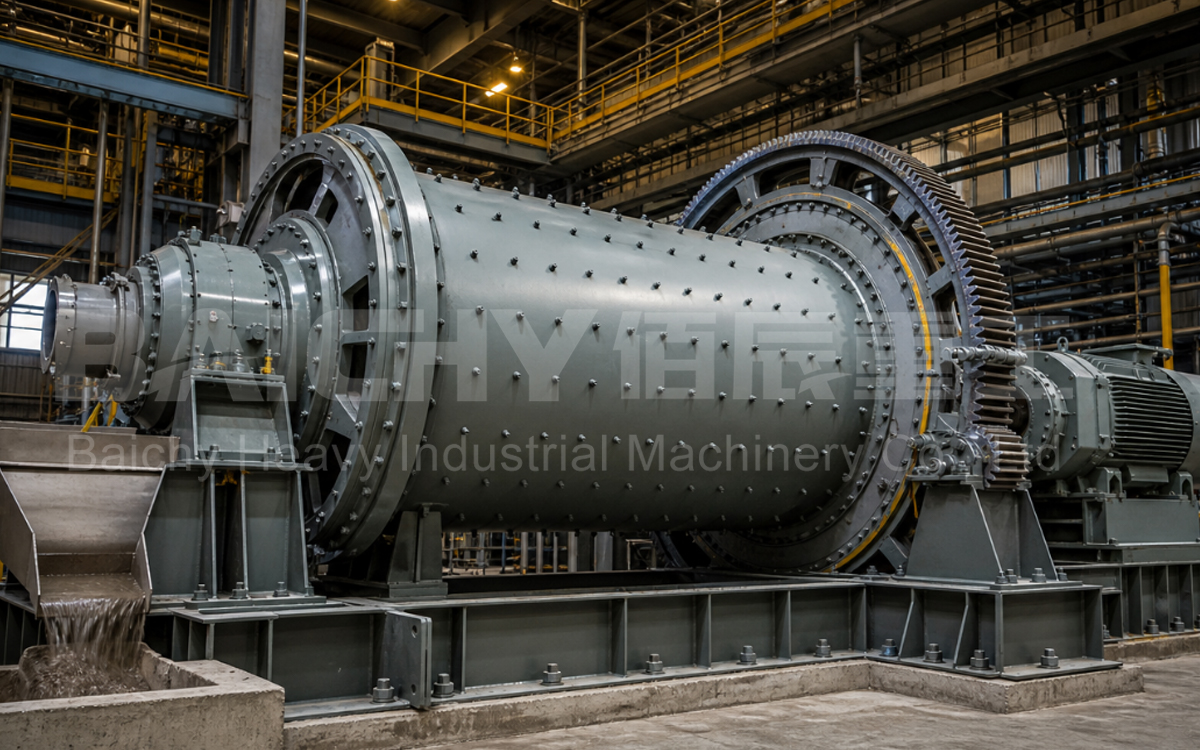
| Grinding | Ball Mill / 1100 Wet Gold Grinding Mill | Ball mills for large-scale lines; grinding mills for ASGM (Artisanal and Small-Scale Gold Mining) sites |
| Feeding | ZSW Vibrating Feeder | Ensures uniform feeding; extends hammer lifespan by 20–30% |
| Tramp Iron Protection | Suspended Magnetic Separator | Prevents iron objects from entering the crushing chamber and damaging hammers or grate bars |
| Classification & Extraction | Spiral Classifier, Shaking Table, CIL/CIP System | Gravity separation or cyanidation processes selected based on ore characteristics |
VIII. FAQ
Q1: Is the hammer crusher suitable for all types of gold ore? Can it be used for quartz vein gold ore?
It is not suitable for all ore types. Hammer crushers are best suited for medium-hard, brittle materials (oxidized ore, altered rock, gold-bearing conglomerate) with a moisture content of ≤10%. For high-silica quartz vein gold ore (Mohs hardness ≥6.5), hammer wear is excessive—potentially exceeding $0.15 per ton in wear-part costs—so a "jaw crusher + cone crusher" combination should be used instead. Before signing a contract, it is recommended to provide 5–10 kg of representative ore samples for crushing tests to use actual data rather than empirical estimates; this is the most cost-effective way to avoid equipment selection errors.
Q2: What output particle size should the hammer crusher be set to for maximum grinding mill productivity?
It depends on the type of grinding mill: the recommended feed size for ball mills is ≤15–20mm, while for wet gold grinding mills, it is ≤10–15mm. The output particle size can be set within the 5–15mm range by adjusting the gap between the bottom grate bars. After reducing the feed particle size from 50 mm to ≤15 mm, the ball mill's production capacity typically recovers to over 95% of its design value; steel ball consumption drops by 0.5–0.8 kg/t, and the corresponding power consumption for the grinding stage decreases by approximately 30%.
Q3: Can an electric hammer crusher be used in a mining area without a power grid?
Yes. Baichy offers diesel-engine-driven hammer crushers that can be put into operation without a grid connection. The PC600×400 model requires only 22 kW and can be powered by a single 30–40 kVA diesel generator, offering the fastest route for ASGM sites to go from "arrival on-site" to "production within three days." For mining areas with a stable power grid, the electric version is recommended due to lower operating costs per tonne; both drive types are compatible with local power standards, such as 380V/50Hz and 440V/60Hz.
Baichy Heavy Industry
Baichy Heavy Industry is a high-tech mining equipment company integrating R&D, manufacturing, sales, and after-sales service. Focusing on crushing, grinding, and mineral processing equipment, we provide professional solutions to our customers. We are ISO9001:2015 、certified, and our products include mobile crushing palnts, crawler crushing plant, construction waste crushing plants, jaw crushers, sand making machines, cone crushers, fine crushers, grinding mills, ball mills, etc., all with reliable performance to meet diverse project needs.
Baichy Heavy Industry – Your Trusted Partner
To ensure optimal performance of your equipment, Baichy Heavy Industry offers:
- Professional on-site installation guidance
- Comprehensive operator training
- 24/7 technical support & maintenance services
Our complete after-sales service system guarantees long-term, stable operation of your machinery with minimal downtime.
Protect Your Rights – Only Use Official Channels
To avoid scams and ensure authentic support, contact us exclusively through:
• Official Website: www.baichychina.com
• WhatsApp: +8615093222637
• Email: [email protected]
Your satisfaction is our priority – expect prompt, professional service every time.
(Note: Beware of unauthorized third parties claiming to represent Baichy. Always verify through official contacts.)