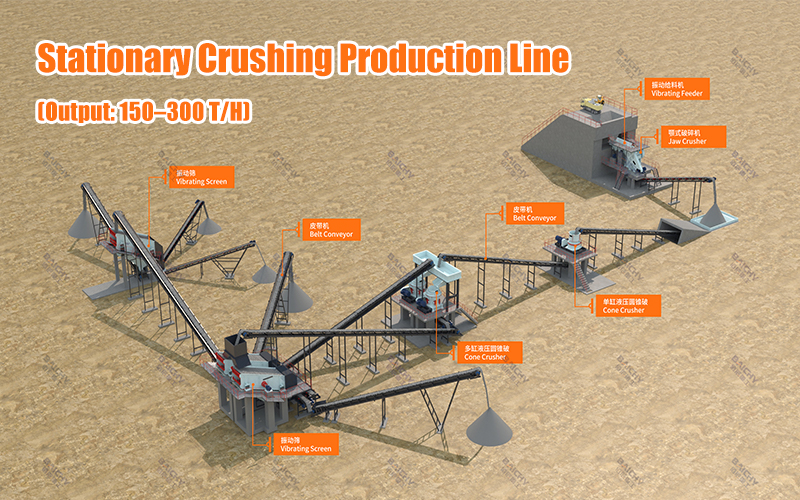
Stationary Crushing Production Line
Industrial-Grade Stationary Crushing and Screening Production Line Solution: Fully Intelligent Control and High-Quality Aggregate Output
I. Core Configuration and Technical Parameters of the Production Line
This stationary crushing and screening production line employs a three-stage crushing process design. Its core strengths lie in fully intelligent control across the entire workflow and the exceptional durability of its heavy-duty equipment. The system is designed with a total installed power capacity of 250–400 kW, making it ideally suited for large-scale, continuous operations.
1. List of Key Equipment and Technical Specifications
| Equipment Name | Core Specifications/Model | Processing Capacity/Particle Size | Remarks |
| Vibrating Feeder | Feed Inlet Width: 800–1000 mm | Max. Feed Size: ≤700 mm | Equipped with a grizzly screen for effective separation of soil and impurities |
| Primary Crushing (Jaw Crusher) | Model 1260 (1200×600 mm) | Feed Size: ≤1000 mm / Discharge Size: 150–300 mm | Daily Output: 150–300 tons; High compressive strength capability |
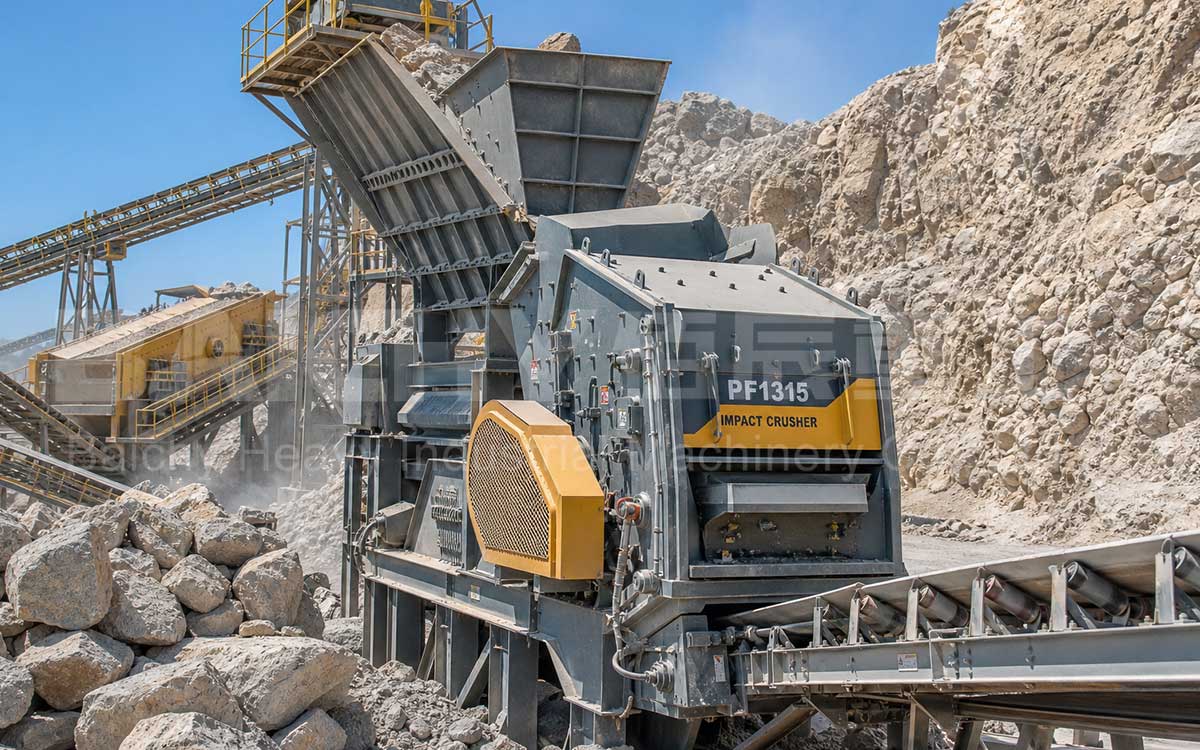
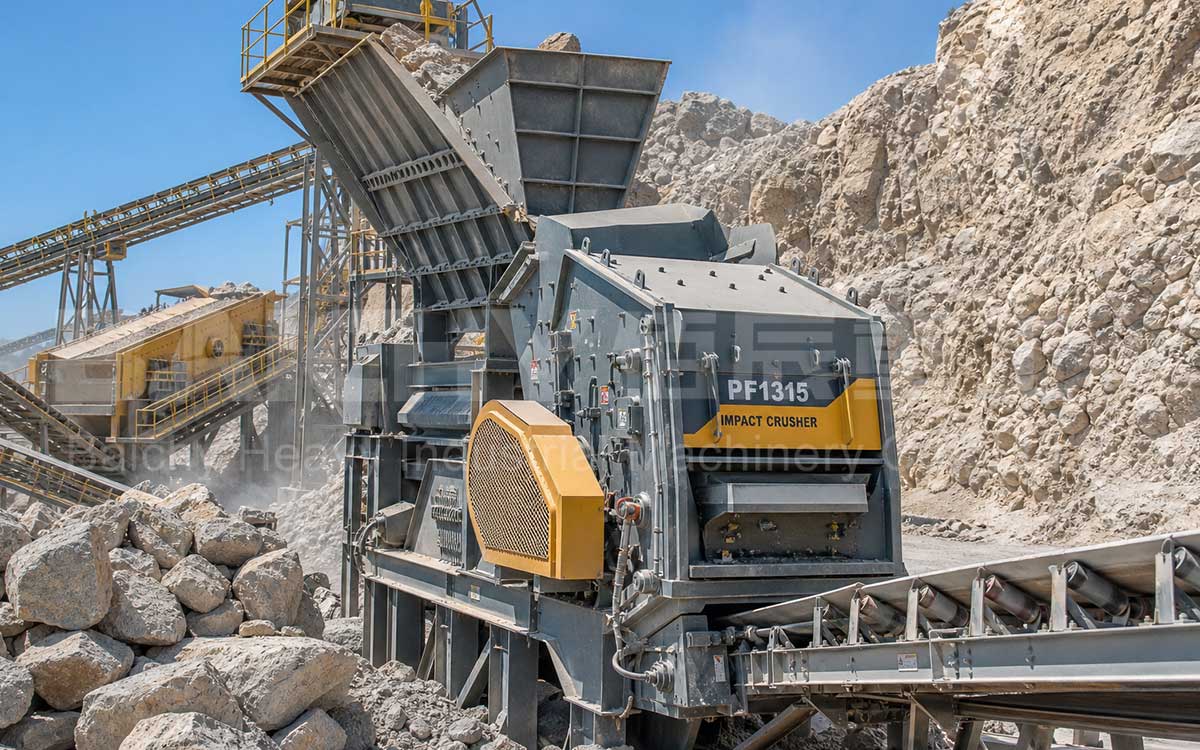
| Secondary Crushing (Impact Crusher) | Specialized Model for Construction Aggregates | Feed Size: ≤300 mm / Discharge Size: 80–20 mm | Daily Output: 120–250 tons; Optimized particle shape |
| Tertiary Crushing (Fine Crushing) | Specialized Model for Sand Making | Feed Size: 20–80 mm / Discharge Size: ~1.75 mm | Daily Output: 80–150 tons; Manufactured sand shaping/finishing |
| Conveying System | Belt Width: 1000–1200 mm | Belt Speed: 1.0–1.2 m/s | Equipped with heavy-duty rollers and emergency stop protection |
| Control System | Centralized Electrical Control Cabinet | Dual Mode: Automatic/Manual | Siemens-grade motors, includes overload protection |
2. Finished Aggregate Specifications Table
Operating via a closed-circuit circulation system, this production line allows for the precise control and output of the following three standard aggregate specifications, fully complying with the national standard GB/T 14684-2022: Sand for Construction:
| Finished Product Spec. | Particle Size Range | Primary Application Scenarios |
| Manufactured Sand | 0–5 mm | Commercial Concrete Batching Plants, Dry-mix Mortar, Specialty Concrete |
| Medium Aggregates | 5–20 mm | Reinforced Concrete Structures, Road Pavement Base Layers |
| Coarse Aggregates | 20–40 mm | Large-scale Infrastructure Piling/Foundations, Hydraulic Dam Embankments |
II. Detailed Process Flow
The production process follows a closed-loop logic of "coarse crushing – medium crushing – fine crushing – screening," ensuring that every piece of ore undergoes thorough fragmentation.
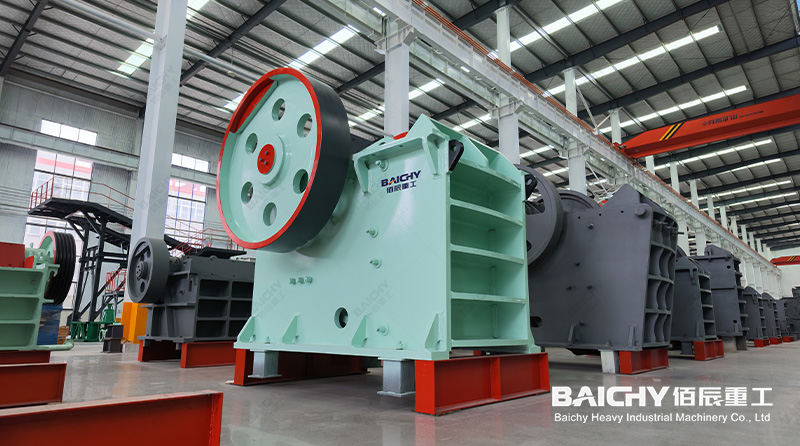
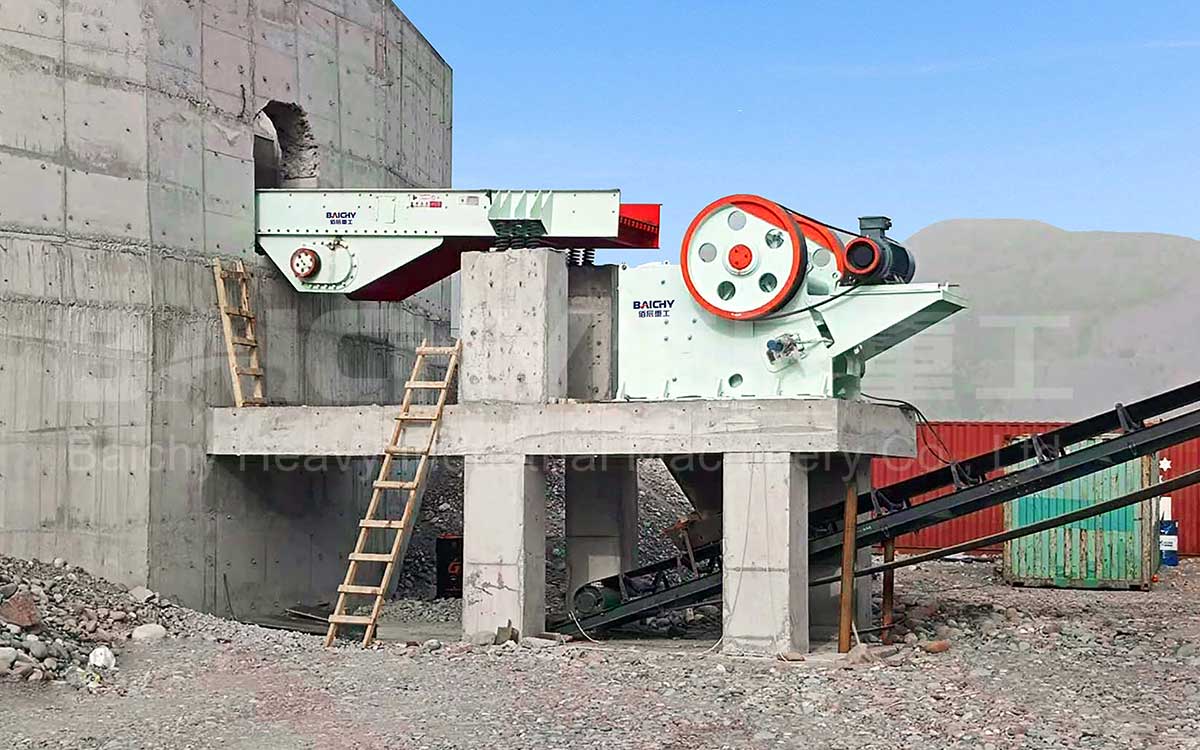
Primary Jaw Crusher
1. Raw Material Pre-processing Stage: Raw materials are fed into a jaw crusher via a heavy-duty vibrating feeder; a grizzly screen pre-screens and removes loose soil and impurities, thereby enhancing the purity of the finished product.
2. Primary Crushing Stage: Large blocks of stone (≤1000mm) are crushed by the jaw crusher down to a size of 150–300mm and then transported to an intermediate stockpile via the main conveyor belt.
3. Secondary Crushing & Recirculation Stage: Materials enter an impact crusher for shaping and secondary reduction. Any oversized particles that fail to meet specifications are returned to the crushing chamber via a return conveyor belt, establishing a closed-circuit loop.
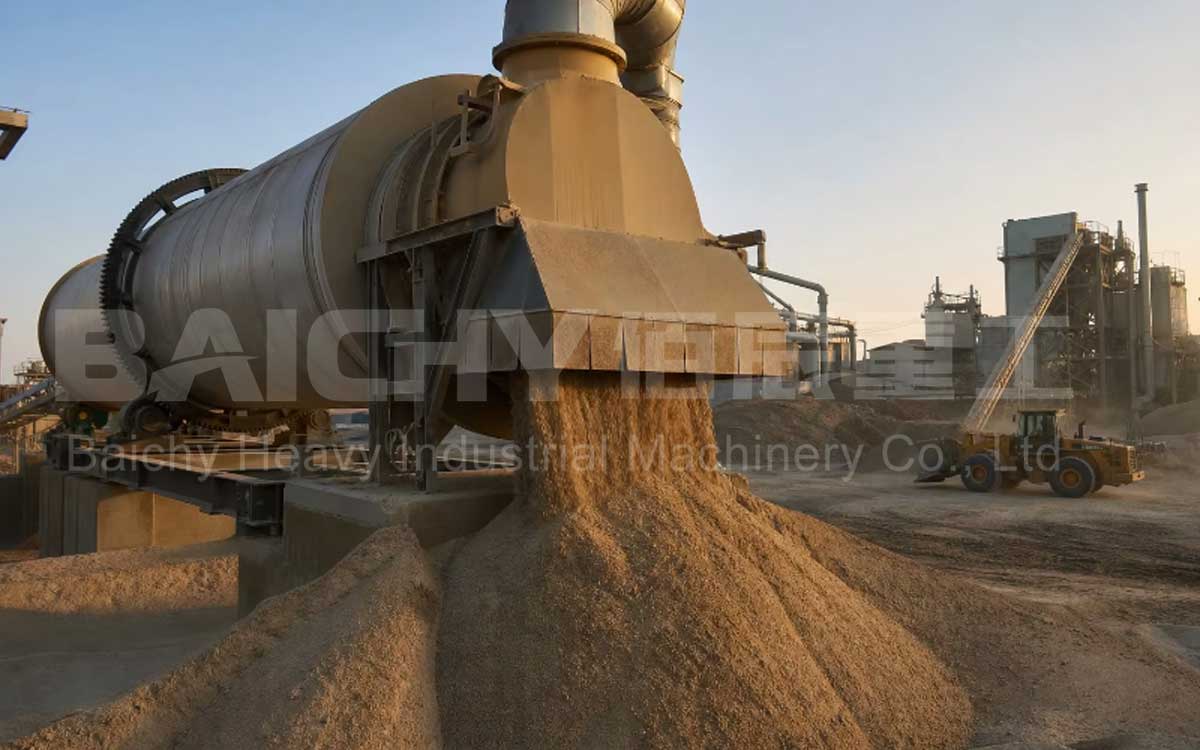
4. Sand Making & Screening Stage: A fine crusher further processes the aggregates down to a size of approximately 1.75mm. Finally, a multi-layer vibrating screen separates the material into finished product grades of 0–5mm, 5–20mm, and 20–40mm.
III. Competitive Advantages Analysis
1. Industry-Leading Energy Efficiency: Equipment selection is optimized through dynamic matching; compared to traditional production lines, unit energy consumption is reduced by approximately 15% (Reference: ISO 21873 Energy consumption test standards for construction machinery).
2. Intelligent O&M Minimizes Unplanned Downtime: The system employs a centralized PLC control system to monitor electrical current and bearing temperatures in real-time; in the event of an overload, the equipment automatically reverses operation to ensure operational safety.
3. Superior Product Particle Shape Commands a Sales Premium: Utilizing a "stone-on-iron" crushing principle, the manufactured sand produced is predominantly cubical in shape, with a needle-and-flaky particle content of less than 10%, thereby meeting the material standards for High-Performance Concrete (HPC).
IV. Typical Application Scenarios
• National-Level Infrastructure Projects: Such as the supply of ballast and subgrade fill materials for expressways (G-series) and high-speed railways (CRTS).
• Green Mining Development: Large-scale production operations for major sand and aggregate mines.
• Urban Renewal Projects: Resource recovery and recycling of construction waste (requires adjustment of equipment parameters).
About of Baichy Heavy Industry
Baichy Heavy Industry is a high-tech mining equipment company integrating R&D, manufacturing, sales, and after-sales service. Focusing on crushing, grinding, and mineral processing equipment, we provide professional solutions to our customers. We are ISO9001:2015 、certified, and our products include mobile crushing palnts, crawler crushing plant, construction waste crushing plants, jaw crushers, sand making machines, cone crushers, fine crushers, grinding mills, ball mills, etc., all with reliable performance to meet diverse project needs.
Our advantages:
• Professional pre-sales support: Free project design and comprehensive solutions to help you accurately select the right equipment;
• Comprehensive on-site service: Providing installation guidance and worker training to ensure smooth equipment commissioning;
• Reliable after-sales guarantee: A complete after-sales system, timely response to technical inquiries and equipment maintenance, ensuring long-term stable operation.
To protect your rights, please contact us through the following official channels for professional service:
Official Website Customer Service
https://wa.me/+8615093222637
Email: [email protected]
We are committed to providing high-quality equipment and full-cycle services to deliver comprehensive intelligent solutions for the global mining industry!
V. Frequently Asked Questions (FAQs)
Q1: How many tons of sand can this production line produce in a single day?
A: Under ideal operating conditions, the daily output of the tertiary crusher (sand-making machine) ranges from 80 to 150 tons. When calculating the integrated output of the entire line, the complete system can process a total of approximately 500 to 800 tons of raw material per day, depending on the hardness of the feedstock (e.g., there is a significant difference between granite and limestone).
Q2: Is this equipment suitable for crushing limestone (calcite)?
A: It is highly suitable. The secondary impact crusher mentioned in the text is specifically designed for calcite and medium-hardness construction aggregates; when crushing such materials, the wear parts exhibit a long service life, and the finished product features an excellent particle shape.
Q3: What are the environmental protection measures for this production line? Are noise and dust levels high?
A: This solution features a standard industrial configuration. We recommend installing a water-spraying dust suppression system at the discharge ports of the vibrating screen and crushers, as well as installing sealed covers at the material drop points along the conveyor belts. Under standard operating conditions, noise levels are controlled below 85 dB, complying with the GB 12348-2008 Emission Standard of Environmental Noise for Industrial Enterprises at Boundary.
Q4: How much site area is required to install this production line?
A: As a stationary production line, we recommend reserving a hardened site area with a minimum length of 60 meters and a minimum width of 30 meters. This area should accommodate the equipment foundations, finished material stockpiles, and maintenance access walkways.
Q5: Does the control system support remote monitoring via mobile phone?
A: The standard configuration features an on-site centralized electrical control panel (supporting both automatic and manual modes). If remote IoT monitoring capabilities are required—allowing you to view output volume and current levels via a mobile app—additional communication modules and cloud platform services must be installed.
Q6: Which brand of motors is used? What are the voltage requirements?
A: The motors primarily utilize Siemens or equivalent top-tier brands. The total installed power capacity is approximately 250–400 kW, and the standard operating voltage is 380–415 V / 50 Hz; a dedicated transformer must be provided.
Q7: Are the long-term maintenance costs high? What are the main wear parts?
A: Maintenance costs are primarily associated with wear-resistant components (such as jaw plates, impact liners, and hammerheads). Thanks to the use of high-quality high-manganese steel, the service life of the jaw plates can reach 6 to 12 months under normal operating conditions, depending specifically on the silicon content of the raw materials.