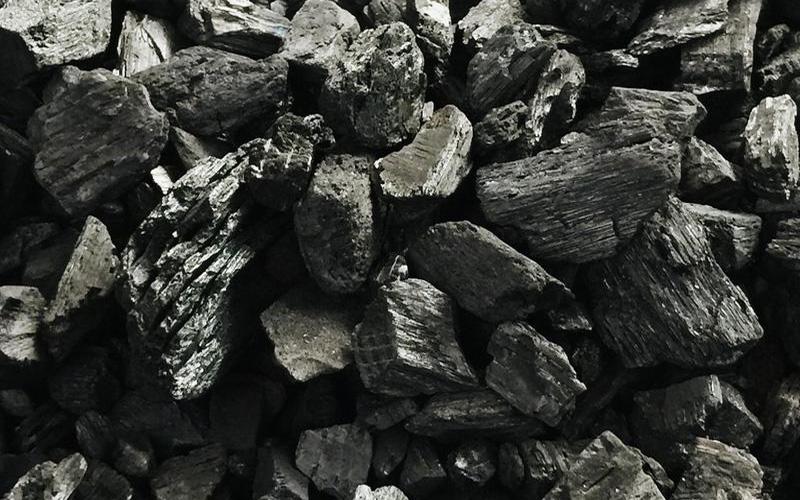
Coke is a lumpy solid produced by high-temperature dry distillation of coking coal in the absence of air. It is a key raw material in industries such as iron smelting and chemicals. Its physical properties include a porous structure, which determines its specific surface area and reactivity; mechanical strength, measured by its crushing strength (M40) and abrasion resistance (M10), which affect the difficulty of crushing; and a hard, sharp texture with high abrasiveness, easily wearing down equipment parts. Chemically, coke has a high fixed carbon content (typically >80%), but impurities such as sulfur, phosphorus, moisture, and ash must be strictly controlled (especially in metallurgical coke). Its reactivity (CRI) reflects its ability to react with CO₂, while its post-reaction strength (CSR) reflects its ability to retain its structure after the reaction. In terms of applications, it serves three main functions in blast furnaces: as a reducing agent to extract oxygen from iron ore, as a heating agent to provide heat, and as a structural support to ensure permeability (therefore, strict requirements are placed on particle size distribution).
Similarities and Differences between Coke and Carbon Materials
Characteristics Coke Typical industrial carbon material (e.g., graphite/carbon blocks) Main Sources High-temperature carbonization of coal Processing of petroleum coke, asphalt, natural graphite, etc. Hardness/Abrasiveness High, easily wears down crushing equipment Depends on specific type (graphite is softer, carbon blocks are harder) Processing Purpose Primarily particle size control (avoiding crushing) Often involves fine grinding or special shaping Oxidation Resistance Flammable, mainly used for combustion and reduction Relatively strong, mainly used for structural or conductive applications
The core of crushing and processing coke and carbon materials lies in "controlling powder, reducing abrasiveness, and preserving structure." Due to differences in hardness, brittleness, and applications, their requirements are drastically different.
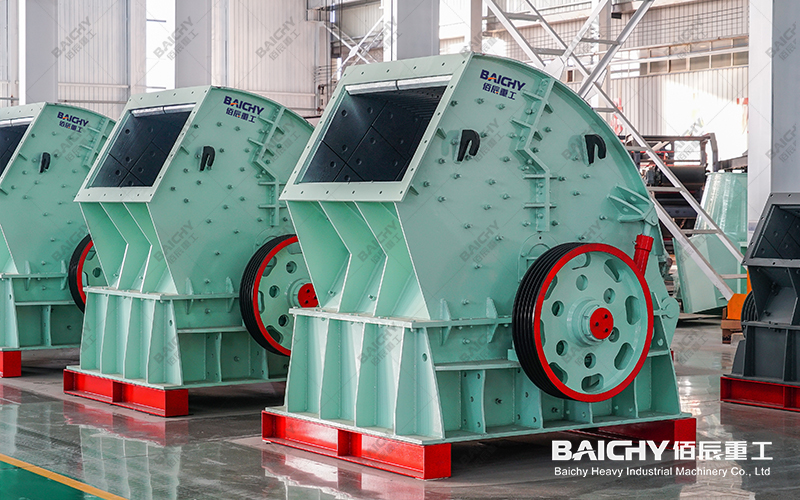
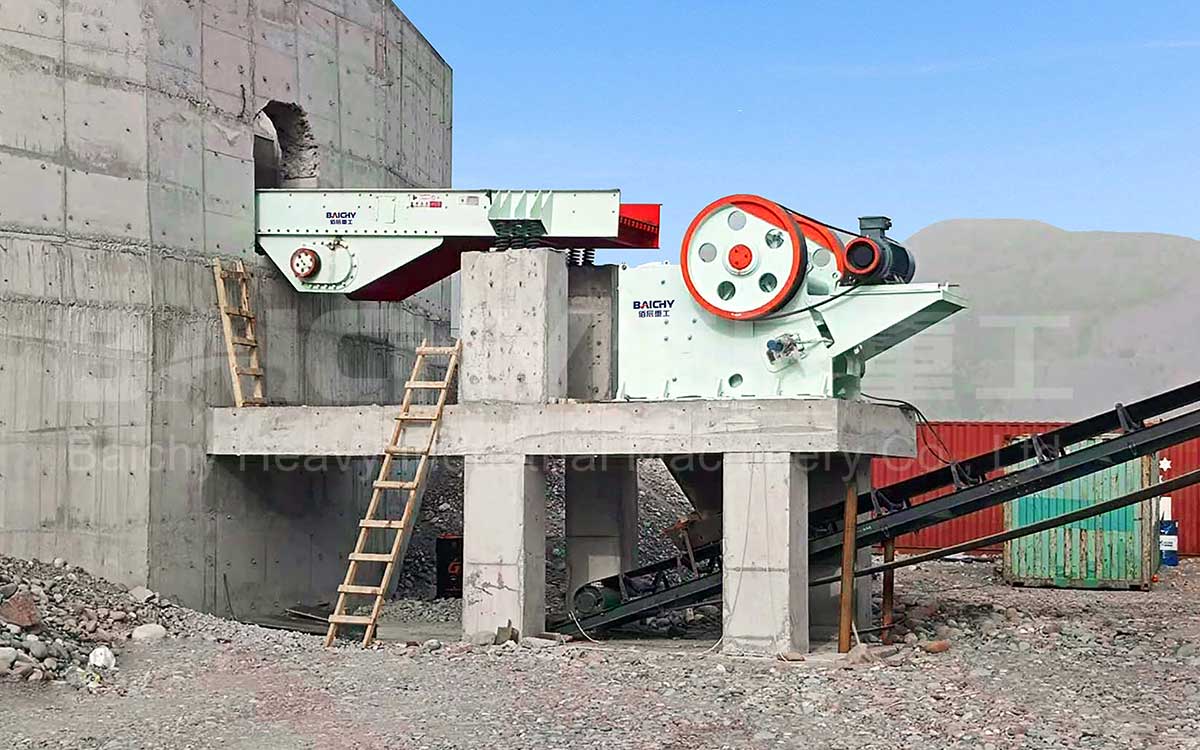
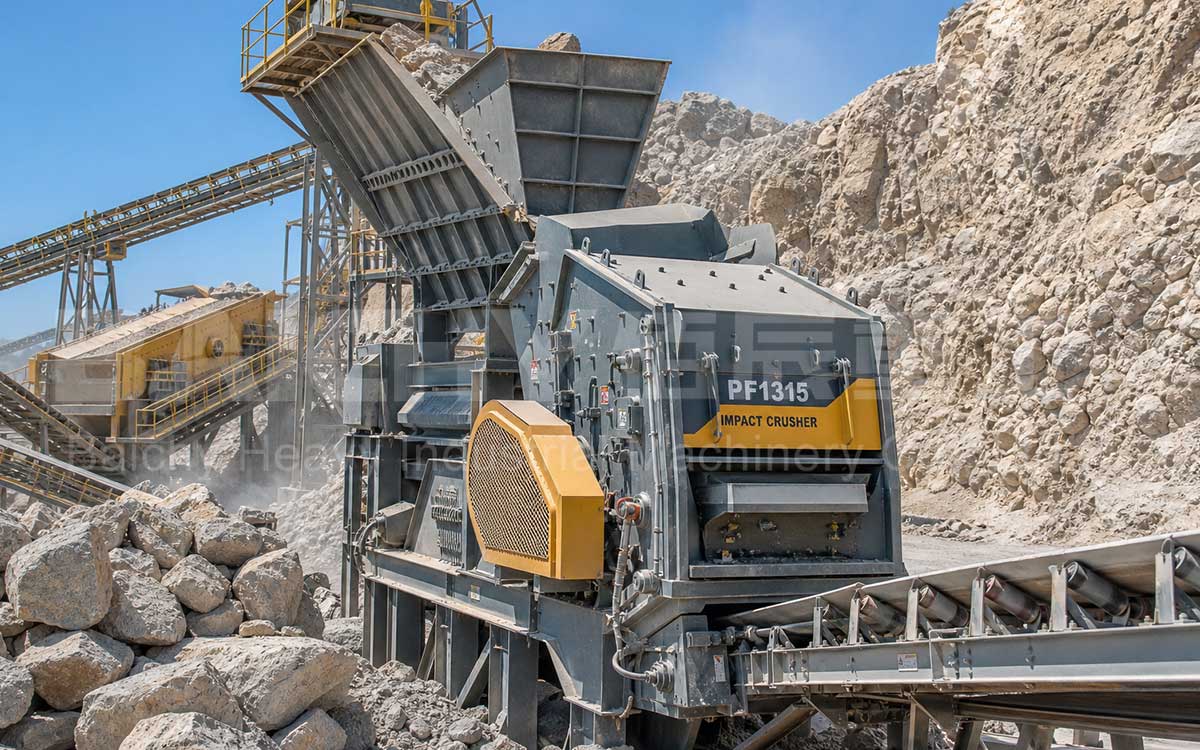
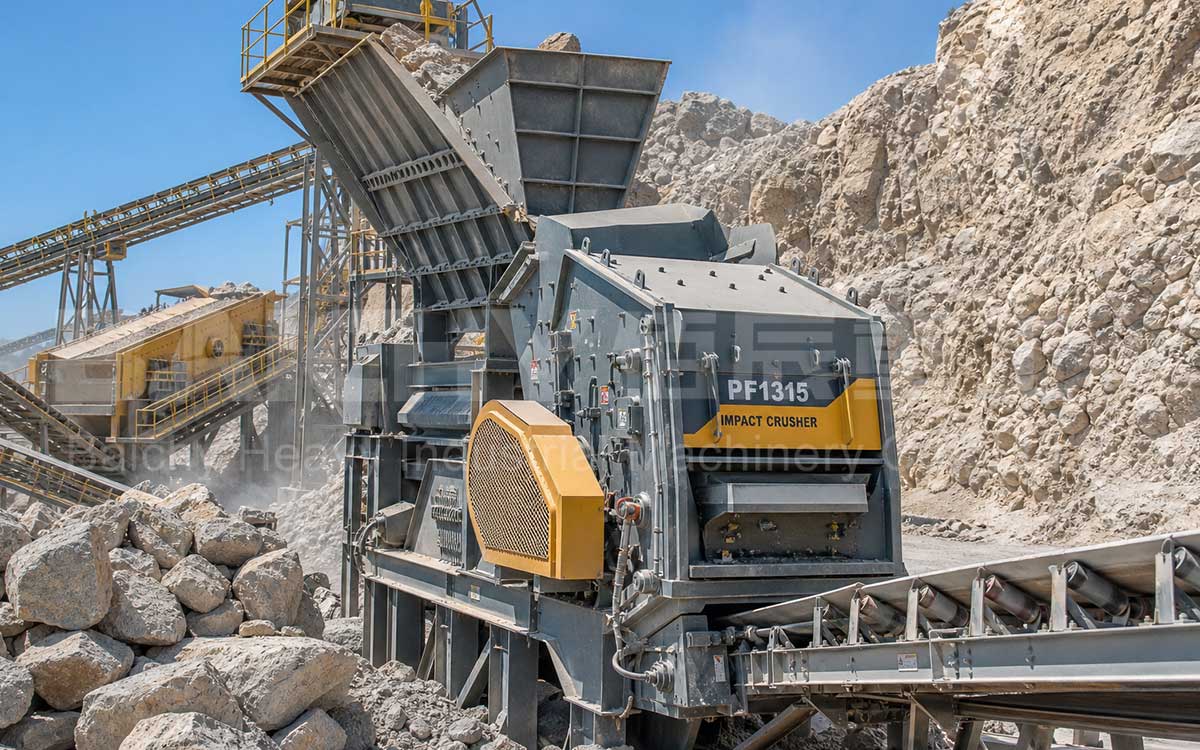
Heavy Hammer Crusher
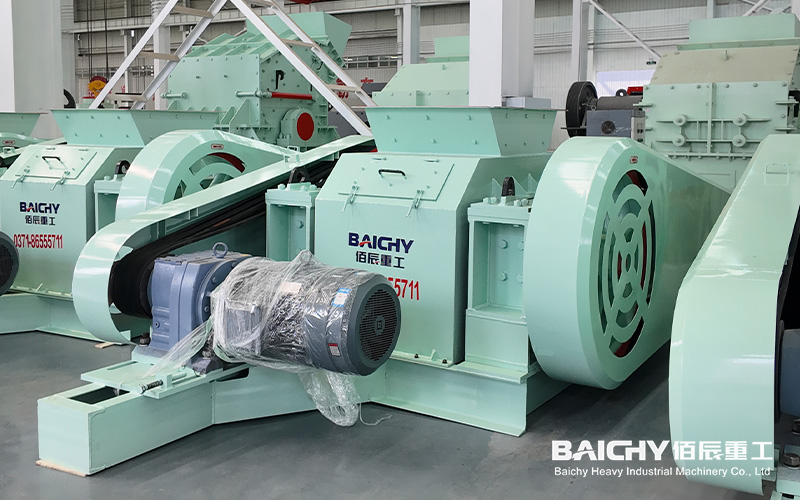
Double Roller Crusher
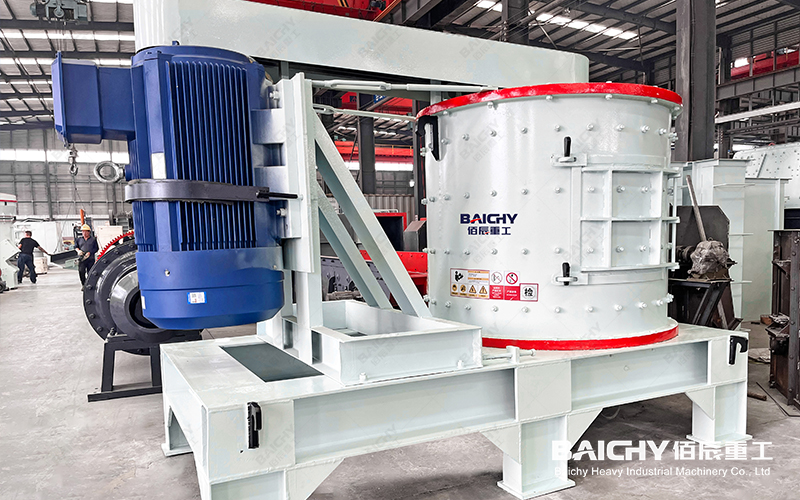
Vertical composite crusher
Coke Crushing: Heavy Particle Size and Abrasion Resistance
As a blast furnace feedstock, the core of coke crushing is obtaining a specific particle size (e.g., 25–80 mm) while minimizing powder production, and addressing its high abrasiveness.
1. Prioritize Particle Size Control: Blast furnace smelting requires coke to be neither too fine (affecting permeability) nor too large (affecting reaction efficiency). Strict control of the crushing ratio is essential to ensure uniform particle size output, minimizing powder content (<10 mm).
2. High Equipment Abrasion Resistance Requirements: Coke has a high Mohs hardness (approximately 3–4) and sharp edges, causing significant wear on equipment. Double-toothed roller crushers or jaw crushers are preferred, with liners made of high-manganese steel or welded abrasion-resistant materials.
3. Prevent Over-crushing and Closed-Loop Screening: The use of excessively powerful impact equipment such as hammer crushers is strictly prohibited to avoid generating excessive powder. A closed-loop "crushing-screening-return" process is typically employed, ensuring that qualified particles are directly fed into the furnace, while oversized pieces are returned for re-crushing. Carbon Material Crushing: Emphasis on Purity and Structure
The crushing of carbon materials (such as graphite and carbon blocks) prioritizes preserving the crystal structure and preventing contamination and over-grinding.
1. Preserving Inherent Structure: Materials like graphite must maintain the integrity of their layered structure. The crushing process requires low impact and high shear to avoid excessive damage to electrical or thermal conductivity. For carbon fibers, even low-temperature crushing is necessary to preserve fiber morphology.
2. Absolute Contamination Prevention: Carbon materials are extremely sensitive to metallic impurities (such as iron). Ceramic liners, high-chromium alloys, or non-metallic materials must be used in the crushing chamber to prevent rust or metal shavings from affecting electrochemical performance.
3. Fine Grading: Compared to coke, carbon materials often require finer particle size classification (e.g., micron-level). Air classifiers or vibrating screens are commonly used to achieve precise control of indicators such as D50 and D97.
General Process Requirements
• Moisture and Oxidation Prevention: Both coke and carbon materials must be crushed in a dry environment to prevent moisture from affecting subsequent processes (such as blast furnace injection or electrode forming).
• Closed-loop dust collection: Dust generated during crushing (especially carbon powder) has recycling value and is explosive, necessitating a high-efficiency baghouse dust collection system to achieve dust recovery and safe production.
For the crushing of coke and carbon materials, the hardness of the material (coke is brittle but abrasive), the required particle size of the finished product (whether fine powder needs to be reduced), and the throughput must be considered.
The following are the main crusher types suitable for coke and carbon materials, their characteristics, and related product recommendations on Alibaba.com.
Main Crusher Types and Characteristics
Crusher Type Applicable Scenarios Core Advantages Core Advantages Double Roller Crusher Most Recommended for Coke Less over-crushing, precise control of output particle size, simple structure. Roller surface wear is faster when processing extremely hard materials. Hammer Crusher For medium to low hardness carbon materials and coal High crushing ratio (one-time crushing), large processing capacity, relatively low price. |
Prone to producing a lot of fine powder, frequent replacement of rotor wear parts.
Vertical Crusher Fine crushing and carbon powder grinding Small footprint, suitable for medium to fine crushing, uniform output. Not suitable for materials with excessively high moisture content. Toothed Roller Crusher Coarse crushing of large coke pieces Strong biting force, suitable for large feeds, effectively reduces material blockage. Fine crushing effect is not as good as that of a flat roll crusher.
How to choose the right equipment?
Before contacting a supplier, it is recommended to clarify the following parameters:
1. Feed Size: What is the maximum size of your original coke/carbon material? (Determines the feed opening size)
2. Output Requirements: What is the desired final particle size? (e.g., 0-3mm, 3-10mm, etc.)
3. Tolerance for Fine Powder (Powder): If you need to retain as much of the lumpy material as possible, a double roll crusher is the preferred choice; if you only need to grind into powder, a hammer or vertical roller crusher is more efficient.
4. Output Requirements: How many tons per hour do you need to process? (Models are available from 1t/h to 100t/h)
Recommendation: If you are using it in the metallurgical or fuel industry and have strict requirements for coke particle size distribution, please consult a double roll crusher.
Frequently Asked Questions
1. Q: Which crusher is best for metallurgical coke to ensure high strength (M40)?
A: For metallurgical coke, a Double Roller Crusher is the industry standard. Unlike hammer mills that generate impact fractures, roller crushers use compression and shearing force. This minimizes the creation of fines (<10mm) and preserves the lump structure, which is critical for maintaining the M40 (crushing strength) required in blast furnace operations.
2. Q: How can we prevent iron contamination when crushing graphite or anode carbon?
A: To achieve high purity, you must avoid metal-to-metal contact. We recommend using a Jet Mill (Air Classifier Mill) equipped with ceramic linings and non-metallic classifiers. For pre-crushing stages, crushers with alumina ceramic or polyurethane liners should be used to prevent iron pick-up, which can ruin electrochemical performance.
3. Q: Why is "low fines" generation so important for coke crushing?
A: In blast furnaces, coke acts as a permeable skeleton. Excessive fines (<5mm) fill the voids between ore lumps, drastically reducing gas permeability and hindering reduction efficiency. Controlling fines is not just about yield—it’s essential for stable furnace operation and fuel efficiency.
4. Q: Can a Hammer Crusher be used for both coke and carbon materials?
A: While a hammer crusher is cost-effective for general coal crushing, it is not recommended for either application here. For coke, it produces too many fines. For carbon materials, its high-speed impact causes excessive metal contamination and destroys crystal structures. Specialized equipment yields better long-term ROI.
5. Q: What is the ideal moisture content for feeding coke into a roller crusher?
A: The optimal moisture content for coke feed is below 8%. If the moisture exceeds 10%, the sticky slurry can clog the gap between the rollers, causing uneven discharge and unscheduled downtime. A drying process prior to crushing is advised for wet feedstock.