CIL Gold Recovery Lines
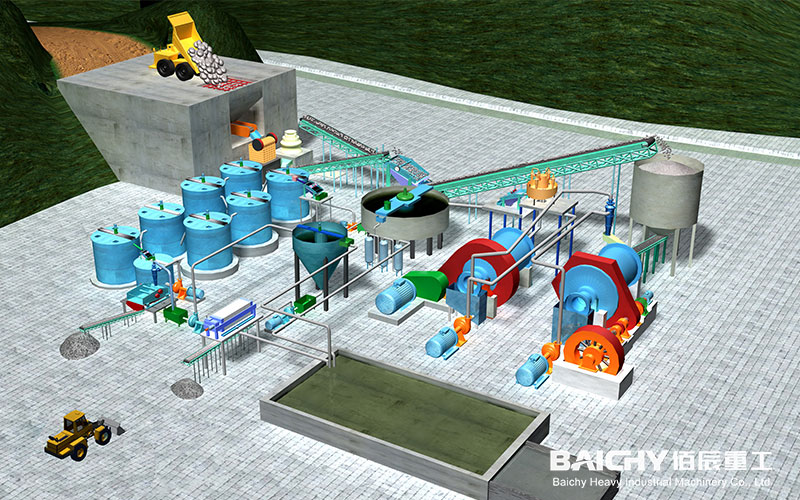
In an era of gold mining defined by the pursuit of efficiency, environmental sustainability, and economic returns, every innovation in mineral processing technology holds profound significance. As the dominant global method for gold extraction today, the CIL (Carbon-in-Leach) process has had its efficiency and stability widely validated. Yet, the physical foundation underpinning the stable operation of this sophisticated chemical process is the CIL gold beneficiation line—a cohesive production line that integrates crushing, grinding, leaching, and adsorption into a single continuous workflow. As a specialized manufacturer of mining crushing and grinding equipment, we will provide an in-depth analysis of the core value of the CIL gold beneficiation line, revealing how it serves as the "hematopoietic stem cell"—the vital life force—of modern gold mines.
I. An In-Depth Analysis of the CIL Gold Beneficiation Line
The CIL process—an acronym for Carbon-in-Leach—is essentially an activated carbon leaching method. Its core principle involves adding activated carbon to the ore pulp simultaneously with cyanide solution; this allows the activated carbon to directly adsorb the dissolved gold *while* the gold is being leached. This process necessitates that the ore material be ground to an extremely fine consistency to maximize the exposed surface area of the gold particles.
Overview of the Core Process Flow
Gold CIP/CIL Processing Flowsheet
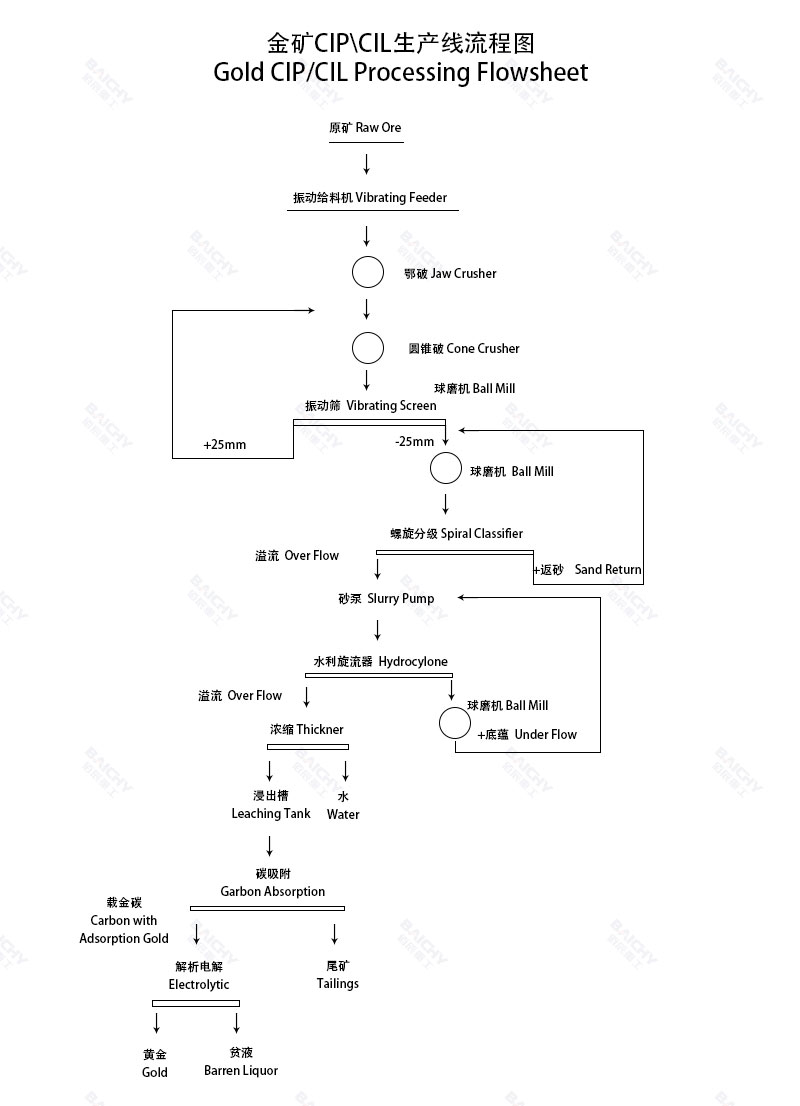
A complete CIL gold beneficiation line is not merely a collection of inpidual machines, but rather a highly synergistic system engineering project. Its standard workflow can be summarized into the following key stages:
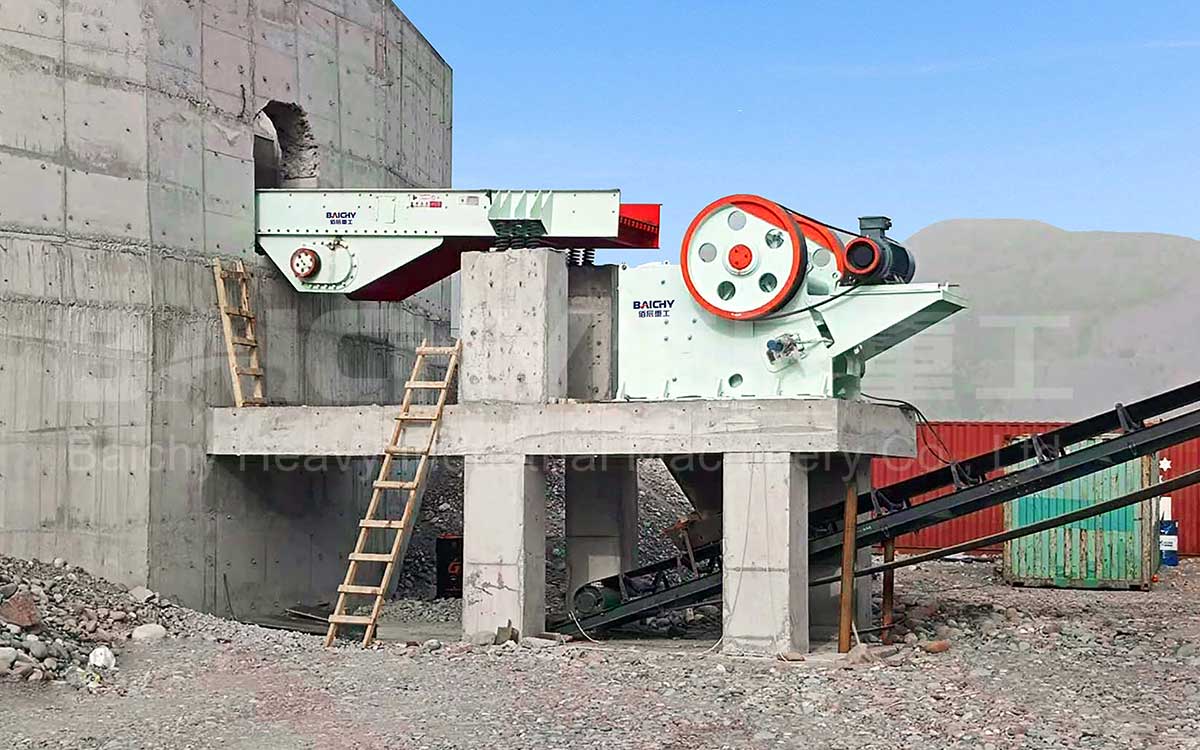
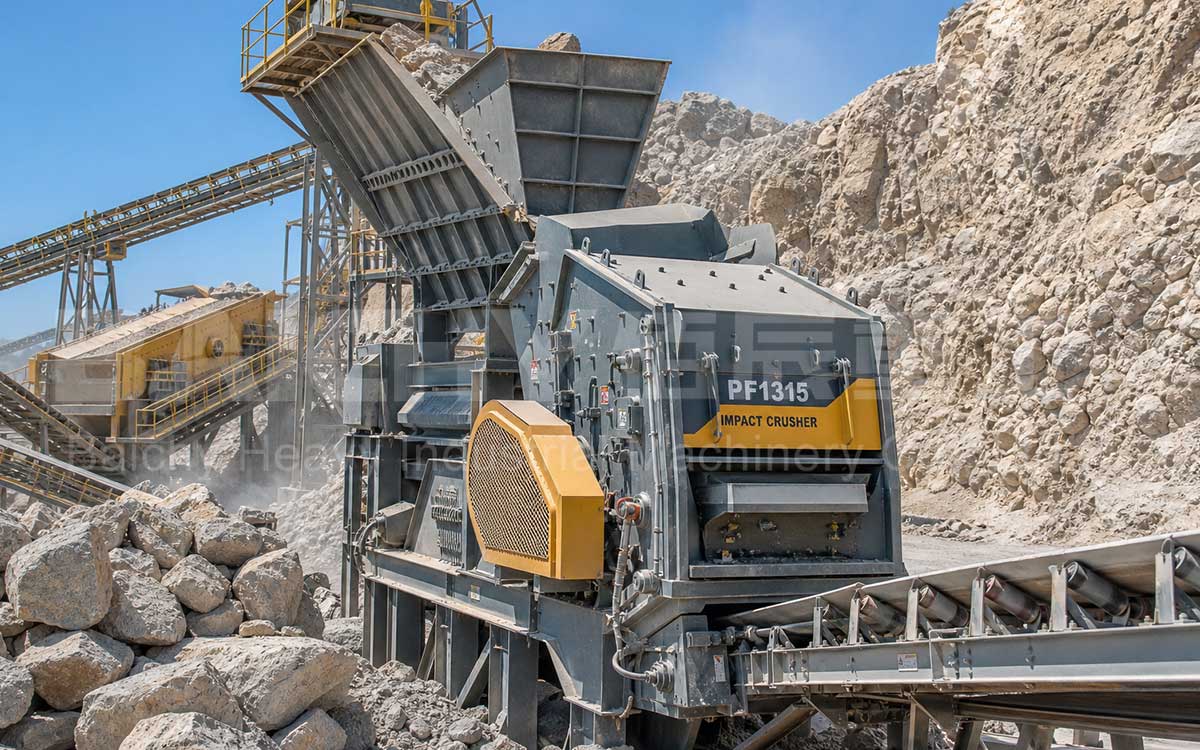
1. Crushing Stage: Raw ore undergoes multi-stage crushing using equipment such as jaw crushers and cone crushers, reducing large blocks of ore to a particle size suitable for grinding (typically -15 mm).
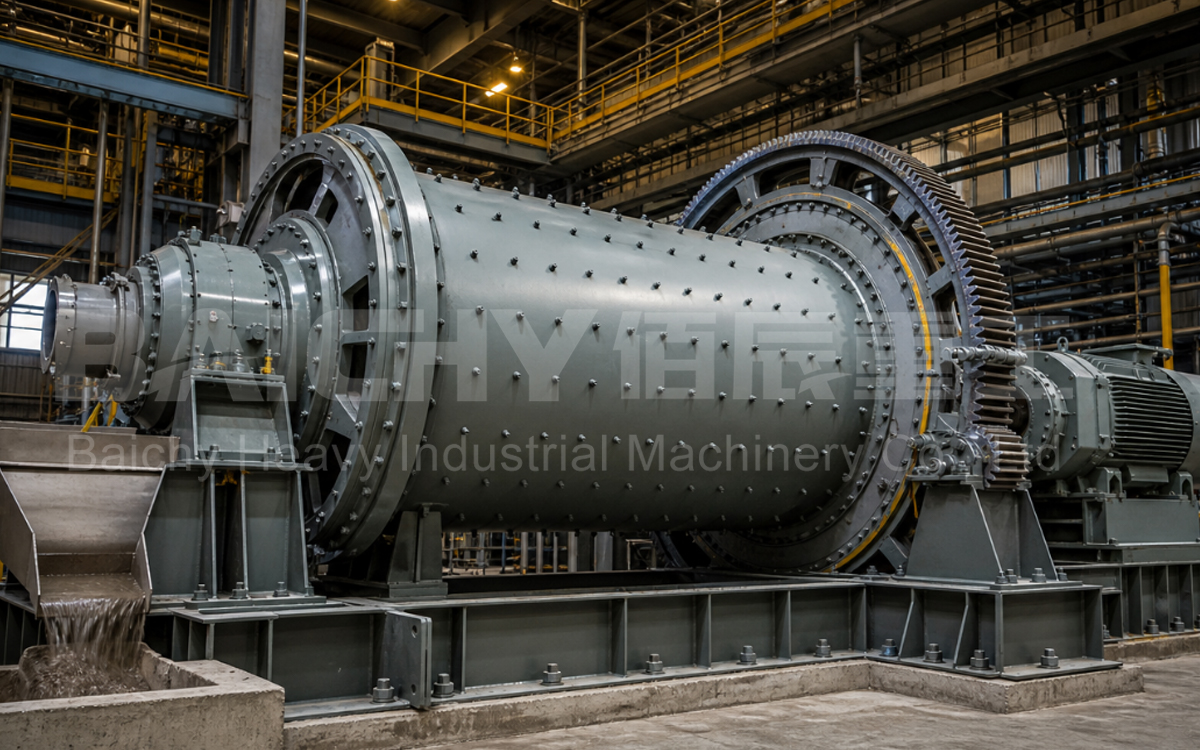
2. Grinding Stage: The crushed material enters a ball mill (or a closed-circuit system incorporating classification equipment, such as hydrocyclones) for fine grinding. This process ensures the gold minerals are fully liberated from the gangue, achieving the required fineness (typically with over 85% of the material passing through a -200 mesh screen).
3. Leaching and Adsorption Stage: The finely ground ore pulp flows into a series of CIL leaching tanks arranged in a cascade. Here, sodium cyanide solution and activated carbon are introduced; as the gold dissolves into the solution, it is simultaneously adsorbed onto the activated carbon.
4. Carbon Desorption and Electrowinning: The gold-loaded activated carbon is screened out and transferred to a desorption and electrowinning system. In this system, the gold is stripped from the activated carbon and electro-deposited as gold slime, which is ultimately smelted into gold ingots. 5. Tailings Treatment: The tailings slurry remaining after leaching must undergo safe treatment (e.g., using the INCO process to degrade cyanide) before being transported to the tailings storage facility.
Advantages of the CIL Process Compared to the Traditional CIP Process
Although CIL is similar to CIP (Carbon-in-Pulp), CIL combines the leaching and adsorption stages within the same series of tanks, offering distinct advantages:
| Comparison Item | CIL Process (Carbon-in-Leach) | Traditional CIP Process (Carbon-in-Pulp) |
| Process Sequence | Leaching and adsorption occur simultaneously | Leaching is fully completed first, followed by adsorption |
| Construction Costs | Requires fewer total tanks; infrastructure and piping costs are lower | Requires separate series of leaching tanks and adsorption tanks; costs are higher |
| Gold Retention | Lower amount of dissolved gold in the solution; gold retention losses are low | Higher amount of dissolved gold in the solution within the leaching section; retention risk is relatively higher |
| Applicable Ores | Particularly suitable for ores containing passivating substances (e.g., arsenic, antimony) or ores with rapid gold dissolution rates | More suitable for ores with simple mineral compositions and slower gold dissolution rates |
II. Core Advantages of Our CIL Gold Extraction Lines
As a professional manufacturer, we provide not merely equipment, but customized gold extraction solutions grounded in extensive experience.
• Efficient System Matching: We possess deep expertise in process flow design, ensuring that every stage—from crusher selection and ball mill specifications to leaching tank design—is perfectly matched in capacity. This eliminates inefficiencies such as "oversized equipment for undersized loads" or process bottlenecks, thereby maximizing equipment utilization and production line efficiency.
• Durable and Reliable Equipment: To address the high-abrasion environment of the grinding stage and the highly corrosive environment of the leaching stage, we utilize wear-resistant and anti-corrosive materials—such as high-chrome alloys and rubber liners—for critical equipment components. This significantly extends equipment lifespan and reduces maintenance costs.
• Automated and Intelligent Control: Our systems can integrate advanced PLC control technology to monitor key parameters—such as slurry density, fineness, pH levels, and cyanide concentration—in real-time. This ensures stable process control, guarantees high leaching and adsorption rates, and simultaneously enhances operational safety.
• Focus on Environmental Protection and Safety: From the initial design phase, we fully incorporate strategies for tailings treatment and cyanide management. We provide equipment and process recommendations that comply with strict environmental regulations, assisting our clients in establishing "green mines" that operate sustainably and responsibly.
III. Success Stories
Case Study: A Medium-Scale Gold Mine Project in West Africa
• Challenge: The ore consisted of arsenic-bearing sulfide gold ore, characterized by fine gold dissemination and the presence of passivating components. The client's original processing method yielded unsatisfactory recovery rates and incurred high costs.
• Solution: We designed a CIL (Carbon-in-Leach) gold beneficiation line with a daily processing capacity of 800 tons. We focused on optimizing the grinding fineness (ensuring that 90% of the material passed through a -325 mesh screen) and engineered a sufficient leaching and adsorption duration (totaling over 24 hours).
• Results: Following the commissioning of the production line, the gold leaching rate stabilized at over 92.5%—an improvement of more than 6% compared to the previous process. Thanks to the compact process layout, both cyanide consumption and energy consumption were reduced by approximately 15%, significantly shortening the investment payback period.
IV. Recommended Equipment
An efficient CIL line relies on the following core equipment; we offer complete turnkey solutions covering the full scope of the project:
• Crushing Series: PE Jaw Crushers (for coarse crushing) and HPC Hydraulic Cone Crushers (for medium and fine crushing).
• Grinding Series: MQG Ball Mills and YZS Overflow-type Ball Mills, paired with HF Series Hydrocyclone Clusters.
• Agitation & Leaching Series: JJF High-Efficiency, Energy-Saving Leaching Agitation Tanks, featuring a dual-impeller design to ensure effective suspension of activated carbon and thorough mixing with the ore slurry.
• Auxiliary Systems: High-efficiency Thickeners, Desorption and Electrolysis Units, Tailings Treatment Systems, etc.
V. Frequently Asked Questions (FAQ)
Q1: Where does the majority of the investment go when constructing a CIL gold beneficiation line?
A1: The primary investment is concentrated in two areas: First, equipment procurement costs—particularly for large-scale core machinery such as grinding mills and leaching tanks; second, civil engineering and installation costs, including foundation work, tank construction, and plant buildings. An optimized design scheme, achieved through rational configuration, allows us to effectively control these two investment components for the client while fully meeting all process requirements.
Q2: In the CIL process, is finer grinding always better?
A2: Not necessarily. The optimal grinding fineness must be determined experimentally, based on the specific dissemination size of the gold particles within the ore. Grinding the ore too finely increases energy and steel consumption and may lead to "sliming"—a condition that actually hinders subsequent leaching processes. The objective is simply to ensure that the gold minerals are "sufficiently liberated," aiming for the optimal economic balance rather than pushing to the absolute technical limit.
Q3: How long does it typically take to go from the design phase to commercial production when working with you?
A3: The timeline depends on the scale of the project. For a medium-sized, standard CIL project (processing approximately 1,000 tons per day), the process typically involves: 1–2 months for laboratory testing and process design; 3–4 months for equipment manufacturing; and 3–5 months for on-site installation and commissioning. In total, it takes approximately 8–12 months to achieve commercial production. We establish a rigorous project schedule to ensure that every key milestone is met on time.
About of Baichy Heavy Industry
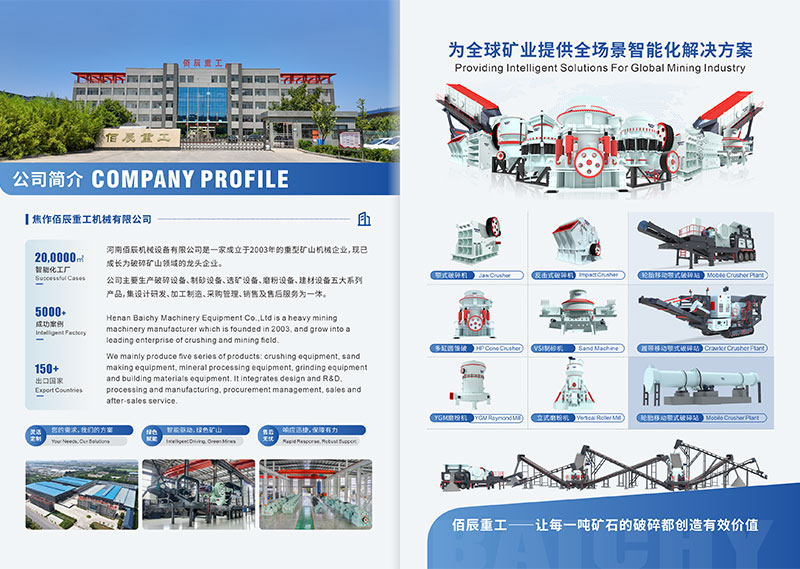
Baichy Heavy Industry is a high-tech mining equipment company integrating R&D, manufacturing, sales, and after-sales service. Focusing on crushing, grinding, and mineral processing equipment, we provide professional solutions to our customers. We are ISO9001:2015 、certified, and our products include mobile crushing palnts, crawler crushing plant, construction waste crushing plants, jaw crushers, sand making machines, cone crushers, fine crushers, grinding mills, ball mills, etc., all with reliable performance to meet diverse project needs.
Our advantages:
• Professional pre-sales support: Free project design and comprehensive solutions to help you accurately select the right equipment;
• Comprehensive on-site service: Providing installation guidance and worker training to ensure smooth equipment commissioning;
• Reliable after-sales guarantee: A complete after-sales system, timely response to technical inquiries and equipment maintenance, ensuring long-term stable operation.
To protect your rights, please contact us through the following official channels for professional service:
Official Website Customer Service
https://wa.me/+8615093222637
Email: [email protected]
We are committed to providing high-quality equipment and full-cycle services to deliver comprehensive intelligent solutions for the global mining industry!