
Symons Cone Crusher
In the fields of sand and aggregate production and mining crushing, selecting a cone crusher with matched capacity, stable operation, and controllable maintenance costs is a critical factor in determining a project's return on investment (ROI). If you are currently seeking a piece of equipment for secondary or tertiary crushing with a rated capacity of approximately 100 tons per hour, the CS110 Symons Cone Crusher (also known as the spring cone crusher or "4-foot" cone crusher) stands as an undoubtedly classic choice that has stood the test of time. As a specialized manufacturer of mining crushing, ore grinding, and mineral processing equipment, we offer you a detailed analysis of the value this machine delivers.

Symons Cone Crusher PDF,Download ↓↓↓
Equipment Overview: Why Choose the CS110 Symons Cone Crusher?
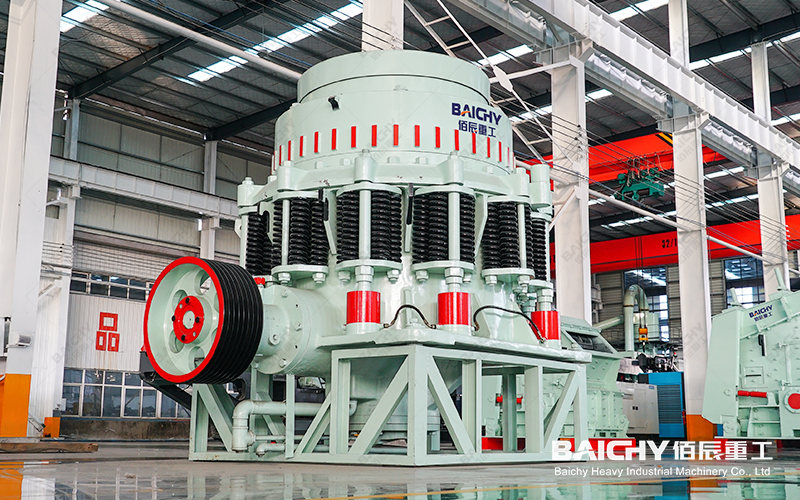
The CS110 Symons Cone Crusher is a model that has undergone optimization and improvement based on the traditional Symons crusher design. It inherits the classic spring-based overload protection system while simultaneously incorporating modern principles of laminated crushing. This machine features a moving cone diameter of 1200mm (approximately 4 feet) and comes standard with a 110kW electric motor. When configured with a "Standard" (secondary crushing) chamber type, its production capacity falls precisely within the 100 to 200 t/h range—making it an ideal fit for small-to-medium-scale sand and aggregate production lines, or for use as a secondary crushing unit within larger production systems.
While the Symons cone crusher may not be the newest hydraulic model on the market, its defining characteristics—robustness, durability, ease of maintenance, and cost-effectiveness—ensure that it continues to command a massive installed base and strong demand for new purchases globally. It is particularly well-suited for investment projects that prioritize high cost-performance ratios and minimized operational risk.
Symons Cone Crusher Technical Specifications (CS110 / CSB110)
To provide you with a more intuitive understanding of this equipment's performance metrics, listed below are the core technical parameters for the CS110 Standard Model (Type B):
| Parameter | Fine Crushing Cavity | Medium Crushing Cavity | Coarse Crushing Cavity |
| Mantle Diameter | 1200 mm (4') | 1200 mm (4') | 1200 mm (4') |
| Max. Feed Size | 127 mm | 156 mm | 178 mm |
| Discharge Opening Adjustment Range | 9 - 31 mm | 13 - 38 mm | 19 - 51 mm |
| Processing Capacity (t/h) | 63 - 188 t/h | 100 - 200 t/h | 141 - 308 t/h |
| Motor Power | 110 kW | 110 kW | 110 kW |
| Main Shaft Speed | 485 r/min | 485 r/min | 485 r/min |
| Equipment Weight | Approx. 20 Tons | Approx. 20 Tons | Approx. 20 Tons |
| Overall Dimensions (L×W×H) | 2821×1974×2651 mm | 2821×1974×2651 mm | 2821×1974×2651 mm |
Note: Actual production capacity may vary depending on factors such as material properties (hardness, moisture content, clay content), feed size distribution, and the equipment's discharge opening settings.
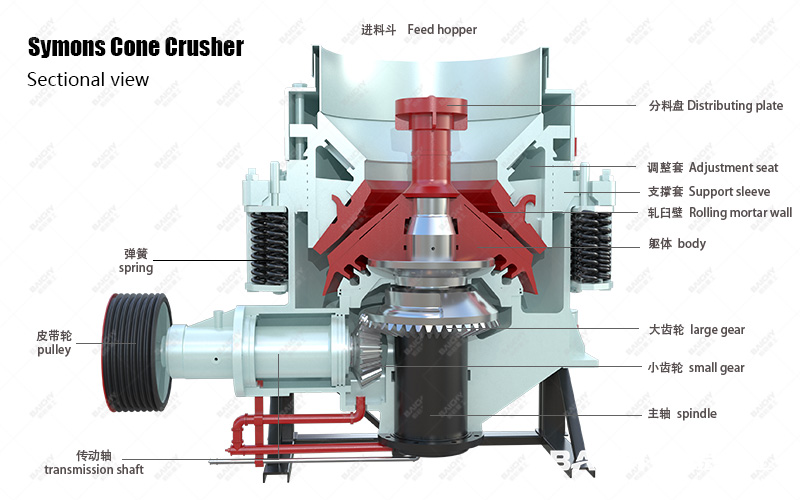
symons-cone-crusher-Sectional-view
Analysis of the Core Advantages of the CS110 Symons Cone Crusher
1. Laminar Crushing: Producing Aggregates with Excellent Particle Shape
The CS110 employs a "choke-feed" laminar crushing principle; within the crushing chamber, materials are subjected not only to compression by the moving cone but also to mutual grinding between the inpidual particles. This mechanism ensures that the finished aggregate product has an extremely low content of flaky and needle-like particles, predominantly exhibiting a cubic structure with a full, well-formed particle shape. This is crucial for producing the high-quality aggregates required for high-grade concrete applications (such as highways and high-speed railway ballast).
2. Classic Spring Protection: Reliable Overload Response
The equipment is fitted with high-strength spring assemblies surrounding the crushing chamber. When uncrushable objects (such as steel bars or iron blocks) enter the chamber, the crushing force compresses the springs, causing the movable cone to descend; the foreign object is then discharged, after which the movable cone automatically resets to its original position. This mechanical tramp iron protection mechanism features a simple structure and rapid response time, eliminating the need for complex hydraulic valve assemblies. Consequently, it significantly reduces the risk of downtime caused by damage to core components, as well as associated maintenance costs.
3. Flexible Chamber Switching: Versatile Functionality
By simply replacing the liners on the movable and stationary cones, the CS110 can be easily configured for three distinct crushing chamber types: fine, medium, or coarse. This means a single main unit can serve multiple roles: it can be positioned downstream of a jaw crusher to perform medium crushing (producing 20–40 mm gravel), or it can be reconfigured for fine crushing (producing 5–20 mm fine gravel or raw material for manufactured sand). This versatility vastly enhances the equipment's process adaptability and asset utilization efficiency.
4. Robust Structure, Convenient Maintenance
This model features a large-diameter main shaft and a heavy-duty frame capable of withstanding extreme crushing impact loads. Critical components—such as the bronze sliding bearings—demonstrate superior impact resistance compared to rolling bearings in high-impact environments and are easier to replace. All wear parts (liners) can be accessed and replaced from the top of the machine without the need to dismantle the main frame, making routine maintenance and the replacement of wear parts exceptionally convenient.
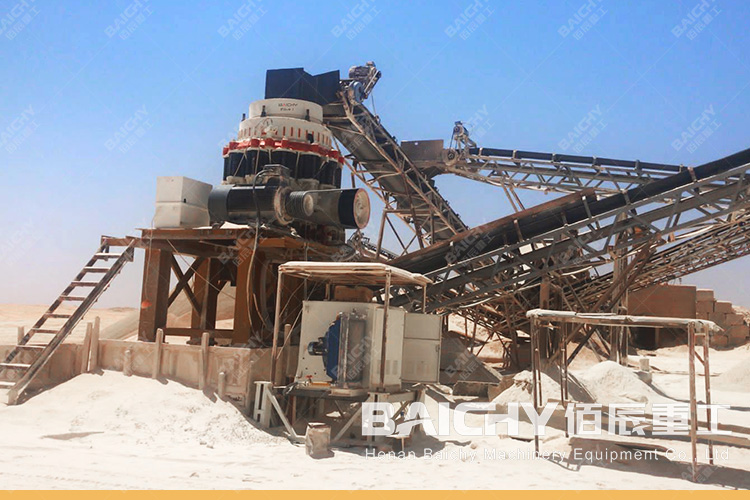
Symons Cone Crusher Customer Site — Saudi Arabia
Key Application Scenarios
• Sand and Aggregate Production Lines: Serving as secondary or tertiary crushing equipment, it processes stones (typically around 150 mm) discharged from a jaw crusher into continuously graded aggregates (5–31.5 mm) or further reduces them for manufactured sand production.
• Metal Ore Beneficiation Plants: Utilized for secondary and tertiary crushing operations involving iron ore, copper ore, gold ore, and similar materials. This enables a "more crushing, less grinding" strategy, effectively reducing the feed size entering the ball mill and thereby lowering energy consumption during the grinding process.
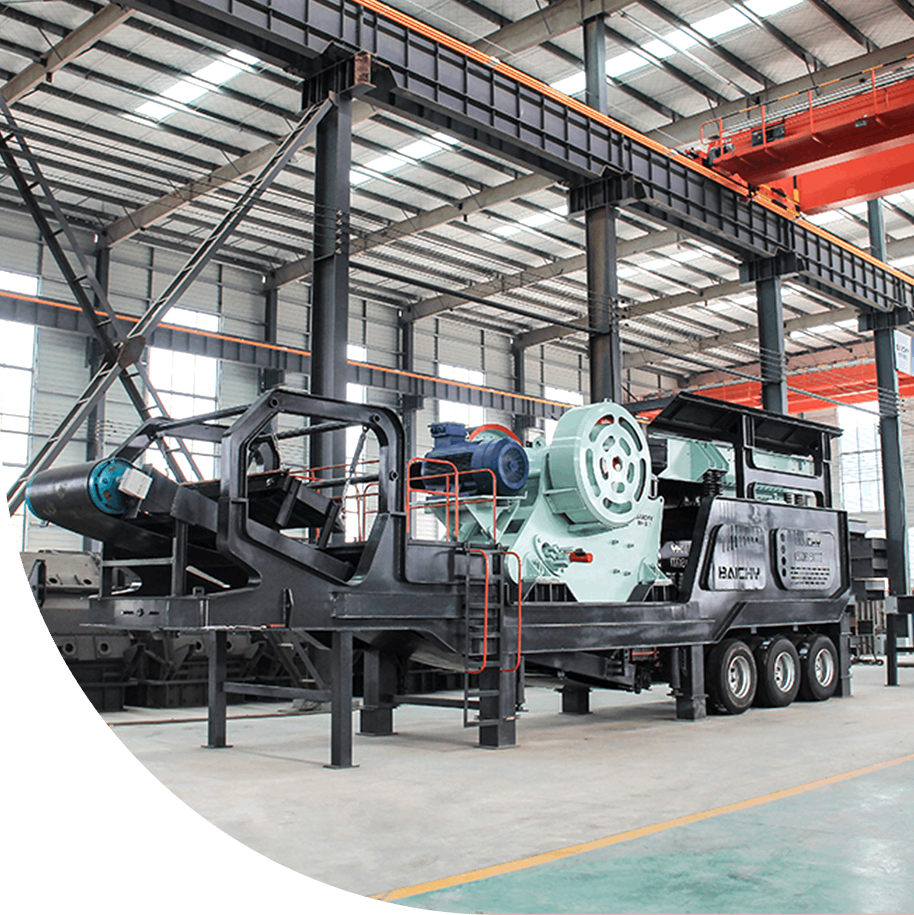
• Construction Waste Recycling: When paired with iron separators and jaw crushers, it processes discarded concrete blocks and brick rubble to produce recycled aggregates. • Mobile Crushing Stations: Due to its compact structure and moderate weight (20 tons), the CS110 is frequently integrated into wheel-mounted or crawler-mounted mobile crushing stations, enabling on-site crushing operations at mine pits or urban demolition sites.
Relevant Application Cases
Case Study: Granite Aggregate Production Project (Capacity: 120 t/h)
In a region rich in granite resources, a client previously operated an aging production line characterized by poor finished product shape (high content of flaky and needle-like particles) and a high equipment failure rate. They subsequently switched to a configuration featuring a "PE600×900 Jaw Crusher + CS110 Cone Crusher." The CS110 was configured with a medium crushing chamber profile, and the discharge opening was set to 25 mm. Following commissioning, the equipment operated stably with an average output reaching 110–130 tons per hour. The finished aggregate exhibited a cubic shape with a flaky and needle-like content of less than 8%. Consequently, the client successfully secured a contract to supply aggregates for a local highway construction project, and their investment payback period was reduced to just 10 months.
Case Study: Mobile Hard Rock Crushing Station
An engineering firm engaged in road construction in a mountainous region required on-site processing of excavated granite boulders (≤500 mm). They deployed a four-unit mobile crushing station equipped with a CS110 cone crusher. The equipment was deployed directly at the excavation face, requiring no concrete foundation and becoming operational immediately upon connection to a power supply. The processing throughput remained stable at approximately 100 t/h, effectively resolving the challenges associated with high transportation costs and limited site space typical of mountainous environments.
Recommended Alternative Equipment
Based on a capacity requirement of approximately 100 tons per hour, in addition to the CS110 Symons Cone Crusher, we recommend the following equipment options for your process comparison:
1. CS75 (3-ft) Cone Crusher: If your capacity requirement falls within the 30–80 tons per hour range, or if the unit is intended to serve as a supplementary stage prior to fine crushing or sand making, the CS75 offers a lower initial investment cost.
2. CS160 (4.25 ft) Cone Crusher: If you have plans for future production expansion, or if your current feed material is highly abrasive, the CS160 (160 kW) offers a wide capacity range of 150–350 tons per hour, providing greater adaptability.
3. PE750×1060 Jaw Crusher: Typically serves as the primary crushing stage preceding the CS110; it is used to process raw ore with a maximum size of 630 mm, providing suitable feed material for the cone crusher.
About of Baichy Heavy Industry
Baichy Heavy Industry is a high-tech mining equipment company integrating R&D, manufacturing, sales, and after-sales service. Focusing on crushing, grinding, and mineral processing equipment, we provide professional solutions to our customers. We are ISO9001:2015 、certified, and our products include mobile crushing palnts, crawler crushing plant, construction waste crushing plants, jaw crushers, sand making machines, cone crushers, fine crushers, grinding mills, ball mills, etc., all with reliable performance to meet diverse project needs.
Our advantages:
• Professional pre-sales support: Free project design and comprehensive solutions to help you accurately select the right equipment;
• Comprehensive on-site service: Providing installation guidance and worker training to ensure smooth equipment commissioning;
• Reliable after-sales guarantee: A complete after-sales system, timely response to technical inquiries and equipment maintenance, ensuring long-term stable operation.
To protect your rights, please contact us through the following official channels for professional service:
Official Website Customer Service
https://wa.me/+8615093222637
Email: [email protected]
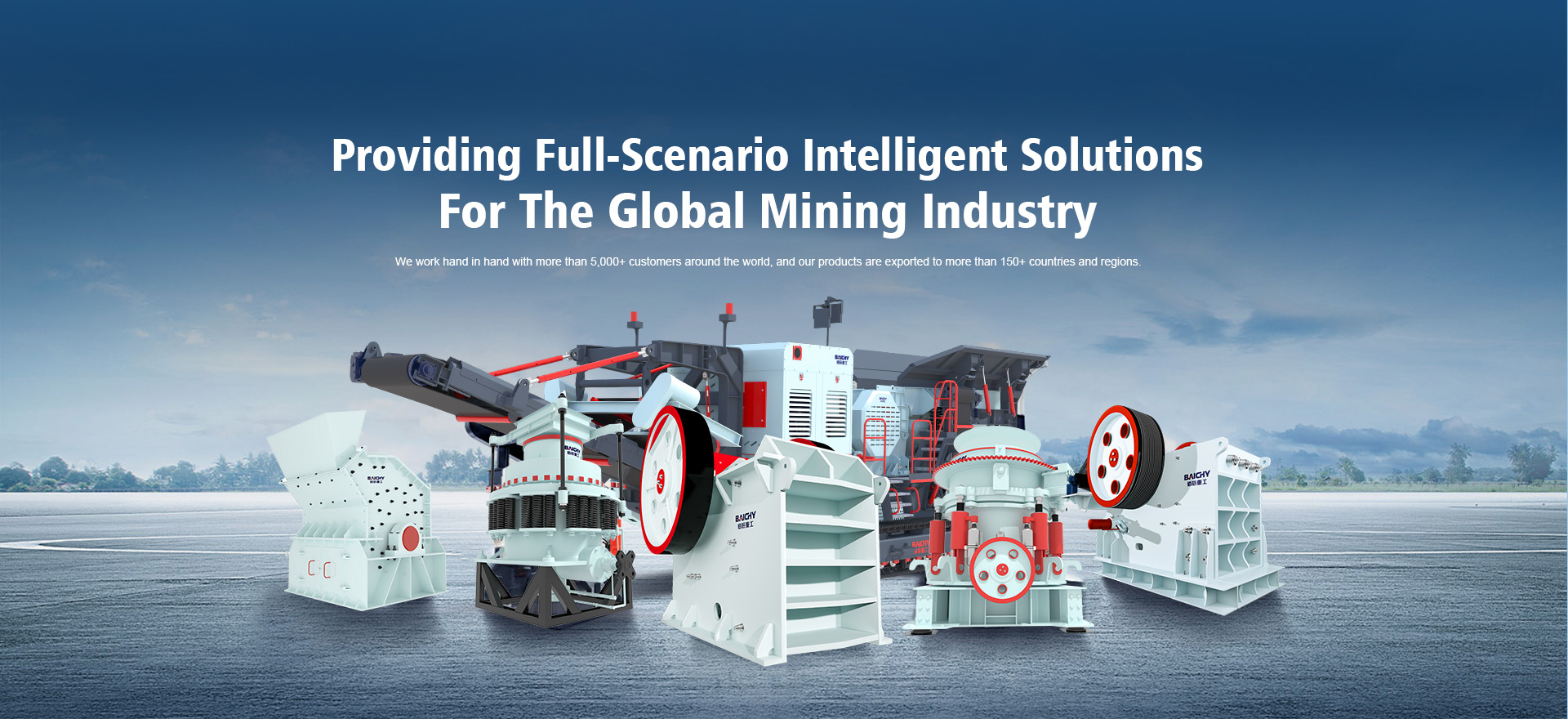
We are committed to providing high-quality equipment and full-cycle services to deliver comprehensive intelligent solutions for the global mining industry!
Frequently Asked Questions (FAQ)
1. What is the approximate price quote for the CS110 Symons Cone Crusher? Does the price include shipping costs?
A: The standard ex-factory price for the CS110 varies depending on the specific configuration (e.g., whether it includes a thin-oil lubrication station, electrical control cabinet, or conveyor belt) and the materials used (specifically, the grade of the high-manganese steel liners). As the manufacturer, we typically provide both EXW (Ex Works) factory quotes and FOB (Free on Board) quotes. Due to fluctuations in raw material prices, we recommend contacting our sales manager directly to obtain an accurate, up-to-the-minute quote. Generally, the market reference starting price for a 4-foot spring cone crusher ranges from tens of thousands to over one hundred thousand RMB; the exact cost will be determined based on your specific requirements.
2. What type of material was used as the basis for the stated capacity of 100 tons per hour? If the material is river pebbles, will the capacity change?
A: The 100–200 t/h range listed in the parameter table is typically benchmarked against medium-hardness rock (such as limestone, with a compressive strength of approximately 150 MPa). If you are crushing high-hardness materials (such as granite or river pebbles, with a compressive strength >300 MPa), the actual capacity—assuming the same discharge opening setting—will be lower, likely falling within the range of 80–150 t/h. Conversely, if the material is medium-to-soft rock (such as coal gangue), the capacity will be higher. We will perform a specific model selection verification based on the hardness of your particular material.
3. What are the differences between a Symons spring cone crusher and a fully hydraulic cone crusher? Which one should I choose?
A: The Symons-style (spring-loaded) structure is simpler, more affordable, and easier to maintain; it is well-suited for operations with limited budgets that prioritize stability and versatility across a wide range of material types. Fully hydraulic cone crushers, on the other hand, feature a high degree of automation—including one-touch discharge opening adjustment and hydraulic tramp iron protection—and offer slightly higher crushing efficiency; they are ideal for large-scale, modern quarries that prioritize intelligent management. For operations in the 100 t/h capacity range, the CS110 Symons cone crusher typically represents the option offering the best overall value.