
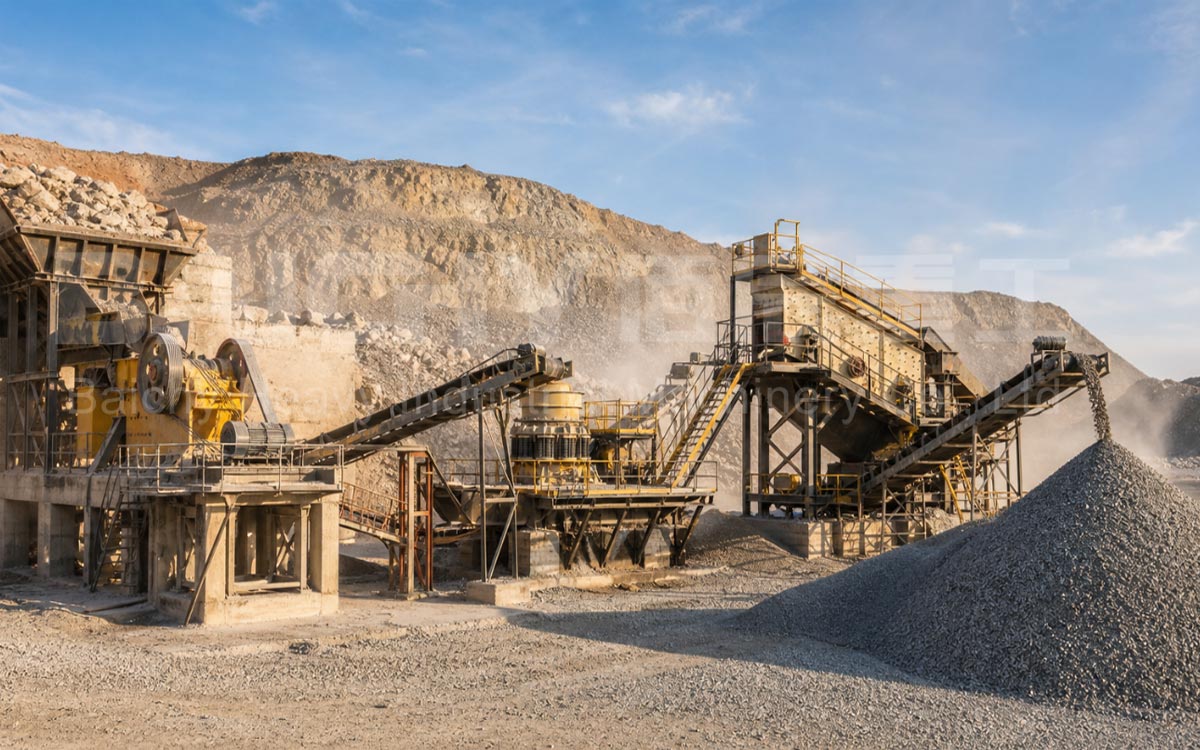
stone crushing plant
While there are many types of crushers, they can be categorized into three main types based on their crushing principles: compression, impact, and grinding. The six most widely used models in mining and aggregate production lines are the jaw crusher, cone crusher, impact crusher, hammer crusher, double-roll crusher, and mobile crushing station. Equipment selection relies on three key metrics: material hardness, feed size, and target production capacity; choosing the right equipment can reduce electricity consumption per ton by over 15%.
I. Crusher Types: Understanding the Three Crushing Principles
• Compression Crushing: A moving jaw or cone continuously applies pressure to crush the ore. Representative models include jaw crushers and cone crushers; these are suitable for high-hardness, highly abrasive materials.
• Impact Crushing: A high-speed rotor drives blow bars to strike the material. Representative models include impact crushers and hammer crushers; these are suitable for medium-to-soft materials and construction waste recycling.
• Grinding Crushing: Material is crushed through compression and shearing between roll surfaces. The representative model is the double-roll crusher; it is suitable for materials with high moisture or clay content.
II. Detailed Overview of 6 Mainstream Crusher Types
1. Jaw Crusher – The King of Primary Crushing
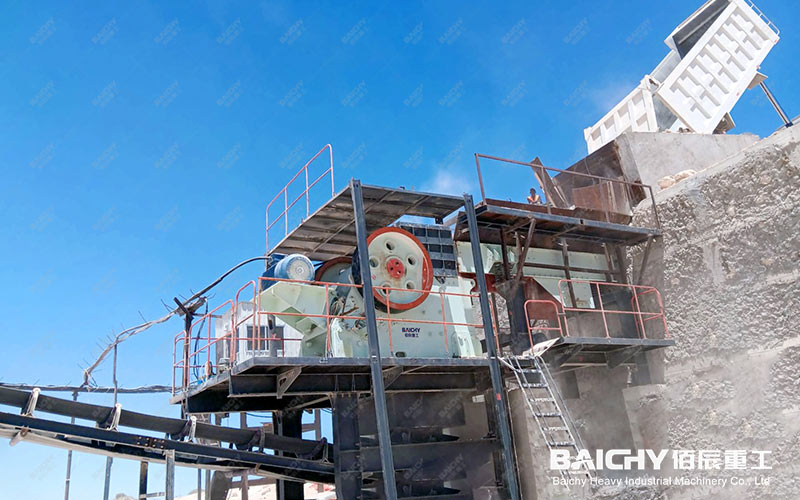
The King of Primary Crushing
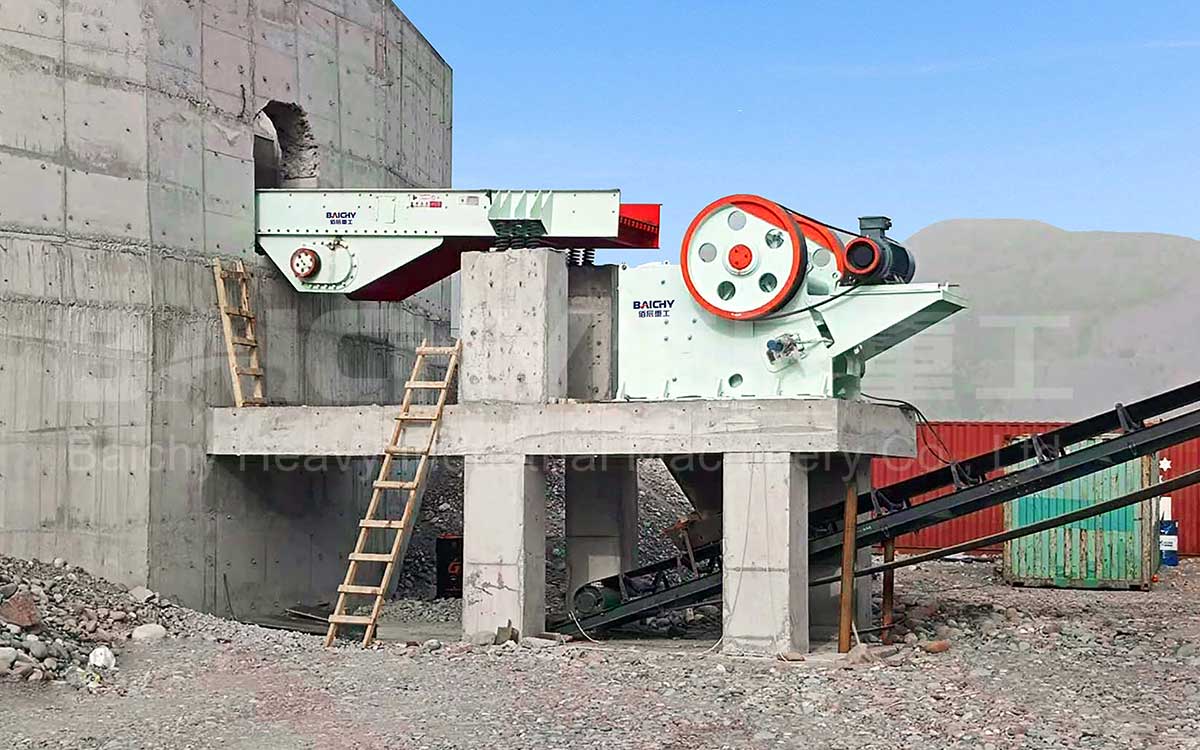
A moving jaw plate periodically compresses the material. It handles feed sizes up to 1000mm with a capacity of 1–1000 t/h, serving as the first stage in hard-rock production lines. Baichen’s PE/PEX/C90 series features a simple structure and low failure rate, requiring only periodic jaw plate replacement for maintenance.
2. Cone Crusher – The Workhorse for Secondary and Tertiary Crushing
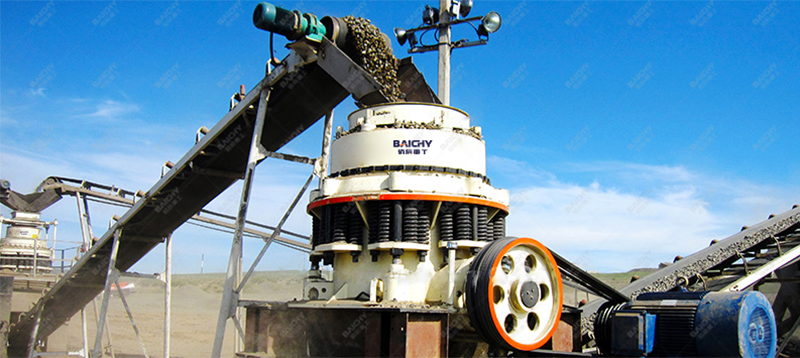
The Workhorse for Secondary and Tertiary Crushing
A moving cone gyrates eccentrically within the crushing chamber to compress the material, making it ideal for secondary and tertiary crushing stages. It produces high-quality aggregate shapes with a low rate of over-crushing (fines generation). Baichen’s CS spring cone and HP hydraulic cone crushers cover all medium-to-fine crushing needs, while hydraulic chamber clearing significantly reduces downtime.
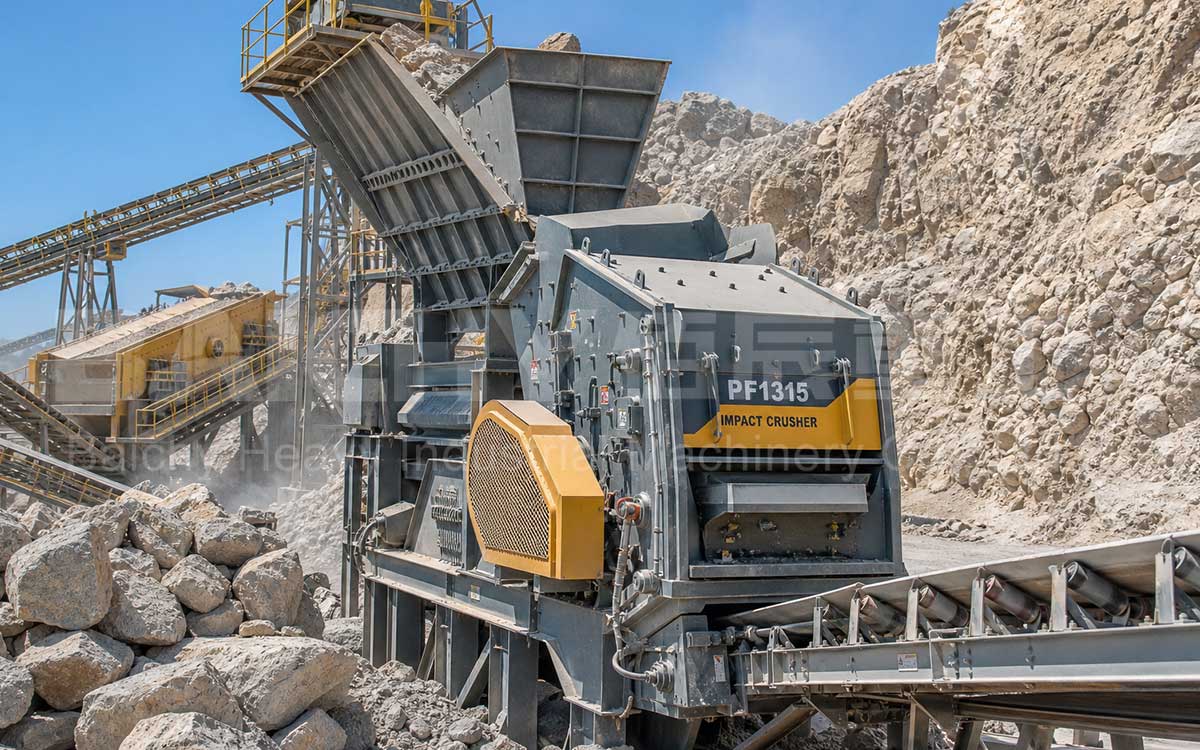
3. Impact Crusher – An Efficient Choice for Medium-to-Soft Materials
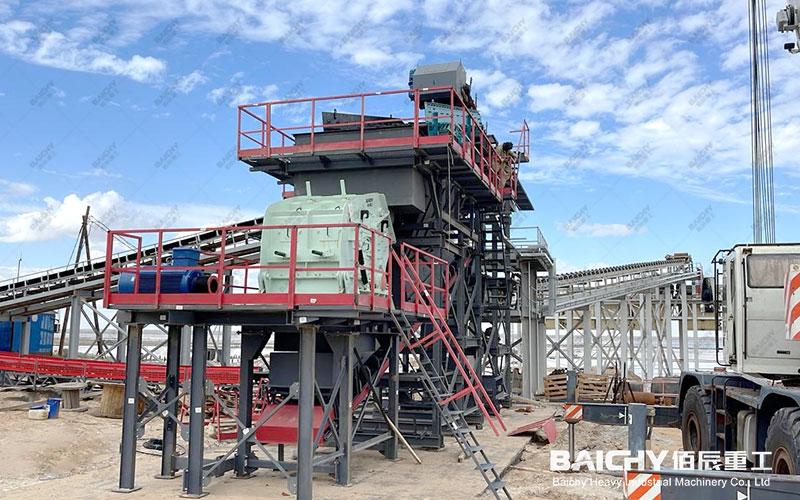
An Efficient Choice for Medium-to-Soft Materials
A rotor spins at high speed, using blow bars to strike the material and hurl it against impact plates to achieve crushing. High reduction ratio (up to 15:1) and cubic product shape; particularly suitable for limestone, dolomite, and construction waste. Following the adoption of the PF impact crusher for an andesite project in Indonesia, the product shape met local standards for concrete aggregates.
4. Hammer Crusher—A cost-effective, single-stage crushing solution
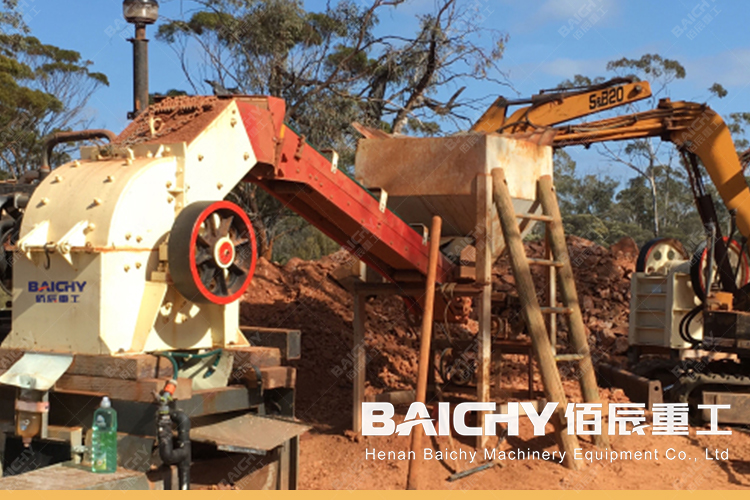
A cost-effective, single-stage crushing solution
High-speed hammers directly crush the material, combining primary and secondary crushing stages. It offers a high reduction ratio and low investment costs, making it ideal for medium-soft, brittle materials such as limestone, coal, and gypsum. The PCK reversible hammer crusher features double-sided hammer usage, effectively doubling their service life; it is frequently used in small-scale ASGM gold mining lines to crush ore directly for mill feed.
5. Double-Roll Crusher—Specialist in fine crushing and unique materials
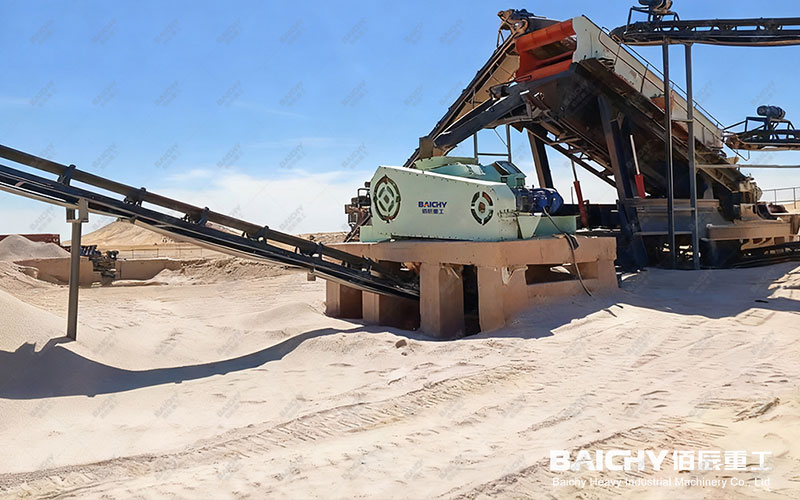
Specialist in fine crushing and unique materials
Two rolls rotate towards each other, crushing and shearing material within the gap. It features a low over-crushing rate and adjustable output size, making it suitable for fine crushing brittle materials and those with high clay content; it is commonly used for manufactured sand shaping and coke crushing.
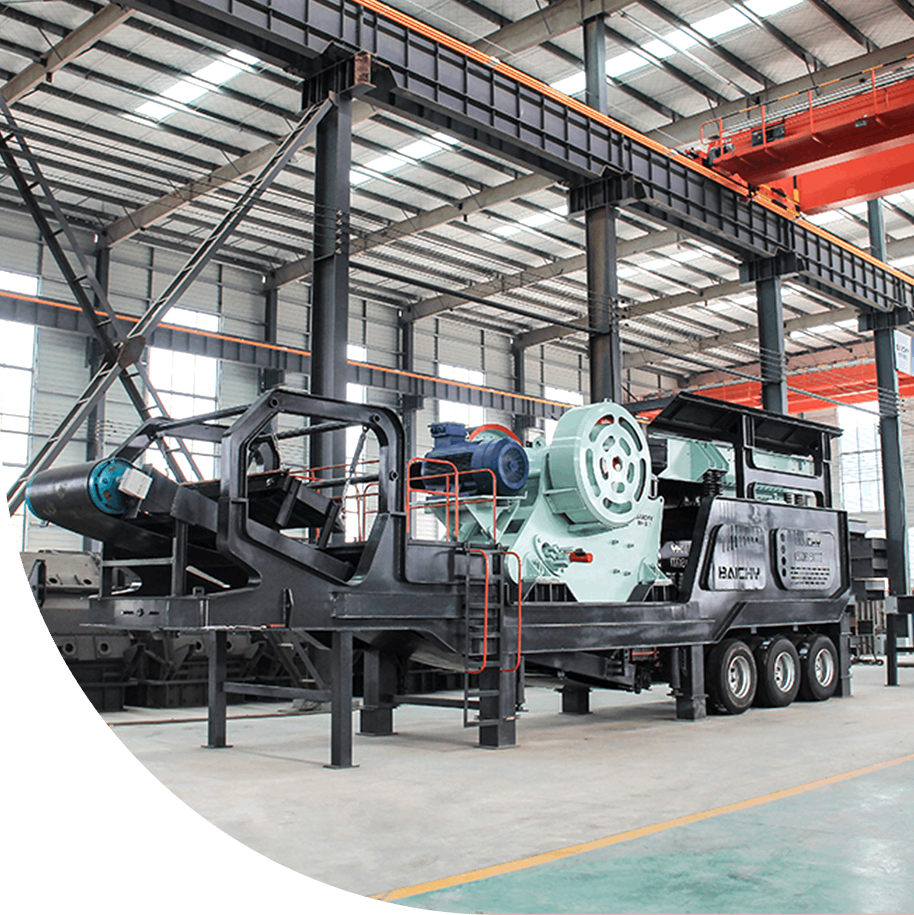
6. Mobile Crushing Station—A powerful tool for immediate production
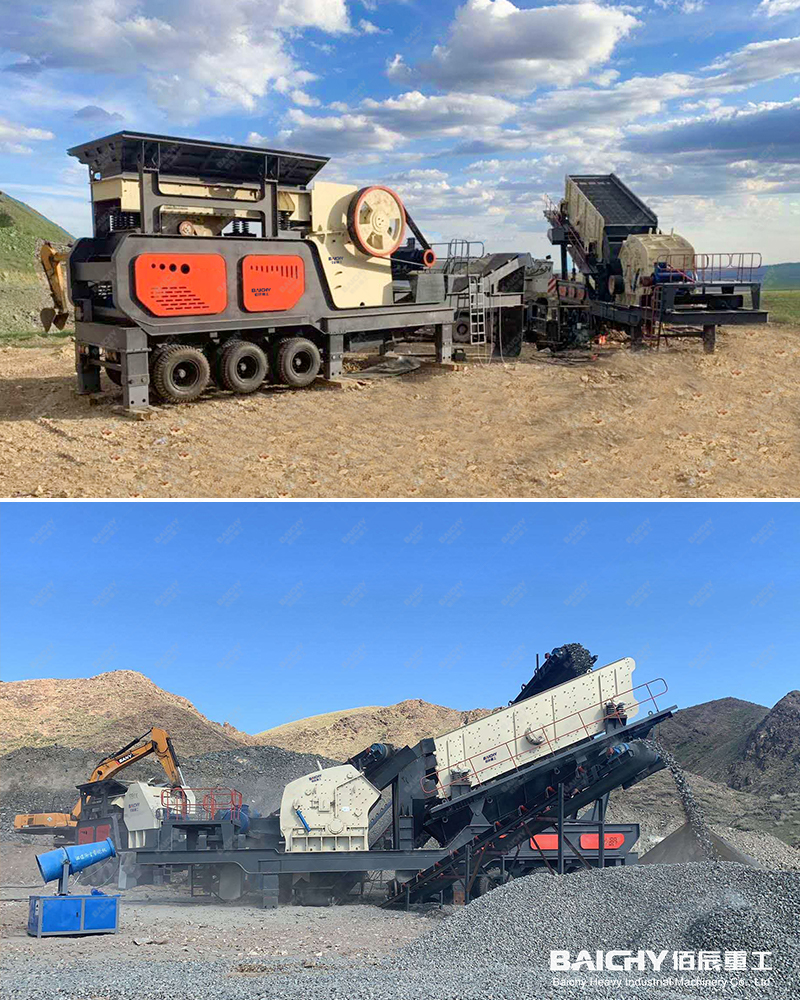
mobile stone crusher
Integrates feeding, crushing, and screening onto a wheeled chassis for immediate operation upon relocation. It eliminates the need for civil engineering foundations and complies with local power standards (e.g., 60Hz/400V), making it ideal for river stone quarrying and construction waste processing. Baichen’s YDPZ series mobile stations are currently operating reliably in the Philippines, Venezuela, and South Africa.
III. Comparison Table of Crusher Types and Parameters
| Crusher Type | Crushing Principle | Max. Feed Size | Capacity Range | Suitable Materials | Recommended Models |
| Jaw Crusher | Compression | ≤1000 mm | 1–1000 t/h | Hard rock, medium-hard ore | PE/PEX/C90 |
| Cone Crusher | Compression | ≤350 mm | 12–1000 t/h | Medium-hard to very hard ore | CS/HP/PYB |
| Impact Crusher | Impact | ≤500 mm | 15–800 t/h | Limestone, construction waste | PF Series |
| Hammer Crusher | Impact/Grinding | ≤350 mm | 5–300 t/h | Limestone, coal, gypsum | PC/PCK/2PC |
| Double-Roll Crusher | Compression/Shearing | ≤100 mm | 1–150 t/h | Materials with hardness below medium; clay-bearing materials | 2PG Series |
| Mobile Crushing Station | Combined/Modular | Depends on main unit | Depends on configuration | River stone, construction waste | YDPZ Series |
IV. Application Scenarios for Crushers
• Metal Mines: Crushing of iron ore and raw gold ore; the classic process involves "Jaw Crusher (primary) + Cone Crusher (secondary/tertiary)." CIL/CIP gold production lines may also require Hammer Crushers or Double-Roll Crushers for fine crushing prior to the grinding stage.
• Sand and Aggregate: Sand production from granite, basalt, or river pebbles; utilizes a combination of "Jaw Crusher + Cone/Impact Crusher + VSI Sand-Making Machine," with finished products used in concrete and highway construction.
• Construction Waste Recycling: Mobile crushing stations process waste concrete and brick rubble on-site; recycled aggregates are reused directly in roadbeds, reducing transportation and landfill costs.
• Non-metallic Mineral Processing: Pre-crushing stage for limestone, gypsum, and other powder production lines; ensures feed material meets the required particle size for grinding mills, thereby enhancing overall grinding efficiency.
V. Real-World Case Studies: Choosing the Right Type Means Half the Battle Is Won
Rwanda Granite 100–150 tph Production Line: Utilized a combination of a PE600×900 jaw crusher and a PF1214 impact crusher; full production capacity was achieved immediately upon commissioning, with the finished product used for local infrastructure.
Philippines River Stone Mobile Crushing Project: Operated on a leased site; the C90 jaw crusher mobile solution eliminated the need for civil engineering works and allowed for rapid startup, delivering stable processing capacity for river pebbles.
Indonesia Andesite Project: A single-stage crushing solution centered on a PF impact crusher; this significantly reduced investment and operating costs compared to traditional two-stage setups, while the product shape met concrete aggregate standards.
VI. How to Choose a Crusher Type: Three Golden Rules
• Consider Material Hardness First: For hard rock with a Mohs hardness above 7 (e.g., granite, basalt), choose a jaw crusher paired with a cone crusher; for medium-soft materials, choose an impact crusher or hammer crusher to lower investment costs.
• Consider Feed Size and Capacity: Feed sizes exceeding 500mm require a jaw crusher for primary crushing; target capacity and reduction ratio determine whether secondary or tertiary crushing stages are needed.
• Calculate Total Cost of Ownership (TCO): Factor in equipment price, wear parts, power consumption, and downtime losses over a 5-year cycle—while cone crushers have a higher initial cost, they often yield a lower cost-per-ton when processing hard rock.
VII. Recommended Equipment from Baichen Heavy Industry
| Crushing Stage | Recommended Equipment | Application Scenario |
| Primary Crushing | PE/PEX/C90 Series Jaw Crusher | Hard rock; feed size up to 1000mm |
| Secondary/Fine Crushing | CS/HP Series Cone Crusher | Metal ores; secondary crushing of hard rock |
| Medium-Soft Materials | PF Series Impact Crusher | Limestone; construction waste recycling |
| Fine Crushing/Sand Making | VSI Sand Maker; Double-Roll Crusher | Manufactured sand shaping |
| Brittle Materials | PC/PCK/2PC Series Hammer Crusher | Coal; gypsum; limestone |
| Mobile Solutions | YDPZ Series Mobile Crushing Station | River stone; remote/off-site production lines |
FAQ
FAQ 1: How do I choose a crusher type based on material hardness?
Hardness is the primary indicator. For hard rock (Mohs hardness > 7), the preferred combination is a jaw crusher followed by a cone crusher; for medium-soft materials, an impact crusher or hammer crusher is suitable, potentially reducing equipment investment costs by 20%–30%; for brittle materials like coal or gypsum, a hammer crusher or double-roll crusher suffices. If you are unsure, you can send material samples, and Baichen will provide free crushing tests and equipment selection recommendations.
FAQ 2: What is the difference between a jaw crusher and a cone crusher?
Jaw crushers are used for primary (coarse) crushing; they handle feed sizes up to 1000mm and feature a simple, durable, and wear-resistant design. Cone crushers are used for secondary and tertiary (medium-to-fine) crushing; they typically handle feed sizes up to 350mm, offer a higher reduction ratio, and produce better particle shapes. The standard configuration for hard rock lines is "jaw crusher for coarse crushing + cone crusher for fine crushing"—the two machines complement each other rather than serving as substitutes.
FAQ 3: What equipment is required for a complete crushing production line?
In addition to the primary crushing units, the line requires a ZSW vibrating feeder, conveyor belts, vibrating screens, and dust removal equipment. The standard three-stage process is: vibrating feeder → jaw crusher (coarse crushing) → cone crusher or impact crusher (medium crushing) → vibrating screen; a VSI sand-making machine is added in series if sand production is required. Baichen Heavy Industry offers comprehensive solutions ranging from inpidual machines to full EPC (Engineering, Procurement, and Construction) projects.
Baichy Heavy Industry
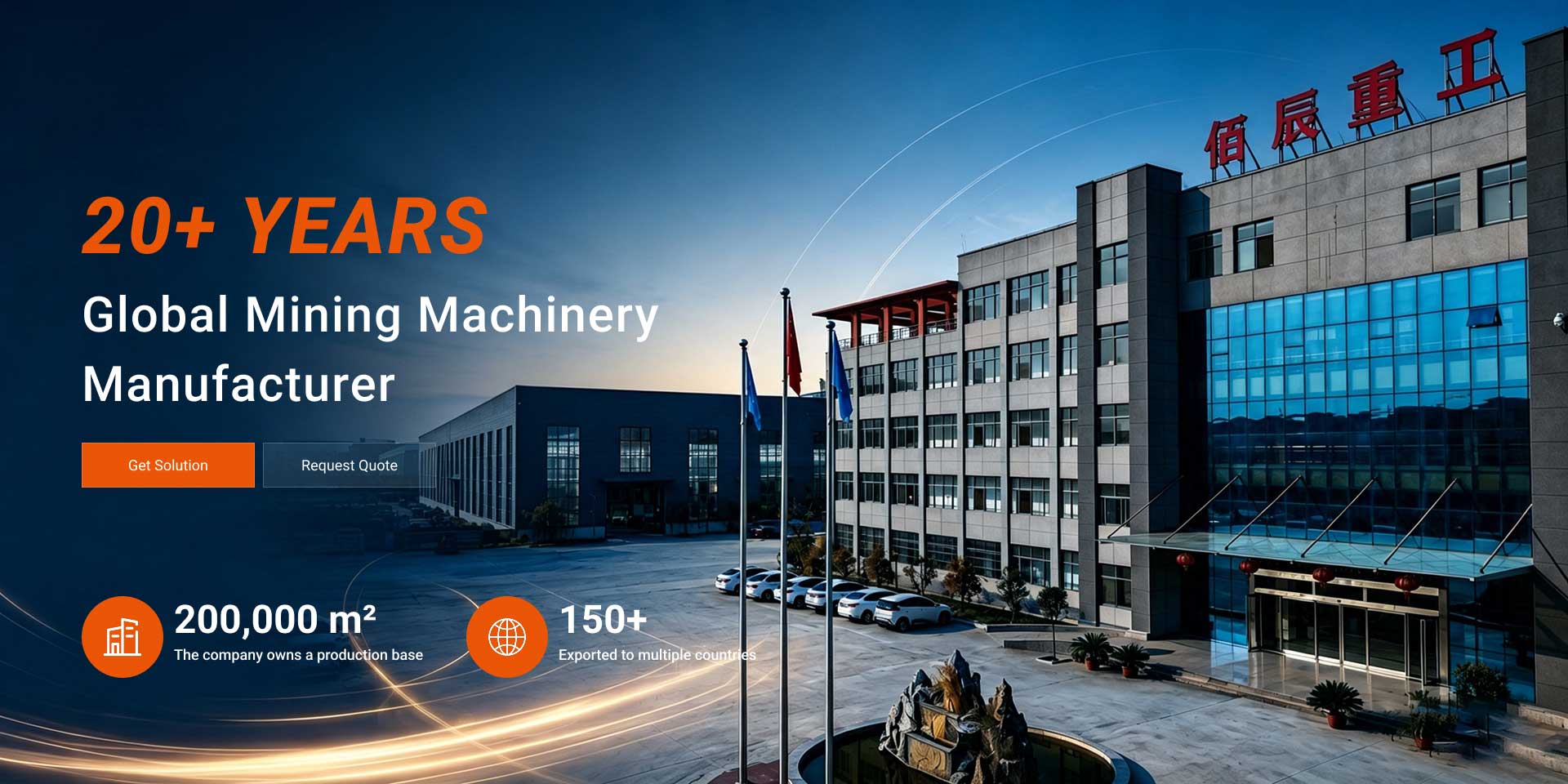
Baichy Heavy Industry is a high-tech mining equipment company integrating R&D, manufacturing, sales, and after-sales service. Focusing on crushing, grinding, and mineral processing equipment, we provide professional solutions to our customers. We are ISO9001:2015 、certified, and our products include mobile crushing palnts, crawler crushing plant, construction waste crushing plants, jaw crushers, sand making machines, cone crushers, fine crushers, grinding mills, ball mills, etc., all with reliable performance to meet diverse project needs.
Baichy Heavy Industry – Your Trusted Partner
To ensure optimal performance of your equipment, Baichy Heavy Industry offers:
- Professional on-site installation guidance
- Comprehensive operator training
- 24/7 technical support & maintenance services
Our complete after-sales service system guarantees long-term, stable operation of your machinery with minimal downtime.
Protect Your Rights – Only Use Official Channels
To avoid scams and ensure authentic support, contact us exclusively through:
• Official Website: www.baichychina.com
• WhatsApp: +8615093222637
• Email: [email protected]
Your satisfaction is our priority – expect prompt, professional service every time.
(Note: Beware of unauthorized third parties claiming to represent Baichy. Always verify through official contacts.)