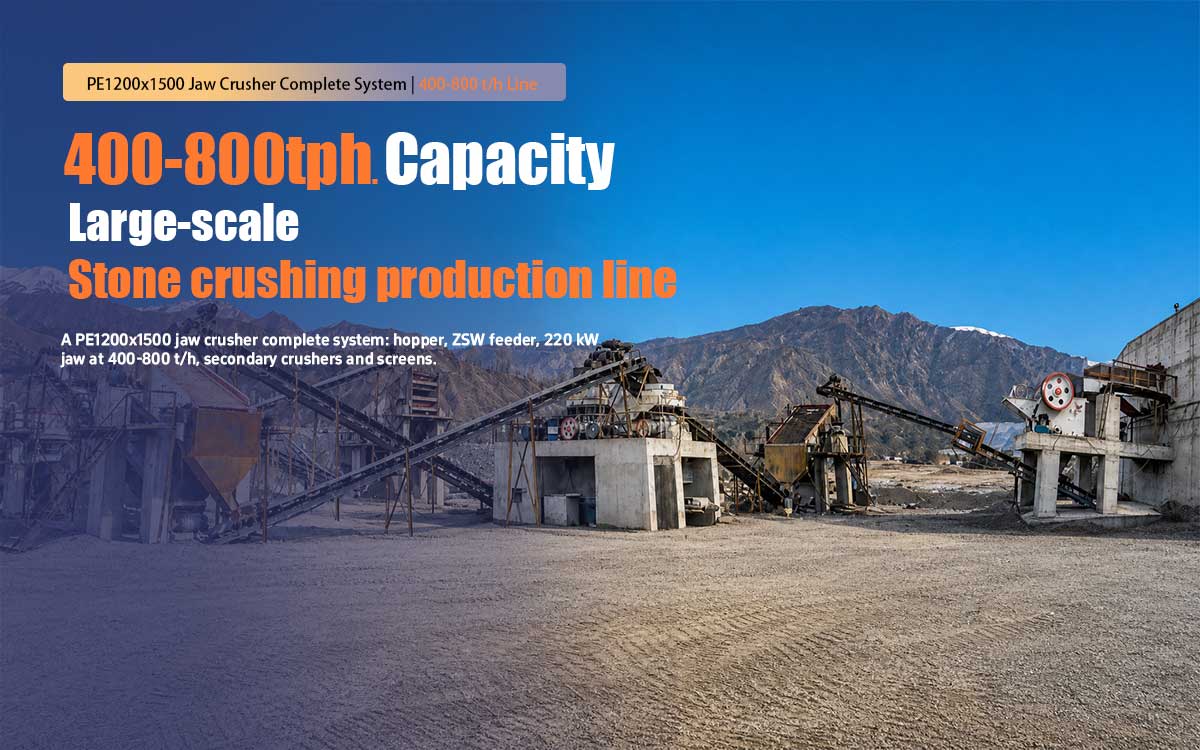

In industries such as mining, building materials, and metallurgy, primary crushing of materials is the "first hurdle" in the entire production process. The efficiency and stability of this hurdle directly affect the efficiency and cost of the entire production line. Among various crushing equipment, the jaw crusher, with its simple structure, extremely high reliability, and powerful crushing capacity, has always maintained an unshakeable core position.
I. What is a Jaw Crusher?
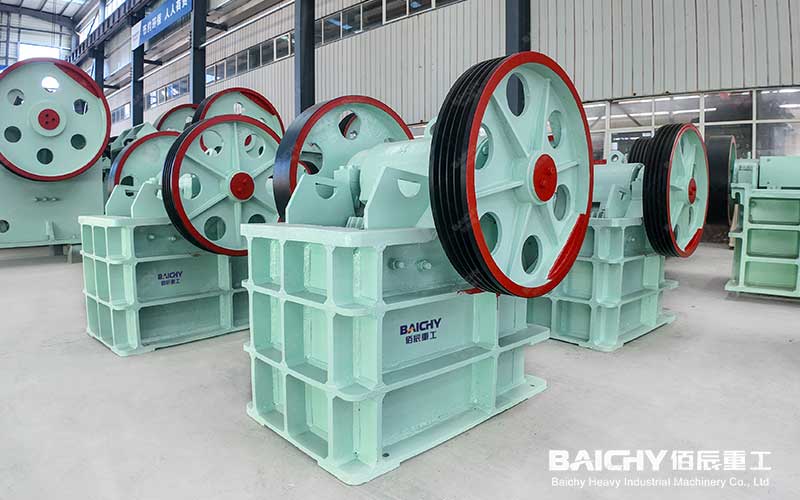
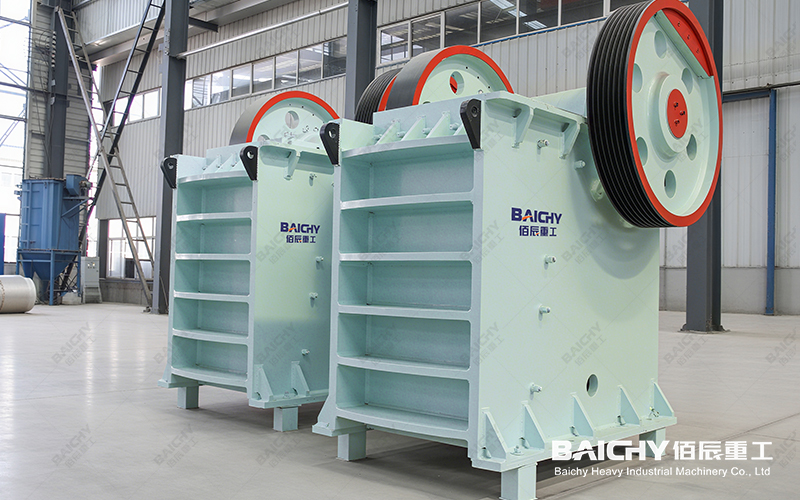
A jaw crusher, commonly known as a "jaw breaker," is a device that mimics the jaw movements of an animal to crush materials. Its core structure includes a fixed jaw plate and a periodically reciprocating moving jaw plate. When material enters the crushing chamber from the feed inlet, the moving jaw plate moves closer to the fixed jaw plate, exerting a huge squeezing force on the material, thus crushing it. When the moving jaw plate moves away, the crushed material is discharged from the discharge outlet under gravity.
II. Core Advantages of Jaw Crusher
1. Robust Structure and Durability: The machine body is made of high-strength steel and heavy-duty castings. The moving jaw assembly is robustly designed to withstand huge impact loads, resulting in a long service life.
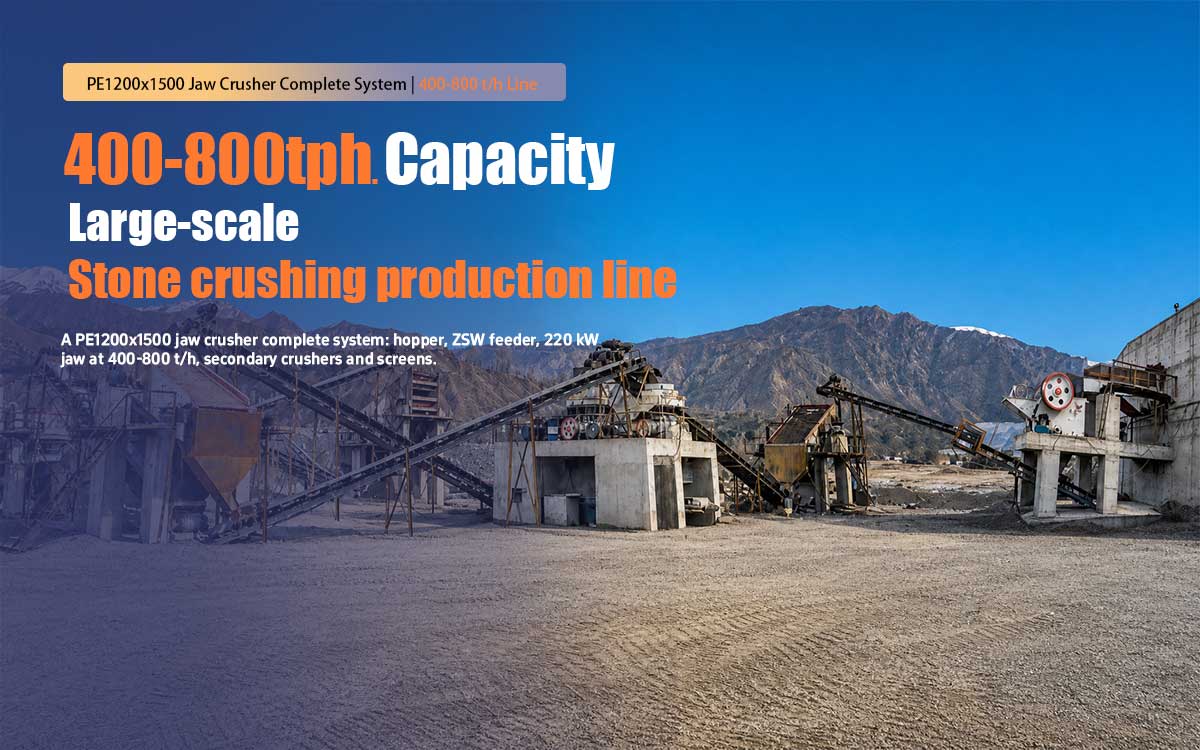
2. High crushing ratio and strong processing capacity: A large feed opening allows for the processing of large materials. The deep crushing chamber with no dead zones provides outstanding processing capacity, making it an ideal choice for primary crushing.
3. Wide range of applicable materials: From hard granite and basalt to various ores and construction waste, jaw crushers can handle them with ease.
4. Simple maintenance and low operating costs: The simple structure and easy replacement of core wear parts (such as jaw plates) significantly reduce downtime and maintenance costs.
5. Simple working principle and reliable operation: Based on mature mechanical principles, the low failure rate ensures continuous and stable production.
III. How to choose a suitable jaw crusher?
When selecting a jaw crusher, the following factors should be considered:
• Feed size: What is the maximum size of the material you need to crush?
• Discharge size: What is the expected final product particle size?
• Production capacity: How many tons of material do you need to process per hour or per day?
• Material characteristics: The hardness, moisture content, and silicon content of the material.
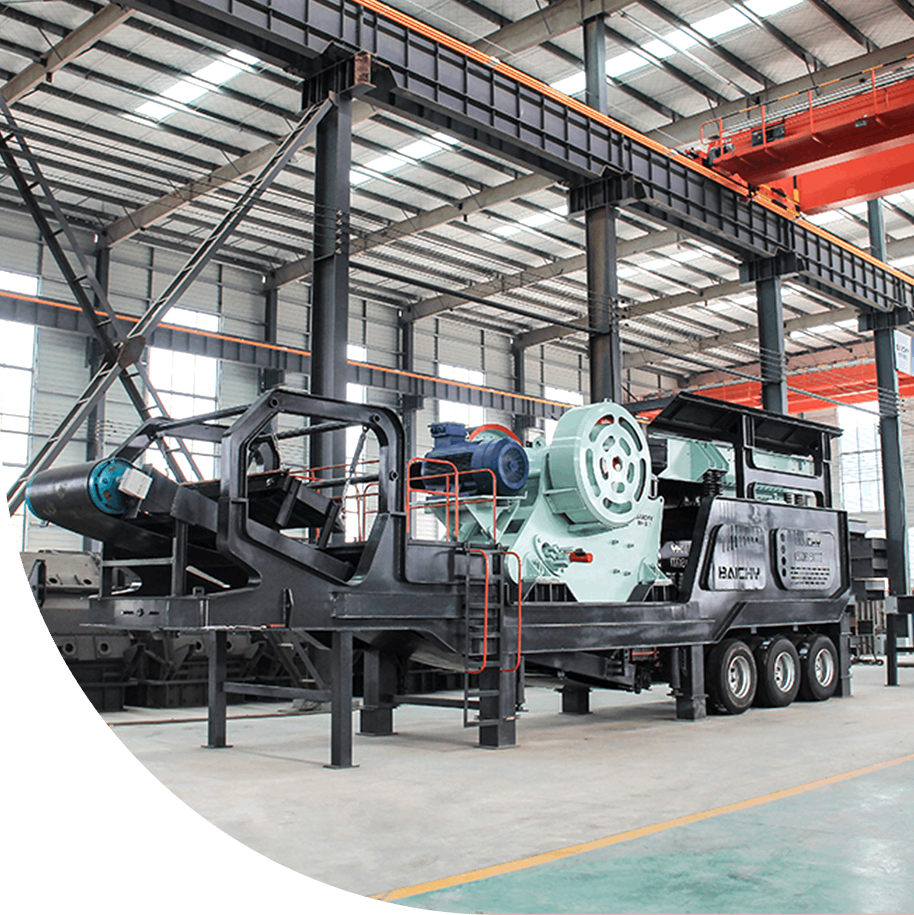
• Operating Location: Fixed or Mobile?
Our professional team can recommend the most suitable model and configuration based on your specific needs, ensuring maximum return on investment.
As the cornerstone of modern industrial crushing, jaw crushers continue to contribute to global infrastructure construction with their superior performance and reliability. Choosing a high-quality jaw crusher means choosing a solid and reliable starting point for your production line.
If you have any questions about jaw crushers or need selection advice, please feel free to contact us. Our experts will be happy to assist you.