
Stone crusher
When selecting a stone crusher, the biggest concern isn't a high price tag, but choosing the wrong model. Prices range from tens of thousands to millions of yuan; the primary price determinants are equipment type, production capacity, and configuration—not just the brand. The selection process follows a clear logic: assess material hardness first, determine target capacity next, and finally factor in desired output size and budget to lock in the model. This article uses a specification table, three selection logic frameworks, and three real-world case studies to help you complete your initial crusher selection in just 10 minutes.
I. Stone Crusher Prices: How Much Does a Unit Cost?
1.1 Reference Price Ranges for Mainstream Models
Stone crushers are categorized by operating principle into five main types: jaw, cone, impact, sand-making, and mobile crushers. Price differences between these types can be substantial—up to several dozen times:
| Equipment Type | Representative Models | Capacity Range | Feed Size | Output Size | Reference Price Range (RMB) |
|---|---|---|---|---|---|
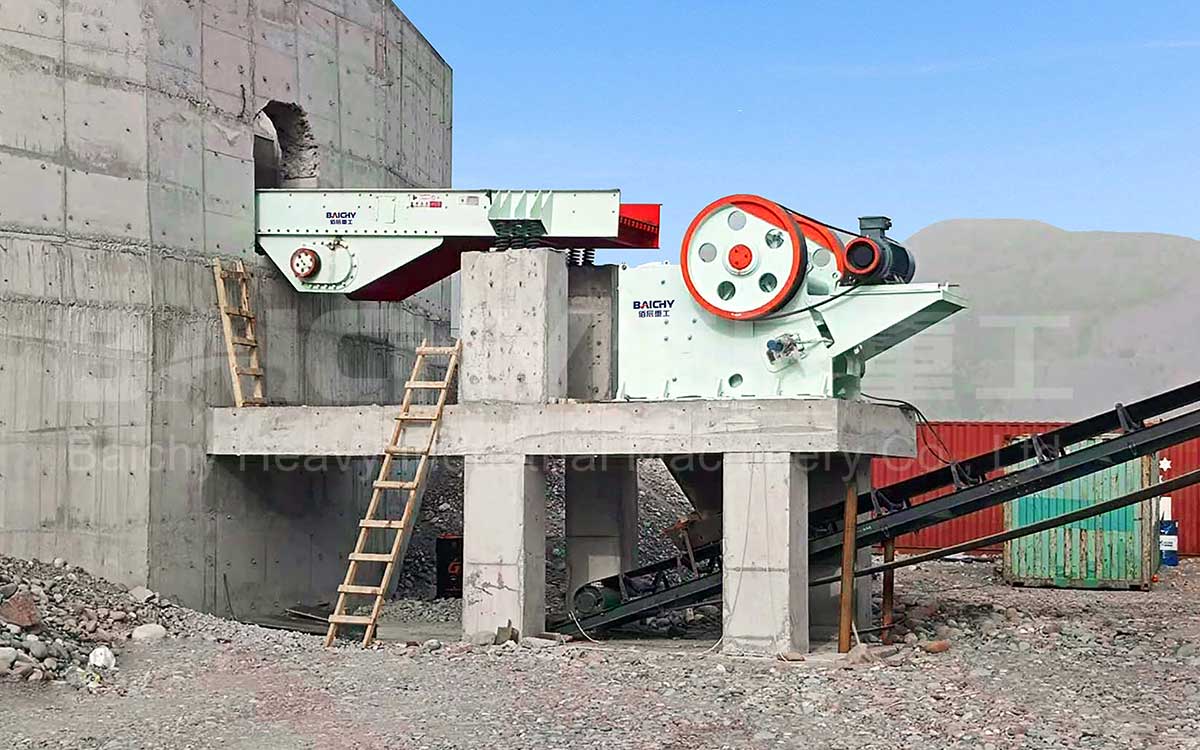
| Jaw Crusher (Primary Crushing) | PE250×400 ~ PE900×1200 | 5–220 t/h | ≤750 mm | 20–200 mm | 50,000–3,000,000 |
| Cone Crusher (Secondary/Fine Crushing) | PYB900 / CS / HP Series | 45–700 t/h | ≤350 mm | 5–60 mm | 200,000–5,000,000 |
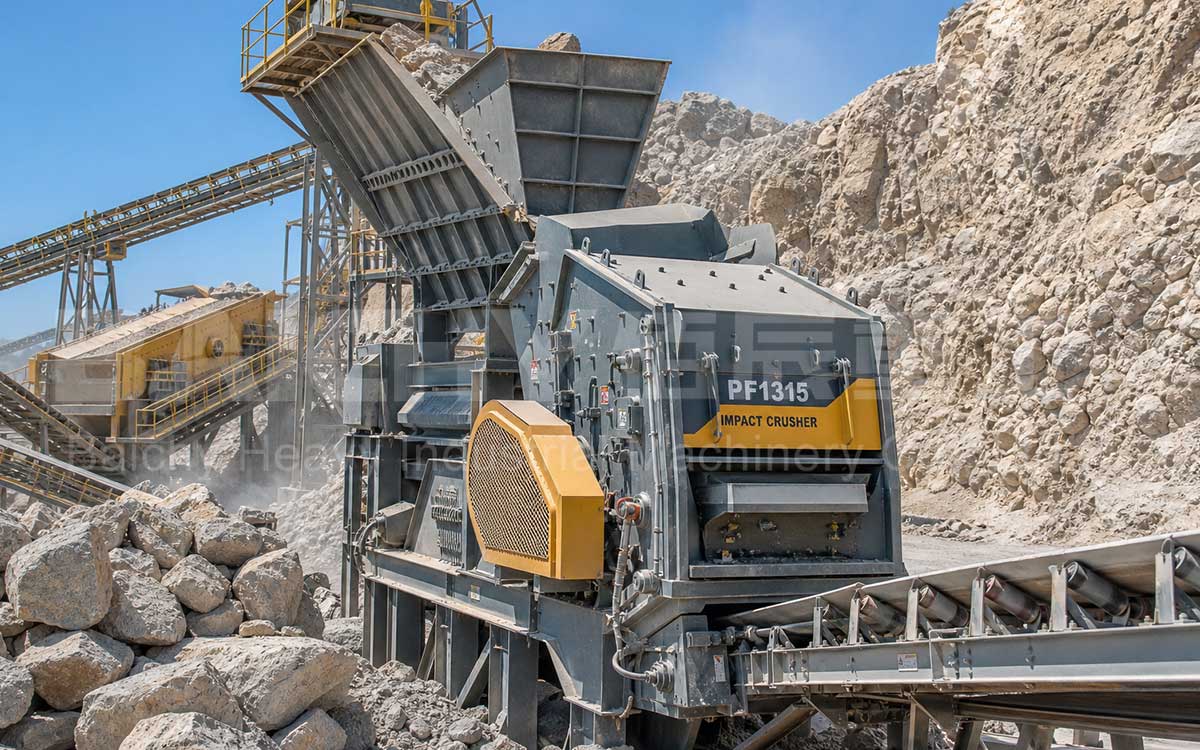
| Impact Crusher (Secondary/Fine Crushing) | PF Series | 30–450 t/h | ≤500 mm | 10–80 mm | 150,000–2,000,000 |
| Sand-Making Machine (Fine Crushing/Shaping) | VSI / PCH Series | 30–600 t/h | ≤55 mm | 0–5 mm | 200,000–1,500,000 |
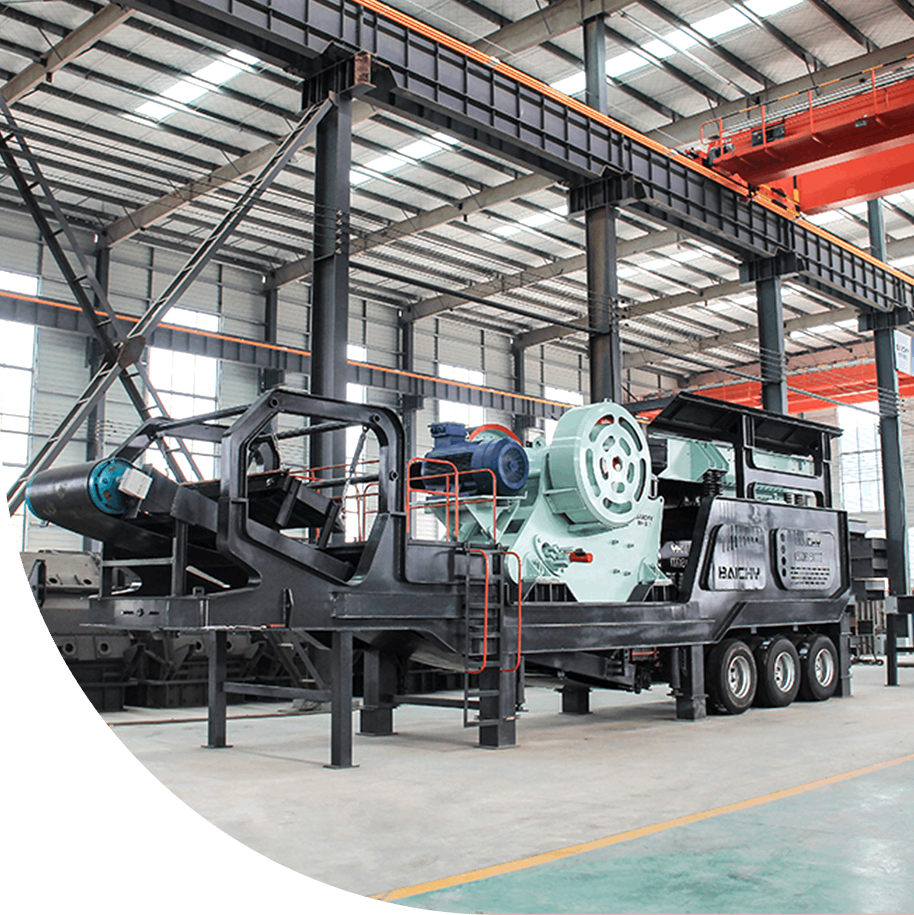
| Mobile Crushing Station | YDPZ Series | 50–500 t/h | ≤650 mm | Configured to order | 800,000–8,000,000 |
Note: The figures above represent common market ranges and serve only as a reference for budgeting. Actual prices vary based on motor power, wear-part materials, and local voltage/frequency specifications (e.g., 60Hz/50Hz; 380V/400V/440V); please refer to the manufacturer's configuration sheet—tailored to specific operating conditions—for an accurate quote.
stone crusher selection
1.2 Five Key Factors Influencing Price
Equipment Type: Primary jaw crushers feature simple structures and lower unit prices, whereas cone crushers and sand-making machines involve higher technical complexity and significantly higher manufacturing costs.
Capacity and Power: Doubling the capacity leads to a substantial increase in the costs of the main motor and frame, representing the primary driver of price differences.
Wear-Part Materials: Lifespan differences between materials—such as high-manganese steel jaw plates, high-chrome hammer heads, and alloy liners—can range from two- to threefold, directly impacting the quoted price.
Automation Configuration: Features such as hydraulic adjustment, PLC control systems, and dust-suppression sprayers typically add 5%–20% to the price for each addition.
Logistics and Tariffs: Export packaging, ocean freight, and destination-country tariffs usually account for 8%–15% of the contract value, with particularly significant variations for routes to South America and Africa.
Regardless of your budget, understanding these five factors allows you to decipher the cost breakdown of any stone crusher quote and avoid being misled by "low-price bare-machine" offers.
II. Comparison of Mainstream Stone Crushers
| Comparison Criteria | Jaw Crusher | Cone Crusher | Impact Crusher | VSI Sand Maker | Mobile Crushing Station |
|---|---|---|---|---|---|
| Applicable Hardness | High/Medium/Low | High (Granite, Basalt) | Medium-Low (Limestone, Shale) | Medium/High | Depends on main unit |
| Core Application | Primary coarse crushing | Secondary/fine crushing | Secondary/fine crushing & shaping | Sand making & shaping | Integrated multi-stage crushing |
| Crushing Ratio | 4:1–6:1 | 5:1–8:1 | 10:1–15:1 | High | Depends on configuration |
| Particle Shape Quality | Average | Good | Good | Best (Cubical) | Depends on main unit |
| Operating Cost | Low | Medium | Medium-High (Blow bar wear) | Medium | Medium-High |
| Investment Threshold | ★★ | ★★★★ | ★★★ | ★★★ | ★★★★★ |
Key Selection Criteria: For granite and basalt (Mohs hardness > 6), the "Jaw Crusher + Cone Crusher" combination is the top choice; for limestone and shale (Mohs hardness < 5), using "Jaw Crusher + Impact Crusher" is more cost-effective. If manufactured sand is required, a VSI sand maker is added at the end of the production line to ensure optimal particle shape and gradation. This is also the fundamental reason for the vast differences in price quotes from manufacturers—different machine models involve completely different cost structures.
III. How to Choose the Most Suitable Stone Crusher?
3.1 Selecting the Model Based on Material Hardness
| Material Type | Mohs Hardness | Recommended Crushing Scheme |
|---|---|---|
| Limestone, Gypsum, Shale | 3–4 | Jaw Crusher + Impact Crusher |
| River Stone, Cobblestone | 6–7 | Jaw Crusher + Cone Crusher + Sand Maker |
| Granite, Basalt | 6–8 | Jaw Crusher + Multi-cylinder Cone Crusher |
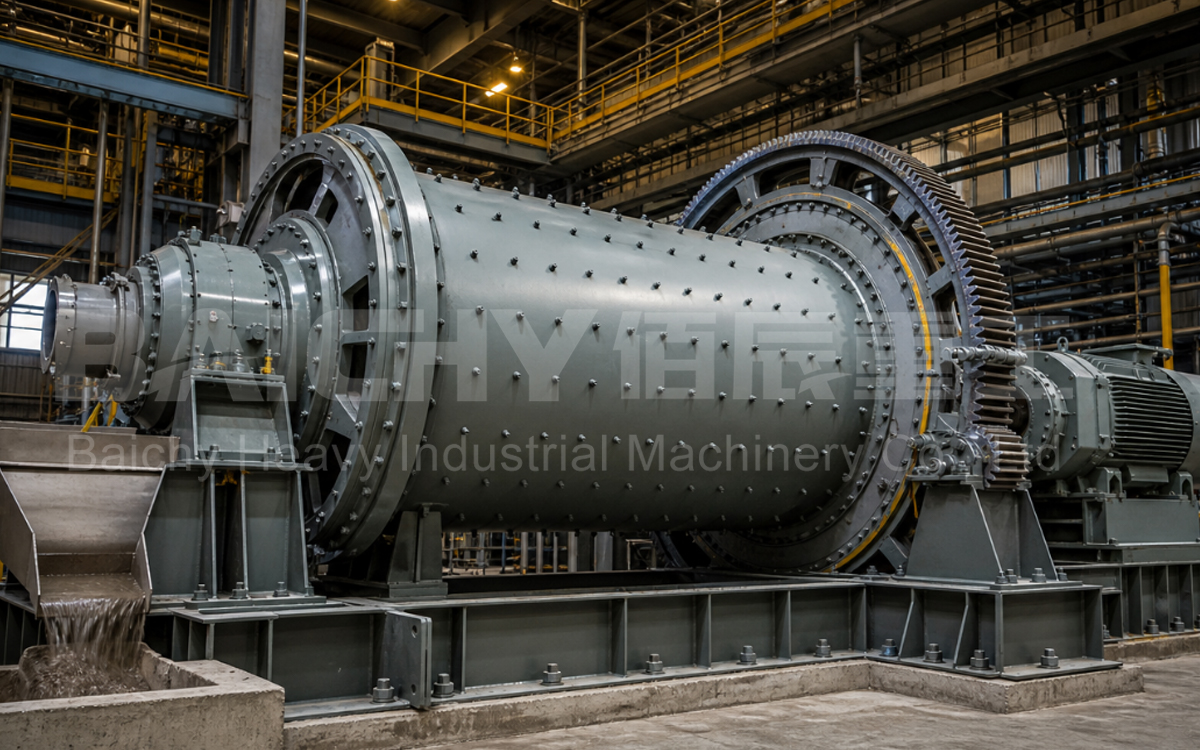
| Iron Ore | 5–6.5 | Jaw Crusher + Cone Crusher + Ball Mill |
3.2 Determining Scale Based on Capacity and Budget
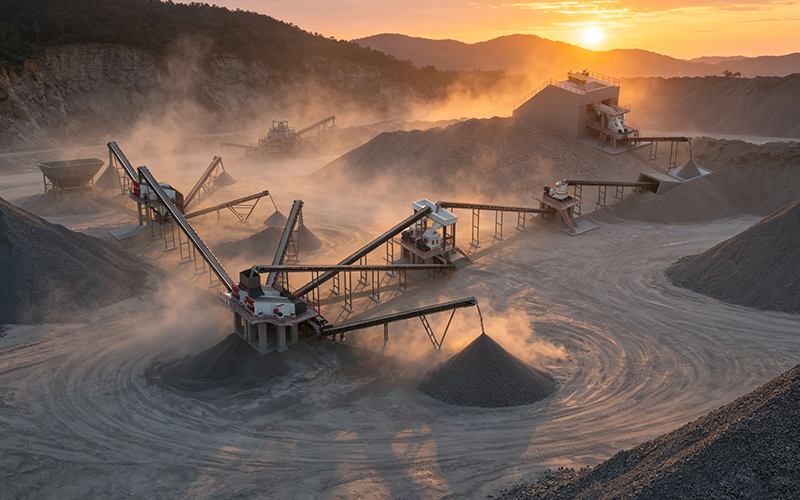
Under 50 t/h: A single PE Jaw Crusher or small Impact Crusher suffices; total line investment is 300,000–800,000 RMB. 50–200 t/h: Standard two-stage crushing + vibrating screen line; investment range of 1–4 million RMB; the mainstream range for quarries.
Above 200 t/h: Three-stage crushing + sand making/shaping, or direct use of mobile crushing stations; suitable for mines and large-scale aggregate projects.
3.3 Selecting terminal equipment based on output particle size
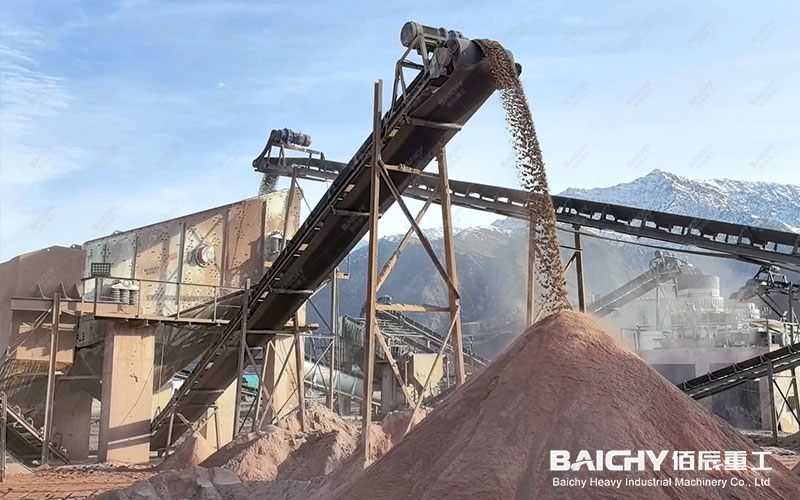
Concrete aggregate (5–31.5 mm continuous gradation) → Cone crusher/Impact crusher + Circular vibrating screen;
Manufactured sand (0–5 mm) → VSI sand-making machine + Sand washer; meets high-standard aggregate requirements for high-speed rail and airports;
Roadbed fill (0–80 mm) → Single-stage jaw crusher or impact crusher suffices; no need for excessive investment.
3.4 Stationary or mobile?
Stationary lines suit projects with secure mining rights and established infrastructure; mobile crushing stations (wheeled or tracked) suit scenarios with short project durations or dispersed material sources—requiring no foundations, enabling immediate operation, and incurring near-zero relocation costs. For users with limited budgets and materials of moderate hardness, second-hand stone crushers offer a way to reduce initial investment, though careful inspection of jaw plates, bearings, and frame cracks is essential.
IV. Typical Application Scenarios
Stone crusher applications are highly perse, yet the selection logic remains consistent: define the material first, then determine the process. Five typical scenarios include:
Quarries and sand/gravel aggregates: Crushing and grading limestone or granite to supply ready-mixed concrete and highway projects.
Upstream mineral processing: Primary crushing of iron or gold ore, linking to subsequent ball milling and beneficiation stages (e.g., CIL/CIP gold processing).
Construction waste recycling: On-site processing of concrete blocks and brick rubble using mobile stations, with recycled aggregates used directly for backfilling.
River remediation and manufactured sand: Crushing river stones and pebbles to produce sand, alleviating pressure caused by natural sand depletion and illegal sand mining.
International infrastructure projects: Self-built aggregate stations for airports, high-speed rail, or hydropower projects, with electrical control systems customized to local voltage and frequency standards.
V. Core Advantages of Baichy Heavy Industry Stone Crushers
Cost-Effectiveness and Transparency: For equivalent configurations, the total line cost is 30%–50% lower than that of European or American brands; quotations itemize the main unit, motor, and wear parts with no hidden fees.
Long Wear-Part Lifespan: Jaw plates, hammer heads, and liners utilize high-manganese steel or high-chromium alloys; when crushing granite, jaw plate longevity exceeds that of standard materials by over 40%, resulting in lower costs per ton.
Compatibility with Global Power Standards: Supports customization for 60Hz/50Hz and 380V/400V/440V; offers soft-start solutions for scenarios such as ESKOM load-shedding in South Africa to ensure continuous production.
Transparent Capacity Ratings: Nominal capacity is calibrated based on limestone (1.6 t/m³), with correction factors provided for high-density or highly abrasive materials, eliminating discrepancies between rated and actual on-site output.
One-Stop Service: From process design, equipment supply, and installation/commissioning to spare parts provision, the EPC turnkey model allows clients to deal with a single point of contact.
VI. Customer Case Studies
The following three cases demonstrate the actual configurations and operational performance of the stone crushers in various markets:
Long Thanh Airport Aggregate Project (Vietnam): Processing river stone and cobbles using a three-stage process (Jaw Crusher + Cone Crusher + Double-Roll Sand Maker) to produce 0–5 mm manufactured sand and 5–25 mm aggregate, meeting strict airport standards for concrete particle shape and gradation.
Basalt Project (Ethiopia): Utilized a two-stage line featuring a PE400×600 Jaw Crusher and a Cone Crusher with customized 380V/50Hz electrical controls; achieved design capacity within the first month of operation, supporting ongoing highway and airport construction.
Mobile River Stone Production Line (Philippines): A vehicle-mounted combination of a C90 Jaw Crusher and a Cone Crusher; requires no civil engineering foundations, enters production within 10 days of delivery, and offers flexible relocation to serve multiple river sand extraction sites.
VII. Recommended Equipment List
The Baichy Heavy Industry stone crusher models corresponding to the selection logic above are listed below; they can be flexibly combined based on specific operating conditions:
Primary Crushing: PE Series Jaw Crusher (PE250×400 ~ PE900×1200), C Series Jaw Crusher
Secondary/Fine Crushing: PYB900 Spring Cone Crusher, CS/HP Series Hydraulic Cone Crusher, PF Series Impact Crusher
Sand Making & Shaping: VSI Sand Maker, PCH Hammer Sand Maker, Double-Roll Sand Maker
Mobile Solutions: YDPZ Series Tire-mounted Mobile Crushing Station (combinable with Jaw/Cone/Impact/VSI crushers)
Auxiliary Equipment: ZSW Vibrating Feeder, YK Circular Vibrating Screen, Spiral Sand Washer, Fine Sand Recovery Machine, Belt Conveyor
Need a complete production line plan and quotation? Contact us for a free equipment selection consultation and investment analysis.
VIII. Frequently Asked Questions (FAQ)
Q1: How much does a stone crusher cost?
Small jaw crushers range from approximately 50,000 to 300,000 RMB, while medium-to-large cone crushers and mobile stations range from several hundred thousand to several million RMB. Prices depend on the type, capacity, wear-part material, and electrical control configuration; we recommend providing details on the material, capacity, and voltage requirements to receive an accurate, customized quote.
Q2: What equipment is best for crushing hard granite or basalt?
The preferred choice is a combination of "Jaw Crusher (primary) + Cone Crusher (secondary/fine)." Cone crushers utilize the principle of inter-particle (lamination) crushing, resulting in low wear when processing hard materials, excellent particle shape, and low operating costs—making them far more cost-effective than using impact crushers to crush hard granite. If sand making is required, a VSI sand maker can be added at the final stage.
Q3: How can I get an accurate quote and avoid common pitfalls?
Provide the manufacturer with three key pieces of information: material type and hardness, target capacity (t/h), and output particle size requirements; also specify the voltage/frequency and whether a mobile unit is needed. Reputable manufacturers should provide an equipment list, estimated service life for wear parts, and power consumption calculations; when comparing quotes from two or three suppliers, ensure that the specifications are consistent rather than simply comparing the price of the base unit.
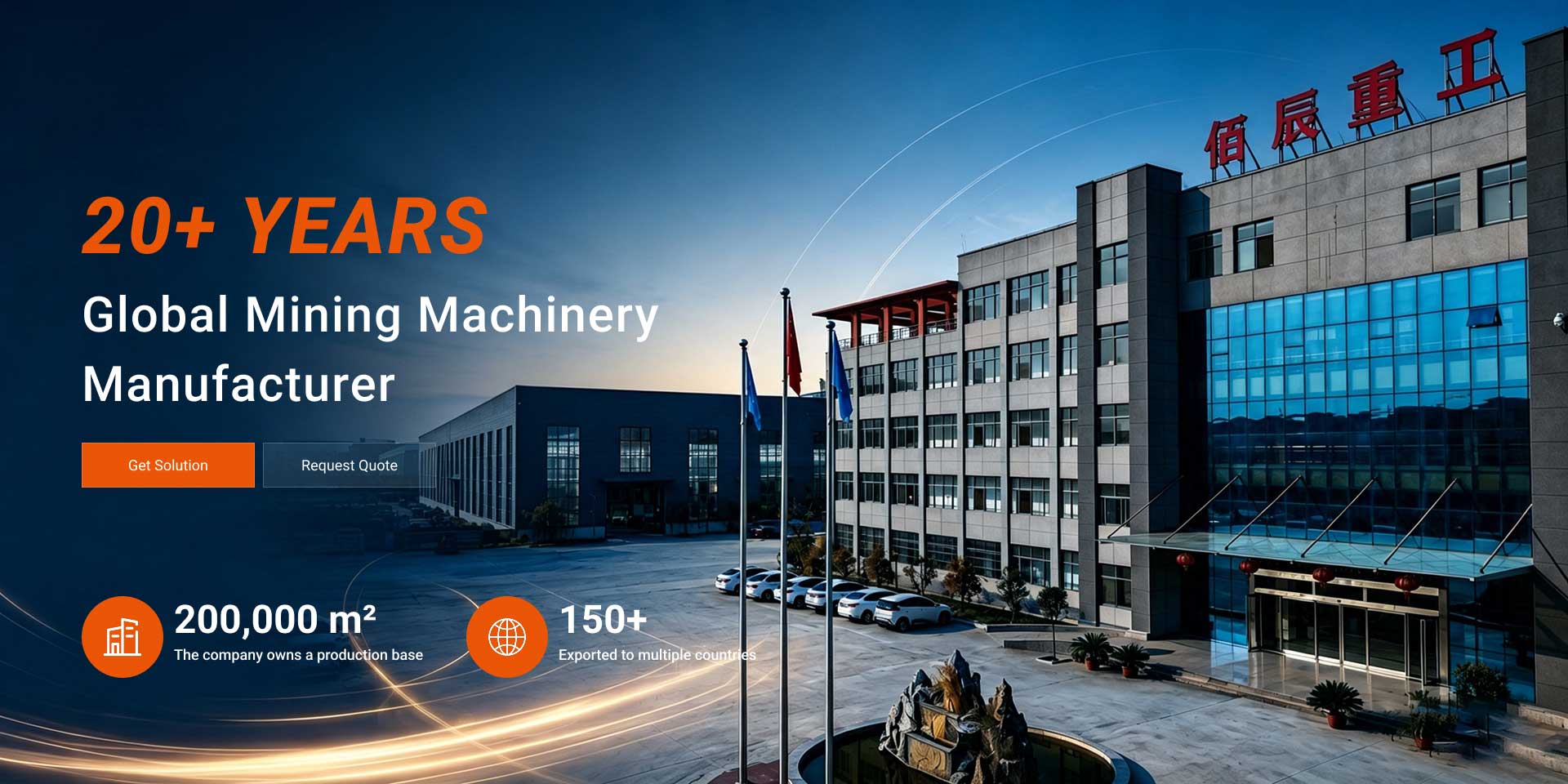
Baichy Heavy Industry
Baichy Heavy Industry is a high-tech mining equipment company integrating R&D, manufacturing, sales, and after-sales service. Focusing on crushing, grinding, and mineral processing equipment, we provide professional solutions to our customers. We are ISO9001:2015 、certified, and our products include mobile crushing palnts, crawler crushing plant, construction waste crushing plants, jaw crushers, sand making machines, cone crushers, fine crushers, grinding mills, ball mills, etc., all with reliable performance to meet diverse project needs.
Baichy Heavy Industry – Your Trusted Partner
To ensure optimal performance of your equipment, Baichy Heavy Industry offers:
- Professional on-site installation guidance
- Comprehensive operator training
- 24/7 technical support & maintenance services
Our complete after-sales service system guarantees long-term, stable operation of your machinery with minimal downtime.
Protect Your Rights – Only Use Official Channels
To avoid scams and ensure authentic support, contact us exclusively through:
• Official Website: www.baichychina.com
• WhatsApp: +8615093222637
• Email: [email protected]
Your satisfaction is our priority – expect prompt, professional service every time.
(Note: Beware of unauthorized third parties claiming to represent Baichy. Always verify through official contacts.)