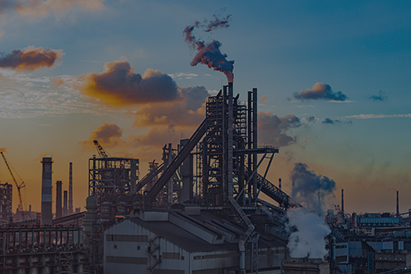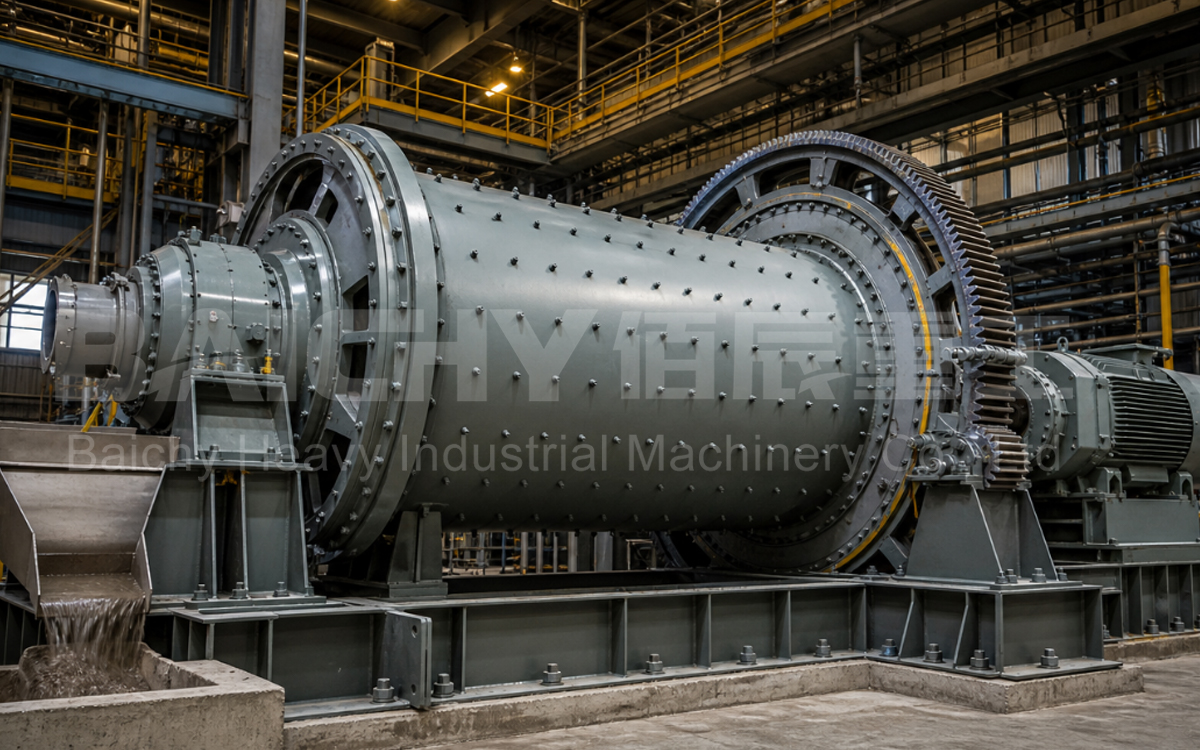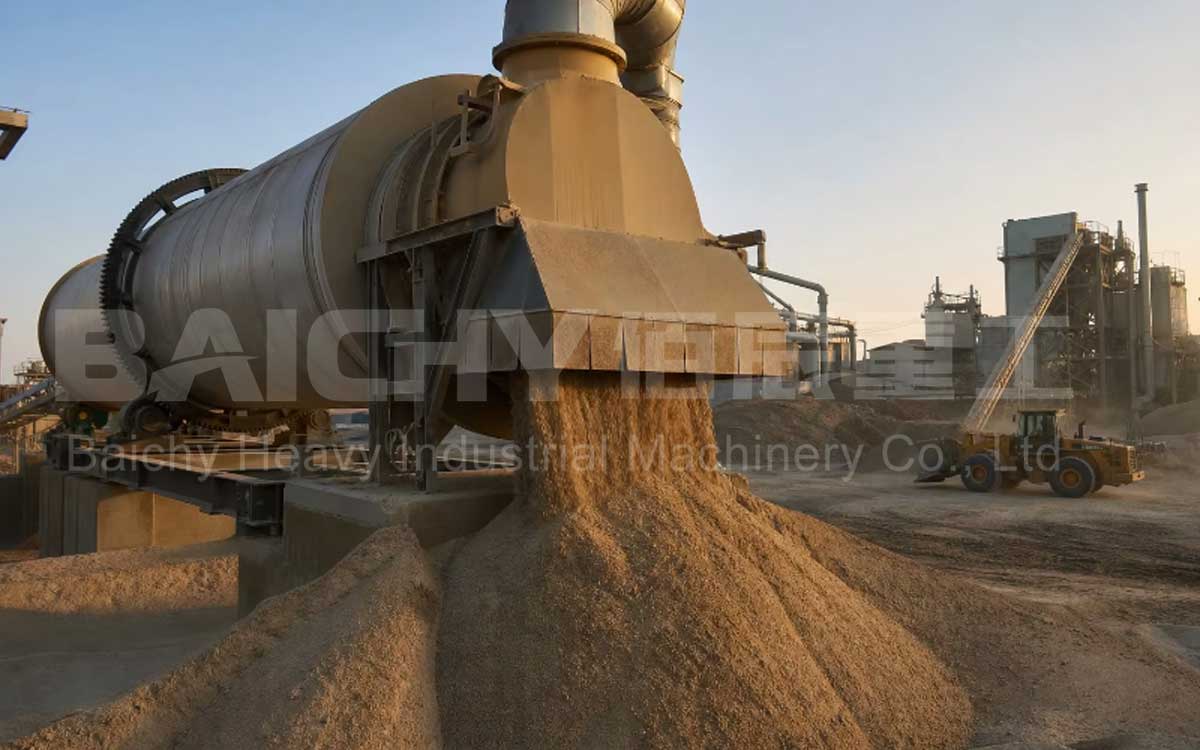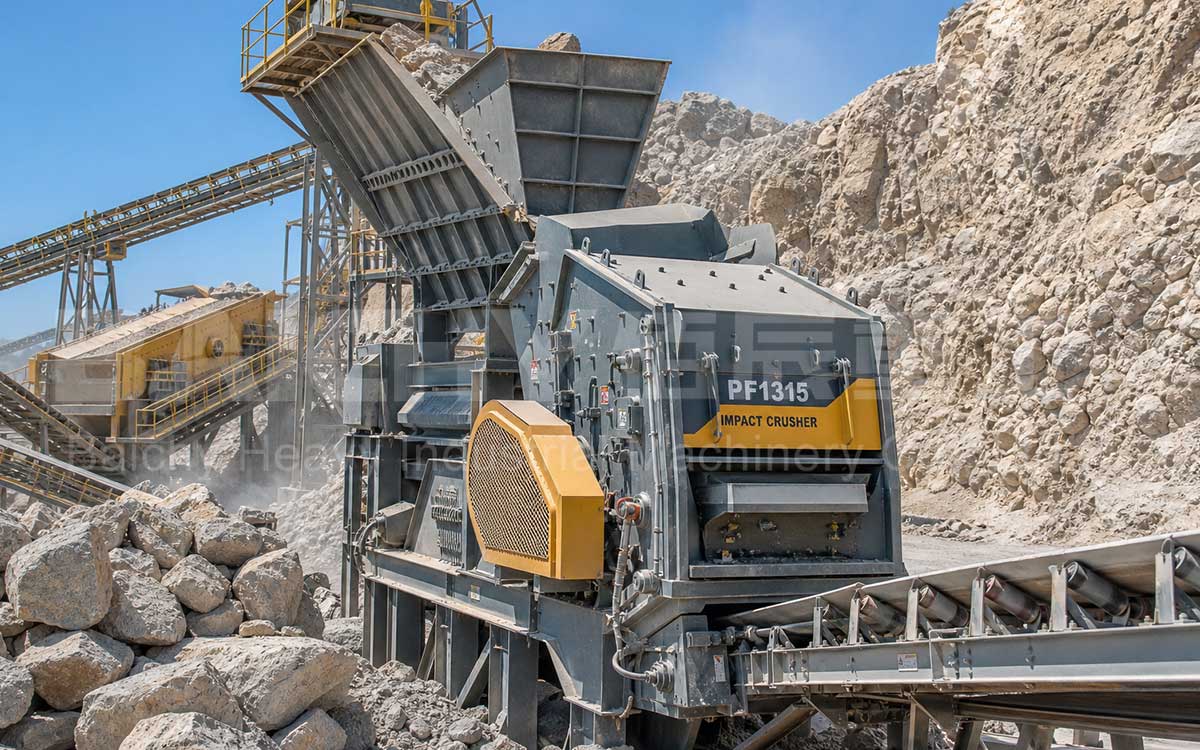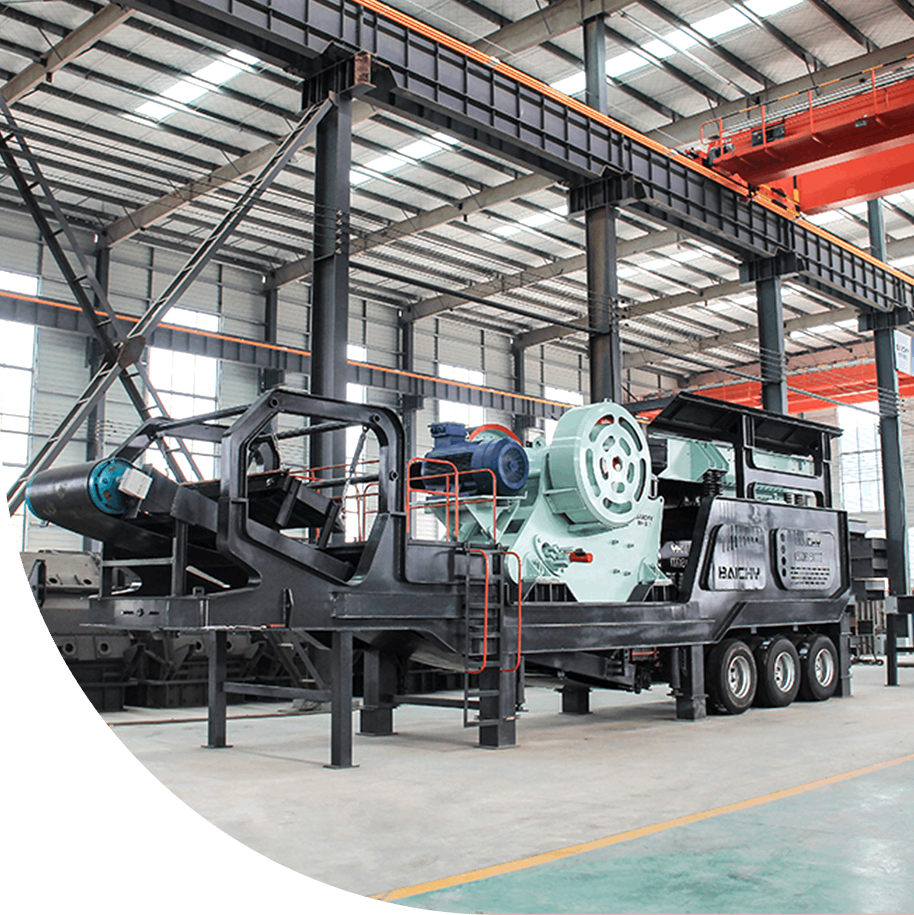


Stationary Crushing Screening Washing Plant
For large-scale, long-term aggregate operations, a stationary crushing, screening, and washing production line offers the lowest unit cost and the most stable output. These lines support capacities ranging from 40 to 1,000 t/h, with full control over final particle shape and silt content throughout the process. Compared to mobile equipment, stationary lines benefit from a one-time civil engineering investment, lower electricity consumption per ton, and ample maintenance windows, making them the preferred choice for mining operations, commercial concrete plants, and large-scale infrastructure projects.
I. What is a stationary crushing, screening, and washing production line?
A stationary crushing, screening, and washing production line is a complete aggregate processing system permanently installed at a fixed site, comprising six key stages: feeding, crushing, screening, washing, conveying, and control. Unlike mobile crushing stations, the equipment foundations, civil structures, and power supply systems are designed for permanent site integration. The process flow can be highly customized based on material hardness, target particle sizes, and environmental regulations, making the system ideal for continuous, high-volume, multi-shift production. Typical Process Flow:
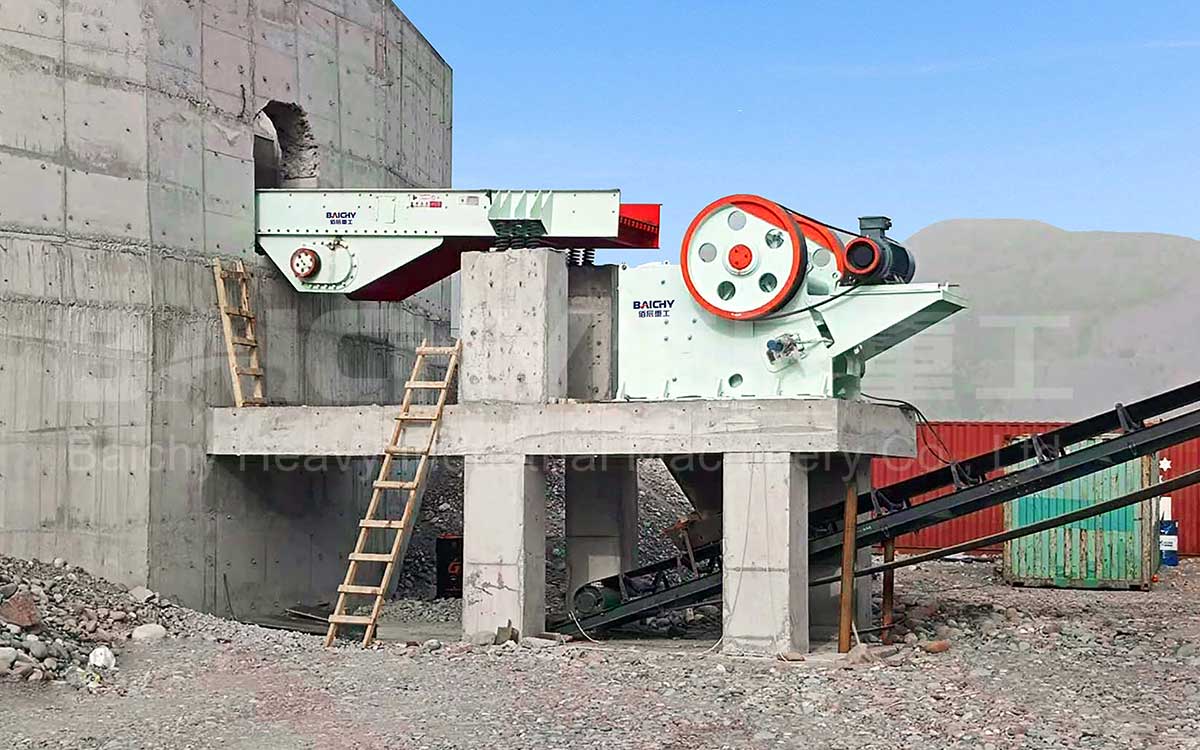
ZSW Vibrating Feeder → Jaw Crusher (Primary Crushing) → Cone/Impact Crusher (Secondary/Fine Crushing) → Circular Vibrating Screen (Grading) → Sand Washer (Washing) → Fine Sand Recovery Machine (Dewatering) → Finished Product Stockpile
| Comparison Criteria | Stationary Production Line | Mobile Crushing Station |
|---|---|---|
| Application Scenario | Long-term operation, fixed mineral source | Temporary projects, frequent site transfers |
| Max. Capacity | 40–1000 t/h | Typically ≤ 500 t/h |
| Operating Cost per Ton | Lower (power consumption & wear costs amortized) | Higher |
| Initial Investment | Includes civil works and foundations | No civil works required |
| Environmental / Dust Control | Fully enclosed, systematic dust control | Relatively limited |
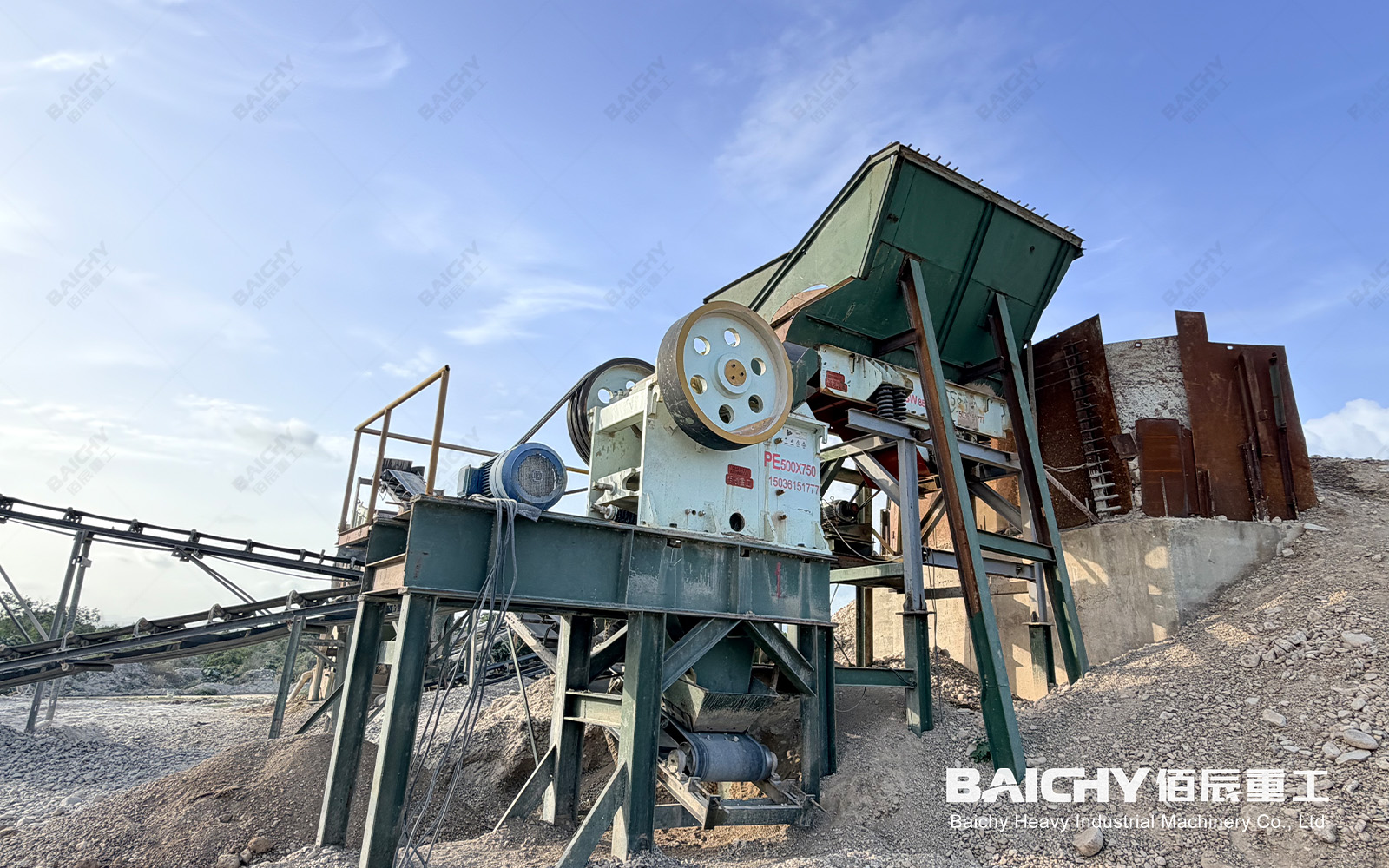
stationary crushing screening washing plant
II. Typical Application Scenarios
Hard Rock Aggregate Processing: Highly abrasive materials like granite and basalt; serving large-scale infrastructure projects such as airports, high-speed railways, hydropower stations, and expressways;
Sand & Manufactured Sand Production: Supporting commercial concrete plants and precast component factories; meeting C30–C60 concrete grading requirements;
River Pebble/Cobble Sand Making: Suitable for regions rich in riverbed resources (e.g., Southeast Asia, South America); single-stage crushing to produce high-quality sand;
Construction Waste Recycling: Crushing, screening, and washing waste concrete for reuse in road base layers and as recycled aggregate;
Ore Pre-treatment: Crushing and screening iron ore or non-ferrous metal ores prior to beneficiation, ensuring suitable feed particle size for the grinding stage.
III. Core Advantages
Stable Production & Controllable Particle Shape: A multi-stage crushing combination (jaw crusher + cone/impact crusher) ensures well-shaped final particles with low flake and elongation content, meeting high-strength concrete standards;
High-Quality Finished Product: Washing processes keep the silt content of aggregates below 1%, while a fine sand recovery unit achieves a recovery rate of ≥85%, eliminating the loss and waste of fine sand;
Optimal Cost Per Ton: A stationary layout spreads electricity, wear-part, and labor costs across the production volume, resulting in significantly lower long-term operating costs compared to mobile solutions;
Modular Design & Rapid Delivery: Standardized modular design shortens design and installation cycles; Baichy provides comprehensive EPC turnkey services, ranging from process design to installation and commissioning;
Automated Operation: A centralized control cabinet enables one-touch start/stop and interlocking protection, reducing reliance on manual labor and the risk of operational errors;
Full Lifecycle Service: Supply of complete equipment sets ensures spare part interchangeability, while on-site engineering training and remote diagnostics guarantee the production line's continuous, efficient operation. IV. Typical Configuration and Technical Parameters
Taking a standard 100–150 t/h hard rock (granite/basalt) processing line as an example (design capacity; actual output depends on material characteristics and site conditions):
| Process Stage | Equipment Model | Key Parameters | Installed Power |
|---|---|---|---|
| Feeding | ZSW-490×130 Vibrating Feeder | Feed size ≤ 750 mm | 22 kW |
| Primary Crushing | PE-750×1060 Jaw Crusher | Feed size ≤ 630 mm | 110 kW |
| Secondary / Fine Crushing | CS160 Cone Crusher | Output size 0–40 mm | 160 kW |
| Sand Making (Optional) | VSI-9526 Vertical Shaft Impact Crusher | Feed size ≤ 45 mm | 2 × 132 kW |
| Screening | 3YK-2460 Circular Vibrating Screen | 3-deck screening; 4 size fractions | 30 kW |
| Washing | XSD-3016 Wheel-type Sand Washer | Capacity 70–120 t/h | 11 kW |
| Dewatering & Recovery | Fine Sand Recovery Unit | Fine sand recovery rate ≥ 85% | 15 kW |
The parameters represent a typical configuration; Baichy can adjust equipment models and quantities based on material hardness, moisture content, and finished product specifications.
V. Application Case Studies
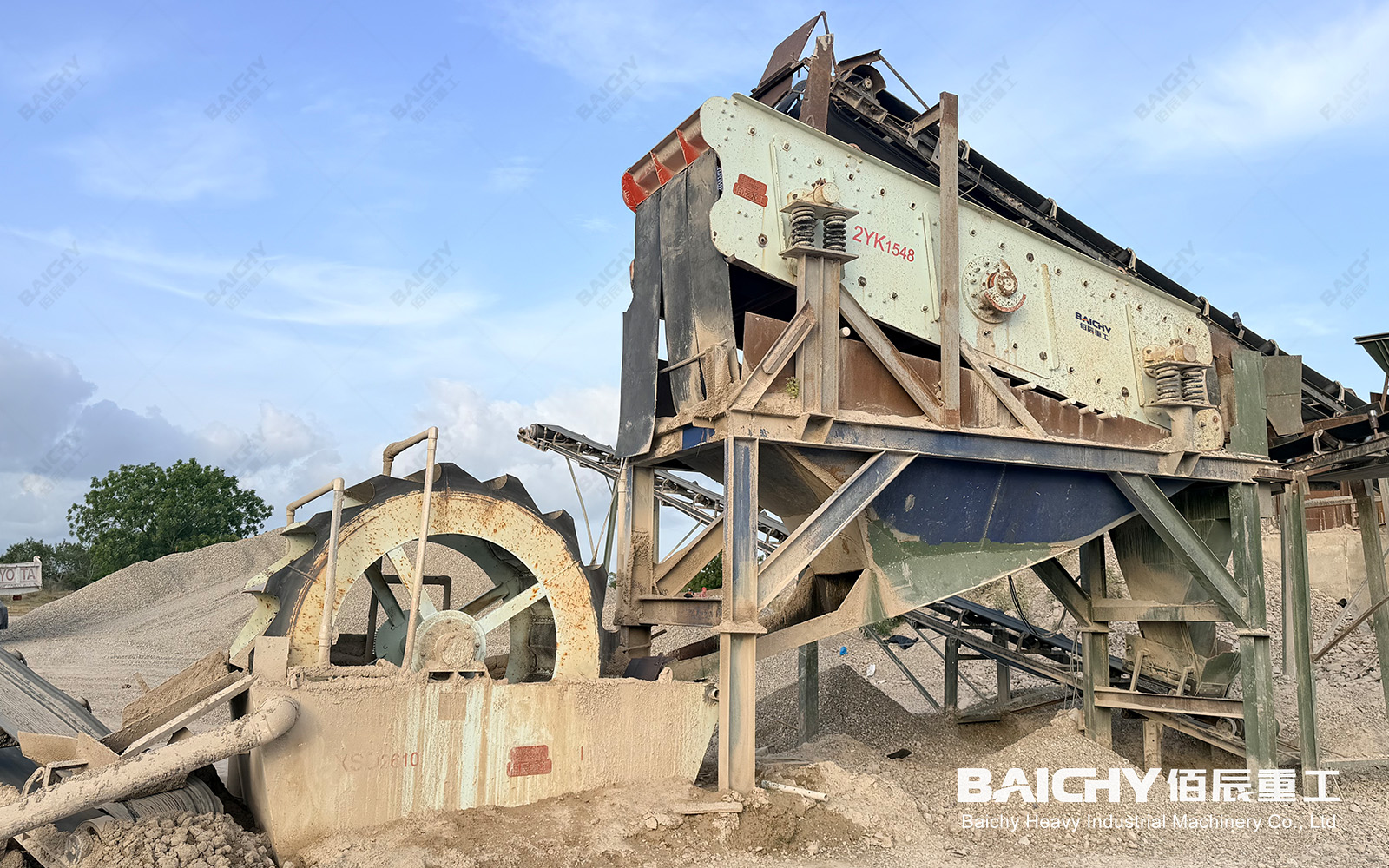
stationary crushing screening washing plant
Case 1: River Pebble Sand-Making Project in Southeast Asia (Design capacity: 120 t/h)
Background: The client required processing river pebbles into 0–5 mm manufactured sand and 5–25 mm crushed stone to supply local commercial concrete plants.
Configuration: ZSW Feeder + PE600×900 Jaw Crusher (primary) + CS160 Cone Crusher (secondary) + Circular Vibrating Screen (grading) + Wheel-type Sand Washer (washing) + Fine Sand Recovery Unit (dewatering).
Results: Finished sand has a silt content of less than 1% and stable gradation; wash water is recycled after sedimentation, meeting local environmental regulations.
Case Study 2: African Granite Aggregate Project (Design Capacity: 150 t/h)
Background: Serving local highway and building construction markets; requires continuous multi-shift production.
Configuration: PE750×1060 Jaw Crusher + Hydraulic Cone Crusher (for secondary/tertiary crushing) + Triple-deck Circular Vibrating Screen.
Results: Stable daily output achieved under two-shift operations; hydraulic adjustment on the cone crusher reduced downtime; electricity consumption per ton was kept at an industry-leading level.
The above represents a typical configuration case for similar Baichy projects; specific operational data depends on site-specific material characteristics and working conditions.
VI. Recommended Equipment
PE Series Jaw Crusher: Primary crushing workhorse, handling large feed sizes of 630–1200mm;
CS/PY Cone Crusher & HPC Hydraulic Cone Crusher: Preferred choices for secondary/tertiary crushing of hard rock;
VSI Sand Making Machine: Shaping and producing high-quality manufactured sand;
YK Circular Vibrating Screen: Multi-stage screening;
Wheel-bucket Sand Washer & Spiral Sand Washer: Desliming and purification;
Fine Sand Recovery Machine: Dewatering and recovery of fine sand;
ZSW Vibrating Feeder & Belt Conveyor: Feeding and material transport.
VII. FAQ
Q1: How do I choose between a stationary production line and a mobile crushing station?
For fixed mineral sources, operational cycles exceeding 3–5 years, and stable capacity requirements, a stationary crushing, screening, and washing line offers lower per-ton costs and more stable output. If the project is temporary, requires frequent relocation, or has site constraints, a mobile unit is more suitable. The two are not mutually exclusive alternatives; selection should be based on total lifecycle costs.
Q2: How is the investment for a stationary crushing, screening, and washing line estimated?
Investment is determined by capacity, material hardness, and washing/environmental requirements. Taking a 100 t/h hard rock line as an example, equipment investment typically accounts for 60–70%, while civil works and installation account for 30–40%. It is recommended to compare costs based on investment per ton (RMB/ton of annual capacity) and focus on calculating three key operating costs: electricity consumption, wear parts, and labor.
Q3: What should be done if the silt content in the finished sand exceeds the standard?
Excessive clay content typically stems from clay contamination in the raw material or incomplete screening. The standard solution involves adding a washing stage using a wheel or spiral sand washer, complemented by a fine sand recovery unit to capture lost fines (recovery rate ≥ 85%); if the raw material has a high clay content, a trommel screen or pre-screening stage can be installed prior to crushing to remove the clay.
Baichy Heavy Industry
Baichy Heavy Industry is a high-tech mining equipment company integrating R&D, manufacturing, sales, and after-sales service. Focusing on crushing, grinding, and mineral processing equipment, we provide professional solutions to our customers. We are ISO9001:2015 、certified, and our products include mobile crushing palnts, crawler crushing plant, construction waste crushing plants, jaw crushers, sand making machines, cone crushers, fine crushers, grinding mills, ball mills, etc., all with reliable performance to meet diverse project needs.
Baichy Heavy Industry – Your Trusted Partner
To ensure optimal performance of your equipment, Baichy Heavy Industry offers:
- Professional on-site installation guidance
- Comprehensive operator training
- 24/7 technical support & maintenance services
Our complete after-sales service system guarantees long-term, stable operation of your machinery with minimal downtime.
Protect Your Rights – Only Use Official Channels
To avoid scams and ensure authentic support, contact us exclusively through:
• Official Website: www.baichychina.com
• WhatsApp: +8615093222637
• Email: [email protected]
Your satisfaction is our priority – expect prompt, professional service every time.
(Note: Beware of unauthorized third parties claiming to represent Baichy. Always verify through official contacts.)