I. Overview of Wood Chip Dryers
Choosing a wood chip dryer is not a simple "three-drum is always better than single-drum" decision. The specifications provided on our product page are as follows:
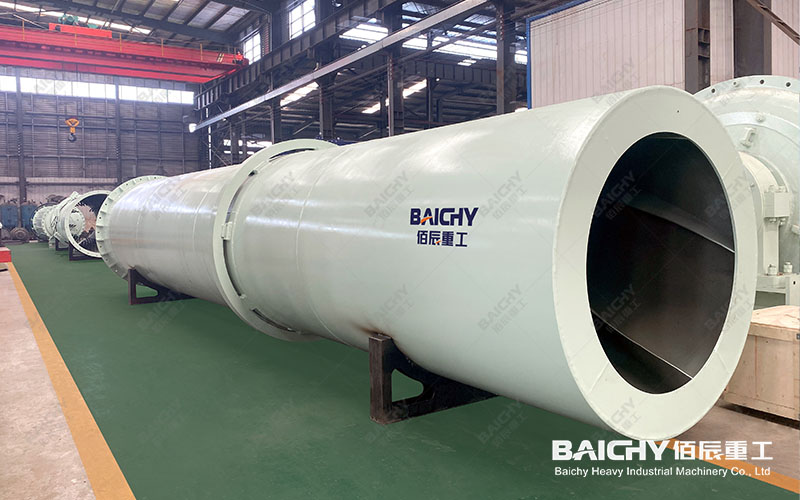
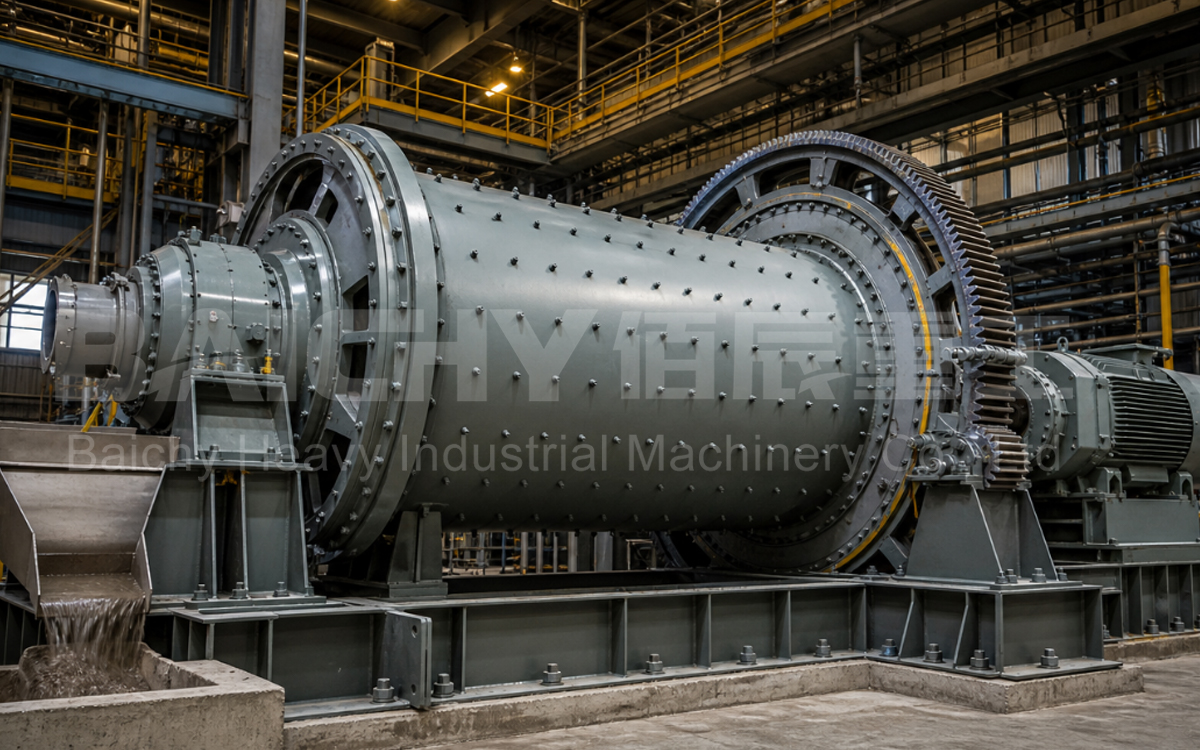
Single-drum dryer
• Single-drum: Thermal efficiency of approx. 50%–60%; drum length of 6–25 m; large internal space.
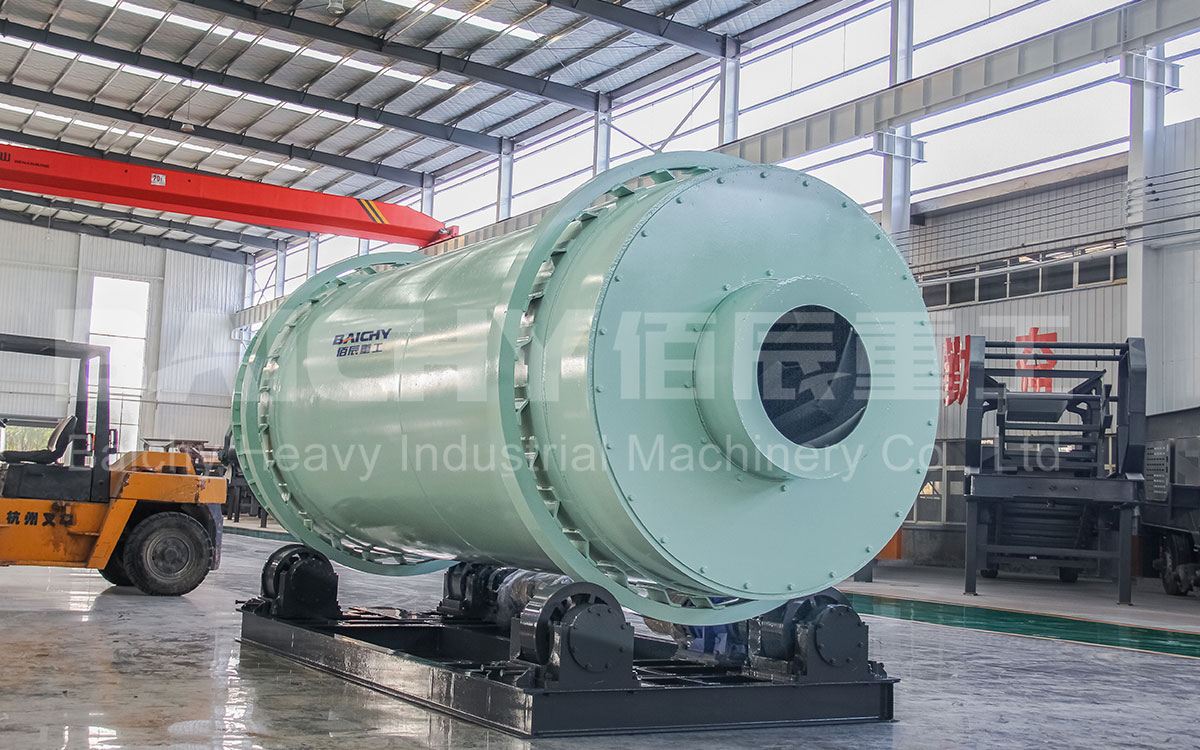
Three-drum dryer
• Three-drum (triple-pass): Thermal efficiency >80%; 30%–50% more energy-efficient than single-drum; drum length reduced by approx. 60%.
The advantages of the three-drum design lie in thermal performance; the trade-offs are a complex structure, narrow internal channels, and longer maintenance times. When purchasing a wood chip dryer, base your decision on three variables:
• Production Capacity: Wet material ≤3 t/h with intermittent operation → Single-drum; wet material ≥5 t/h with continuous operation → Three-drum.
• Site Conditions: Limited factory length, or strict requirements regarding specific energy consumption and emissions → Three-drum.
• Particle Size: Wood chips 10–50 mm without pre-crushing → Single-drum (more clog-resistant); crushed to ≤30 mm → Three-drum (channels handle this easily).
If you remember only one figure, make it the **evaporation capacity**—the standard benchmark for rating wood chip dryer output.
II. Selection Criterion: Evaporation Capacity, Not Wet Material Tonnage
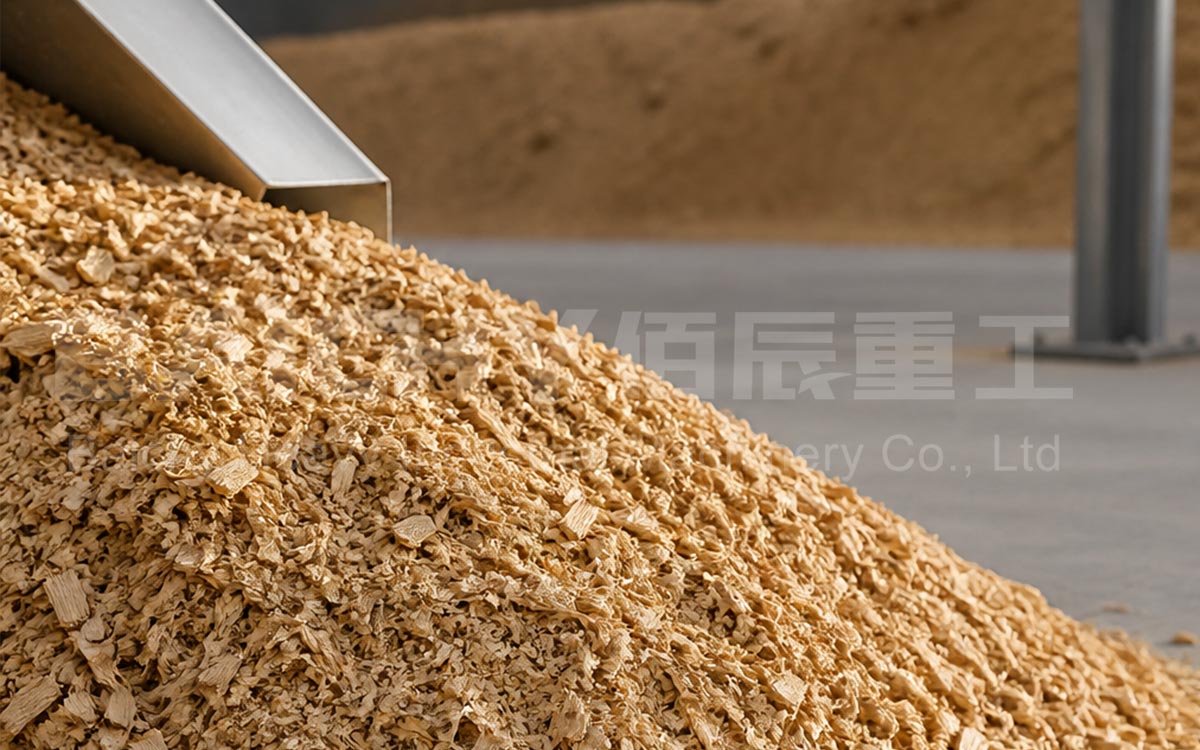
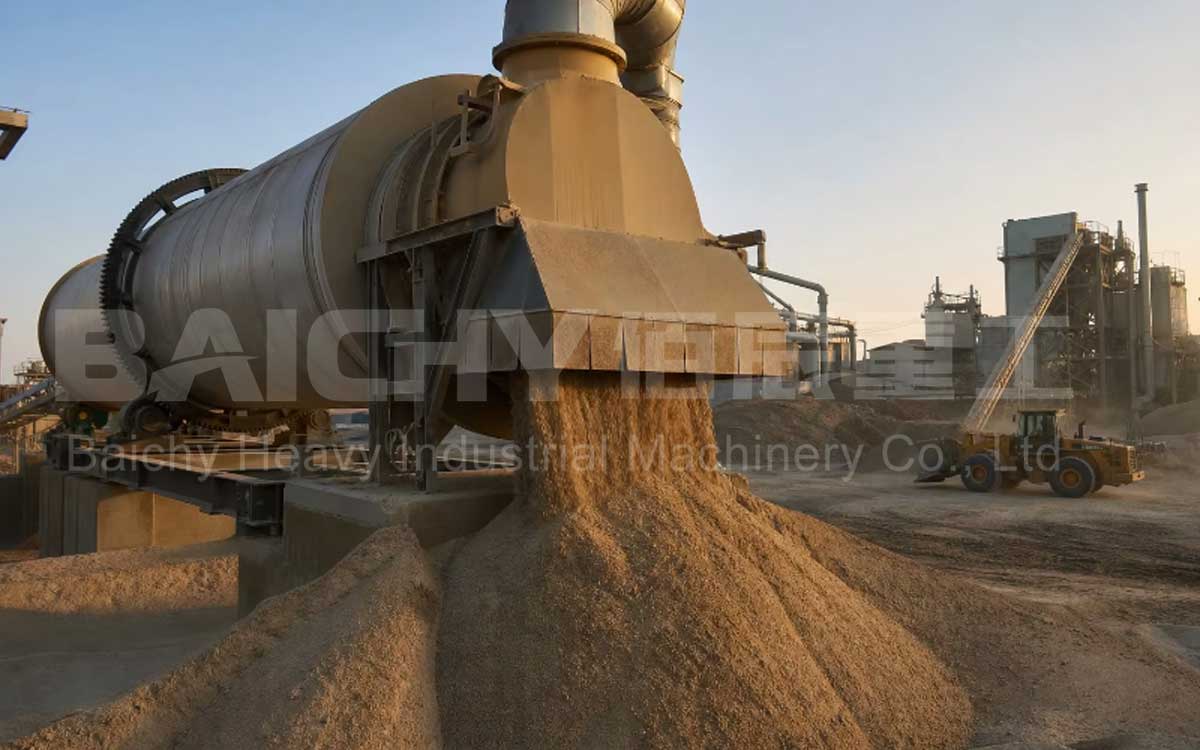
Wood Chip Rotary Dryer
1. Moisture Balance: Amount of water evaporated per tonne of wet wood chips
Bone-dry material = 1 × (1 − initial moisture content); Dry material output = Bone-dry material &pide; (1 − final moisture content).
Initial moisture 40%, final moisture 10%: 0.333 t of water evaporated and 0.667 t of dry material produced per tonne of wet material; scaled up to 5 t/h of wet wood chips, this corresponds to an evaporation rate of 1.67 t/h and a dry material output of 3.33 t/h. If you rephrase an inquiry from "I need a 5-ton machine" to "I need the capacity to evaporate 1.67 tons of water," a wood chip dryer labeled "5 t/h" that cannot actually evaporate that amount of water will be immediately exposed.
2. Wood chips are not sawdust, let alone sand or gravel.
Wood chips are flake-like materials (typically 10–50 mm in size with a high length-to-width ratio); they have low bulk density and poor flowability. Drying resistance is concentrated on the diffusion of moisture from within the chips themselves, requiring longer residence times and more thorough dispersion (lifting and scattering). This leads to two consequences: first, the capacity of a wood chip dryer cannot be determined simply by consulting a standard table—since the bulk density of sand or gravel is roughly 5–8 times that of wood chips, capacity must be recalibrated based on bulk density and actual drying tests for a given drum volume. Second, the inner channels of triple-pass dryers have narrow cross-sections, making oversized wood chips prone to "bridging" (clogging) at the inlet.
III. Single-drum wood chip dryer: Trading large drum volume for low failure rates
A single-drum wood chip dryer consists of just one drum shell equipped with internal lifting flights; it features fewer drive components, support rollers, and sealing points. Its value lies in its fault tolerance: the large internal space and wide margins for adjusting lifting flights and rotation speed make it suitable for wood chips with significant moisture fluctuations. Residence time is controlled by adjusting drum length and rotation speed. Components such as lifting flights, support rollers, and gear rings are standard parts, and clearing blockages does not require dismantling nested drum structures. Official specifications: maximum feed size <10 mm, maximum inlet air temperature 700–800°C, and power consumption of approximately 5–15 kWh/ton.
Case study: A 1×10 m single-drum wood chip dryer used in a biomass pellet line in the Philippines. With a processing capacity of 1 t/h and utilizing waste gas as the heat source, it consistently dries wood chips, coconut shells, and rubberwood from 20% moisture content down to 6%–8%. The system is equipped with an electromagnetic vibrating feeder, inlet and outlet conveyor belts, and a bucket elevator.
IV. Three-Pass (Triple-Pass) Wood Chip Dryer: Leveraging Nested Structures for Heat Exchange Efficiency
The three-pass dryer consists of three nested concentric cylinders; material flows through a three-stage cycle—inner cylinder (co-current) → middle cylinder (counter-current) → outer cylinder (multi-pass)—before discharge. Official specifications: outer cylinder dimensions ranging from Φ2.0×4 m to Φ4.0×10 m; cylinder volume 12.56–125.60 m³; rotation speed 4–10 rpm; maximum inlet air temperature 700–750°C. The multi-layer cylinder walls provide inherent thermal insulation and minimize heat loss, which is the source of its energy efficiency.
Trade-offs to be included in the technical agreement: The inner cylinder operates at the highest temperature stage, requiring superior materials and stricter maintenance standards; if the inner cylinder suffers wear or seal failure, the maintenance labor required is significantly higher than that for a single-cylinder dryer.
A common exaggeration: The three-pass dryer is not "more economical in every respect."
The three-pass design saves fuel, not electricity. The nested cylinder structure entails more complex support and drive configurations, so electricity consumption must be calculated based on the specific drive scheme; furthermore, the 30%–50% efficiency advantage is relative to a standard single-cylinder baseline—if a single-cylinder dryer is retrofitted with exhaust heat recovery and insulation, the gap narrows to 15%–25%. Including this nuance in the equipment selection report is more persuasive to technical reviewers than simply copying the claim of "50% energy savings."
V. Parameter Comparison, Specifications, and Specific Fuel Consumption
Differences between wood chip dryers primarily lie in four areas: structure, thermal efficiency, footprint, and maintenance. The three tables below quantify these differences.
Table 1: Comparison of Single-Drum and Triple-Drum Dryers
| Comparison Dimension | Single-Drum | Triple-Drum (Three-Pass) |
|---|---|---|
| Drum Structure | Single-layer drum + lifting flights | Three nested concentric drums |
| Thermal Efficiency | Approx. 50–60% | Over 80% |
| Drum Length | 6–25 m | 4–10 m (reduced by approx. 60%) |
| Max. Air Temperature | 700–800°C | 700–750°C |
| Internal Space | Large; ample room for material lifting and retention | Small; narrow channels; feed particle size requires control |
| Maintenance Difficulty | Low; fewer potential failure points | High; long maintenance time for inner drum |
| Equipment Cost | Low | High (but lower footprint and infrastructure costs) |
Table 2: Selected Official Specifications for Wood Chip Dryers
| Type | Specifications | Volume | Processing Capacity | Main Motor |
|---|---|---|---|---|
| Single-Drum | Φ1200×8000 | 9.0 m³ | 1.9–2.4 t/h | 7.5 kW |
| Single-Drum | Φ1500×12000 | 21.2 m³ | 4.5–5.7 t/h | 15 kW |
| Single-Drum | Φ1800×14000 | 35.6 m³ | 7.6–9.5 t/h | 18.5 kW |
| Single-Drum | Φ2200×16000 | 60.8 m³ | 11.4–15.8 t/h | 22 kW |
| Triple-Drum | Φ2.0×4 m | 12.56 m³ | 8–15 t/h | 5.5×2 kW |
| Triple-Drum | Φ2.5×6 m | 29.43 m³ | 18–28 t/h | 7.5×2 kW |
| Triple-Drum | Φ3.0×6 m | 42.39 m³ | 30–40 t/h | 7.5×4 kW |
| Triple-Drum | Φ4.0×10 m | 125.60 m³ | 70–100 t/h | 22×4 kW |
Table 2 lists rated capacities based on conventional materials such as sand, gravel, and slag. Since the bulk density of wood chips is only 1/5 to 1/8 that of sand or gravel, the actual capacity of the same wood chip dryer must be recalculated based on bulk density and drying test results.
Table 3: Comparison of specific fuel consumption (5 t/h wet wood chips; moisture content reduced from 40% to 10%)
| Item | Unit | Single-drum (η≈55%) | Triple-drum (η≈82%) |
|---|---|---|---|
| Water evaporation rate | t/h | 1.67 | 1.67 |
| Dry material output | t/h | 3.33 | 3.33 |
| Effective heat demand | GJ/h | 4.5–5.5 | 4.5–5.5 |
| Fuel heat input | GJ/h | 8.2–10.0 | 5.5–6.7 |
| Specific fuel consumption | kg/h | 546–667 | 366–447 |
| Fuel consumption per tonne of wet material | kg/t | 109–133 | 73–89 |
Effective heat calculated at 2.7–3.3 MJ/kg of water; biomass fuel LHV at 15 MJ/kg. Based on 6,000 operating hours per year, annual fuel consumption is 3,276–4,002 t and 2,196–2,682 t respectively, resulting in annual savings of approximately 1,080–1,320 t; at a delivered price of ¥400/t, this equates to savings of approximately ¥430,000–¥530,000 per year. Static payback period = (Price difference in equipment and infrastructure between triple-drum and single-drum units) &pide; (Annual fuel savings); if the price difference is ¥500,000–¥800,000, the payback period is approximately 1–2 years.
VI. Matching Wood Chip Dryers to Three Typical Operating Scenarios
| Operating Scenario | Recommendation | Key Reason |
|---|---|---|
| Wet material 1–3 t/h; uncrushed wood chips; ample site space | Single-drum wood chip dryer | Resists clogging, fewer failure points, low investment; trade-off is higher specific fuel consumption |
| Wet material ≥5 t/h; continuous production; fuel costs are a major factor | Three-drum wood chip dryer | Thermal efficiency >80%, price difference recouped in 1–2 years; requires spare parts for the inner drum |
| Limited factory length; or strict targets for specific energy consumption and emissions | Three-drum dryer | Length reduced by ~60%, small footprint, low heat loss |
VII. Four Pitfalls to Avoid When Selecting Wood Chip Dryers
• Selecting based on wet tonnage: Dryer capacity must be converted to water evaporation capacity (especially critical for wood chips);
• Ignoring bulk density: Wood chips have low bulk density; insufficient airflow or poor lifter design will severely cripple production capacity;
• Comparing only the main unit price: Heat source, dust removal, explosion protection, and installation/infrastructure often account for over 40% of total investment;
• Ignoring fire and explosion prevention: Wood chips generate combustible dust; inlet temperature interlocks, spark detection, dust explosion venting, and anti-static grounding are essential.
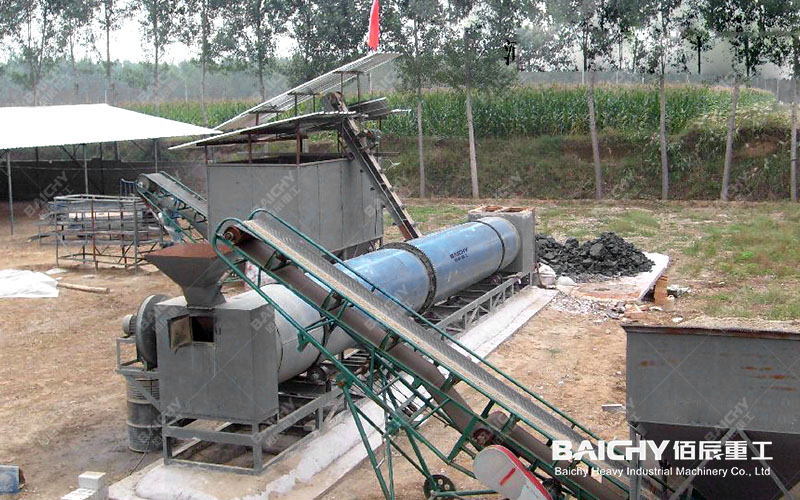
Dryer installation at customer site
VIII. Wood Chip Dryer FAQ
Q1: Should I choose a single-drum or three-drum wood chip dryer?
Wet material ≤3 t/h, uncrushed chips, ample space → Single-drum; wet material ≥5 t/h, continuous production, fuel-cost sensitive, or limited space → Three-drum. For intermediate capacities, use the static payback period to decide; if it exceeds 3 years, the single-drum model is more cost-effective.
Q2: Can a three-drum wood chip dryer really save 30%–50% on fuel compared to a single-drum model?
This figure is based on standard product specifications (single-drum thermal efficiency ~50%–60%; three-drum >80%). However, the actual margin depends on the single-drum configuration baseline: if the single-drum unit is equipped with exhaust heat recovery and insulation, the gap typically narrows to 15%–25%. Do not simply copy percentage figures; instead, recalculate the heat balance based on the initial and final moisture content and local fuel prices.
Q3: Can wood chips with over 50% moisture content be dried to 10% in a single pass?
Yes, but two conditions must be met: First, the equipment specifications must be scaled up based on the amount of water to be evaporated—reducing moisture from 50% to 10% requires evaporating 0.444 tonnes of water per tonne of wet material, which is approximately one-third more than the load required for a 40%-to-10% reduction. Second, the input particle size must be controlled to within 30 mm to prevent material bridging in the inner drum of a triple-pass dryer or insufficient material lifting in a single-drum dryer. The target final moisture content (typically 8%–12%) is determined by downstream processing requirements, and final specifications should be validated through drying tests; we recommend sending a 5–10 kg sample for a trial run.