
Ore Jaw Crusher
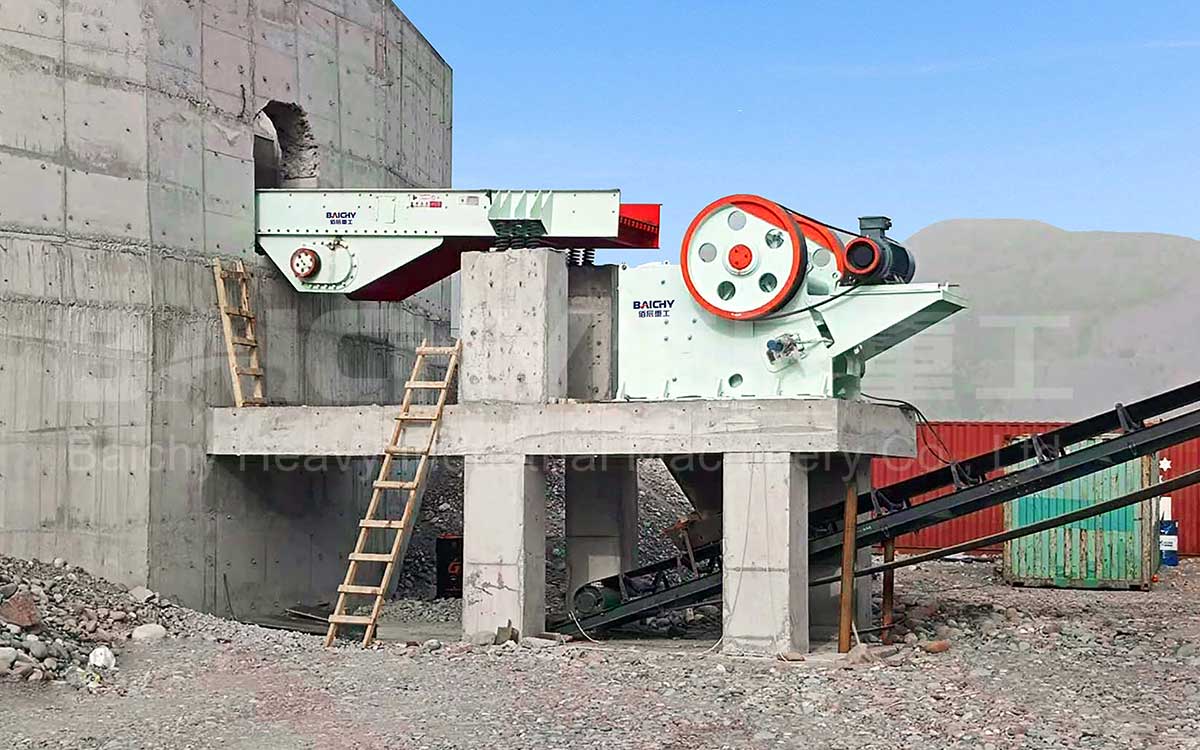
The ore jaw crusher is standard equipment for the primary crushing stage in both metallic and non-metallic mines. Its specifications—feed opening dimensions, maximum feed size, discharge opening range, processing capacity, and motor power—directly determine whether the entire production line can meet its output targets. Using the Baichy PE series as an example, this article breaks down the selection logic behind these specifications. It helps you identify the right model for your mine's specific operating conditions in just 30 minutes, helping you avoid two common pitfalls: failing to meet production capacity targets and encountering power supply mismatches.
I. Why Jaw Crusher Specifications Determine Production Line Limits
Blasted run-of-mine ore typically ranges from 500 to 750 mm in size, whereas cone crushers and impact crushers generally have a maximum feed size of under 300 mm; consequently, primary crushing equipment is required to bridge this gap. The ore jaw crusher serves as the "first line of defense" in this process: a single unit can crush large ore blocks down to less than 100 mm, providing a stable feed for subsequent secondary/fine crushing and grinding stages.
Specifications are the starting point for equipment selection. The five core parameters are interconnected, and viewing any one of them in isolation can lead to the wrong choice:
• Feed opening dimensions (Width × Length): Determines the maximum size of ore blocks the machine can accept; this also gives rise to common industry designations like "50-series" or "75-series" jaw crushers.
• Maximum feed size: Dictates blasting fragmentation standards and loading system configuration; exceeding this limit necessitates pre-crushing to prevent chamber jams and system shutdowns.
• Discharge opening adjustment range: Determines the adjustable range of the output particle size; this must align with the feed requirements of downstream secondary crushers or grinding mills.
• Processing capacity: Determines the production line's maximum output and serves as the baseline data for calculating cost-per-ton.
• Motor power: Directly correlates to electricity consumption per ton and must match local voltage and frequency standards.
II. Key Specifications for PE Series Jaw Crushers
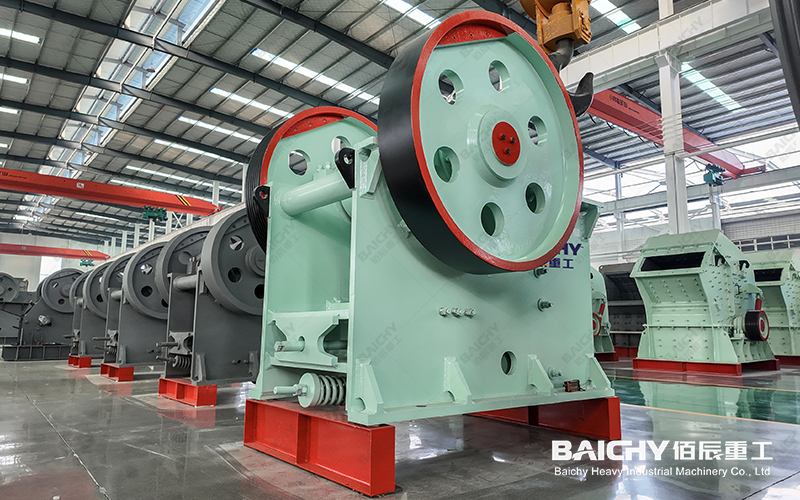
The table below lists parameters for typical models in the Baichy PE series, covering a capacity range of 16–450 t/h:
| Model | Feed Opening Size (mm) | Max. Feed Size (mm) | Discharge Opening Adjustment Range (mm) | Capacity (t/h) | Motor Power (kW) |
|---|---|---|---|---|---|
| PE-400×600 | 400×600 | 340 | 40–100 | 16–65 | 30 |
| PE-500×750 | 500×750 | 425 | 50–100 | 45–100 | 55 |
| PE-600×900 | 600×900 | 500 | 65–160 | 50–160 | 55–75 |
| PE-750×1060 | 750×1060 | 630 | 80–140 | 110–320 | 90–110 |
| PE-900×1200 | 900×1200 | 750 | 95–165 | 220–450 | 110–132 |
| Note: Capacity is rated on medium-hard limestone (bulk density approx. 1.6 t/m³). For granite, basalt and other hard rock, actual capacity is typically 70–85% of the rated value. | |||||
The capacities listed are rated based on medium-hardness limestone (bulk density approx. 1.6 t/m³). When crushing hard rock such as granite or basalt, actual capacity is approximately 70%–85% of the rated value; therefore, a safety margin should be factored in by calculating "nominal capacity × 0.8" during equipment selection. Additionally, the jaw crushers can be customized with motors matching local power standards (e.g., 380V/400V/440V and 50Hz/60Hz)—a specification detail often overlooked in overseas mining projects, yet one that directly impacts the commissioning schedule.

PE Series Jaw Crushers
III. Typical Application Scenarios
3.1 Primary Crushing of Run-of-Mine Ore
Jaw crushers are the standard choice for the initial stage of beneficiation processes for gold, copper, iron, and manganese ores. Taking a full gold CIL/CIP process as an example: primary crushing (jaw crusher) → secondary crushing (cone crusher) → fine grinding (ball mill). A more uniform jaw crusher output ensures a stable feed size for the ball mill, thereby lowering specific energy consumption for grinding; thus, the primary crushing specifications directly impact the costs of the entire process.
3.2 Non-metallic Hard Rock and Aggregate Production
Aggregate production for highway, railway, and airport projects—utilizing materials such as granite, basalt, and river pebbles—also relies on jaw crushers for the initial stage. These highly abrasive materials demand exceptional wear resistance from jaw plates, serving as a true test of deep-cavity structural designs and high-manganese steel jaw plate engineering.
3.3 Mobile Crushing Stations and Distributed Material Sources
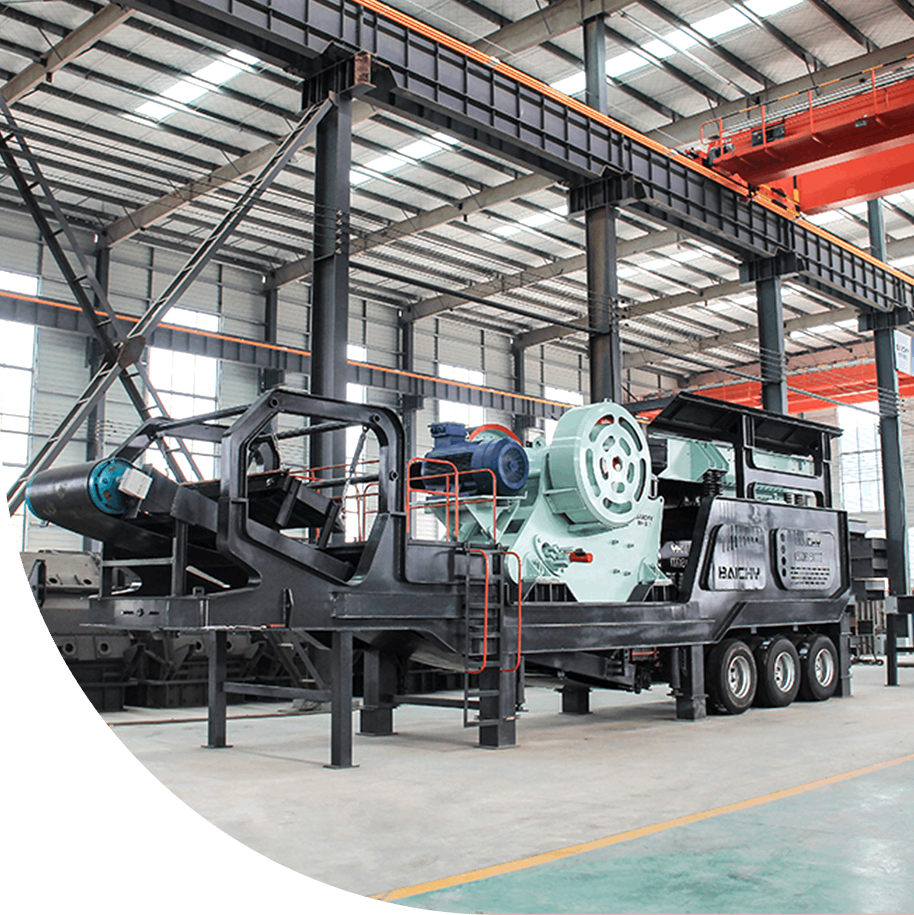
Integrating jaw crushers into YDPZ-series tracked or wheeled mobile stations allows for flexible relocation between distributed material sources—such as mine overburden sites and construction waste stockpiles. This enables "mobile primary crushing and on-site processing," significantly reducing transport distances and logistics costs.
3.4 Integration with Pre-grinding Stages in Beneficiation Plants
Matching processing capacity with discharge particle size is crucial for grinding efficiency. Undersized equipment leads to frequent overloads, while oversized equipment results in wasted investment; therefore, jaw crusher selection must be determined by working backward from the ball mill's feed size requirements (typically ≤25mm).
IV. Core Advantages: From Specifications to Profitability
4.1 Deep Cavity and High Reduction Ratio Simplify Production Lines
Modern models typically feature a deep-cavity, compound-pendulum structure characterized by a small nip angle and a deep crushing chamber, achieving single-stage reduction ratios of 4:1 to 6:1. In certain scenarios, this allows for the elimination of the secondary crushing stage; removing a single piece of equipment reduces both potential points of failure and energy consumption.
4.2 Wear-resistant design lowers cost per ton
The jaw plates are made of high-manganese steel (ZGMn13), offering a service life of 6–12 months when processing moderately abrasive materials. For hard rock applications, the plates can be flipped for reuse, effectively doubling their lifespan and directly reducing the cost of spare parts per ton of crushed material.
4.3 Rapid commissioning and low maintenance requirements
The equipment features a simple structure and a short installation period. Operation and maintenance do not require highly skilled labor; routine tasks are limited to lubrication and checking fasteners—a crucial advantage for overseas mining operations with limited maintenance personnel.
4.4 Flexible adaptation to power grids and operating conditions
Motors can be customized to match local power grids. Optional features include hydraulic discharge opening adjustment and tramp iron protection, allowing discharge specifications to be adjusted in minutes and minimizing unplanned downtime.
Primary Crushing Equipment for Mines
V. Real-world application cases
5.1 Basalt mine in Ethiopia (PE-400×600)
A basalt mine in East Africa supplying aggregates for an airport project selected the PE-400×600 model, configured for the local 380V/50Hz power supply. Commissioning and production startup were completed within one week of installation. The discharge output consistently met the feed requirements for the downstream impact crusher, prompting the project owner to include a second unit of the same model in their expansion plans.
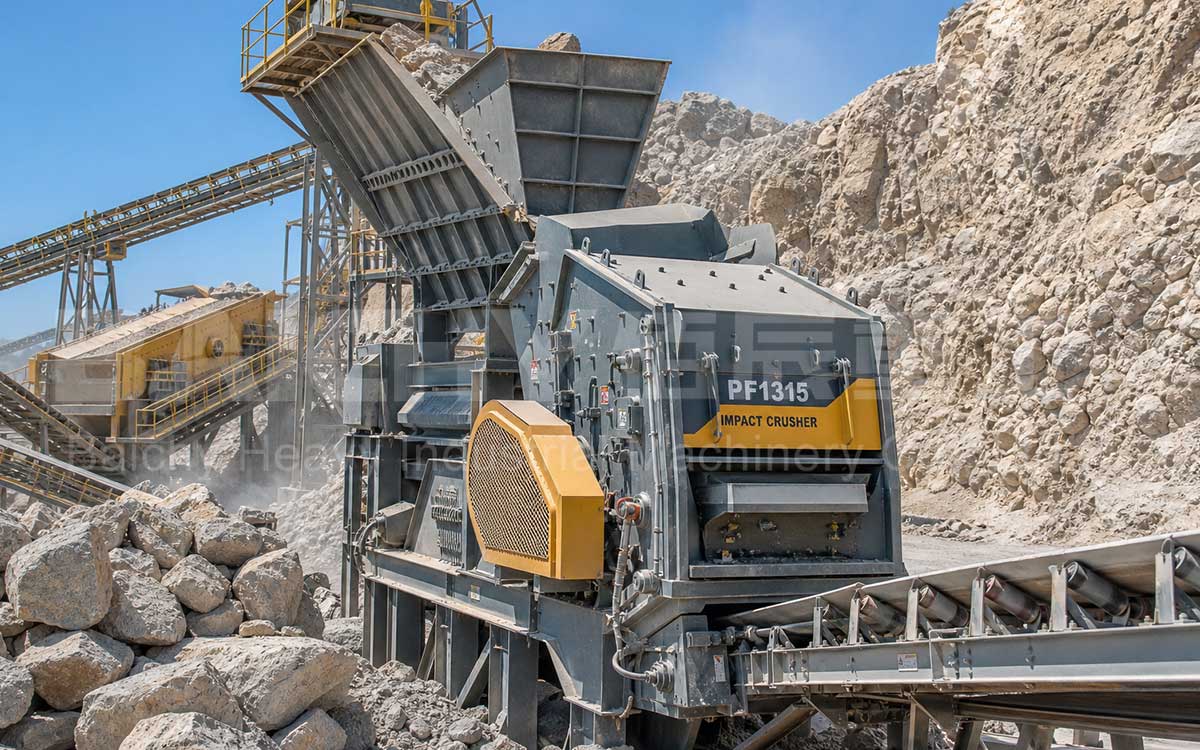
5.2 Granite production line in Rwanda (PE-600×900 + PF-1214)
This setup utilizes a two-stage process—primary crushing via jaw crusher and secondary crushing via impact crusher—with a designed hourly capacity of 100–150 tons. On-site data shows that the uniformity of the jaw crusher's output significantly reduces the load on the secondary crusher, resulting in lower electricity consumption per ton compared to competing production lines in the region.
5.3 Mobile crushing station in Mexico (PE-500×750)
The client integrated the jaw crusher into a mobile station configured for 60Hz power standards, enabling flexible relocation between multiple dispersed material sources. The process from contract signing to production took only a few weeks, demonstrating the suitability of the mobile primary crushing model for the Latin American market.
VI. Recommended Related Equipment
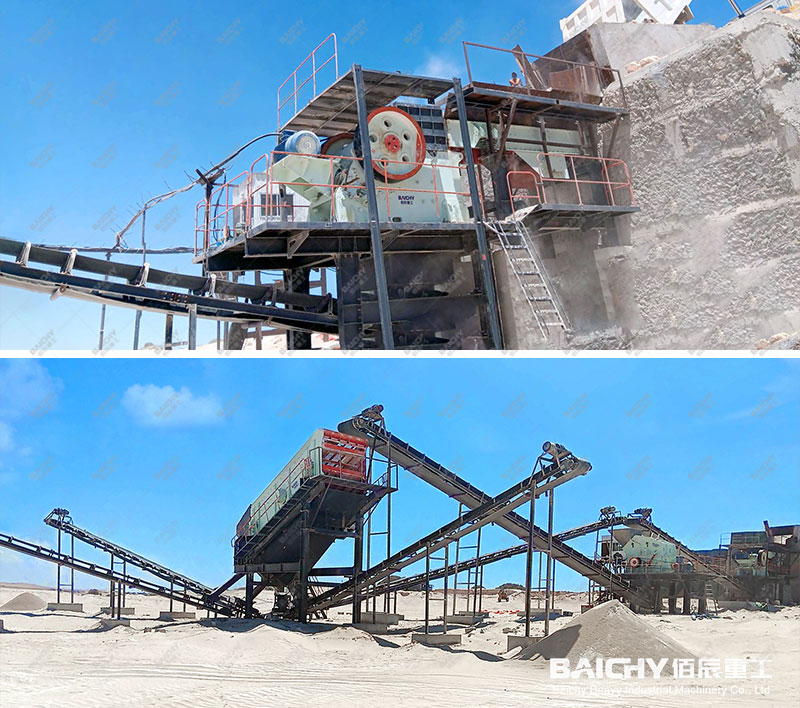
Ore jaw crushers typically do not operate in isolation; the following are recommendations for a complete primary crushing system setup:
| Stage | Recommended Equipment | Rationale |
|---|---|---|
| Feeding | ZSW Vibrating Feeder | Ensures uniform feeding and pre-screening of soil/fines; prevents overload impacts. |
| Secondary Crushing | CS/HP Series Cone Crusher | Secondary crushing for hard rock; produces good particle shape. |
| Secondary Crushing | PF Series Impact Crusher | Handles medium-soft rock while shaping particles; lower cost per ton. |
| Sand Making | VSI Sand-Making Machine | Aggregate shaping and manufactured sand production. |
| Screening | YK Circular Vibrating Screen | Closed-circuit circulation and product grading. |
| Mobile Solution | YDPZ Mobile Crushing Station | Integrated jaw crusher unit; allows for rapid site relocation. |
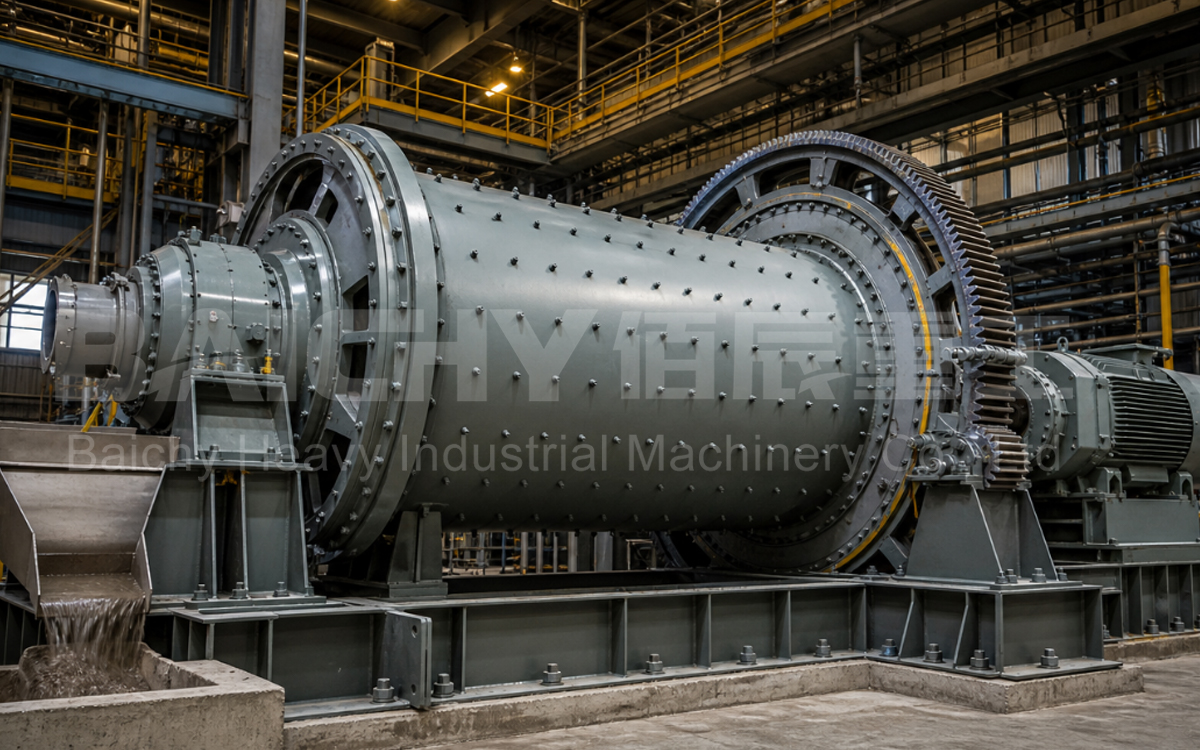
| Grinding Integration | Ball Mill / Wet Gold Grinding Mill | Fine grinding stage for mineral processing workflows. |
VII. Frequently Asked Questions (FAQ)
FAQ 1: How do I interpret ore jaw crusher specifications?
Interpret them in three steps: "Feed Size → Target Capacity → Downstream Constraints." First, confirm that the maximum ore block size does not exceed 80% of the feed opening. Next, calculate the processing capacity based on a 70%–85% utilization rate for hard rock to ensure production targets are met. Finally, verify that the discharge opening range and motor power are compatible with downstream equipment and the local power grid. For example, for a granite production line with an hourly output of 100 tons, the PE-600×900 model is a suitable candidate for initial evaluation.
FAQ 2: How do I choose between models with similar specifications?
When comparing adjacent models, focus on the capacity margin and the difference in investment cost. For instance, the PE-600×900 and PE-750×1060 models have an overlapping capacity range of 110–160 t/h. If long-term stable demand is within 150 t/h, the former is sufficient and requires lower investment. However, if there are plans to expand production or if feed block sizes frequently exceed 500 mm, choosing the latter is a safer bet to avoid the need for a future equipment upgrade.
FAQ 3: Why is there a discrepancy between the capacity listed in the specifications and the actual output?
Three key factors influence performance: material hardness and bulk density (for hard rock, adjust rated values to 70%–85%); feed size distribution (a high proportion of fines reduces effective capacity); and discharge opening setting (a wider setting increases capacity but results in coarser product size). We recommend conducting crushing tests on ore samples prior to purchase, using the actual test data rather than relying solely on estimated rated values.
Conclusion
The true value of an ore jaw crusher lies not merely in the figures on a specification sheet, but in its ability to consistently meet production targets under the harshest operating conditions. When selecting equipment, evaluate options based on four key criteria: material characteristics, target capacity, power standards, and total lifecycle cost; verify performance through trial runs if necessary. Please contact Baichy Heavy Industry for crushing test reports and quotations tailored to your specific ore samples; we provide comprehensive, one-stop solutions for mining—ranging from inpidual machines to complete EPC projects covering crushing, grinding, and mineral processing.