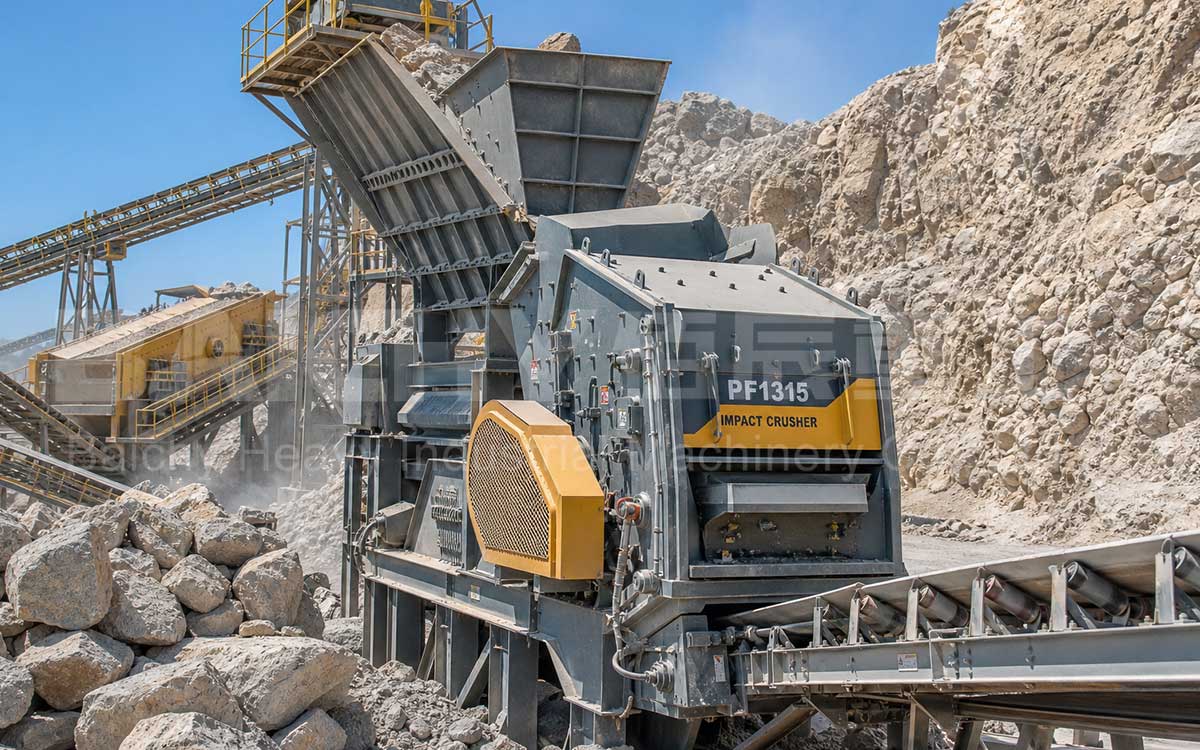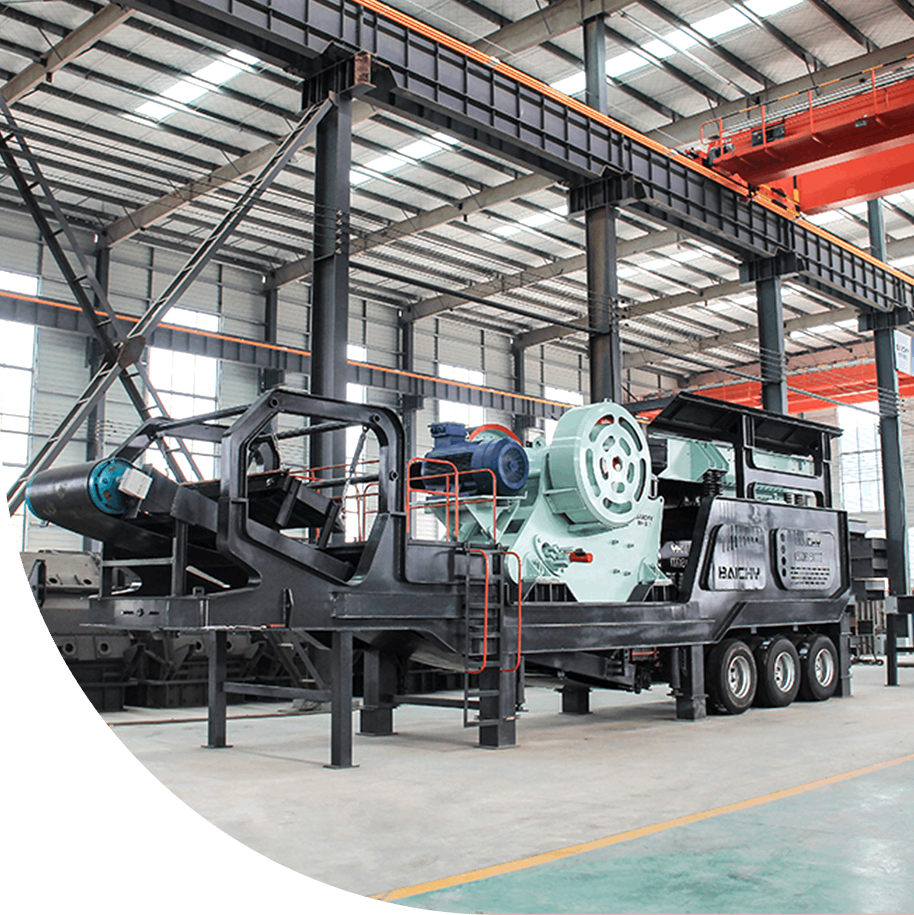

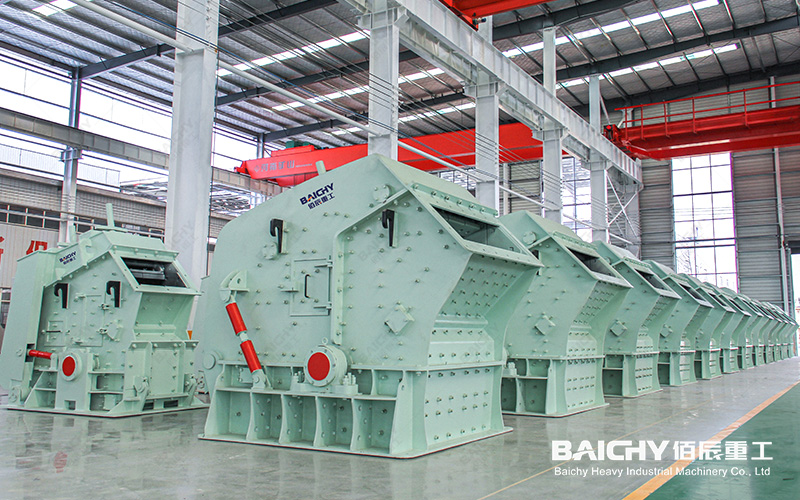
PF Impact Crusher
Overview: Why the Confusion?
Both the Horizontal Shaft Impact Crusher (HSI) and the Impact Mill (or Impact Pulverizer) are based on the "impact/rebound" crushing principle: material enters the zone of a high-speed rotating rotor, is struck by blow bars, and is then thrown against impact plates, undergoing multiple rebounds and collisions until the target particle size is achieved and the material is discharged.
However, these two machines belong to entirely different stages of the processing workflow:
• The HSI is crushing equipment: It processes large lumps of raw ore (feed sizes can reach 800–1500 mm), and its output typically consists of stones, aggregates, or railway ballast ranging from 0–40 mm. Its core function is "coarse/medium crushing," prioritizing high throughput and a cubical particle shape.
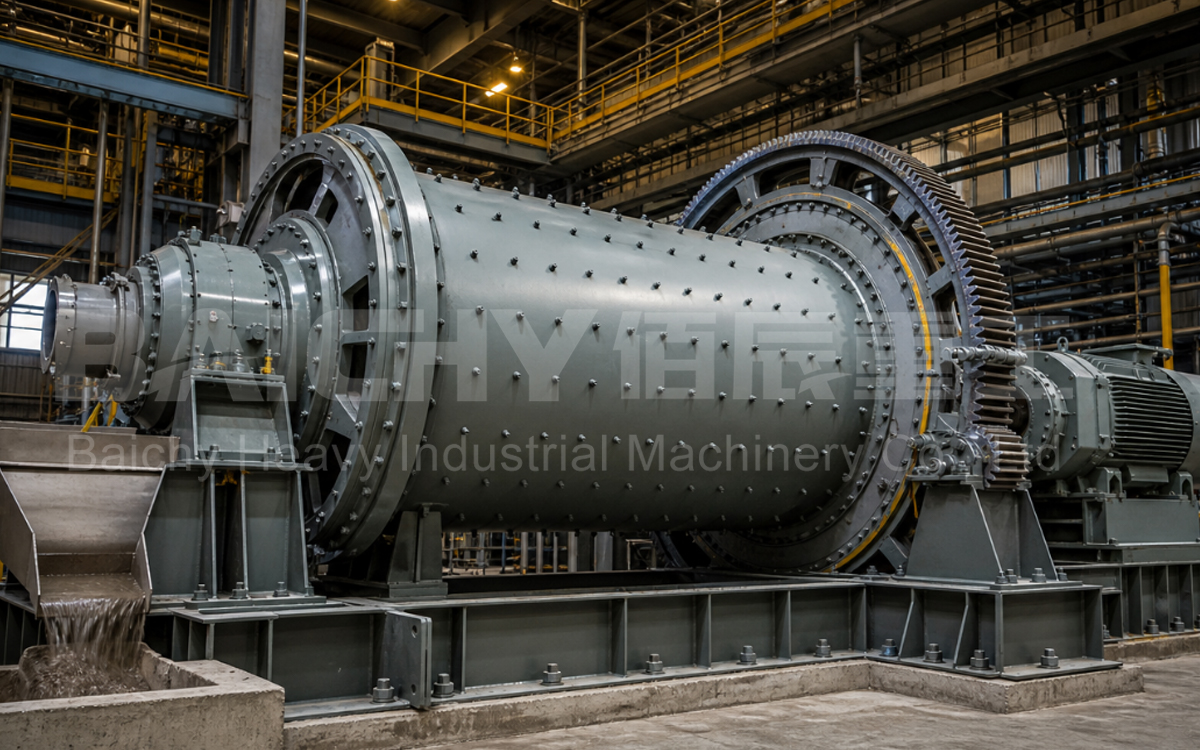
• The Impact Mill is grinding equipment: Its feed typically consists of small to medium-sized particles that have already undergone preliminary crushing (<100 mm), and its output can be as fine as a few millimeters or even powder-grade (e.g., 0–3 mm). Its core function is "fine crushing/pulverizing," and it is frequently used for sand making, fine grinding, or advanced material processing.
A simple analogy: The HSI is for "breaking stones," while the Impact Mill is for "grinding fine powder." In the overall crushing, screening, and grinding workflow, these two machines function as sequential stages and cannot serve as substitutes for one another.
Horizontal Shaft Impact Crusher (HSI): Technology, Applications, and Advantages
Core Working Principle
An electric motor drives the rotor to rotate at high speed (typically 500–1000 rpm). Upon entering, the material is crushed by the impact of the blow bars and thrown against the impact plates for secondary crushing; this cycle repeats until the material is discharged through the discharge port. The output particle size can be controlled by hydraulically adjusting the gap between the impact plates.
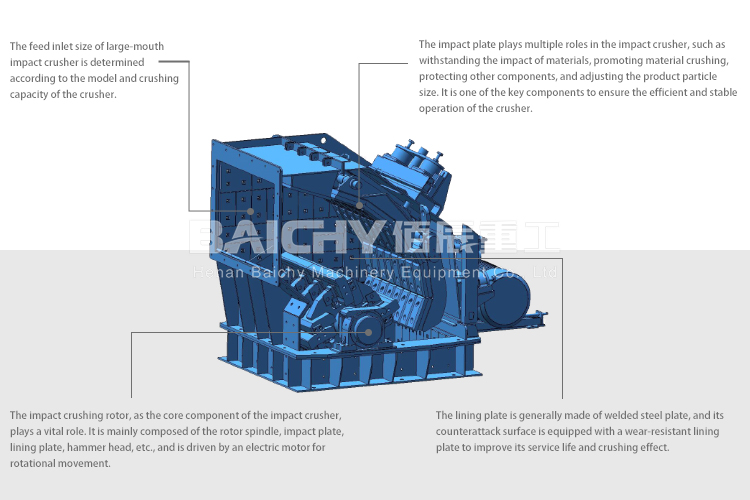
Horizontal-Shaft Impact Crushers vs. Impact Mills
Typical Application Scenarios
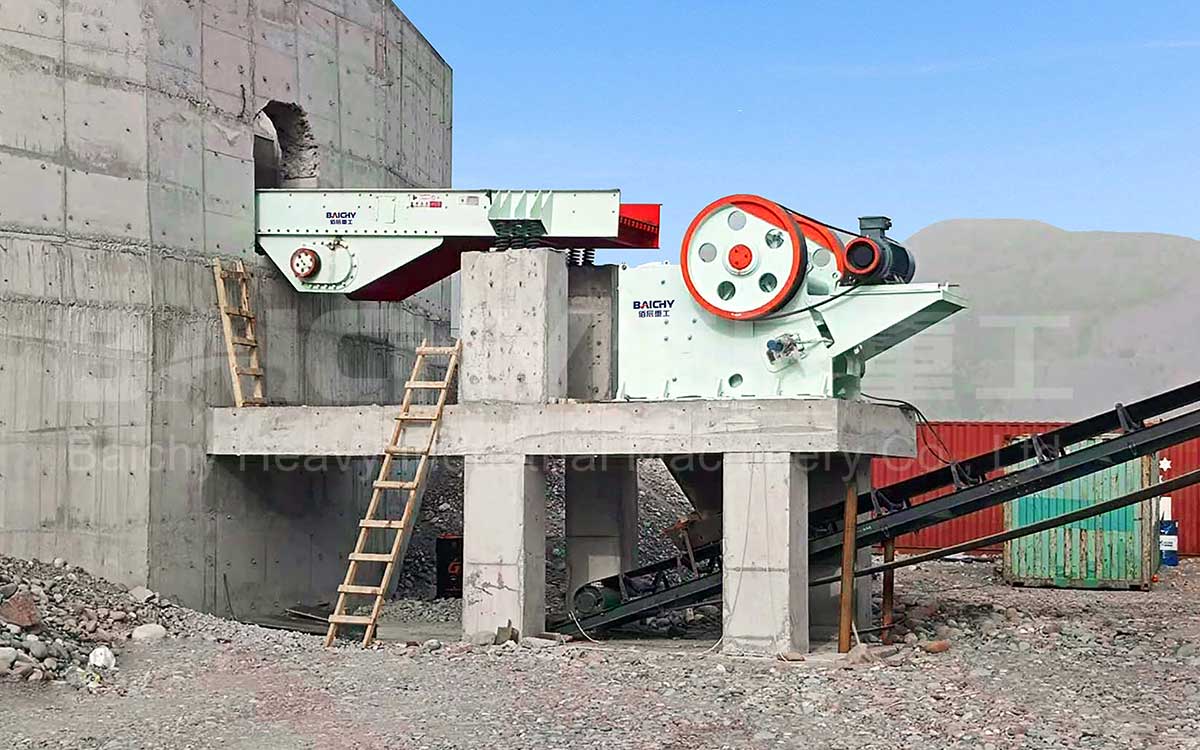
1. Sand and Aggregate Production Lines: Acting as secondary or tertiary crushing equipment, it processes 150–300 mm material—produced by a primary jaw crusher—into continuously graded aggregates ranging from 0–40 mm, suitable for use in commercial concrete and highway pavement layers.
2. Construction Waste Recycling: It crushes reinforced concrete and asphalt concrete; the output can be directly utilized as recycled aggregate. When the feed material contains steel reinforcement bars, the machine's overload protection system activates to prevent equipment damage. 3. Cement/Mining — Coarse and Medium Crushing: Processes medium-hard materials such as limestone and shale (compressive strength ≤ 350 MPa); capable of replacing jaw crushers to achieve single-stage crushing, thereby reducing investment costs for the production line.
Key Product Advantages
• High Crushing Ratio: A single-stage crushing ratio of 10–25 is achievable, reducing the number of crushing stages and saving on equipment and civil engineering costs.
- Superior Particle Shape: The finished product is predominantly cubical in shape with low needle-like and flaky content, meeting the aggregate standards required for high-speed railways and expressways.
• Easy Maintenance: Features a hydraulic lid-opening mechanism and a quick-change blow bar design, resulting in minimal downtime; wear parts (high-chrome blow bars and manganese steel impact plates) offer a long service life.
• Overload Protection: The impact plate is capable of retracting when non-crushable objects enter the chamber, preventing damage to the rotor and ensuring a high level of operational safety.
Typical Technical Parameters Table for the HSI Series
| Model | Max. Feed Size (mm) | Processing Capacity (t/h) | Motor Power (kW) | Discharge Size (mm) | Applicable Scenarios |
| HSI1313P | 900 | 200–400 | 200–250 | 0–40 | Primary Crushing, Construction Waste |
| HSI1415P | 1000 | 400–600 | 250–315 | 0–40 | Large-scale Sand & Aggregate Production Lines |
| E-HSI255 | 200 | 130–250 | 160–250 | 0–20 | Secondary Fine Crushing |
| E-HSI379 | 300 | 240–460 | 250–355 | 0–25 | Aggregate Shaping |
Data referenced from general industry-standard HSI series parameters.
Application Case Study
A limestone sand and aggregate production line with a capacity of 500 tons per hour utilizes the HSI1415P as its secondary crushing equipment. With a feed size of 300–500 mm, it produces continuously graded aggregates ranging from 0–31.5 mm. The content of flaky and needle-like particles is less than 8%, meeting the aggregate standards required for local high-speed railway projects. Compared to the traditional two-stage "Jaw Crusher + Cone Crusher" process, this solution reduces investment costs by 15% and lowers maintenance costs by 20%.
Impact Mill: Technology, Applications, and Advantages
Core Working Principle
Its structure is similar to that of the HSI series; however, the rotor speed is significantly higher (often exceeding 1000 rpm), and the crushing chamber is more compact. Some models feature an additional grinding chamber or sieve plate; after undergoing multiple impacts and grinding actions, the material is discharged with a finer particle size.
Typical Application Scenarios
1. Manufactured Sand Production: Finely crushes 5–20 mm gravel (produced by an HSI crusher) into 0–5 mm manufactured sand, with a controllable fineness modulus.
2. Fine Grinding Pre-treatment: Provides 0–3 mm pre-ground material for ball mills and Raymond mills, thereby enhancing grinding efficiency and reducing the mill's energy consumption.
3. Brick & Tile / Coal Crushing: Fine crushing of raw materials for bricks and tiles, as well as coal; produces a uniform output particle size that meets the requirements for subsequent molding or combustion processes.
Key Product Advantages
• Powerful Fine Crushing Capability: A single unit can fine-crush materials <100 mm down to 0–3 mm; certain models can replace the traditional two-stage process involving a separate "fine crusher + mill" combination.
- Flexible Adjustment: Output fineness can be adjusted across multiple dimensions by modifying the rotor speed, the gap between the impact plates, and the screen plate aperture.
• Adaptability to High-Moisture Materials: Can be optionally equipped with a heated feed chute device to prevent sticky, wet materials from clogging the machine; eliminates the need for a bottom screen plate.
• Low Wear Rate: Wear on the blow bars is concentrated solely on the material-facing surface; metal utilization efficiency can reach over 45%, and wear parts are convenient to replace.
Typical Technical Parameters for Impact Mills
| Model | Max. Feed Size (mm) | Processing Capacity (t/h) | Motor Power (kW) | Output Size (mm) | Application Scenario |
| PF1010 | 80 | 30–50 | 55 | 0–3 | Manufactured Sand Production |
| PF1212 | 100 | 50–80 | 75 | 0-5 | Fine Grinding Pre-treatment |
| PF1214 (Fine Grinding Type) | 150 | 70–130 | 132 | 0-8 | Brick & Tile Raw Material Crushing |
Data referenced from general industry parameters for impact fine crushers/mills.
Application Case Study
In a manufactured sand production line, an HSI (Horizontal Shaft Impact) crusher produces 5–20 mm gravel, which is then fed into a PF1212 impact mill. The mill outputs 0–5 mm manufactured sand with a fineness modulus of 2.6–3.0. The stone powder content is controllable, allowing the product to completely replace natural sand in the production of commercial concrete. Furthermore, the system's energy consumption is reduced by 12% compared to the traditional "cone crusher + sand making machine" process.
Equipment Selection Comparison and Recommendations
| Comparison Criteria | Horizontal Shaft Impact Crusher (HSI) | Impact Mill |
| Process Stage | Crushing (Coarse/Medium) | Grinding (Fine Crushing/Pulverizing) |
| Feed Size | Max. 800–1500 mm | Typically <100 mm |
| Discharge Size | 0–40 mm (Aggregate Grade) | 0–3 mm or Powder Grade |
| Core Objective | High Throughput, Superior Particle Shape | High Fineness, Uniform Particle Size |
| Typical Line Position | Crushing Section (After Jaw Crusher / Primary Crushing) | Fine Crushing Section (After Crushing Section / Before Grinding Mill) |
| Recommended Ancillary Equipment | Vibrating Feeder, Jaw Crusher, Vibrating Screen | HSI, Vibrating Screen, Ball Mill / Sand Making Machine |
Recommended Equipment Combinations:
• Large-scale Sand & Aggregate Line: Jaw Crusher + HSI Series (e.g., HSI1415P) + Vibrating Screen
• Manufactured Sand Production Line: HSI (Fine Crushing Type) + Impact Mill (e.g., PF1212) + Sand Making Machine (Optional)
• Construction Waste Recycling Line: Feeder + HSI Series + Iron Remover + Vibrating Screen
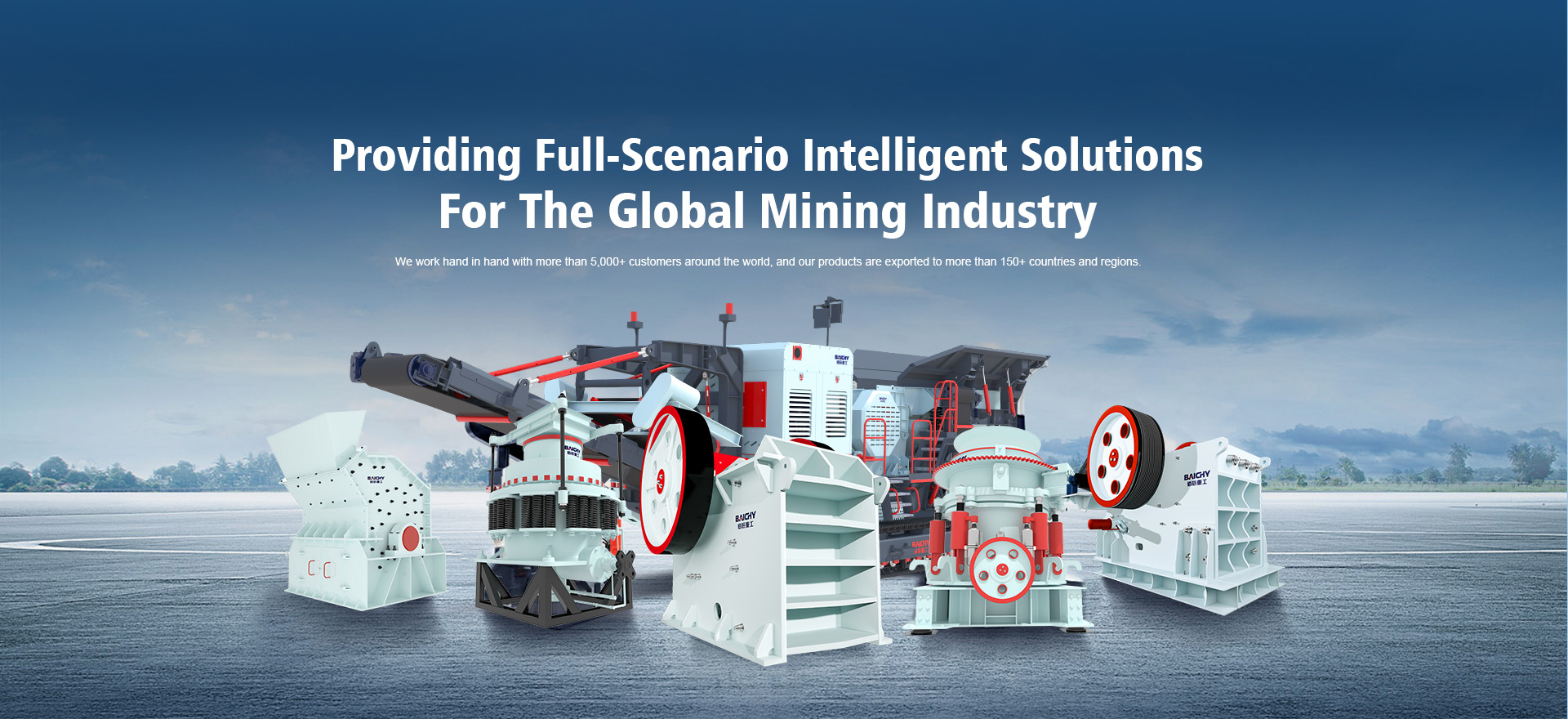
About of Baichy Heavy Industry
Baichy Heavy Industry is a high-tech mining equipment company integrating R&D, manufacturing, sales, and after-sales service. Focusing on crushing, grinding, and mineral processing equipment, we provide professional solutions to our customers. We are ISO9001:2015 、certified, and our products include mobile crushing palnts, crawler crushing plant, construction waste crushing plants, jaw crushers, sand making machines, cone crushers, fine crushers, grinding mills, ball mills, etc., all with reliable performance to meet diverse project needs.
Our advantages:
• Professional pre-sales support: Free project design and comprehensive solutions to help you accurately select the right equipment;
• Comprehensive on-site service: Providing installation guidance and worker training to ensure smooth equipment commissioning;
• Reliable after-sales guarantee: A complete after-sales system, timely response to technical inquiries and equipment maintenance, ensuring long-term stable operation.
To protect your rights, please contact us through the following official channels for professional service:
Official Website Customer Service
https://wa.me/+8615093222637
Email: [email protected]
We are committed to providing high-quality equipment and full-cycle services to deliver comprehensive intelligent solutions for the global mining industry!
Frequently Asked Questions (FAQ)
1. Can a Horizontal Shaft Impact Crusher (HSI) be used as a substitute for an Impact Mill?
A: Not recommended. The minimum discharge size of an HSI is typically ≥5 mm, making it difficult to consistently produce fine materials in the 0–3 mm range. Forcing a smaller discharge gap will result in a drastic drop in throughput and accelerated wear on vulnerable parts, thereby increasing overall costs.
2. Can an Impact Mill process large lumps of raw ore?
A: No. Its feed opening and crushing chamber are designed for small to medium-sized particles; large materials (>150 mm) can easily cause blockages or lead to the fracture of blow bars. Such materials must first undergo coarse crushing using a Jaw Crusher or an HSI.
3. Are the vulnerable parts (wear parts) for both machines interchangeable?
A: While the blow bars on certain models within the same product series may be interchangeable, the overall rotor and impact plate structures vary significantly. Therefore, we do not recommend interchanging parts across different equipment types; genuine OEM spare parts should be procured specifically according to the equipment model.
The information above has been compiled by a professional manufacturer of mining crushing, ore grinding, and mineral processing equipment. If you require a quotation for a specific model or a design proposal for a production line, please contact our technical team to obtain a customized solution.