
Mobile Limestone Crusher
Limestone is the backbone of the construction, cement, and aggregate industries. It is crushed into aggregates, road base, cement raw meal, and agricultural lime across thousands of sites worldwide. But how you crush it determines your cost per ton, your flexibility, and ultimately your profit margin. For contractors and quarry owners who operate at multiple sites, relocate frequently, or face changing pit geometry, the mobile limestone crusher has become the decisive advantage over fixed plants.
This guide covers everything you need to know about mobile limestone crushing: how it works, its benefits, the main equipment types, a full technical parameter table, selection criteria, cost analysis, and answers to the most common questions. Whether you are modernizing an existing quarry or starting a new crushing operation, this is your reference point.
What Is a Mobile Limestone Crusher?
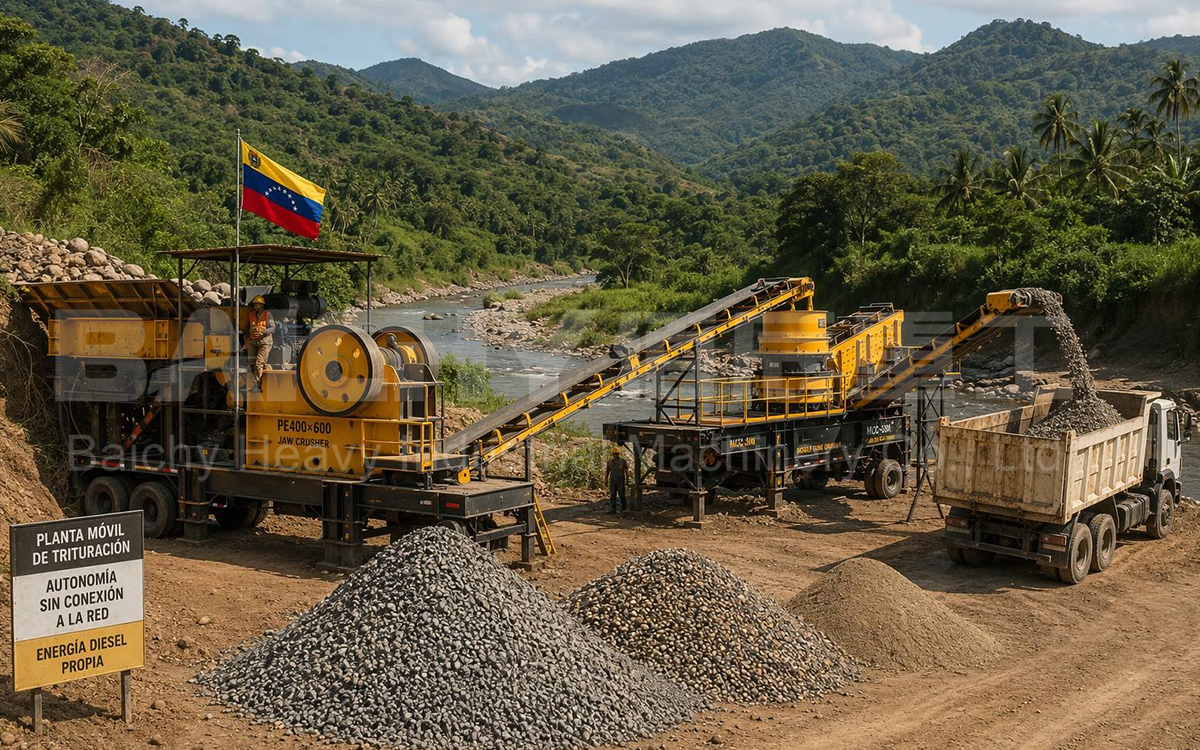
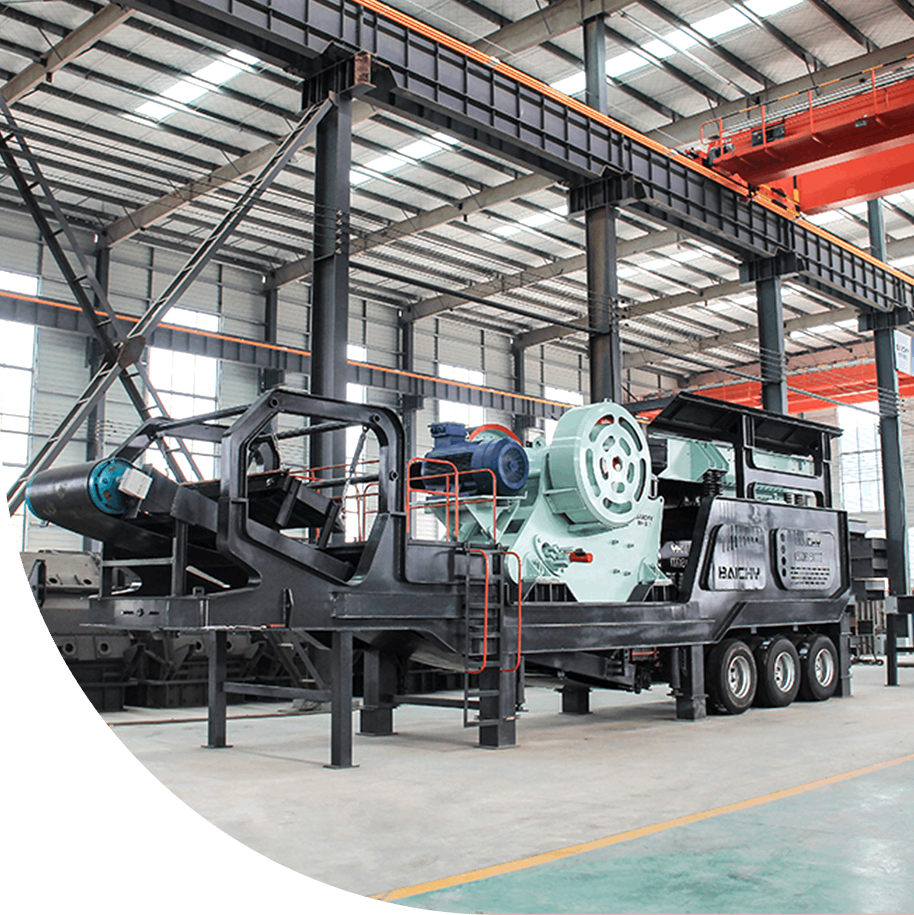
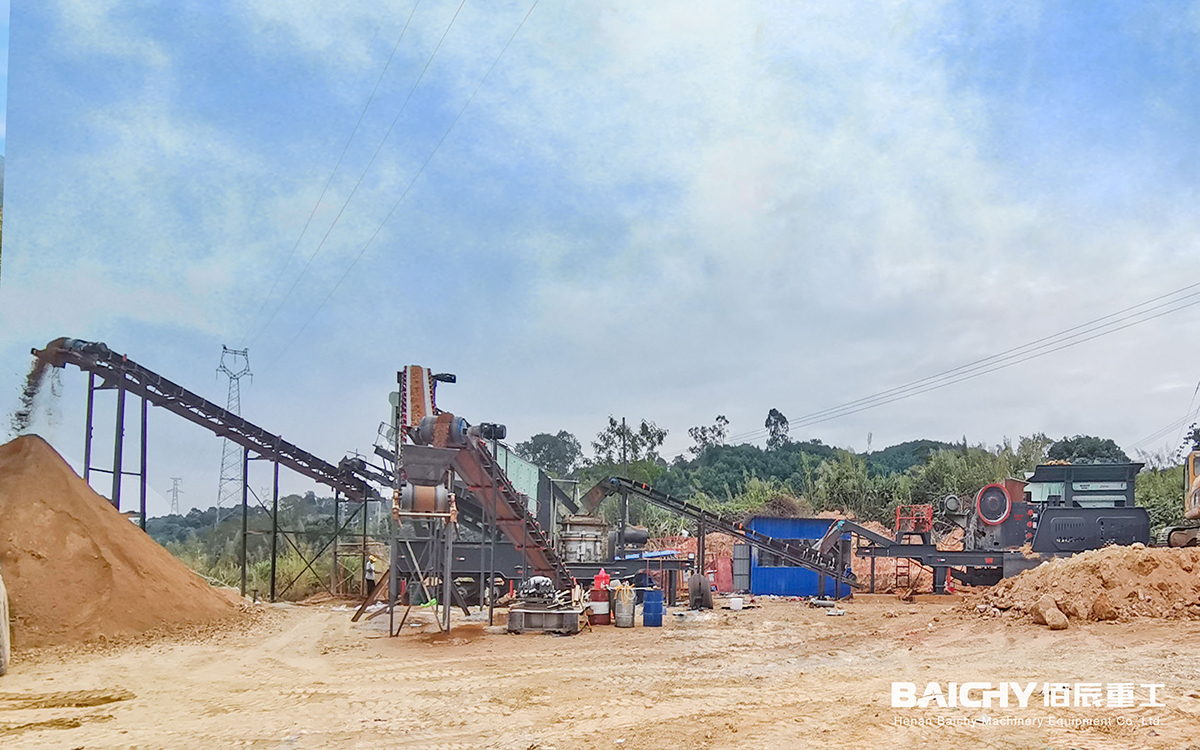
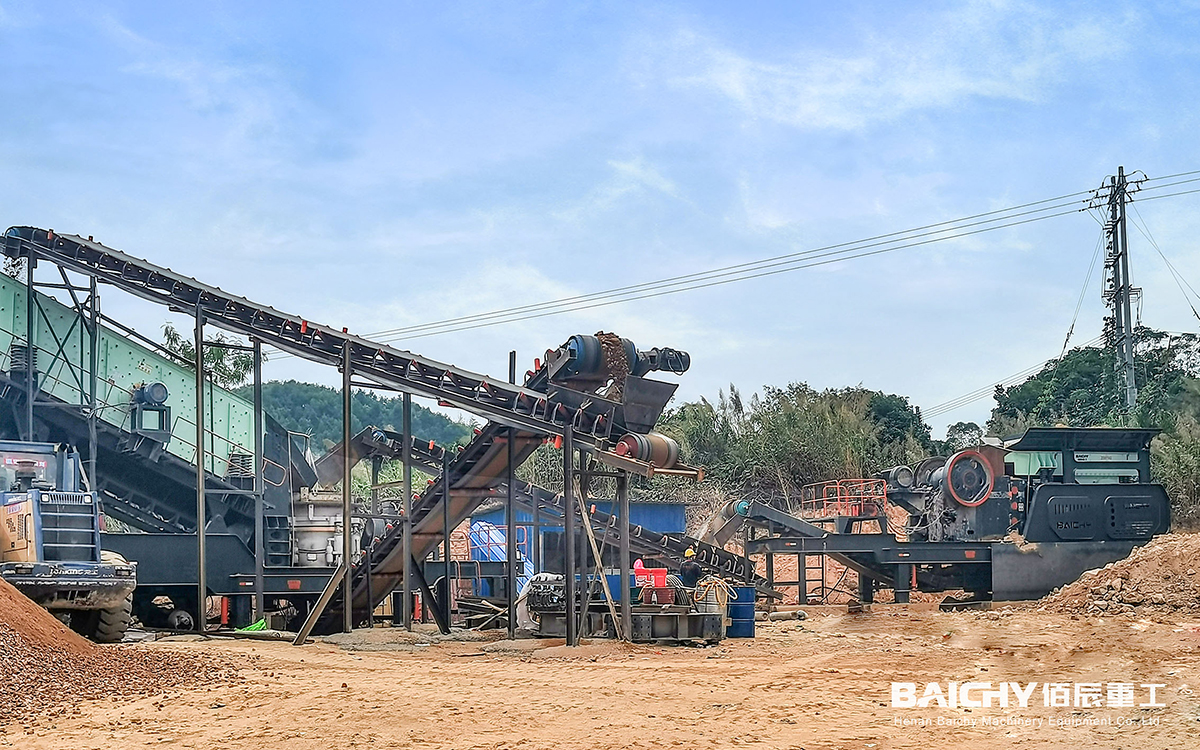
A mobile limestone crusher is a self-contained crushing and screening plant mounted on wheels or crawler tracks. Unlike a stationary plant, which requires concrete foundations, conveyors, and lengthy site preparation, a mobile limestone crushing unit can be delivered, set up, and producing aggregate within hours. It integrates feeding, primary crushing, screening, and return conveying into a single machine, driven by a diesel engine or an electric motor.
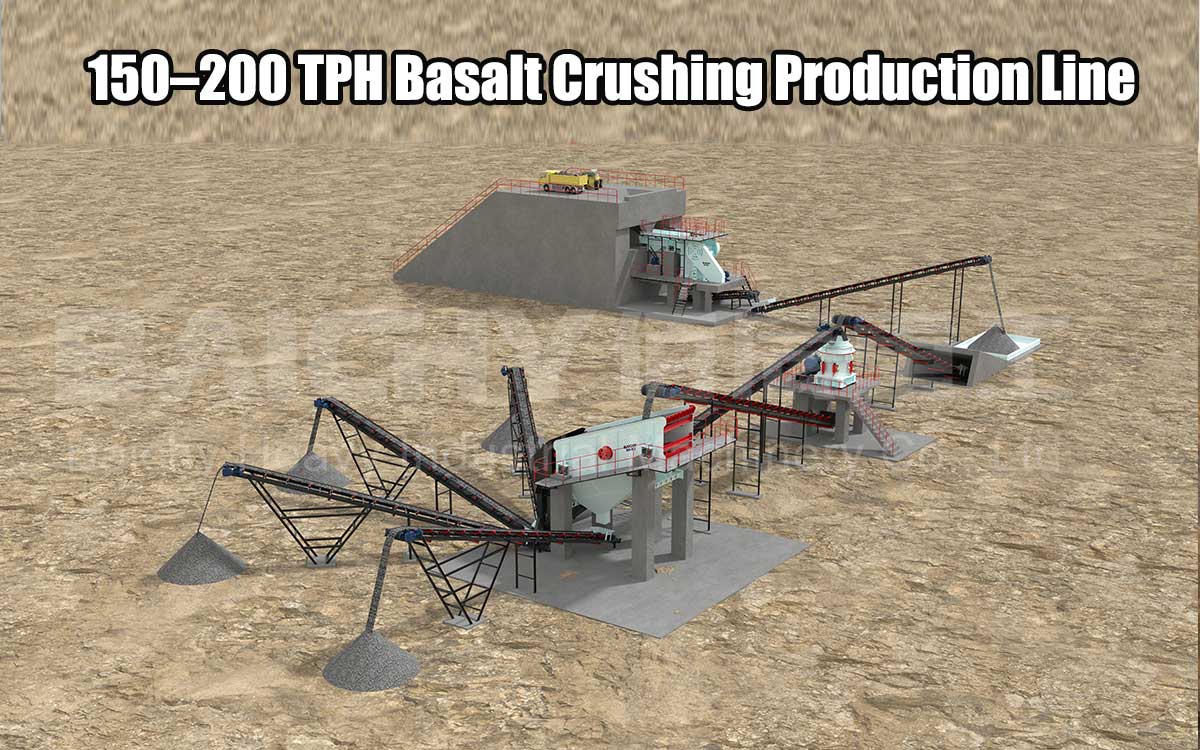
How a Mobile Limestone Crushing Plant Works
In a typical mobile limestone crushing plant, the working flow is straightforward:
Feeding — limestone boulders are loaded into a vibrating feeder or hopper.
Primary crushing — a jaw or impact crusher reduces the rock from large feed size (up to 800–1000 mm) to a manageable intermediate size.
Screening — a vibrating screen separates the product into different grades.
Return conveyor — oversize material is sent back for re-crushing until it meets the required specification.
Stockpiling or direct loading — finished aggregates are discharged onto stockpiles or loaded into trucks.
Because every stage rides on one chassis, the whole plant moves as a single unit between working faces.
Mobile Limestone Crusher
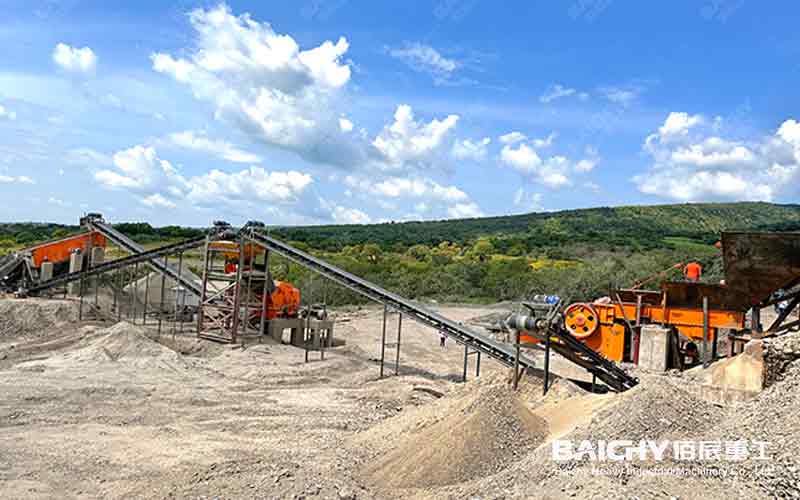
Stationary Crushing
Mobile vs. Stationary Crushing: The Core Trade-off
| Comparison | Mobile Limestone Crusher | Stationary Crushing Plant |
|---|---|---|
| Setup time | Hours (low-prep, plug-and-play) | Weeks (foundations + install) |
| Site preparation | Minimal | Concrete base, civil works |
| Relocation | Easy, self-propelled or towed | Difficult, cost-prohibitive |
| Capital investment | Moderate, flexible | High, site-specific |
| Power source | Diesel or electric | Grid electric |
| Best fit | Multi-site, short-term, remote projects | Long-term, high-tonnage fixed pits |
| Output flexibility | Easy to redeploy | Fixed once installed |
Why Choose a Mobile Limestone Crushing Plant?
Choosing a mobile limestone crushing plant is not just about convenience — it changes the economics of your operation. Here are the strongest reasons:
1. Eliminates site preparation costs. No concrete foundations, no lengthy civil works, no crane assembly. A mobile limestone crusher is running within hours of arrival, saving both time and money on every project.
2. True flexibility and relocation. When a mining face is exhausted, you simply move the plant to the next face. Multi-site contractors can schedule one mobile limestone crushing plant across several projects instead of owning multiple fixed lines.
3. Lower transport cost per ton. By crushing limestone on-site, you avoid hauling raw rock long distances to a central plant. The finished aggregate is produced where it is needed.
4. Rapid return on investment. Because setup is fast and operating costs are predictable, a mobile limestone crusher starts generating revenue almost immediately after deployment.
5. Easier permitting and environmental compliance. Mobile plants are simpler to relocate for noise and dust control, and can be moved away from sensitive areas more easily than fixed installations.
For limestone producers who value agility, the mobile limestone crushing plant is the clear winner.
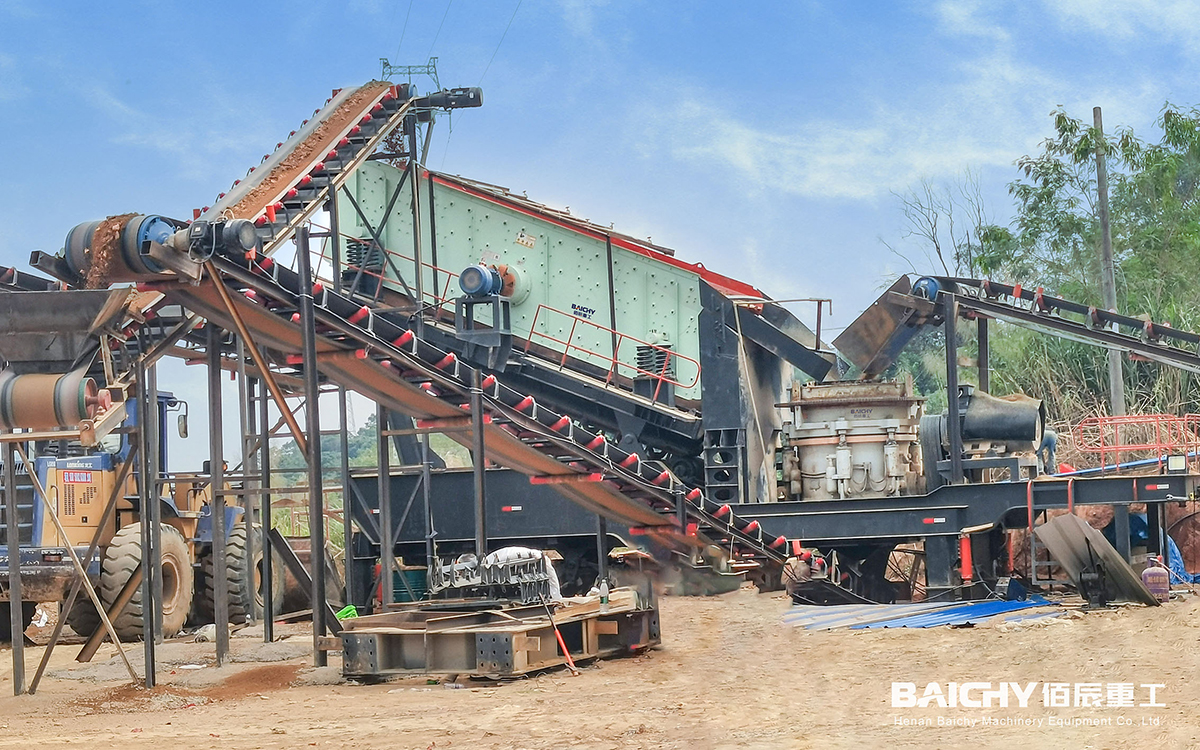
Mobile Limestone Crusher
Main Applications of Mobile Limestone Crushers
A mobile limestone crusher is used wherever crushed limestone is required. The most common applications include:
Aggregate production for concrete and asphalt — producing 0–5 mm, 5–20 mm, and 20–40 mm graded aggregates.
Road and railway construction — producing base course and sub-base materials.
Cement raw material preparation — reducing limestone to the feed size required for raw mill grinding.
Agricultural lime production — grinding limestone into fine powder for soil pH adjustment.
Quarry waste recycling and mine backfill — processing low-grade or overburden limestone on-site.
Dredging and riverbed aggregate recovery — crushing limestone in remote or temporary locations.
Each application places different demands on the crushing equipment, which is why choosing the right crusher type matters so much.
Main Types of Mobile Limestone Crushing Equipment
Not all mobile limestone crushers are the same. Depending on your feed size and final product, you will select different crushing principles, e ither alone or in combination.
Mobile Jaw Crusher — Primary Crushing
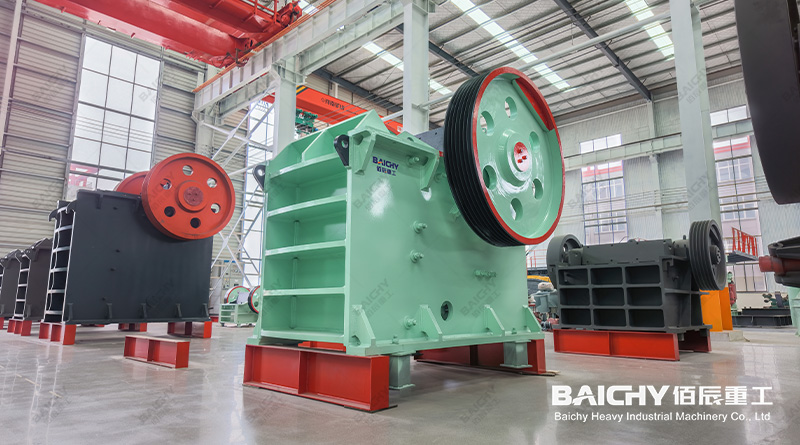
The mobile jaw crusher is the ideal primary crusher for limestone. It handles large feed sizes (up to 1000 mm) and produces a consistent first-stage reduction. It is robust, reliable, and the first step in most mobile limestone crushing plants.
Mobile Impact Crusher — Secondary and Shaping
The mobile impact crusher is the workhorse for limestone because limestone is soft to medium-hard and abrasive. Impact crushers produce a cubical, well-graded product ideal for aggregates and are perfect for both secondary crushing and final shaping.
Mobile Cone Crusher — For Finer and Higher-Grade Products
When higher compressive strength or finer grading is required, a mobile cone crusher provides superior reduction ratios and a uniform product shape. It works best as a secondary or tertiary stage after a jaw crusher.
Mobile Hammer Crusher — High Capacity for Soft Rock
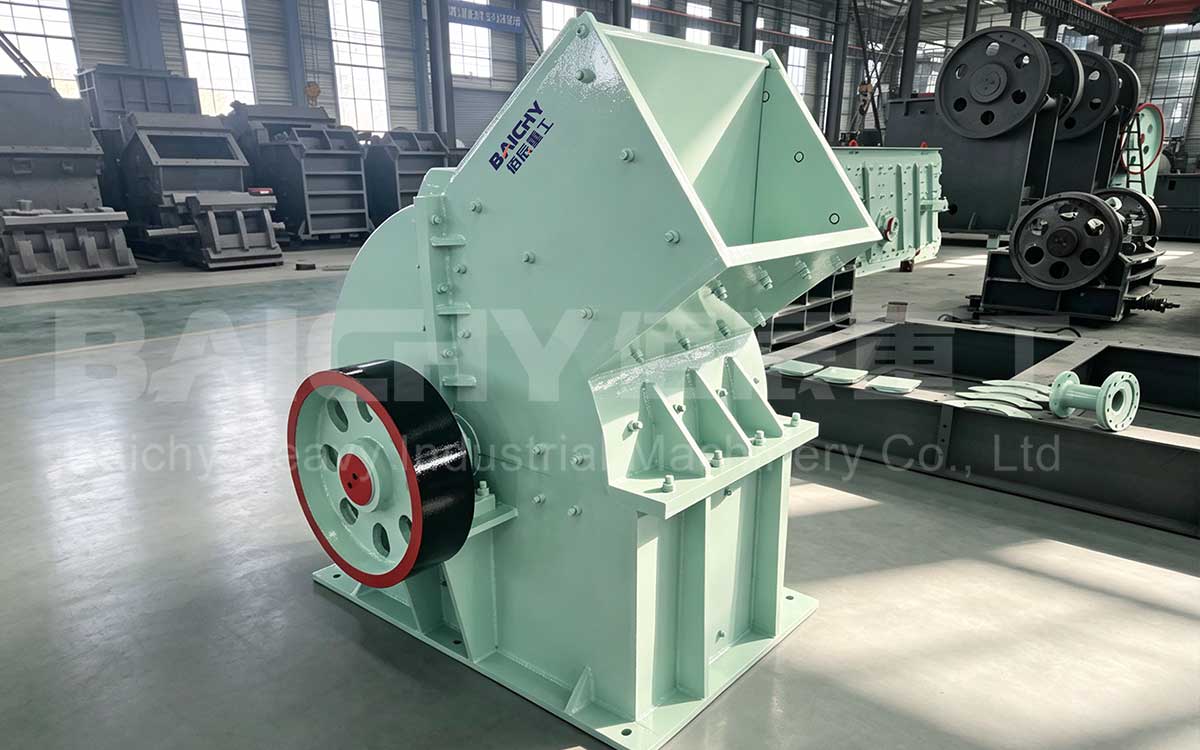
For soft limestone and low-abrasion feed, a mobile hammer crusher delivers very high throughput at low operating cost, making it popular in cement plants and large aggregate operations.
Mobile Limestone Crusher Technical Parameters
The table below shows representative specifications for Baichy Heavy Industry mobile limestone crushing plants, so you can compare configurations when selecting your equipment.
| Parameter | YDS Mobile Jaw Plant | YD Mobile Impact Plant | Mobile Hammer Plant |
|---|---|---|---|
| Crusher model | PE-750×1060 Jaw | PF-1214 Impact | PC-1000×800 Hammer |
| Feed opening / rotor | 750 × 1060 mm | Φ1250 × 1400 mm | 1000 × 800 mm |
| Max feed size | ≤630 mm | ≤350 mm | ≤350 mm |
| Processing capacity | 130–260 t/h | 80–160 t/h | 45–100 t/h |
| Discharge adjustment | 80–140 mm | 0–80 mm (adjustable) | ≤20 mm |
| Screen model | 3YA1848 | 3YA2160 | 3YA1848 |
| Chassis type | Crawler / Tyre | Crawler / Tyre | Tyre |
| Total power | 245 kW | 220 kW | 145 kW |
| Total weight | ≈75 t | ≈58 t | ≈42 t |
| Main application | Primary limestone crushing | Aggregate shaping | Cement / soft rock |
Specifications are indicative and may vary by configuration. Contact Baichy for a custom mobile limestone crushing plant matched to your capacity and feed size.
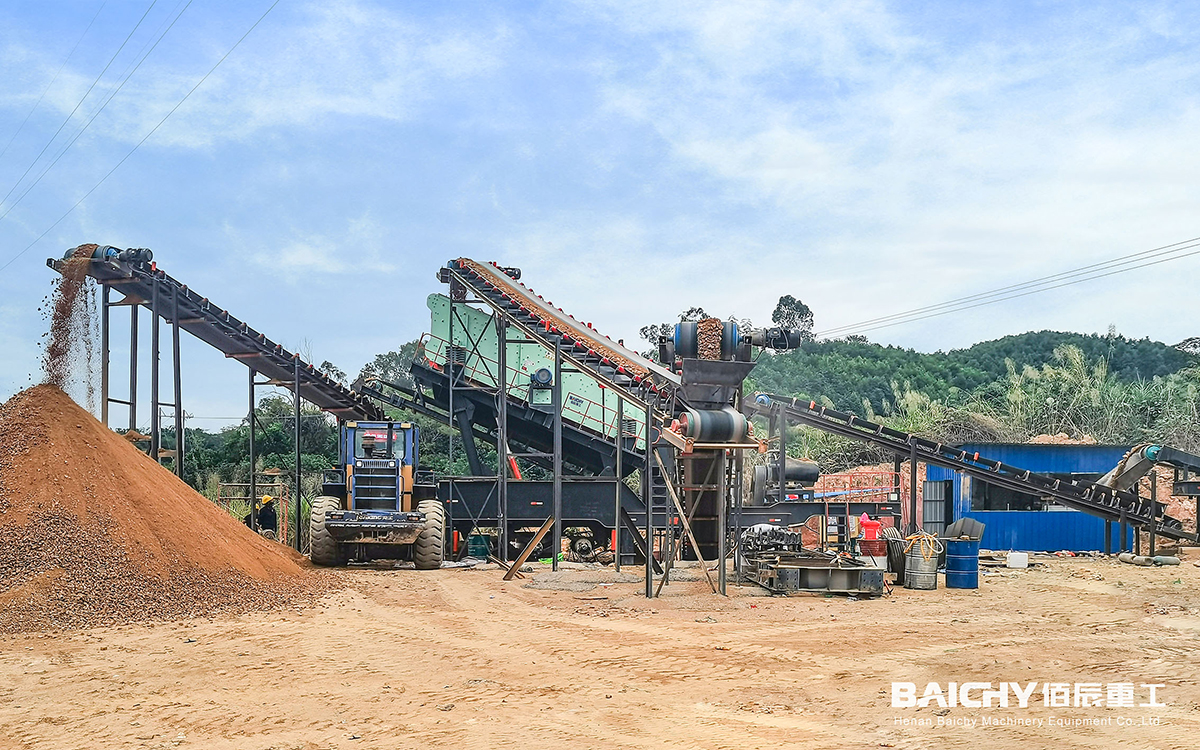
Mobile Limestone Crusher
How to Select the Right Mobile Limestone Crusher
Choosing the correct mobile limestone crusher is a matter of matching the machine to your material and your goals. Consider these factors in order:
• Required capacity (t/h). This determines the crusher model and the plant size. Under-sizing leads to bottlenecks; over-sizing wastes capital.
• Feed size and hardness. Harder or larger limestone needs a jaw crusher first, while soft, clean limestone can go straight into an impact or hammer crusher.
• Final product specification. The required grading, shape, and fines content decide whether you need a single stage or a full crushing-screening combination.
• Mobility mode — crawler vs. tyre. Crawler-mounted plants handle rough terrain and steep grades without extra transport. Tyre-mounted plants are faster to move on public roads and between flat sites.
• Power source. Diesel-hydraulic plants are fully self-contained and ideal for remote sites; electric plants are cheaper to run where grid power is available.
• After-sales support. Spare parts availability, wear part cost, and local service network directly affect your downtime and total cost of ownership. Choose a limestone crusher manufacturer with a proven track record and global support.
Cost, Efficiency, and ROI Considerations
The operating economics of a mobile limestone crusher depend on wear part life, fuel consumption, and product yield. Several points are worth highlighting:
• Wear cost is the biggest variable. Impact crushers for limestone consume blow bars and liners; jaw crushers consume jaw plates. Buying high-quality, long-life wear parts reduces cost per ton significantly.
• Diesel efficiency matters in remote sites. Modern hydraulic drives and load-sensing systems cut fuel consumption by 10–20% compared with older machines.
• Product yield drives revenue. A well-designed mobile limestone crushing plant with a proper screening stage produces more saleable premium-grade aggregate and less waste.
• Redeployment multiplies ROI. A single mobile plant that serves three sites over two years typically outperforms three idle fixed lines in capital efficiency.
When you evaluate the total cost of ownership — purchase, fuel, wear, maintenance, and relocation — a mobile limestone crusher often delivers the lowest cost per ton for medium and distributed operations.
Frequently Asked Questions (FAQ)
1. What is the difference between a mobile limestone crusher and a stationary one?
A mobile limestone crusher is mounted on wheels or crawler tracks, so it needs no concrete foundation and can be relocated quickly between working sites. A stationary plant is fixed in place, requires civil works and long setup times, and is best suited to permanent, high-tonnage operations. The mobile option minimizes setup cost and maximizes flexibility.
2. Which crusher is best for crushing limestone?
For soft to medium-hard limestone, an impact crusher is generally the best choice because it produces a cubical, well-graded aggregate at low wear cost. For very large feed sizes, use a jaw crusher for primary crushing followed by an impact or cone crusher. For low-abrasion limestone in high-capacity cement or aggregate plants, a hammer crusher is highly efficient.
3. How much does a mobile limestone crushing plant cost?
Cost varies widely with capacity, configuration, and mobility type. A typical small tyre-mounted mobile limestone crusher can be a fraction of the cost of a large stationary line, while larger crawler-mounted plants with full screening are more expensive. The best approach is to request a tailored quotation from a limestone crusher manufacturer like Baichy based on your exact capacity and product requirements.
4. How long does it take to set up a mobile limestone crusher?
Most mobile limestone crushing plants can be operational within hours of arrival because they arrive as complete, self-contained units. Setup mainly involves positioning the plant, connecting power or fueling the engine, and adjusting the discharge settings — no concrete foundations or lengthy assembly are required.
5. Can a mobile limestone crusher produce different aggregate sizes?
Yes. Most mobile limestone crushing plants are equipped with a vibrating screen and return conveyor, allowing them to produce multiple grades (such as 0–5 mm, 5–20 mm, and 20–40 mm) simultaneously. By changing screen mesh and adjusting crusher settings, you can easily reconfigure the plant to produce the exact aggregate specifications your project requires.
Baichy Heavy Industry
Baichy Heavy Industry is a high-tech mining equipment company integrating R&D, manufacturing, sales, and after-sales service. Focusing on crushing, grinding, and mineral processing equipment, we provide professional solutions to our customers. We are ISO9001:2015 、certified, and our products include mobile crushing palnts, crawler crushing plant, construction waste crushing plants, jaw crushers, sand making machines, cone crushers, fine crushers, grinding mills, ball mills, etc., all with reliable performance to meet diverse project needs.
Baichy Heavy Industry – Your Trusted Partner
To ensure optimal performance of your equipment, Baichy Heavy Industry offers:
- Professional on-site installation guidance
- Comprehensive operator training
- 24/7 technical support & maintenance services
Our complete after-sales service system guarantees long-term, stable operation of your machinery with minimal downtime.
Protect Your Rights – Only Use Official Channels
To avoid scams and ensure authentic support, contact us exclusively through:
• Official Website: www.baichychina.com
• WhatsApp: +8615093222637
• Email: [email protected]
Your satisfaction is our priority – expect prompt, professional service every time.
(Note: Beware of unauthorized third parties claiming to represent Baichy. Always verify through official contacts.)