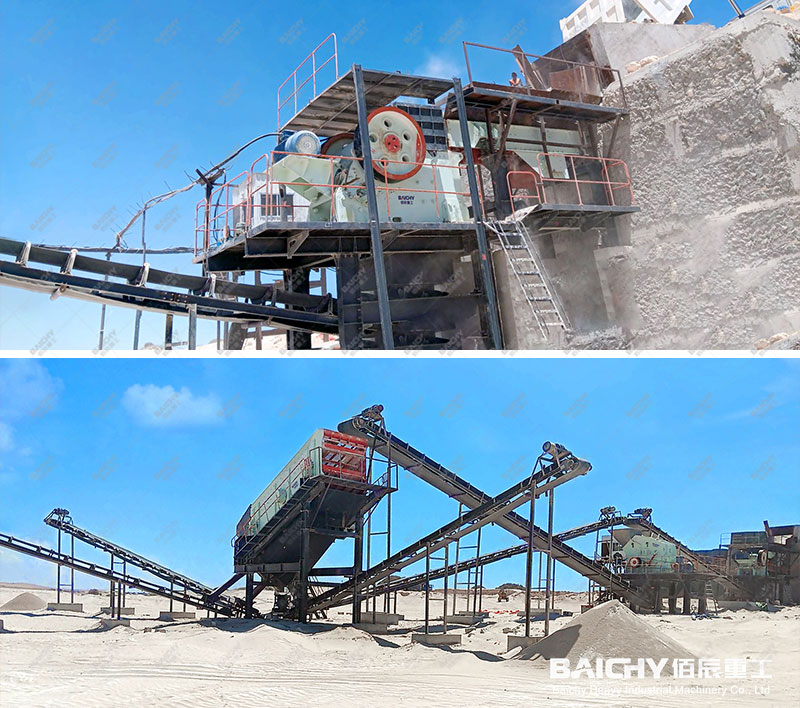
200 TPH Limestone Crushing & Screening Production Line
Introduction: Why a 200 TPH Limestone Line Is a Smart Investment
Limestone is one of the most abundant and versatile rocks on earth. From road base and railway ballast to concrete aggregate, cement raw material and mineral filler, crushed limestone is the backbone of modern construction and the cement industry. A 200 TPH limestone crushing and screening production line — processing roughly 200 tons of material every hour — is the sweet spot for many mid-size quarries, concrete plants, and cement stations. It delivers steady throughput, moderate capital cost, and a fast return on investment.
For operators choosing equipment, the real question is not just "how much limestone can I crush," but "how do I build a line that delivers consistent product size, low operating cost, and high availability over 10+ years." This guide walks through the complete process, equipment selection, key design parameters, cost drivers, and maintenance strategy of a 200 TPH limestone crushing and screening plant, built by Baichy Heavy Industry — a professional manufacturer of mining crushers, ore grinding mills and mineral processing equipment.
What Does "200 TPH" Really Mean for a Limestone Line?
A 200 TPH capacity rating means the limestone crushing and screening line can handle about 200 tons of feed material per hour under typical working conditions (about 16–20 hours per day in normal operation). Over a 10-hour shift, that is roughly 2,000 tons; over a month of steady operation, a well-run plant can move 40,000–60,000 tons of limestone.
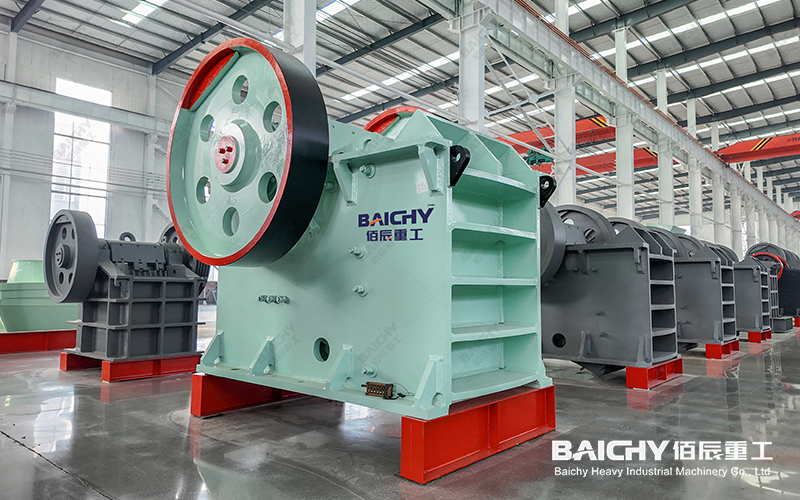
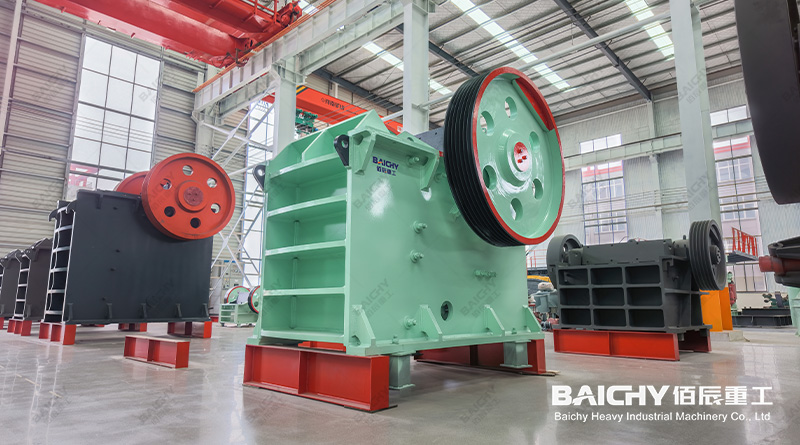
Primary Jaw Crusher
Before we pe into the equipment, it helps to define the typical feed and target output:
- Feed size: typically 400–800 mm run-of-mine or primary crushed limestone
- Target products: 0–5 mm (sand/fines), 5–10 mm, 10–20 mm, 20–31.5 mm (aggregates), and sometimes 0–31.5 mm as crusher-run
- Compressive strength of limestone: 80–150 MPa (hardness is moderate, ideal for impact crushing)
- Moisture: generally low (< 5%), which allows dry screening
Because limestone is relatively soft and abrasive, the limestone crusher selection is simpler and more economical than for granite or basalt — which is one reason 200 TPH limestone crushing and screening lines are among the most popular configurations in the aggregate industry.
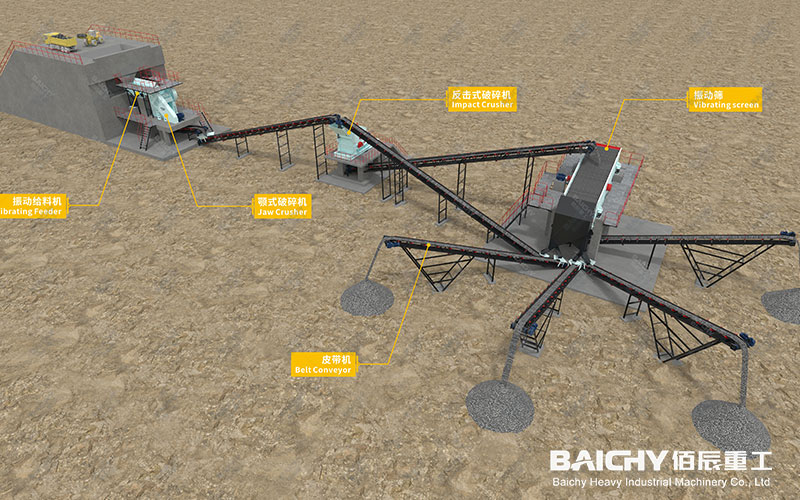
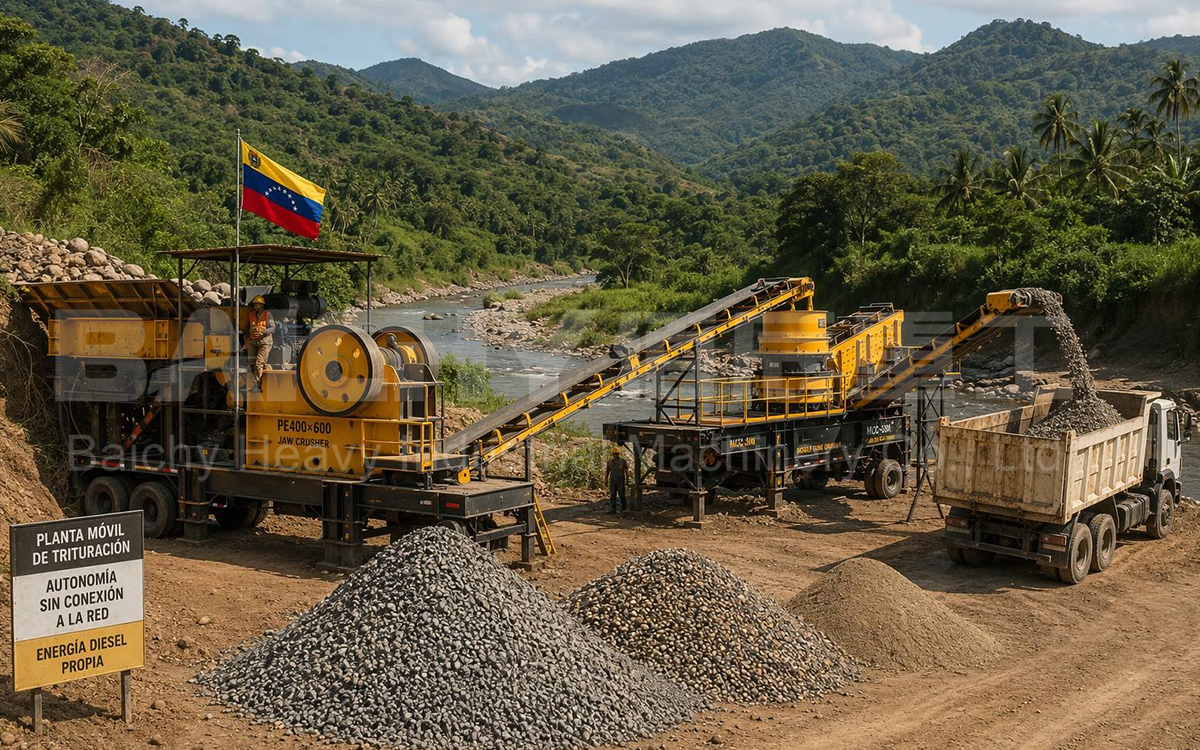
Jaw Crushing Plant
Core Equipment of a 200 TPH Limestone Crushing & Screening Plant
A complete 200 TPH limestone crushing and screening production line typically consists of the following stages. Each unit plays a specific role in reducing feed size, shaping particles, and separating products.
1. Feeding and Grizzly — Vibration Feeder
The process starts with a GZD vibrating feeder (e.g., GZD-1100×4200) with an integrated grizzly bar. The grizzly scalps off oversized lumps and, more importantly, removes the fine material and soil before the primary crusher. Pre-screening fines improves crushing efficiency and reduces wear.
2. Primary Crushing — Jaw Crusher
The primary limestone crusher is almost always a jaw crusher (e.g., PE-750×1060 for 200 TPH). It reduces 400–800 mm limestone down to about 100–150 mm. Jaw crushers are chosen for their high reliability, simple structure, and ability to handle large feed sizes.
3. Secondary & Tertiary Crushing — Impact Crusher (Preferred for Limestone)
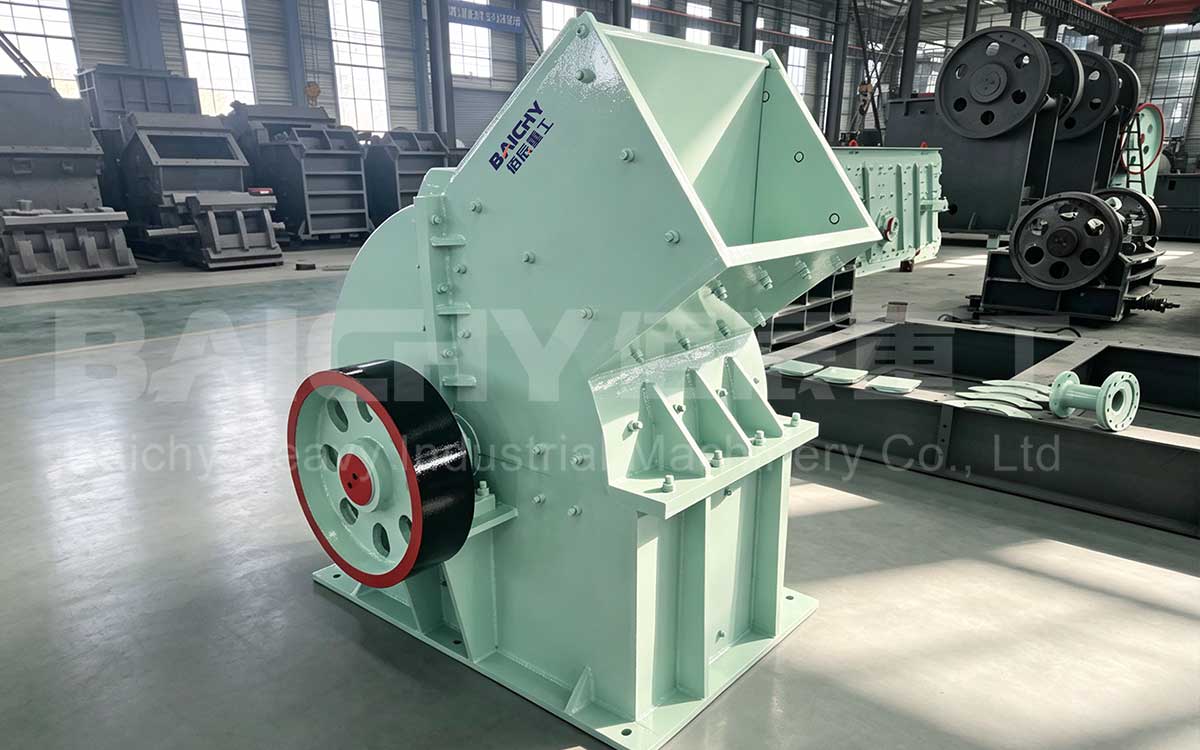
For limestone, an impact crusher (e.g., PF-1315 or PF-1214) is the preferred secondary/tertiary machine. Unlike cone crushers, impact crushers produce a more cubic particle shape — critical for concrete aggregate — and are very efficient on soft to medium rocks like limestone. The impact crusher takes the 100–150 mm feed down to 0–40 mm in a single pass or recirculating closed circuit.
4. Screening — Vibrating Screen
After crushing, a vibrating screen (e.g., 3YK-2160 or 4YK-1860) classifies the material into multiple fractions. A single screen can separate 3–4 sizes in one deck configuration, which is typically enough for a 200 TPH limestone crushing and screening plant producing standard aggregate sizes.
5. Return Conveyor (Closed Circuit)
Oversize material (> 31.5 mm) is returned via a belt conveyor to the impact crusher for re-crushing — this is the closed-circuit loop that ensures all final products meet the target size specification.
6. Conveyors, Control System and Support Equipment
Belt conveyors move material between stages; an electric control cabinet centralizes operation; and a dust removal system, water spray system, and steel structure support complete the plant. Optional equipment includes a sand washing machine and an impact fine crusher if more manufactured sand is required.
200 TPH Limestone Crushing & Screening Plant – Equipment Parameter Table
The following table summarizes a typical Baichy configuration for a 200 TPH limestone crushing and screening production line. Actual selection depends on feed size, moisture, and target product mix.
| Stage | Equipment | Model Example | Feed Size (mm) | Discharge Size (mm) | Capacity (t/h) | Power (kW) |
|---|---|---|---|---|---|---|
| Feeding | Vibrating Feeder (with grizzly) | GZD-1100×4200 | ≤800 | — | 200–300 | 15 |
| Primary Crushing | Jaw Crusher | PE-750×1060 | ≤630 | 80–140 | 130–260 | 110 |
| Secondary/Tertiary Crushing | Impact Crusher | PF-1315 | ≤350 | 0–40 | 130–250 | 180–220 |
| Screening | Vibrating Screen | 3YK-2160 | ≤200 | 0–5 / 5–10 / 10–20 / 20–31.5 | 200–300 | 30 |
| Conveying | Belt Conveyors | B800/B1000 | — | — | Per layout | 11–15 each |
| Control | Electric Control Cabinet | — | — | — | — | PLC control |
| Dust Removal | Bag Filter / Spray System | Optional | — | — | — | — |
*Note: Capacities and power ratings are indicative for standard limestone; confirm with Baichy engineers for your specific feed conditions.*
The Complete Process Flow of a 200 TPH Limestone Crushing Line
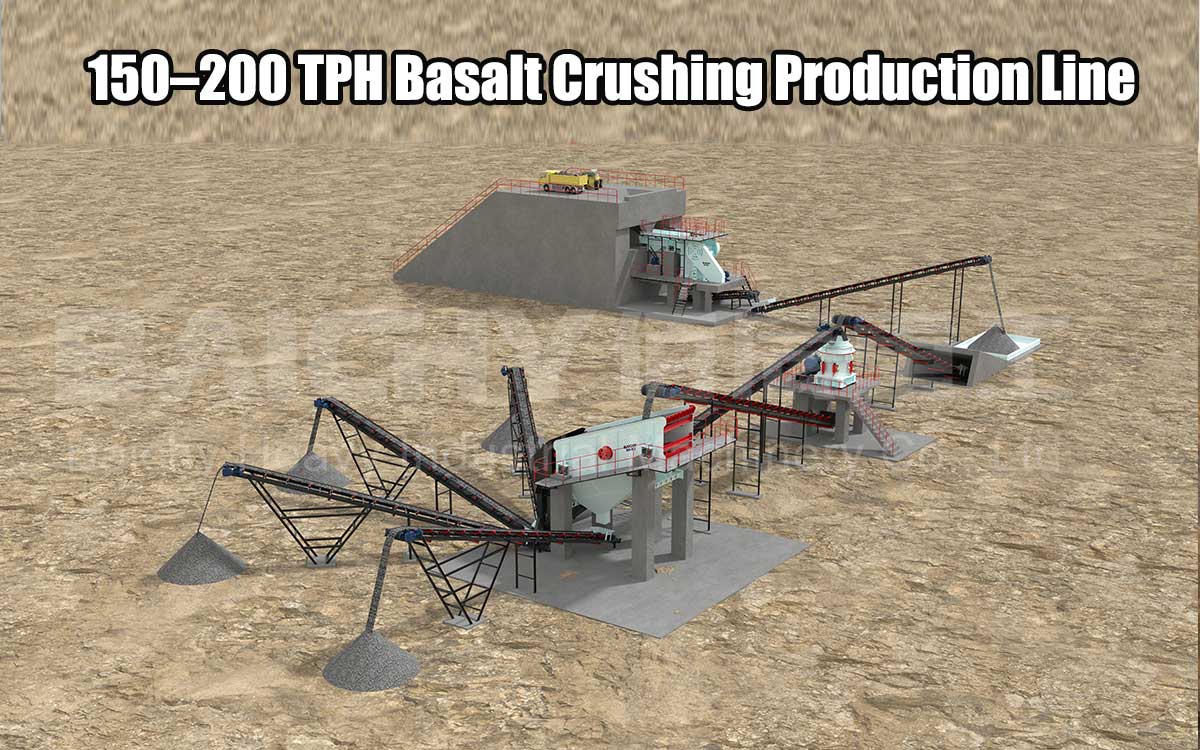
Understanding the limestone crushing line process helps operators optimize settings and troubleshoot problems. Here is the typical flow for a 200 TPH limestone crushing and screening plant:
1. Feed: Raw limestone is dumped into the hopper and fed by the vibrating feeder with grizzly.
2. Grizzly scalping: Fines and soil fall through the grizzly bars and bypass the primary crusher, reducing wear and boosting efficiency.
3. Primary crushing: Oversize limestone enters the jaw crusher and is reduced to 100–150 mm.
4. Secondary crushing: Material is conveyed to the impact crusher, which reduces it to 0–40 mm.
5. Screening: The crushed material is screened into 0–5 mm, 5–10 mm, 10–20 mm, and 20–31.5 mm fractions.
6. Closed circuit: Oversize (20–31.5 mm or larger) is returned to the impact crusher until it passes the screen.
7. Stacking: Each product fraction is carried to its own stockpile by belt conveyors.
8. Optional washing: If clean sand or washed aggregate is required, a sand washing machine is added after screening.
This linear yet recirculating design keeps equipment count low while maximizing utilization — the core advantage of a properly sized 200 TPH limestone crushing and screening plant.
Key Design Considerations for a 200 TPH Limestone Crushing & Screening Line
Product Shape and Quality
For concrete and asphalt aggregate, cubical particle shape matters. Impact crushers break limestone along natural fractures and produce a more cubic shape than cone crushers. If your market demands high flakiness-index compliance, choose impact crushers for both secondary and tertiary stages.
Moisture and Sticky Material
Limestone with high clay content or moisture above 6% can clog screens and crushers. In such cases, add a pre-screening (grizzly) step, keep screen apertures generous, and consider a sand washing machine. The 200 TPH line is best designed around the actual feed quality, not just the rated capacity.
Closed Circuit vs. Open Circuit
A closed-circuit limestone crushing line recirculates oversize material until it meets spec. It guarantees product grading but slightly reduces effective throughput. Open circuit is simpler but risks inconsistent size distribution. For most aggregate producers, closed circuit is the recommended default.
Power and Site Layout
A 200 TPH plant typically requires 250–350 kW of installed motor power. Plan for a stable power supply, adequate dust control (bag filter or water spray), and a compact, safe layout that keeps conveyor lengths short to minimize belt cost and energy loss.
Automation
Modern plants integrate PLC control and optional remote monitoring. Automated settings stabilize product quality, protect equipment from overload, and reduce labor cost — an increasingly important factor in the 200 TPH limestone crushing and screening line economics.
Applications of the Crushed Limestone Products
The screening plant separates limestone into fractions that feed different markets:
- 0–5 mm: Manufactured sand for concrete and mortar, and filler for asphalt
- 5–10 mm: Concrete aggregate, decorative stone, road surfacing
- 10–20 mm: Primary concrete aggregate, precast products
- 20–31.5 mm: Road base, railway ballast, drainage stone
- 0–31.5 mm (crusher-run): Sub-base for roads and foundations
By adjusting the screen configuration and crusher settings, the same 200 TPH limestone crushing and screening plant can shift production between aggregates and sand to match market demand — a significant business flexibility.
Cost Drivers of a 200 TPH Limestone Crushing and Screening Line
Total investment for a 200 TPH limestone crushing and screening production line varies widely by region, equipment brand, and automation level, but the main cost components are:
1. Crushers (jaw + impact): The largest single equipment cost; 50–60% of machine budget.
2. Screens and feeders: ~15–20% of machine budget.
3. Belt conveyors and steel structure: ~10–15%, driven by layout.
4. Electrical system and control: ~10%, more with PLC automation.
5. Dust removal and environmental compliance: increasingly significant due to stricter regulations.
6. Civil works, installation and commissioning: site-dependent, often 15–25% of total.
Beyond capex, the main operating costs are electricity, wear parts (jaw plates, impact blow bars, screen mesh), and maintenance labor. Choosing wear-resistant alloys and a reliable manufacturer directly lowers lifetime cost per ton.
Maintenance and Reliability Tips for a Long Service Life
A 200 TPH limestone crushing and screening plant runs hard; reliability depends on discipline:
- Daily: Check belt tension, screen mesh for wear/tear, oil levels, and tramp metal damage.
- Weekly: Inspect jaw plates, impact blow bars, and liner wear; clear buildup around feeders.
- Monthly: Grease bearings, check electrical connections, and verify screen amplitude.
- Periodic: Replace wear parts on schedule — do not run crushers past recommended wear limits.
- Stock spares: Keep blow bars, jaw plates, screen meshes, and bearings in inventory to avoid long downtime.
A well-maintained limestone crushing line from a reputable manufacturer routinely achieves 90%+ availability, which is where the real profitability lives.
Why Choose Baichy Heavy Industry for Your 200 TPH Line
Baichy Heavy Industry is a professional manufacturer of mining crushing, ore grinding and mineral processing equipment. For a 200 TPH limestone crushing and screening production line, we bring:
- Complete turnkey capability: feeders, jaw crushers, impact crushers, screens, conveyors, and control systems all from one supplier.
- Engineered sizing: our engineers design the line around your actual feed size, moisture, and target product mix.
- Proven field performance: hundreds of limestone aggregate lines installed globally.
- After-sales support: wear parts, commissioning guidance, and technical training.
- Cost-effective solutions: optimized equipment selection to balance capex, opex, and product quality.
Whether you need a single limestone crusher or a full 200 TPH screening plant, Baichy provides the equipment and the engineering support to make your project profitable.
Frequently Asked Questions (FAQ)
Q1: How much area does a 200 TPH limestone crushing and screening plant need?
A typical 200 TPH limestone crushing and screening production line occupies about 1,500–3,000 m² depending on layout, conveyor runs, stockpile locations, and whether a washing stage is included. A compact, well-designed layout minimizes footprint and conveyor cost.
Q2: What is the total investment for a 200 TPH limestone crushing line?
The total investment varies by region, automation level, and civil works, but generally ranges from several hundred thousand to over a million USD. Equipment cost (crushers, screens, feeders, conveyors) is the largest share; contact Baichy for a site-specific quotation.
Q3: Can the same line produce both sand and aggregates?
Yes. By adding a fine impact crusher or sand making machine and adjusting the vibrating screen configuration, a 200 TPH limestone crushing and screening plant can produce both manufactured sand (0–5 mm) and standard aggregate sizes, allowing you to adapt to market demand.
Q4: Why is an impact crusher preferred over a cone crusher for limestone?
Limestone is soft to medium-hard (80–150 MPa). Impact crushers are more energy-efficient on this material and produce a better cubical particle shape than cone crushers, which is ideal for concrete aggregate. For harder rocks like granite or basalt, a cone crusher would be the better choice.
Q5: How long does a 200 TPH limestone crushing and screening plant last?
With proper operation and regular maintenance, the main structural components of a limestone crushing and screening line can last 10–20 years. Crusher wear parts (jaw plates, blow bars, screen mesh) are consumables replaced on a schedule, typically every weeks to months depending on throughput and abrasiveness.
Baichy Heavy Industry
Baichy Heavy Industry is a high-tech mining equipment company integrating R&D, manufacturing, sales, and after-sales service. Focusing on crushing, grinding, and mineral processing equipment, we provide professional solutions to our customers. We are ISO9001:2015 、certified, and our products include mobile crushing palnts, crawler crushing plant, construction waste crushing plants, jaw crushers, sand making machines, cone crushers, fine crushers, grinding mills, ball mills, etc., all with reliable performance to meet diverse project needs.
Baichy Heavy Industry – Your Trusted Partner
To ensure optimal performance of your equipment, Baichy Heavy Industry offers:
- Professional on-site installation guidance
- Comprehensive operator training
- 24/7 technical support & maintenance services
Our complete after-sales service system guarantees long-term, stable operation of your machinery with minimal downtime.
Protect Your Rights – Only Use Official Channels
To avoid scams and ensure authentic support, contact us exclusively through:
• Official Website: www.baichychina.com
• WhatsApp: +8615093222637
• Email: [email protected]
Your satisfaction is our priority – expect prompt, professional service every time.
(Note: Beware of unauthorized third parties claiming to represent Baichy. Always verify through official contacts.)