
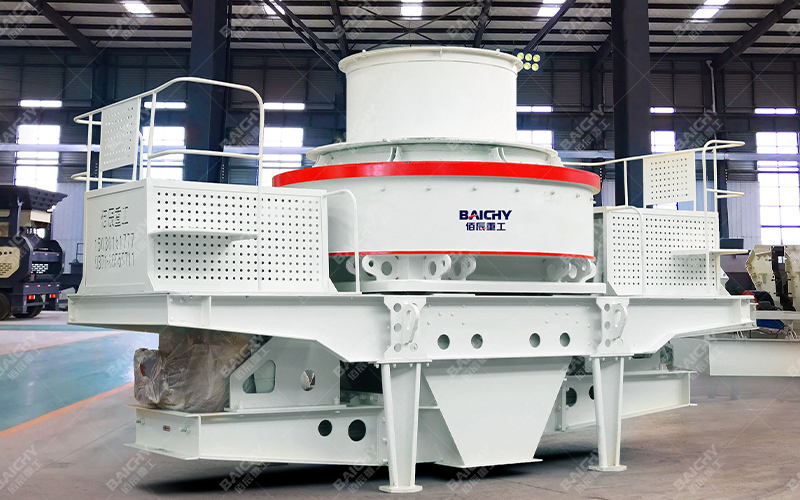
VSI Sand Making Machine
In the field of manufactured sand production, two core indicators of the final product—Fineness Modulus (FM) and Output (Production Capacity)—directly determine the sand's quality, cost, and applicability. As a professional manufacturer of mining crushing equipment, we understand the critical importance of adjusting these parameters for the success of your project. This article provides an in-depth exploration of how modern sand making machines allow for flexible adjustment of these two key metrics, enabling you to optimize your production process and maximize profitability.
1. Analysis of Adjustability: Fineness Modulus and Output
2. How to Adjust Fineness Modulus and Output
1. Core Adjustment Methods: Machine Parameter Control
-
Feed Size and Rate Control:
-
Fineness Modulus: Reducing the feed size typically results in finer sand and a lower FM. Conversely, increasing the feed size tends to produce coarser sand, raising the FM. Consistent and uniform feeding is essential for maintaining a continuous gradation curve.
-
Output: Within the machine's capacity, increasing the feed rate can boost output, but other settings must be adjusted simultaneously to maintain crushing efficiency.
-
-
Rotor Tip Speed Adjustment:
-
Fineness Modulus: Increasing the rotor speed (tip speed) imparts greater impact energy to the material, leading to more thorough crushing, finer sand particles, better particle shape (more angular, less spherical), and a lower FM. Reducing the speed tends to produce coarser sand.
-
Output: Higher speed usually increases the number of impacts per unit time, potentially increasing output, but it also raises power consumption and wear part abrasion.
-
-
Waterfall Feed vs. Center Feed Ratio (Dual Feeding System):
-
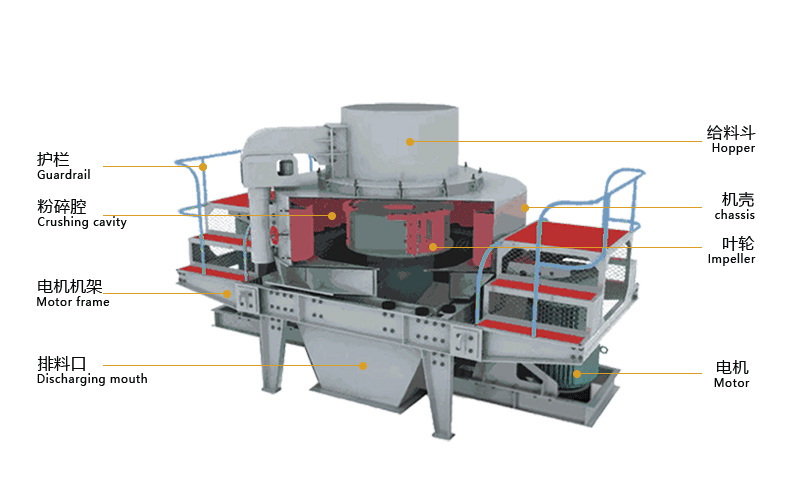
This is an advanced control feature. Center Feed (where material is directly fed into the rotor) is optimal for sand production and shaping, offering high sand yield and excellent particle shape. Waterfall Feed (where material falls by gravity into the crushing chamber) promotes material-on-material impact for increased output and gradation adjustment. Modulating the ratio between these two feeds allows for precise control over the rock powder content and gradation curve, thereby finely tuning the Fineness Modulus and significantly impacting Output.
-
-
Crushing Chamber Design and Wear Parts:
-
Different chamber designs (e.g., "rock-on-rock" or "rock-on-anvil") and the wear condition of anvils/feed tubes affect the material's crushing path and collision probability, thereby influencing product size and output. Regular inspection and replacement of wear parts are crucial for stable production.
-
2. Ancillary Adjustment Factors: Process and Material
-
Closed-Circuit Screening System Adjustment:
-
In a closed-circuit system, adjusting the screen mesh size on the vibrating screen is one of the most effective ways to control the final sand's Fineness Modulus. Smaller screen apertures produce finer sand; larger apertures produce coarser sand. The amount of material returned to the crusher (circulating load) also affects the system's total Output and energy consumption.
-
-
Material Characteristics:
-
The hardness, moisture content, and clay content of the feed material directly influence crushing efficiency and product characteristics. Softer materials tend to generate more fines and rock powder, potentially lowering the Fineness Modulus. Excessively wet materials can cause clogging, reducing Output.
-
3. Advantages of Achieving Flexible Adjustment
-
Versatility and Adaptability: A single machine can be adjusted to produce manufactured sand for various applications (concrete, dry-mix mortar, asphalt concrete), meeting diverse market demands.
-
Optimized Gradation, Enhanced Quality: Precise adjustments enable a continuous gradation curve and a stable Fineness Modulus (e.g., within the ideal 2.3-3.0 range), significantly improving the workability and strength of concrete.
-
Balanced Efficiency, Controlled Cost: Operators can flexibly switch between "high-output mode" and "high-quality mode" based on market needs, maximizing production benefits while reducing unit energy consumption and operating costs.
4. Application Case Study
5. Recommended Related Equipment
-
HVI Series Intelligent Sand Maker: Recommended for projects with extremely high requirements for particle shape and gradation. Its features—dual-motor drive, fully automatic lubrication, and online monitoring—make adjusting key parameters like speed and feed mode more convenient and precise. It is the ideal equipment for flexible control of Fineness Modulus and Output.
-
VSI Series High-Efficiency Sand Maker: A cost-effective choice offering stable crushing and shaping capabilities. Manual adjustment of rotor speed and inspection door openings also allows for effective control over the final product.
-
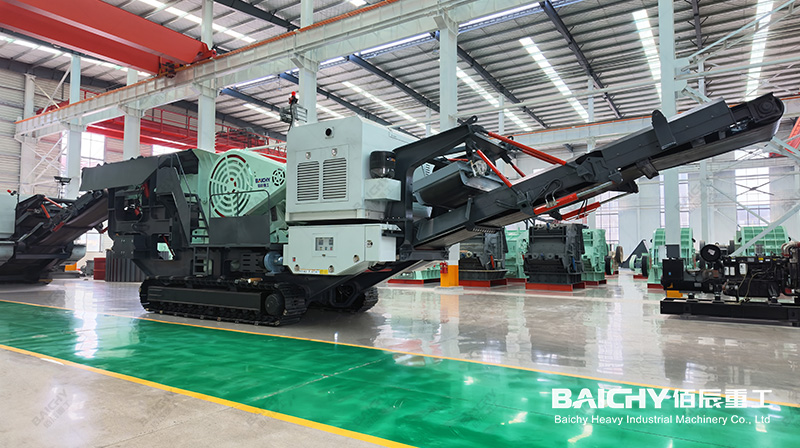
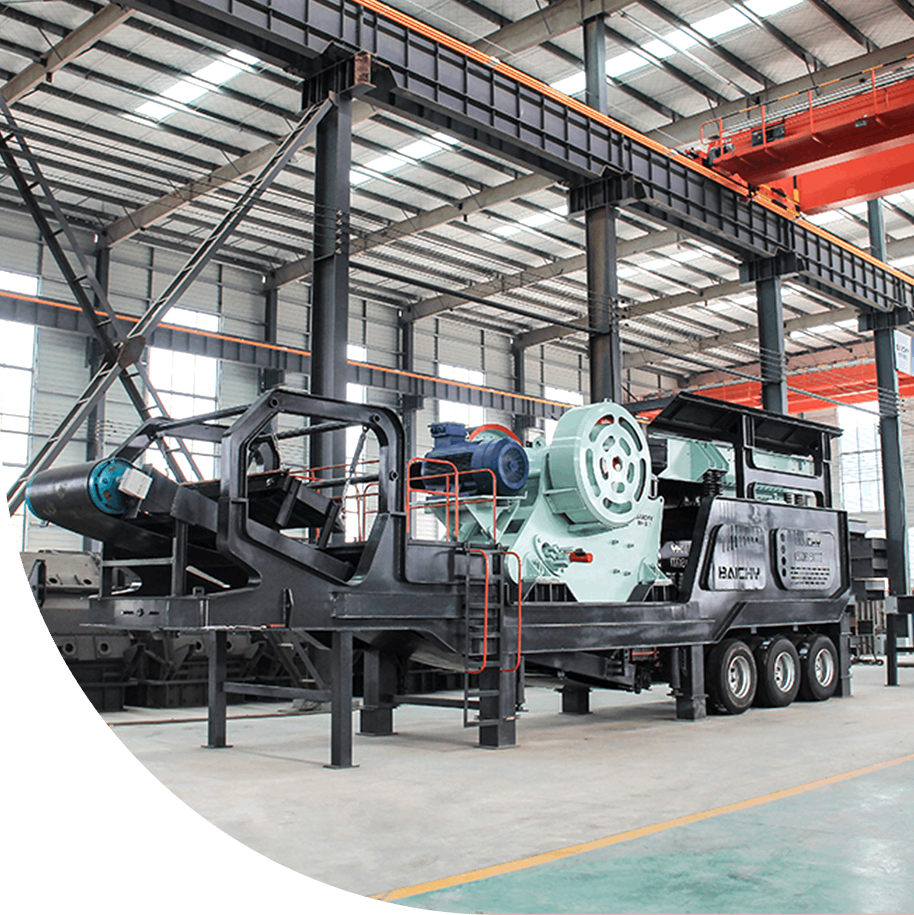
Mobile Sand Making Plant: Integrates feeding, sand making, and screening into a single unit. Particularly suitable for projects with dispersed material sources or requiring relocation. Its flexible configuration also supports adjustment of the final product.
6. Frequently Asked Questions (FAQs)
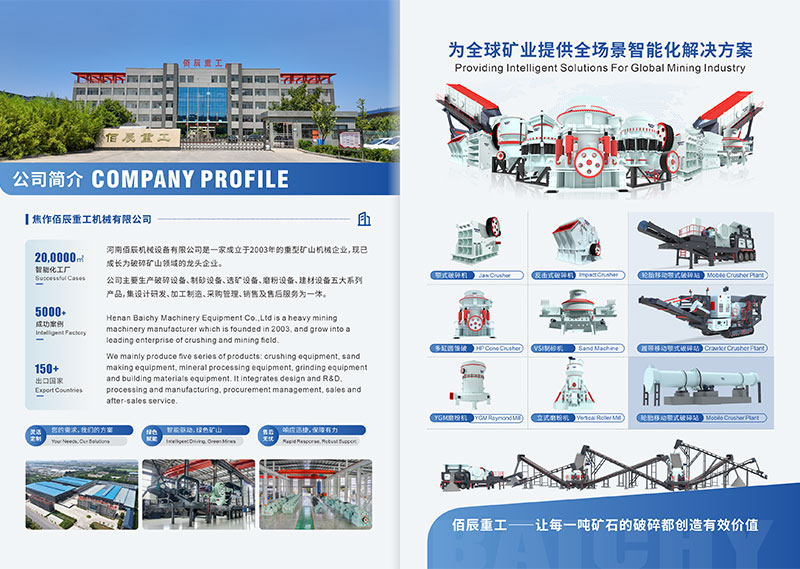
About of Baichy Heavy Industry
Baichy Heavy Industry is a high-tech mining equipment company integrating R&D, manufacturing, sales, and after-sales service. Focusing on crushing, grinding, and mineral processing equipment, we provide professional solutions to our customers. We are ISO9001:2015 、certified, and our products include mobile crushing palnts, crawler crushing plant, construction waste crushing plants, jaw crushers, sand making machines, cone crushers, fine crushers, grinding mills, ball mills, etc., all with reliable performance to meet diverse project needs.
Our advantages:
• Professional pre-sales support: Free project design and comprehensive solutions to help you accurately select the right equipment;
• Comprehensive on-site service: Providing installation guidance and worker training to ensure smooth equipment commissioning;
• Reliable after-sales guarantee: A complete after-sales system, timely response to technical inquiries and equipment maintenance, ensuring long-term stable operation.
To protect your rights, please contact us through the following official channels for professional service:
Official Website Customer Service
WhatsApp: 0086-15093222637
Email: [email protected]
We are committed to providing high-quality equipment and full-cycle services to deliver comprehensive intelligent solutions for the global mining industry!