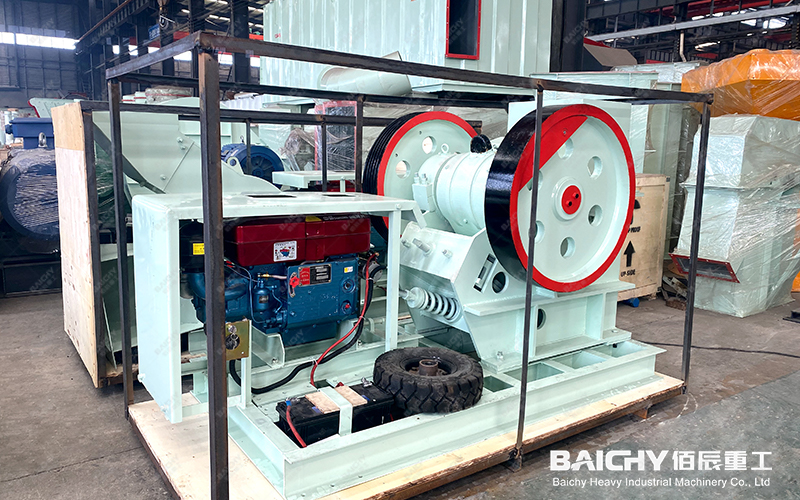
For the many contractors and business owners in Tanzania engaged in construction, road building, or small-to-medium-scale mining development, investing in a small-scale crusher that offers both reliable performance and high cost-effectiveness is the critical first step toward project success. However, the market presents a vast disparity in "small crusher prices"—ranging anywhere from a few thousand to tens of thousands of US dollars—which can often be confusing. This article provides a comprehensive breakdown of the factors influencing these prices, along with expert advice on equipment selection, to help you make a sound investment decision during this Year of the Horse.
I. Market Overview: Why Do Small Crushers Appeal to the Tanzanian Market?
Tanzania’s infrastructure development and mining sectors are experiencing continuous growth; however, large-scale projects coexist with numerous smaller-to-medium-sized projects that are often scattered across wide geographic areas. In this market environment, small-scale crushers have emerged as a highly popular choice due to their unique advantages:
• Flexibility and Mobility: Highly adaptable to various sites, making them ideal for operations in remote locations or areas with limited space.
• Low Investment Threshold: Compared to large-scale production lines, they require lower initial capital investment, offer a faster return on investment, and entail more controllable financial risks.
• Wide Range of Applications: They can be utilized to crush construction waste into recycled aggregates; process materials such as limestone and granite for rural road construction; or process raw ore from small-scale gold and gemstone mines. II. Main Types and Price Range Reference
The table below lists the common types of small-scale crushers found in the Tanzanian market, along with their key features and approximate price ranges (estimated based on CIF Dar es Salaam port delivery terms; actual prices may vary depending on specific configurations):
| Equipment Type | Typical Feed Size | Discharge Size Range | Core Advantages | Estimated Price Range (USD) | Applicable Scenarios |
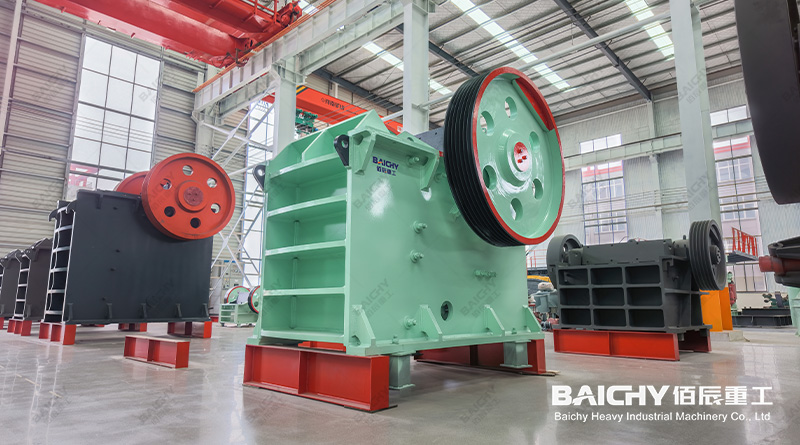
| Small Jaw Crusher | < 400mm | 20–100mm | Simple structure, easy maintenance, impact-resistant | 15,000 – 50,000 | Primary crushing; rocks and concrete with compressive strength < 320 MPa |
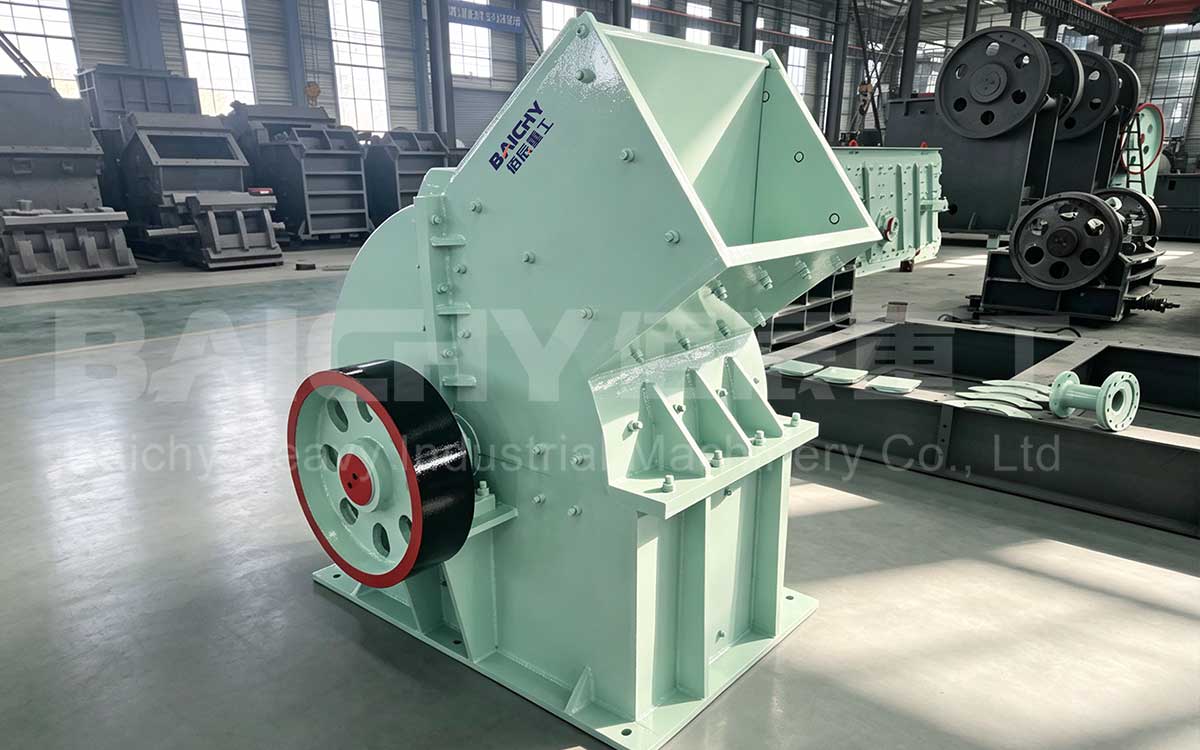
| Small Hammer Crusher | < 400mm | < 25mm | Single-stage crushing, high output, high crushing ratio | 20,000 – 60,000 | Medium-to-soft materials (e.g., limestone, coal gangue, construction waste) |
| Small Impact Crusher | < 300mm | < 40mm | Excellent particle shape, suitable for medium-to-fine crushing | 25,000 – 70,000 | Applications requiring superior particle shape (e.g., road aggregates, construction stone) |
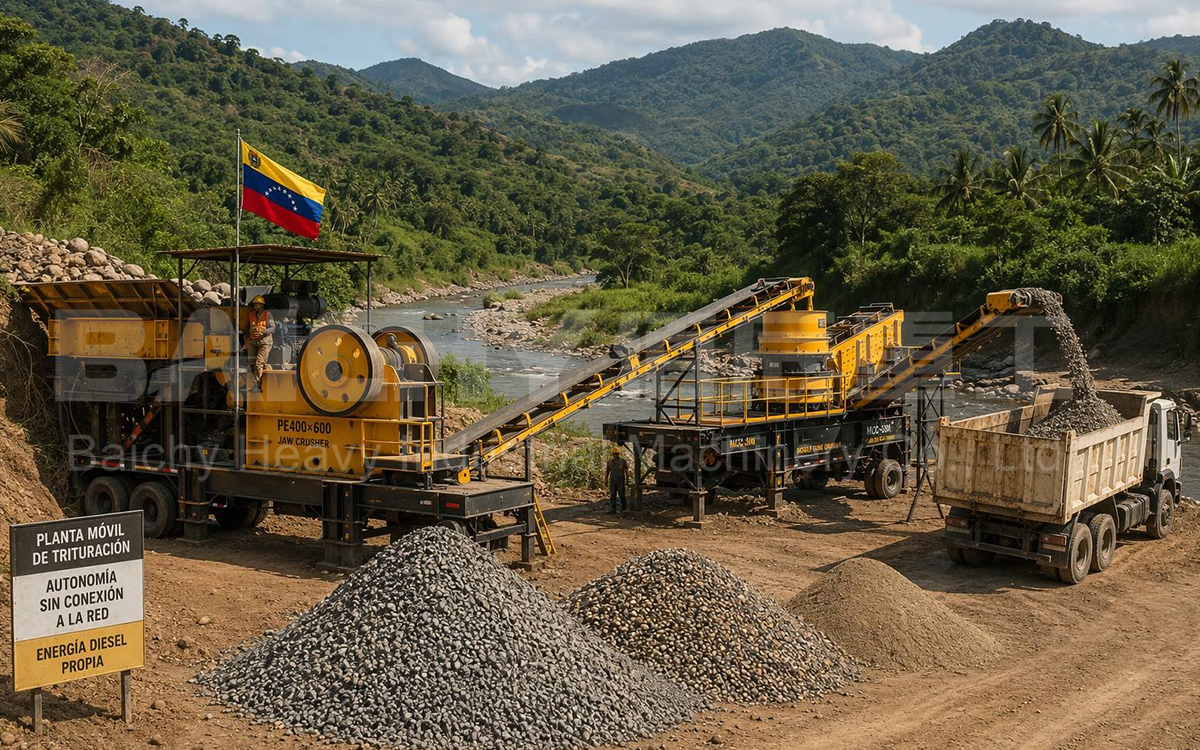
| Small Mobile Crushing Station | Varies by main unit | Varies by main unit | Integrated design, easy site relocation, ready-to-operate | 50,000 – 120,000+ | Multi-site operations, urban demolition projects, remote area operations |
Note: The prices listed above are for reference only; final quotations will be determined based on the specific model, configuration, payment terms, and prevailing sea freight rates at the time of inquiry. Customers planning to make a purchase this year are advised to consult with us as early as possible to obtain a detailed proposal.
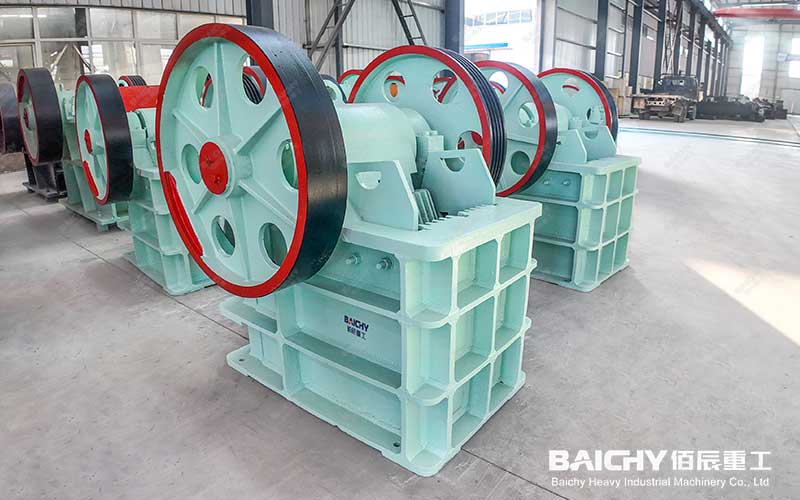
PE250x400 Jaw Crusher
III. Success Stories: Our Equipment in Tanzania
Case Study: Construction Waste Recycling Project in Dar es Salaam
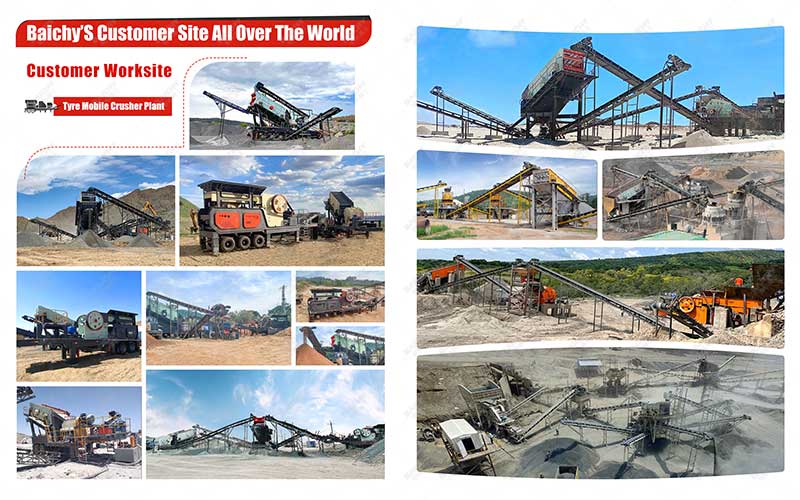
One of our clients purchased a small mobile jaw crusher with a capacity of 50 tons per hour to process concrete rubble generated during urban redevelopment projects. The unit is diesel-powered, making it ideally suited for job sites lacking a stable grid power supply. Since commencing operations last year (the Year of the Snake—JiSi), the facility has successfully converted construction waste into high-quality recycled aggregates, which are now utilized as road base layers in local projects. This initiative has achieved a win-win outcome—benefiting both environmental protection and profitability—and the initial equipment investment was fully recouped within just 14 months.
IV. Professional Advice for Buyers in Tanzania
1. Define Your Needs; Select Equipment Accordingly: Begin by analyzing the hardness and dimensions of the materials to be crushed, as well as the required specifications for the final product. Then, select the equipment that best matches these criteria to avoid scenarios where the machinery is either oversized for the task ("using a sledgehammer to crack a nut") or subjected to overloading.
2. Prioritize After-Sales Support Over Base Price: In Tanzania, reliable local after-sales support and the ready availability of spare parts are ten times more important than minor differences in the initial purchase price. It is imperative to choose a supplier that maintains service centers within Tanzania or the wider East African region.
3. Consider the "Total Cost of Ownership" (Equipment Lifecycle Cost): This encompasses the initial purchase price, operational energy consumption, the frequency of wear-part replacements, and labor costs associated with maintenance. In the long run, a piece of equipment that offers proven reliability and low energy consumption will prove to be the more cost-effective choice.
V. Frequently Asked Questions (FAQ)
Q1: Aside from the machine itself, what other costs must I pay when importing equipment into Tanzania?
A1: The primary additional costs include: sea freight and insurance fees from China to Tanzania (these are typically included in the CIF price); Tanzanian import duties and Value Added Tax (VAT)—rates vary depending on the specific commodity code and should be confirmed in advance with your customs clearance agent; port handling charges; and inland transportation costs from the Port of Dar es Salaam to your specific job site.
Q2: How should I choose between electric and diesel-powered equipment?
A2: If your crushing site is fixed (stationary) and has access to a stable industrial power supply, electric-driven equipment offers lower operating costs and is more environmentally friendly. However, if your job site is remote, frequently relocated, or suffers from an unstable power supply, diesel-driven equipment is the necessary choice—despite the higher fuel costs involved. We also offer dual-power models (diesel-electric hybrids) that allow for flexible switching between power sources.
Q3: How can I ensure that I will receive ongoing access to spare parts and technical support?
A3: When selecting a supplier, be sure to inquire directly about the scope and structure of their after-sales service network within the East African region. Reputable manufacturers will commit to providing service support in local languages, maintaining stocks of common spare parts in key regional hubs, and providing clear, comprehensive training materials for equipment operation and maintenance. It is crucial to clearly specify the after-sales response time and warranty coverage in the contract.
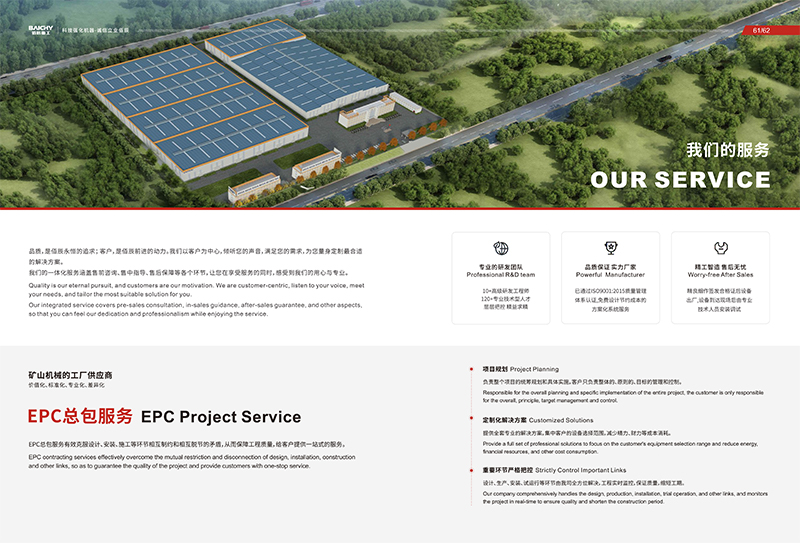
Baichy Heavy Industry – Your Trusted Partner for Seamless Equipment Operation
To ensure optimal performance of your equipment, Baichy Heavy Industry offers:
- Professional on-site installation guidance
- Comprehensive operator training
- 24/7 technical support & maintenance services
Our complete after-sales service system guarantees long-term, stable operation of your machinery with minimal downtime.
Protect Your Rights – Only Use Official Channels
To avoid scams and ensure authentic support, contact us exclusively through:
• Official Website: www.baichychina.com
• WhatsApp: +8615093222637
• Email: [email protected]
Your satisfaction is our priority – expect prompt, professional service every time.
(Note: Beware of unauthorized third parties claiming to represent Baichy. Always verify through official contacts.)
Further reading:
500 t/h Crushing Production Line Case
Jaw Crusher Vs Cone Crusher | Which One Is Better For Hard Rock Crushing?
How To Choose A Suitable Mining Stone Crusher?
Key Points In Designing Sand And Gravel Aggregate Production Line