
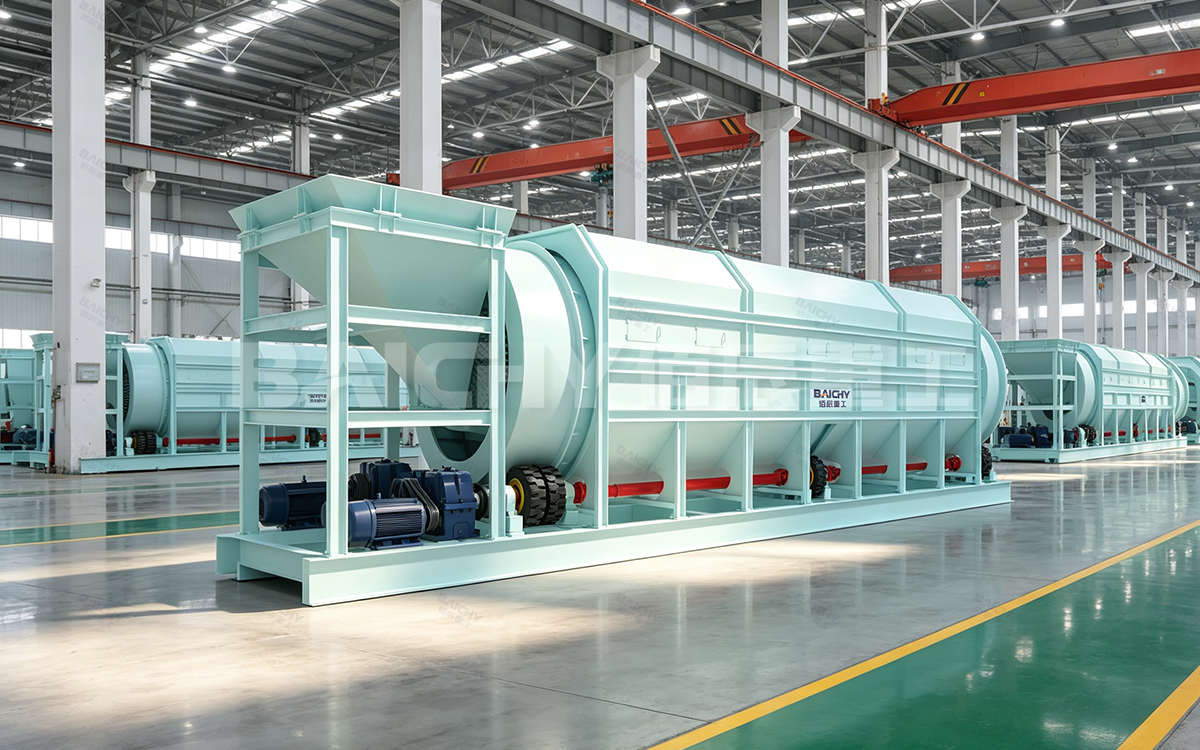
Trommel Screen for Wood Waste and Soil
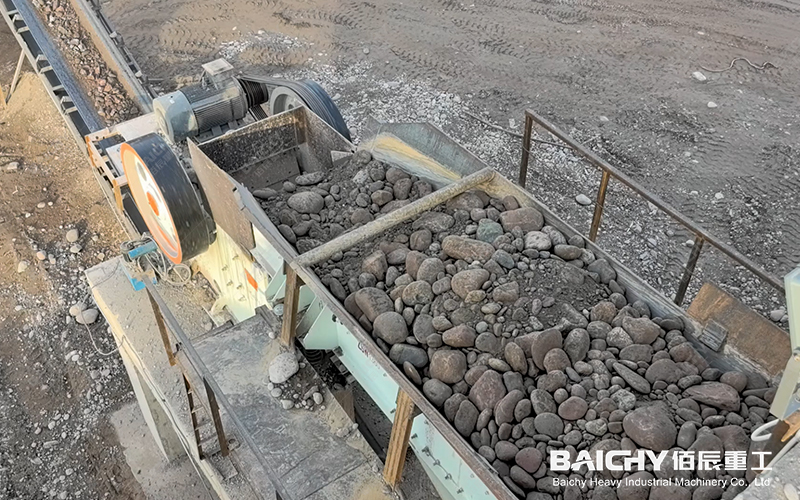
Yes. A trommel screen can separate larger wood waste from soil when the two materials have a clear difference in particle size. The rotating drum lifts and tumbles the mixed material across a perforated screen. Fine soil and small particles pass through the openings, while larger branches, bark, roots, and wood pieces move to the end of the drum.
This makes a trommel screen a practical option for land-clearing waste, green waste, sawmill residues, compost feedstock, and construction materials mixed with earth. It can create two main streams: screened soil and oversize wood waste.
However, a trommel screen separates mainly by size, not by material type. Small wood chips may fall through with the soil. Wet soil may also stick to large wood pieces. Therefore, a trommel is highly suitable for basic separation, but a high-purity wood product may require additional equipment such as a shredder, magnetic separator, air separator, or manual sorting station.
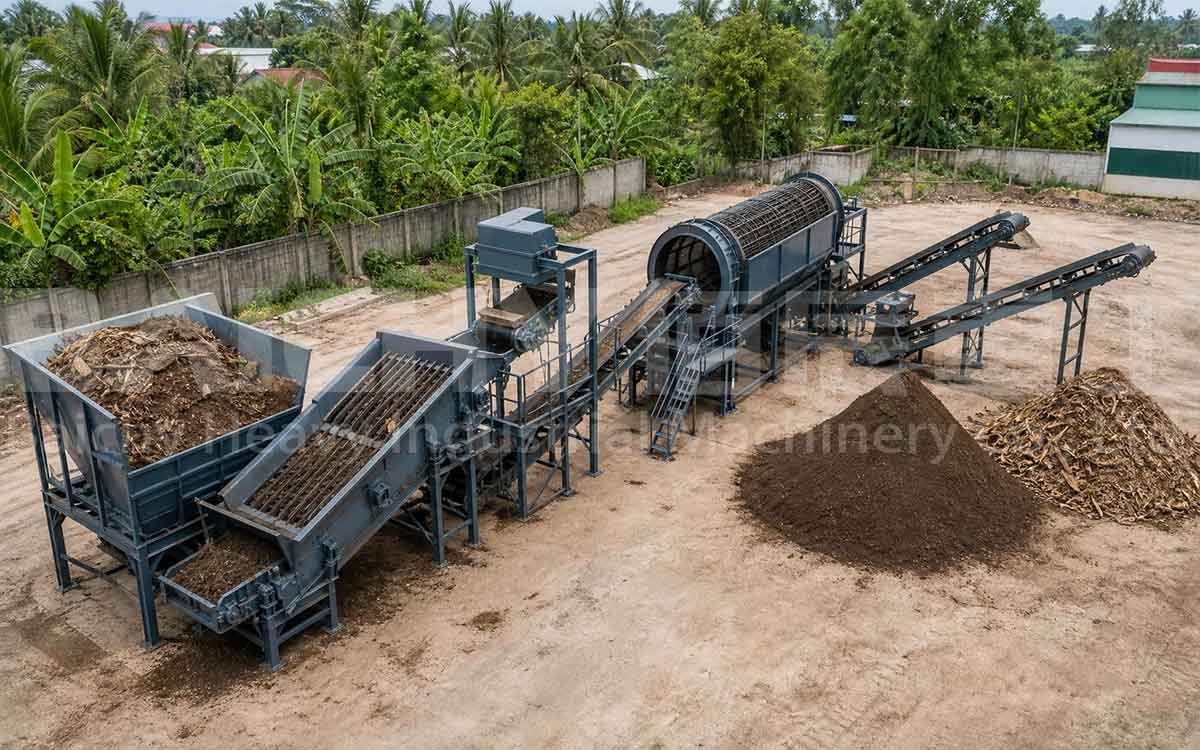
Trommel Screen for Wood Waste and Soil
Why Use a Trommel Screen?
A trommel screen provides continuous screening and can handle bulky, irregular, and organic materials. It normally requires less manual labor than hand sorting and is more tolerant of large wood pieces than many conventional fine-screening machines.
It is suitable when the customer wants to:
• Remove soil from branches, roots, bark, and green waste;
• Recover larger wood pieces from excavation or clearing waste;
• Produce a coarse soil fraction for landscaping or backfilling;
• Prepare wood waste for chipping or biomass fuel;
• Reduce the amount of mixed waste sent to landfill;
• Process material continuously at a recycling site.
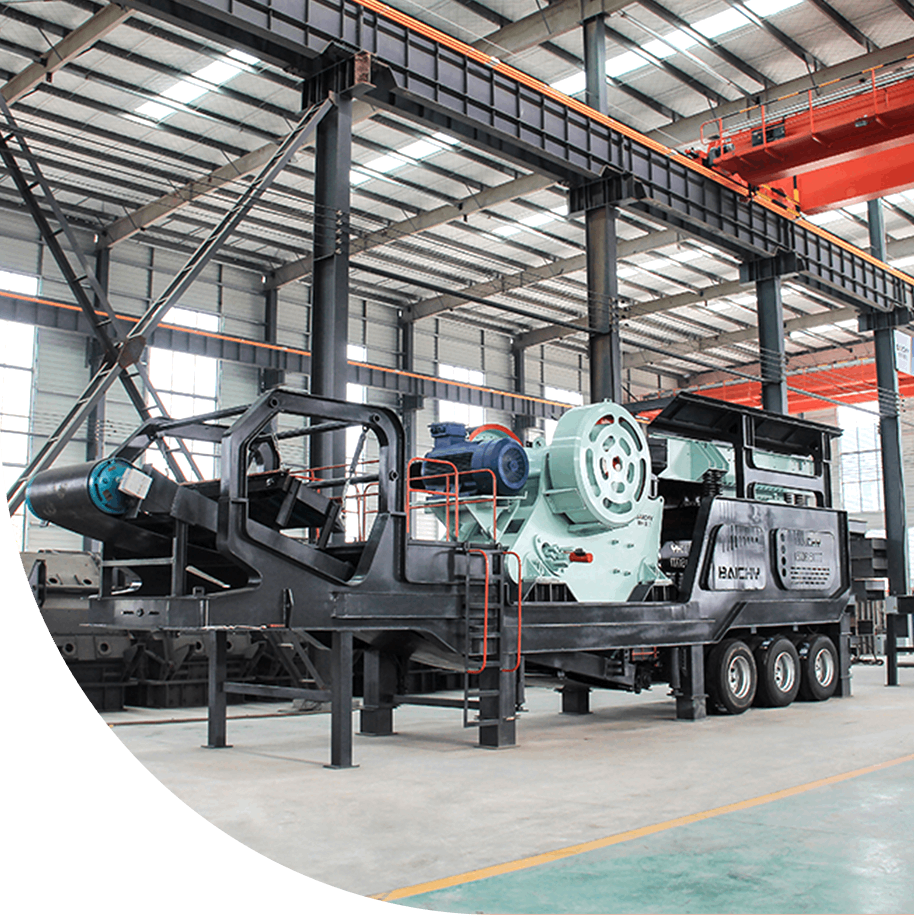
The machine may be stationary, semi-mobile, trailer-mounted, or tracked. The best choice depends on the site layout, available power, and whether the customer must move between work areas.
How the Process Works?
A loader feeds the mixed material into a hopper or onto a conveyor. A grizzly or coarse pre-screen can remove very large stones and debris. If the material contains long branches, tangled roots, or compacted lumps, a shredder, cutter, or lump breaker may be installed before the trommel.
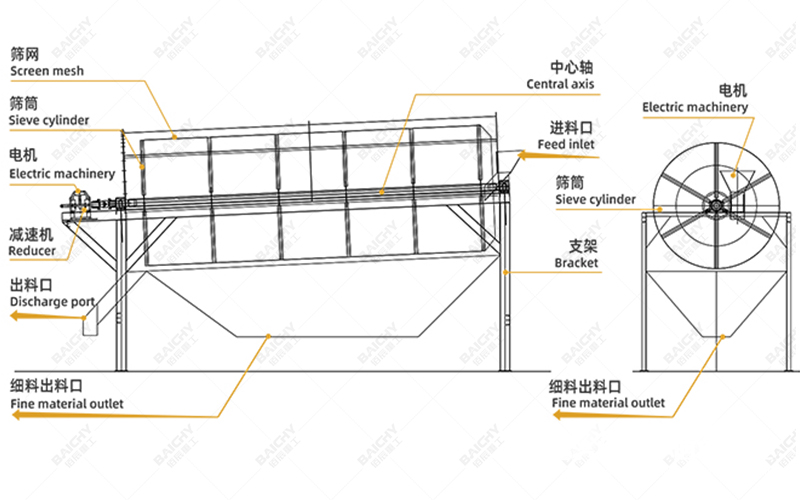
Structural diagram of a trommel screen
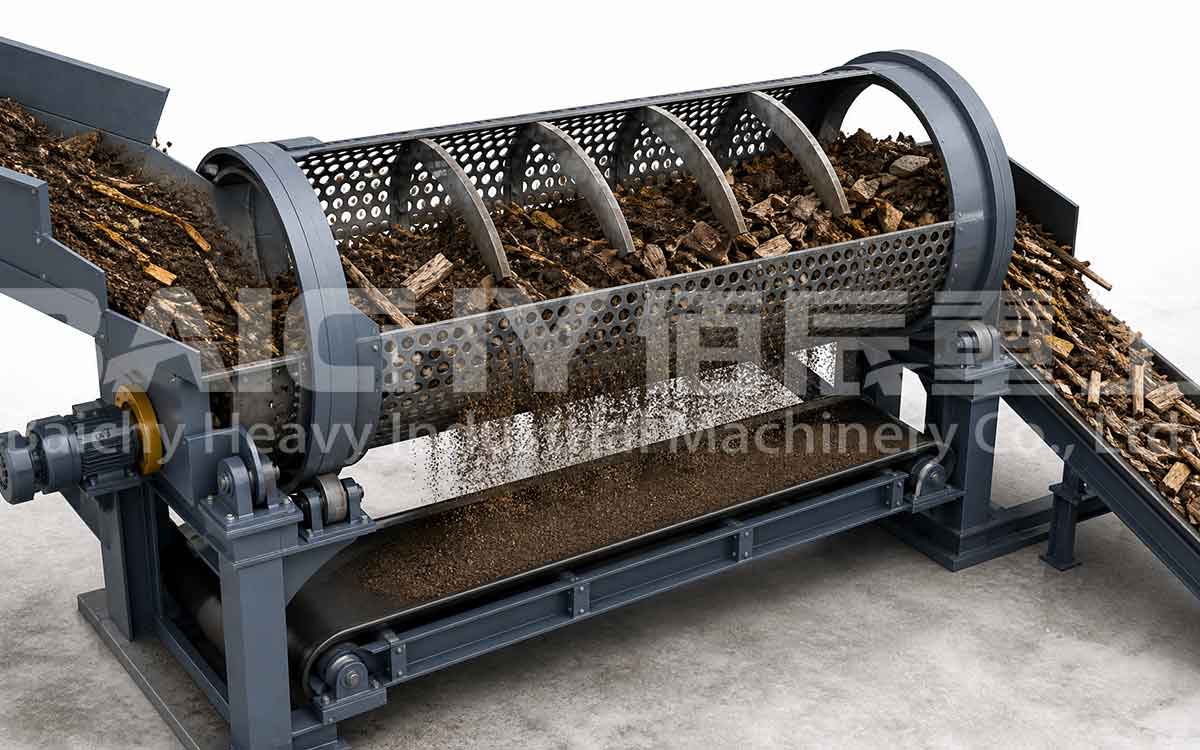
Inside the drum, lifter bars raise and drop the material repeatedly. This action helps loosen soil from the wood surface. Fine material passes through the screen, while oversize wood travels toward the discharge end. A multi-section drum can use different openings to produce more than one soil fraction.
A typical process is:
1. Feed hopper or loading area;
2. Grizzly or coarse pre-screen;
3. Optional shredder or lump breaker;
4. Magnetic separator for nails and steel;
5. Trommel screen;
6. Screened soil discharge;
7. Oversize wood discharge;
8. Optional air separator or manual sorting station.
The configuration should match the feedstock. Clean green waste may not require magnetic separation, while construction wood mixed with soil may contain nails, wire, and other metal contaminants.
How to Select the Right Trommel Screen?
The correct machine should be selected according to the raw material, target products, capacity, and working conditions—not capacity alone.
| Selection factor | Why it matters | Key consideration |
|---|---|---|
| Feed capacity | Determines machine size | Tons per hour and peak loading rate |
| Screen opening | Controls the soil/wood split | Target soil size and minimum wood size |
| Drum diameter and length | Affects capacity and retention time | Larger screening area for heavier feed |
| Moisture and clay content | Influences screen blinding | Brushes, anti-blinding design, or lower feed rate |
| Wood shape and length | Determines wrapping risk | Pre-shredding and anti-wrapping structure |
| Contaminants | Protects equipment and output quality | Grizzly, magnet, air separator, or manual sorting |
| Mobility | Affects installation and relocation | Stationary, skid-mounted, trailer-mounted, or tracked |
Screen Opening
Screen opening is one of the most important specifications. If the opening is too large, too much soil may remain with the wood. If it is too small, the screen may blind more easily and useful wood may be classified as oversize. The opening should be chosen according to the required soil size, the smallest wood pieces to be recovered, and the feed moisture.
Drum Size, Speed, and Inclination
Drum diameter and length affect the available screening area and the time material remains inside the machine. Drum speed and inclination control how quickly the material moves. A higher speed may increase movement but reduce screening time, while a lower speed may improve separation but reduce capacity. These settings should be verified with representative material rather than selected only from nominal specifications.
Screen Construction
Perforated steel plate is often suitable for heavy and abrasive materials. Woven wire can be used for certain screening requirements. A modular, replaceable screen is useful because the customer may later need a different opening for another feedstock or final product.
Trommel Screen for Wood Waste and Soil
Is One Trommel Screen Enough?
For basic size separation, one trommel screen may be enough when the wood is larger than the soil and the material is relatively dry or moderately moist. The oversize wood can then be sent for chipping, biomass fuel preparation, compost bulking, or further inspection.
A complete system is better when high product purity is required. A shredder can break up long branches and compacted material before screening. A magnetic separator removes nails and steel. An air separator can separate light wood from heavier soil and stones after screening. Manual sorting can remove plastic, cable, and unusual contaminants.
The final use of each product should guide the design. Wood for biomass fuel may need strict metal removal. Recycled wood may require stronger contaminant control. Soil for landscaping may need a smaller and more uniform fraction. The system should therefore be designed around the desired output, not only the name of the input material.
Frequently Asked Questions
1. Can a trommel screen completely separate wood from soil?
It can separate most larger wood waste from fine soil when there is a clear size difference. It cannot guarantee complete material-type separation because small chips may pass through and wet soil may remain attached to wood. Air separation or manual sorting may be needed for high-purity recovery.
2. What should be done if the soil is wet and sticky?
Use a suitable screen design, cleaning brushes, anti-blinding features, controlled feeding, and a lower feed rate when necessary. Covered feeding and proper drainage also help. Extremely sticky clay should be tested before the final machine is selected.
3. Can the trommel process tree branches and roots?
Yes, but long branches and roots may wrap around rotating components. Pre-shredding, cutting, or an anti-wrapping drum design can reduce blockages. The maximum acceptable feed length should be confirmed with the supplier.
4. Is a shredder required before the trommel screen?
Not always. A shredder is recommended when the wood is oversized, tangled, long, or compacted with soil. Loose branches and wood pieces within the acceptable feed size may be screened without a shredder.
5. What information is needed for a machine recommendation?
Provide material photos or videos, required capacity, wood size, soil type, moisture condition, wood-to-soil ratio, target screen size, desired product purity, and the intended use of both output streams. A representative material test gives the most reliable result.

Baichy Heavy Industry
Baichy Heavy Industry is a high-tech mining equipment company integrating R&D, manufacturing, sales, and after-sales service. Focusing on crushing, grinding, and mineral processing equipment, we provide professional solutions to our customers. We are ISO9001:2015 Certified, and our products include mobile crushing palnts, crawler crushing plant, construction waste crushing plants, jaw crushers, sand making machines, cone crushers, fine crushers, grinding mills, ball mills, etc., all with reliable performance to meet diverse project needs.
Baichy Heavy Industry – Your Trusted Partner
To ensure optimal performance of your equipment, Baichy Heavy Industry offers:
- Professional on-site installation guidance
- Comprehensive operator training
- 24/7 technical support & maintenance services
Our complete after-sales service system guarantees long-term, stable operation of your machinery with minimal downtime.
Protect Your Rights – Only Use Official Channels
To avoid scams and ensure authentic support, contact us exclusively through:
• Official Website: www.baichychina.com
• WhatsApp: +8615093222637
• Email: [email protected]
Your satisfaction is our priority – expect prompt, professional service every time.
(Note: Beware of unauthorized third parties claiming to represent Baichy. Always verify through official contacts.)