
Analysis of the Copper Ore Beneficiation Plant Process Flowchart
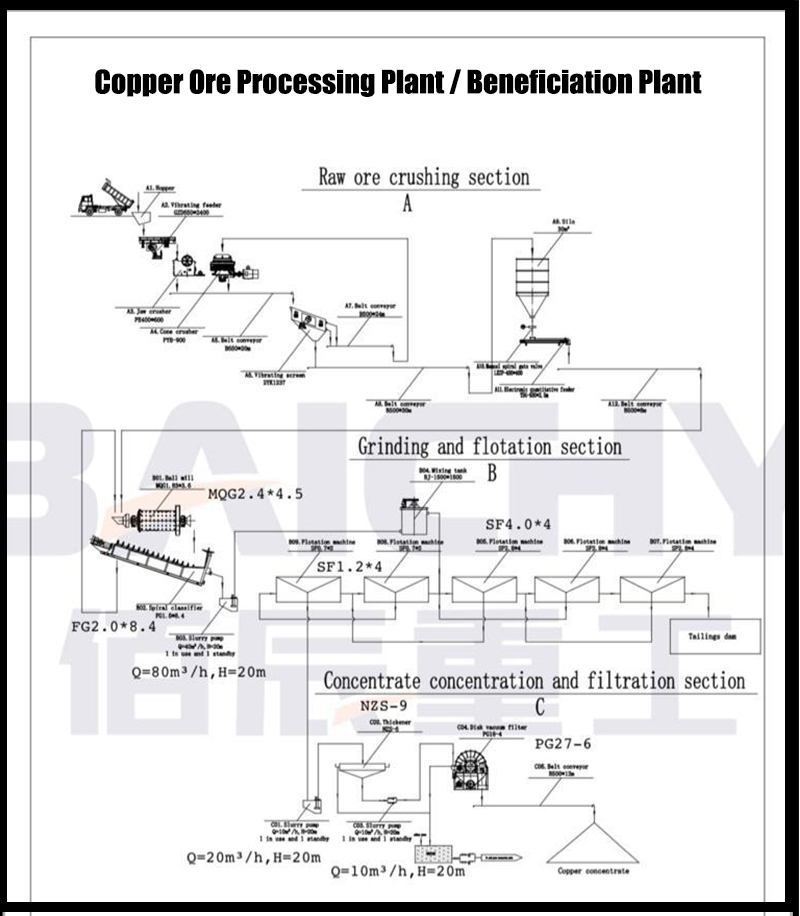
This is a standard process flowchart for a copper ore beneficiation plant. It clearly illustrates the complete processing sequence—from raw ore to finished copper concentrate—representing a concrete implementation of the "crushing-grinding-flotation-dewatering" standard process route commonly adopted by modern beneficiation plants.
Detailed Explanation of the Core Process Flow
The entire process can be pided into three key stages:
1. Raw Ore Crushing Stage
• Objective: To crush large blocks of raw ore down to a particle size suitable for grinding.
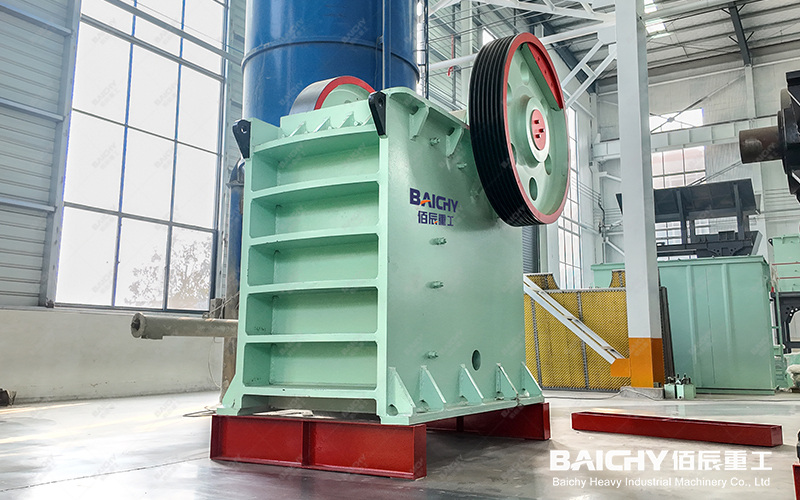
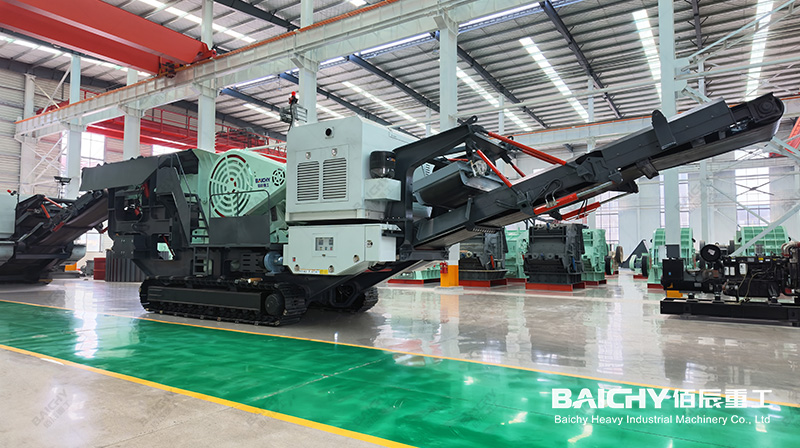
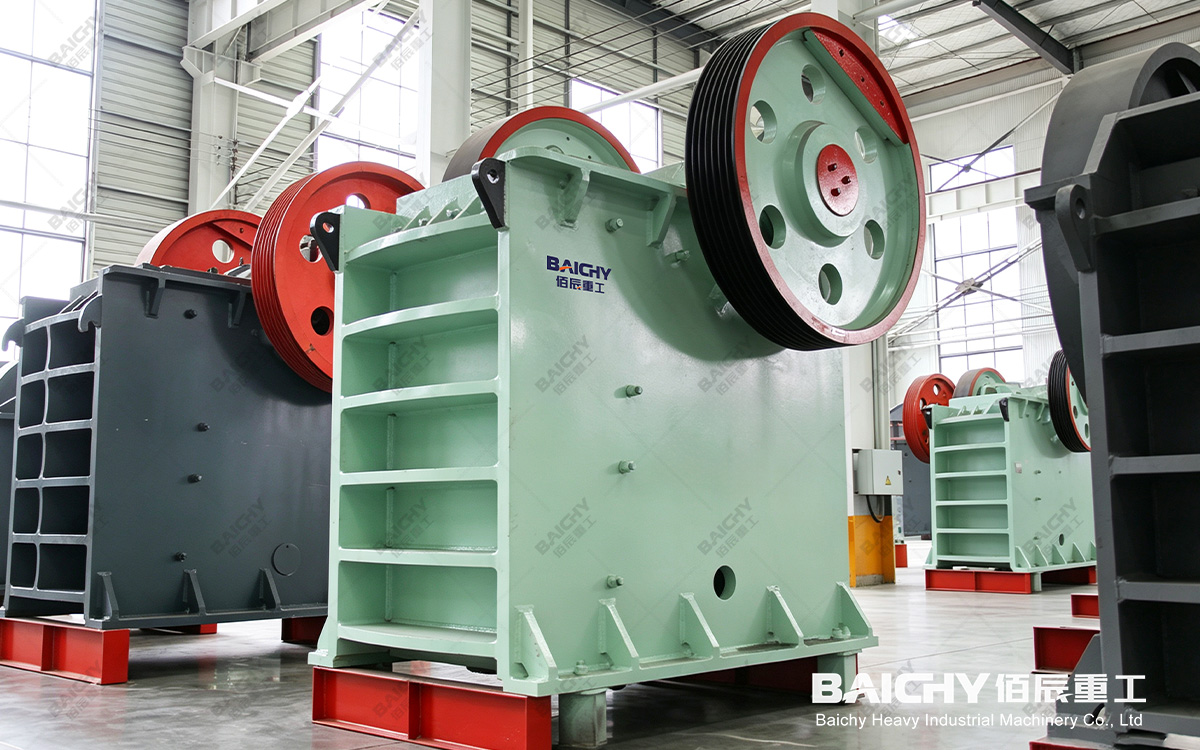
Jaw Crusher For Gold Mining
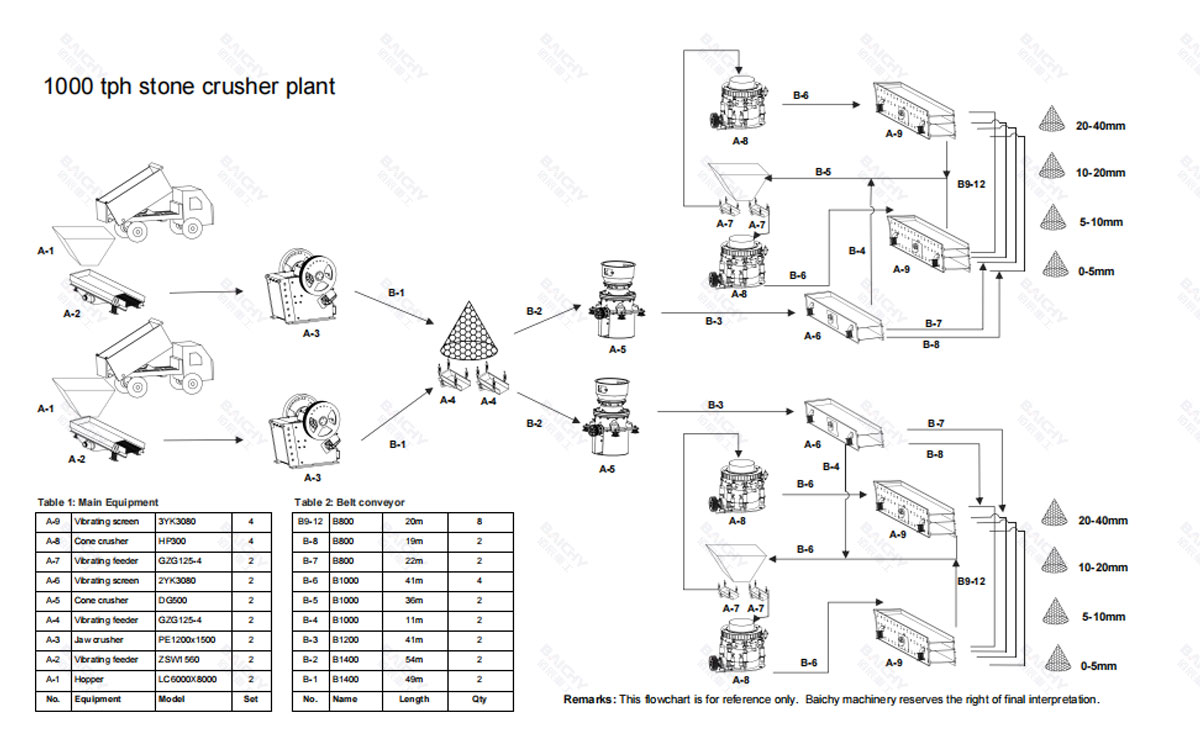
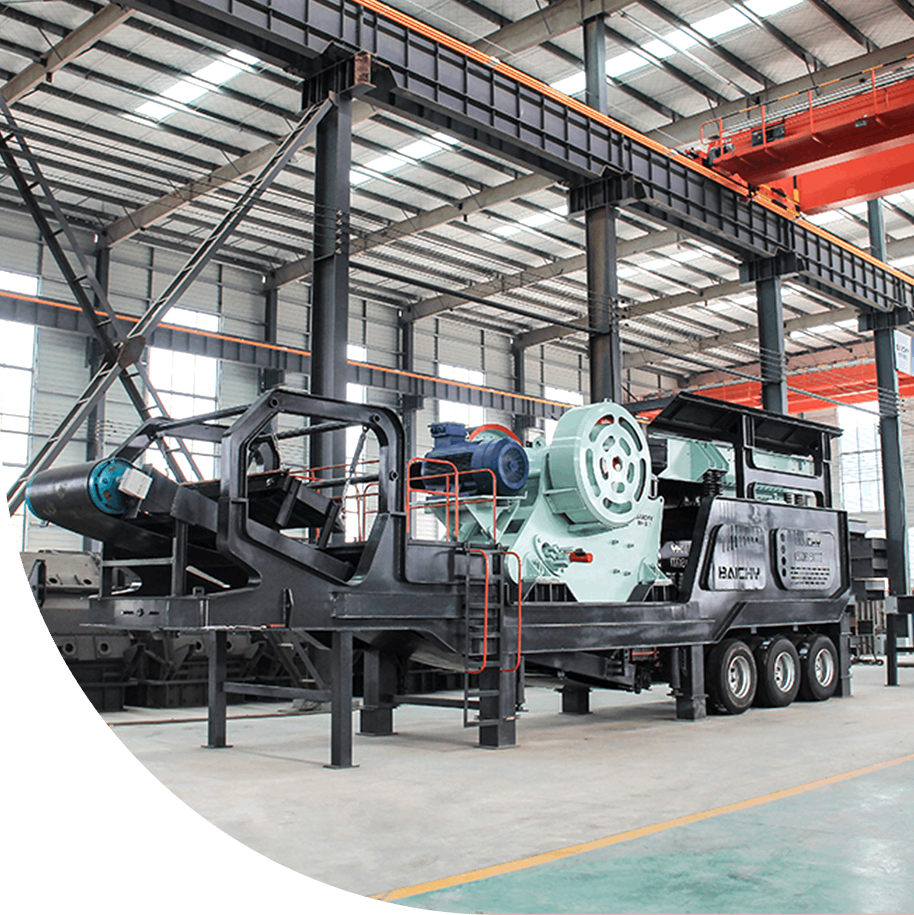
• Process Flow: Raw Ore (A1) → Vibrating Feeder → Jaw Crusher (Primary Crushing) → Cone Crusher (Secondary Crushing) → Vibrating Screen (Screening/Sizing Check) → Crushed Ore.
• Key Feature: Employs a "closed-circuit crushing" process; oversized ore particles retained on the screen are returned to the crusher for re-crushing, ensuring that the ore entering the grinding circuit is of a uniform particle size.
2. Grinding and Flotation Stage
• Objective: To achieve mineral liberation (dissociation of inpidual mineral particles) and to separate the copper concentrate by exploiting differences in physicochemical properties.
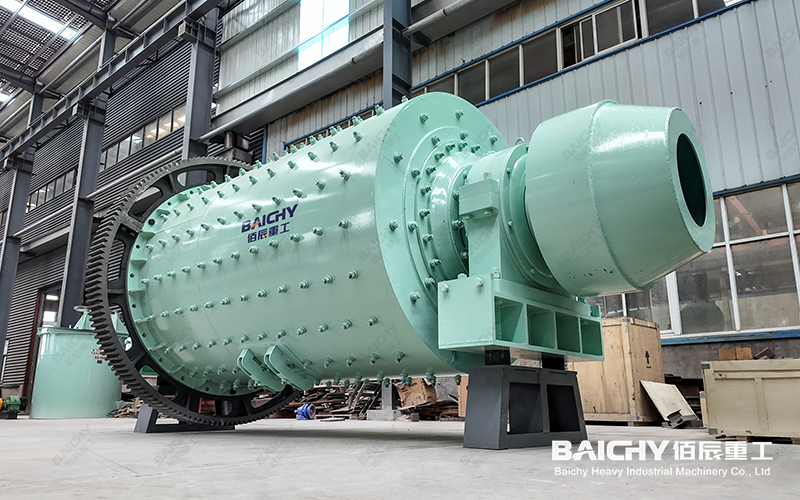
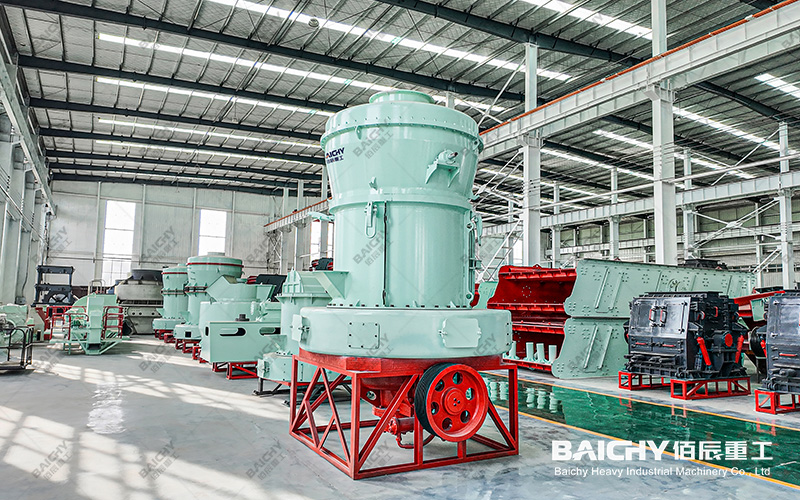
wet ball mill
• Grinding Process: Crushed Ore → Ball Mill (Fine Grinding) → Hydrocyclone / Spiral Classifier (Classification/Sizing) → Classified Slurry.
• Flotation Process: The classified slurry enters a bank of flotation machines (e.g., SF-type or NZS-type units), undergoing a sequence of operations—including roughing, cleaning, and scavenging—to progressively increase the concentrate grade and metal recovery rate. Finally, the tailings (waste material) are transported to a tailings pond for storage.
3. Concentrate Dewatering Stage
• Objective: To dewater the copper concentrate slurry obtained from flotation, producing a final product with an acceptable moisture content that is suitable for transportation.
• Process Flow: Concentrate Slurry → Thickener (Gravity thickening to remove the majority of water) → Filter (e.g., Disc Filter, for further deep dewatering) → Finished Copper Concentrate.
FAQs (Frequently Asked Questions)
1. Q: What is the core process technology used in a copper ore beneficiation plant?
◦ A: The core process technology is "flotation." After crushing and grinding, specific "collectors" and "frothers" are added to the mineral slurry. This causes the valuable copper-bearing mineral particles to selectively attach to air bubbles, forming a foam layer that is then skimmed off, thereby achieving efficient separation from the gangue (useless rock).
2. Q: How do the functions of the "thickener" and the "filter" differ within the process flowchart?
◦ A: Both are dewatering devices, but they operate at different stages and utilize different principles. The thickener is positioned at the upstream end; it relies on gravity sedimentation to concentrate the slurry, transforming a dilute slurry into a dense one (known as the underflow). While it handles a large throughput, the resulting product remains in a liquid state. The filter is positioned at the downstream end; it utilizes vacuum suction or pressure to filter the thickened slurry, yielding a solid filter cake with a very low moisture content (typically <15%)—which constitutes the final concentrate.
3. Q: What is the function of a tailings pond? What environmental protection requirements apply to it?
◦ A: A tailings pond is used to store the tailings (primarily composed of water and fine-grained gangue) generated during the mineral processing stage. Its core functions are to facilitate solid-liquid separation, enable water recovery and reuse, and ensure the safe storage of solid waste. Modern mineral processing plants are subject to strict environmental regulations regarding tailings ponds; these include requirements for anti-seepage designs, dam structural safety monitoring, the recovery and reuse of clarified water, and ecological restoration following the closure of the facility, all aimed at preventing environmental pollution and geological hazards.