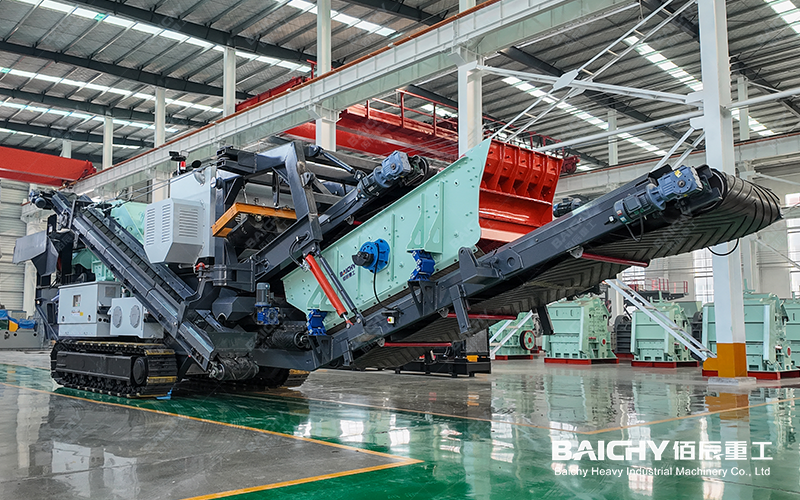
Tracked Mobile Crusher Plants
Choosing the wrong crushing equipment not only wastes money but can also bring your entire project to a standstill.
If your project sites are scattered, the terrain is complex, or you need to process materials directly on-site, a stationary production line may become your biggest bottleneck. A tracked mobile crushing plant is the key to unlocking true operational flexibility and cost-effectiveness.
In this ultimate guide for 2026, we'll break down everything you need to know: from core definitions and main types (jaw, cone, impact), to how to select the right model based on your specific materials, output, and site conditions. We'll also analyze current market cost expectations and important maintenance tips to protect your investment.
Let's begin.
1. What is a Tracked Mobile Crushing Plant?
A tracked mobile crushing plant is a complete, independent crushing and screening system mounted on a tracked chassis. Unlike a stationary production line, it integrates the feeder, crusher, screener, and conveyor into a highly mobile unit. Its core value lies in mobility and self-sufficiency—it can self-drive or transport materials to the source or work surface, completely eliminating the huge costs and time delays associated with transporting raw materials and building fixed foundations.
Main Application Scenarios:
• Building Demolition and Waste Recycling: Processing concrete, asphalt, and bricks on urban or space-constrained construction sites.
• Quarrying and Mining: Suitable for small to medium-scale operations, especially for processing topsoil or dispersed ore bodies.
• Infrastructure Projects: Perfectly adapted to linear projects such as highways and railways, moving as the project progresses.
• Complex Terrain Operations: In muddy, soft, or uneven road conditions, its mobility surpasses that of wheeled mobile stations thanks to lower ground pressure and better traction.
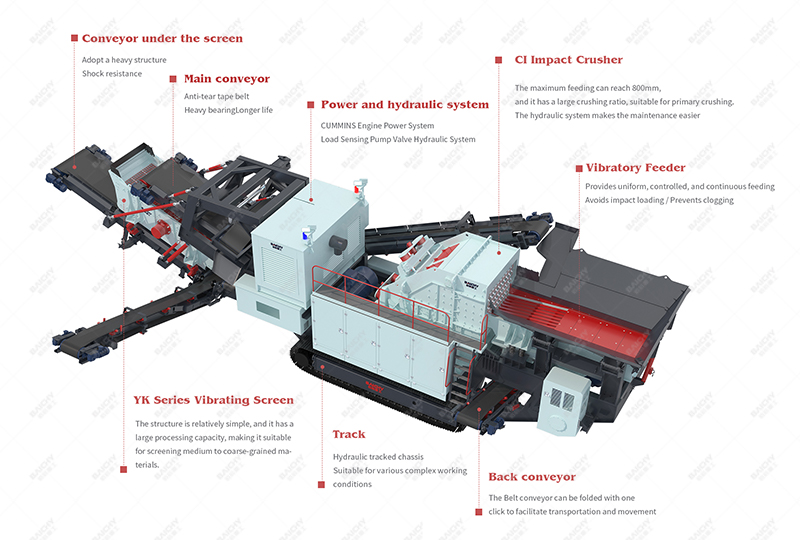
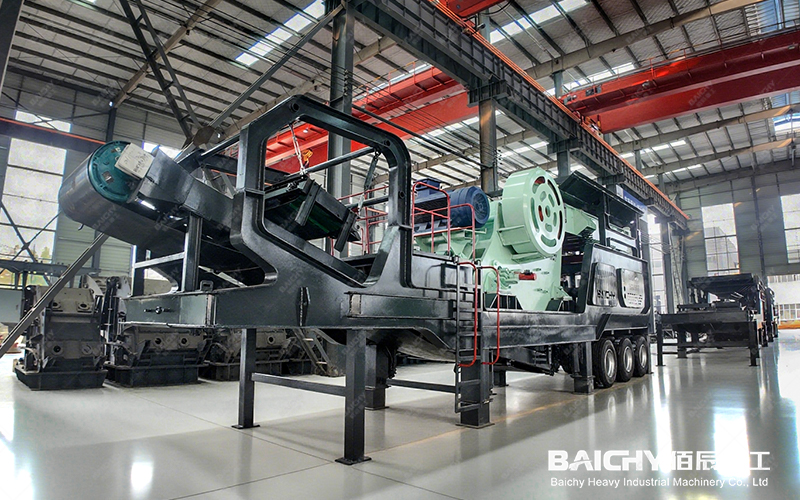
Structural diagram of tracked jaw crusher station
2. Main Types of Tracked Mobile Crushing Stations
Primarily classified according to the main unit it carries. The following is an analysis of the most common types, sorted by user demand.
| Type | Core Features | Best Applicable Scenarios/Materials |
| Tracked Mobile Jaw Crusher | The mainstay of primary crushing. Designed for the hardest materials. Featuring a large feed opening and a robust, simple structure, ideal for initial coarse crushing operations. | Primary crushing of hard rock (granite, basalt), large concrete blocks, and demolition waste. The first step in a multi-stage crushing process. |
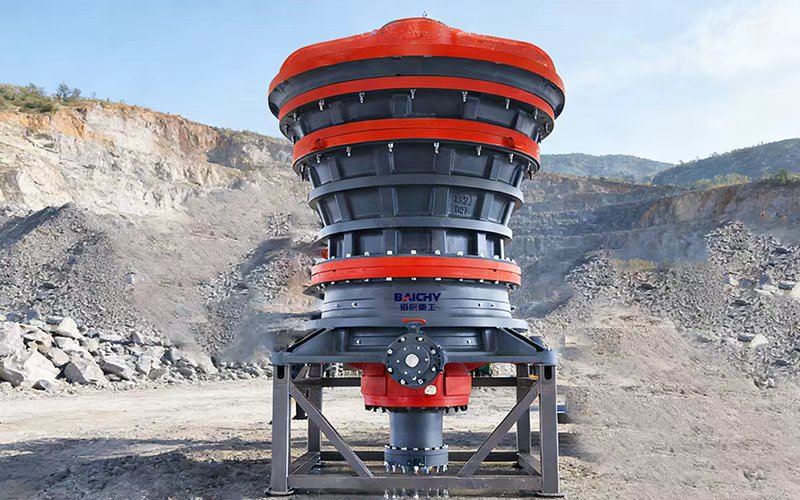
| Tracked Mobile Cone Crusher | Specialized equipment for medium and fine crushing. Utilizes the gyratory motion of a moving cone within a concave crushing chamber to achieve layered crushing. Produces high-quality finished feed with uniform, cubic particle shape. | Produces sized aggregates for asphalt and concrete. Crushes medium to high hardness, abrasive rocks. Essential when product particle shape and gradation consistency are critical. |
| Tracked Mobile Impact Crusher | Experts in medium and fine crushing and shaping. Utilizes high-speed impact crushing of materials using hammer plates or hammers. Excels at producing finished products with good particle shape and angular features. | Crushing of medium to low hardness, non-abrasive materials such as recycled materials (asphalt, concrete) and limestone. Ideal when a high crushing ratio and good particle shape are required. |
| Tracked Mobile Screening Station (Auxiliary Equipment) | Equipment specifically designed for material grading. It does not crush itself, but is crucial for separating crushed materials into precise finished product sizes. Often used in closed-loop systems with various mobile crushers. | Screening (removing fines before crushing) or finished product grading. Improves the flexibility and yield of the overall production line. |
3. How to Choose the Right Tracked Mobile Crushing Station? (Four-Step Guide)
Choosing the wrong equipment is costly. Follow this framework to make informed decisions.
1. Analyze Your Feed Material (Primary Factor)
• Hardness and Abrasiveness: Hard, highly abrasive rocks (such as granite) require a robust jaw crusher + cone crusher combination. Less abrasive materials (such as limestone, recycled concrete) can be efficiently handled by a jaw crusher + impact crusher combination.
• Size and Impurities: The maximum feed size determines the required feed inlet size for your primary crusher. Does the material contain reinforcing steel, soil, or clay? This will affect the design of the feeder and discharge belt.
2. Define Your Production Needs
• Calculate the required tonnage per hour based on your project schedule and overall workload. Avoid overinvesting in unused capacity and prevent insufficient production from becoming a bottleneck for the entire operation.
3. Assess Your Site and Mobility Needs
• How often do you need to move? Daily, weekly, or monthly? Tracked equipment performs well in frequent, short-distance relocations.
• What are the ground conditions like? Wet, soft, or uneven terrain is precisely where tracked equipment has an advantage over wheeled equipment.
• Is multi-machine operation required? Consider the compatibility between equipment (bucket height, conveyor length) and control synchronization.
4. Understand Total Cost of Ownership
• The purchase price is merely the entry ticket.
• Operating costs: Fuel efficiency, wear parts consumption (jaw plates, mantles, hammers).
• Maintenance and support costs: Convenience of routine maintenance, availability of spare parts, and proximity of technical support.
Professional Advice: Don't just compare bare machine prices! Request a total cost of ownership estimate from the supplier based on your specific materials, and include the estimated cost of wear parts and service intervals in your comparison.
4. Core Maintenance Techniques for Extending Equipment Life
Preventative maintenance is the most economical form of upkeep.
• Daily/Pre-Start Inspection: Check track tension and wear, inspect bolts for looseness or hydraulic system leaks, ensure belt alignment, and clean debris from protective devices and radiators.
• Regular Maintenance: Strictly adhere to the manual's instructions when changing oil, grease, and filters. Use only recommended oils.
• Wear Parts Management: Regularly measure the wear of wear parts such as liners, jaw plates, and hammers. Replace them symmetrically to maintain balance and crushing efficiency.
• Troubleshooting Common Problems:
◦ Decreased Output: Usually caused by uneven feeding, excessive wear of wear parts, or screen clogging.
◦ Abnormal Vibration: Check for uncrushable objects in the crushing chamber, rotor/hammer imbalance, or loose mounting bolts.
◦ Belt Misalignment/Slippage: Adjust the tensioning device and clean any adhering substances from the drum surface.
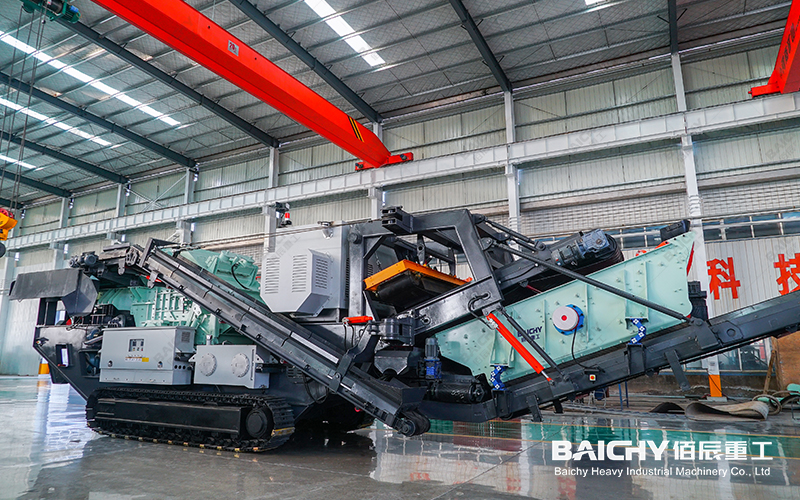
Crawler Impact Crusher
5. 2026 Tracked Mobile Crushing Plant Cost Analysis
Tracked equipment is a high-end solution. Its investment is significantly higher than that of wheeled or stationary production lines.
• Price Range (The following are estimates only due to significant differences in configuration, brand, and region):
◦ Small to Medium-Sized Single Unit: Approximately US$150,000 - US$500,000.
◦ Large/High-Performance Single Unit: Approximately US$500,000 - Over US$1,500,000.
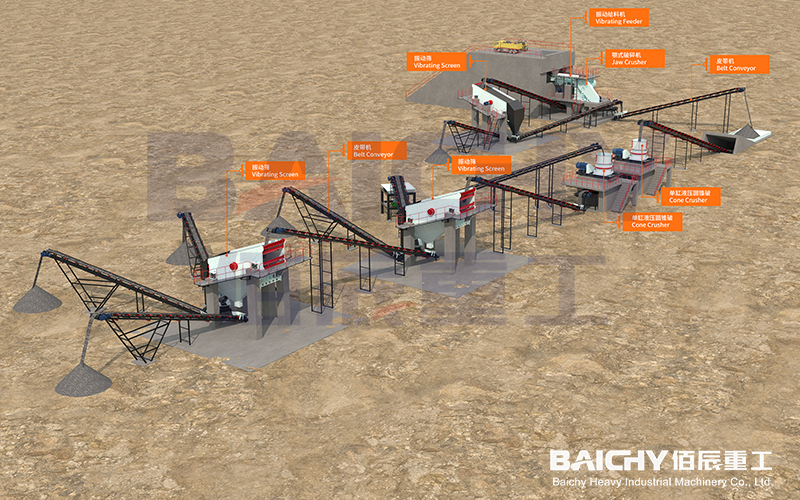
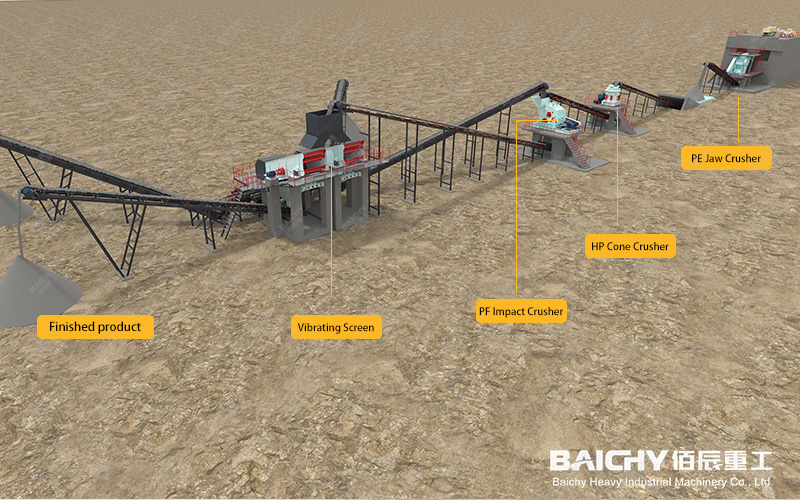
◦ Complete Production Line (Jaw Crusher + Cone Crusher/Impact Crusher + Screening Station): Potentially exceeding US$2,000,000.
• Key Factors Affecting Price:
1. Brand: Established European and American brands (such as Metso and Sandvik) are generally more expensive than high-quality Asian manufacturers.
2. Main Unit Type and Specifications: Cone crushers are generally more complex and expensive than impact crushers of the same size. Higher capacity means higher prices.
3. Configuration and Optional Equipment: Advanced engines, additional screening layers, remote monitoring systems, dust collection systems, and cold climate packages all increase costs.
4. Market and Logistics: Global supply chain conditions and currency exchange rates directly affect the final price.
• Cost-Effectiveness Recommendations: For long-term, high-intensity use, investing in reliable, energy-efficient, and well-known brand technology typically results in a lower total lifecycle cost. For short-term or seasonal projects, consider exploring equipment leasing or certified used equipment options from trusted dealers.
Summary and Your Next Steps
Choosing a tracked mobile crushing plant is a significant capital decision. The key to success lies in precisely matching the machine to your materials, production targets, and operating environment. Consider the true costs of operation, maintenance, and resale beyond the list price. In 2026, features such as intelligent process control systems, high fuel efficiency, and low emissions are not just bonuses—they are sound business investments.
Ready to find the perfect mobile crushing solution for your 2026 project?
Need help choosing a tracked mobile crushing plant?
Our crushing experts are ready to help you navigate your options. We will analyze your project needs and provide free, no-obligation consultations and customized quotes to ensure you get the most efficient and cost-effective configuration.