Baichy Heavy Industrial Machinery Co., Ltd

Phone/Wechat/Whatsapp:+008615093222637

Email:[email protected]
24 hours online
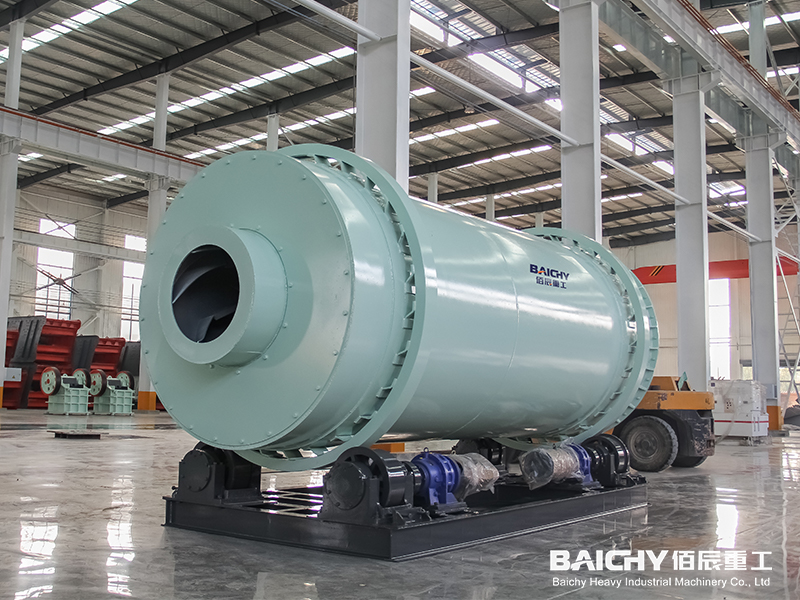
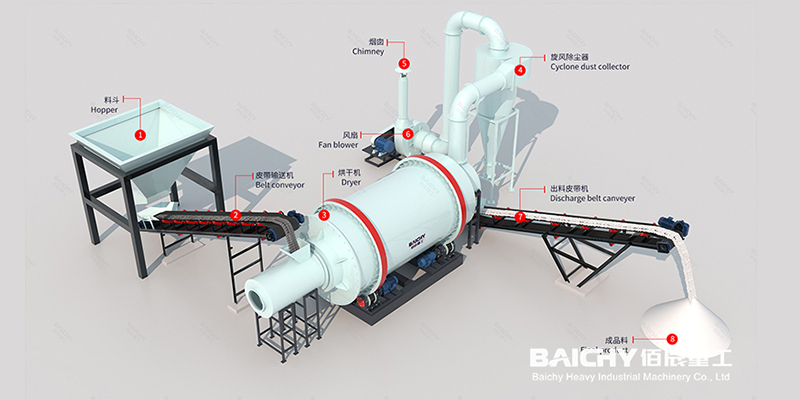
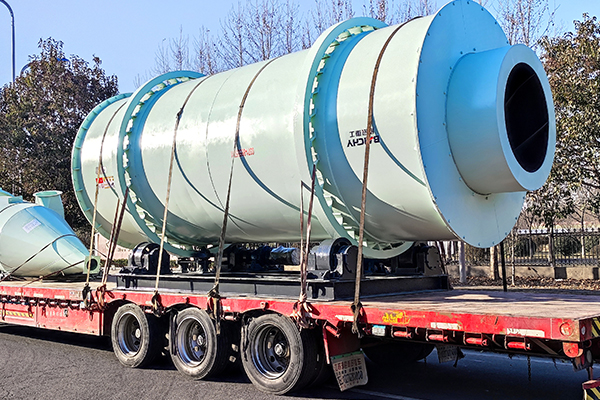
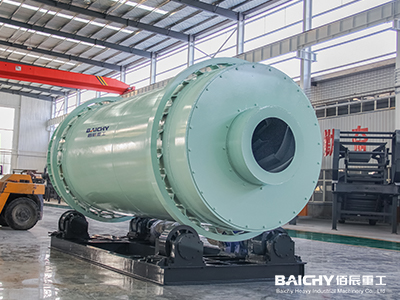
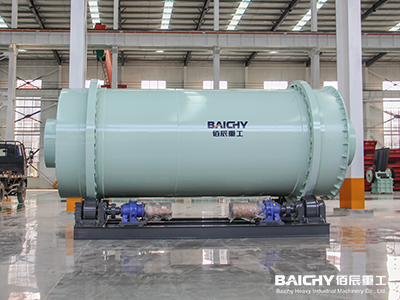
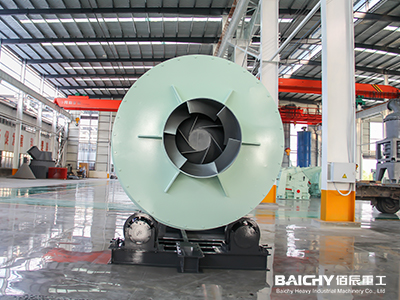
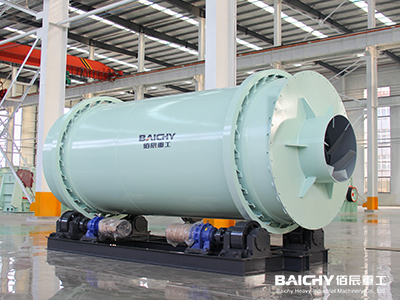
The River Sand Dryer (also known as a sand dryer or rotary drum dryer) is an industrial device specifically designed for drying materials such as river sand, sea sand, and manufactured sand. It is widely utilized in the dry mortar, construction materials, foundry, and chemical industries.
Currently, the most prevalent and efficient option on the market is the three-drum dryer (compared to traditional single-drum dryers):
• Structure: Composed of three concentric drums of varying diameters nested within one another.
• High Efficiency: Thermal efficiency exceeds 80% (whereas a single-drum dryer is approximately 35%).
• Energy Saving: Consumes 40% less electricity and 60% less coal compared to a single-drum dryer.
• Compact Footprint: Occupies approximately 60% less floor space than a single-drum dryer.
• Temperature Control: The discharge temperature is low (≤60°C), allowing the material to be fed directly into storage silos without the need for prolonged cooling.
| Common materials | Particle size | Drying temperature |
|---|---|---|
| River sand | 4–20 mm | 80–180°C |
| Quartz sand | 0.6–4 mm | 60–80°C |
| Limestone | 16–32 mm | 150–400°C |
| Aggregate | 4–32 mm | 250–750°C |
| Bauxite | 4–8 mm | 250–850°C |
| Clay | 0.2–1 mm | 50–150°C |
• Dry Mortar Production: This constitutes the primary application for river sand dryers. They are utilized in the production of plastering mortars, masonry mortars, flooring mortars, as well as tile adhesives, joint fillers, and similar products.
• Manufactured Sand Processing: The dryers are used to dry manufactured sand—sand that has undergone crushing and shaping—thereby enhancing the market competitiveness of the resulting sand and aggregate materials.
• Quartz Sand Drying: Glass manufacturing imposes stringent requirements regarding the moisture content of raw materials. Dryers efficiently process high-purity quartz sand, ensuring chemical stability during the smelting process.
• Sand for Precision Casting: Dryers are used to dry molding sand and core sand utilized in casting operations, thereby preventing the formation of blowholes (gas porosity) during the pouring process.
• Slag Utilization: Dryers are employed to dry blast furnace slag, steel slag, and similar byproducts, converting them into cement additives or roadbed construction materials.
The river sand dryer is not merely a simple dewatering device; it serves as a critical cornerstone for both dry mortar production lines and high-precision sand and aggregate processing operations. For businesses, opting for a triple-drum dryer configuration translates into lower operating costs and a higher product qualification rate.
If you are considering an investment in this equipment, we recommend focusing on the following two key factors:
• Heat Source Selection: Prioritize energy sources that offer the lowest local cost while simultaneously complying with environmental protection regulations (e.g., natural gas).
• Output Capacity Matching: Precisely select a model—whether rated for an hourly output of 5 tons, 10 tons, or over 30 tons—based on the specific capacity requirements of your downstream production line.
Have Any Questions!
Don't Hesitate To Contact Us AnyTime.
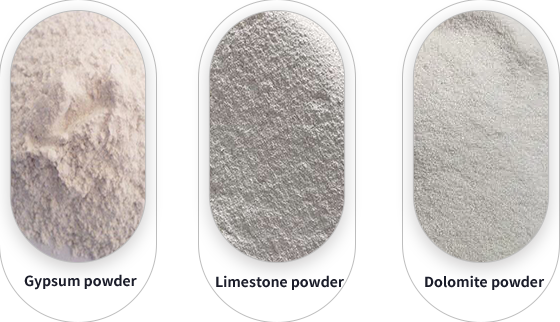
Thank you for your interest in Our Industrial Grinding Mill. If you want to get help immediately, please chat online now.
At the same time, you can also fill in your requirements, we will reply you in 24hours.

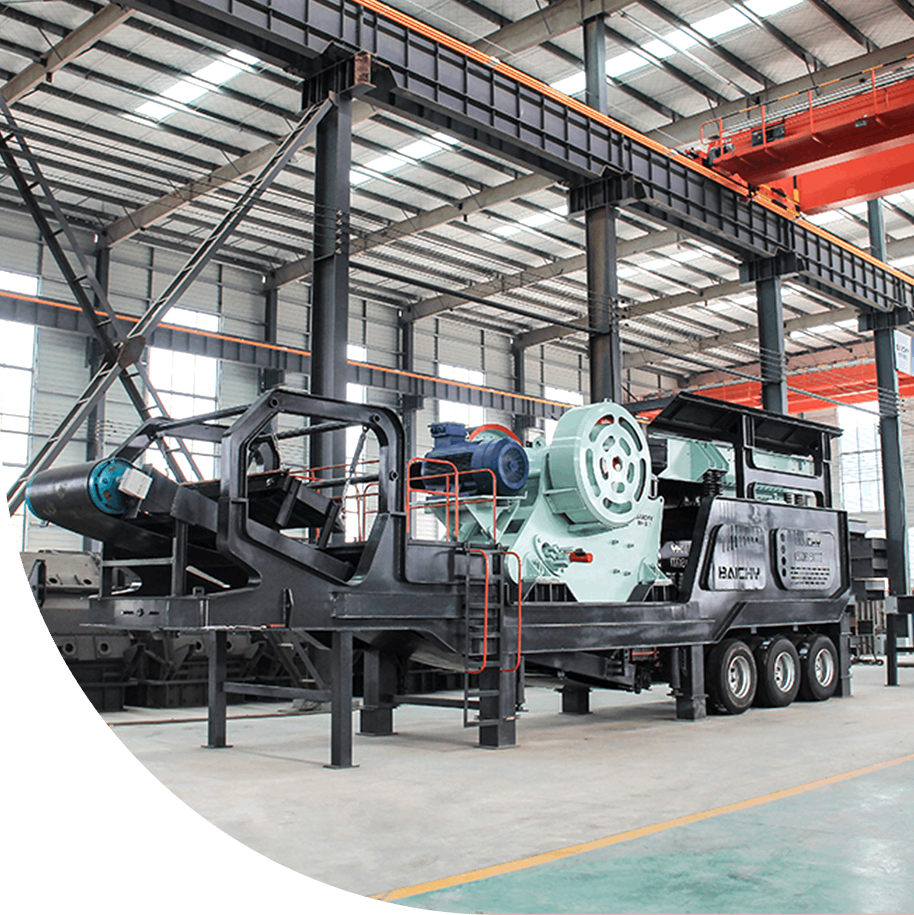

 +86-15093222637