Complete Washing & Purification Equipment Solution
The core objective of silica sand (quartz sand) processing is to transform natural quartz ore or siliceous rock into finished sand products that meet various industrial requirements. The complexity of the process depends on the purity requirements of the final product, ranging widely from construction-grade sand (SiO₂ ≥ 90%) to high-purity quartz sand for photovoltaic or semiconductor applications (SiO₂ ≥ 99.99%).
I. Typical Processing Flow
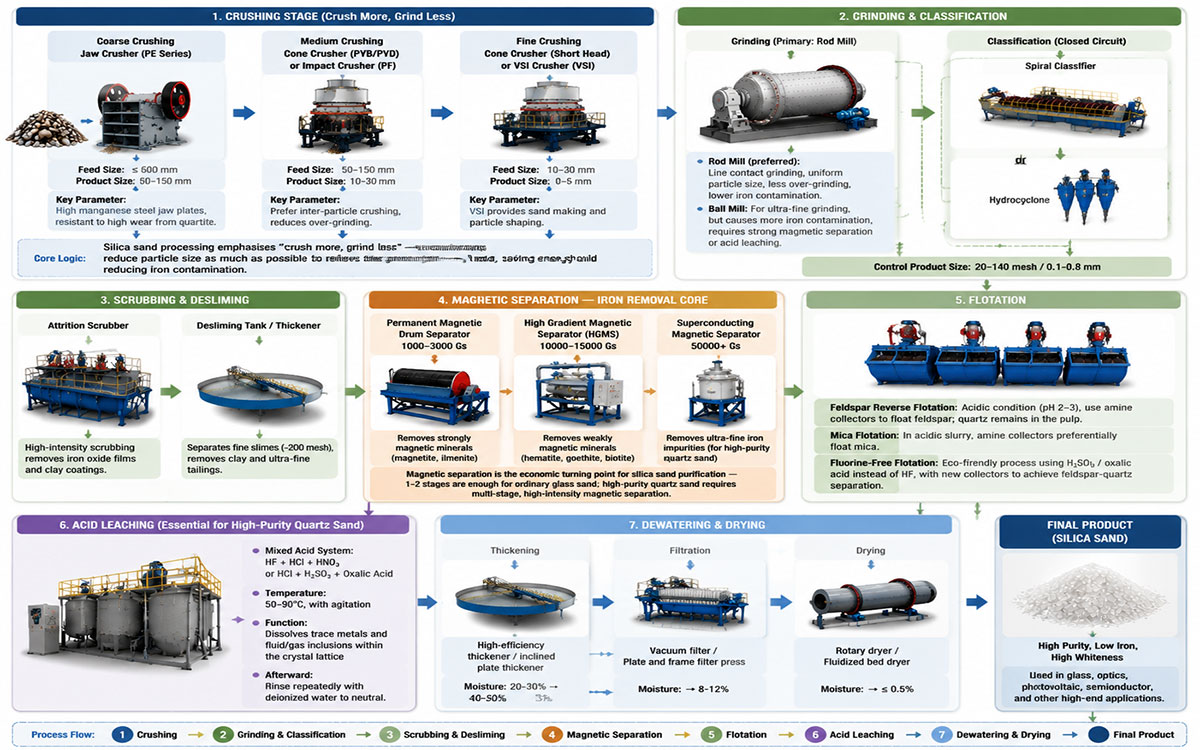
Run-of-mine ore → Primary crushing → Secondary/Tertiary crushing → Grinding → Classification → Scrubbing & Desliming → Magnetic separation → Flotation → Acid leaching (optional) → Dewatering → Drying → Finished product
II. Detailed Breakdown of Processes
1. Crushing Stage
| Process | Equipment | Feed Size | Discharge Size | Key Parameters |
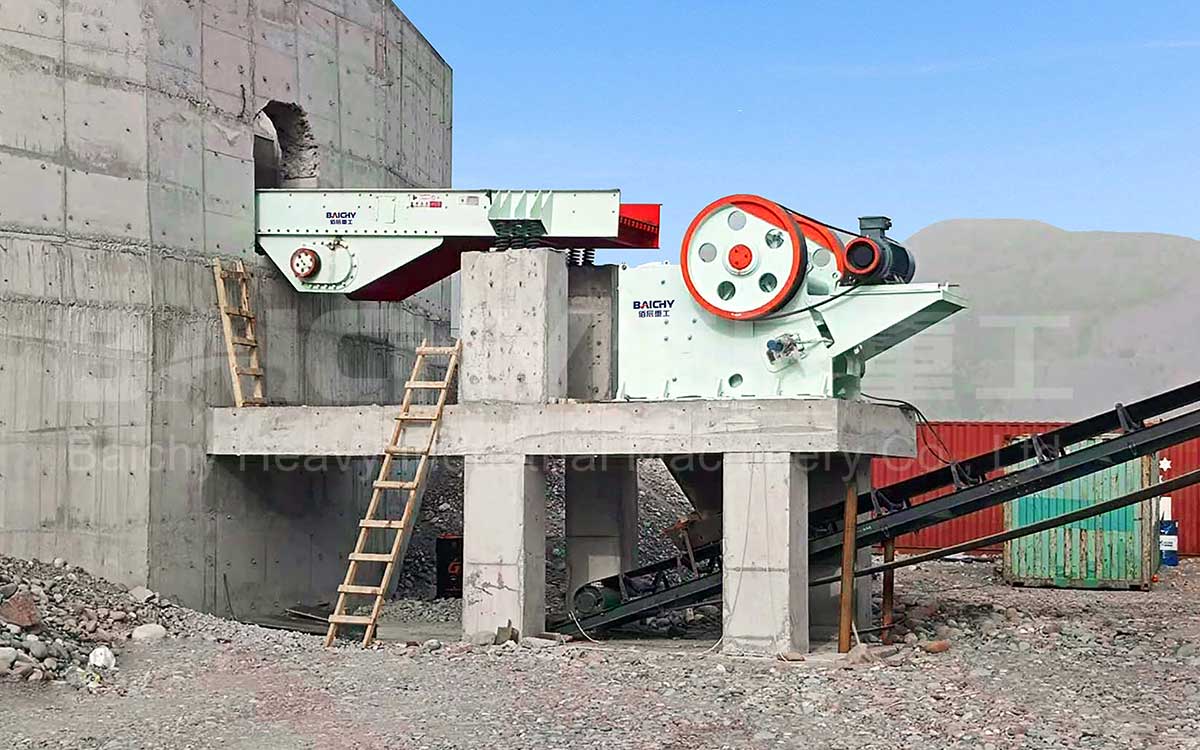
| Primary Crushing | Jaw Crusher (PE Series) | ≤ 600mm | 50-150mm | High-manganese steel jaw plates; handles high-abrasion quartzite |
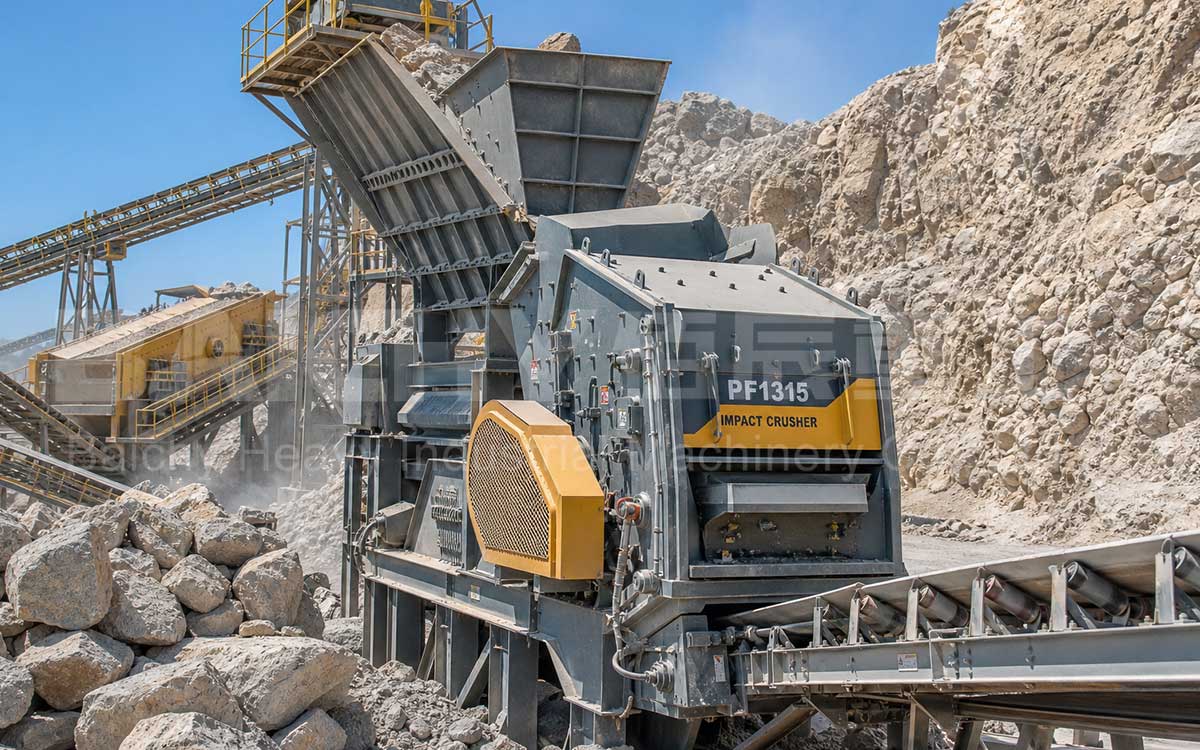
| Secondary Crushing | Cone Crusher (PYB/PYD) or Impact Crusher (PF) | 50-150mm | 10-30mm | Prioritizes inter-particle (lamination) crushing to minimize over-crushing |
| Tertiary Crushing | Short-head Cone Crusher or Vertical Shaft Impact (VSI) Crusher | 10-30mm | 0-5mm |
Core Logic: Silica sand processing emphasizes "more crushing, less grinding"—reducing material particle size as much as possible during the crushing stage to alleviate the load on subsequent grinding operations, thereby lowering energy consumption and iron contamination.
2. Grinding and Classification
Grinding is the critical stage determining the particle size and purity of the finished product:
Rod Mill: The preferred choice; grinding media (rods) operate via line contact, resulting in uniform particle size, minimal over-crushing, and relatively controllable iron contamination.
Ball Mill: Used for ultra-fine grinding, though it causes more severe iron contamination, necessitating subsequent high-intensity magnetic separation or acid leaching.
Classification Equipment: Spiral classifiers or hydrocyclones operate in a closed-loop circuit with the grinding mill to precisely control the product particle size distribution (typical range: 20–140 mesh / 0.1–0.8 mm).
3. Attrition Scrubbing and Desliming
Silica sand particles often have surface coatings of iron oxide films and clay minerals, which must be removed via high-intensity scrubbing:
Attrition Scrubber: Uses high-speed impeller agitation to generate inter-particle friction, stripping away surface impurities.
Desliming Cone/Thickener: Separates the fine fraction (-200 mesh) to remove clay and ultrafine tailings.
4. Magnetic Separation—The Core of Iron Removal
| Magnetic Separation Equipment | Field Strength | Target for Removal |
| Permanent Magnetic Drum Separator | 1,000–3,000 Gs | Strongly magnetic minerals (magnetite, ilmenite) |
| High-Gradient Magnetic Separator (HGMS) | 10,000–15,000 Gs | Weakly magnetic minerals (hematite, limonite, biotite) |
| Superconducting Magnetic Separator | 50,000+ Gs | Ultrafine iron-bearing impurities (specialized for high-purity quartz sand) |
Magnetic separation represents a critical economic threshold in silica sand purification: standard glass-grade sand meets specifications after 1–2 stages of magnetic separation, whereas high-purity quartz sand requires a combination of multi-stage, high-intensity magnetic separation processes.
5. Flotation
Targets non-magnetic impurities that cannot be removed by magnetic separation (feldspar, mica, aluminum-bearing minerals):
• Reverse Flotation for Feldspar Removal: Under acidic conditions (pH 2–3), amine collectors are used to float the feldspar, leaving the quartz at the bottom of the cell.
• Mica Removal Flotation: Amine collectors are used in an acidic pulp to preferentially float the mica.
• Fluorine-Free Flotation: An environmentally friendly trend utilizing sulfuric acid or oxalic acid instead of hydrofluoric acid, combined with novel collectors, to achieve feldspar-quartz separation.
6. Acid Leaching (Essential step for high-purity quartz sand)
For semiconductor, photovoltaic, and optical fiber grade quartz sand (SiO₂ ≥ 99.99%):
• Mixed acid systems: HF + HCl + HNO₃ or HCl + H₂SO₄ + Oxalic acid
• Temperature: 50–90°C, with agitation
• Function: Dissolves trace metal elements and gas-liquid inclusions trapped within the crystal lattice
• Subsequent step: Repeated washing with deionized water until neutral pH is reached
7. Dewatering and Drying
| Process Step | Equipment | Moisture Content Change |
| Thickening | High-efficiency thickener / Inclined plate thickener | 20–30% → 40–50% |
| Filtration | Vacuum filter / Plate-and-frame filter press | → 8–12% |
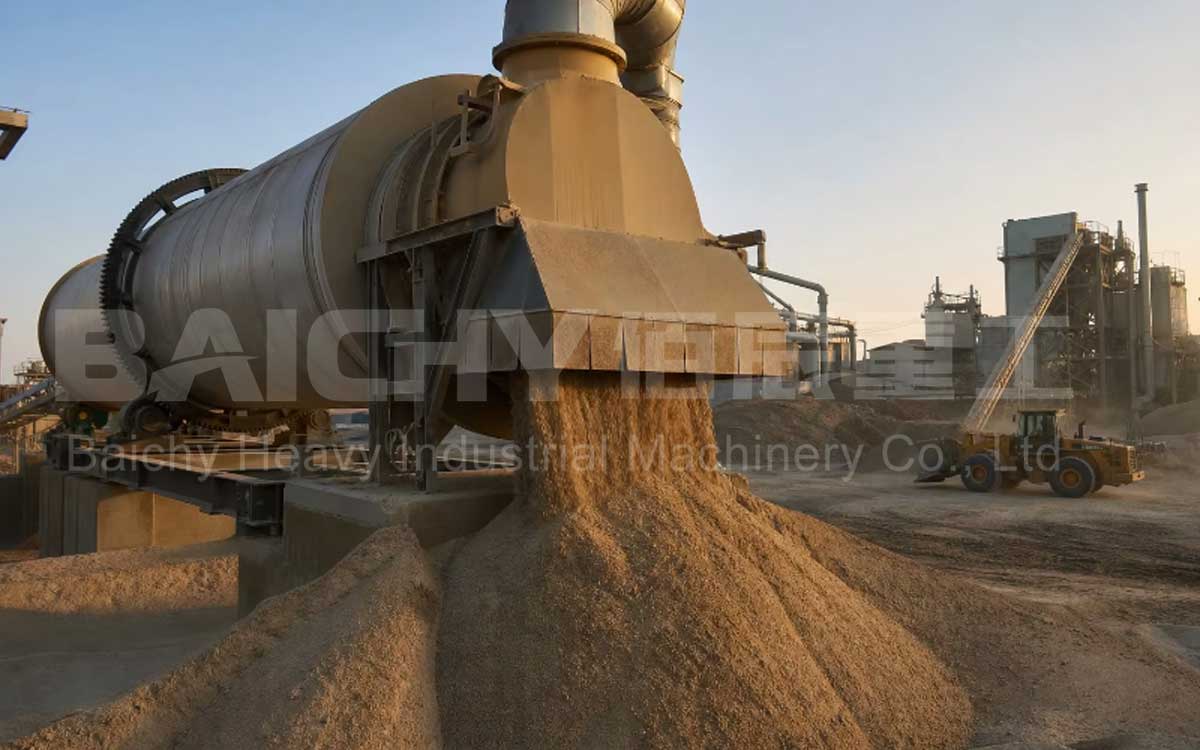
| Drying | Rotary dryer / Fluidized bed dryer | → ≤ 0.5% |
III. Selection of Process Routes Based on Application
| Application | SiO₂ Grade | Core Process | Typical Equipment |
| Construction sand | ≥ 90% | Crushing → Screening | PE Jaw Crusher + VSI Sand Maker + Vibrating Screen |
| Ordinary glass sand | ≥ 98.5% | Crushing → Grinding → Classification → Magnetic Separation | Rod Mill + Magnetic Separator + Classifier |
| Float glass sand | ≥ 99.0% | Scrubbing → Classification → High-gradient magnetic separation → Flotation | Scrubber + HGMS + Flotation Column |
| Photovoltaic/Semiconductor grade | ≥ 99.99% | Full process + Acid leaching + Superconducting magnetic separation | Full equipment suite + Cleanroom |
IV. Key Process Challenges
• Iron contamination control: Quartz (Mohs hardness of 7) causes severe equipment wear. Crusher liners, mill liners, and grinding media must be made of highly wear-resistant materials (wear-resistant steel, alumina ceramics, quartz lining), and iron removers must be installed at critical points.
• Particle size gradation: Different applications have strict requirements regarding particle size distribution. Glass-grade sand requires a concentrated particle size distribution within the 20–140 mesh range, while foundry sand requires a "three-sieve concentration rate" of ≥75% within the 40–100 mesh range; both rely on precise closed-circuit classification systems.
• Tailings Treatment: Wastewater from flotation and acid leaching contains chemical reagents; neutralization-precipitation and pressure filtration systems are required to meet zero-discharge environmental standards.
• Energy Consumption Structure: The grinding stage accounts for 50–60% of total energy consumption; prioritizing rod mills over ball mills can reduce grinding energy consumption by 15–20%.
FAQs
Q1: What is the core process flow for silica sand processing?
A1: The standard process is: Raw ore → Jaw crushing (coarse) → Cone/Impact crushing (medium/fine) → Rod milling (sand making) → Hydraulic classification → Scrubbing and desliming → High-gradient magnetic separation (iron removal) → Flotation (feldspar/mica removal) → (Optional acid leaching) → Dewatering → Drying → Finished product. Different target grades require different processing depths; glass-grade sand requires processing only up to the magnetic separation stage, whereas photovoltaic-grade sand requires an additional acid leaching step.
Q2: Why does silica sand processing emphasize "more crushing, less grinding"?
A2: The grinding stage accounts for 50–60% of the total process energy consumption. Optimizing the crushing stage (jaw crusher + cone crusher + VSI sand maker) to minimize the feed size to the mill (≤5mm) significantly reduces the mill's load. Empirical data shows that for every 1mm reduction in feed size, grinding energy consumption drops by approximately 8–10%. At the same production capacity, rod mills reduce energy consumption per ton of sand by 15–20% compared to ball mills.
Q3: What are the process differences between ordinary glass-grade sand and high-purity quartz sand?
A3: Ordinary glass-grade sand (SiO₂ ≥ 98.5%) requires only crushing, grinding, classification, and 1–2 stages of magnetic separation. Producing high-purity quartz sand (SiO₂ ≥ 99.99%) requires additional processing steps: multi-stage high-gradient magnetic separation (including superconducting magnetic separation), flotation to remove feldspar and mica, mixed acid leaching (HF+HCl+HNO₃) to remove intra-crystalline inclusions, deionized water washing, and drying/packaging in a cleanroom environment. The investment cost for a high-purity production line is approximately 3–5 times that of a standard line.
Q4: How is iron contamination controlled during silica sand processing?
A4: A three-tiered defense strategy is employed:
① Equipment level—using Mn18Cr2 high-manganese steel liners for crushers, and alumina ceramic liners (or quartz liners) and ceramic grinding media for mills;
② Process flow level—installing suspended iron removers after crushing and high-gradient magnetic separators (10,000–15,000 Gs) after grinding;
③ Process technology level—utilizing flotation and acid leaching as final, deep iron-removal measures to ensure the finished product meets the Fe₂O₃ ≤ 0.008% standard (photovoltaic grade).