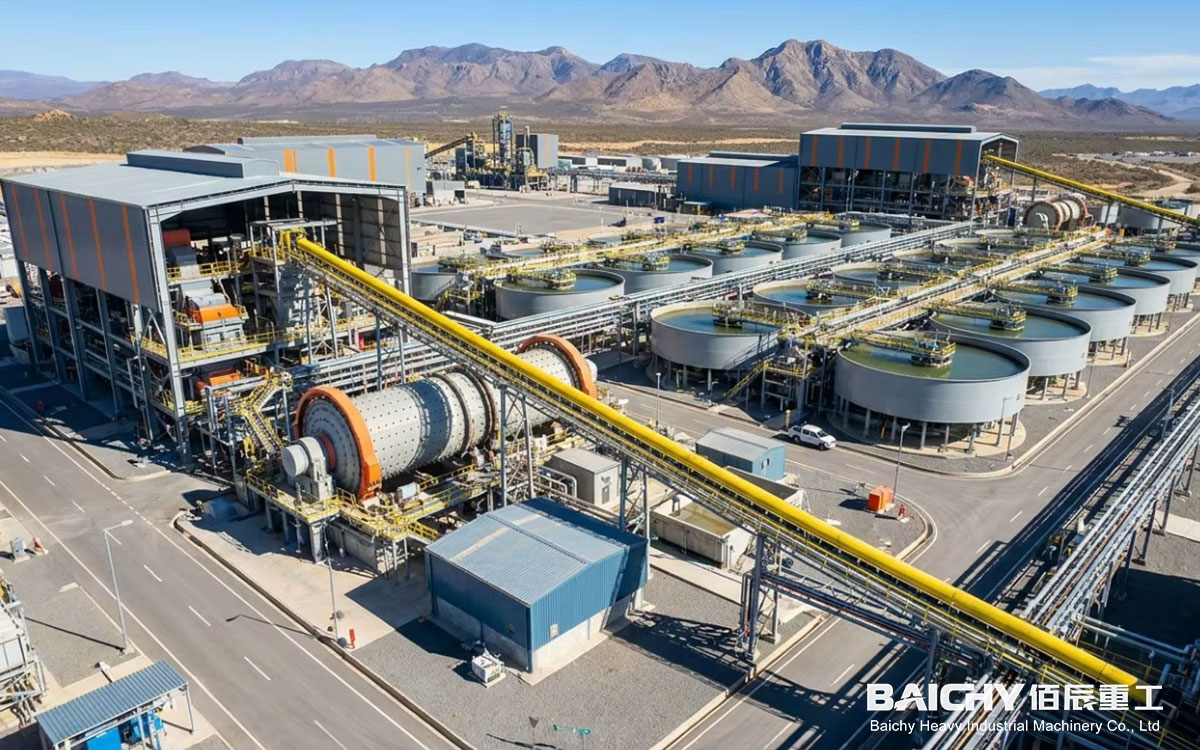
Gold processing plant
Amidst the backdrop of global mining inflation and high gold prices in 2026, the question "How much does it cost to build a gold processing plant?" is no longer a simple matter of quoting a figure; it is a complex engineering undertaking requiring a precise balance between capital expenditure (CAPEX) and operating expenditure (OPEX).
According to the latest industry research, the initial capital investment for a modern gold processing plant varies widely, ranging from $1 million for small-scale mines to over $250 million for large, integrated projects. This article breaks down the core cost components to provide you with a realistic budgetary reference.
I. Core Cost Snapshot: Investment Estimates by Scale
For gold mining investors, production capacity—measured in TPD (tonnes per day)—is the primary variable determining total cost.
| Production Capacity (TPD) | Process Type | Estimated Investment (USD) |
| 100 - 300 (Small) | Gravity separation + grinding | 1 million – 3 million |
| 500 – 1,000 (Medium-sized) | CIL/CIP Leaching | 8 million – 25 million |
| 2,000+ (Large-scale) | End-to-end automation | 45 million+ |
II. What Factors Are "Devouring" Your Budget?
Beyond the equipment itself, the following three factors are often the "silent killers" that drive cost overruns:
1. Ore Mineralogy:
• Amenable Ores: Processes such as gravity separation or simple cyanidation typically keep processing costs between $15 and $25 per tonne.
• Refractory Ores: Ores containing arsenic or carbon require pre-oxidation steps (e.g., roasting or bio-oxidation), which can double processing costs to $40–$60 per tonne.
2. Power and Energy Consumption:
• Grinding systems (ball mills/SAG mills) account for approximately 40%–60% of a plant's total power consumption. In regions with high energy costs—such as South Africa or the Philippines—deploying high-efficiency, energy-saving variable frequency drive (VFD) equipment is crucial for reducing OPEX.
3. Tailings Management and Environmental Compliance:
• Modern gold plants must incorporate systems for dry-stack tailings or cyanide degradation. While this component may represent 15% of total CAPEX, it significantly mitigates the risk of future environmental shutdowns.
III. Technical Configuration Recommendation: A 2,000 TPD CIL Process Example
For high-grade oxidized gold ore, CIL (Carbon-in-Leach) remains the globally recognized process offering the highest return on investment. Baichy Heavy Industry recommends the following standard configuration:
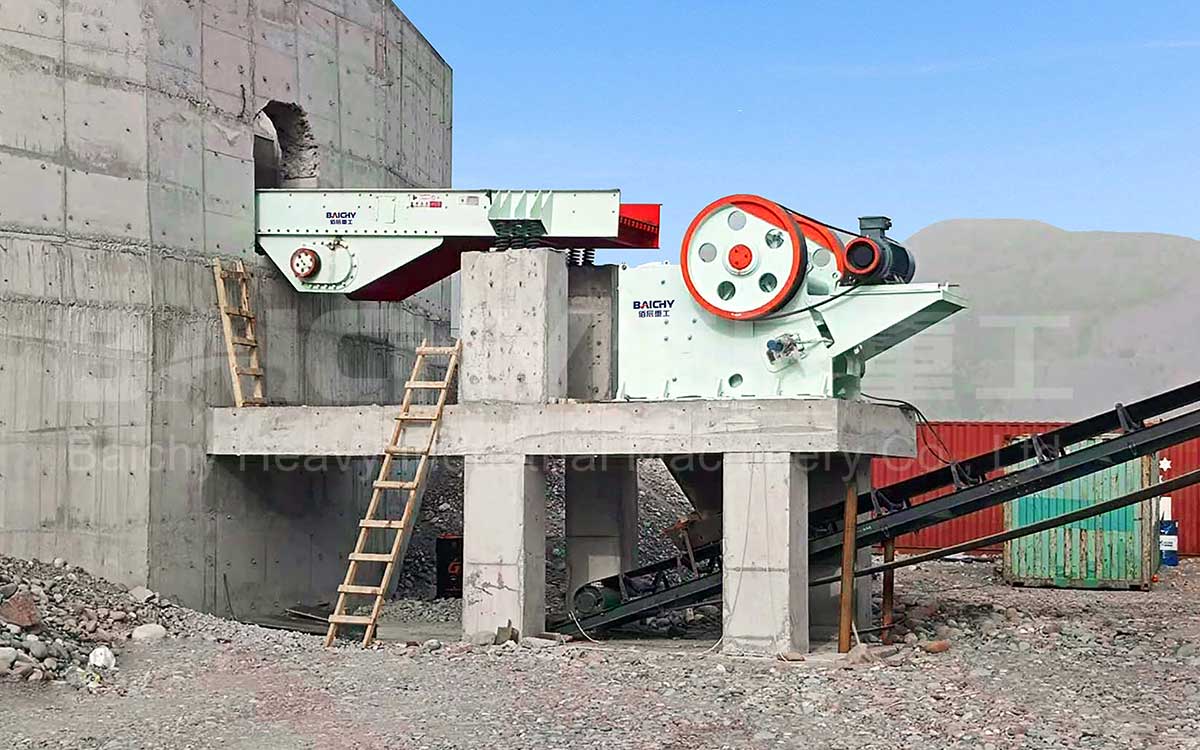
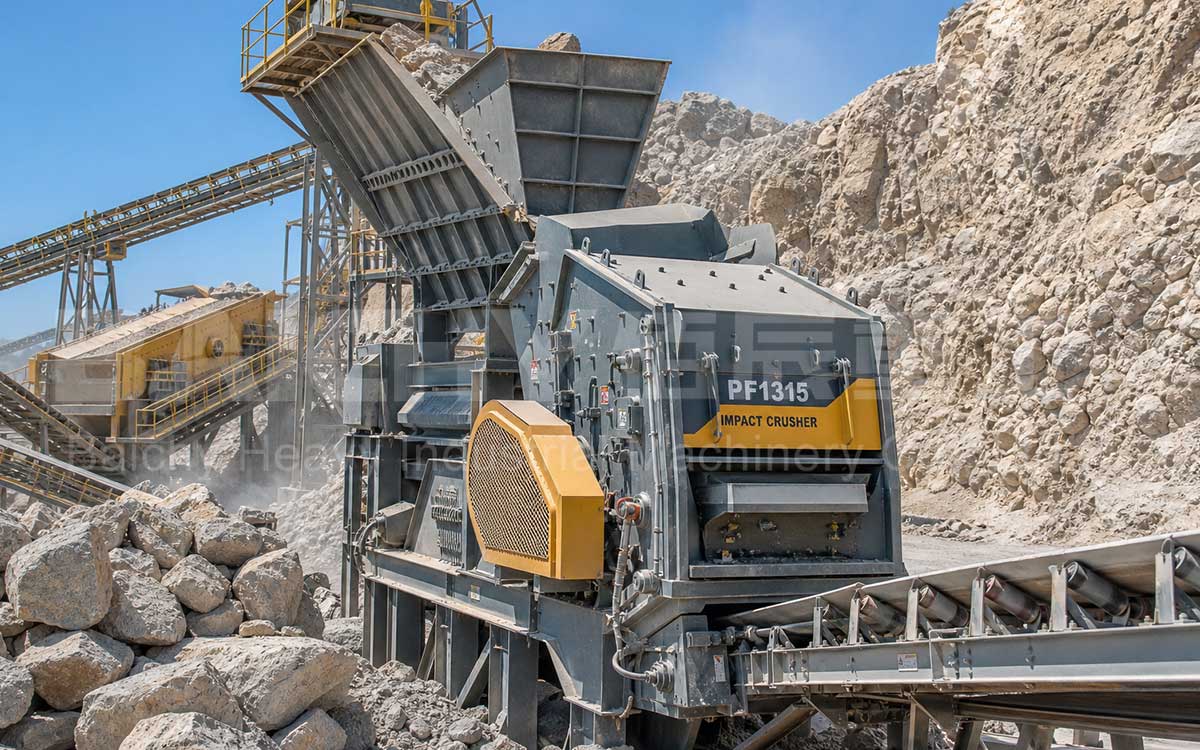
• Crushing Section: Employs three-stage crushing (jaw crusher + cone crusher) to ensure the feed size to the mill is controlled at 10–12 mm, thereby reducing energy consumption in the subsequent grinding stage.
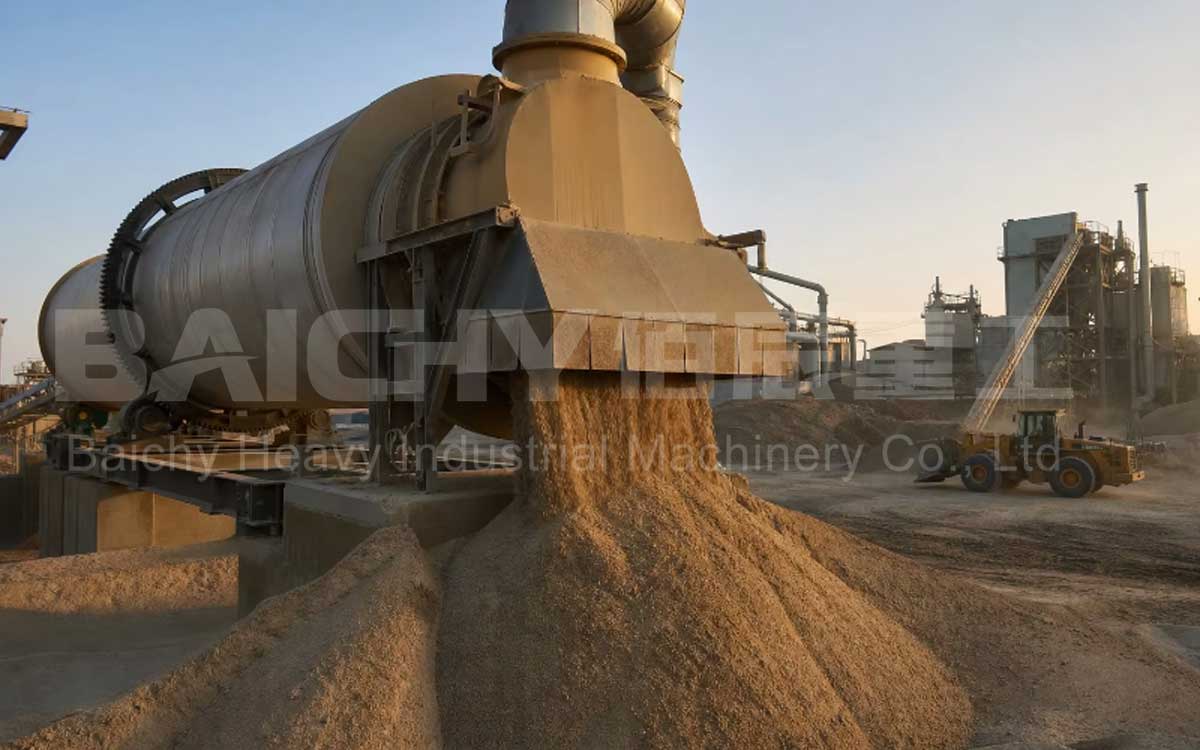
• Grinding and Classification: An overflow ball mill paired with a hydrocyclone cluster operates in a closed-circuit loop to ensure the product fineness reaches >85% passing -200 mesh.
• Leaching and Adsorption: 6–8 large-capacity leaching tanks equipped with high-efficiency, low-energy agitators.
• Desorption and Electrowinning: A cyanide-free desorption system enables efficient gold sludge recovery and shortens the capital turnover cycle.
FAQ: Common questions regarding gold processing plant costs
Q: What is the average processing cost per ton of ore?
A: Globally, the average OPEX for CIL/CIP processes is approximately $15–$40 per ton. Chemical reagents (sodium cyanide, activated carbon) and electricity are the primary expenses.
Q: How can costs be reduced without compromising recovery rates?
A: The bottom line: Optimizing crushing size ("crushing instead of grinding") is the most effective method. Reducing the mill feed size by 5 mm can save approximately 15% of the total energy consumption for the entire processing plant.
Q: What is the lead time for a complete set of processing plant equipment?
A: The production cycle for a standard-scale plant (e.g., 1,000 TPD) is typically 4–6 months; including on-site installation and commissioning, the total timeline is approximately 8–10 months.
Investing in a gold processing plant is not merely about purchasing equipment; it is about acquiring a solution that ensures consistent, stable recovery rates. Amidst fluctuating gold prices, selecting an equipment supplier that offers high energy efficiency and equipment capable of withstanding the extreme operating conditions found in Africa (e.g., South Africa, Ethiopia) or Southeast Asia (e.g., Vietnam, the Philippines) is the only way to ensure the project's AISC (All-In Sustaining Cost) remains below the industry average.
Baichy Heavy Industry specializes in providing end-to-end gold processing solutions, ranging from ore assaying and process design to the supply of complete equipment sets.
Get Factory Price
Direct from manufacturer, fast response.
WhatsApp: +8615093222637Email: [email protected]