

FGD Gypsum Dryer
FGD gypsum (desulfurization gypsum) generated by wet flue-gas desulfurization (FGD) systems in power plants is not merely a waste residue requiring costly disposal; it is a highly stable raw material source for the gypsum board industry—provided it is dried correctly. The Baichy FGD gypsum dryer employs a process combining "co-current high-temperature differential flow," "material dispersion and lifting," and "discharge temperature control" to reduce free moisture from 10%–15% to ≤1%. Crucially, it prevents the premature loss of chemically bound water (crystal water), ensuring that the subsequent calcination stage yields β-hemihydrate gypsum powder with stable setting times and compliant strength characteristics. Only when dried correctly can this byproduct enter the raw material silos of gypsum board manufacturers.
I. What is FGD Gypsum? A Construction Material Resource "Misplaced" by Power Plants
Limestone-gypsum wet FGD systems in thermal power plants absorb sulfur dioxide from flue gas using limestone slurry. The byproduct, after dewatering on a vacuum belt filter, becomes FGD gypsum (primarily CaSO₄·2H₂O, with a purity typically ≥90%). It is an inevitable byproduct of coal-fired power generation: as coal burns, gypsum is produced. Industry estimates indicate that a 1,000 MW coal-fired unit can generate over 150,000 tons of desulfurization gypsum annually (varying based on coal sulfur content and desulfurization efficiency). With continuous output and minimal quality fluctuation, it offers a level of supply stability that natural gypsum mines cannot match.
Demand is equally certain: according to Fortune Business Insights (data released in February 2025), the global gypsum board market was valued at approximately USD 13.73 billion in 2024 and is projected to reach USD 18.16 billion by 2032, growing at a compound annual growth rate (CAGR) of about 3.6%. The industry is clearly shifting toward locating gypsum board production facilities near power plants and desulfurization gypsum stockpiles, and replacing natural gypsum with synthetic gypsum. In the value chain linking "power plant solid waste" to "gypsum board raw material," the critical bottleneck lies not in calcination, but in drying: if moisture cannot be effectively removed, downstream processing cannot proceed.
II. The Challenges of Drying Desulfurization Gypsum: Distinguishing Between Free Water and Crystal Water
The primary difference between a desulfurization gypsum dryer and standard mineral powder drying equipment lies in the material's combined characteristics: it is fine, wet, and heat-sensitive. Its fine particle size makes it prone to sticking to walls and forming crusts; high moisture content imposes a massive evaporation load; and heat sensitivity demands precise temperature control to avoid crossing the phase-transition threshold. Failure to manage any of these factors results in issues such as material sticking to the drum, clogging, or inconsistent product quality.
2.1 Free Water and Crystal Water Must Be Removed in Stages
Desulfurization gypsum contains two types of water: free water adhering to particle surfaces (10%–15%) and crystal water locked within the crystal lattice (the theoretical crystal water content of gypsum dihydrate is approximately 21%). The active component required for gypsum board production is β-hemihydrate gypsum; this requires specialized calcination equipment to remove half of the crystal water at a material temperature of 150–180°C. The dryer is designed solely to remove free water, not crystal water. If the material is exposed to excessively high temperatures for too long during the drying stage, the gypsum dihydrate may dehydrate prematurely, creating a mixture of dihydrate, hemihydrate, and anhydrite phases. This leads to erratic setting times and inconsistent board core strength, potentially causing the entire batch of raw material to be rejected by the board manufacturer. Drying temperature is not a case of "higher is faster," but rather a matter of "staying within limits."
2.2 Fine Powder Combined with High Moisture: The Physical Challenge of Sticking and Clumping
Desulfurization gypsum consists of fine particles (with a median diameter typically in the 30–50 micron range) and exhibits strong sticky-plastic properties when moisture content is between 10% and 15%. In standard rotary drums, the wet, fine powder tends to form crusts on the drum walls and lifting flights. As this layer thickens, the heat transfer surface becomes "coated" or "blinded," causing production capacity to plummet. This is the primary reason why many power plants fail when attempting to build their own gypsum drying lines: equipment selection focused solely on tonnage capacity while overlooking material viscosity.
2.3 Impurities and Phase Changes: Determining the Market Price Tier
Wet-process desulfurization (FGD) gypsum contains trace amounts of calcium sulfite, unreacted calcium carbonate, fly ash, and soluble salts such as chloride ions. High levels of chloride, magnesium, and sodium salts can cause efflorescence, moisture absorption, and corrosion of the metal framing in finished gypsum boards; consequently, board manufacturers enforce strict acceptance criteria regarding raw material purity, soluble salt content, and whiteness. The use of unclean heat sources or excessive temperatures during drying can exacerbate the impact of these impurities. The essence of the process design lies in ensuring the material passes through the optimal operational window: achieving sufficient dehydration without introducing new issues.
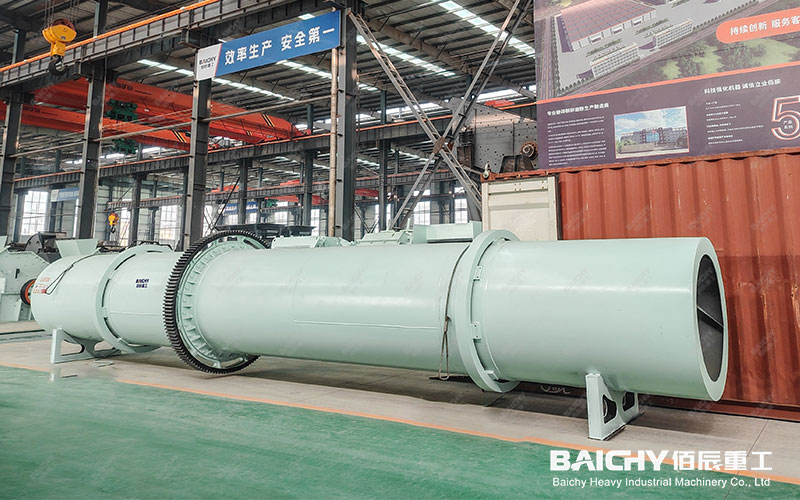
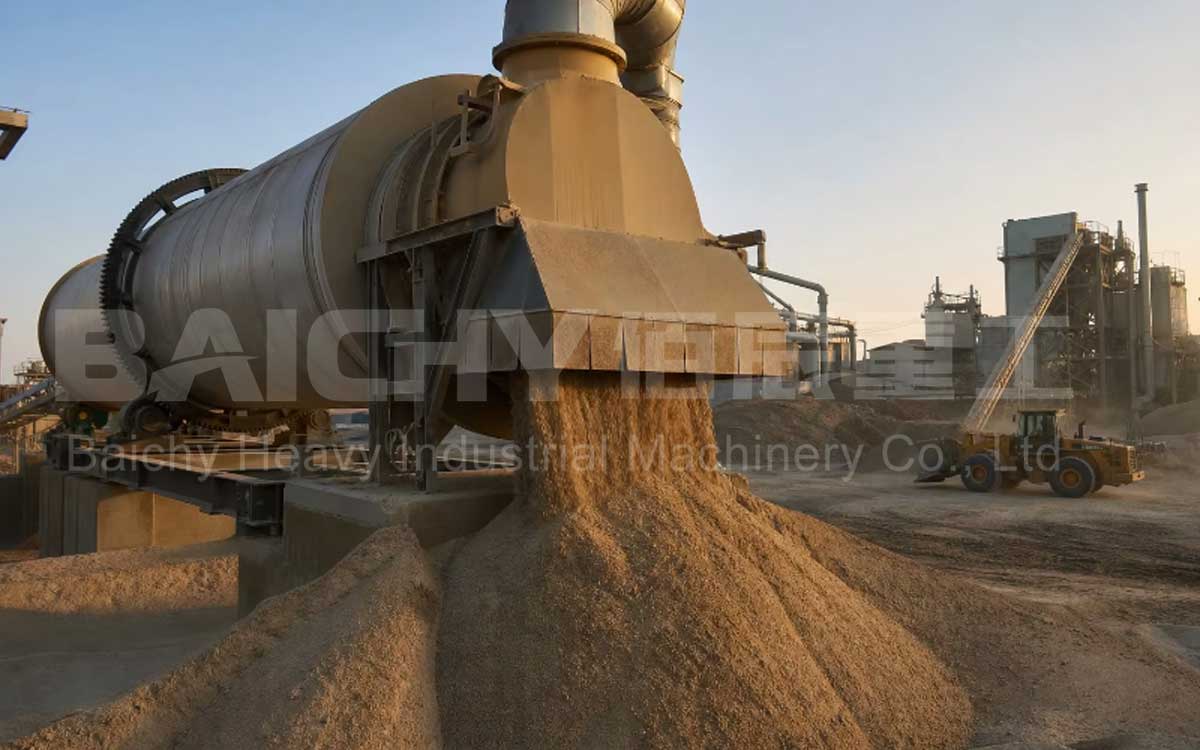
Single-drum dryer shipment
III. How the FGD Gypsum Dryer Works: Four Design Features to Manage Phase Change Limits
3.1 Co-current Flow Arrangement: High-Temperature Air Meets High-Moisture Material First
The dryer utilizes a co-current (parallel-flow) thermal arrangement: hot air at 550–650°C enters at the feed end (the equipment has a temperature limit of 700–800°C, with a safety margin built in for FGD gypsum operations) and travels in the same direction as the wet material, which has a moisture content of 10%–15%. The zone with the highest material moisture content coincides with the zone of highest air temperature; the latent heat of evaporation "pins" the material temperature close to the wet-bulb temperature, ensuring the high heat acts on the water rather than the gypsum crystals. As the material advances and moisture levels drop, the air temperature decreases correspondingly. At the discharge end, the material temperature is controlled at approximately 100°C, reducing free moisture to ≤1% while leaving the chemically bound water (crystal water) intact.
3.2 Spiral Lifters + Disaggregation/Vibration: Breaking Up Before Drying
The inner wall of the drum features helically welded lifters. These continuously lift and scatter the material into a uniform curtain, exponentially increasing the heat exchange surface area. To handle wet, sticky, fine powders, a disaggregation/vibration unit is installed at the feed section; this repeatedly breaks apart gypsum clumps, preventing the formation of "sandwich" material—where the exterior is dry while the interior remains wet. The lifters can be replaced on-site without requiring the replacement of the entire drum.
3.3 Temperature and Residence Time Control: The "Dosage Control" of the Dryer
By coordinating the drum inclination (3%–5%), variable-speed rotation, and hot air temperature, the residence time can be adjusted based on the feed and target moisture levels: when feed moisture is high or quality requirements are strict, residence time is extended and air temperature lowered; conversely, rotation speed is increased to boost output. The control logic pursues a single objective: ensuring the material does not cross the phase-transition temperature threshold before all free moisture has been removed.
3.4 Closed-Loop Dust Collection: Retaining Gypsum Powder "Profits" within the System
Exhaust gas from FGD gypsum drying contains significant amounts of ultrafine dust; direct discharge constitutes both an environmental violation and a loss of profit. The system features a standard closed-loop exhaust configuration utilizing cyclone and bag-type dust collectors; recovered fines are blended back into the finished product, ensuring compliance with emission standards while maximizing yield. Heat source options—selected based on local energy costs—include coal-fired hot air furnaces, natural gas furnaces, or waste heat recovery from power plants.
IV. FGD Gypsum Dryer Specifications (Nominal Official Ratings vs. Operational Estimates)
The table below lists the actual specifications for the Baichy rotary dryer series. The "FGD Gypsum Operational Conditions" column presents estimated values calculated based on a feed free moisture content of 12%, a discharge free moisture content of ≤1%, and an inlet air temperature of 550–650°C (approximately 75%–80% of nominal ratings). Actual production capacity is subject to material testing and local fuel conditions.
| Specifications (Diameter × Length, mm) | Volume (m³) | Nominal Capacity (t/h)* | FGD Gypsum Capacity (t/h)** | Main Motor (kW) |
|---|---|---|---|---|
| Φ1200×12000 | 13.6 | 2.4–3.2 | 1.8–2.5 | 7.5 |
| Φ1500×12000 | 21.2 | 4.5–5.7 | 3.5–4.5 | 15 |
| Φ1800×14000 | 35.6 | 7.6–9.5 | 6–7.5 | 18.5 |
| Φ2000×18000 | 56.5 | 8.4–12.3 | 6.5–9.5 | 22 |
| Φ2200×18000 | 68.3 | 12.8–16.2 | 10–13 | 22 |
| Φ2400×20000 | 90.4 | 19.3–24.1 | 15–19 | 55 |
| Φ2600×24000 | 127.4 | 27.2–34.0 | 21–27 | 75 |
| Φ3000×25000 | 176.6 | 37.7–47.1 | 30–37 | 90 |
* Nominal capacity is based on standard materials such as sand, coal, and mineral powder, with an initial moisture content of approximately 10%. ** Capacity calculations account for the specific characteristics of FGD gypsum fine powder, including its adhesiveness, the need for low-temperature phase control, and required residence time margins; if a combined drying and calcination process for producing β-hemihydrate gypsum powder (direct output of active powder from raw feed) is required, please specify this in your inquiry so that a calcination section configuration can be provided.
V. Typical Application Scenarios
| Recommended Equipment | Function | Application Stage |
|---|---|---|
| Rotary drum dryer (FGD gypsum dryer in this article) | Removes free moisture to ≤1% while retaining crystal water | Raw material pre-treatment |
| Gypsum calcination kiln / one-step rotary kiln | Dehydrates at 150–180°C to produce β-hemihydrate plaster powder | After drying (two-stage) or direct co-production |
| Hot-air furnace (coal/gas/waste-heat) | Stable heat source with temperature control | Dryer system support |
| Cyclone + baghouse dust collectors | Exhaust gas dedusting, compliant emissions, fines recovery | Dryer system support |
| Raymond mill / HGM ultra-fine mill | Adjusts fineness and increases specific surface area of hemihydrate powder | Grinding/modification after calcination |
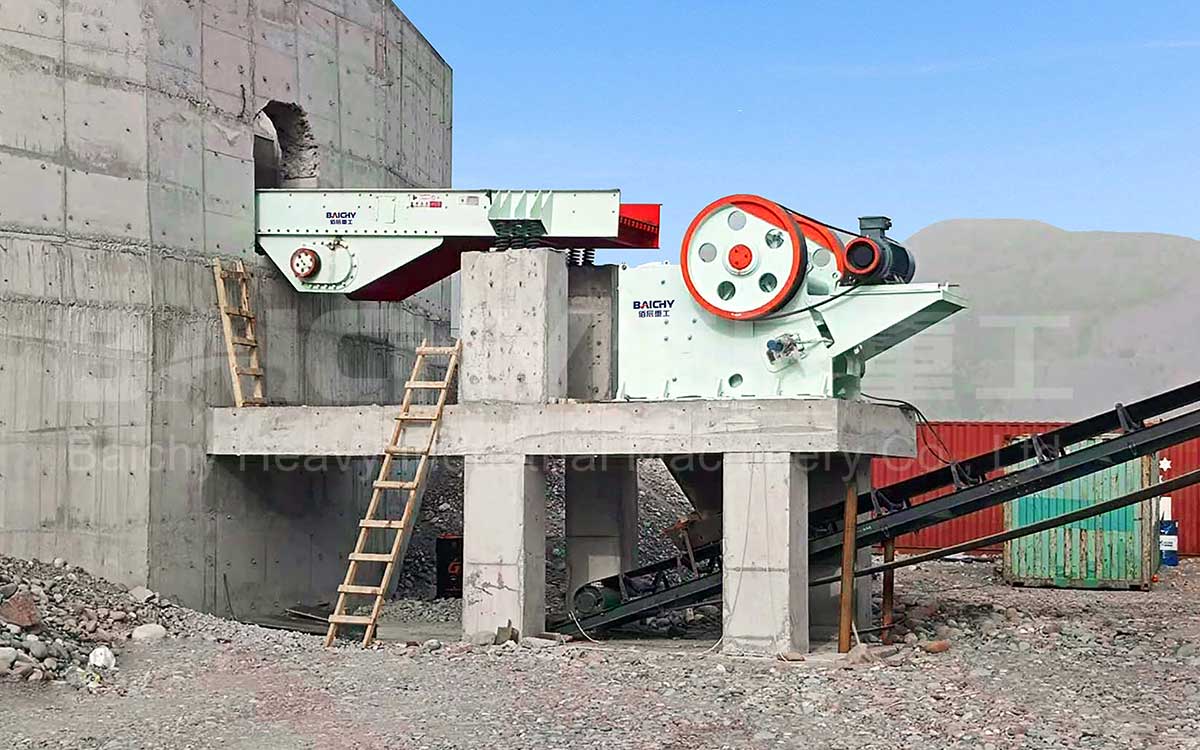
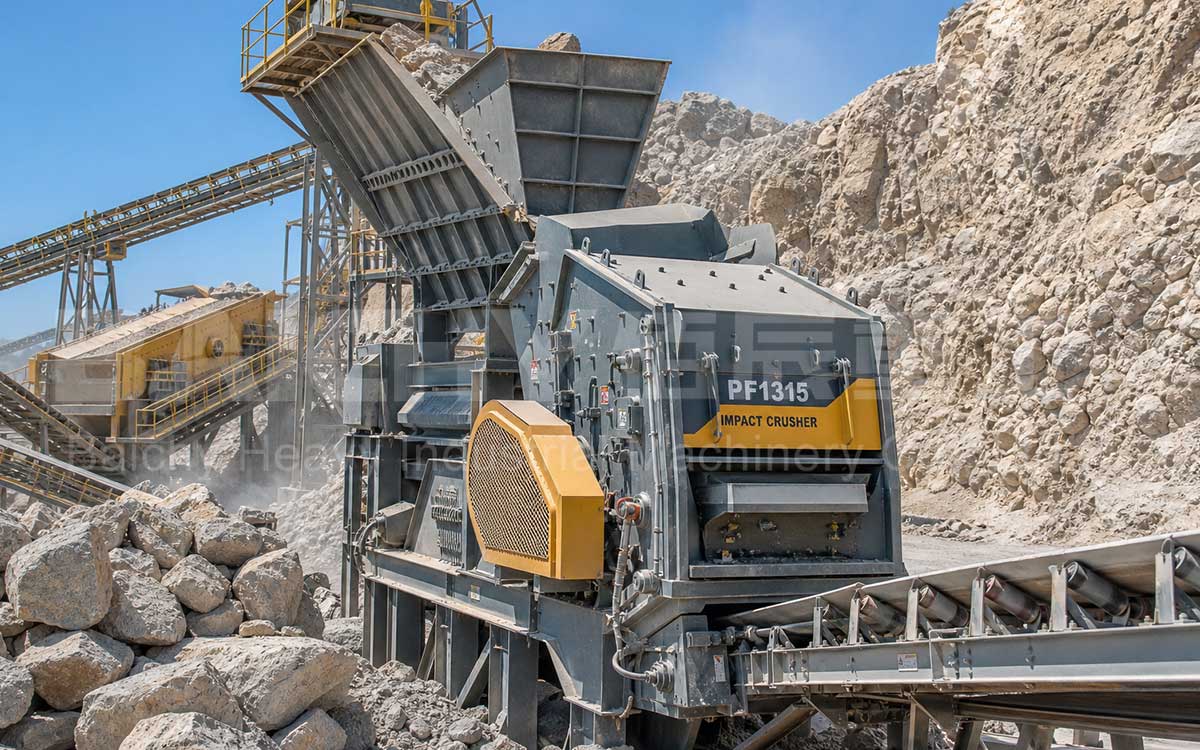
| Gypsum crusher | Breaks caked lumps and controls feed particle size | Feed section ahead of the dryer |
VI. Equipment Advantages: Translating Process Capabilities into Business Returns
1. Raw material quality: Moisture ≤1% + controlled phase composition meets gypsum board plant acceptance standards, transforming FGD gypsum from a "disposal cost" into "sales revenue."
2. No wall sticking or drum clogging: Material-breaking vibration + spiral lifters prevent wet fines from sticking; ensures continuous production without capacity loss.
3. Controllable phase transition → Stable board pricing: Discharge is free from mixed hemihydrate/anhydrite phases; consistent downstream setting times and strength reduce the risk of batch downgrading.
4. Waste heat utilization: Power plant applications can utilize low-pressure steam heat exchange or boiler flue gas waste heat; fuel cost per ton approaches zero, significantly shortening the payback period.
5. Low maintenance: Replaceable pin-type gears + standardized support rollers; universal spare parts and controllable downtime.
6. Transparent capacity ratings: Nominal capacity and FGD gypsum-specific capacity are listed separately (see parameter table); calculations based on evaporation load prior to contracting—no inflating figures using generic material capacities.
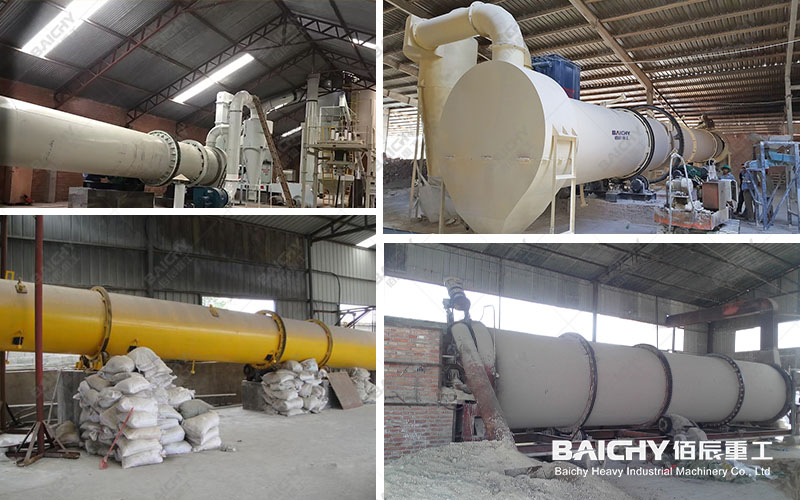
Single-drum dryer at the customer's site
VII. Relevant Case Studies (Anonymized)
Integrated Power Plant (2×660MW) and Gypsum Board Facility Project in East China: The power plant burns high-sulfur coal, generating approximately 200,000 tons of FGD gypsum annually as a wet-desulfurization byproduct. Previously, off-site transport and stockpiling were difficult, especially during the rainy season. A system comprising a Φ2600×24000 dryer, along with calcination and grinding sections, was installed on-site. The dried product consistently maintains a free moisture content of ≤1% and is supplied directly to the industrial park's gypsum board line. This eliminated transportation and stockpiling costs and increased the comprehensive utilization rate from under 50% to over 90% (according to the plant).
Raw Material Substitution Retrofit for a Gypsum Board Enterprise in North China: The company previously relied on purchased natural gypsum (involving ore procurement, crushing, transport, and drying), resulting in high per-ton costs and supply disruptions during the rainy season. After switching to local power plant desulfurization gypsum and installing a Φ2200×18000 unit (10–13 t/h capacity), the output quality consistently met board-core specifications. Raw material costs per ton dropped by approximately 30% (according to the enterprise), and the production line now operates at full capacity year-round.
Supporting Project for a Coal-Fired Power Plant in South Asia (India; technical negotiations ongoing): Requirements included compatibility with 400V/50Hz power and natural gas heat sources, as well as compliance with emission standards for dust-laden exhaust. The proposed solution utilizes a Φ2400×20000 unit with a closed-loop exhaust system featuring bag-type dust collection; interfaces for a calcination section were reserved to allow for a two-step process. The project is currently entering the technical clarification stage.
Reference: Fortune Business Insights, "Gypsum Board Market" (February 2025) — The global gypsum board market was valued at approximately USD 13.73 billion in 2024 and is projected to reach USD 18.16 billion by 2032, with a CAGR of approximately 3.6%. The substitution of natural gypsum with synthetic gypsum (including FGD gypsum) represents a key trend in raw material strategies for gypsum board manufacturers.
VIII. Recommended Equipment Related to This Topic
Recommended Equipment | Function | Applicable Stage
Rotary Drum Dryer (FGD Gypsum Dryer) | Removes free water to ≤1% while retaining crystal water | Raw material pre-treatment
Gypsum Calcining Kiln / "One-Step" Rotary Kiln | Dehydrates at 150–180°C to produce β-hemihydrate gypsum powder | Post-drying (two-step process) or direct co-production
Hot Air Furnace (Coal/Natural Gas/Waste Heat) | Provides stable heat source and temperature control | Drying system auxiliary
Cyclone Dust Collector + Baghouse Dust Collector | Tail gas dust collection, compliance with emission standards, fine powder recovery | Drying system auxiliary
Raymond Mill / HGM Ultrafine Mill | Adjusts fineness and increases specific surface area of hemihydrate gypsum powder | Post-calcination grinding and modification
Gypsum Crusher | Breaks down large, agglomerated lumps; controls feed particle size | Pre-dryer feeding stage
IX. FAQ
Q1: Can the FGD gypsum dryer directly convert desulfurization gypsum into the hemihydrate gypsum used for plasterboard?
It cannot be done in a single step. The dryer only removes free water (reducing content from 10%–15% to ≤1%); the discharged material remains dihydrate gypsum with its crystal water intact. Conversion to β-hemihydrate gypsum—the active component of plasterboard cores—requires a calcination stage where dehydration occurs at a material temperature of 150–180°C. A "one-step" process combining both stages requires a specialized calcining kiln and strict temperature control; Baichy offers complete drying and calcination system configurations.
Q2: Why can't the drying temperature be set higher? Wouldn't setting the air temperature to the equipment's upper limit speed up the process?
Although the equipment's maximum temperature tolerance is 700–800°C, the recommended operating parameters for desulfurization gypsum are an inlet air temperature of 550–650°C and a discharge material temperature of approximately 100°C. A co-current flow arrangement is used so that high temperatures act only on high-moisture material—where the latent heat of evaporation absorbs the heat—preventing dry material from remaining in the high-temperature zone for extended periods. If localized overheating occurs, the dihydrate gypsum undergoes premature dehydration and phase separation; this leads to inconsistent setting times and strength in the downstream product, causing the boards to fail factory acceptance standards. Dehydration must take place within specialized calcination equipment, rather than occurring "incidentally" inside the dryer.
Q3: How do you determine the appropriate dryer model based on gypsum board production capacity?
Calculations are based on the evaporation load. Example: A board plant requires 10 t/h of dry-basis gypsum powder, with feed moisture at 12% and discharge moisture ≤1%. This requires the evaporation of approximately 110 kg of water per tonne of feed, resulting in an hourly evaporation rate of about 1.2 t. Based on FGD gypsum operating conditions, a Φ2200×18000 unit (rated for 10–13 t/h) would be suitable; if feed moisture is higher or a safety margin is required, the next larger model should be selected. Upon submission of material analysis data (moisture content, particle size, chloride ion content, and purity), Baichy will provide a model selection proposal that includes evaporation load calculations and a fuel cost comparison.
Baichy Heavy Industry
Baichy Heavy Industry is a high-tech mining equipment company integrating R&D, manufacturing, sales, and after-sales service. Focusing on crushing, grinding, and mineral processing equipment, we provide professional solutions to our customers. We are ISO9001:2015 、certified, and our products include mobile crushing palnts, crawler crushing plant, construction waste crushing plants, jaw crushers, sand making machines, cone crushers, fine crushers, grinding mills, ball mills, etc., all with reliable performance to meet diverse project needs.
Baichy Heavy Industry – Your Trusted Partner
To ensure optimal performance of your equipment, Baichy Heavy Industry offers:
- Professional on-site installation guidance
- Comprehensive operator training
- 24/7 technical support & maintenance services
Our complete after-sales service system guarantees long-term, stable operation of your machinery with minimal downtime.
Protect Your Rights – Only Use Official Channels
To avoid scams and ensure authentic support, contact us exclusively through:
• Official Website: www.baichychina.com
• WhatsApp: +8615093222637
• Email: [email protected]
Your satisfaction is our priority – expect prompt, professional service every time.
(Note: Beware of unauthorized third parties claiming to represent Baichy. Always verify through official contacts.)