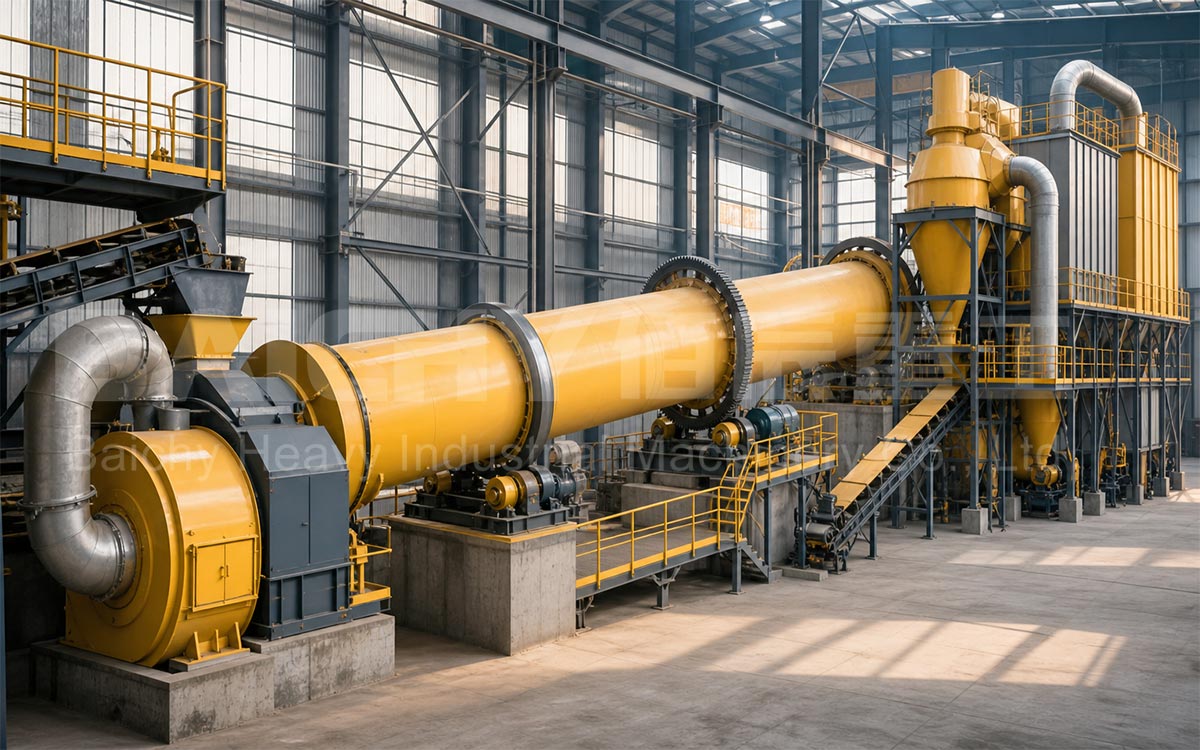
Ore Dryers
While the crushing, grinding, and beneficiation stages of a mineral processing plant focus on "extracting metal from ore," the ore dryer focuses on "removing water from the material stream." Though seemingly auxiliary, drying is actually a critical factor determining three key areas: transportation costs, furnace operating conditions, and safety. Iron concentrate filter cakes contain 15%–20% moisture, leading to freight charges based on wet tonnage and freezing issues during winter in cold regions; stockpiling sulfide concentrates with high moisture and sulfur content poses a risk of spontaneous combustion; and for smelting, every 1% increase in feed moisture drives up fuel and flue gas treatment costs.
I. The Role of Drying Operations in the Mineral Processing Workflow
1. Drying is not merely an endpoint, but a gateway for transitioning from a "wet-basis" to a "dry-basis" material stream.
After crushing, grinding, and beneficiation, ore exits the main process in two forms: coarser ore fines and crushed ore, and extremely fine concentrate filter cakes. Even after thickening and filtration (or pressure filtration), both forms retain 10%–20% moisture. This moisture translates into costs at every downstream stage: transportation is billed by wet tonnage, and freezing in cold regions during winter causes unloading costs to skyrocket; high moisture in furnace feed increases fuel and oxygen consumption while destabilizing furnace conditions; regarding safety, the oxidation of sulfide concentrates generates heat—leading to spontaneous combustion if stockpiled improperly—and the maritime transport of high-moisture concentrates is subject to Transportable Moisture Limit (TML) regulations under the IMSBC Code; regarding quality, processes such as sintering, pelletizing, and roasting are highly sensitive to the uniformity of moisture in the feed mix. The value of drying equipment lies in removing moisture at the processing plant at a controlled, one-time cost, rather than forcing downstream operations to repeatedly pay for every ton of water.
2. The material to be dried dictates the drying logic: three categories of materials, three types of processes.
• Ferrous metal concentrates and fines (iron, chromium, manganese, nickel): Focus is on "controlling total moisture" to levels acceptable for batching and for freeze-resistant storage and transport; the process window is broad, making it suitable for high-capacity, continuous processing.
• Non-ferrous metal sulfide concentrates (copper, lead, zinc): Focus is on "safety and uniformity"; with sulfur content often reaching 20%–30%, low-temperature co-current drying is required, and discharge temperatures must be ≤90°C to prevent oxidative spontaneous combustion at the source.
• Non-metallic and construction minerals (silica sand, kaolin, bentonite, limestone powder): Focus is on "product quality standards," with drying operations organized to meet the maximum moisture limits required by downstream applications such as glass manufacturing, refractories, and chemical raw materials.
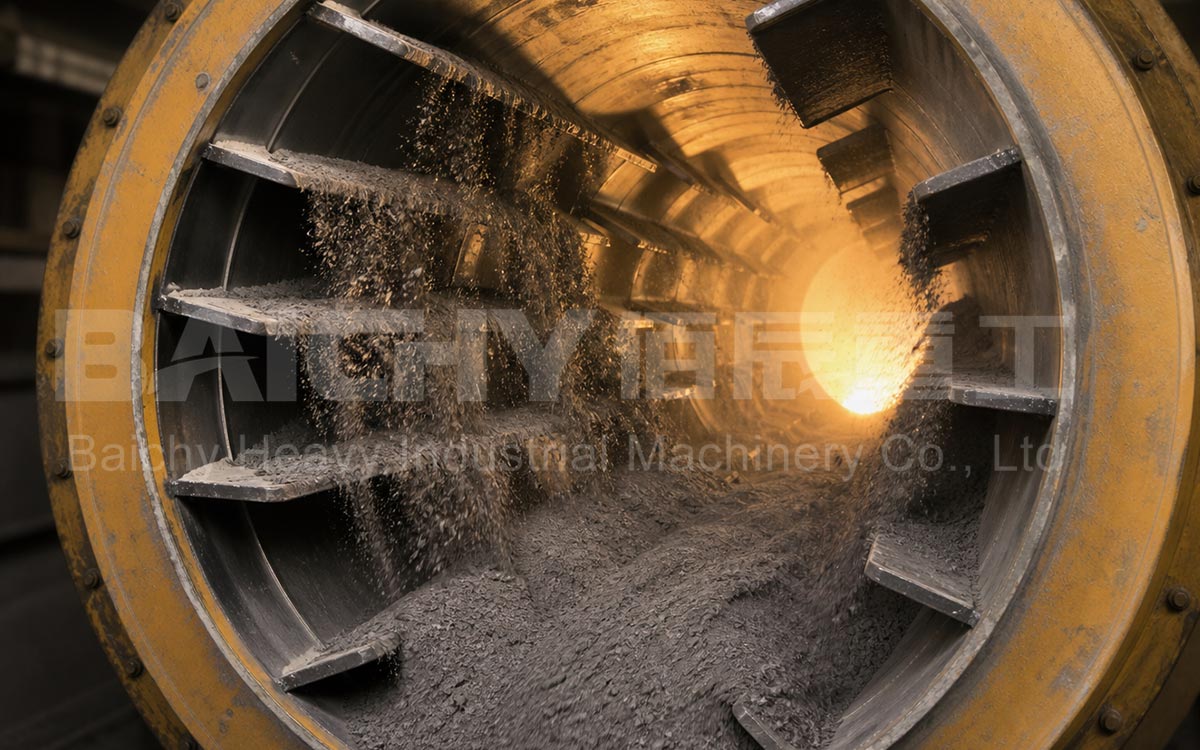
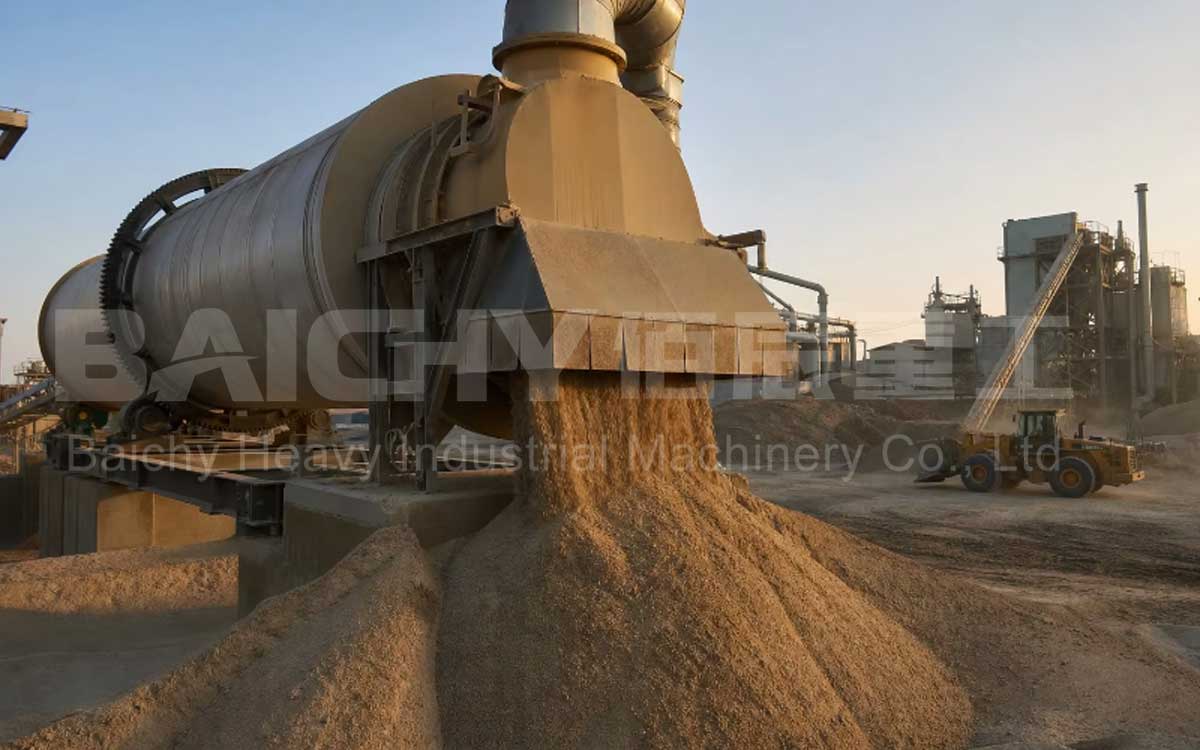
Concentrate Drying Equipment
II. Typical Application Scenarios
| Scenario | Feed Form | Feed Moisture | Target Moisture | Drying Objective |
|---|---|---|---|---|
| Iron Ore Dewatering | Iron concentrate filter cake | 15%–20% | ≤8% | Stockpiling/transfer, pelletizing/sintering feed preparation |
| Cr-Mn-Ni Furnace Feed Conditioning | Ore fines/crushed ore | 8%–15% | 3%–6% | Smelting batching, homogenization for furnace charging |
| Sulfide Concentrate Furnace Charging | Cu-Pb-Zn filter cake | 12%–18% | 6%–8% | Preventing spontaneous combustion, meeting furnace moisture specs |
| Cold-Climate Transport | Wet concentrate/ore fines | 12%–18% | 5%–6% | Freeze prevention, winter loading/transport |
| Port Loading Conditioning | Concentrate/ore fines | Varies by condition | Meeting TML | IMSBC transport compliance |
| Non-metallic Mineral Products | Washed wet sand/slurry | 10%–20% | ≤5% | Raw materials for glass/refractories/chemicals |
III. Five Major Advantages of Rotary Drying Equipment for Mining
1. High capacity and ability to handle moisture fluctuations: Wet-basis capacity of 5–200 t/h per unit; rotational speed, air temperature, and feed rate are interlocked and adjustable, allowing for the smooth handling of 10%–20% fluctuations in feed moisture—this is the primary reason rotary dryers are preferred over fluidized bed or disc dryers in mining;
2. Co-current low-temperature operation for inherent safety: Hot air enters the drum at 500°C–700°C while discharge material temperature remains ≤90°C; equipped with interlocked alarms for temperature and CO concentration, transforming the critical "ignition point" risk associated with drying sulfide concentrates into a standard monitoring point, suitable for high-sulfur and high-dust conditions;
3. Material-specific internal drum design: Feed sections for wet, sticky filter cakes feature breaking/de-agglomeration mechanisms; discharge sections for fine powders feature airflow control to prevent material entrainment; highly abrasive minerals are handled with wear-resistant liners and lifters, allowing for material changes without replacing the machine;
4. Dust recovery with no granule loss: A two-stage recovery system (cyclone plus bag filter) achieves a recovery rate of ≥99%, capturing all fine particles entrained in the airflow; metal loss is ≤0.5%, while environmental emission standards are simultaneously met.
5. Flexible heat sources and controllable heat consumption: Compatible with hot-blast stoves fueled by coal, natural gas, or heavy oil, or capable of utilizing waste heat flue gas from smelting operations; combined with dry material recirculation and exhaust heat recovery, the heat consumption per ton is 15%–25% lower than that of conventional, less efficient drying processes.
IV. Baichy Ore Dryer Core Specifications Table
Typical operating conditions: Feed moisture 15%–18%, discharge moisture ≤8%; co-current flow design:
| Model/Spec. | Capacity (wet basis, t/h) | Feed Moisture | Discharge Moisture | Inlet Air Temp. | Installed Power | Suitable Production Line |
|---|---|---|---|---|---|---|
| φ1.5×12m | 5–10 | 12%–18% | 6%–8% | 550–700°C | 30–45 kW | Small-scale processing plant |
| φ1.8×14m | 8–12 | 15%–18% | ≤8% | 600–750°C | 37–55 kW | Small-to-medium processing plant |
| φ2.2×18m | 15–22 | 15%–18% | ≤8% | 600–750°C | 55–90 kW | Medium-scale processing/smelting plant |
| φ3.0×22m | 40–60 | 15%–18% | ≤8% | 650–800°C | 132–200 kW | Large-scale centralized drying |
| φ3.6×25m | 120–200 | 15%–20% | ≤8% | 650–800°C | 220–315 kW | Ultra-large production line |
Parameter Interpretation: Equipment selection is not merely about choosing a "drum diameter," but involves three key calculations: the feed moisture range determines the need for material-breaking and recirculation systems (recommended for >15% moisture); target moisture determines heat consumption (for every additional 1% reduction in moisture, heat consumption per ton increases by approximately 8%–12%); and sulfur content and abrasiveness determine the choice between co-current and counter-current flow, as well as wear-resistant configurations. Throughput for high-moisture feed drops by 20%–30% compared to dry feed; if feed moisture is at the high end of the range, select the next larger model size. For retrofit projects with space constraints, a triple-cylinder layout (e.g., sizes ranging from Φ2.0×4m to Φ4.0×10m; capacities of 8–100 t/h) can be considered; this configuration occupies approximately 60%–70% of the footprint required for a single-cylinder dryer of the same capacity.
V. Application Cases
Case A (Chromite furnace feed conditioning): At a beneficiation plant supporting a ferrochrome smelter, the moisture content of chrome concentrate filter cake fluctuated between 14% and 16%, leading to high electricity consumption and unstable batching ratios upon furnace entry. After installing a complete Φ2.2×18m drying line, the discharge moisture stabilized at 3%–4%, batching moisture fluctuations narrowed, and furnace feed temperature and electricity consumption metrics improved significantly; the equipment has operated smoothly since commissioning.
Case B (High-sulfur copper concentrate spontaneous combustion prevention): A copper beneficiation plant processed concentrate with ~25% sulfur content and 16% incoming moisture; a previous batch was lost due to spontaneous combustion during stockpiling. After retrofitting to a co-current low-temperature drying line, discharge moisture stabilized at 7% and material temperature remained ≤85°C throughout the process. A CO-based safety interlock system was also installed; no heat-related alarms have been recorded in two years of operation, and standard management practices for concentrate stockpiling and ship loading have resumed.
Case C (Winter transport of iron concentrate in alpine regions): At a magnetite beneficiation plant in the north, iron concentrate filter cake moisture ranged from 15% to 19%, causing frequent freezing during winter transport and incurring high costs for breaking up frozen material. After implementing a Φ3.0×22m drying system, moisture stabilized at 7%–8% (with fluctuations within ±0.5 percentage points), winter loading and transport efficiency returned to warm-season levels, and the pass rate for pelletizing feed mixtures improved simultaneously. (To protect client confidentiality, company names have been omitted from these case studies.)
VI. Recommended Equipment: Drying Section for Baichy Integrated Production Lines
| Category | Representative Specifications | Reference Capacity | Role in the System |
|---|---|---|---|
| Single-cylinder Rotary Dryer | φ1.5×12m – φ3.6×25m | 5–200 t/h (wet basis) | Primary equipment for bulk drying of concentrates and fines |
| Three-cylinder Rotary Dryer | Φ2.0×4m – Φ4.0×10m | 8–100 t/h (wet basis) | Compact drying solution for space-constrained sites |
| Coal/Gas Hot Blast Stove | Sized by heat demand | Linked with the dryer | Heat source supply; supports waste heat flue gas utilization |
| Wet Material Disintegrating Feeder | Customized based on filter cake viscosity | Paired with the dryer | Breaks up sticky, high-moisture filter cake for uniform feeding |
| Cyclone + Baghouse Dust Collector | Recovery rate ≥99% | Paired with the dryer | Fine powder recovery and environmental compliance |
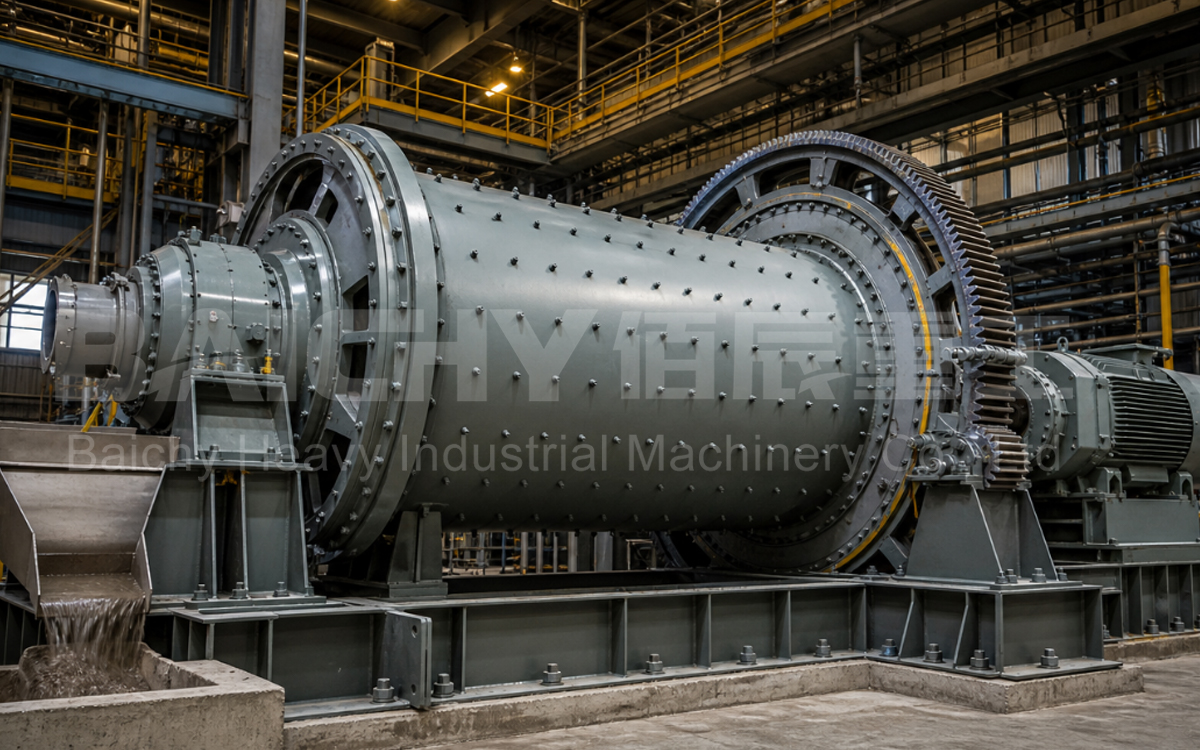
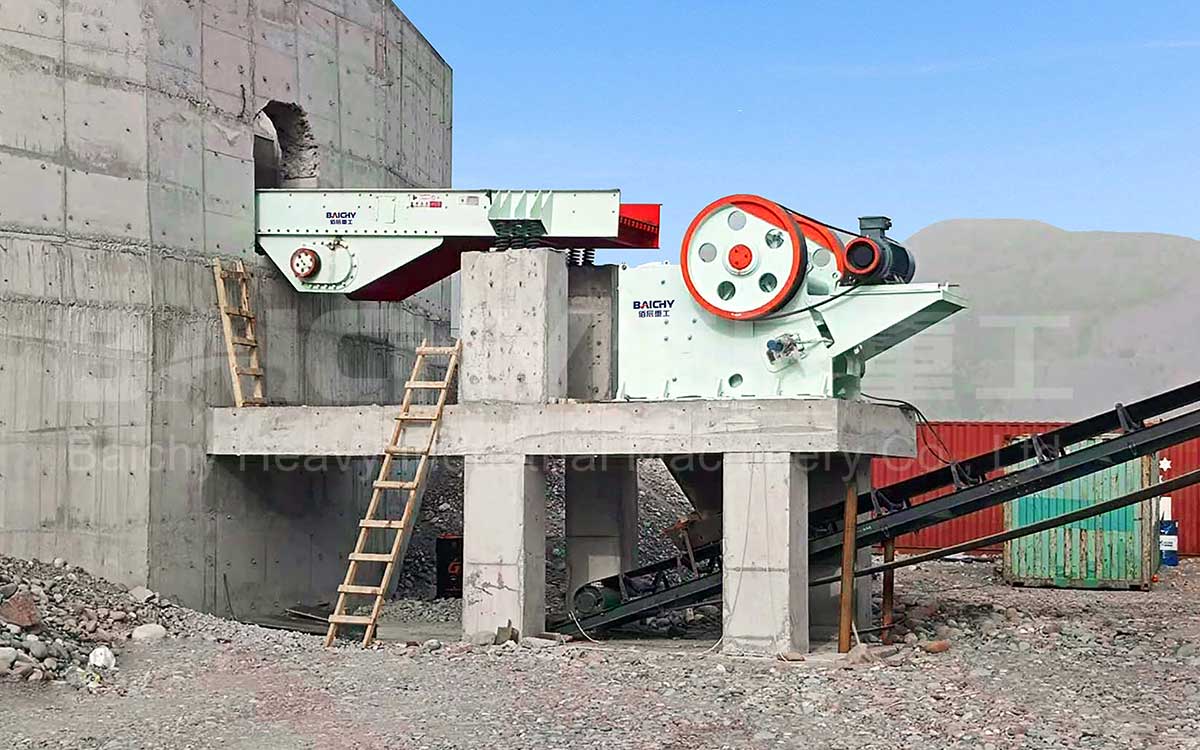
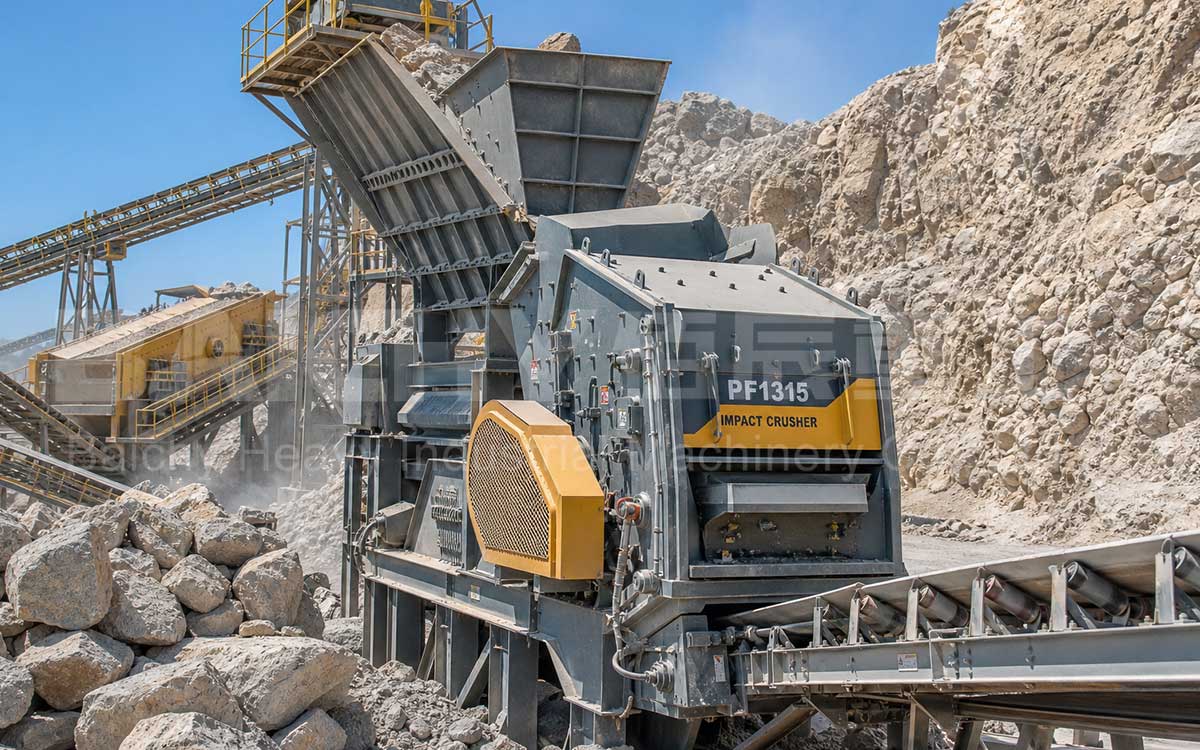
Integration Note: Ore drying is typically delivered as a complete line (feeding – disintegration – drying – dust collection – conveying). Baichy can integrate upstream with crushing, grinding, and beneficiation equipment (jaw crushers, ball mills, magnetic/flotation separators) and downstream with screening and packaging systems, providing a comprehensive solution from raw ore to dry-basis finished product. For plants with existing filtration systems, we recommend collaborating with engineers to assess the pision of labor between drying and filtration to optimize total energy consumption.
VII. FAQ
Q1: To what level can the ore dryer consistently reduce moisture content?
A: Levels are determined by downstream requirements: Iron concentrate for stockpiling and transport is usually ≤8%; pellet/sinter feed requires 6%–8% with minimal fluctuation; furnace feed for chromium, manganese, and nickel requires 3%–6%; sulfide concentrate for furnace charging requires 6%–8%; and material for transport in extremely cold regions or maritime shipping can be reduced to 5%–6%. Lower moisture levels result in higher heat consumption; we recommend calculating the optimal moisture level based on transport, smelting, and safety requirements rather than blindly aiming for the lowest possible figure.
Q2: With high-sulfur ore and fine dust, is there a risk of fire or explosion during rotary drying?
A: Both risks can be eliminated through design: for sulfide concentrates, a co-current flow setup allows the hot air to cool rapidly at the feed end, keeping the material temperature below 90°C; additionally, interlocking systems linked to temperature and CO concentration cut off the three elements required for spontaneous combustion—high temperature, oxygen enrichment, and heat accumulation. For fine-powder materials, dust-related risks are managed by controlling airflow velocity and incorporating anti-static and explosion-venting designs. This distinction represents the fundamental difference between mining-grade drying systems and standard drying equipment.
Q3: What is the approximate cost of drying one ton of ore?
A: The cost per ton comprises thermal energy consumption (fuel), electricity consumption, and labor, with fuel typically accounting for more than half of the total. Taking the drying of iron concentrate from 16% to 8% moisture using a coal- or gas-fired hot air furnace as an example, the industry benchmark is approximately 2–6 USD per ton, varying based on local fuel prices and thermal efficiency. By providing Baichy engineers with details regarding incoming moisture content, target moisture levels, and fuel prices, you can receive a cost-per-ton and payback period analysis based on free drying tests.
Baichy Heavy Industry
Baichy Heavy Industry is a high-tech mining equipment company integrating R&D, manufacturing, sales, and after-sales service. Focusing on crushing, grinding, and mineral processing equipment, we provide professional solutions to our customers. We are ISO9001:2015 、certified, and our products include mobile crushing palnts, crawler crushing plant, construction waste crushing plants, jaw crushers, sand making machines, cone crushers, fine crushers, grinding mills, ball mills, etc., all with reliable performance to meet diverse project needs.
Baichy Heavy Industry – Your Trusted Partner
To ensure optimal performance of your equipment, Baichy Heavy Industry offers:
- Professional on-site installation guidance
- Comprehensive operator training
- 24/7 technical support & maintenance services
Our complete after-sales service system guarantees long-term, stable operation of your machinery with minimal downtime.
Protect Your Rights – Only Use Official Channels
To avoid scams and ensure authentic support, contact us exclusively through:
• Official Website: www.baichychina.com
• WhatsApp: +8615093222637
• Email: [email protected]
Your satisfaction is our priority – expect prompt, professional service every time.
(Note: Beware of unauthorized third parties claiming to represent Baichy. Always verify through official contacts.)