
Tin Ore
Against the backdrop of continuously growing global demand for tin resources, the efficient and economical conversion of underground ore into high-grade tin concentrate is crucial for the profitability of every mining company. A scientifically designed and rationally configured complete tin ore production line is not only a guarantee of stable production but also a key to reducing costs and enhancing competitiveness. As experts deeply involved in the field of mining crushing equipment, we will provide you with an in-depth analysis of the core configuration and optimization solutions for modern tin ore production lines.
I. Overview of Tin Ore Beneficiation Process
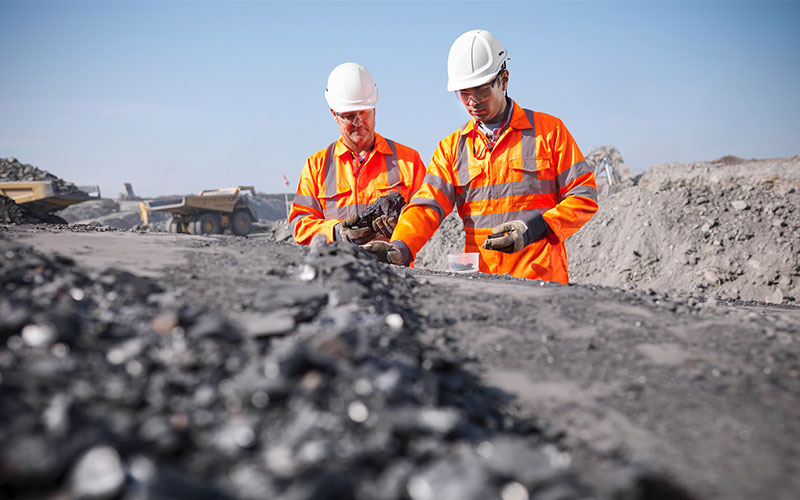
Tin ore beneficiation is not a single step but an interconnected system engineering project. Its core objective is to gradually improve the grade of cassiterite (mainly tin-containing minerals) and separate gangue and other associated minerals through a series of physical and chemical methods.
1.1 Standard Process Flow Stages
A complete tin ore beneficiation production line typically includes the following core stages:
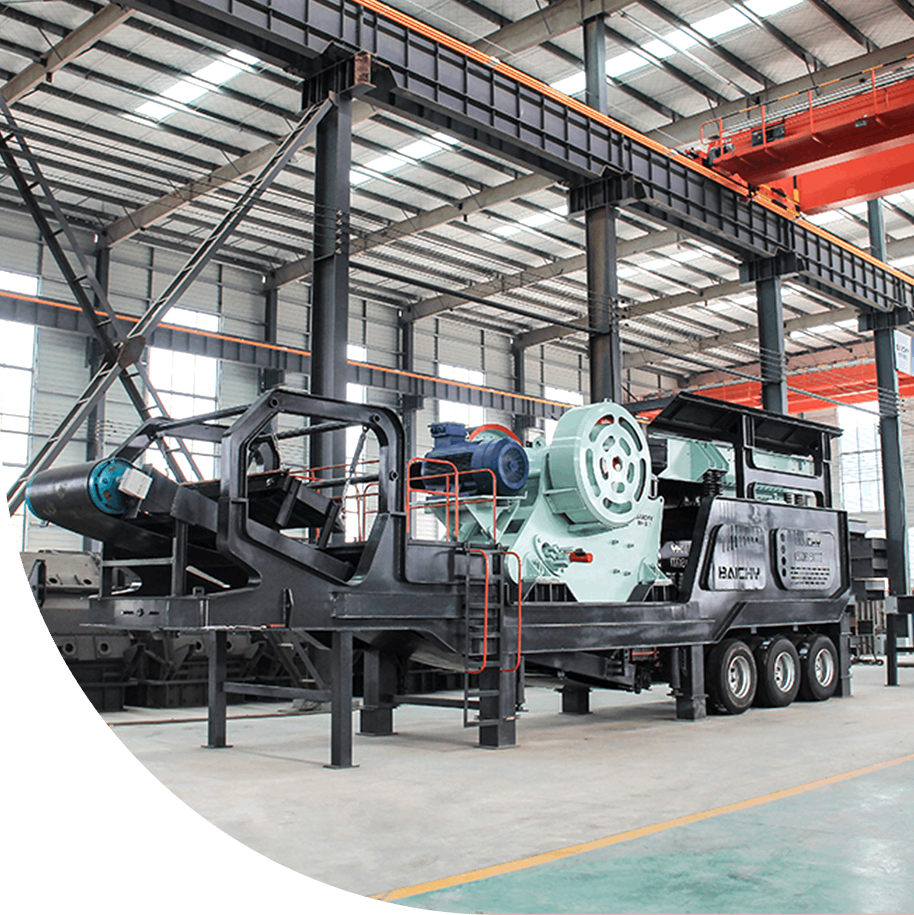
• Crushing Stage: Employing a three-stage crushing process—coarse crushing, medium crushing, and fine crushing—to progressively crush the large ore blocks to a suitable particle size for beneficiation (usually below 10-20mm).
• Grinding Stage: Using equipment such as ball mills and rod mills, the crushed product is further ground to fully liberate cassiterite from gangue, creating conditions for separation.
• Separation (Gravity Separation) Stage: This is the core of tin ore beneficiation. Due to the high density of cassiterite (6.4-7.1 g/cm³), gravity separation is the most important and economical method. Jigs, shaking tables, and spiral sluices are commonly used for roughing, cleaning, and scavenging.
• Dewatering Stage: The cleaned tin concentrate and tailings are concentrated and filtered to obtain the final concentrate product and the tailings, which are then dried or reused.
II. Core Equipment Configuration and Selection Advantages
A scientific production line relies on high-performance, highly compatible equipment. The following are the key equipment configurations and their advantages for each stage.
2.1 Crushing and Grinding Stage
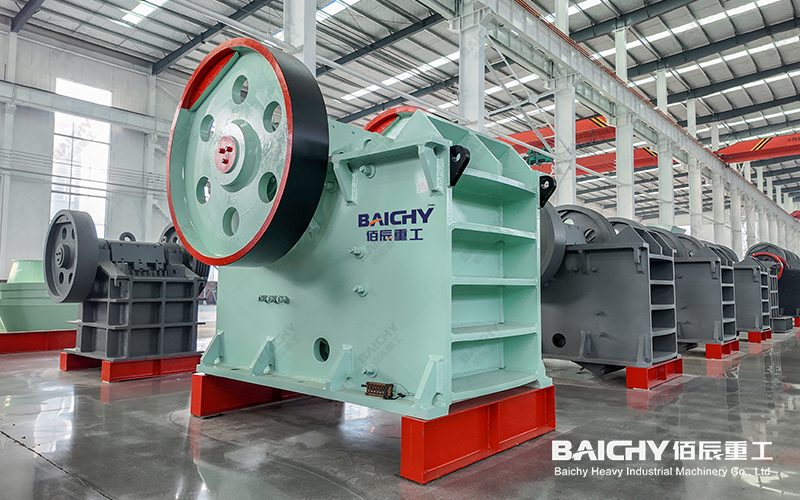
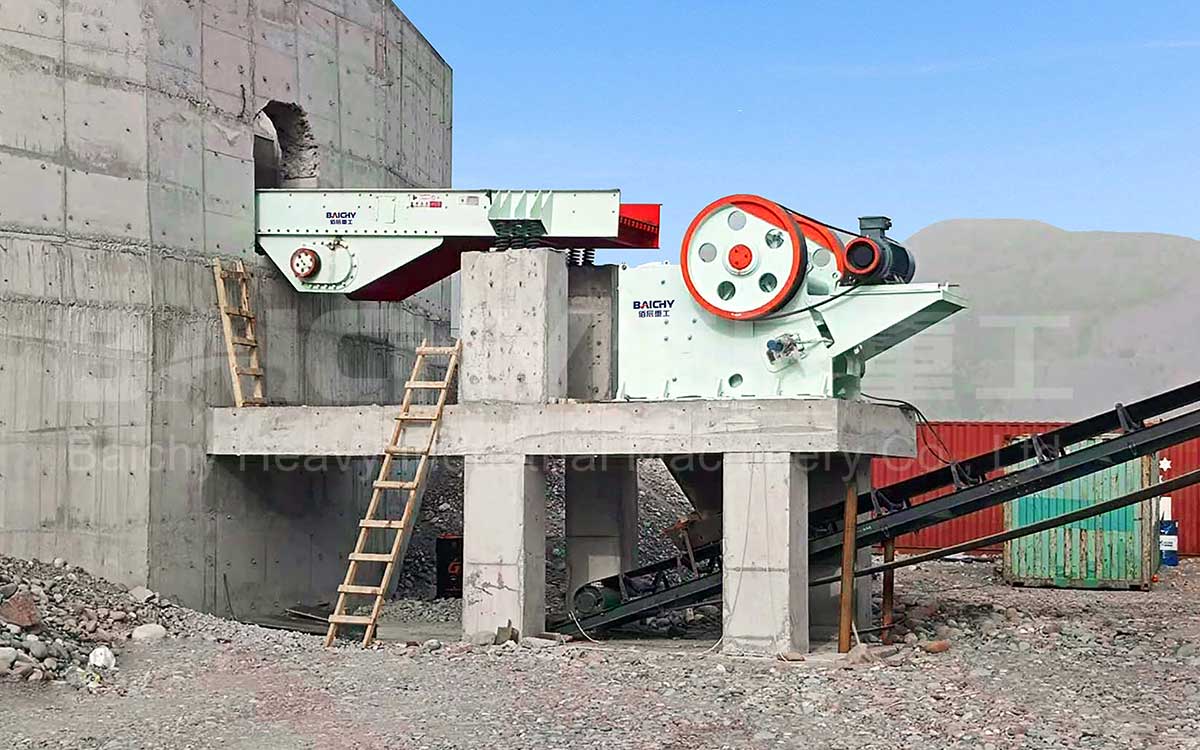
Priamry Jaw Crusher
• Jaw Crusher (Coarse Crushing): Robust structure and high processing capacity; it is the first barrier for crushing high-hardness tin ore. The advantages are a large feed opening, capable of handling large ore chunks, reliable operation, and easy maintenance.
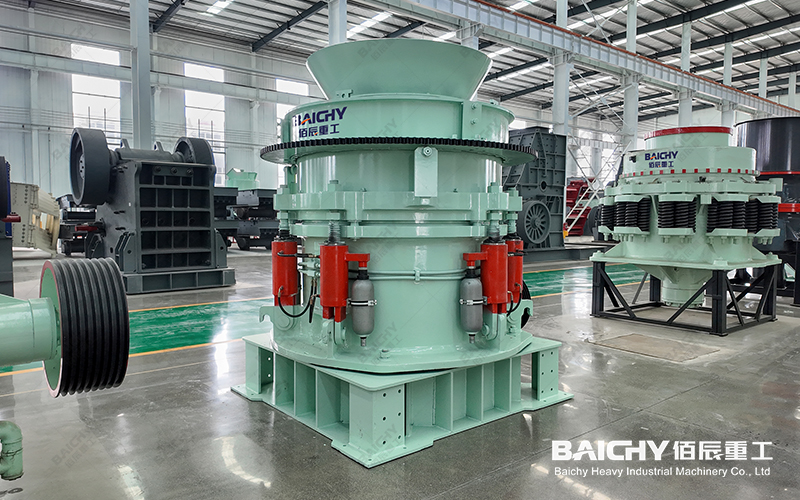
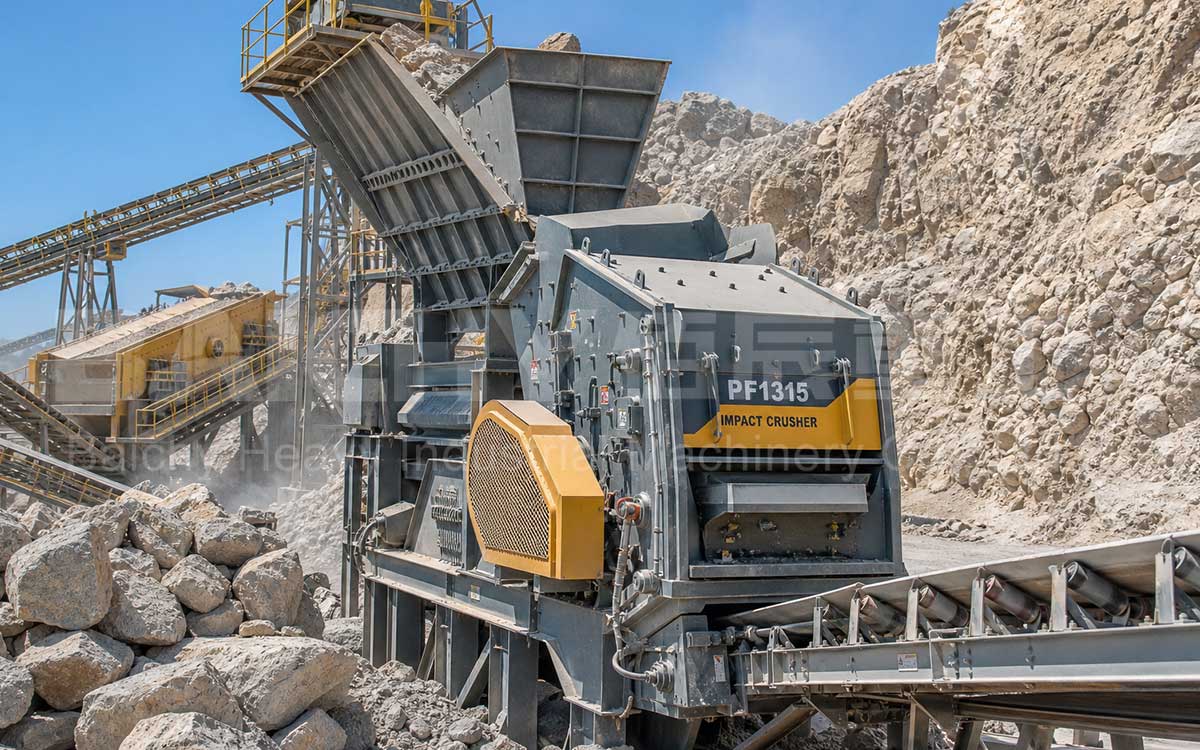
Hydraulic Cone Crusher
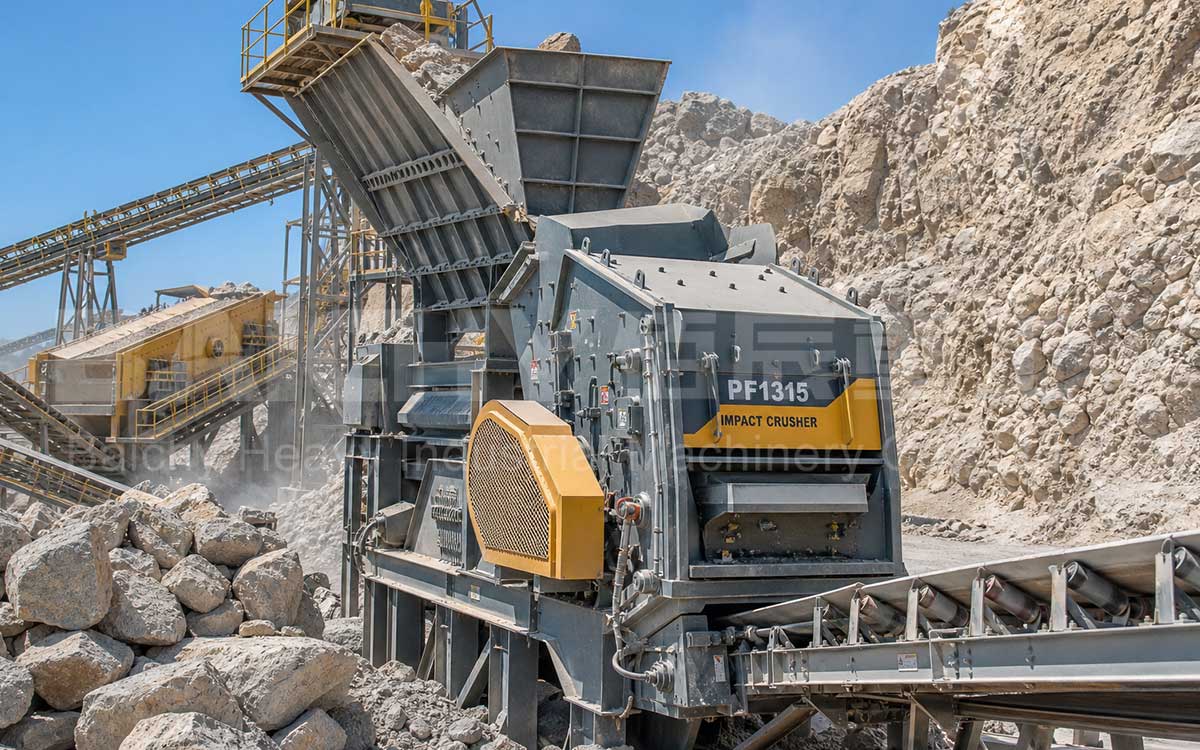
• Cone Crusher/Impact Crusher (Medium and Fine Crushing): Used for secondary and tertiary crushing. The cone crusher's advantages are a large crushing ratio, high efficiency, and good product particle shape; the impact crusher's advantages are cubic products with low needle-like and flaky content.
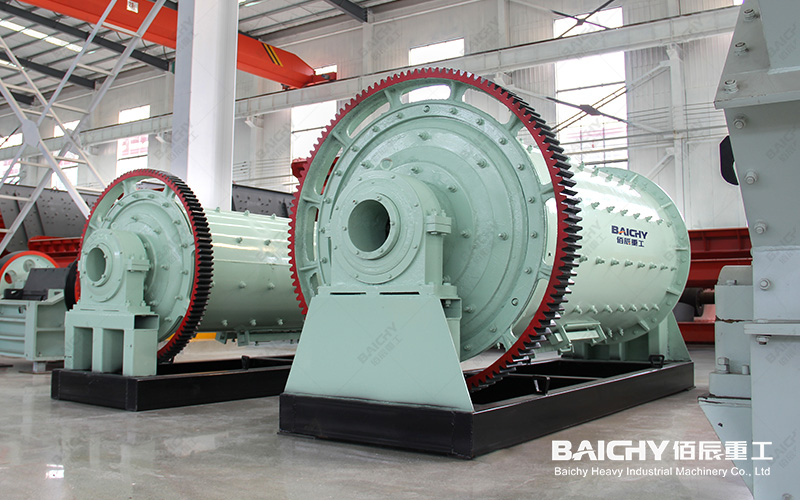
Wet Ball Mill
• Ball Mill (Grinding): Forms a closed-loop cycle with classifying equipment (such as spiral classifiers and hydrocyclones) to ensure the grinding fineness meets the separation requirements. Its advantages are large throughput, stable operation, and convenient fineness adjustment.
2.2 Separation and Dewatering Stage
• Jig (Roughing): Used to process coarse-grained ore, removing a large amount of tailings in advance. Its advantages are large throughput, high recovery rate, and reduced load on subsequent operations.
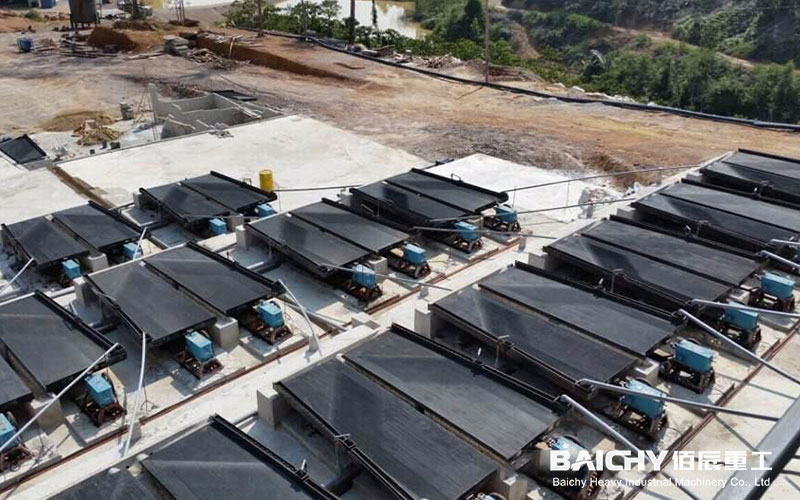
Shaking Table (Cleaning)
• Shaking Table (Cleaning): The core equipment for obtaining high-grade tin concentrate, with high separation accuracy. Its advantages are a high enrichment ratio, the ability to simultaneously produce multiple products of different grades, and intuitive operation.
• Thickeners and Filters (Dewatering): High-efficiency thickeners offer advantages such as small footprint and high automation; ceramic filters or chamber filter presses offer advantages such as low filter cake moisture content and significant energy savings.
III. Success Story Sharing: A Large Tin Mine Project in Southeast Asia
We provided a complete production line solution for a large placer tin mine in Southeast Asia. The ore had uneven particle size distribution and high mud content. We customized a short-process gravity separation solution of "washing + screening + jigging + shaking table".
• Configuration Highlights: High-efficiency scrubbing machines and vibrating screens were added after crushing and screening to effectively remove the interference of ore mud on the separation process. The core separation uses multiple high-capacity jigging machines for coarse separation, supplemented by multi-layer shaking tables for fine separation.
• Operational Results: After the production line was put into operation, the tin concentrate grade stabilized above 65%, and the overall recovery rate exceeded 85%, far exceeding the customer's expectations. The equipment operated stably, with low maintenance costs, and received high praise from the customer.
IV. Equipment Selection and Production Line Construction Recommendations
For companies planning to build or upgrade tin ore beneficiation plants, we recommend:
1. "Test First, Design Later": Conduct thorough ore beneficiation tests and determine the main process flow and equipment selection based on the test reports.
2. Focus on System Compatibility: Avoid the misconception that "optimal single-machine performance leads to low system efficiency." Ensure smooth connection of equipment processing capacity at each stage.
3. Consider Automation and Intelligence: Introducing automated control systems into key stages (such as grinding concentration and separation parameters) can significantly stabilize production indicators and reduce labor costs.
4. Choose Reliable Partners: Partnering with equipment suppliers possessing full-process design capabilities and extensive case experience can mitigate technical risks from the outset and ensure the overall project benefits.
V. Frequently Asked Questions (FAQ)
Q1: What are the main differences in production line configuration for processing placer tin ore and vein tin ore?
A1: Significant differences. Alluvial tin deposits typically contain high levels of mud and have already undergone inpidual mineral liberation, making the process relatively simple, primarily involving washing, screening, and gravity separation. Vein tin deposits (primary tin deposits), however, require a complete crushing and grinding process to liberate cassiterite, followed by gravity separation, and sometimes combined processes such as flotation to treat fine mud or complex associated minerals.
Q2: How to improve cassiterite recovery rates in a production line, especially for the recovery of fine mud?
A2: Improving recovery rates requires a systematic approach: First, optimize grinding fineness to avoid over-grinding and the generation of secondary mud; second, use specialized equipment for fine cassiterite, such as centrifugal concentrators and belt conveyors; finally, consider using flotation for extremely fine particles as a supplement to achieve complete resource utilization.
Q3: How to balance initial costs with long-term operational benefits in equipment investment?
A3: Avoid focusing solely on the initial purchase price of equipment. A comprehensive evaluation should be conducted on equipment reliability, energy consumption, lifespan of vulnerable parts, and ease of maintenance. A slightly more expensive but stable, energy-efficient piece of equipment often results in a lower total cost of ownership (TCO) and a higher return on investment due to its high uptime, low downtime losses, and low operating costs over the long term.
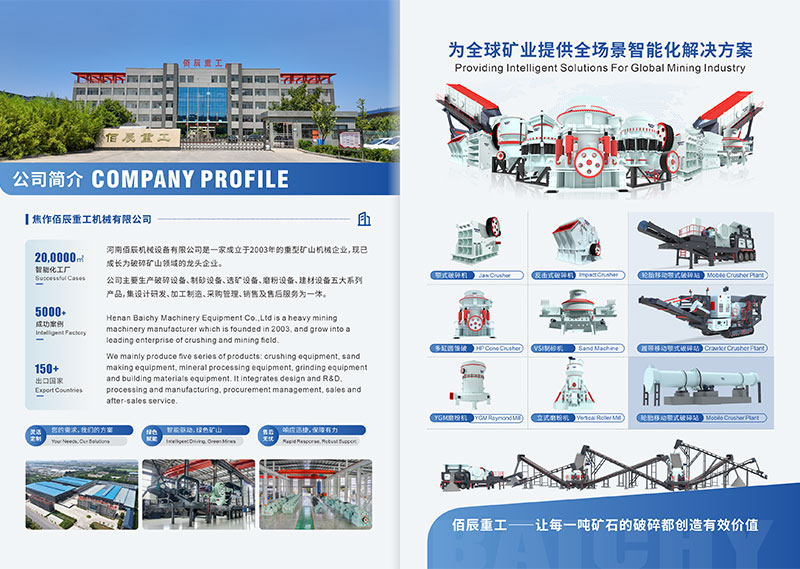
About of Baichy Heavy Industry
Baichy Heavy Industry is a high-tech mining equipment company integrating R&D, manufacturing, sales, and after-sales service. Focusing on crushing, grinding, and mineral processing equipment, we provide professional solutions to our customers. We are ISO9001:2015 、certified, and our products include mobile crushing palnts, crawler crushing plant, construction waste crushing plants, jaw crushers, sand making machines, cone crushers, fine crushers, grinding mills, ball mills, etc., all with reliable performance to meet diverse project needs.
Our advantages:
• Professional pre-sales support: Free project design and comprehensive solutions to help you accurately select the right equipment;
• Comprehensive on-site service: Providing installation guidance and worker training to ensure smooth equipment commissioning;
• Reliable after-sales guarantee: A complete after-sales system, timely response to technical inquiries and equipment maintenance, ensuring long-term stable operation.
To protect your rights, please contact us through the following official channels for professional service:
Official Website Customer Service
WhatsApp: 0086-15093222637
Email: [email protected]
We are committed to providing high-quality equipment and full-cycle services to deliver comprehensive intelligent solutions for the global mining industry!