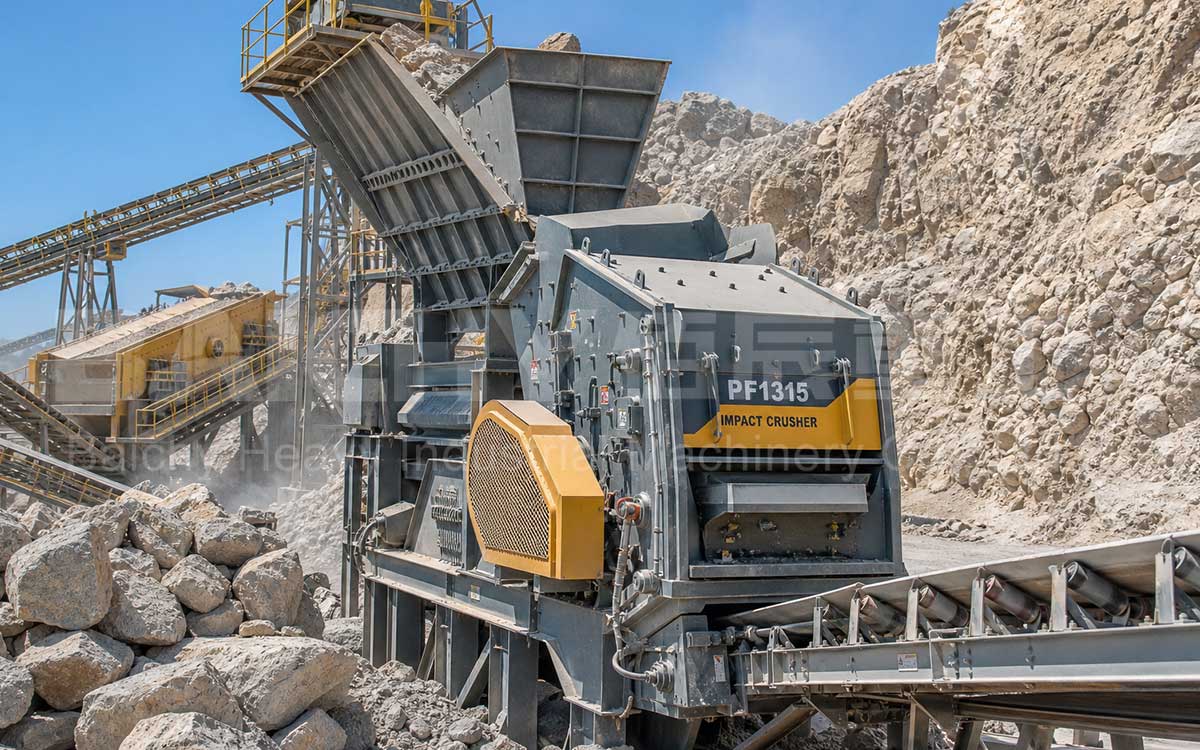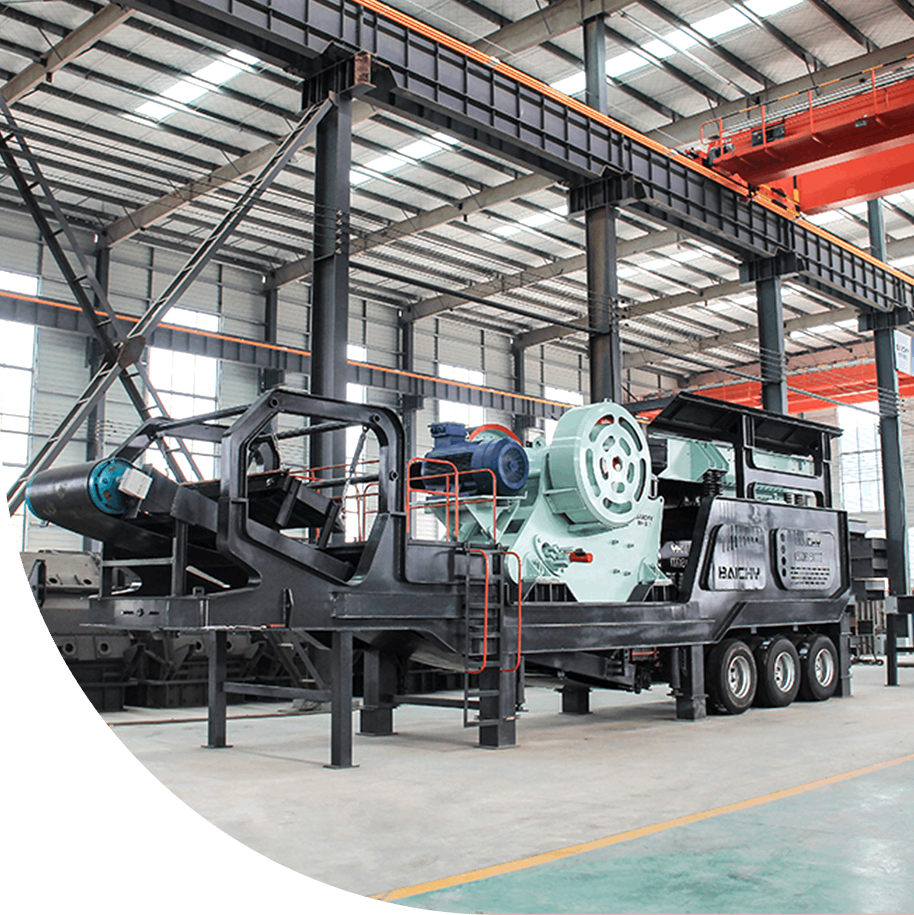

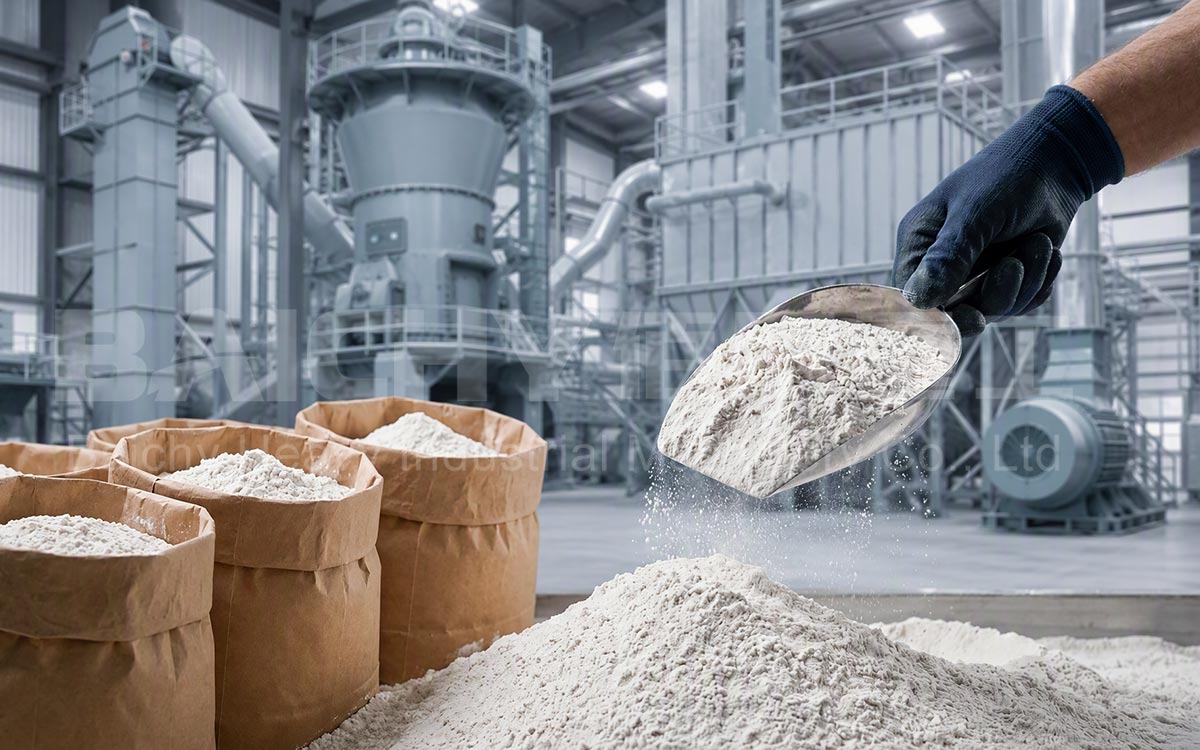
Display of Finished Limestone Powder Products
Limestone powder is not merely a bulk commodity but a chemical raw material graded by fineness: 325-mesh powder is primarily used for power plant desulfurization and as a construction material additive, priced at a few hundred yuan per ton; meanwhile, 800–1250 mesh powder enters markets for PVC, rubber, coatings, and papermaking fillers, commanding prices two to three times higher. In essence, the profitability of limestone powder production lies not in the cost of the raw ore, but in the ability to consistently produce high-mesh powder at a controlled cost during the grinding stage.
The HGM80 limestone ultrafine grinding mill is a flagship model in Baichy Heavy Industry’s three-ring medium-speed micro-powder mill series. A single main unit can produce powder with continuously adjustable fineness ranging from 325 to 2500 mesh (D97: 45μm–5μm); when paired with a variable-frequency classifier and a pulse dust collection system, it forms a closed-circuit grinding station. Its value proposition is straightforward: for an electricity consumption per ton only slightly higher than that of a Raymond mill, it achieves a maximum fineness an order of magnitude higher, while maintaining a lower production cost per ton than a ball mill in the range above 800 mesh. The following section breaks down the equipment based on operating principles, technical specifications, and model selection.
I. The Truth About Profitability in Limestone Powder Production: Why Fineness is the "Primary Variable"
1.1 Different Fineness Levels Correspond to Different Selling Prices and Markets
| Finished Product Fineness | Typical Applications | Relative Price Level |
|---|---|---|
| 200–325 mesh | Power plant desulfurization agents, concrete additives, feed-grade calcium | Baseline price |
| 400–600 mesh | PVC profiles, rubber fillers, waterproof membranes | 1.5–2 times baseline price |
| 800–1250 mesh | Coatings, sealants, papermaking fillers | 2–3 times baseline price |
| Above 1250 mesh | High-end fillers, functional calcium carbonate | Higher (low volume, high price) |
USGS mineral statistics consistently rank crushed stone and limestone among the non-metallic minerals with the highest production volumes in the United States, while Asia (particularly China) represents the region with the fastest growth in limestone powder consumption globally. The market demand is real, yet competition is fierce—whoever can minimize the power and media consumption associated with grinding to high mesh counts holds the pricing power.
1.2 The Fineness Ceiling of Traditional Equipment
• Raymond Mill (R-series/5R-series): Economical fineness ranges from 80 to 400 mesh; efficiency drops sharply beyond 600 mesh, and classification precision is inadequate, resulting in a mix of over-ground and under-ground particles.
• Ball Mill: Capable of high fineness, but suffers from high unit power and grinding media consumption; the cost per ton of powder rises exponentially with fineness, and wet processing requires an additional drying stage.
• Standard Impact Mill/Jet Mill: Jet mills can achieve micron-level fineness but incur extremely high power consumption per ton (often several times that of ball mills), making them suitable only for small-batch, high-value-added products.
This presents a dilemma for most small and medium-sized powder processing plants: adopting a Raymond mill means missing out on high-profit orders, while adopting a jet mill makes costs unsustainable. The HGM80 limestone ultrafine grinding mill bridges this gap, resolving the conflict between fineness and cost through a "roller-ring compression plus high-frequency classification" approach.
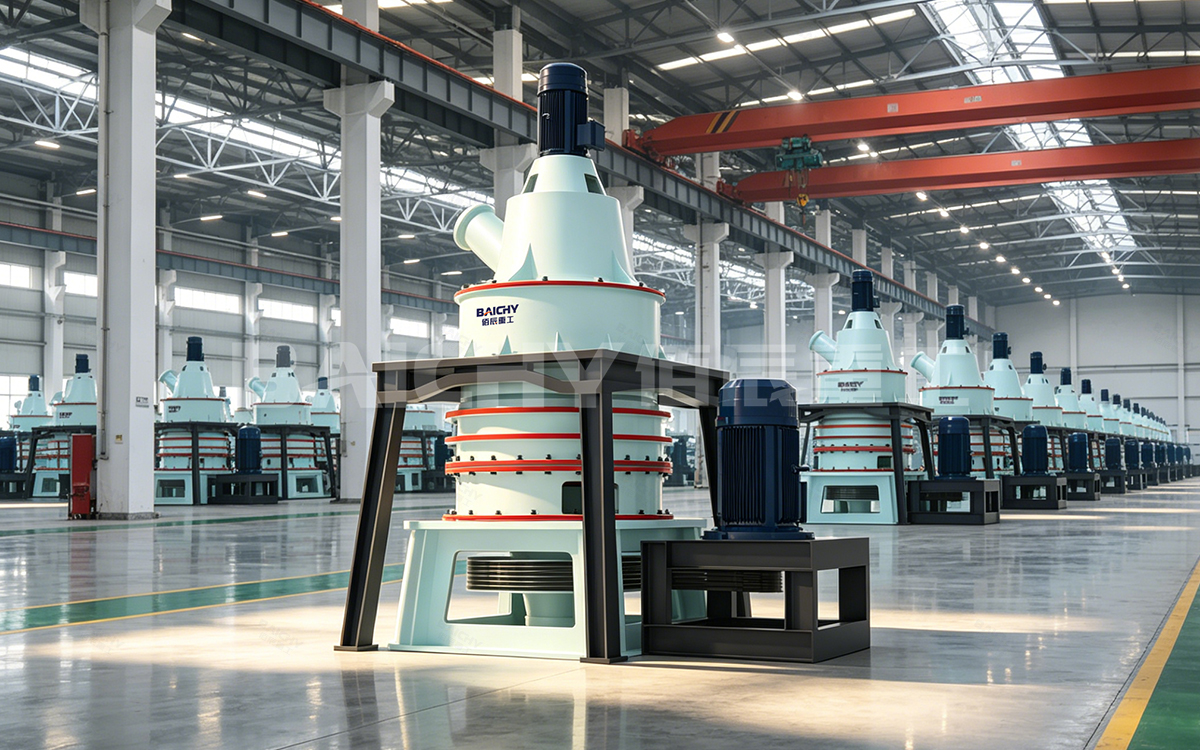
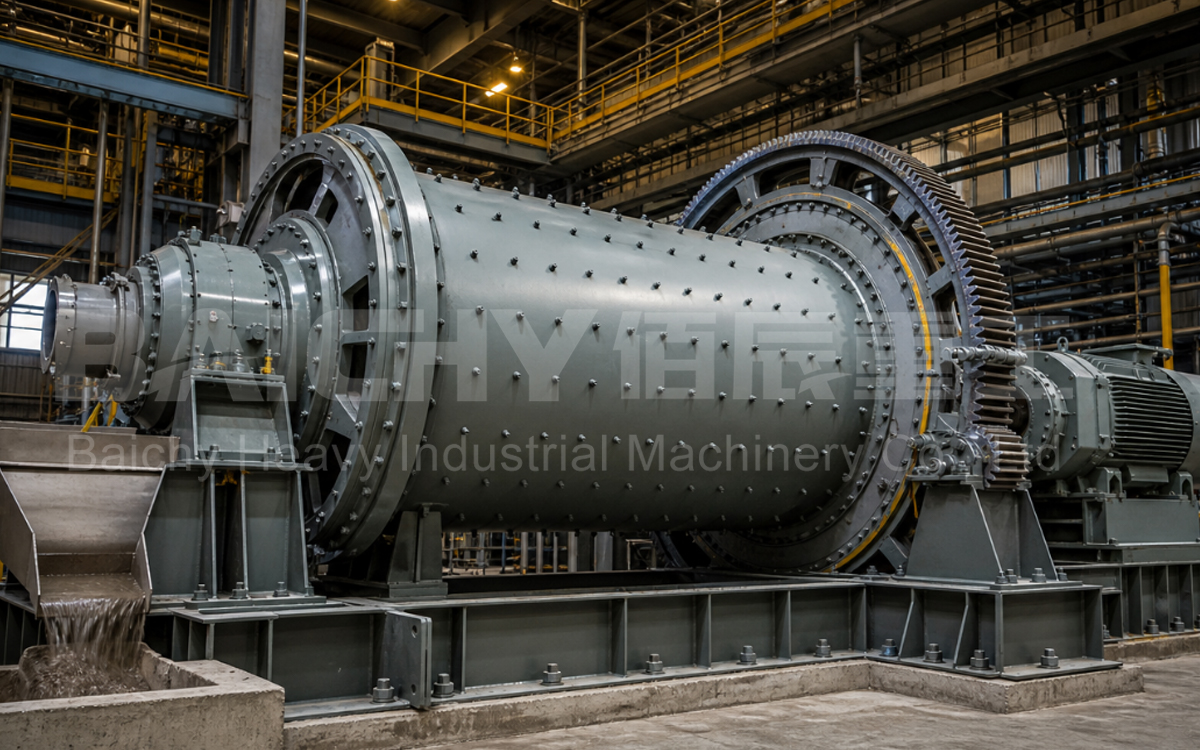
HGM80 Limestone Ultrafine Mill
II. HGM80 Working Principle: Three-Ring Compression Concentrates Energy Use Where It Matters
The HGM80 is a medium-speed roller-ring ultrafine grinding mill. After being processed by a jaw crusher or elevator, material is fed quantitatively into the main unit by a feeder. Inside the unit, multiple compression zones are formed between the grinding rollers and rings, where material is repeatedly squeezed and ground into powder. An airflow generated by a fan then carries the material into the classification zone; a variable-frequency driven turbine classifier captures fine powder meeting specifications based on the set speed, while coarse particles fall back for regrinding. Qualified powder travels with the airflow into a pulse dust collector for recovery. The entire system operates as a closed-loop cycle—"feeding-grinding-classifying-collecting"—with the main unit running under negative pressure, ensuring that dust emission points are concentrated at the dust collector outlet. Three key design features determine its cost-performance ratio:
• Pre-classification and closed-loop grinding: A variable-frequency classifier allows for stepless adjustment of fineness between 325 and 2500 mesh; product switching requires no downtime or part changes, enabling a shift to a different mesh size immediately after a batch is completed.
• Roller-ring contact grinding: The grinding unit consumes less energy per unit than the impact-based mechanism of ball mills; it produces a narrow particle size distribution (with stable D97 control), making the product more attractive to downstream filler customers.
• Negative-pressure closed-loop system with pulse dust collection: The system features an integrated dust collection setup; dust emissions meet environmental compliance standards in most countries, while product loss is minimized.
III. HGM80 Core Specifications (Typical Configuration)
Note: The figures below represent the typical configuration range for the HGM80. Actual production capacity depends on raw material hardness (CaCO₃ content), moisture content, feed particle size, and target fineness; specific performance figures are subject to material test reports and the technical agreement in the sales contract. Baichy offers capacity guarantees based on free material testing.
Item HGM80 Typical Parameters
| Parameter Item | HGM80 Typical Specifications |
|---|---|
| Suitable Materials | Calcium carbonate minerals such as limestone, calcite, marble, and dolomite (Mohs hardness ≤7) |
| Feed Size | ≤20mm |
| Finished Product Fineness | 325–2500 mesh (D97: 45–5μm), continuously adjustable |
| Processing Capacity | Approx. 0.5–5 t/h (higher end for 325 mesh; capacity drops significantly above 1250 mesh) |
| Grinding Method | Three-ring medium-speed roller-ring compression + variable-frequency turbine classification |
| Main Motor Power | Approx. 55–75 kW (subject to specific configuration) |
| Classifier | Variable-frequency speed control; online fineness adjustment |
| System Components | Main unit + classifier + pulse dust collector + draft fan + piping + electrical control cabinet |
| Operating Environment | Negative-pressure closed-loop system, continuous operation; compatible with 50Hz/60Hz power supply |
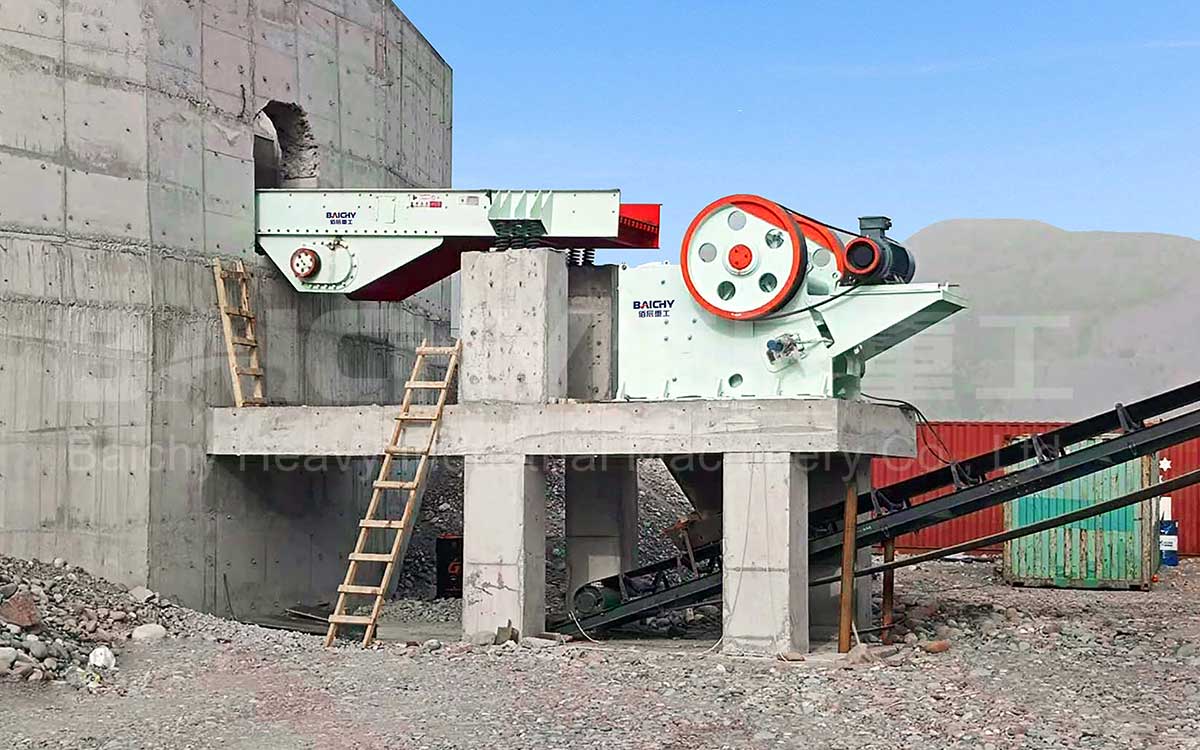
| Recommended Auxiliaries | Jaw crusher (for ≤20mm feed) + bucket elevator + feeder + finished product silo |

Limestone Micropowder Mill
IV. Four Practical Advantages Beyond Specifications (Value-Added Benefits)
4.1 One system produces multiple mesh sizes; order flexibility equals profit flexibility
No need to purchase separate machines for different fineness levels. Grind 325-mesh powder today for a desulfurization order, then adjust the classifier speed tomorrow to produce 1250-mesh powder for a filler order—product switching costs are virtually zero, translating directly into rapid market responsiveness.
4.2 Electricity consumption per ton: Lower than ball mills; more cost-effective than Raymond mills for "high mesh" ranges
In the 800-mesh and above range, the electricity consumption per ton for roller-ring compression is significantly lower than the media-impact method used in ball mills. Based on 24-hour continuous operation, the difference in power consumption results in a noticeable impact on annual electricity costs—savings on electricity translate directly into net profit.
4.3 Narrow particle size distribution; stable D97
"Particle size distribution consistency" is the top priority for buyers in the filler industry. The HGM80’s classification-based closed-loop system ensures that oversized particles are returned for regrinding while qualified powder is collected immediately. This results in minimal batch-to-batch variation, making it easier to meet downstream customers' particle size specifications and reducing losses associated with product returns or price negotiations.
4.4 Negative-pressure system + modular installation
The equipment operates under negative pressure and comes with a comprehensive dust collection setup, ensuring a dust-free workshop environment. The entire plant features a modular design, allowing for a short on-site installation period and controllable time costs from delivery to commissioning—factors that directly impact capital turnover and production schedules for overseas projects.
V. How to choose: HGM80, Raymond mill, or ball mill?
| Comparison Criteria | Raymond Mill (e.g., 5R) | HGM80 Ultrafine Mill | Ball Mill |
|---|---|---|---|
| Economical Fineness Range | 80–400 mesh | 325–2,500 mesh | Any (but higher fineness consumes more power) |
| Power Consumption (>800 mesh) | Efficiency drops sharply; not recommended | Low; optimal range | High |
| Particle Size Distribution Precision | Average | Good (stable D97) | Average |
| Production Flexibility | Requires shutdown for adjustment | Online fineness adjustment via VFD | Requires adjustment of grinding media & classification |
| Recommended Scenarios | High-volume coarse powder | Combined production (desulfurization powder + high-mesh fillers) | Large-scale grinding workshops / Wet processing |
Selection Conclusion: If the target market focuses on high-volume sales of 200–400 mesh coarse powder and the budget is limited, the Raymond mill remains a capable choice. However, if you plan to enter the filler market (above 600 mesh) or want a single workshop capable of producing everything from desulfurization powder to 1250-mesh powder, the HGM80 limestone ultrafine mill offers a superior cost-performance ratio. Large ball mills are the preferred choice for large-scale operations and wet processing applications.
VI. FAQ
6.1 What is the difference between the HGM80 and the Raymond mill, and which one should I choose?
The key differences lie in the fineness range and classification method: Raymond mills offer an economical fineness range of approximately 80–400 mesh and rely on an analyzer for classification, with efficiency dropping significantly when grinding beyond 600 mesh. In contrast, the HGM80 utilizes three-ring roller grinding combined with a variable-frequency turbine classifier; it offers continuously adjustable fineness from 325 to 2500 mesh and a narrower particle size distribution. The decision criterion is simple: if your sales catalog lists only powders of 325 mesh or coarser, a Raymond mill suffices; however, if you secure even a single order for powder finer than 800 mesh, the HGM80 warrants serious consideration.
6.2 What is the actual output of the HGM80 when grinding limestone to 800 mesh? How is the return on investment (ROI) calculated?
The 800-mesh range falls within the HGM80's optimal performance zone. Under a typical configuration, production capacity ranges from 1 to 2.5 t/h, depending on CaCO₃ content, moisture levels, and feed particle size; actual material testing is recommended for precise figures. The calculation logic is as follows: multiply daily output by the price difference between the 800-mesh and 325-mesh products (the price premium for 800-mesh powder is usually sufficient to cover the incremental costs of electricity and wear parts), then subtract electricity, labor, and spare parts amortization costs to estimate the payback period. In markets with stable demand for fillers, most projects can recoup the cost difference for the equipment within 1 to 2 years.
6.3 What are the requirements for limestone moisture and hardness when using the HGM80? What auxiliary equipment is needed?
It is recommended to keep the moisture content of the feed limestone below 5%; excessive moisture reduces grinding efficiency and places an increased load on the dust collector. The raw material's Mohs hardness should ideally be ≤7, with high-calcium materials like calcite and marble yielding the best results. A jaw crusher is recommended upstream to reduce particle size to below 20mm, alongside a bucket elevator, variable-frequency feeder, and finished product silo. The standard system configuration includes a pulse dust collector and an induced draft fan, so users do not need to purchase additional major environmental protection equipment; the system is ready for operation as an independent powder production station once connected to power.
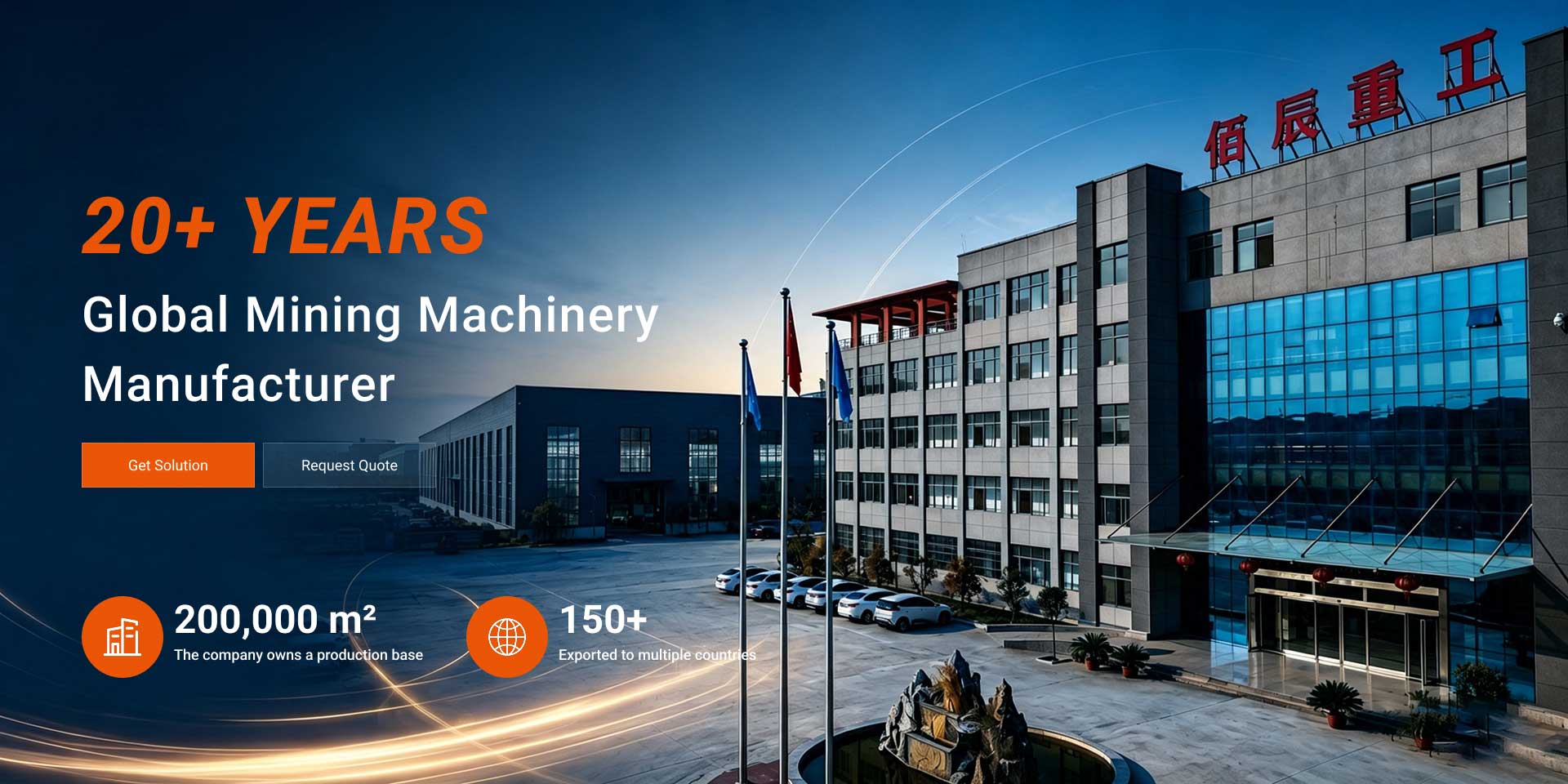
Baichy Heavy Industry
Baichy Heavy Industry is a high-tech mining equipment company integrating R&D, manufacturing, sales, and after-sales service. Focusing on crushing, grinding, and mineral processing equipment, we provide professional solutions to our customers. We are ISO9001:2015 、certified, and our products include mobile crushing palnts, crawler crushing plant, construction waste crushing plants, jaw crushers, sand making machines, cone crushers, fine crushers, grinding mills, ball mills, etc., all with reliable performance to meet diverse project needs.
Baichy Heavy Industry – Your Trusted Partner
To ensure optimal performance of your equipment, Baichy Heavy Industry offers:
- Professional on-site installation guidance
- Comprehensive operator training
- 24/7 technical support & maintenance services
Our complete after-sales service system guarantees long-term, stable operation of your machinery with minimal downtime.
Protect Your Rights – Only Use Official Channels
To avoid scams and ensure authentic support, contact us exclusively through:
• Official Website: www.baichychina.com
• WhatsApp: +8615093222637
• Email: [email protected]
Your satisfaction is our priority – expect prompt, professional service every time.
(Note: Beware of unauthorized third parties claiming to represent Baichy. Always verify through official contacts.)