
The core of aluminum ore processing lies in "crushing for volume reduction + Bayer process digestion," with crushing and grinding accounting for over 60% of the total electricity consumption in alumina production. The standard equipment configuration for aluminum ore crushing is "jaw crusher (primary) → impact/cone crusher (secondary) → ball mill (fine grinding)"; selecting the right models and parameters can reduce crushing electricity consumption per ton of ore by 15%–20%. This article presents a comprehensive scheme for aluminum ore processing technology and equipment selection, covering four dimensions: process, application scenario, parameters, and case studies.
I. Overview of Aluminum Ore Processing Technology
1.1 Bauxite Type Determines the Process Route
Bauxite is the primary raw material for aluminum production. It is classified into three types based on mineral form, and differences in hardness directly dictate the choice of crushing equipment:
| Ore Type | Major Producing Regions | Mohs Hardness | Bayer Process Digestion Difficulty |
| Gibbsite | Guinea, Australia, Brazil | 2–3 | Low-temperature digestion; easy to process |
| Boehmite | Certain overseas mining areas | 4–5 | Medium-temperature digestion |
| Diaspore | Henan, Shanxi, Guangxi (China) | 6-7 | High-temperature, high-pressure digestion; difficult to grind and digest |
1.2 The Complete Bayer Process
The classic route for aluminum ore processing is the Bayer process: Mining → Primary Crushing → Secondary Crushing → Wet Grinding → High-Pressure Digestion → Red Mud Separation → Decomposition → Calcination → Alumina. Crushing and grinding constitute the "raw material preparation stage," which directly determines the pass rate of feed particle size and digestion efficiency—the more uniform the crushed particle size, the higher the ball mill's hourly throughput and the lower the energy consumption for high-pressure digestion. Alumina plants typically require a feed particle size of ≤20–25 mm; if a beneficiation desilication (flotation) route is adopted, the ore is first crushed to ≤50 mm, then wet-ground to achieve a fineness where 80%–97% of the material is finer than 0.074 mm.
II. Application Scenarios for Aluminum Ore Crushing Equipment
2.1 Raw Material Preparation Workshop in Alumina Plants
Supports Bayer process production lines by crushing raw ore from the mine to the required feed size for the grinding mill. This represents the most typical application scenario for aluminum ore crushing equipment, demanding high availability, low failure rates, and continuous operation.
2.2 On-site and Mobile Crushing at Mines
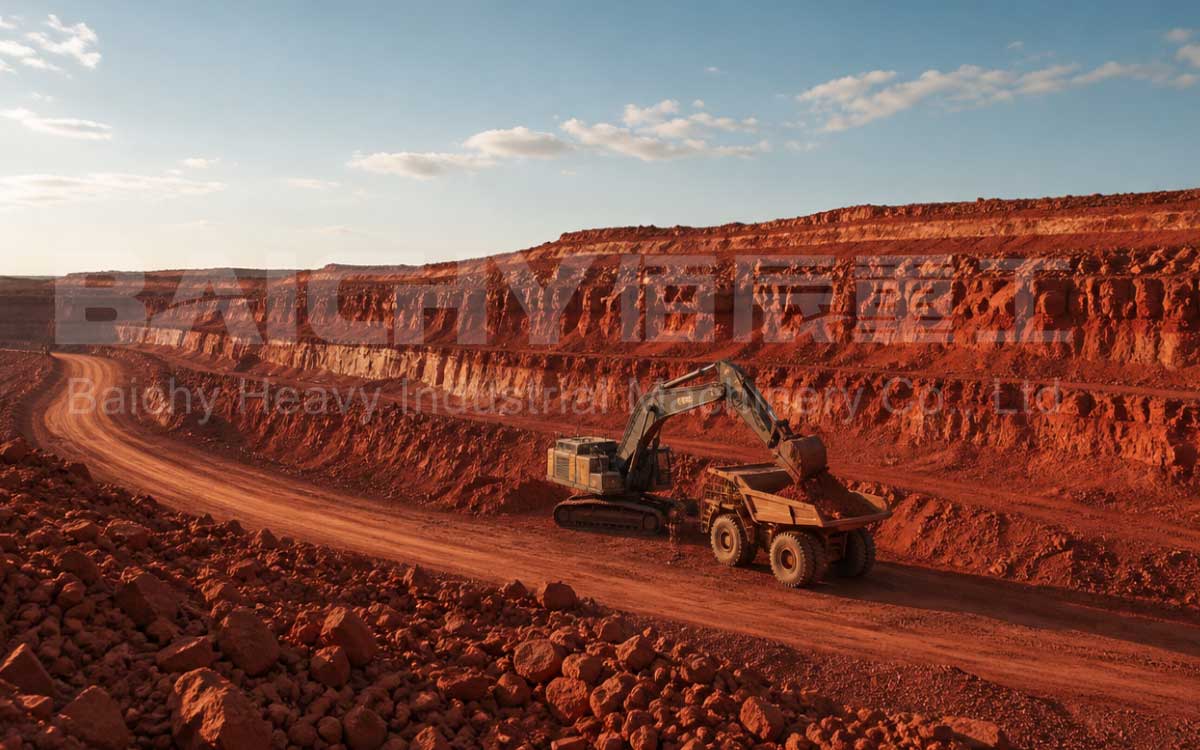
Bauxite deposits are often located in remote areas, where transportation costs constitute a significant portion of the total cost of delivering ore to the processing plant. Utilizing mobile aluminum ore crushing equipment for on-site volume reduction can substantially lower material handling and transfer expenses; this approach is well-suited to a process flow involving initial crushing followed by long-distance transport via conveyor belt or truck.
2.3 Pre-treatment: Desilication and Beneficiation
For low-to-medium grade diaspore ores, the process involves initial crushing and wet grinding for mineral liberation, followed by desilication and aluminum upgrading via flotation or magnetic separation. This increases the aluminum-to-silicon (A/S) ratio, thereby reducing alkali and energy consumption in the Bayer process.
2.4 Processing of Refractory Materials and Bauxite Clinker
Manufacturers of high-alumina refractory materials require bauxite to be crushed and ground before being calcined in a rotary kiln to produce clinker; the crushing stage typically employs the classic combination of a jaw crusher followed by an impact crusher.
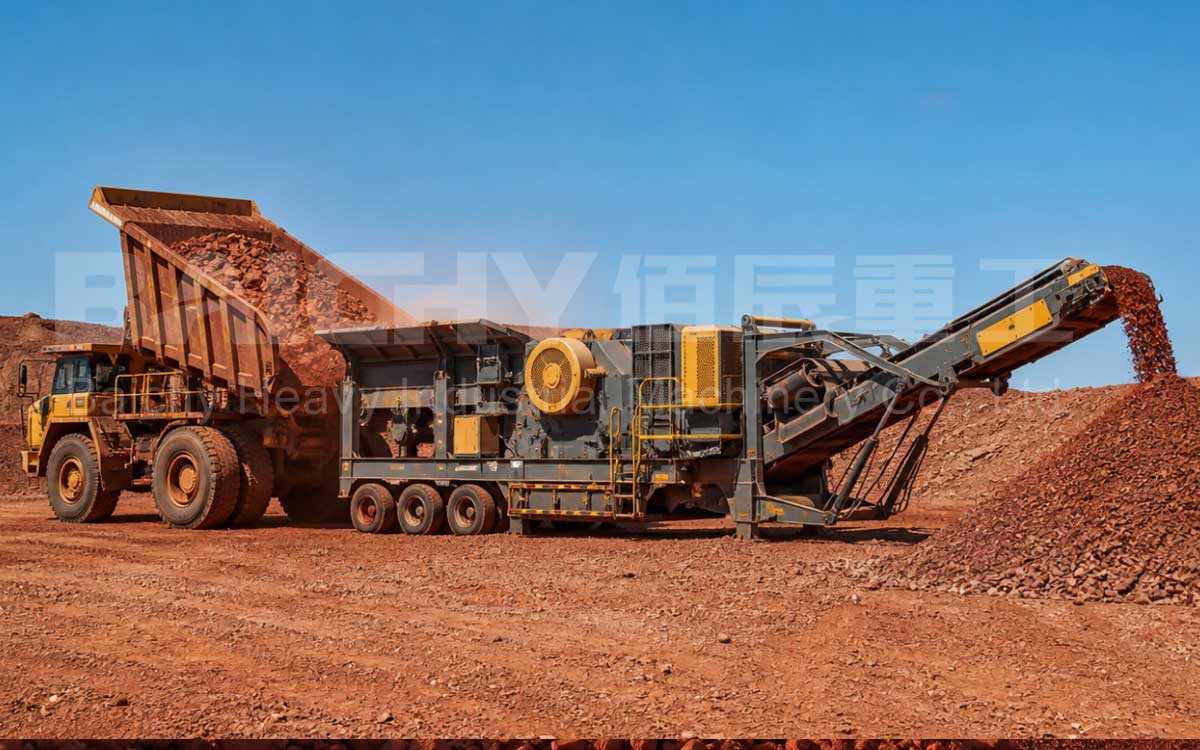
mobile crusher for Aluminum Ore
III. Core Parameter Configuration Table for Aluminum Ore Crushing Equipment
The following outlines the equipment configuration for a typical 150 tph aluminum ore crushing production line (reference values based on design operating conditions):
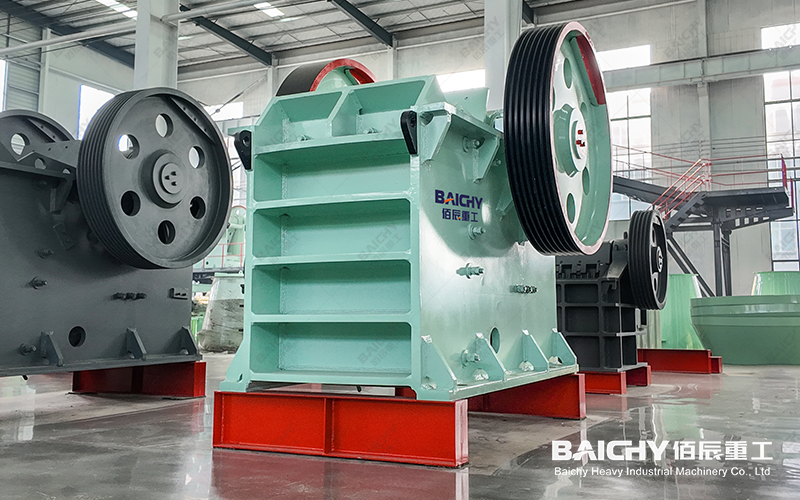
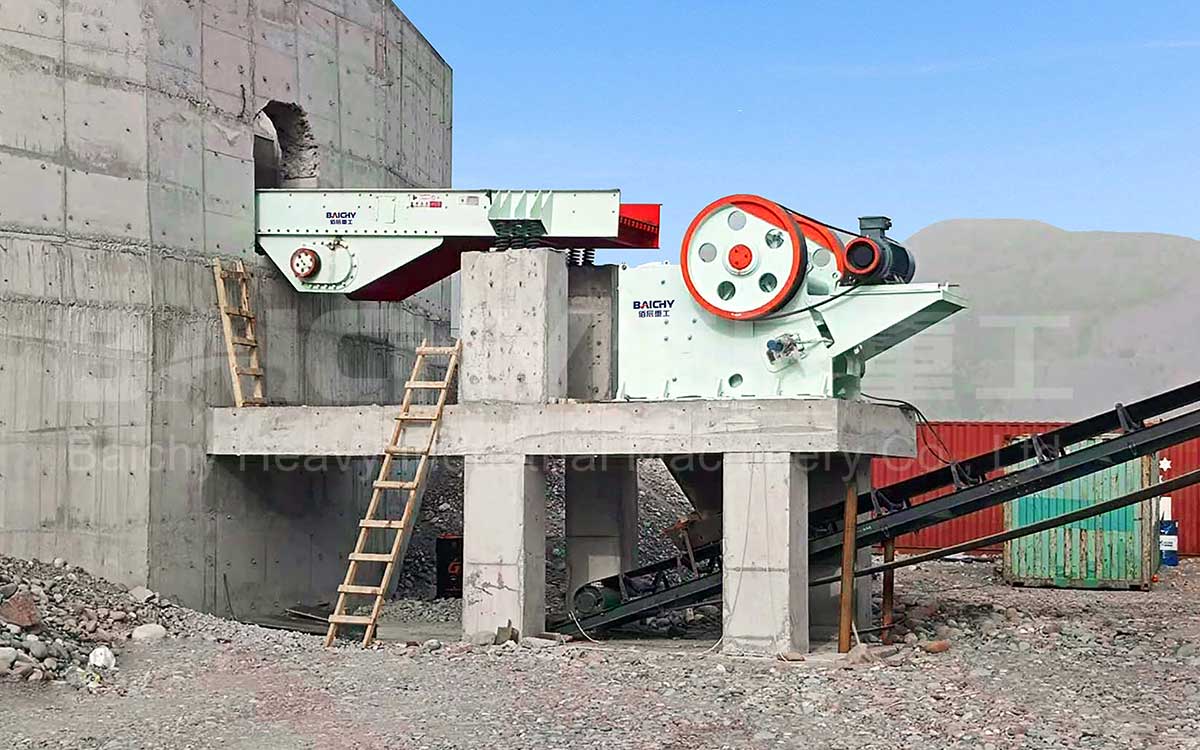
PE600x900 Jaw Crusher
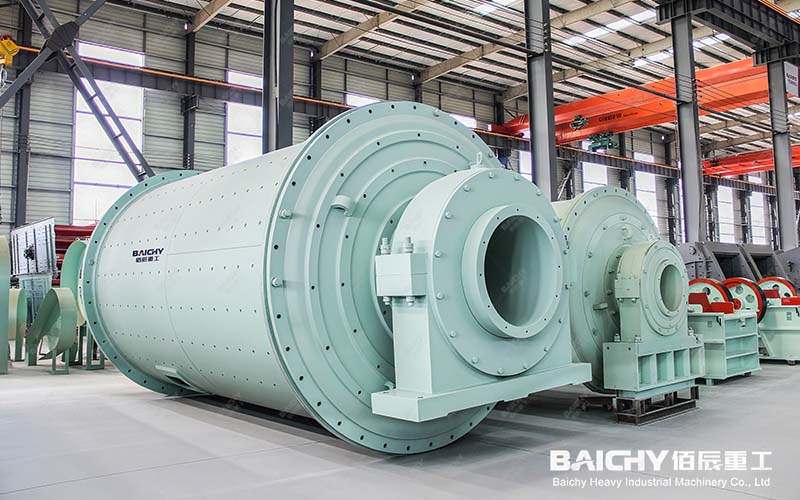
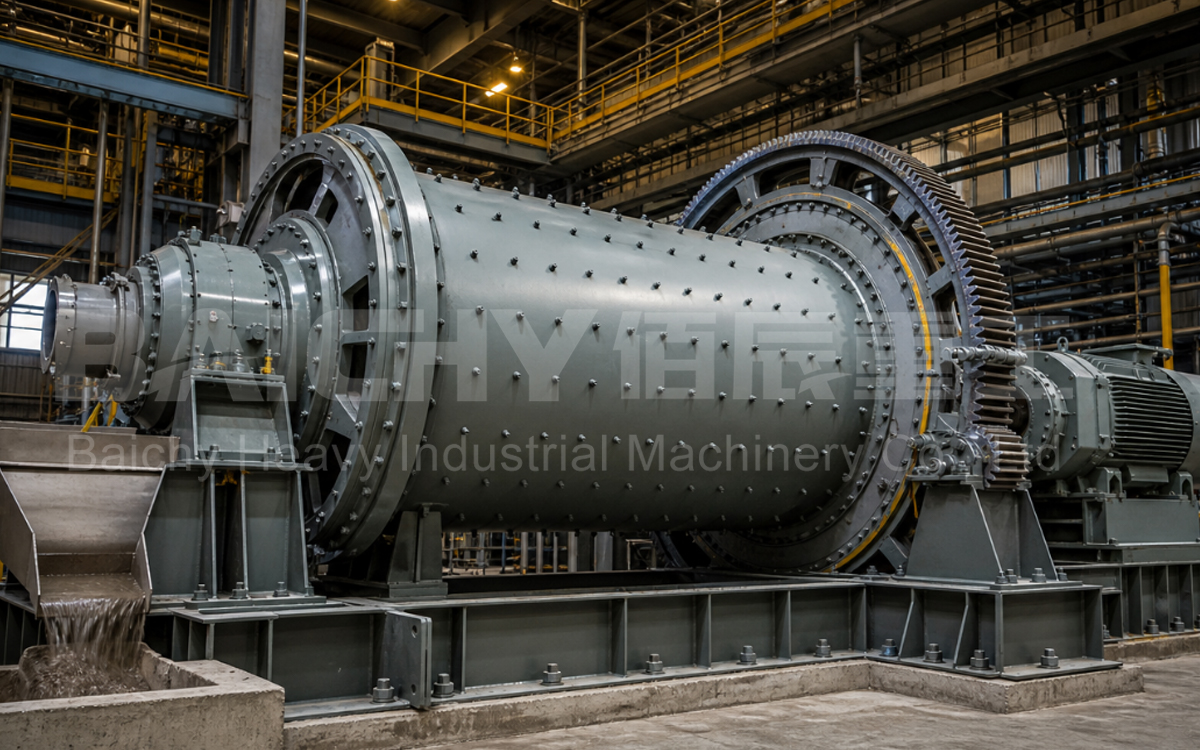
ball mill
| Process | Equipment Model | Feed Size | Output Size | Capacity | Motor Power |
| Feeding | ZSW-380×96 Vibrating Feeder | ≤500 mm | -- | 96–160 t/h | 11 kW |
| Primary Crushing | PE-600×900 Jaw Crusher | ≤500 mm | 65–160 mm | 96–160 t/h | 75 kW |
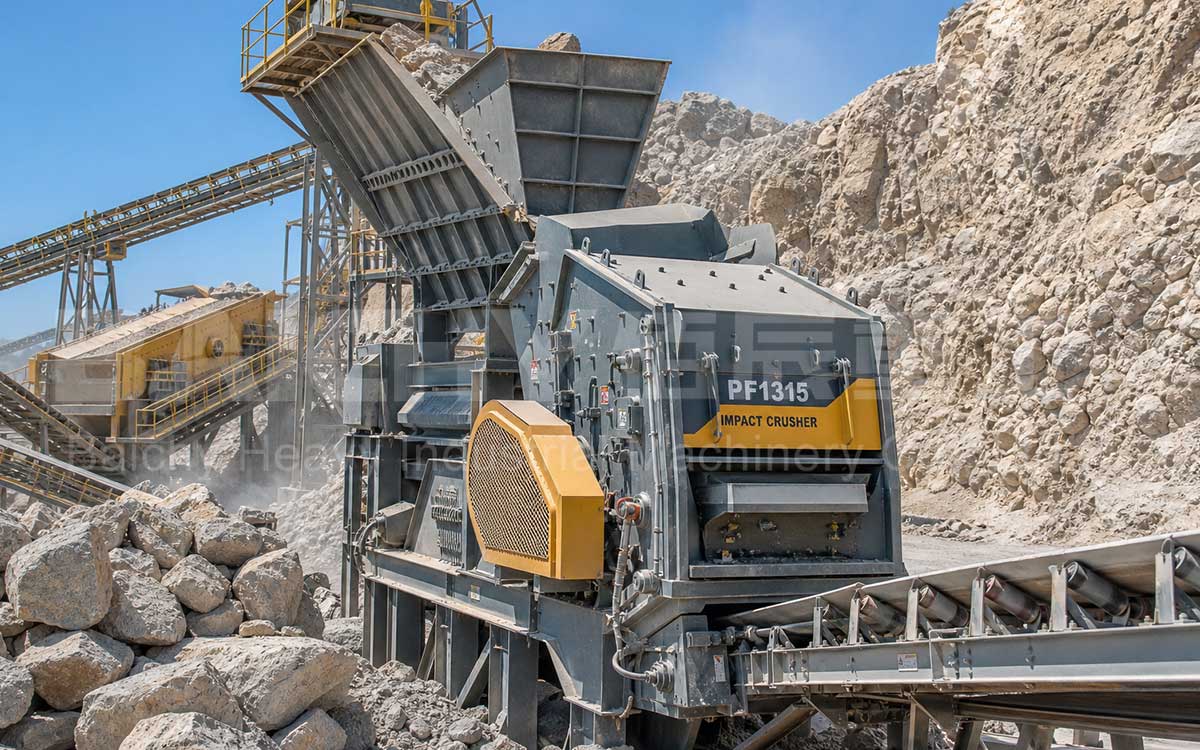
| Secondary Crushing | PF-1214 Impact Crusher (soft ore) / CS Cone Crusher (hard ore) | ≤350 mm | ≤40 mm | 80–160 t/h | 132 kW |
| Screening | 3YK-1860 Circular Vibrating Screen | ≤40 mm | 0–5/5–20/20–40 mm | - | 15 kW |
| Fine Grinding | φ2.4×8m Ball Mill | ≤25 mm | -0.074 mm ≥80% | 20–25 t/h | 245 kW |
Capacity Conversion Note: Equipment nameplate capacities are typically rated based on limestone (loose bulk density approx. 1.6 t/m³). Since bauxite has a loose bulk density of approximately 1.3–1.5 t/m³, actual capacity should be calculated by applying a conversion factor of 0.8–0.95, while also accounting for moisture and clay content. It is recommended to allow for a capacity margin of at least 15% during equipment selection.
IV. Core Advantages of Aluminum Ore Crushing Equipment
4.1 Strong Adaptability to Diaspore
The jaw crusher handles compressive strengths up to 300 MPa and operates stably with diaspore (which has a Mohs hardness of 6–7), preventing the frequent downtime associated with using equipment unsuited for hard ore conditions.
4.2 Superior Energy Efficiency and Total Cost of Ownership (TCO)
Equipment for the secondary crushing stage is selected based on ore hardness: impact crushers are used for soft gibbsite (offering low investment costs and excellent product particle shape), while cone crushers utilizing inter-particle (layer) crushing are used for hard bauxite. This approach minimizes over-grinding and wasted energy, resulting in a lower comprehensive cost per ton of ore.
4.3 Integrated Closed-Circuit Wet Grinding
The ball mill operates in a closed-circuit system with a classifier to stably control the content of the -0.074mm fraction, ensuring a uniform slurry feed for the high-pressure digestion process. Ceramic liners and grinding media are available as options to minimize the impact of iron impurities on alumina whiteness.
4.4 Environmentally Friendly Enclosure and Intelligent Control
The crushing workshop is equipped with bag-type dust collectors and spray-based dust suppression systems to meet environmental emission standards. The electrical control system supports remote monitoring, reducing the need for manual on-site supervision.
4.5 Project Reference (Typical Configuration)
Crushing workshop for an alumina production base in North China (typical configuration reference): Utilizes a "two-stage crushing with one closed circuit" process comprising a ZSW feeder, PE-600×900 jaw crusher, PF-1214 impact crusher, and 3YK-1860 vibrating screen. Design specifications include a mill feed size of ≤25mm and a P80 passing rate exceeding 90%. Electricity consumption for crushing is approximately 1 kWh per ton of ore, with an annual continuous operation time of over 7,000 hours. Actual figures depend on specific site materials and operating conditions; Baichen offers free process design services.
V. Recommended Equipment
• Primary Crushing: PE series jaw crusher (PE400×600—PE1200×1500); suitable for reducing the size of large raw bauxite blocks.
• Secondary Crushing: PF series impact crusher (for softer ores); CS series cone crusher (for diaspore).
• Fine Grinding: Ball mill (grate-discharge or overflow type; ceramic lining optional); operated in a closed circuit with a classifier.
• Auxiliary Equipment: ZSW vibrating feeder, YK circular vibrating screen, belt conveyor, bag-type dust collector.
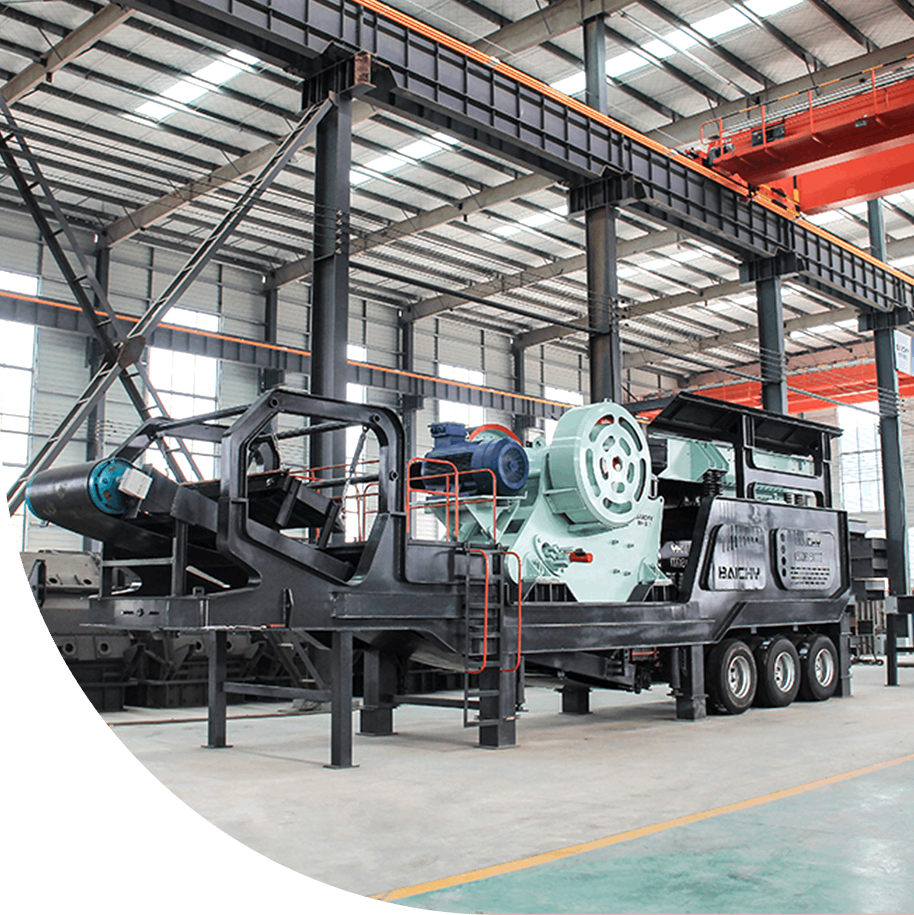
• Mobile Solution: YDPZ mobile crushing station; enables on-site crushing at the mine, reducing material transfer costs.
VI. FAQ
Q1: Should I choose an impact crusher or a cone crusher for bauxite?
It depends on the bauxite hardness. For gibbsite (hardness 2–3), choose an impact crusher; it offers lower investment costs and produces good particle shapes. For diaspore (hardness 6–7), a cone crusher is mandatory; impact crusher hammers wear out too quickly, leading to high per-ton operating costs. Jaw crushers are used universally for the primary crushing stage.
Q2: What is the optimal crushed particle size for bauxite processing?
For the Bayer process, the feed size to the mill is generally controlled at ≤20–25 mm. If using a beneficiation/desilication route, the ore is first crushed to ≤50 mm, then wet-ground to achieve a fineness of 80%–97% passing -0.074 mm. Crushing too finely increases over-pulverization and energy consumption, while crushing too coarsely hinders ball mill hourly throughput and digestion efficiency.
Q3: How is the production capacity of a bauxite crushing line calculated?
Equipment nameplate capacities are usually rated based on limestone (bulk density 1.6 t/m³). Since bauxite has a loose bulk density of approximately 1.3–1.5 t/m³, the rated capacity must be adjusted using a conversion factor of 0.8–0.95 based on actual bulk density, while also accounting for moisture and clay content. It is recommended to allow for a capacity margin of at least 15% during equipment selection to avoid bottlenecks during peak seasons.
Conclusion
Significant opportunities for cost reduction in bauxite processing lie largely within the crushing and grinding stages. By properly matching equipment types and operating parameters for primary crushing, secondary crushing, and grinding, both alumina refineries and mining operations can directly benefit from lower electricity consumption per ton of ore and higher hourly throughput. Baichy Heavy Industry offers a comprehensive range of equipment—including jaw crushers, impact crushers, cone crushers, ball mills, and mobile crushing stations—along with free process design services. You are welcome to submit your bauxite samples and capacity requirements to receive a customized solution.
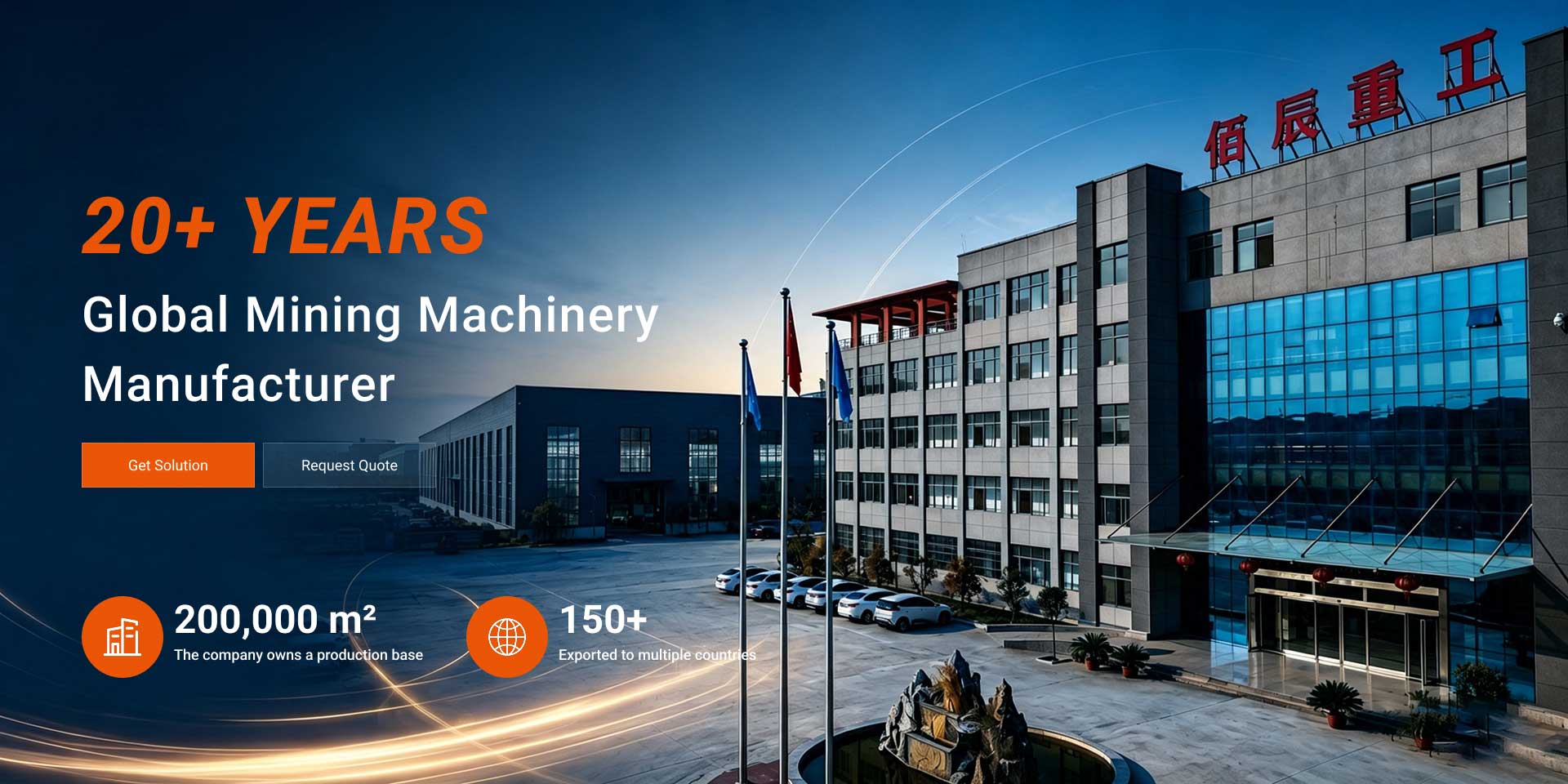
Baichy Heavy Industry
Baichy Heavy Industry is a high-tech mining equipment company integrating R&D, manufacturing, sales, and after-sales service. Focusing on crushing, grinding, and mineral processing equipment, we provide professional solutions to our customers. We are ISO9001:2015 、certified, and our products include mobile crushing palnts, crawler crushing plant, construction waste crushing plants, jaw crushers, sand making machines, cone crushers, fine crushers, grinding mills, ball mills, etc., all with reliable performance to meet diverse project needs.
Baichy Heavy Industry – Your Trusted Partner
To ensure optimal performance of your equipment, Baichy Heavy Industry offers:
- Professional on-site installation guidance
- Comprehensive operator training
- 24/7 technical support & maintenance services
Our complete after-sales service system guarantees long-term, stable operation of your machinery with minimal downtime.
Protect Your Rights – Only Use Official Channels
To avoid scams and ensure authentic support, contact us exclusively through:
• Official Website: www.baichychina.com
• WhatsApp: +8615093222637
• Email: [email protected]
Your satisfaction is our priority – expect prompt, professional service every time.
(Note: Beware of unauthorized third parties claiming to represent Baichy. Always verify through official contacts.)