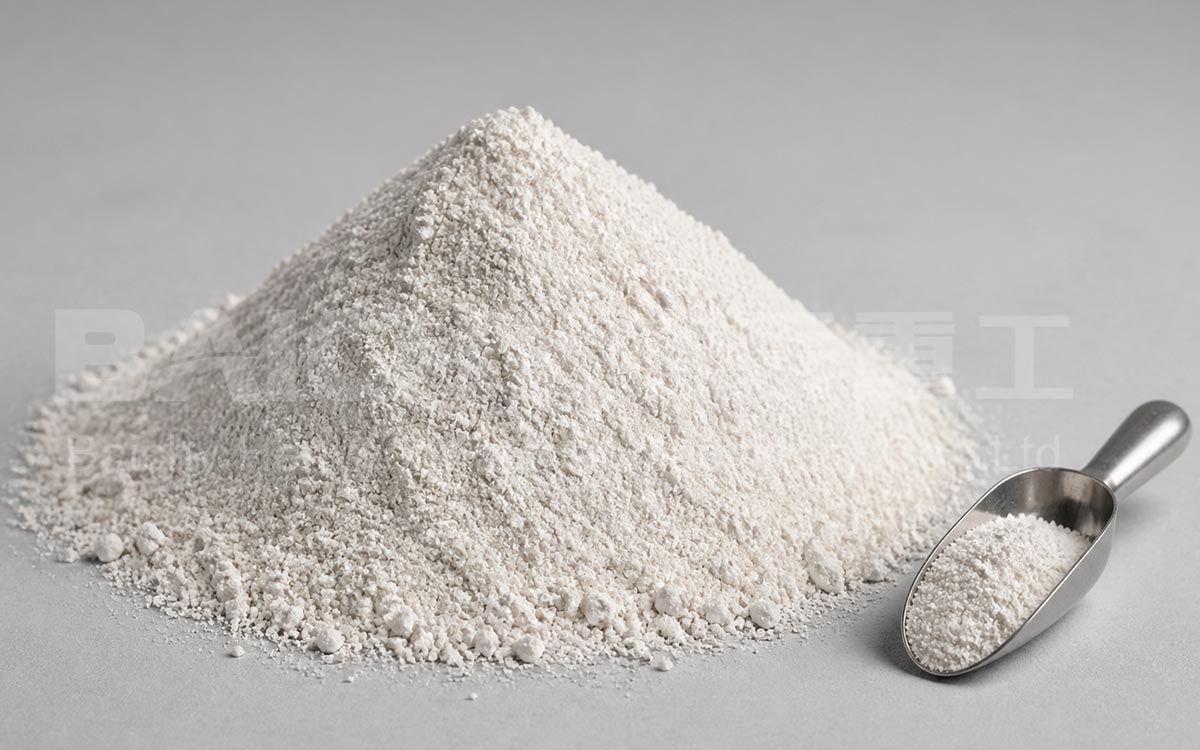
dolomite processing in Ethiopia
The dolomite powder business in Ethiopia comprises two distinct segments: soil amendment material—supplying both calcium and magnesium—urgently needed for over 40% of the country's acidified arable land; and filler powder, which is steadily consumed by the cement, glass, and ceramic industries. When selecting dolomite grinding equipment, the primary consideration is never simply "how fine can it grind"; rather, one must first identify the target market and then determine the required fineness and production capacity based on those needs. Reversing this order carries a clear cost: using a process designed for fine filler powder to produce agricultural-grade coarse powder wastes electricity and causes unnecessary wear and tear on equipment for a low-value-added product; conversely, forcing coarse-grinding equipment to produce powder finer than 325 mesh results in a precipitous drop in capacity and failure to meet grading standards, leading to rejected shipments upon delivery.
I. Why does Ethiopia need dolomite powder right now?
1.1 Acidic soil: The critical need for "dual calcium and magnesium supplementation" on over 40% of arable land
Heavy rainfall across the Ethiopian highlands has long caused the leaching of base ions, making soil acidification a major bottleneck limiting crop yields. The scale of the issue is well-documented: approximately 40% of Ethiopia's arable land is affected by soil acidification or aluminum toxicity; in humid and semi-humid highland regions, this figure rises to about 43% (Yacob, 2024, *American Journal of Chemical Engineering* 12(5), citing studies by Shiferaw & Anteneh [2014] and Agegnehu et al. [2021]). The standard method for improving these soils is consistent: applying calcareous materials to raise the pH level.
Dolomite (CaMg(CO₃)₂ differs from pure limestone in that it replenishes magnesium while neutralizing acidity. For cropping systems dominated by teff, wheat, and barley, this means a single bag of soil amendment provides an additional essential secondary nutrient. The fineness requirement for agricultural-grade dolomite powder typically falls within the 80–200 mesh range—a segment where grinding equipment achieves high output and volume most easily, making it the ideal starting point for local production lines. For agricultural input distributors, a stable supply of agricultural-grade dolomite powder effectively serves as a ready-made distribution network.
1.2 Industrial Filler Sector: Steady Consumption in Cement, Glass, and Ceramics
Ethiopia’s cement industry is expanding. Dangote has announced a plan worth approximately $400 million to restart the second production line at the Mugher cement plant—doubling its annual capacity from 2.5 million to 5 million tonnes—and to construct a new greenfield grinding unit with an annual capacity of 3 million tonnes (CemNet / ICR Newsroom, 2025). Dolomite filler powder serves as both a supplementary cementitious material and an ingredient in magnesia-based formulations; consequently, demand for it scales in tandem with cement production capacity.
There are no bottlenecks regarding the resource base. According to the USGS *2019 Minerals Yearbook: Ethiopia*, the country’s dolomite production is estimated at approximately 16,000 tonnes per year, primarily from the Kenticha mining area in the Oromia Region. During the same period, national cement production stood at roughly 10.1 million tonnes, alongside glass production capacity in Addis Ababa (Ethiopia Hansom International Glass at ~42,000 tonnes/year; Addis Ababa Bottle and Glass at ~8,000 tonnes/year). Dolomite deposits in the Dhedhertu region of Southern Ethiopia have also undergone petrographic and engineering property assessments (PMC, 2026). The issue is not a lack of raw materials, but rather a lack of processing capabilities to transform ore into products with consistent, graded specifications; customers in the glass, ceramic, and refractory sectors do not simply buy "powder"—they purchase materials with consistent chemical composition and particle size distribution.
1.3 Import Substitution: The Economics of Local Grinding Amidst Foreign Exchange and Logistics Constraints
For powder users in Ethiopia, importing finished powder consumes scarce foreign currency, and delivery schedules are subject to the logistics flow of the Djibouti corridor. Shifting to local production lines—trading a one-time equipment investment for long-term reductions in per-tonne costs and supply chain autonomy—forms the underlying logic driving the rising demand for local dolomite grinding equipment. This trajectory also mirrors the common path taken by powder processing investments across Africa in recent years.
II. Technical Thresholds: Dolomite is not "soft material"; three key parameters must be adjusted during equipment selection
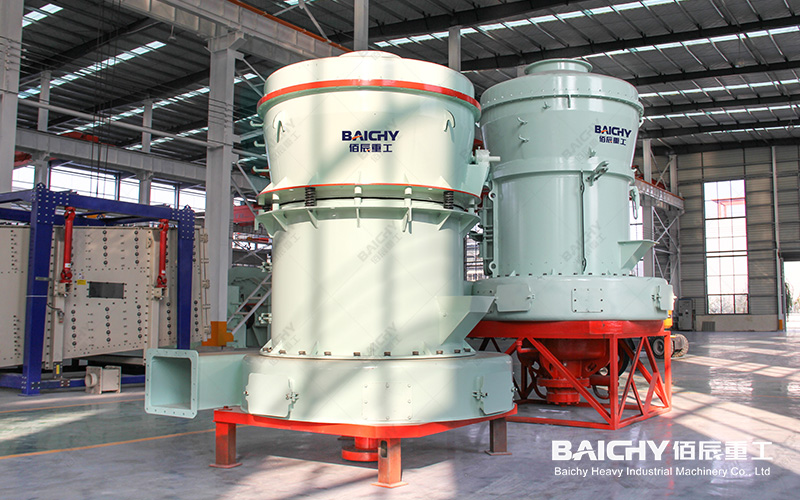
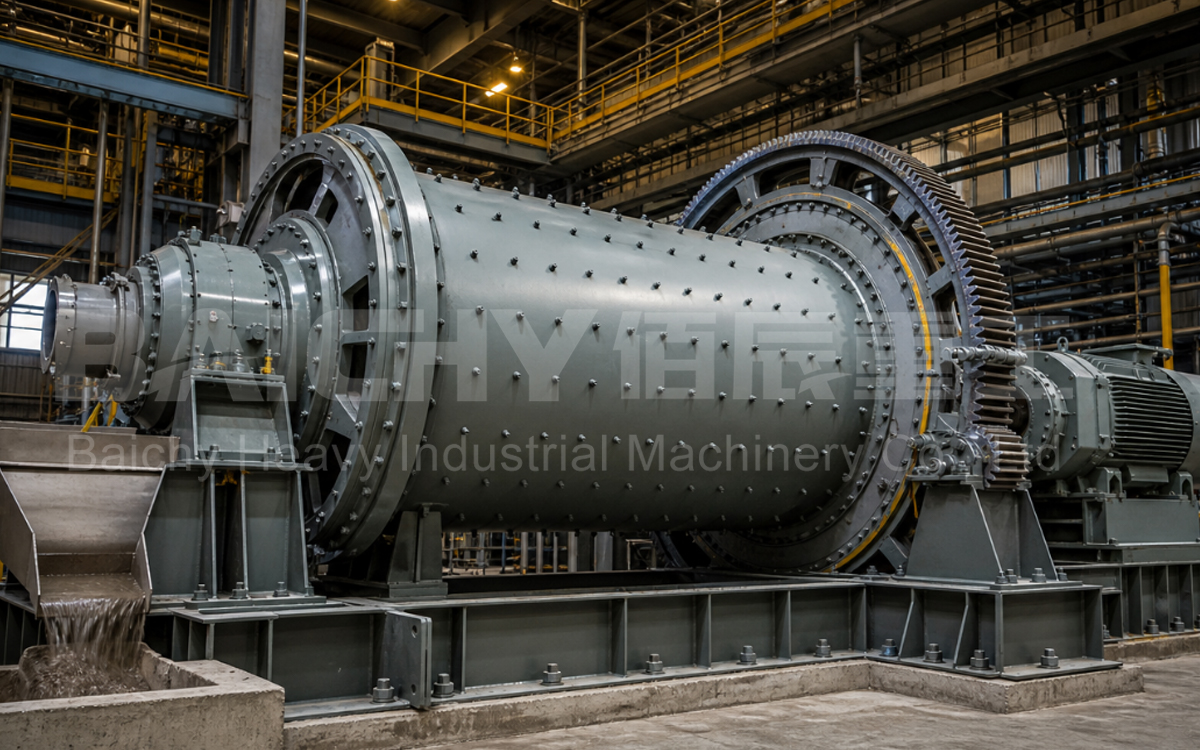
YGM High Pressure Grinding Mill
2.1 Production capacity reduction due to hardness differences
Dolomite has a Mohs hardness of 3.5–4, which is higher than calcite's rating of 3. If a project is launched by simply applying the capacity specifications of a standard calcium carbonate mill to dolomite processing, the operator will immediately face reduced output and excessive wear. Under identical model and fineness conditions, the actual operating capacity for dolomite is typically around 90% of the calcium carbonate baseline (an estimate subject to material grinding tests), and the service life of grinding rollers and rings is correspondingly shorter.
2.2 Moisture and silica content: Two unavoidable constraints
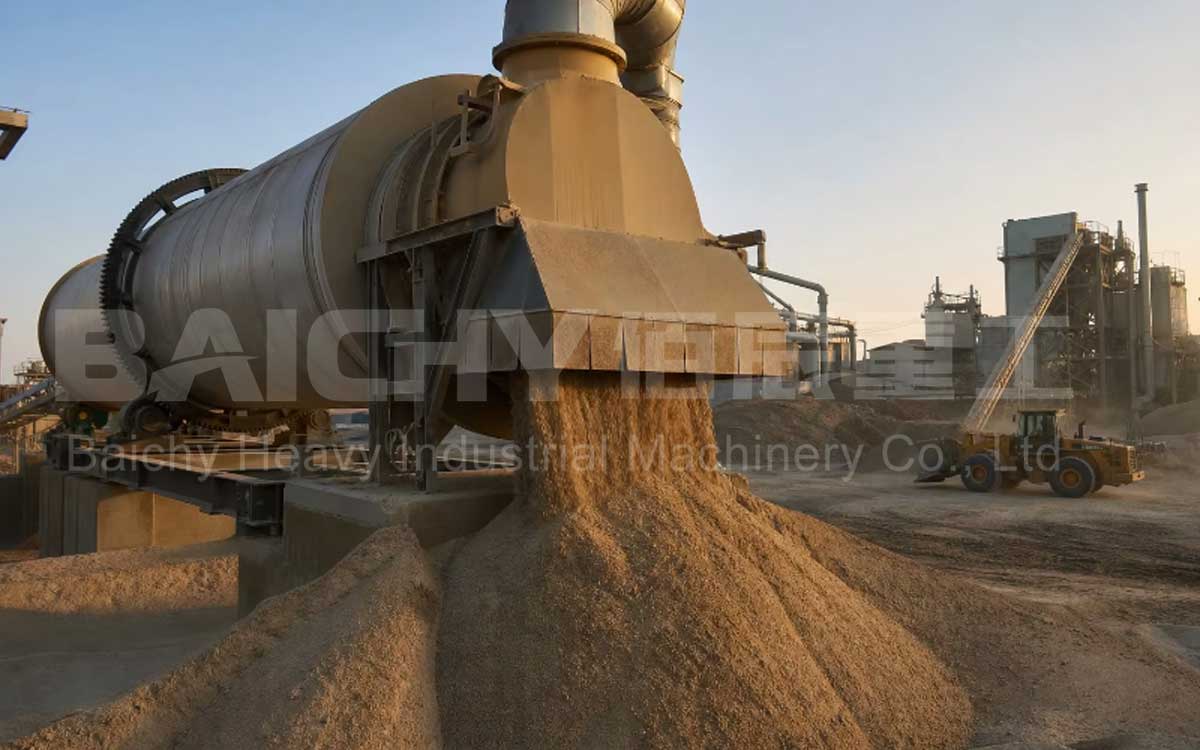
For dolomite mills, feed moisture should ideally be kept below 5%; any excess moisture requires pre-drying (using rotary or triple-pass dryers). Failure to do so leads to roller caking and blockages in the classifier and air ducts; the resulting production losses from frequent downtime far outweigh the investment cost of a dryer. If the raw dolomite ore has high SiO₂ content (>3%) or is a complex associated ore, silica removal (beneficiation) should be performed first. Otherwise, the service life of grinding components becomes unpredictable, and the cost of wear parts per ton of powder produced will directly erode profits.
2.3 Fineness determines the price tier
The 80–200 mesh range is driven by volume, the >325 mesh range by price, and the >1250 mesh range falls into the high-end filler segment. While switching between these tiers on the same equipment is technically feasible, capacity must be recalculated based on the target fineness: under identical conditions, capacity at 200 mesh is approximately 1.5 times that at 325 mesh, and capacity at 600 mesh is roughly 3–5 times that at 2500 mesh (estimates). For a dolomite powder production line, citing the nominal capacity of coarse grinding to represent the output of ultrafine powder is the most common form of inflated specification found in foreign trade procurement.
III. Key Parameters: Comparison of Three Dolomite Grinding Solutions and Model Configurations
The table below provides a comparative overview of the three processing routes offered by Baichy Heavy Industry—Raymond mills, European-style trapezium mills, and ultrafine mills—for dolomite. It categorizes models based on finished product fineness and production capacity, enabling quick selection during the project initiation phase.
| Solution | Applicable Fineness | Representative Models | Max. Feed Size | Nominal Capacity (t/h) | Main Motor Power | Target Market |
|---|---|---|---|---|---|---|
| YGM High-Pressure Suspension Mill | 80–425 mesh | 4R3216 / 5R4119 / YGM130 / YGM160 | ≤ 25–35 mm | 1.8–4.5 / 2.5–9.5 / 2.5–9.5 / 8–16 | 37 / 75 / 90 / 132 kW | Agricultural soil amendment powder, standard industrial fillers |
| YGMX Reinforced Suspension Mill | 80–600 mesh | YGMX160 / YGMX190 | ≤ 35 / ≤ 40 mm | 4–15 / 5–23 | Customized for local power grid | Continuously adjustable fineness, multi-grade switching |
| MTW European Trapezium Mill | 80–400 mesh | MTW Series | ≤ 35 mm | Approx. 3–20 (at 200 mesh) | 90–400 kW | Medium-to-large scale industrial powder, single-grade mass production |
| HGM High-Efficiency Ultrafine Mill | 150–3000 mesh | HGM80 / 90 / 100 / 125 / 1680 | Varies by model | Starts at 1–5; series max. approx. 45 | 75–400 kW | High-end filler powder (>1250 mesh) |
* Fineness ranges and capacities are nominal and vary with material hardness, feed particle size, target fineness and moisture content. For dolomite (Mohs 3.5–4), capacity is typically estimated at about 90% of the calcium carbonate baseline. Free material grinding tests with guaranteed capacity are available before signing.
Model Specifications (YGM / YGMX Series, official ratings):
| Model | Number of Rollers | Roller Dimensions (mm) | Max. Feed Size (mm) | Finished Product Fineness | Nominal Capacity (t/h) | Main Motor (kW) |
|---|---|---|---|---|---|---|
| 4R3216 | 4 | 320×160 | ≤ 25 | 30–325 mesh | 1.8–4.5 | 37 |
| 5R4119 | 5 | 410×190 | ≤ 30 | 30–325 mesh | 2.5–9.5 | 75 |
| YGM130 | 5 | 410×230 | ≤ 30 | 80–425 mesh | 2.5–9.5 | 90 |
| YGM160 | 6 | 450×300 | ≤ 35 | 80–425 mesh | 8–16 | 132 |
| YGM190 | 6 | 500×330 | ≤ 40 | 80–425 mesh | 18–36 | 250 |
| YGMX160 | 6 | 450×300 | ≤ 35 | 80–600 mesh (cage-type classifier + VFD stepless speed regulation) | 4–15 | Customized |
| YGMX190 | 6 | 500×330 | ≤ 40 | 80–600 mesh (cage-type classifier + VFD stepless speed regulation) | 5–23 | Customized |
* Official nominal ratings under calcium carbonate conditions. Actual output varies with material hardness, feed particle size, finished fineness and moisture content. Custom voltage/frequency configurations (e.g. 380V/50Hz) are available for the main motor, blower, classifier and feeder.
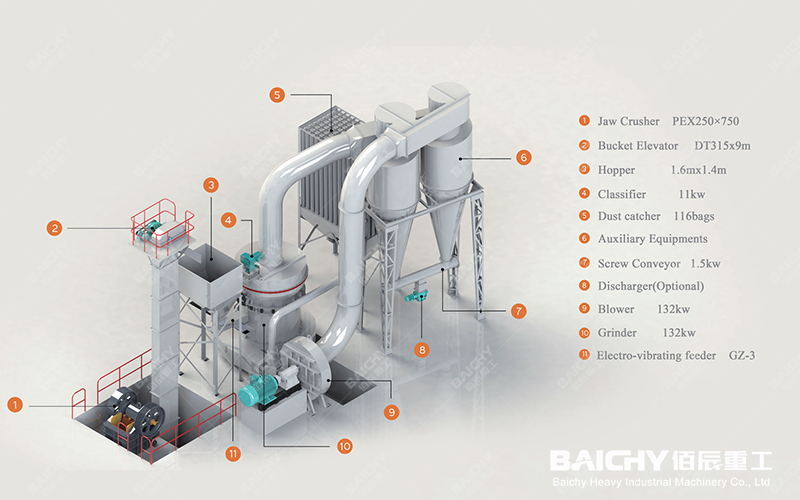
Schematic diagram of the dolomite powder production line process
IV. Localization Configuration for Ethiopia: Four Points Requiring Advance Confirmation
4.1 380V/50Hz Power Grid and Voltage Fluctuations
The industrial power distribution at the project site follows the 380V/50Hz standard, consistent with domestic (Chinese) standards (it is recommended to rely on grid parameters confirmed in writing by the client prior to project implementation). Voltage fluctuations and brief power outages at the distribution end must be considered during the equipment selection phase. It is recommended to custom-order the main motor, blower, classifier, and feeder as a complete set matched to local voltage and frequency standards; this avoids airflow imbalances and motor overheating often caused by compromise solutions like pairing a 50Hz motor with a variable frequency drive (VFD). For mining areas with unstable power supplies, installing soft starters and phase-loss protection is advisable.
4.2 Spare Parts and Local Maintenance Capabilities
Grinding rollers and rings are high-consumption parts; the spare parts supply cycle directly determines the number of effective annual operating hours. Contract terms should clearly specify the material grade (e.g., high-manganese steel Mn13Cr2), weight per set, container loading method, and lead time for in-stock shipments. Cost comparisons should be based on "wear cost per ton of powder produced" rather than "unit price per part" to ensure an accurate financial assessment—low-quality castings may fail within just one month when processing dolomite.
4.3 Djibouti Corridor Logistics and Sectional Transport
As Ethiopia is landlocked, equipment is typically transshipped via the Port of Djibouti. Large components—such as the main unit, classifier, cyclone collector, and pulse dust collector—should feature a modular (sectional) design. Dimensions and weights of inpidual parts must be controlled to suit inland transport and on-site lifting conditions, while packaging should align with the transport plan to minimize the amount of on-site reassembly required.
4.4 Dust Control and Environmental Compliance
The entire line utilizes a closed-loop negative-pressure circulation system: finished product is collected via a cyclone separator, and exhaust gas is filtered through a pulse-jet bag filter before discharge, ensuring on-site dust concentrations meet environmental compliance standards. Crucially, the recovered fines are themselves a marketable product; for higher-value dolomite powder, preventing the loss of one ton translates directly into an extra ton of profit. Environmental control features on dolomite grinding equipment should be viewed not merely as a cost, but as a factor that boosts yield.
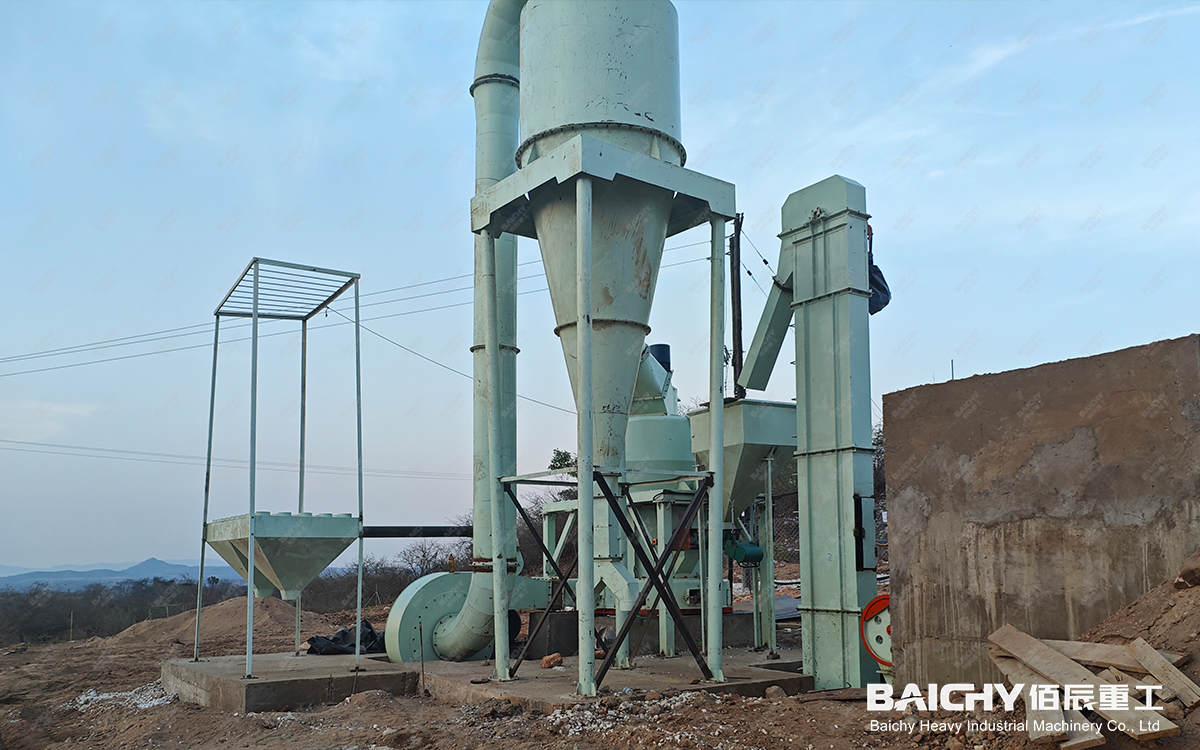
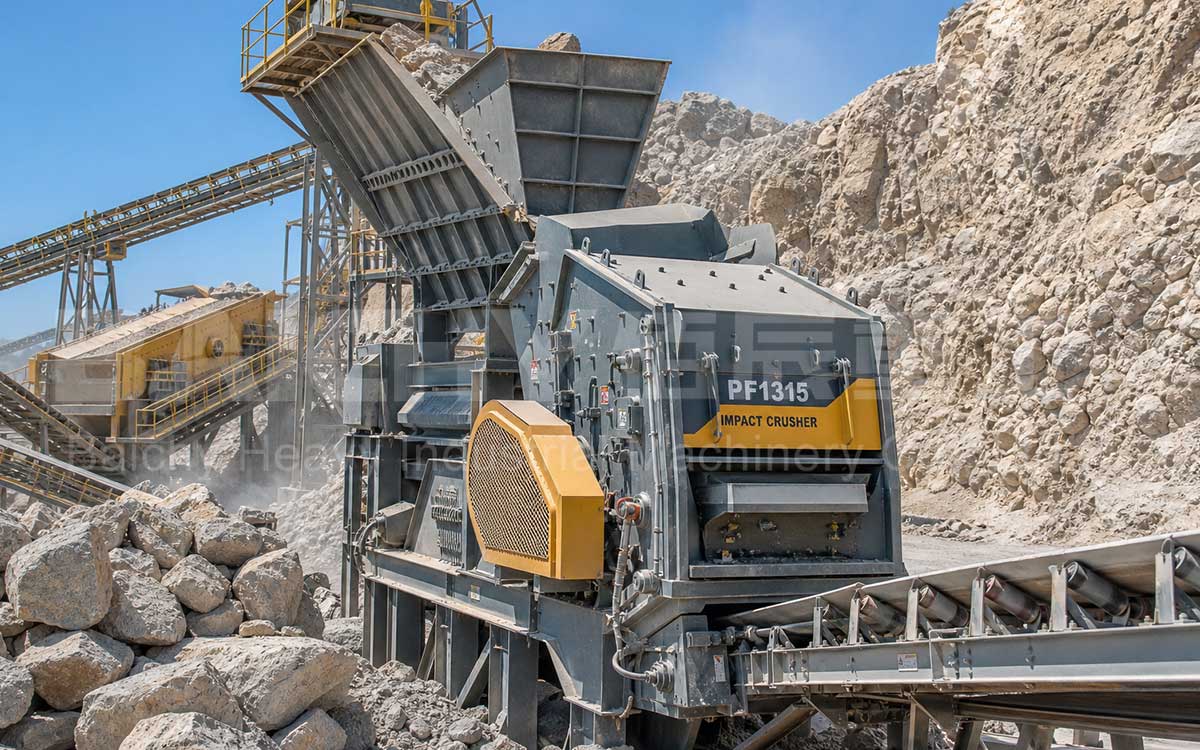
South Africa milling production line site
V. FAQ: Three Common Questions About Dolomite Grinding in Ethiopia
Q1: Should dolomite grinding in Ethiopia prioritize agricultural soil-conditioning powder or industrial filler powder?
A1: It depends on two factors—raw material grade and logistics radius. Agricultural soil-conditioning powder (80–200 mesh) is a high-volume, low-unit-price product where profit depends on tonnage and proximity to farming areas; it is ideal for small-to-medium production lines located near agricultural belts (such as Oromia or the Amhara Highlands). The YGM130/YGM160 Raymond mill is the preferred choice here due to its quick investment payback and low risk of failing to reach target output. Dolomite filler powder (finer than 325 mesh) demands stricter consistency in fineness and chemical composition; it suits enterprises with established industrial clients or those supplying cement and glass plants, with the MTW series or HGM ultrafine mill being the preferred options. If you wish to produce both types, a single YGM mill equipped with a variable-frequency classifier can cover both market segments—producing coarser powder in the morning and finer powder in the afternoon without needing to stop the machine to change parts.
Q2: Dolomite is harder than limestone; how much will production capacity drop? How can I ensure the rated capacity isn't exaggerated?
A2: Dolomite has a Mohs hardness of 3.5–4. For the same model and fineness, production capacity is typically around 90% of the baseline for calcium carbonate processing, and the lifespan of grinding parts is correspondingly shorter (estimated). There is only one way to avoid inflated ratings: conduct tests using your own material. Baichy offers free material grinding tests, providing particle size analysis reports and guaranteed capacity figures based on your actual raw ore. You should also require the manufacturer to specify the actual output capacity for your "target mesh size" rather than the mill's nominal maximum capacity—using a 200-mesh figure to represent 325-mesh performance is a common trap in the industry.
Q3: What components are included in a complete dolomite grinding system? What are the requirements for moisture content?
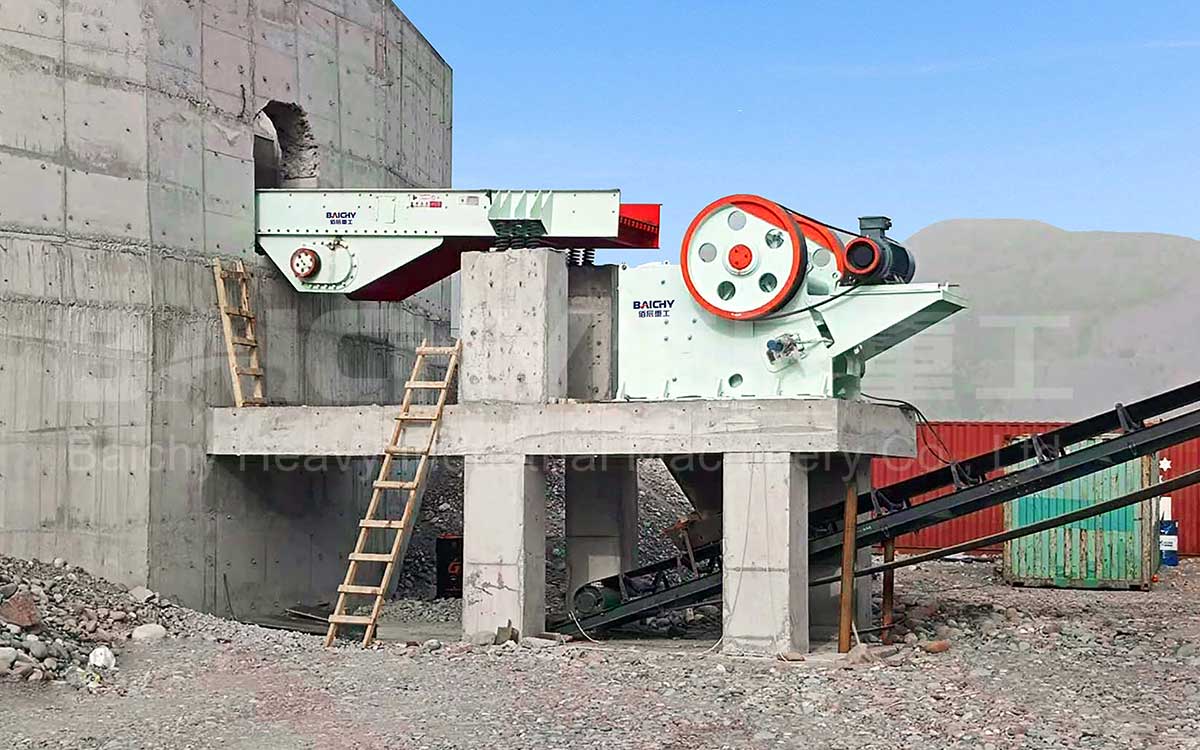
A3: The standard configuration includes: Jaw crusher (coarse crushing to ≤25–35 mm) → Bucket elevator → Electromagnetic vibrating feeder → Main grinding mill → Variable-frequency classifier → Cyclone collector → Pulse bag dust collector → Finished product conveying and packaging system. Dolomite with a surface moisture content of less than 5% can be fed directly into the mill, as the hot air circulation within the grinding chamber provides inherent drying capabilities; however, raw ore with higher moisture content requires a pre-drying stage—otherwise, material adhesion to the rollers and classifier clogging will occur, making continuous production impossible. There is a significant price difference between quoting for inpidual components and quoting for the complete production line; it is recommended to align on the full-line solution from the outset.
Baichy Heavy Industry
Baichy Heavy Industry is a high-tech mining equipment company integrating R&D, manufacturing, sales, and after-sales service. Focusing on crushing, grinding, and mineral processing equipment, we provide professional solutions to our customers. We are ISO9001:2015 、certified, and our products include mobile crushing palnts, crawler crushing plant, construction waste crushing plants, jaw crushers, sand making machines, cone crushers, fine crushers, grinding mills, ball mills, etc., all with reliable performance to meet diverse project needs.
Baichy Heavy Industry – Your Trusted Partner
To ensure optimal performance of your equipment, Baichy Heavy Industry offers:
- Professional on-site installation guidance
- Comprehensive operator training
- 24/7 technical support & maintenance services
Our complete after-sales service system guarantees long-term, stable operation of your machinery with minimal downtime.
Protect Your Rights – Only Use Official Channels
To avoid scams and ensure authentic support, contact us exclusively through:
• Official Website: www.baichychina.com
• WhatsApp: +8615093222637
• Email: [email protected]
Your satisfaction is our priority – expect prompt, professional service every time.
(Note: Beware of unauthorized third parties claiming to represent Baichy. Always verify through official contacts.)