
Introduction: Electricity consumption during the grinding stage typically accounts for over 30% of processing costs for non-metallic minerals and more than 60% of a cement plant's total power usage; thus, the choice of mill directly determines the cost per ton and the payback period. The Vertical Roller Mill (VRM) integrates grinding, drying, and classification into a single unit, offering system energy savings of 25%–35% compared to ball mills. It is the mainstream grinding solution for medium-hardness materials such as calcium carbonate, barite, gypsum, slag, and cement raw meal. This article explains the VRM selection process using a "four-step decision method": first, assess material hardness and abrasiveness; second, determine drying requirements based on moisture content; third, define target fineness and production capacity; and fourth, calculate system energy consumption and the payback period.
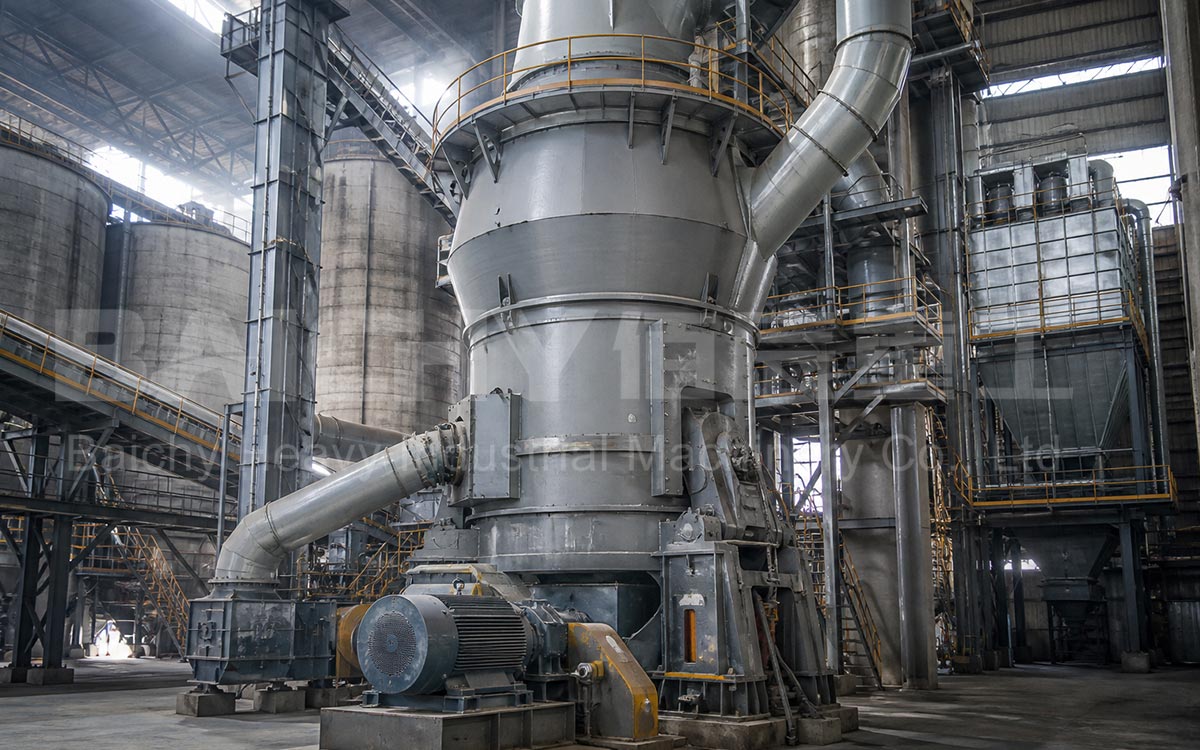
Vertical Mill
The Vertical Roller Mill is not merely a label for "advanced equipment" but rather the optimal solution for specific operating conditions. In scenarios involving materials with a Mohs hardness of ≤6–7, feed moisture ≤15–20%, finished product fineness between 200 mesh and 5000 cm²/g, and single-unit capacities of 3–500 t/h, the VRM outperforms Raymond mills and ball mills across the board in terms of energy consumption, footprint, and maintenance. Conversely, for materials with a Mohs hardness >7 or high silica content (causing severe abrasion), requirements for ultrafine powder (D97 <8 μm), or low production capacities (below 2–3 t/h), one should revert to ball milling combined with classification or ultrafine grinding solutions. The basis for this decision lies not in marketing brochures but in four sets of verifiable material data; the correctness of the selection is determined as early as the grinding tests conducted prior to signing the contract.
I. Overview: Working Principle and Industry Positioning of Vertical Roller Mills
The vertical roller mill integrates the three processes of grinding, drying, and classification into a single main unit: material is fed into the center of the grinding table and moves toward the rim under centrifugal force, where it is repeatedly crushed by hydraulically pressurized grinding rollers; hot air enters through the annular gap at the table's edge, drying the material during transport; fine powder is carried by the airflow to the dynamic classifier at the top—where particles meeting fineness specifications exit the mill—while coarse particles fall back onto the grinding bed for regrinding.
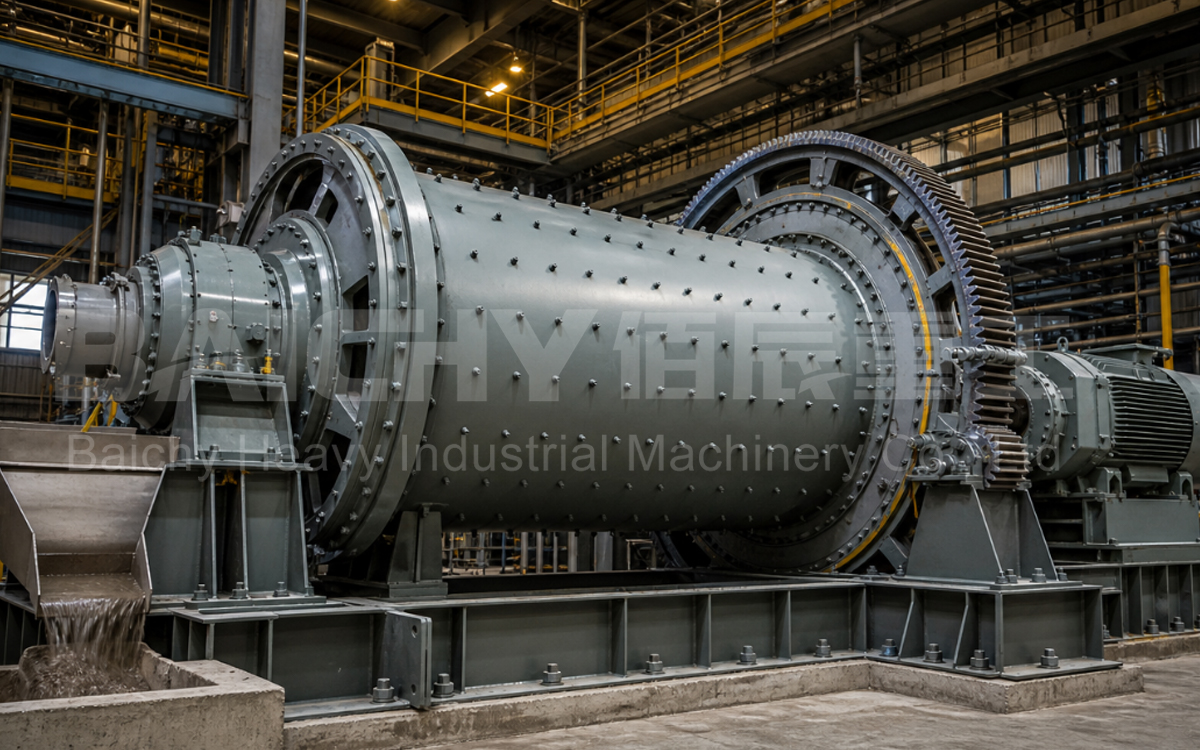
A comparison with two other mainstream mill types clarifies the positioning of the vertical roller mill. Ball mills rely on the impact of steel balls and require external drying, classification, and multi-stage lifting systems, resulting in a system power consumption of 20–24 kWh/t. In contrast, vertical roller mills utilize bed-compression grinding; a material cushion always exists between the rollers and the table, eliminating direct metal-on-metal contact and grinding media wear, with system power consumption of only 14–18 kWh/t. Raymond mills are limited by their suspended roller structure, typically capping single-unit capacity at 10–15 t/h and requiring shutdowns to change classifier impellers when switching product grades. Vertical roller mills, however, can achieve capacities of hundreds of tons per hour and feature variable-frequency drive (VFD) control for real-time adjustment of classifier speed, effectively overcoming the limitations regarding medium-to-large scale capacity and product flexibility.
II. Application Scenarios: Materials and Operating Conditions Suitable for Vertical Roller Mills
Scenario 1: Non-metallic Mineral Powder Production—Calcium Carbonate, Barite, Gypsum, Kaolin
Ground calcium carbonate (GCC) with a fineness of 325 mesh (D97 ≈ 43 μm) is one of the most widely consumed non-metallic mineral powders. A single vertical roller mill production line can continuously produce various grades ranging from 200 to 1250 mesh without requiring shutdowns to change classifier components. For moisture-laden materials like gypsum and barite, simultaneous grinding and drying occur using hot air at 200–350°C; this replaces the traditional two-step "dry-then-grind" process (using Raymond mills), thereby eliminating the need for a separate pre-drying line.
Scenario 2: Cement and Slag—Raw Meal, Pulverized Coal, and Slag Powder
Raw meal typically has a moisture content of 8%–15%; vertical mills can utilize kiln-tail waste heat for simultaneous grinding and drying, bringing drying costs close to zero. Slag powder requires high fineness (4,000–5,000 cm²/g); blast furnace slag (12%–15% moisture) can be fed directly into the mill without pre-drying. Pulverized coal preparation requires explosion-proof equipment models. All three materials can be processed on the same equipment platform, with differences primarily in grinding roller materials, hot air systems, and safety configurations—aligning with the "one mill, multiple materials" procurement strategy adopted by cement groups.
Scenario 3: Industrial Solid Waste Valorization—Desulfurization Gypsum, Steel Slag, and Fly Ash
Power plant desulfurization gypsum and steel slag have high moisture content and a tendency to agglomerate; the vertical mill's "grind-and-dry" capability is a natural fit. Wet materials are fed directly into the mill, and the finished product serves as a construction material additive, transforming environmental disposal costs into revenue from marketable products. Since the abrasiveness of these materials fluctuates significantly, grinding tests must be conducted before signing contracts, and a budget should be allocated for replacing grinding rollers and tables.
Operating Conditions Unsuitable for Vertical Mills (Pitfall Avoidance List)
Highly abrasive materials with a Mohs hardness >7 or SiO₂ content exceeding 8%–10% (e.g., quartz sand, corundum) cause rapid wear on grinding rollers and tables, with wear-related costs far outweighing energy savings. Requirements for ultrafine powder with D97 <8 μm should be met using a ball mill combined with a classifier or a stirred mill. For small-scale projects with capacities below 2–3 t/h, the investment cost of the vertical mill unit is disproportionately high, extending the payback period. Decisively rejecting the vertical mill solution for these three scenarios is not a loss, but a way to prevent further losses.
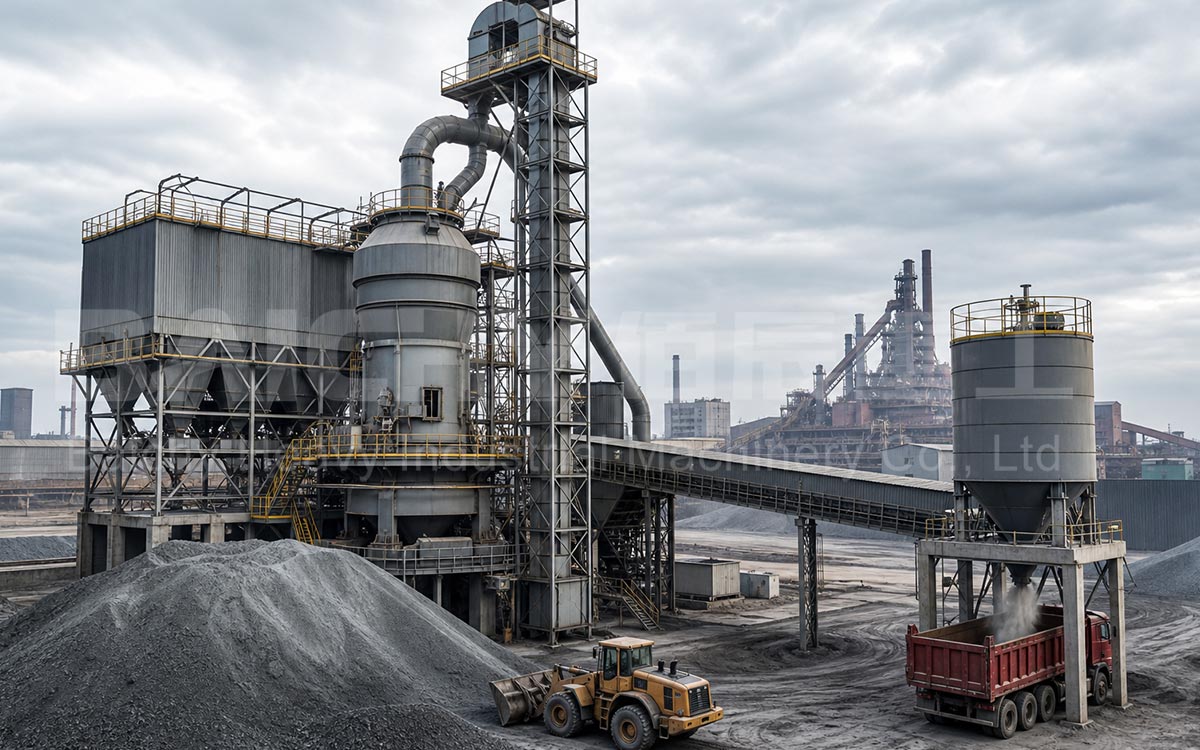
Vertical Roller Mill
III. Core Advantages: Understanding the Economics of Vertical Mills in Five Figures
1. System power consumption is 14–18 kWh/t, representing a 25%–35% energy saving compared to ball mills. Based on a throughput of 15 t/h for non-metallic minerals, 6,000 annual operating hours, and an electricity rate of $0.10/kWh, annual electricity savings range from $20,000 to $40,000; for a cement raw meal application at 180 t/h, annual savings can reach $400,000–$600,000—meaning that for most projects, electricity savings alone can offset the price difference of the main equipment.
2. Integration of drying, grinding, and classifying: Pre-drying lines, external classifiers, and associated conveying equipment are eliminated, thereby reducing the investment cost of the main system.
3. Footprint is approximately 1/2 to 2/3 that of a ball mill system, and civil engineering investment is reduced by about 30%; for sites with space constraints during renovation or expansion, this translates directly into savings on steel structures and foundations.
4. Bed grinding without steel balls: No downtime for ball replenishment; grinding rollers and tables have a service life of 6,000–10,000 hours in raw meal applications, and the annual operating rate is 2–4 percentage points higher than that of ball mill systems.
5. Online adjustable fineness: A variable-frequency dynamic classifier allows for continuous switching of product grades during operation, enabling a single line to supply multiple specifications and resulting in lower inventory and product-switching costs.
IV. Key Parameters: Selection Reference Ranges for Vertical Roller Mills
| Parameter | Typical Range | Selection Notes |
|---|---|---|
| Single-unit Capacity | Non-metallic minerals: 3–60 t/h; Cement raw meal: 50–500+ t/h | Slag and pulverized coal capacities are adjusted based on operating conditions; final model selection is determined by grinding tests. |
| Feed Particle Size | ≤ 50–100 mm | Requires an upstream crushing system; uncontrolled feed size can damage grinding rollers and the grinding table. |
| Feed Moisture Content | ≤ 15–20% | Simultaneous drying and grinding using hot air; can utilize waste heat from kiln tails or boilers (200–350°C). |
| Finished Product Fineness | 200–1250 mesh; Cement: 3200–4200 cm²/g; Slag: 4000–5000 cm²/g | Continuously adjustable online via variable-frequency classifier; no need to stop the machine to change parts. |
| System Power Consumption | 14–18 kWh/t | Includes fans and classification; comparisons must be made on a like-for-like basis with ball mill systems. |
| Roller/Table Service Life | Raw meal: 6000–10000 h; Highly abrasive materials: 3000–5000 h | Varies with material abrasiveness; represents a major spare parts cost component. |
| System Footprint | Approx. 1/2–2/3 of a ball mill system | Vertical layout; eliminates the need for external classifiers and multi-stage elevators. |
Note: Values are typical ranges for industry reference, not a commitment for a single model. Final capacity, fineness and configuration are subject to material grinding tests and the signed technical agreement.
V. Application Cases: Return on Investment (ROI) Calculations for Three Typical Operating Scenarios
Description: The following are calculation examples based on typical industry operating scenarios (client information has been anonymized) to demonstrate the ROI logic for vertical roller mills in different contexts.
Case Study 1: 325-Mesh Ground Calcium Carbonate (GCC) Production (Non-metallic minerals, 12–15 t/h)
• Configuration: 12–15 t/h Vertical Roller Mill (VRM); feed: 10–30 mm calcite; target: 325 mesh (D97 ≈ 43 μm).
• Analysis: System power consumption is 16 kWh/t vs. 23 kWh/t for ball mills; based on 6,000 annual operating hours, this saves approximately $25,000 in electricity costs annually and eliminates the need for a pre-drying line investment.
• Conclusion: Factoring in savings on land footprint and labor, the typical payback period is under 3 years.
Case Study 2: S95 Slag Powder Station (25–30 t/h)
• Operating Conditions: Blast furnace slag with 12%–15% moisture content is fed directly into the mill, eliminating the need for pre-drying.
• Output: S95 grade slag powder (4,500 cm²/g); continuous supply of multiple product grades via online classification.
• Conclusion: With drying costs approaching zero and the sale of high-value-added products, this is one of the scenarios offering the fastest return on investment for VRMs; payback periods typically range from 2 to 3 years.
Case Study 3: Power Plant Desulfurization Gypsum Valorization (10 t/h Construction-grade Gypsum Powder)
• Operating Conditions: Desulfurization gypsum with 12%–18% moisture content; wet material is fed directly into the mill, with simultaneous grinding and hot-air drying.
• Output: Finished construction-grade gypsum powder, replacing the cost of purchasing natural gypsum.
• Conclusion: Transforming waste disposal costs into product revenue while meeting environmental compliance standards yields a "double benefit" on the balance sheet.
VI. Recommended Equipment Based on Selection Logic
Primary Recommendation: Vertical Roller Mill (VRM Series)—covers four mainstream application scenarios: non-metallic minerals (200–1250 mesh), cement raw meal, pulverized coal (explosion-proof), and slag powder (high fineness). Grinding roller materials, hot-air systems, and electrical parameters are customized based on material grinding test data; supports customization for 60Hz/400V/440V power grids.
Integrated Line Configuration (Recommended Combination):
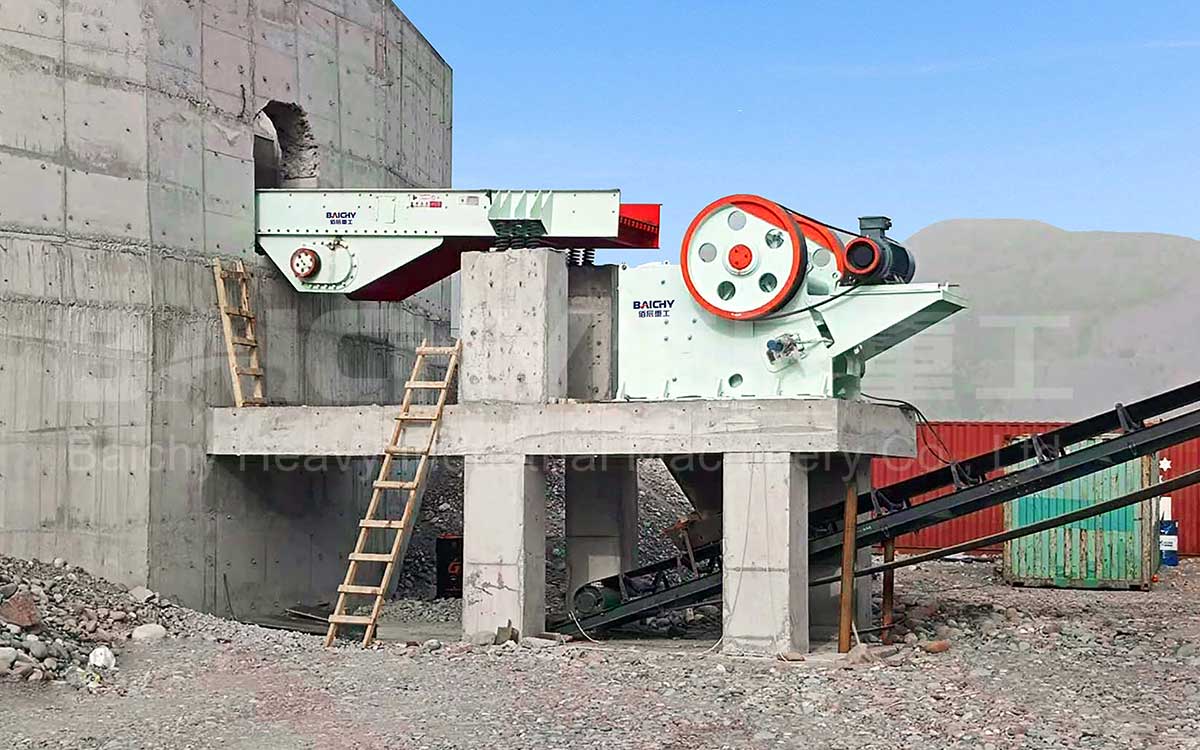
• PE Series Jaw Crusher: For primary crushing; controls feed size to ≤50–100 mm to protect the grinding rollers and table;
• ZSW Vibrating Feeder + Belt Conveyor: Ensures stable, uniform feeding to prevent material bed instability and system trips;
• Strong Magnetic Separator: Removes metallic foreign objects before grinding—this is a mandatory component, not an optional extra;
• Bag-type Dust Collector + Hot Air Stove/Fan System: Ensures dust emissions meet standards; the hot-air system is designed based on the season with the highest material moisture content, incorporating a 15–20% drying capacity margin.
Alternative Solutions Based on Operating Conditions:
• Capacity of 2–15 t/h and stable fineness of 200–600 mesh → Raymond Mill (5R/YGM Series): Lower initial investment and faster return on investment (ROI);
• High-hardness/highly abrasive materials or requirements for D97 < 10 μm → Ball Mill + Classifier / HGM Ultrafine Mill;
• Retrofitting existing ball mill systems → Consult engineers for a CAPEX/OPEX analysis comparing the vertical mill replacement before deciding whether to switch.
VII. FAQ
Q1: What is the production capacity threshold distinguishing vertical mills from Raymond mills?
A1: When the required capacity for a single unit exceeds approximately 8–15 t/h, or when flexible switching between multiple fineness grades (200–1250 mesh) is required, the advantages of vertical mills regarding power consumption and footprint clearly surpass those of Raymond mills. For lower capacities and stable, single-grade fineness requirements, the Raymond mill remains a pragmatic choice due to its lower initial investment and simpler maintenance requirements. The decision criteria are capacity and product mix, not simply "advanced technology vs. older technology."
Q2: What data must be provided to the manufacturer when selecting a vertical mill?
A2: A preliminary assessment can be made based on four sets of data: material name, Mohs hardness, and silica content (to determine abrasiveness); feed particle size and moisture content (to determine pre-treatment and drying configurations); target fineness and production capacity (to select the specific model); and local electricity rates and annual operating hours (to calculate the payback period). The safest approach is to send a 5–10 kg sample for free grinding tests and sign a technical agreement based on the actual test results.
Q3: What is the investment payback period for a vertical mill? What are the biggest pitfalls during procurement?
A3: The typical industry payback period is 2–4 years, driven primarily by electricity savings and the elimination of the need for a separate drying line investment. The biggest pitfall is confusing the "main unit nameplate power" with "system power consumption"—comparisons must be based on the total system power consumption (including fans and classifiers) and this metric should be included in the technical agreement's performance clauses. Other common mistakes include selecting a model without conducting grinding tests and overlooking iron removal configurations or moisture margin design.
Baichy Heavy Industry
Baichy Heavy Industry is a high-tech mining equipment company integrating R&D, manufacturing, sales, and after-sales service. Focusing on crushing, grinding, and mineral processing equipment, we provide professional solutions to our customers. We are ISO9001:2015 、certified, and our products include mobile crushing palnts, crawler crushing plant, construction waste crushing plants, jaw crushers, sand making machines, cone crushers, fine crushers, grinding mills, ball mills, etc., all with reliable performance to meet diverse project needs.
Baichy Heavy Industry – Your Trusted Partner
To ensure optimal performance of your equipment, Baichy Heavy Industry offers:
- Professional on-site installation guidance
- Comprehensive operator training
- 24/7 technical support & maintenance services
Our complete after-sales service system guarantees long-term, stable operation of your machinery with minimal downtime.
Protect Your Rights – Only Use Official Channels
To avoid scams and ensure authentic support, contact us exclusively through:
• Official Website: www.baichychina.com
• WhatsApp: +8615093222637
• Email: [email protected]
Your satisfaction is our priority – expect prompt, professional service every time.
(Note: Beware of unauthorized third parties claiming to represent Baichy. Always verify through official contacts.)